Tag: maintenance

  • Korean Air Leverages Airbus’ Advanced Data-driven Maintenance Program To Boost Operational Efficiency

    Korean Air Leverages Airbus’ Advanced Data-driven Maintenance Program To Boost Operational Efficiency

    Korean Air recently entered into a contract to implement Airbus’ sophisticated data-driven predictive maintenance program, Skywise Fleet Performance+ (S.FP+). The agreement was finalized on October 16.

    Upgraded Platform

    This advanced solution is an enhancement of the airline’s existing systems, Skywise Predictive Maintenance+ (SPM+) and Skywise Health Monitoring (SHM). Through the introduction of S.FP+, the airline aims to improve operational efficiency and harmonize maintenance systems. This move is critical in preparing for the anticipated expansion of the airline’s fleet, which will occur following the merger with Asiana Airlines.

    S.FP+ is designed to optimize aircraft availability and operational reliability by employing advanced data analytics. This system identifies potential component issues before they arise. The “Control” tier, chosen by Korean Air, offers features like pre-departure check support and smart troubleshooting tools powered by natural language processing (NLP). The proactive strategy is projected to noticeably decrease Aircraft on the Ground (AOG) situations and their related costs.

    Application to Fleets

    This solution will be used on Korean Air’s A321neo, A330, A350, and A380 fleets. After the full integration of Korean Air and Asiana Airlines, the tool will also be applied to the Asiana Airlines’ Airbus fleet.

    The head of the Predictive Maintenance Team at Korean Air, Jong Hoon Oh, highlighted the success of their data-driven maintenance strategy. He said, “This approach has successfully prevented over 100 potential flight disruptions in 2024 alone. This advancement to S.FP+ is a strategic move as we prepare for the incorporation of the Asiana fleet. We aim to uphold the highest levels of operational reliability and efficiency on a larger scale.”

    The partnership underscores a mutual dedication to innovative solutions, and Airbus is honored to assist Korean Air in achieving higher levels of operational reliability through data-driven maintenance.

    Questions & Answers

    What is the Skywise Fleet Performance+ (S.FP+) program?

    The S.FP+ program is an advanced data-driven predictive maintenance solution developed by Airbus to enhance operational efficiency and unify maintenance systems.

    What benefits does the “Control” tier of S.FP+ offer?

    The “Control” tier, chosen by Korean Air, provides pre-departure check support and intelligent troubleshooting tools powered by natural language processing. This proactive approach is aimed at decreasing Aircraft on the Ground (AOG) situations and associated costs.

    What is the impact of the data-driven maintenance strategy on Korean Air’s operations?

    The data-driven maintenance strategy has proved effective in preventing potential flight disruptions. In 2024 alone, it averted over 100 possible flight interruptions. This strategy is anticipated to maintain high levels of operational reliability and efficiency as the airline expands.
  • Vietnam Airlines Launches $69M Catering and Maintenance Initiatives at New Airport, Elevating Service Standards

    Vietnam Airlines Launches $69M Catering and Maintenance Initiatives at New Airport, Elevating Service Standards

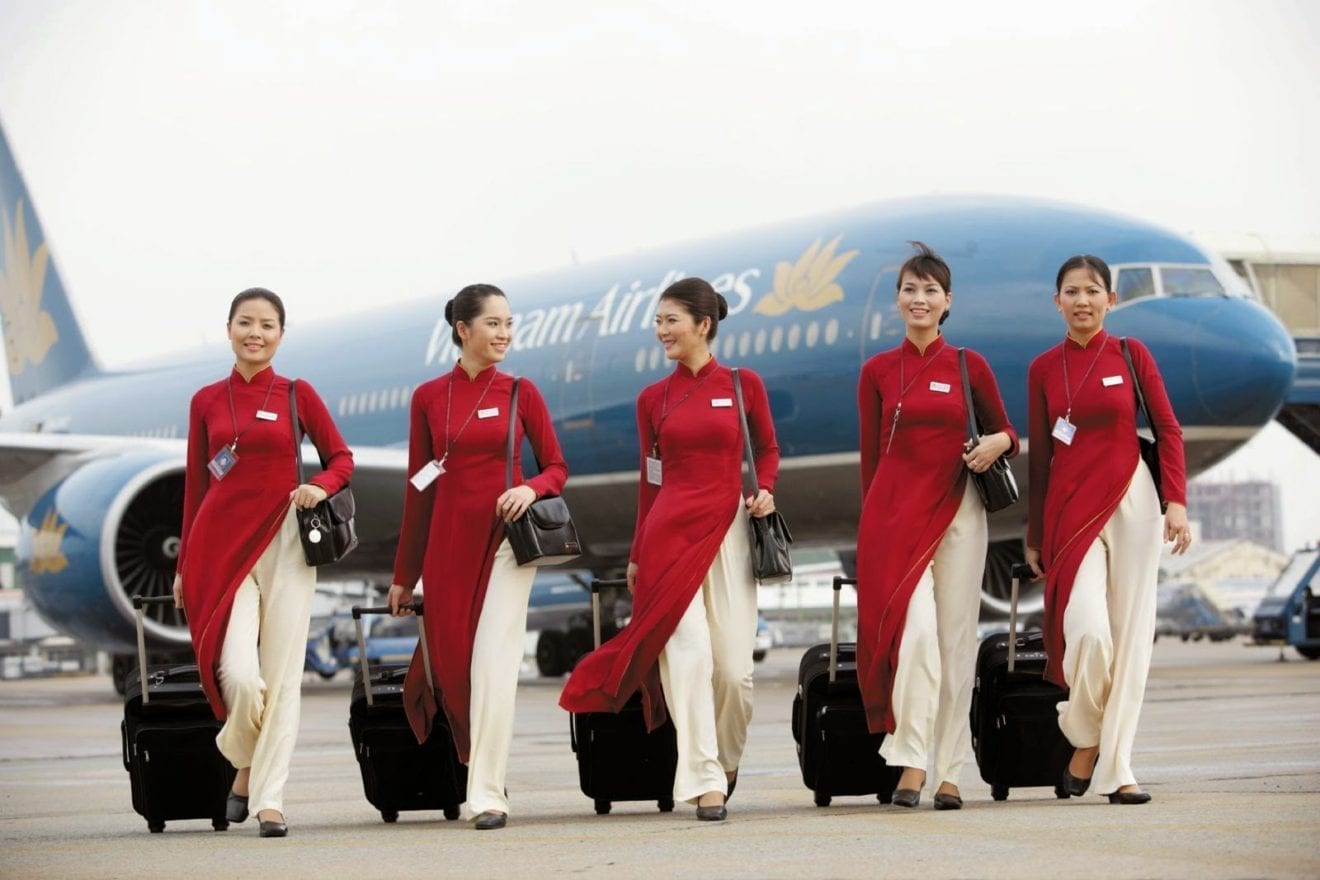
    Vietnam Airlines has officially commenced work on two significant projects at the rapidly developing Long Thanh International Airport, which is poised to become a major aviation hub in Vietnam. With a combined investment of VND 1.8 trillion (approximately USD 69 million), these initiatives focus on enhancing in-flight catering and aircraft maintenance services.

    Investment in Catering and Maintenance

    The projects will be spearheaded by the airline’s subsidiaries: Vietnam Airlines Caterers and Vietnam Airlines Engineering Company. The catering facility is designed to initially produce 20,000 meals daily, with the ambition to increase that capacity to 40,000. Such a massive food operation could make meal prep at 30,000 feet feel a little less like airplane food—an exciting prospect for hungry travelers!

    On the maintenance front, work is underway on a state-of-the-art facility covering over 45,000 square meters, with a budget of VND 1.1 trillion. This facility will service two wide-body and two narrow-body aircraft simultaneously, boasting a minimum annual maintenance capacity of 250,000 man-hours. It aims to conduct between 120 to 150 maintenance sessions each year, ensuring that the fleet remains in peak condition.

    Additionally, Vietnam Airport Ground Services Company has initiated its own project, focusing on maintaining airport ground equipment, further streamlining operations at Long Thanh.

    A Landmark Development

    Spanning an impressive 5,000 hectares in Dong Nai Province, Long Thanh International Airport boasts an estimated total cost of VND 336.6 trillion. The airport’s first phase is scheduled for completion in 2026 and includes crucial infrastructures such as a runway, a passenger terminal, and supporting facilities designed to accommodate up to 25 million passengers annually. With these developments, Long Thanh aims to elevate Vietnam’s status in the global aviation landscape.

    As construction progresses, the combination of extensive facilities and quality services signals a bright future for air travel in Vietnam. Who knows—maybe your next meal on a flight will be prepared just a stone’s throw away from the runway!

    Questions & Answers

    What is the total investment for the Vietnam Airlines projects at Long Thanh International Airport?
    The projects are estimated to cost VND 1.8 trillion (approximately USD 69 million).

    What capacity will the catering facility have?
    Initially, the facility is set to produce 20,000 meals per day, with potential scalability to 40,000 meals.

    When is the first phase of Long Thanh International Airport expected to be completed?
    The first phase is scheduled for completion in 2026, with a capacity to handle 25 million passengers each year.

  • Cebu Pacific and SIAEC dismantle maintenance joint ventures

    Cebu Pacific and SIAEC dismantle maintenance joint ventures

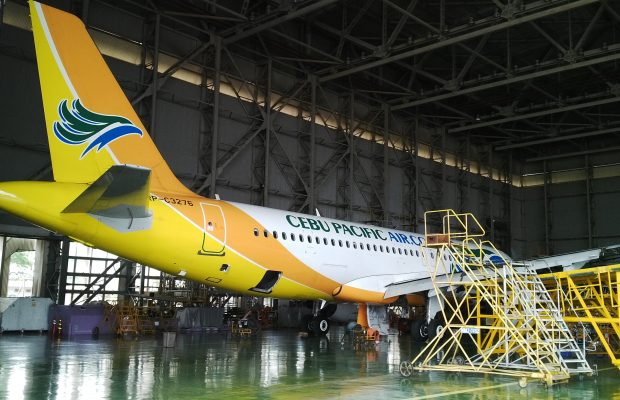
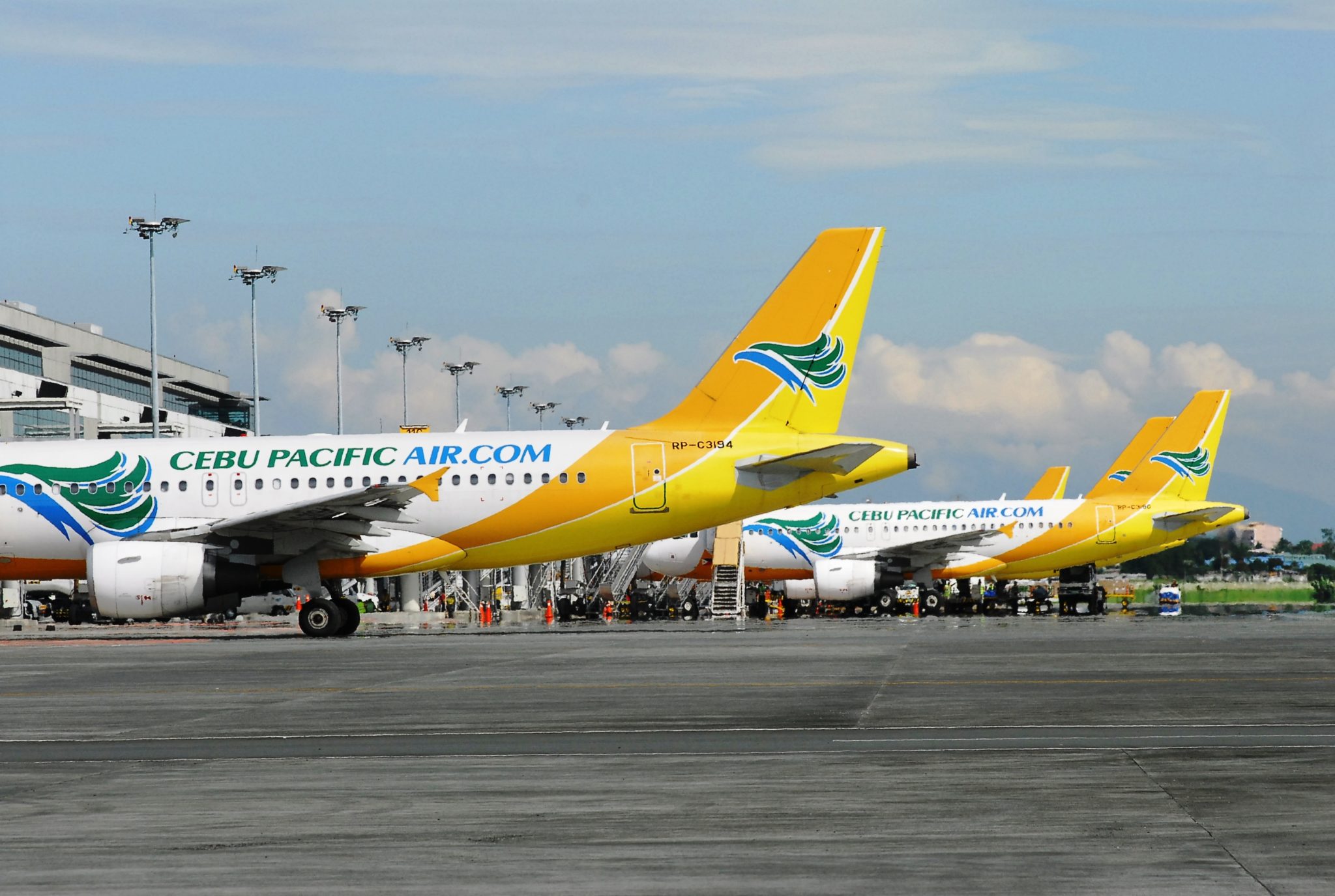
    Cebu Pacific Air (CEB) and SIA Engineering are unwinding their partnership in both their joint venture MRO companies based in the Philippines.

    These are Aviation Partnership (Philippines) Corporation (APPC), 51% owned by SIAEC and 49% by CEB, and SIA Engineering Philippines Corporation (SIAEP), 65% owned by SIAEC and 35% by CEB, established in 2005 and 2008, respectively. SIA Engineering Philippines is based in Clark.

    APPC is based in Manila and provides line maintenance, light aircraft checks, technical ramp handling, and other MRO services, at Manila, Cebu, Davao, and Clark, as well as other secondary airports in the Philippines.

    Clark-based SIAEP provides airframe maintenance, repair, de-lease checks, cabin retrofits, and overhaul services for Boeing 737, Airbus A320, and A330 aircraft, as well as line maintenance at Clark.

    CEB is acquiring SIAEC’s entire 51% stake in APPC for a cash consideration of nearly $5.61 million.

    SIAEC is acquiring CEB’s 35% stake in SIAEP for $7.74 million cash and states that this will be accounted for as an equity transaction.

    CEB and SIAEC signed on 26 October a share sale and purchase agreement for each entity. When completed, each joint venture company will become a wholly-owned subsidiary of the acquiring partner while the divesting partner will cease to hold any equity interest.

    The valuation for each transaction was arrived at after arm’s length negotiations on a willing-buyer, willing-seller basis, taking into account the net asset value and financial performance of each joint venture, among other factors.

    SIAEC states in a disclosure to the Singapore Exchange that based on each entity’s unaudited financial statements for the financial year ended 31 March, 51% of APPC’s net asset value was equivalent to $4.76 million and 35% of SIAEP’s net asset value was $9.32 million.

    According to CEB’s disclosures to the Philippine Stock Exchange, its financial statements for the quarter ended 30 June put its net carrying value of a 35% stake in SIAEP at $7.5 million while 51% of APPC’s net asset value works out to $4.5 million.

    CEB says that acquiring APPC is in line with its overall strategy to align line maintenance operations with its network and service requirements more closely, “for significant operational efficiencies and optimization of resources for an even stronger competitive advantage.”

    SIAEC says that the SIAEP acquisition fits its strategy to strengthen core competencies and enhance the entity’s status as the group’s center of excellence for narrowbody aircraft MRO offerings.

    It states: “The SIAEC Group is now in a stronger position to seize new opportunities, and provide customers with cost-competitive and integrated MRO solutions, from airframe to engines and components, for modern aircraft fleets of various sizes and composition.”

  • HKCYIA signs MOU with Voyager to promote superyacht services in Hong Kong

    HKCYIA signs MOU with Voyager to promote superyacht services in Hong Kong

    The Hong Kong Cruise and Yacht Industry Association (HKCYIA) has signed a Memorandum of Understanding (MOU) with Voyager Risk Solutions Ltd to support its risk and insurance management services for superyachts, with full scale professional solutions that are expected to promote its upcoming initiatives in the development of the yacht and tourism industries in the Greater Bay Area.

    The move was made in view of the rapid development of the global yacht industry and the surging demand for superyacht management services in Hong Kong.

    The MOU signing ceremony, witnessed by the management of both organisations, was officiated by HKCYIA Executive Director, Kara Yeung, and Voyager’s Chief Executive Officer, Tommy Ho. The agreement will further strengthen the two organisation’s developments in the yacht industry, with increased co-operations and exchanges in tourism promotions in the Greater Bay Area.

    Speaking at the ceremony, Yeung said under the agreement Voyager will provide professional risk management and insurance consultation services to the HKCYIA in the opening and operation of its upcoming Superyacht Management Services Centre. Both parties will have regular meetings to seek further co-operations and communications that can enable services improvements and sustainable developments.

    Yeung said Hong Kong has a major role to play in its capacity as a “super connector” in the implementation of the Belt and Road Initiative and the strategy to build the 21st century maritime Silk Road, providing the necessary support in the development of the maritime industries. Its first in Asia Superyacht Management Services Centre will be a milestone development for the industry.

    The centre, a partnership project with the China Merchants Industry Holdings Co. Ltd, will provide world-class supporting services for superyachts of over 45-metres, including refit, repair and maintenance services.

    Yeung added that the centre will work with international yacht brands and top management companies to provide a wide range of professional services, including repair and maintenance, audit and survey, bunkering services, crew administration, logistics support, etc. Exclusive onshore tours with tailor-made itinerary in the Area will also be provided.

  • Cebu Pacific links up with KLM AFI to service expanding fleet

    Cebu Pacific links up with KLM AFI to service expanding fleet

    Gokongwei-led budget airline Cebu Pacific (CEB) has chosen Air France Industries KLM Engineering and Maintenance (AFI KLM E&M) to provide maintenance support for its expected new fleet of Airbus A320s .

    “This is our first agreement with Cebu Pacific and also our first component support contract in the strategic Philippines market,” said Gery Mortreux, Executive Vice President of AFI KLM E&M in a statement released.

    The selection of AFI KLM E&M came following a call for tenders by CEB in September last year for the carrier’s expanding fleet of Airbus passenger jets .

    The long-term contract covers a fleet of over 40 Airbus A320-family aircraft, and encompasses full component support and solutions, including repairs and local pool access to maximize aircraft availability for both CEB’s A320s and its future A321neos.

    The A321 neo (new engine option) is a variant of the A320 that features a more efficient engine and more aerodynamic refinements.

    CEB currently has a fleet of 59 aircraft, comprised of 4 Airbus A319s, 36 Airbus A320s, 7 Airbus A330s, 8 ATR 72-500, and 4 ATR 72-600 aircraft. The average age of its fleet currently stands at 4.94 years.

    The airline also expects to take delivery of 45 brand-new aircraft as part of its fleet renewal program composed of one brand-new Airbus A330, 32 Airbus A321neos, and 12 ATR 72-600s

    All told, the new aircraft will bring the CEB fleet to 85 by 2021.

    CEB’s local rival, flag carrier Philippine Airlines (PAL), is also in the process of upgrading its fleet headlined by two new Boeing 777–300ERs set to arrive in December 2017 and January 2018, the airline announced over the weekend.

    Along with that, it is also expecting the arrival of the Q400 Next Generation turboprops for domestic flights starting in July 2017, and the first of 6 new A350-900s expected to arrive in 2018.

  • Garuda Indonesia, Switzerland strengthen cooperation on airplane maintenance

    Garuda Indonesia, Switzerland strengthen cooperation on airplane maintenance

    The Indonesian flag carrier, Garuda Indonesia, and the Government of Switzerland will strengthen cooperation in the field of aircraft maintenance through a subsidiary of Garuda Maintenance Facilities (GMF).

    Director of Engineering and Information Technology of Garuda Indonesia, Iwan Joeniarto, said here on Friday (April 1) that the cooperation has been established in the form of arrangements for exchange of knowledge about aircraft maintenance, aircraft mechanic training and provision of maintenance, repair and overhaul (MRO) equipment.

    In the initial phase, the cooperation arrangement will be for five years for Boeing 737 New Generation.

    “Later, we will develop this arrangement further,” he said.

    According to Iwan, the Swiss authority is interested in cooperating with the GMF because the company is very competitive and has qualified human resources.

    “We have lands that are widespread, although we still lack in infrastructure,” he said.

    The Vice President of Switzerland, Doris Leuthard, appreciated the facilities owned by Garuda Indonesia Group and hoped that the existing cooperation could be improved and continued in the future.

    “The meeting today has provided us with new insights regarding a very positive synergy between Garuda and GMF as a subsidiary,” he said.

    Vice President Leuthard assessed that Garuda and GMF together form for a great potential in Indonesia in the face of the competition in the aviation world globally.

    The official working visit of the Swiss Vice President, who is also the Minister of Environment, Transport, Energy and Communications (DETEC), is part of a series of diplomatic visits to Indonesia.

    The Director of GMF, Juliandra Nurtjahjo, said the visit of the Vice President of Switzerland was an excellent opportunity and valuable for GMF. Also, it was in line with the companys target to be among the top 10 MROs in the world by 2020.

    “This is a very good opportunity for GMF because we can introduce our facilities and explore other areas for potential cooperation,” he said.

    Juliandra remarked that the MRO market is currently growing, including in Indonesia. There are at least 700 aircrafts that require MRO services with a market value of approximately US$ 900 million. So far, the GMF has been able to claim only about 30 percent of the market opportunity.

    Leuthard also met the Indonesian Minister of Transport, Ignasius Jonan, on Thursday (March 31).

    Both the officials renewed an agreement between Indonesian government and the Swiss Federal Council related to Scheduled Air Services in Jakarta.

    The renewal agreement aims to accommodate a wider mutual interest in the Air Service Agreement (ASA).

    The minister said although currently no Indonesian airlines flies to Switzerland, the agreement is the first step to open up opportunities in the future for Indonesian airlines to serve flights to the country.

  • Garuda Indonesia expands maintenance facility

    Garuda Indonesia expands maintenance facility

    Garuda Indonesia opened its biggest aircraft maintenance facility at Soekarno-Hatta International Airport on Monday, which will support the state-owned airline’s fleet as well as regional carriers tapping into Indonesia’s growing aviation market.

    The maintenance facility is the fourth for group subsidiary, Garuda Maintenance Facility (GMF) AeroAsia. With an area of about 67,000 sq. meters, it will nearly double GMF’s current capacity. The facility can store 16 narrow body aircraft, although due to limited personnel and technical capabilities, it can only handle 12 aircraft at the moment. GMF will invest a total of about 500 billion rupiah ($35 million) until it reaches full capacity in 2018.

    The facility’s main purpose is to serve Garuda’s growing number of aircraft. The airline plans to add 21 aircraft this year to reach a total of 190. At the Paris Air Show in June, it inked a deal to purchase 60 aircraft from Boeing and 30 from Airbus, together worth nearly $20 billion at catalogue prices.

    GMF posted revenue of $264 million in 2014, a 15% increase from the previous year. About 70% of its revenue comes from servicing Garuda aircraft, including those of budget carrier spin-off Citilink.

    GMF’s President and Chief Executive Officer Richard Budihadianto said it also aims to increase revenue from foreign carriers. The company has plans to build a maintenance facility in Bintang Island, which is close to Singapore. Airlines in Asian countries such as Singapore and Australia can save time by stopping in Bintang instead of at Soekarno-Hatta. “We want at least 40-45% of revenue coming from third party carriers,” Budihadianto said.