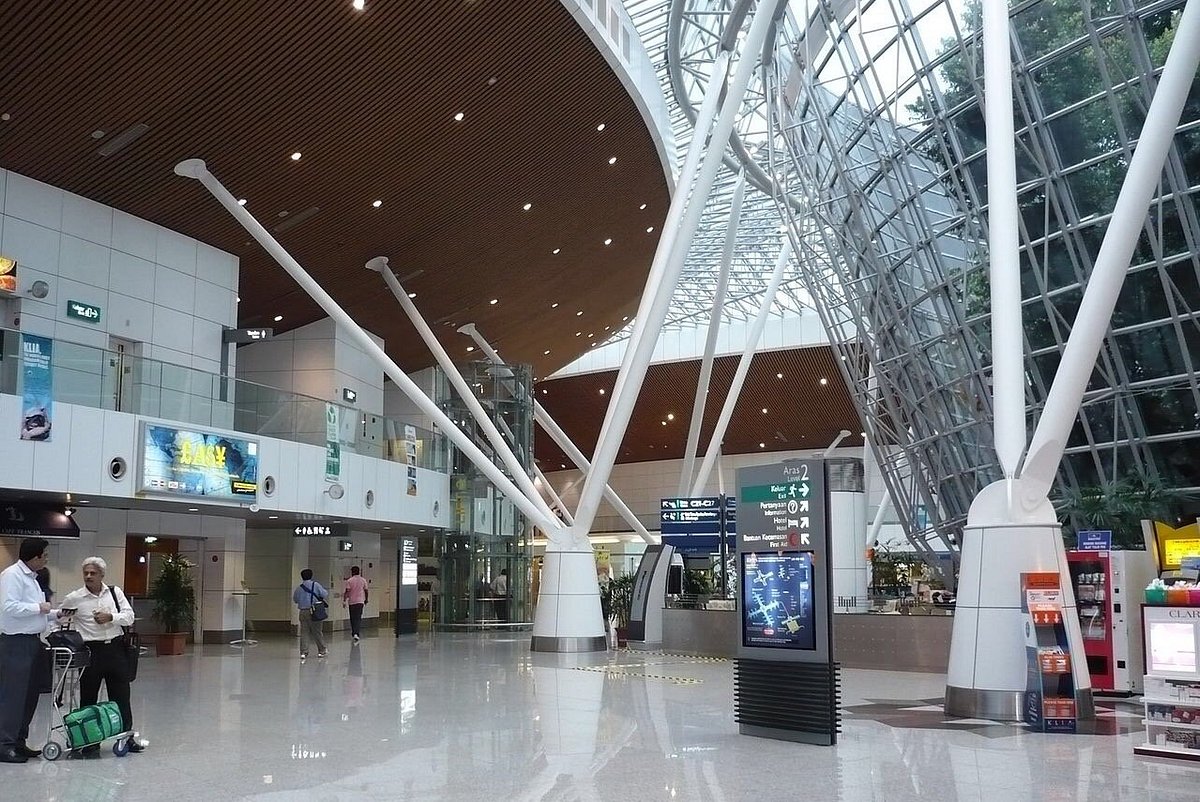
Malaysia Airports Holdings Bhd maintained a 93 percent commercial occupancy rate at Kuala Lumpur International Airport Terminal 2 through August. That is up from 92 percent a year earlier.
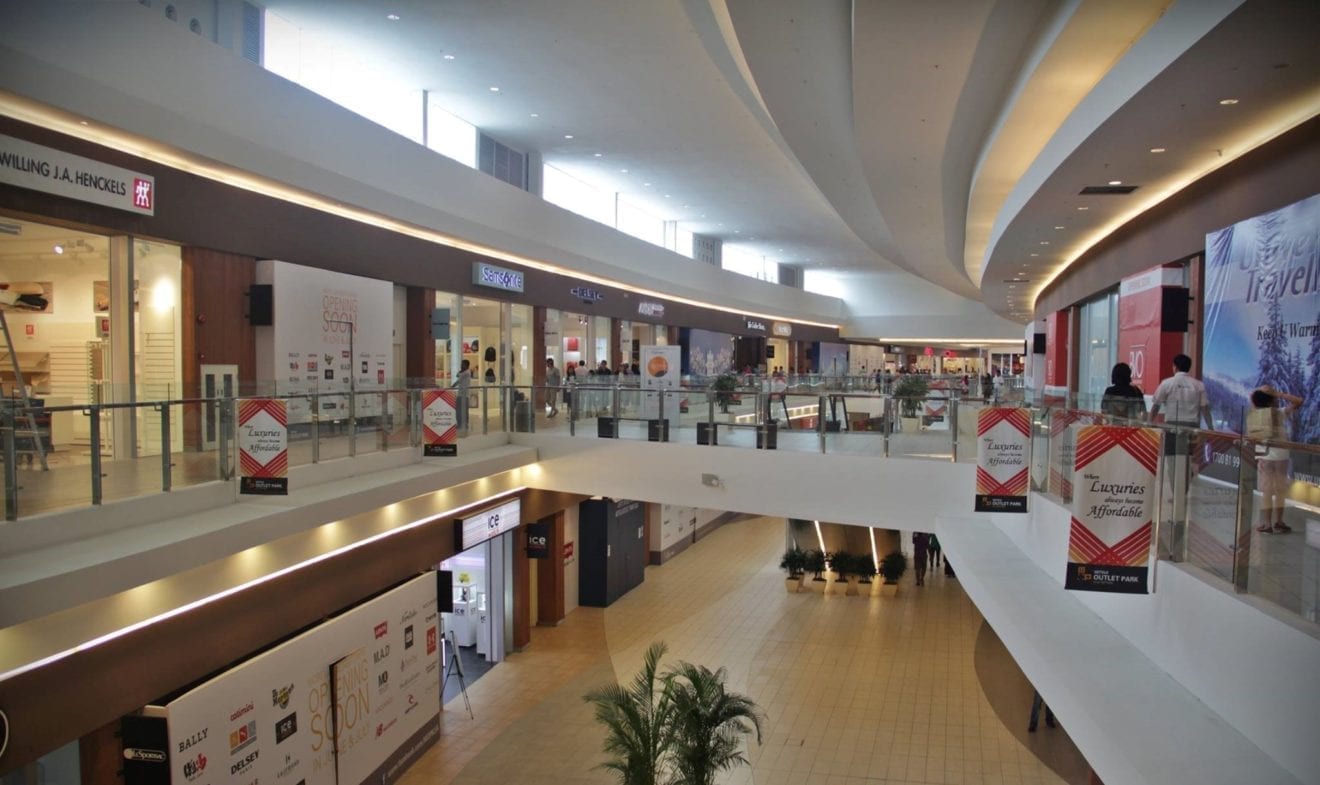
Tenancy held steady despite a 5 percent year-on-year drop in terminal passenger traffic to 17.48 million travellers across the first eight months of the year. Boarded-up storefronts across the concourse reflect terminal reconfigurations rather than retailer departures, the airport operator confirmed.
Floor Layouts Under Reconfiguration
Current hoardings inside the terminal cordon off spaces undergoing renovation to improve circulation and passenger processing. Selected commercial lots in those targeted zones will be phased out before the end of December.
MAHB withheld tenant sales figures and per-passenger spend, citing commercial sensitivity. Shop revenues depend on traveller profiles, store placement, and individual retail categories rather than gross passenger volume alone, the operator noted.
“Some of the hoardings currently visible within the terminal are part of a planned reconfiguration of space to improve passenger processing and circulation,” MAHB said in an email response to questions from The Edge Malaysia.
Jet Fuel Volatility Pressures Low-Cost Carriers
Traffic declines at Terminal 2 follow route and seat cuts by budget airlines reacting to elevated fuel overheads. Global average jet fuel prices touched US$194.90 per barrel in mid-September. That represents a 116.5 percent surge from the prior year, based on Platts and S&P Global tracking data.
Fuel expenses represent between 30 percent and 50 percent of operating costs for regional carriers. Unhedged operators such as AirAsia Group Bhd and Batik Air Malaysia absorbed the bulk of the price shock. Both cut flight capacity by up to 30 percent starting in April.
AirAsia, the anchor operator at Terminal 2, trimmed third-quarter seat capacity by 20 percent to 25 percent. Other carriers using the terminal include Scoot, Spring Airlines, Cebu Pacific Airways, Lucky Air, Qingdao Airlines, and Shandong Airlines.
Traffic Divergence Between Terminals
Budget flight cuts created an operational split between the two KLIA terminals. Terminal 1, which houses full-service international carriers, recorded an 8 percent increase in passenger traffic to 24.46 million travellers between January and August.
Total passenger volume rose 2.1 percent to 41.95 million travellers across the combined facility over the eight-month stretch. Terminal 2 footfall gained month on month during the third quarter. It rose from 1.83 million passengers in June to 1.86 million in July and 1.98 million in August.
Across both terminals, monthly throughput reached 5.2 million passenger movements in August, up from 4.7 million in June and 5.0 million in July.
Capacity Adjustments Ahead of Peak Season
Reduced airline capacity directly alters the sales environment for airport concessionaires by concentrating footfall into tighter flight banks. Higher occupancy rates protect rental revenue for the landlord. However, extended capacity discipline risks dampening overall retail turnover if seat supplies do not rebound.
Maybank Investment Bank Research calculated that every US$1 rise in jet fuel prices reduces AirAsia annual earnings by RM75 million. AirAsia shares closed at 52.5 sen on Monday, valuing the carrier at RM1.76 billion after a 70 percent drop since January.
Attention now turns to AirAsia planned capacity restoration during the fourth quarter, alongside the completion of the airport layout modifications before the end of December.