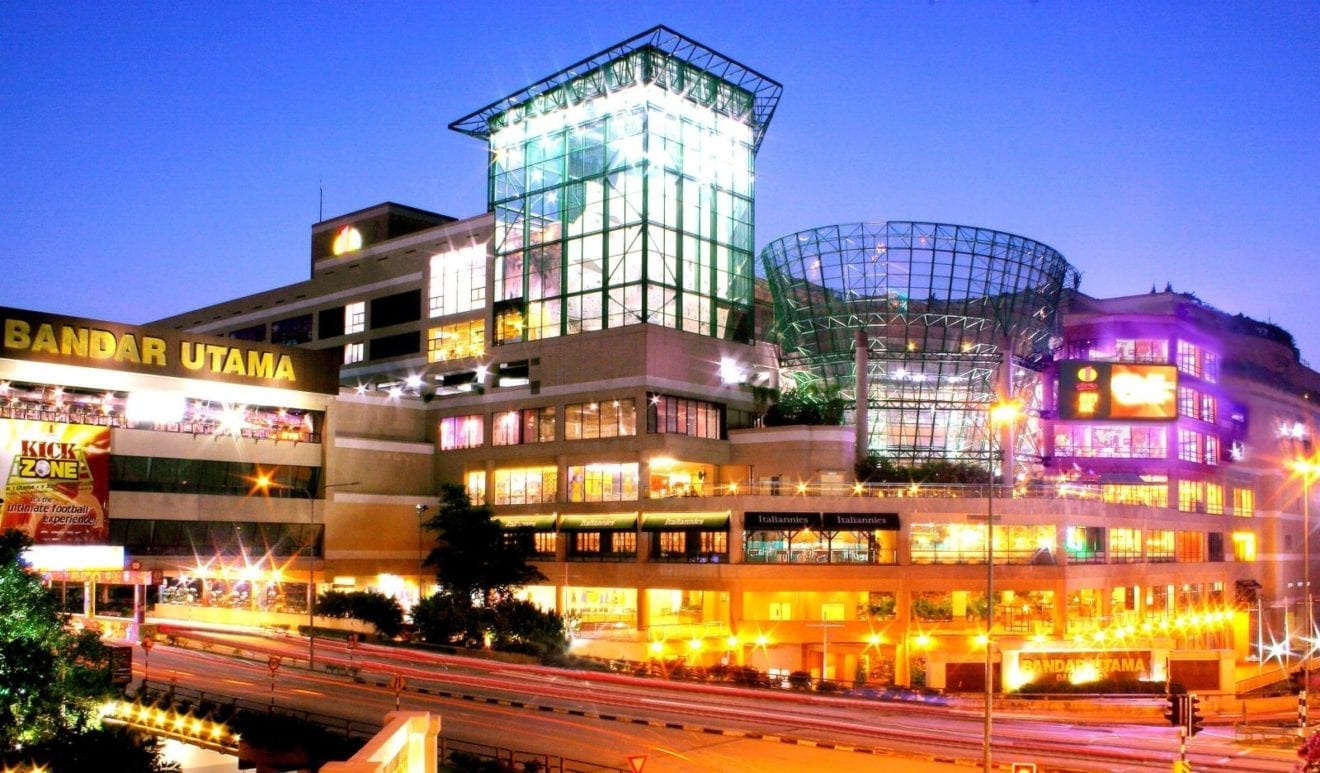
It’s been a difficult year for many industries, but not for the retail trade, especially in the case of shopping malls, according to an industry veteran.
In an interview with FMT, Malaysia Shopping Malls Association adviser Chan Hoi Choy said the retail industry was estimated to record a growth of 5% in 2016 over the previous year.
“The fourth quarter of the year is the retail industry’s strongest and busiest quarter; so we will finish the year strong,” he said.
The industry is worth about RM100 billion a year.
Chan said domestic consumption contributed to about 90% of the retail industry’s revenue.
Asked to explain why more malls were being built despite widespread complaints about a rising cost of living, Chan said this was down to the nature of modern malls and spending patterns.
“Most malls nowadays are lifestyle malls that promote integrated activities,” he said. “They are a one-stop centre comprising retail, food and beverage, entertainment and services outlets.”
He added that one in five Malaysians would spend weekends at malls.
Another factor behind the retail industry’s resilience, he said, was that people still needed to buy essential goods regardless of increases in prices, and malls offered variety.
“The items most people buy in malls on a regular basis are things which do not cost much,” he said, adding that people had adjusted to the goods and services tax.
Chan said the annual increase in the number of shopping malls was running into “double digits” and this was the biggest threat to the retail industry.
“Developers must be very careful about building new malls,” he said. “They must carry out thorough research to understand the demand and supply. There is an oversupply of malls and those which serve under-served markets are more likely to succeed.”
He said it would take a long time for developers to realise returns on their investments because malls were capital intensive developments.
He said the retail industry would normally grow in tandem with the GDP, which is expected to grow between 4% and 5% in 2017.
He urged the government to consider removing excise duties on more items, saying this would make Malaysia even more attractive as a shopping destination.
“As it is, we are one of the top 10 shopping destinations in the world,” he said. “The government has done a fantastic job of attracting tourists to come here and shop, as well as abolishing excise duties for some 300 tourist products.”
Chan said the multiplier effect of abolishing excise duties on more items would be “huge”, noting that attracting more tourists would mean more revenue for other industries as well.
“Very few countries in the world receive more tourists than there are citizens,” he said. “So we believe the growth of tourism will be a big plus for the retail industry and the country as a whole.”