Tag: malaysian airlines

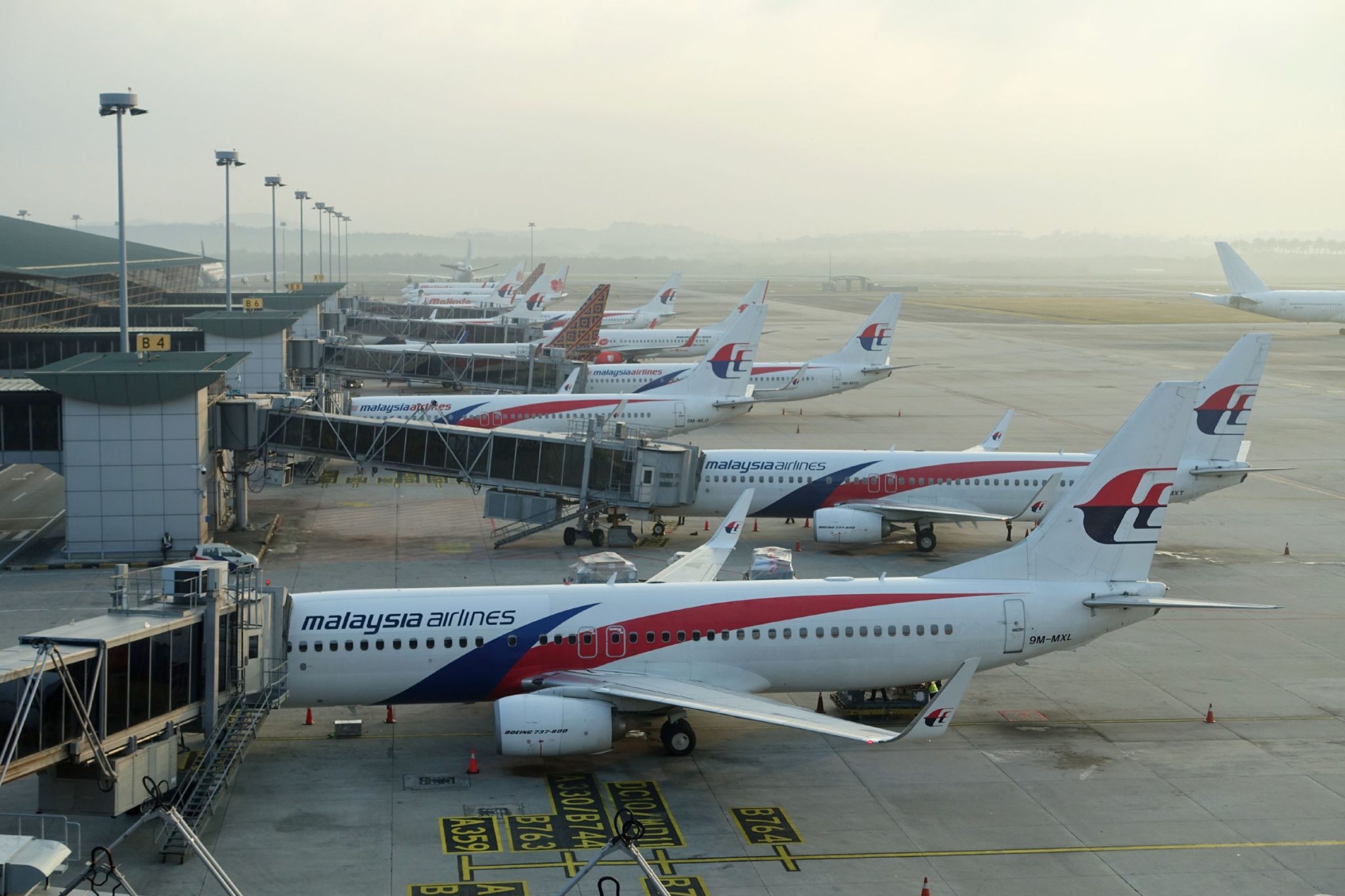
  • Malaysia’s flight operators announce flight reductions until December following technical troubles

    Malaysia’s flight operators announce flight reductions until December following technical troubles

    “This is to ensure the long-term reliability of our fleet and robustness of our operations and enhance our ability to ensure our customers on Malaysia Airlines, Firefly and Amal services face minimal disruptions and have the best experience possible flying with us,” Izham Ismail, Managing Director of MAG, explained in a statement released on Aug. 24.

    “I personally apologize for the disruption to passenger travel plans and the inconvenience this has caused,” he added.

    Ismail stated the group has been working to tackle supply chain issues, manpower challenges, and “other external factors as part of the continuing normalization of global aviation operations post-pandemic.” He also noted that delays in the delivery of new aircraft this year have resulted in a reduced number of planes available for flights.

    “We are working closely with our aircraft and engine manufacturers, and a wide range of suppliers to comprehensively address supply chain and technical issues,” he said.

    The urgency of the decision was underscored by several recent incidents involving Malaysia Airlines flights. On Aug. 20, a Melbourne-Kuala Lumpur flight from the same operator made an emergency stop in Alice Springs, Australia, due to a technical problem.

    Later that same day, a Malaysia Airlines flight from Kuala Lumpur to Shanghai encountered a cabin pressure issue and had to return to the departure airport.

    Two days later, another Malaysia Airlines flight bound for Medina from Kuala Lumpur was forced to return to its origin, marking the third such incident for the Malaysian national carrier that week.

    The series of disruptions has led former Malaysian transport minister Wee Ka Siong to urge the government to investigate and assist the country’s flag carrier.

    “Due to the frequent incidents of emergency landings and technical issues involving Malaysia Airlines, the public is questioning: ‘What has happened to Malaysia Airlines? Is it safe to fly with Malaysia Airlines?’” he said in a Facebook post.

    “This seems to be a crisis of confidence among passengers in Malaysia Airlines, which is likely to damage the country’s reputation and potentially lead to losses for MAG if these incidents continue, which will ultimately affect the country’s economy.”

    Public reaction has been similarly critical. Khatijah Khaur, a member of the True Malaysia Airlines Fans Group on Facebook, criticized what she described as a “tidak apa” attitude among the staff.

    “Our tidak apa attitude has come back to bite us,” she noted. “There is no motivation to be better, to do better. At the end of the day, we have nothing to be proud of.”

    In response, Malaysia’s Minister of Transport Anthony Loke has announced that a special audit conducted by the Civil Aviation Authority of Malaysia (CAAM) into Malaysia Aviation Group (MAG) and the recent technical issues affecting Malaysia Airlines will be presented to the Cabinet on Wednesday.

    “Follow-up action will be taken by CAAM and we view what is happening seriously,” he told in a press conference on Monday.
  • AmInvest Research neutral on transportation sector, AirAsia top pick

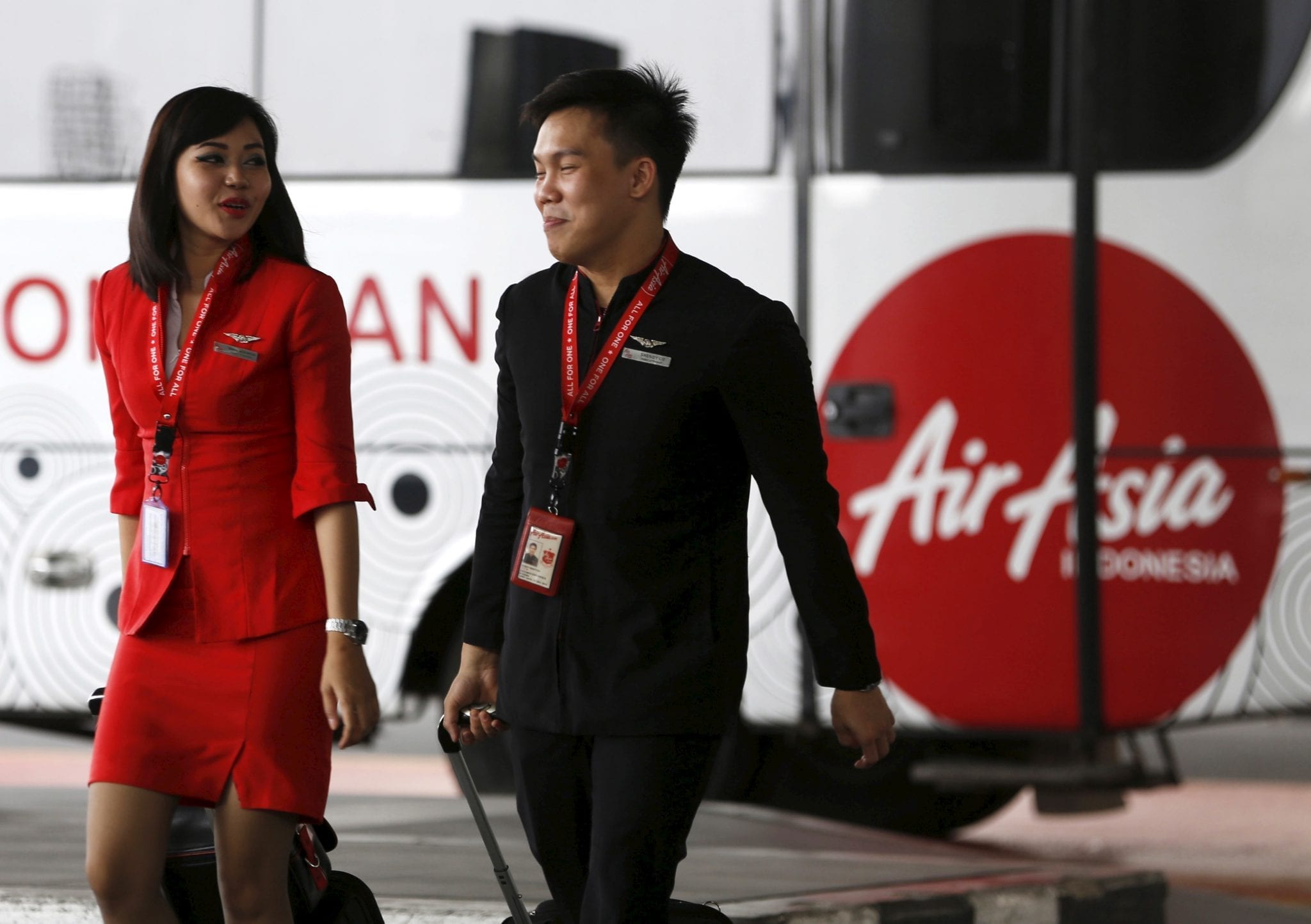
    AmInvest Research neutral on transportation sector, AirAsia top pick

    AmInvestment Research is Neutral on the transportation sector in 2018, as it sees upside for AirAsia

    It said on Wednesday while it likes transport firms which operate (or have a growing presence) in the tourism and e-commerce space, it is cautious on seaport operators.

    Transport firms operating in the tourism space, that is AirAsia and Malaysia Airports, will benefit from the sustained recovery in tourist arrivals in 2018 (after reporting the first dip since 2003 in 2015 following the air disasters of MH370 and MH17 in 2014).

    The government projects Malaysia’s tourist arrivals should hit 28 million in 2018 (up 3.3% from 27.1 million in 2017).

    AmInvest Research expected the number should continue to grow, leading up to Visit Malaysia Year in 2020, when Malaysia is also slated to host a series of high-profile international events including the Commonwealth Heads of Government Meeting (CHOGM), the APEC Summit and World Congress of Information Technology (WCIT).

    The rapidly expanding e-commerce sector, particularly, online shopping, has created huge opportunities for parcel delivery service providers such as Pos Malaysia.

    “Malaysia’s presence in the regional and global e-commerce market is on the cusp of an unprecedented quantum leap forward, driven by the Alibaba-backed Digital Free Trade Zone (DFTZ) project in the KLIA Aeropolis,” it said.

    The DFTZ will serve as a regional e-fulfilment centre as well as a regional e-commerce logistics hub.

    “Apart from Malaysia Airports (the landowner and developer of the KL Aeropolis), we believe local logistics players (including warehouse operators) are poised to garner a slice of action in the physical zone of the DFTZ.

    “On the other hand, we do not expect seaport operators (particularly, a transshipment port like Westports) in 2018 to completely shrug off the negative impact from the recent reorganisation of the global shipping alliance, and the resulting diversion of transshipment cargo volumes to Singapore,” it said.

    However, AmInvest Research said on a brighter note, it expects gateway cargo volumes to continue to grow in 2018, thanks to Malaysia’s robust exports and imports.

    Bintulu Port will be weighed down by start-up costs at its newly completed Samalaju Industrial Port in 2018.

    AmInvest Research said it may upgrade its Neutral stance on the transport sector to overweight.

    However, this would hinge on whether tariffs (such as airport taxes, postage rates and port tariffs) are adjusted upwards; volume performance (such as passenger traffic, cargo throughput and letter mail/parcel volumes) beats expectations; yields surprise in the upside on reduced competition; and fuel cost (jet fuel for airlines and diesel for seaport operators) comes in lower on weaker crude oil prices.

    On the other hand, it might downgrade its neutral stance on the transport sector to Underweight if: volume performance (such as passenger traffic, cargo throughput and letter mail/parcel volumes) misses expectations; yields surprise in the downside on heightened competition; and fuel cost (jet fuel for airlines and diesel for seaport operators) comes in higher on stronger crude oil prices.

    “Our top pick for the sector is AirAsia. AirAsia is a good proxy to the growing low-cost air travel market in the region, underpinned by rising per capita incomes and a young demographic.

    “Its strong market presence (in terms of the number of routes, and frequencies for each route) enables it to compete effectively against its rivals (both low-cost and full-service).

    “It has struck a chord with investors with its plans to monetise some of its auxiliary businesses and assets including its leasing arm and ground handling unit, which could translate to special dividend payouts to shareholders,” it said.