Retail News CRM

Tag: malaysian

  • KK Mart Announces Massive IPO: A Game-Changer in the Malaysian Convenience Store Industry

    KK Mart Announces Massive IPO: A Game-Changer in the Malaysian Convenience Store Industry

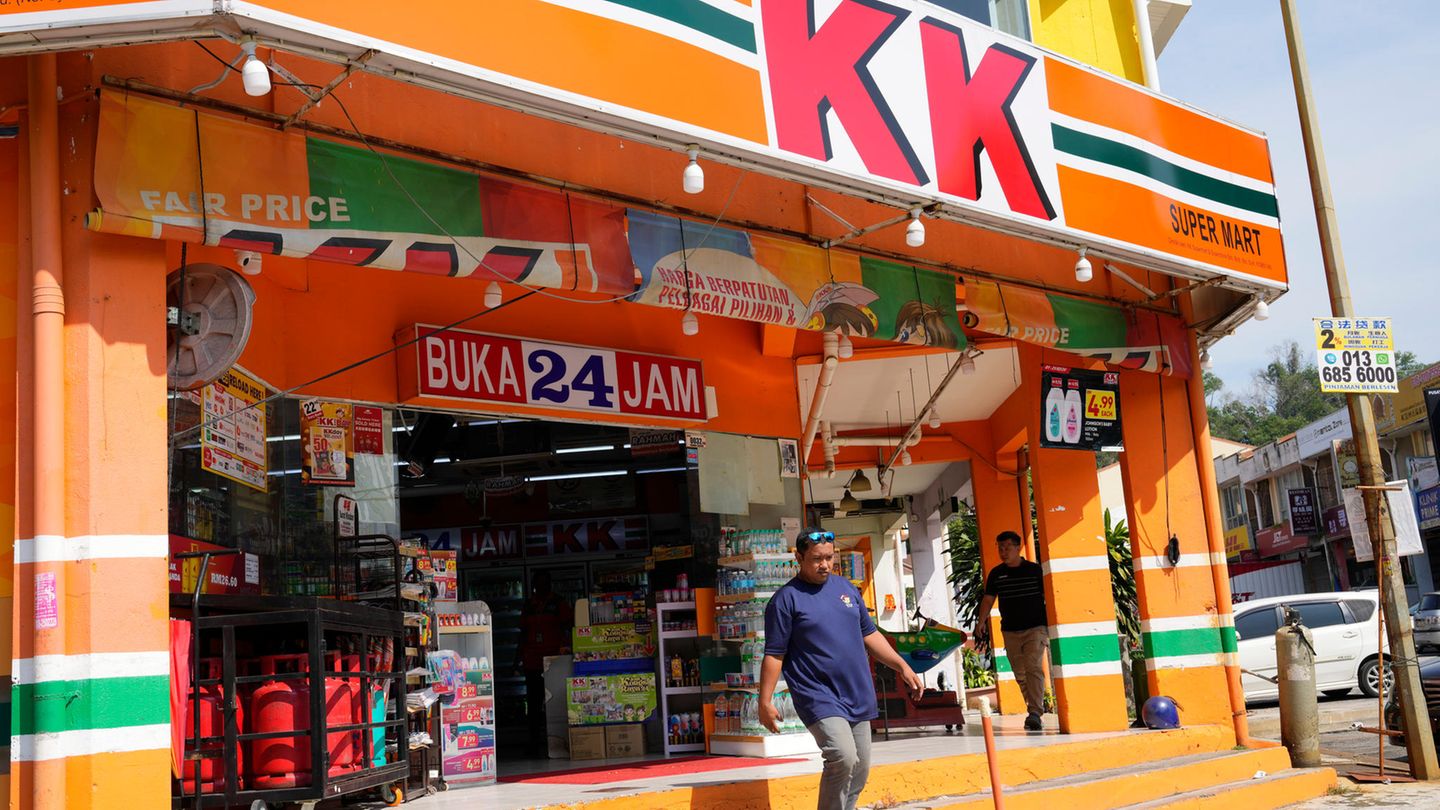
    KK Mart Retail Bhd, the parent company running the KK Super Mart and KK Mart convenience store chain, has revealed plans for an initial public offering (IPO) on Bursa Malaysia. The news came as the company filed a draft prospectus with the Securities Commission Malaysia earlier this week.

    Details of the IPO

    Although the prospectus does not provide specific details about the IPO price, overall fundraising size or listing schedule, it does confirm that the IPO will involve up to 840 million shares. This sum includes the sale of as many as 630 million existing shares, along with the issuing of 210 million new shares.

    Current Operations

    At present, KK Mart operates 996 convenience stores throughout Malaysia. The stores provide customers with everyday essentials and services, such as bill payments and mobile top-ups.

    Use of IPO Proceeds

    The funds raised from the new shares will be allocated to various areas of the business. These include expanding store operations and distribution centers, investing in the digital sphere and IT capabilities, repaying bank loans, and covering the expenses associated with listing.

    The Maybank Investment Bank will serve in multiple roles for this offering, including as the principal advisor, the sole bookrunner, underwriter, and placement agent.

    Questions & Answers

    What is the expected IPO price and total fundraising size for KK Mart Retail Bhd?
    As of now, the company has not disclosed any specific details about the IPO price or the total fundraising size.

    How many convenience stores does KK Mart currently operate?
    KK Mart currently operates 996 convenience stores across Malaysia.

    How will the proceeds from the new shares be used?
    The proceeds from the new shares will be used for expanding store operations and distribution centers, investing in digital and IT capabilities, repaying bank loans, and covering listing-related expenses.

  • Malaysia’s flight operators announce flight reductions until December following technical troubles

    Malaysia’s flight operators announce flight reductions until December following technical troubles

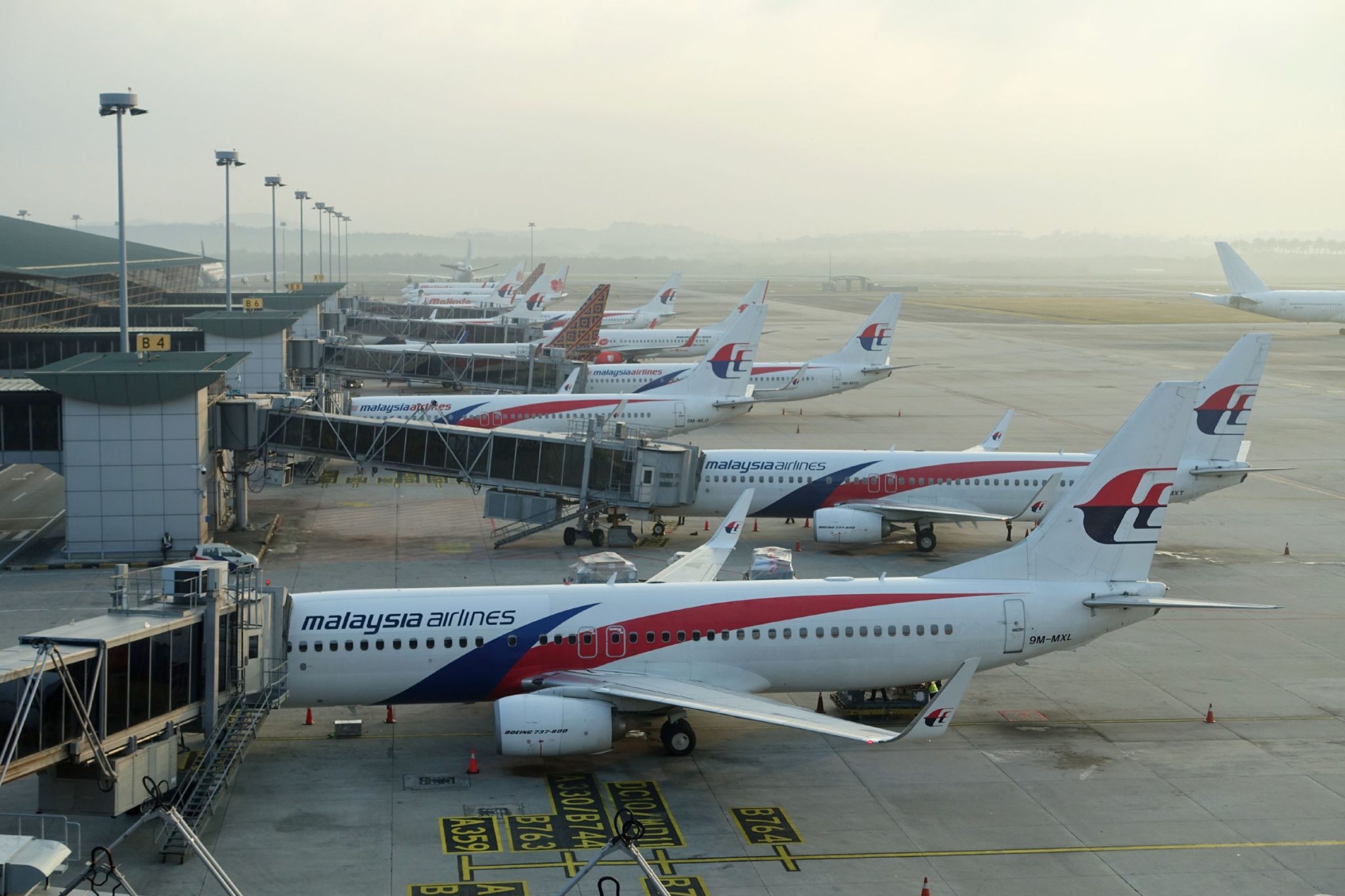
    “This is to ensure the long-term reliability of our fleet and robustness of our operations and enhance our ability to ensure our customers on Malaysia Airlines, Firefly and Amal services face minimal disruptions and have the best experience possible flying with us,” Izham Ismail, Managing Director of MAG, explained in a statement released on Aug. 24.

    “I personally apologize for the disruption to passenger travel plans and the inconvenience this has caused,” he added.

    Ismail stated the group has been working to tackle supply chain issues, manpower challenges, and “other external factors as part of the continuing normalization of global aviation operations post-pandemic.” He also noted that delays in the delivery of new aircraft this year have resulted in a reduced number of planes available for flights.

    “We are working closely with our aircraft and engine manufacturers, and a wide range of suppliers to comprehensively address supply chain and technical issues,” he said.

    The urgency of the decision was underscored by several recent incidents involving Malaysia Airlines flights. On Aug. 20, a Melbourne-Kuala Lumpur flight from the same operator made an emergency stop in Alice Springs, Australia, due to a technical problem.

    Later that same day, a Malaysia Airlines flight from Kuala Lumpur to Shanghai encountered a cabin pressure issue and had to return to the departure airport.

    Two days later, another Malaysia Airlines flight bound for Medina from Kuala Lumpur was forced to return to its origin, marking the third such incident for the Malaysian national carrier that week.

    The series of disruptions has led former Malaysian transport minister Wee Ka Siong to urge the government to investigate and assist the country’s flag carrier.

    “Due to the frequent incidents of emergency landings and technical issues involving Malaysia Airlines, the public is questioning: ‘What has happened to Malaysia Airlines? Is it safe to fly with Malaysia Airlines?’” he said in a Facebook post.

    “This seems to be a crisis of confidence among passengers in Malaysia Airlines, which is likely to damage the country’s reputation and potentially lead to losses for MAG if these incidents continue, which will ultimately affect the country’s economy.”

    Public reaction has been similarly critical. Khatijah Khaur, a member of the True Malaysia Airlines Fans Group on Facebook, criticized what she described as a “tidak apa” attitude among the staff.

    “Our tidak apa attitude has come back to bite us,” she noted. “There is no motivation to be better, to do better. At the end of the day, we have nothing to be proud of.”

    In response, Malaysia’s Minister of Transport Anthony Loke has announced that a special audit conducted by the Civil Aviation Authority of Malaysia (CAAM) into Malaysia Aviation Group (MAG) and the recent technical issues affecting Malaysia Airlines will be presented to the Cabinet on Wednesday.

    “Follow-up action will be taken by CAAM and we view what is happening seriously,” he told in a press conference on Monday.

  • Malaysian retailers hit by coronavirus

    Malaysian retailers hit by coronavirus

    Malaysian retailers operating in tourist zones have seen sales plunge in the wake of the coronavirus outbreak.

    Locally headquartered leathergoods retailer Bonia says sales have fallen by as much as 77 percent in one location and were down overall as fewer Chinese traveled to Malaysia and locals avoided crowded locations to reduce their exposure to the virus.

    Besides its own brand, Bonia also operates stores under the Braun Buffel, Sembonia, Renoma and Valentino Rudy banners.

    Aa Bonia spokesperson said sales had dropped 30 percent overall in the first 17 days of February, the peak, so far, of the virus outbreak.

    “Our Genting Highlands outlet has been tremendously affected,” he said. “The key factor is Covid-19, which has made tourist numbers decline, while local consumers are shying away from crowded malls during their weekend outings.”

    Sales at the Genting Highlands store were down 77 percent and at the Pavilion shopping center in Kuala Lumpur by 35 percent, year on year.

    Stores in Johor Bahru and Penang have also been hit.

    Another retailer, Corn In a Cup, has experienced a drop in sales of between 15 and 40 percent, with the worst-affected store the one at Zoo Negara, where daily sales usually run from 200 to 300.

    “We have been operating at the zoo for over 10 years,” he told The Edge. “Never before in history have we only sold one cup of corn in a day.”

  • Malaysians keen on investing in commercial properties in Australia

    Malaysians keen on investing in commercial properties in Australia

    Malaysian investors in Australia will most likely focus on commercial properties with the implementation of new tax rates targetting foreign buyers of residential real estate, according to Knight Frank Australia.

    The property consultancy, which recently organised a roadshow to gauge investors’ sentiment, noted that the Australian property market remained a key attraction for Malaysian investors despite the recent changes to the country’s property tax law.

    “Despite the recent stamp duty changes imposed on foreigners purchasing residential property, interest from Malaysian private and institutional investors is remarkably strong,” Knight Frank head of commercial sales Paul Henley said in a statement.

    “We expect many commercial, hotel and retail assets transactions from Malaysian investors over the next year.

    “These assets are not impacted by the tax changes, and some residential specialists will still show interest at the right pricing metrics to build scale,” he added, referring to SP Setia Bhd’s recent purchase of an office tower at 288 Exhibition Street, Melbourne, for A$101mil ( S$104.3mil) as an example of the growing interest of Malaysian investors in Australia’s commercial property sector.

    In an effort to limit the amount of foreign money coming into its real-estate market to keep home prices from rising further, the Australian government had implemented new tax laws targetting foreign investors.

    These changes included a stamp duty surcharge of up to 7 per cent of residential real estate, and an extra 10 per cent withholding tax for a property with a market value of more than A$2mil.

    According to Henley, the Australian property market remained attractive to Malaysian investors due to its strong underlying economic fundamentals, including a record-low interest-rate environment.

    Malaysian investments in Australian real estate had averaged at A$750mil over the past six years, although deal flow had not been as prevalent over the past year.

    “With interest rates having dropped to their lowest ever, and a stable political scene with the Federal election result, combined with an ever-growing population, Australia is well-positioned for offshore investors,” he said.

    Separately, Sarkunan Subramaniam, Knight Frank’s managing director for Malaysia, said there was a close connection between Malaysia and Australia because the latter is one of the preferred education and tourism destinations for many Malaysians.

    “Many Malaysians travel there for education… 77 per cent of Malaysia’s ultra-high net worth individuals are expected to send their children abroad for university over the next year,” he said.

    In addition, Sarkunan said there was a growing number of Malaysians visiting Australia, with the rate having risen by more than 40 per cent over the past three years.

    Meanwhile, Knight Frank head of research and consulting Matt Whitby said UK’s referendum to leave the European Union, or Brexit, would likely accentuate global capital flows into Australia.

    “I expect Australia to benefit from Brexit and other global uncertainty, as it remains a safe-haven for investors.

    “With volumes slowing over the past quarter, mainly on the back of limited supply of assets, I expect Brexit will accentuate the capital flows into Australia and volumes will pick up in the second half of 2016,” Whitby said.

    “Australia’s economy is the envy of the developed world, growing at 3.1 per cent as at the March 2016 quarter. Sydney and Melbourne are driving performance, while our population is strong, with a growth average of 1.5 per cent across the country,” he added.


  • Tobacco producers refute Sicpa taking credit score for fall in unlawful cigarettes

    Tobacco producers refute Sicpa taking credit score for fall in unlawful cigarettes

    The Confederation of Malaysian Tobacco Producers (CMTM) at this time refuted strategies that safety marking provider Sicpa had contributed to the most important drop within the historical past of unlawful cigarettes in Malaysia.

    Sicpa is a Swiss-based safety ink, authentication traceability options supplier, which operates in Malaysia via Sicpa Product Safety Sdn Bhd.

    The corporate just lately took the credit score and claimed that the unlawful cigarettes within the nation had declined 6.6 proportion level from 38.9% in 2013 to 32.three%, as recorded within the Illicit Cigarette Research (ICS) 2014 by analysis agency Nielsen, because of the deployment of its merchandise on cigarette packs.

    Nevertheless, CMTM has immediately issued a press release to counter the claims made by Sicpa on the effectiveness of their safety markings towards the decline of illicit cigarette commerce.

    As an alternative, the confederation highlighted that the current giant decline was attributed to the concerted and enhanced efforts by enforcement businesses, primarily the Royal Malaysian Customs (RMC).

    “The character of unlawful cigarettes in Malaysia is such that they’re wholly smuggled into Malaysia from different nations with none required safety marking. To recommend instantly or not directly that the sharp decline recorded within the ICS 2014 statistics was because of the deployment of Sicpa merchandise, in our view, is a deceptive assertion on the effectiveness of the system in addressing unlawful cigarette commerce in Malaysia.

    “It doesn’t present the entire image of the state of affairs since 2004 when it was launched,” CMTM stated within the assertion.

    CMTM is a cigarette producers’ affiliation that was established by the three main gamers within the nation, specifically British American Tobacco Malaysia Bhd, JT Worldwide Bhd and Philip Morris (Malaysia) Sdn Bhd.

    To recap, it was reported final month that Sicpa has been working via its long-term Malaysian know-how companion Lembah Sari Sdn Bhd to allow RMC to fight the unlawful commerce of tobacco and imported alcohol within the nation.

    The corporate belonged to Datuk Haris Onn Hussein, the brother of Defence Minister Datuk Seri Hishammuddin Hussein.

    Referring to the current media reviews in April, quoting Sicpa, the CMTM stated they seen with critical concern the impression created by Sicpa that its merchandise, specifically using safety ink marking on regionally manufactured cigarettes packaging and tax stamps on imported cigarettes, led to the stated largest drop.

    The CMTM went on to say that the decline highlighted by Sicpa in 2014 was particularly attributed to the robust enforcement efforts of the RMC by way of operations like Ops Pacak and Ops Outlet and had little or no or nothing to do with the safety ink marking or tax stamps on cigarettes.

    Via anti-illegal cigarettes commerce operations, stated CMTM, the RMC has made vital progress in addressing demand for unlawful cigarettes by arresting and remanding unlawful cigarette retailers, together with penalising them with deterrent sentences that led to the growing pressures on unlawful cigarette buying and selling actions.

    “What is obvious is that since 2004 when safety markings have been first launched within the Malaysian cigarette market, the Unlawful Cigarettes Market rose sharply from 14.four% in 2004 to 33.7% in 2014. All via this era, the safety markings requirement was enforced and carried out by the cigarette producers,”CMTM added.