Tag: Mang Inasal

  • Jollibee Targets over 1500 Locations in Philippine Provincial Push

    Jollibee Targets over 1500 Locations in Philippine Provincial Push

    Jollibee Group identified more than 1,500 potential trade areas across the Philippines for network expansion running from 2027 to 2030.

    About 71 per cent of those targeted pipeline sites sit in provincial markets, shifting the company’s real estate commitments away from congested urban hubs.

    The expansion plan covers the company’s three primary domestic brands: flagship burger chain Jollibee, grilled chicken chain Mang Inasal, and Chinese fast-food concept Chowking. The restaurant operator aims to tap rising household incomes and commercial sprawl outside the capital region to support the store additions.

    Provincial Real Estate Strategy

    Provincial developers and regional retail landlords gain clear visibility into long-term anchor tenant demand from this rollout. Jollibee, Chowking, and Mang Inasal regularly serve as core foot-traffic drivers for strip malls, transport interchanges, and provincial town squares. Locking down commercial real estate in secondary and tertiary cities helps the group secure prime corners before regional land prices climb.

    Metropolitan Manila remains heavily saturated with quick-service restaurant formats. Competing chains now battle rising floor rents, utility overheads, and high cannibalization rates within primary urban shopping centers. Directing more than seven out of ten future openings into the provinces allows Jollibee to bypass capital-city congestion and protect operating margins.

    Supply Chain and Operational Headwinds

    Spreading 1,500 future locations across regional islands introduces structural supply chain friction. Cold-chain storage, commissary distribution routes, and reliable ingredient deliveries become significantly more expensive when operating deep in provincial trade zones. Any disruption in inter-island shipping routes or localized agricultural shortages hits operating costs directly.

    Rival quick-service operators face the risk of losing prime provincial real estate if they fail to match Jollibee’s site-acquisition pace. Franchise networks must also prepare significant local capital expenditure, because provincial stores demand dedicated logistics investments and local warehouse tie-ups rather than reliance on central metropolitan infrastructure.

    Building on National Scale

    The aggressive pipeline builds directly on an already massive footprint across the domestic market. Jollibee Group Philippines operated more than 3,500 stores across its brand portfolio as of the first half of 2026. That existing baseline gave the group dominant market share in domestic fast food, serving as the financial foundation for multi-brand cluster openings.

    Earlier rollouts concentrated heavily on major metropolitan corridors and primary provincial cities. The new multi-year plan extends that map into lower-tier municipalities that previously lacked modern fast-food infrastructure, relying on standardized commissary production to maintain product consistency across distant branches.

    Milestones Through 2030

    Site development and property negotiations for the identified trade areas will begin rolling out ahead of the 2027 start date. Company executives will monitor provincial franchise take-up rates and commissary capacity as the network tracks toward the 2030 completion window.
  • Jollibee Winnipeg first Canadian foothold

    Jollibee Winnipeg first Canadian foothold

    Filipino restaurant company and global fast-food chain Jollibee Foods Corporation (JFC) has opened its first Canadian outlet, Jollibee Winnipeg.

    With 35 stores already in North America, it plans to continue its march into Canada with three more outlets next year, at Winnipeg Northgate, Scarborough, and Mississauga, to be followed by Edmonton in 2018.

    In the US, it is also set to open its first store in the state of Florida, in Jacksonville, and its first store for Manhattan, New York.

    “It has been a joy to see the happiness families experience when visiting our locations in the US, and we are thrilled to now bring that same feeling into Canada at such a festive time like this,” says JFC group president for north America and foreign franchise brands Jose Minana.

    “Winnipeg is a fitting choice for Jollibee’s first Canadian store because it has largest density of Filipinos to the total population of the city,” says JFC North America VP/GM Maribeth dela Cruz.

    JFC is currently the largest Asian restaurant company in market capitalisation, working in 12 markets including Brunei, China, Hong Kong, Singapore and Vietnam. It has 3236 stores globally, of which 1111 are Jollibee branded. Other brands in its portfolio are Burger King, Chowking, Greenwich, Hong Zhuang Yuanm Mang Inasal, Red Ribbon and Yonghe King.

    JFC also has investments with the brands 12 Hotpot, Highlands Coffee, Pho 24, Dunkin Donuts in China, and US-based burger chain Smashburger.

  • Jollibee Foods counts down to 1000

    Jollibee Foods counts down to 1000

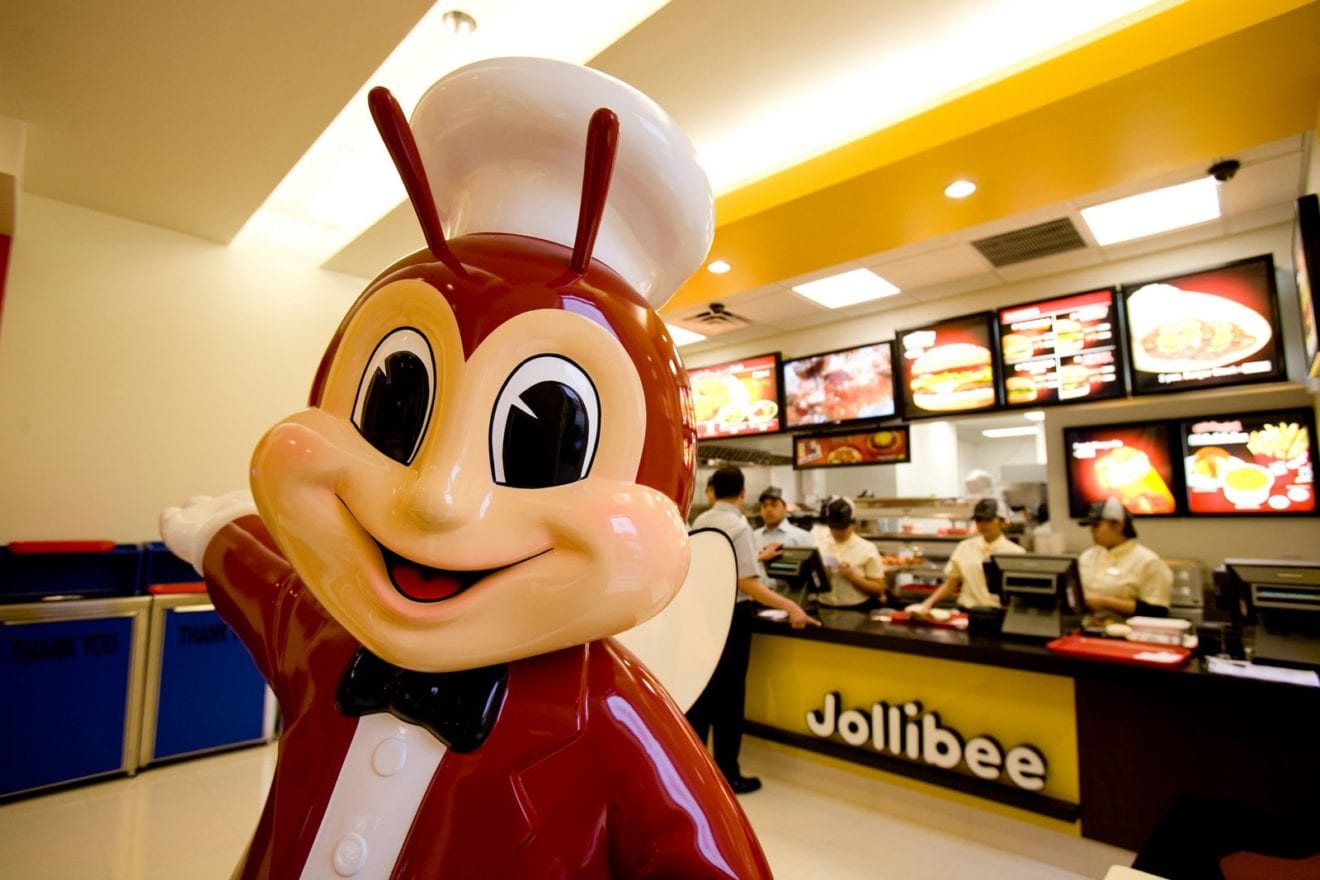
    Jollibee Foods (JFC) has opened the 991st branch of its flagship brand Jollibee in the Philippines, in the Ma-a area of Davao.

    It marks the start of its countdown to its 1000th store, to be unveiled in the first quarter of next year. Its expansion is spread around Cebu, Luzon and Metro Manila “so all the regions will be well represented”, says Jollibee corporate PR and events manager Dennis Reyes.

    “The 1000th store is symbolic, but we cannot divulge yet the exact location,” he says.

    The company opened its first branch in Cubao, Quezon City, and its latest story is the 26th in Davao and 115th in Mindanao.

    Reyes says the countdown campaign is part of Jollibee’s way of thanking its patrons, celebrating its continued expansion as well as the contribution to the local economy with an average of 70 jobs created for every new branch.

    JFC is investing P10.4 billion (US$214.8 million) for capital expenditure this year, with P7.5 billion set for the opening of 200 outlets as well renovations.

    For its latest six months, JFC netted P3.06 billion, or 13.4 per cent more than the same period last year, following a 14.9 per cent increase in system-wide retail sales to P71.45 billion.

    At the end of June, the company had 2528 restaurant outlets in the Philippines under the brands Burger King (62), Chowking (457), Greenwich (237), Jollibee (939), Mang Inasal (455) and Red Ribbon (378).

    JFC also has a 50 per cent interest in 12 Hotpot, Highlands Coffee and Pho 24 (Vietnam), plus a 40 per cent interest in Smashburger (US).

    Outside the Philippines, Jollibee has 80 stores including Vietnam (32) and Hong Kong (1).

  • Double Dragon plans 100 CityMalls

    Double Dragon plans 100 CityMalls

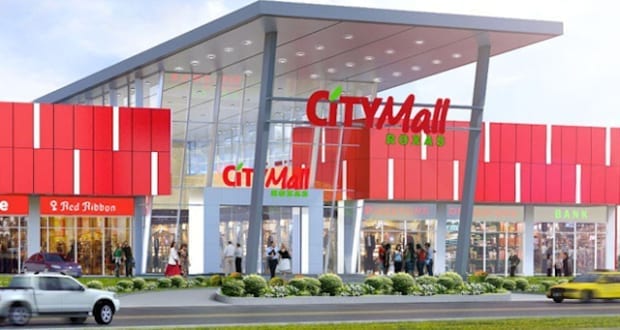
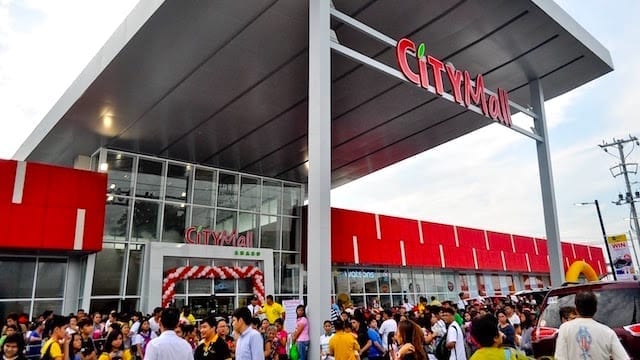
    Listed Philippine property developer Double Dragon plans to build a network of 100 neighbourhood style shopping malls across the Philippines by 2020.

    The  company has already opened eight CityMall centres and secured 53 sites to date. The new centres will range anywhere between 5000 sqm and 10,000 sqm.

    Last week DoubleDragon announced it was issuing P15 billion in retail bonds to fund the development of its projects next year.

    “The majority of the proceeds will be deployed in our projects within 2017 as by 2018, we expect to already have substantial rental revenues from our provincial community mall chain, CityMalls and our Metro Manila office projects such as Double Dragon Plaza in DD Meridian Park and Jollibee Tower in Ortigas CBD, both of which are expected to be completed within 2018,” Sia said.

    Listed back in April 2014, Double Dragon Properties, has increased its stock value 29-fold since then – it’s risen 140 per cent this year alone.

    CEO Edgar “Injap” Sia, 39, from Visayas, co-founded Double Dragon with Jollibee founder Tan Caktiong, who bought a controlling interest in Sia’s fast food chain Mang Inasal in 2010, acquiring the 30 per cent balance last April. Each deal was valued at 5 billion pesos.

    citymall-cavite

    In 2012, the two businessmen acquired an Iloilo-based property developer, turning it into Double Dragon and setting a course for a nationwide property group. Before the float, Sia accepted an offer from SM Investments to acquire a 34 per cent stake in City Mall Commercial Centers, which runs CityMalls on Double Dragon’s behalf. That gives fast food entity Jollibee a ready entry into regional markets – and SM Investments an interest in retail property outside the main cities in which it dominates with its larger-sized malls. As part of the broader SM group, CityMalls has a large, ready-made pool of potential tenants every time it opens a new facility- across food, hardware, health & beauty, grocery retailing and fashion, among other categories.

    About 70 of the 100 malls planned initially will be built in the Visayas and Mindanao. The next scheduled to open – in October – will be at Cotabato in Mindanao, west of Davao and a location where neither Robinsons or SM have yet opened shopping centres.

    One of those is at the 116ha Northtown residential complex being developed by Alsons Development and Investment in the northeastern part of Davao.

    Sia said the mall, expected to be completed by the end of 2017, will anchor the residential development, serving residents and locals.

    “We can clearly see the vision behind Northtown to soon become one of the most vibrant areas in Davao City,” he said.

    CityMalls are positioned in the market as one-stop shops for daily purchases – not destinations to spend a day shopping, watching movies and eating with family or friends. Sia does not aim to compete with larger regional malls, the likes of which SM is rolling out across urban areas nationwide.

    Sia is also considering opportunities outside the Philippines long-term, as well as more locations at home.

    “Once we complete [100 malls], our presence will be powerful, and the confidence in our company will be higher,” he said in a recent interview.

    *Image: Louisechelle

  • Jollibee swallows up Mang Inasal Philippines

    Jollibee swallows up Mang Inasal Philippines

    Jollibee Foods Corp (JFC) has fully acquired its subsidiary Mang Inasal Philippines for $43 million (P2 billion).

    JFC, Asia’s largest quick-service restaurant company, bought the 30 per cent share remaining from the 70 per bought in 2010 for P3 billion.

    “JFC shall pay for the shares in cash. There will be no changes in the business conduct and direction of Mang Inasal resulting from this acquisition except that the Board of Directors of Mang Inasal will, completely henceforth, be composed of representatives of JFC,” the company said.

    Jollibee has been no.1 in Asia and no.10 worldwide in terms of market capitalisation among publicly listed quick-service restaurants.

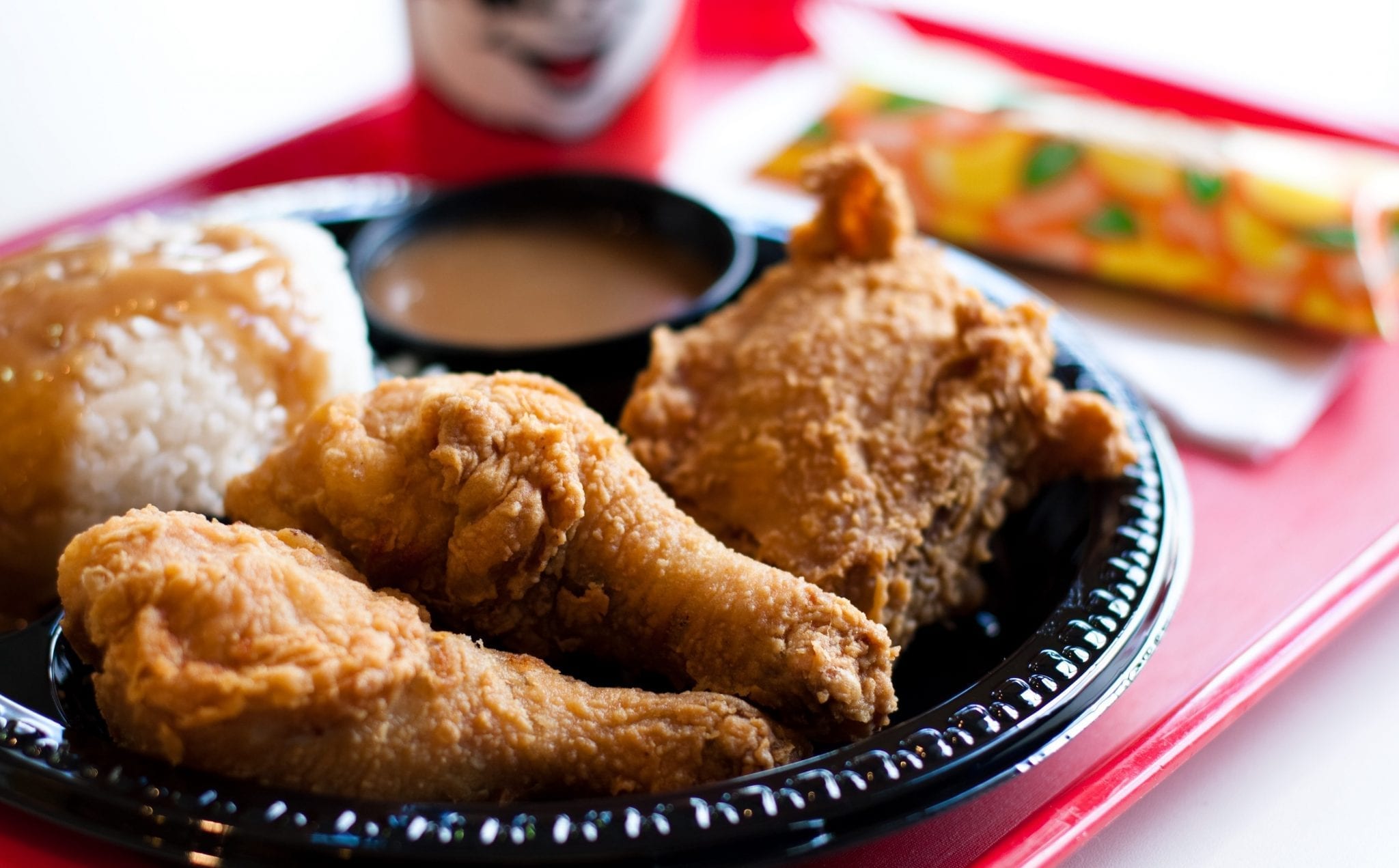
    Mang Inasal is a Filipino brand known for its chicken inasal (roasted chicken) and unlimited rice. It has over 450 stores nationwide.

    Jollibee announced its goal of joining the world’s top 10 fast-food brands. Its aggressive buying overseas are priced up to $100 million. It has 3023 outlets worldwide, 2393 of which are in the Philippines.

    It also operates Philippine brands Red Ribbon bakery chain, Greenwich pizza parlours and Chowking Chinese restaurants.

    Overseas, JFC’s subsidiaries and affiliates develop and operate international brands, such as Yonghe King, Hong Zhuang Yuan and San Pin Wang brands under the SuperFoods Group, and 12 Hotpot.