Tag: Manhattan

  • Hong Kong Prime Office Rents Outpace New York as Central Vacancy Falls to 7.8 per Cent

    Hong Kong Prime Office Rents Outpace New York as Central Vacancy Falls to 7.8 per Cent

    Morgan Stanley sees stronger upside in Hong Kong prime office towers than in New York. Central district rents rose 7.3 per cent.

    Vacancy in the core financial hub fell to 7.8 per cent in August from 11.2 per cent a year earlier. Prime office vacancy across the wider city dropped to 12.5 per cent from 13.5 per cent over the same period.

    This pattern mirrors shifts in Manhattan, where top properties tighten ahead of secondary districts. Both hubs share monetary conditions. Hong Kong pegs its currency to the US dollar, which forces local borrowing costs to track US Federal Reserve policy.

    Central leads the recovery

    Tenant demand in Hong Kong clusters in core financial quarters. Towers in Central took the bulk of new leasing. That gave landlords room to lift asking rents after years of post-pandemic stagnation.

    A split between premium and secondary districts is widening. Central posted sharp vacancy drops. Outlying hubs like Kowloon East struggle with oversupply, capping rent recovery outside the core.

    Quality and location drive uptake across the market. Financial institutions and global firms use lower baseline rents to upgrade into Grade A assets. They avoid adding space in decentralized areas.

    Manhattan parallels and rate pressures

    Manhattan data reveals a similar divide. Vacancy in Class A office towers fell 2.1 percentage points year on year to 10.6 per cent in the second quarter of 2026. Rents rose 4.3 per cent, returning leasing activity to pre-pandemic volumes.

    Prime Manhattan submarkets operate at 5 to 10 per cent vacancy, while weaker pockets sit in the mid- to high teens. Commercial capitalization rates reached roughly 8.5 per cent in the second quarter. That touches the upper band of the city’s historical range since 2003.

    Land scarcity gives Hong Kong landlords an advantage over US peers. Tight site supply in Central provides floor pricing as space absorbs. This protects prime assets against overbuilding.

    Capital values lag cash flows

    Asset pricing in Hong Kong still lags operating gains. Prime office capital values remain 50 per cent below earlier peaks. That leaves a wide gap between rental yields and transaction prices.

    Cash flows are recovering faster than capital values in both cities. The trend favors established landlords with low debt over developers reliant on quick land sales and rapid project turnarounds.

    “Higher rates transmit differently into these two cities,” said a team of authors led by Praveen Choudhary, head of Hong Kong and India property research at Morgan Stanley. “Scarcity matters more than rates. We prefer Hong Kong landlords over New York City office owners or Hong Kong developers.”

    Kowloon East oversupply risks

    Hong Kong’s primary risk sits outside the main business district. Kowloon East holds a large pipeline of vacant space. Secondary landlords must discount terms and study alternative land uses.

    Divergence between core towers and outer hubs will sharpen as new supply delivers. Landlords in Central retain pricing power, while secondary owners face sustained cash flow pressure.

    Attention turns to fourth-quarter leasing figures and debt refinancings to see if Central holds its sub-8 per cent vacancy into 2027.

  • Lotte New York Palace Appoints Christopher Nez as Food and Beverage Director

    Lotte New York Palace Appoints Christopher Nez as Food and Beverage Director

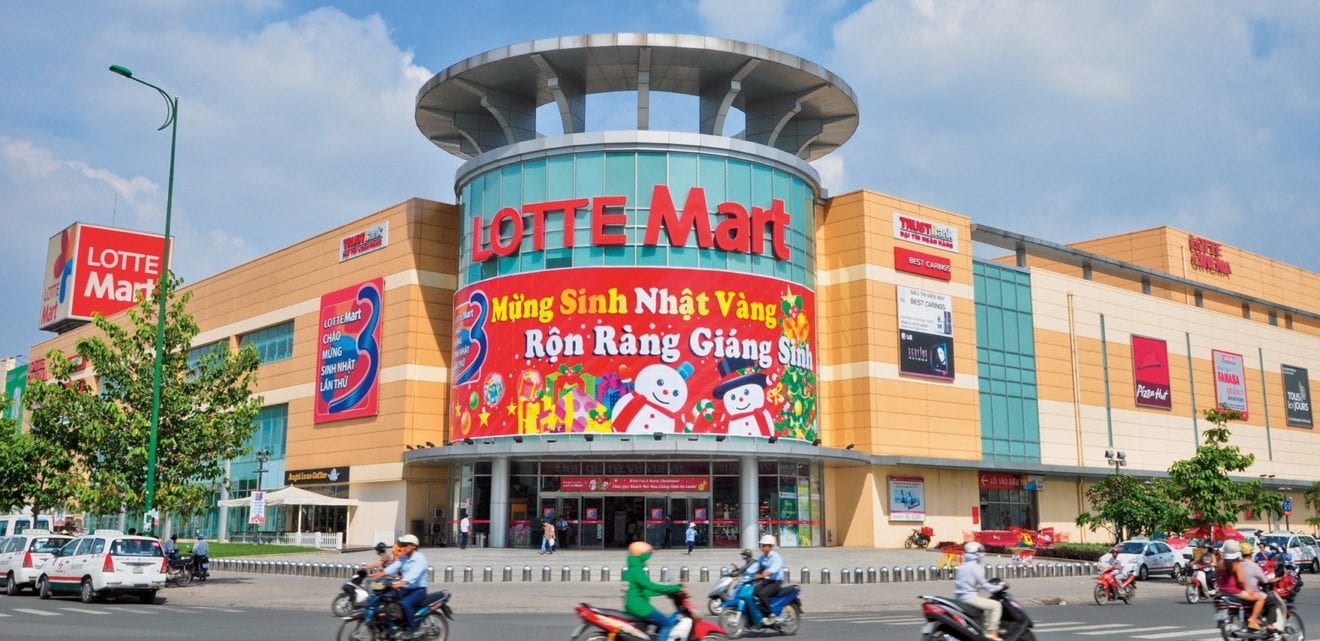
    South Korea’s LOTTE Hotels & Resorts has appointed Christopher Nez as director of food and beverage at Lotte New York Palace this week. He takes charge of the Manhattan property’s dining and banquet operations.

    His remit covers the hotel’s restaurants, bars, room service, and private event spaces on Madison Avenue.

    Operational Track Record in New York Luxury

    Nez previously managed operations across 5 major New York City properties. His career includes management roles at The Plaza Hotel, JW Marriott Essex House, Park Central, TWA Hotel, and Gordon Ramsay at The London.

    During his tenure at The Plaza Hotel, he won the property’s Leader of the Year recognition in 2018. His background centers on scaling luxury dining programs, managing high-volume banquets, and lifting department revenues.

    Managing High-Margin Banquet and Dining Assets

    Food and beverage brings in a substantial share of total revenue for upper-upscale urban properties. At heritage assets like Lotte New York Palace, banquets and catering often drive overall profitability.

    Banquet margins in prime Manhattan hotels typically yield higher gross returns than room divisions during peak corporate event seasons. Controlling labor costs while maintaining five-star service remains the main operational challenge for luxury operators in the city.

    The Asian Conglomerate Strategy Overseas

    Lotte Group bought the New York Palace Hotel from Northwood Investors in 2015 for approximately 805 million dollars. The purchase anchored the South Korean chaebol’s North American footprint as it expanded beyond East Asia.

    Asian hotel conglomerates face constant pressure to balance local labor dynamics with brand standards set in Seoul. Hiring seasoned New York executives provides the local expertise needed to run unionized, high-overhead city properties.

    Next Steps for Palace Dining

    Luxury hotels across Manhattan are recalibrating their food and beverage programs for shifting corporate travel and event bookings. Nez will lead daily service execution, culinary recruitment, and revenue management across all active dining venues at the Madison Avenue landmark.

  • The Secret to Outstanding Customer Service: Empowering and Energising Store Associates

    The Secret to Outstanding Customer Service: Empowering and Energising Store Associates

    In the world of retail and service, the phrase “the customer is always right” has long been a guiding principle. Originally popularised by Swiss hotelier César Ritz, who is famous for the Ritz in Paris and the Carlton in London, this idea marked a significant shift in customer service. Back in the late 1800s, when consumer protection was minimal and “buyer beware” was the norm, Ritz’s emphasis on putting the customer first was revolutionary.

    Today, while the core of customer service remains crucial, it has evolved beyond simply satisfying customer demands. In our modern era of blended physical and digital commerce, exceptional service is about more than just fulfilling requests—it’s about understanding each customer’s unique needs and providing a seamless and personalised experience at every touchpoint.

    Despite the importance of a frictionless retail experience, one critical element is often overlooked: the store associates. Happy and engaged store associates are integral to providing a superior customer experience. As shoppers return to physical stores in increasing numbers, the role of store associates becomes even more crucial. They are often the difference between a memorable and forgettable brand experience. Therefore, equipping them with the right tools, software, and data is essential in today’s competitive retail landscape.

    Here are four key areas where retailers can enhance customer experience through happier, more engaged store associates and unified retail systems:

    1. Optimising Checkout Processes

    The checkout process remains a pivotal touchpoint for retailers. Understanding and adapting to the diverse preferences of customers in terms of payment and checkout options is crucial. By offering ultra-fast transactions with optimised checkout flows, including rapid scanning and locally cached item and price data, retailers can ensure that customers complete their purchases quickly and efficiently. This not only improves the customer experience but also makes the store associate’s job easier and more efficient.

    1. Modernising Point-of-Sale Systems

    There’s nothing more frustrating for a store associate than struggling with a cumbersome point-of-sale (POS) application. A modern, refined user interface with intuitive navigation and clear information is essential. POS systems should feature familiar cart and checkout options that allow associates to focus on assisting customers rather than grappling with technology. An effective POS system enhances efficiency and contributes to a smoother customer interaction.

    1. Ensuring System Reliability with Offline Support

    In today’s fast-paced retail environment, downtime is unacceptable. Store associates need reliable systems that support native offline functionality. This ensures that even if the store network experiences an outage or system instability, associates can continue to serve customers without interruption. A robust, offline-capable system is crucial for maintaining service quality and avoiding disruptions.

    1. Leveraging Customer Engagement Tools

    Knowledge is power when it comes to customer interactions. Utilising advanced customer engagement tools to access insights into a customer’s cross-channel purchase history and preferences enables store associates to offer personalised service. By understanding individual customer needs, associates can tailor their interactions, making each customer feel valued and unique. This not only enhances the customer experience but also makes the associate’s role more fulfilling and efficient.

    Empower Your Team, Elevate Your Experience

    The key to unlocking outstanding customer experience lies in investing in store associates and equipping them with the right tools and systems. Happy, engaged associates are more likely to deliver exceptional service, contributing to a positive and memorable customer experience. As the retail landscape continues to evolve, focusing on these critical areas will help retailers create a competitive advantage and foster lasting customer loyalty.

    For more information: https://www.manh.com/en-sg

    Written by Richard Wright, Managing Director, SEA, at Manhattan Associates


  • Jollibee Sets Up Shop in Manhattan

    Jollibee Sets Up Shop in Manhattan

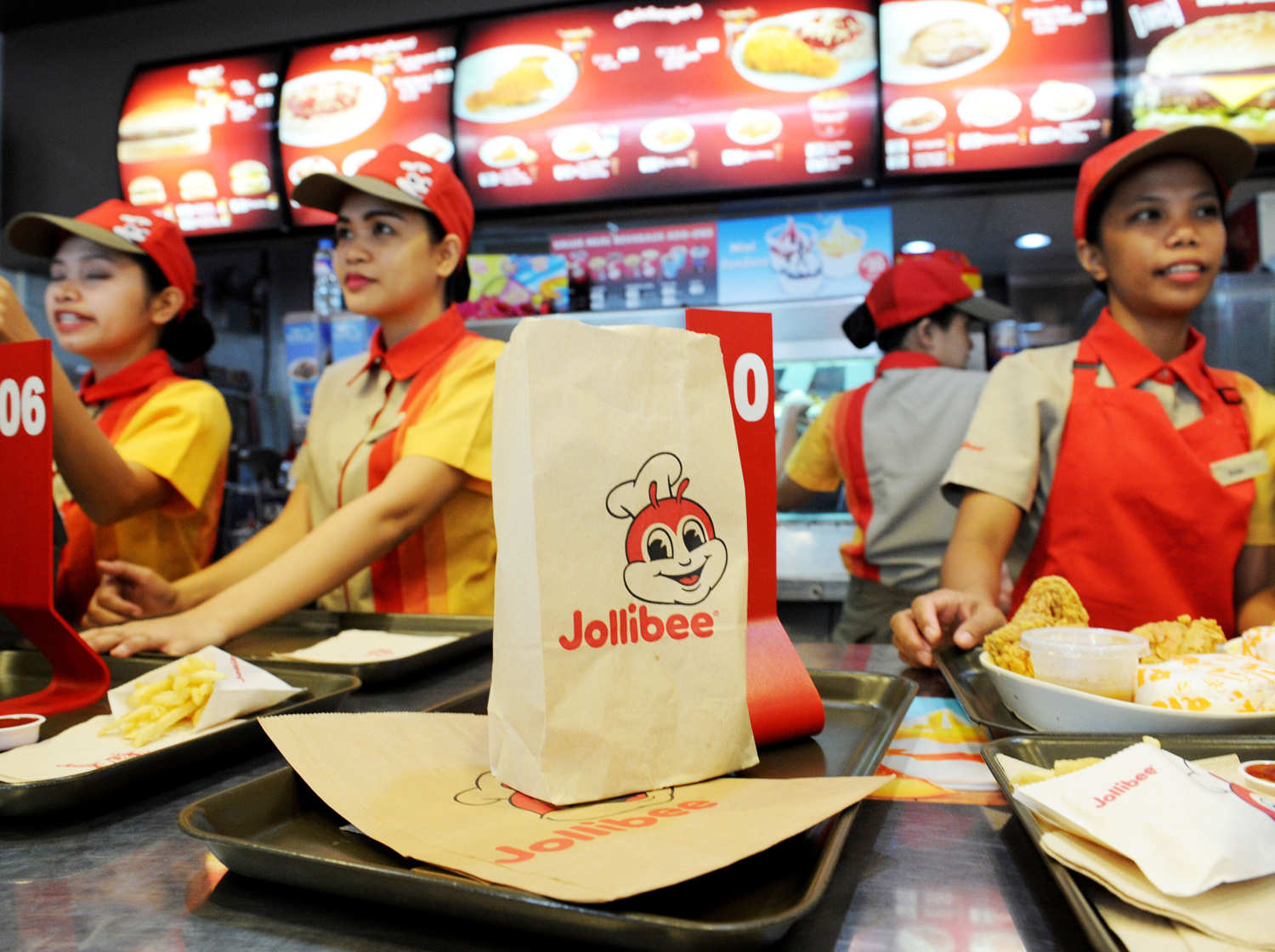
    Philippine fast-food restaurant chain Jollibee is opening its first Manhattan location next Saturday. The Jollibee Manhattan store will be the brand’s second store in New York State, and the 37th in the US. “We are excited to finally open our doors in the heart of bustling Manhattan, which is not just a centre of business and finance, but a major cultural and entertainment hub that receives millions of visitors from around the world each year,” said Jose Minana, Jollibee Foods Corporation’s (JFC) group president for North America.

    “The diversity of the food culture and the fast pace of living here make it perfect for our new Jollibee store location.”

    Maribeth dela Cruz, VP and GM at JFC North America expects the opening to draw long lines of customers.

    Jollibee Manhattan store located at 609 8th Ave., New York, NY 10018 opens Saturday, October 27. (Photo credit: Elton Lugay (Instagram/elton_lugay))

    To celebration the store, Jollibee will award free Chickenjoy for a year to the first 40 customers in line. Exclusive Jollibee Funko Pop! figures and other Jollibee collectibles will be up for grabs, too, to mark Jollibee’s 40th anniversary.

    Jollibee operates in 20 countries, with more than 4200 stores globally. The first North America store was opened in 1998 in California.

    JFC has an 85 per cent stake in US burger chain Smashburger, and has recently entered into an agreement with Mexican fast-casual restaurant chain Tortas Frontera for expansion.

  • Jollibee Manhattan opens

    Jollibee Manhattan opens

    Jollibee Food Corp has taken its Chikenjoy and other Filipino favourites to Manhattan.

    The third Jollibee store in New York is located in what is dubbed the busiest bus terminal in the world, Port Authority Bus Terminal, Manhattan’s major gateway. It is on 609 Eighth Avenue between West 39th and 40th streets.

    Jollibee Manhattan, which has 255 sqm in floor area, takes the total number of stores in the US to 34.

    Recently Jollibee hit a milestone when it opened its 1000th global store at The Dubai Mall. It has also opened two stores in Singapore in addition to the first one it set up on Orchard Road. The company now sets its sights on high-expansion growth in the US, Middle East, Europe, Australia and Southeast Asia.

  • Farah China to launch next year

    Farah China to launch next year

    Perry Ellis International has signed an agreement with MRH SpaRotica Groupe (MRH) to introduceFarah China next year.

    The brand will be launched in department stores, free-standing stores and specialty outlets as well as online with third-party eCommerce platforms such as Tmall. The first free-standing Farah store is planned to open early next year.

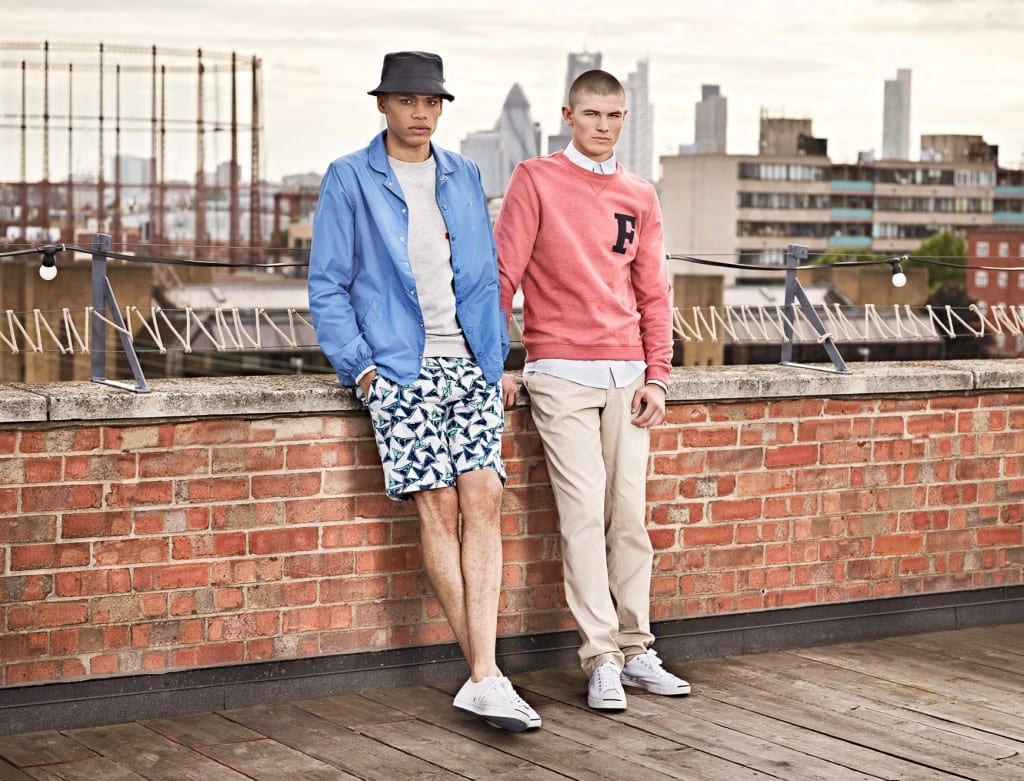
    With street credibility, the Farah has creative brand ambassadors from art, music and modern culture who are empowered to become product developers, storytellers and educators inspiring millennials. The products are sold internationally through major retailers and company-owned stores, as well as online.

    “This is our first agreement for Farah in greater China and represents a major step in the expansion of the brand outside of the United Kingdom and Europe,” says Perry Ellis International chairman/CEO George Feldenkreis.

    MRH president/CEO Richard Kisembo says the company is confident of the impact Farah can make in China. “We believe in brands that make emotional connections with consumers, and Farah will stand out for its modern classics.”

    Perry Ellis International is a designer, distributor and licensor of men’s and women’s apparel, accessories and fragrances. It owns a portfolio of brands including: Axist, Ben Hogan, Cubavera, Grand Slam,  Jantzen, John Henry, Laundry by Shelli Segal, Manhattan, Original Penguin by Munsingwear, Perry Ellis, Rafaella and Savane. The company also licenses trademarks from third parties, including Jag and Nike for swimwear, and Callaway, Jack Nicklaus and PGA Tour for golf apparel.

    Based in Shanghai, MRH curates and invests in brands through acquisition and licensing. It has retail stores, distributes merchandise through franchisees, and runs eCommerce websites.