Hong Kong-headquartered multi-format retailer Dairy Farm International has celebrated its 130th anniversary with a strong set of results, with food, home furnishings and restaurants delivering higher profits.
Total sales, including those of associates and joint ventures, rose 14 per cent in US dollar terms and 17 per cent on a constant-currency basis to US$20.4 billion. Sales of wholly-owned subsidiaries rose 1 per cent to $11.2 billion.
Underlying net profit rose by 7 per cent to $460 million, partly due to a 13 basis point net improvement in operating margins as well as increased contributions from Yonghui and Maxim’s. Operating profit rose 6 per cent.
Supermarkets & hypermarkets solid
Total food division sales, which include Wellcome and Giant, were flat in US dollar terms, although up 1 per cent on a constant currency basis.
“In an environment of severe pressure on pricing, sales growth in Hong Kong supermarkets and in the convenience store businesses in Hong Kong, Mainland China and Singapore helped to offset declines in the group’s supermarkets and hypermarkets in Singapore and Indonesia and largely flat sales elsewhere,” explained CEO Graham Allan.
“The closure of a number of unprofitable stores in Singapore and Indonesia also weighed on sales performance. However, specific actions, including strategic store closures, prudent management of costs and more targeted promotional activity, delivered improved operating margins.’
Operating profit from the food division rose 13 per cent to $267 million, with the largest gains coming from Singapore and Indonesia.
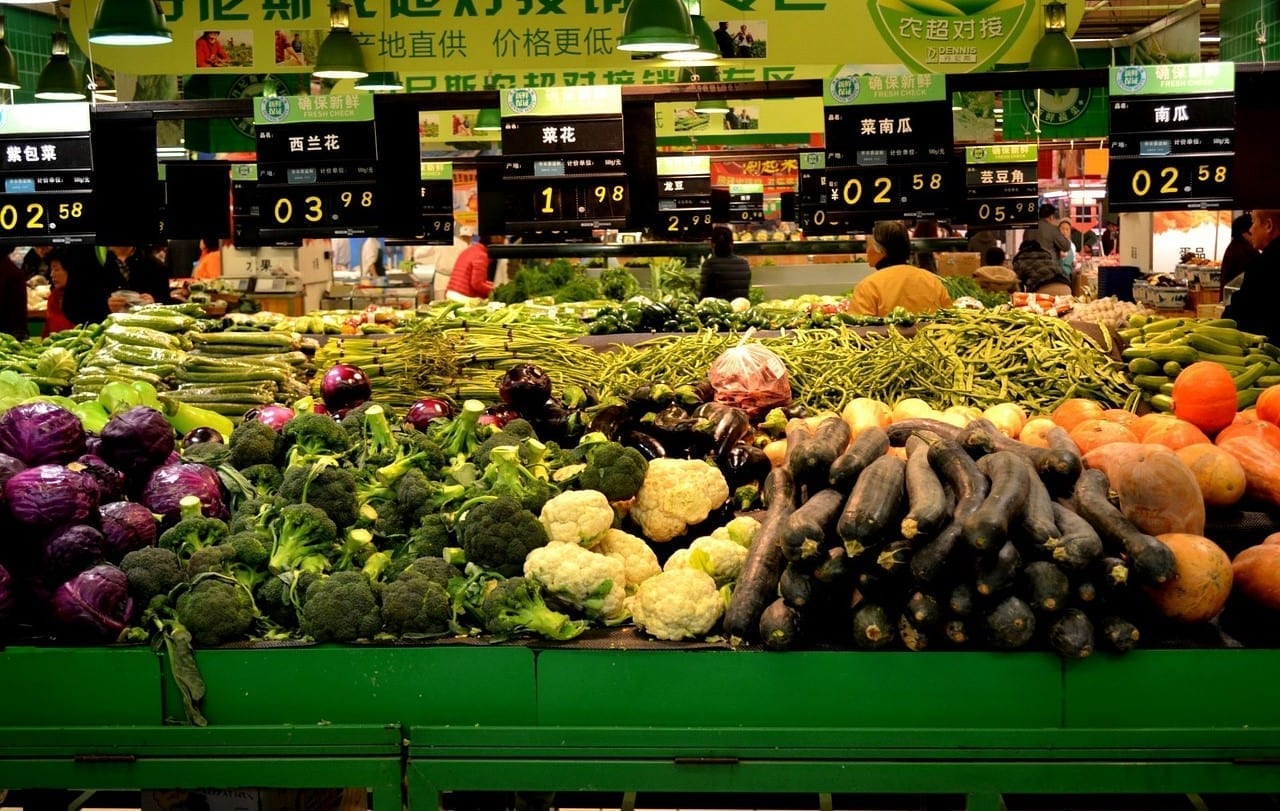
Sales of $6.2 billion from supermarkets and hypermarkets (excluding Yonghui) were in line with last year in constant currency while operating profit increased by 13 per cent to $194 million.
Wellcome in Hong Kong drove higher sales through strengthening its fresh offer and an enhanced merchandise assortment. Operating profit was lower, principally due to a continued rise in rental costs and competitor promotional activities. In Macau, San Miu achieved sales and operating profit growth in its first full year in the group with range enhancement and increased fresh participation.
In Taiwan, sales and operating profit were ahead of last year. A new ‘superstore’ concept was introduced for Wellcome with two net new stores opening during the year, while Jason’s continued its store expansion.
“The retail landscape in Indonesia was challenging with limited recovery in consumer confidence and significant competition from the continued rollout of mini-market stores across the country, which impacted sales growth at supermarkets and hypermarkets,” said Allan.
“Nevertheless, improved margins, from pricing and promotional activities, the closure of a number of underperforming stores and tighter cost control boosted profitability. Improving the fresh assortment and revitalising the upscale Hero brand remain key focus areas for the business.”
In Malaysia, sales and operating profit were behind 2015 due to persistent low consumer confidence together with ongoing price controls following the introduction of GST, which continued to weigh on performance.
The Philippines recorded a strong year with all banners reporting like-for-like sales growth and improved profitability. “A more appealing fresh assortment coupled with tactical pricing and successful marketing activities underpinned an encouraging increase in footfall,” said Allan.
“Rustan’s benefited from increased sales of its imported and exclusive brands, while measures to improve cost efficiency were also implemented.”
In Singapore, sales were down year-on-year due to poor consumer sentiment and the impact of store rationalisation. “Cold Storage achieved an encouraging operating profit increase, despite reduced sales following the closure of underperforming stores. Giant saw steady sales and positive profit growth, driven by increased margins and lower operating costs.
“In the coming year, we aim to invest in the renewal of customer facing and back office technologies to improve our customer experience and internal efficiency whilst optimising ranges and supply chain productivity.”
In Vietnam, Giant posted sound sales growth, from its single store, with increased customer traffic being the main driver and in Cambodia, the group saw “encouraging increases” in like-for-like sales and operating profit.
Convenience sales reach $2 billion
Convenience stores reported $2 billion in sales, an increase of 5 per cent year-on-year in constant-currency terms. Operating profit increased by 15 per cent to $73 million.
In Hong Kong, 7-Eleven outpaced the competition and grew sales and operating profit despite soft consumer sentiment and difficult market conditions. Like-for-like sales strengthened during the year supported by promotions, range improvements and new products. A slight gross margin improvement led to a higher operating profit despite cost increases from labour and rent. In Macau, sales were flat and operating profit was lower due to slowing tourist numbers and a substantial cigarette tax increase in 2015.
In Mainland China, 7-Eleven continued its solid growth and passed its 800th store milestone. During the year, sales and operating profit increased, with store network expansion and like- for-like sales growth. This was driven in part by an expanded ready-to-eat (RTE) product range.
In Singapore, 7-Eleven achieved positive like-for-like sales growth arising from a store re-ranging project with a strong focus on RTE, including the successful introduction of new private label products sourced from 7-Eleven Japan.
“Operating profit was significantly ahead of 2015 due to these initiatives and the rationalisation of loss-making stores,” said CEO Graham Allan. “The RTE range will be further expanded in 2017 and there will be increased focus on acquiring new profitable sites.”
Health & beauty sales rise
Dairy Farm’s health & beauty division achieved $2.6 billion in sales, up 4 per cent on a constant currency basis, however profit declined 5 per cent to $175 million due to margin pressure and higher rents in Hong Kong.
“Gains in Hong Kong, Mainland China, Singapore, Indonesia and the Philippines, offset disappointing sales in Malaysia,” said Allan.
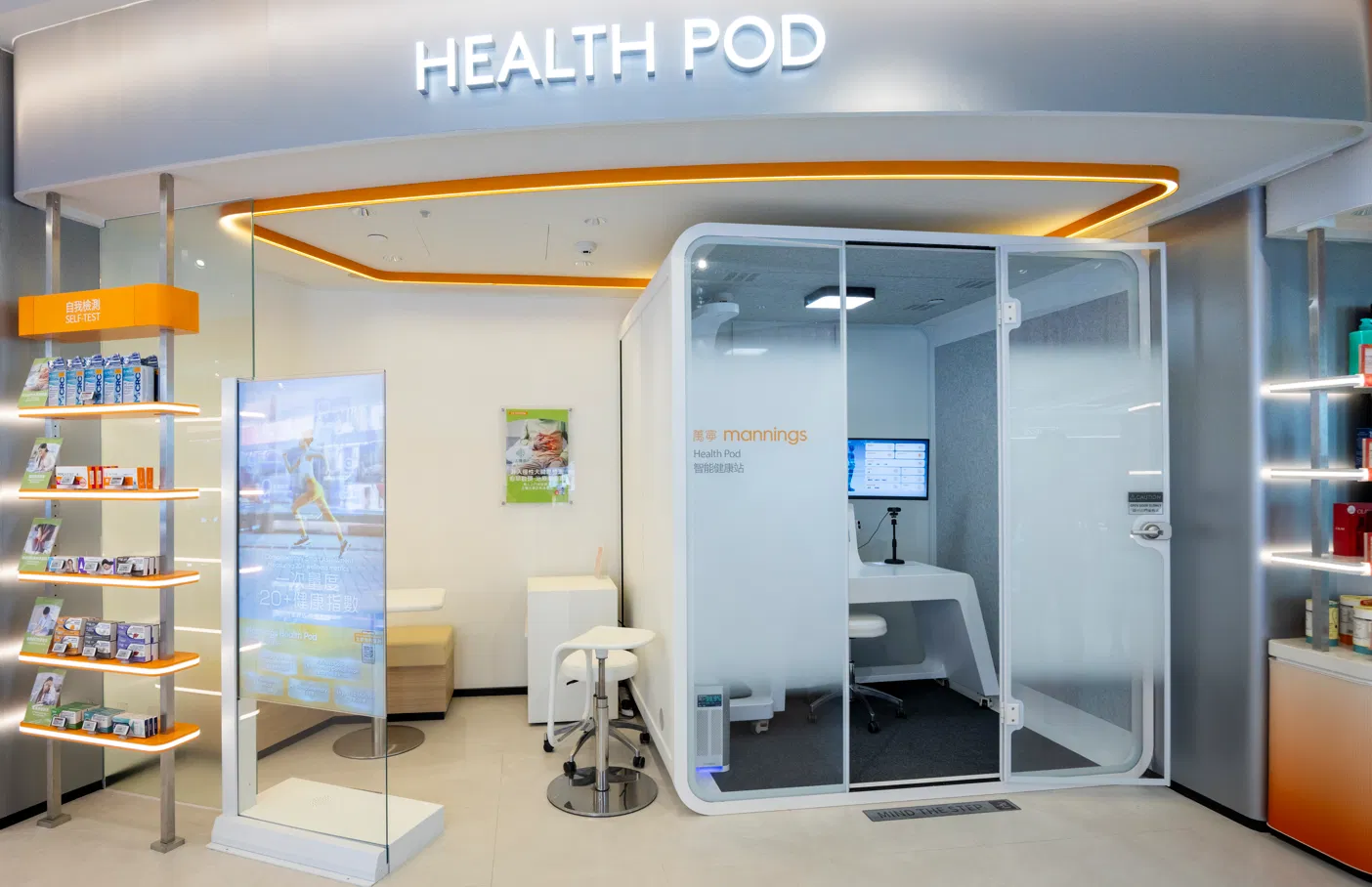
In Hong Kong, Mannings’ sales increased in 2016 despite a smaller store network. “As mainland Chinese tourist arrivals continued to decline, promotional campaigns and loyalty programmes were launched throughout the year targeting local consumers,” said Allan. “Sales were flat in Macau as mainland Chinese tourist arrivals remained soft.
On the mainland, Mannings “showed gradual improvement” with solid sales growth, particularly in baby care, beauty care and personal care, while the contribution from corporate brands increased.
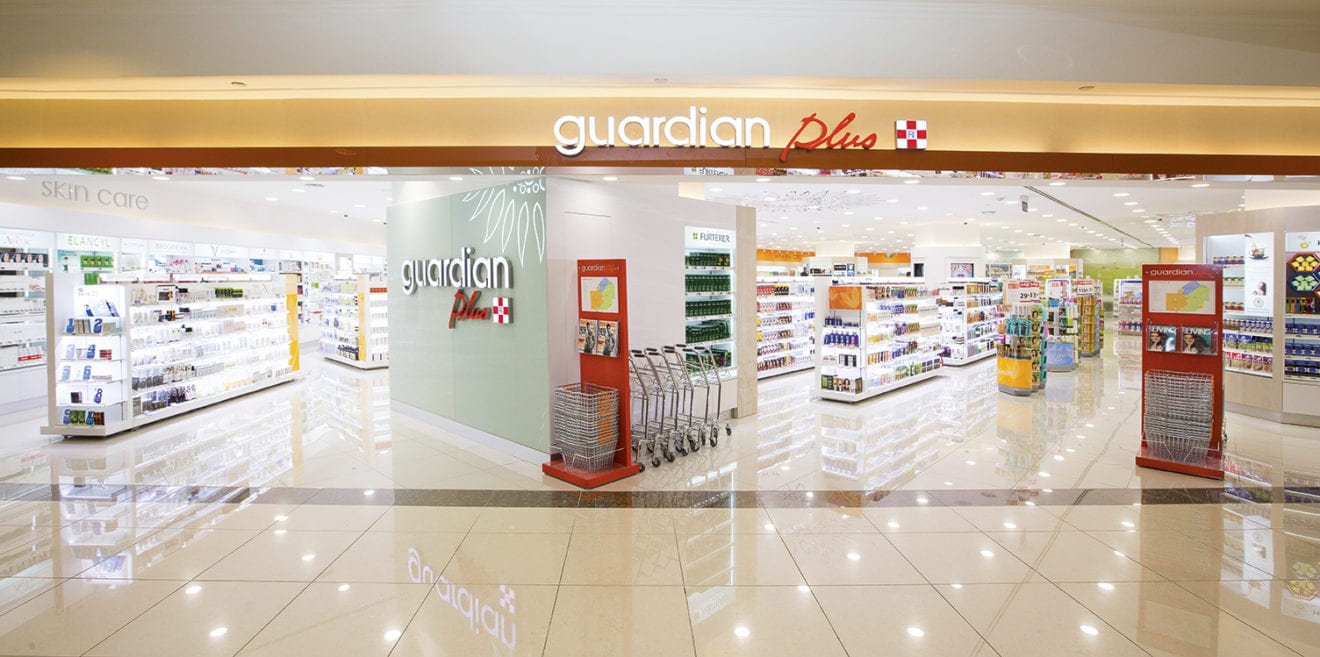
In Singapore, Guardian reported growth in sales, while operating profit also increased with higher gross margins and greater focus on cost and shrinkage management, partially offset by higher rental costs, but in Malaysia, Guardian experienced “a challenging year” with lower sales and operating profit due to subdued consumer sentiment, increased competition and weakness of the ringgit.
In Indonesia, Guardian posted double-digit sales growth for the fifth year in a row, despite the net closure of 73 stores. Operating profit was higher than in 2015 with higher gross margins.
In Vietnam, Guardian recorded another strong year of double-digit sales growth and improvement in gross margin. Corporate brand penetration increased significantly as brands such as Botaneco Garden proved popular with local consumers and in the new market of Cambodia, progress was made through range expansion and increased corporate brand penetration supporting strong like-for-like sales.
In its second year in the group, Rose Pharmacy in the Philippines delivered performance improvement through sales growth, gross margin enhancement, better cost efficiency and the closure of a number of underperforming stores. Guardian brand products were launched with encouraging early signs of customer acceptance.
Home furnishings solid
Home Furnishings, essentially the Ikea business in Hong Kong, Taiwan and Indonesia, recorded a 12 per cent rise in operating profit to $71 million driven by increased sales of $597 million, 6 per cent ahead of 2015.
“Sales and operating profit were higher than last year in all three markets. Like-for-like sales growth was particularly strong in Taiwan and Indonesia.”
Hong Kong led the group in introducing new concepts to increase consumer access, launching online shopping in April 2016 and opening two pick-up points in Macau and on Hong Kong Island. Indonesia introduced online shopping in July. Taiwan opened a pick-up point in Hsinchu and launched online shopping in February 2017.
“We continued to strengthen our low price image through ongoing price investment, and increased our focus on market specific products to enhance our local consumer appeal.
“In the coming year, Home Furnishings plans both to continue its push in consumer accessibility and to drive forward its expansion plans, having identified a second Indonesia store location and opening a fourth store in Hong Kong in the second half of 2017,” said Allan.
Solid growth for Starbucks, Maxim’s
Sales in Dairy Farm International’s restaurants division rose 7 per cent year-on-year to $2 billion and profit rose 4 per cent.
“The business delivered another year of record earnings in a difficult market environment while continuing to expand outside Hong Kong,” said Allan.
The division expanded its reach by acquiring Cova, a premium chain of cake shops and restaurants, and by opening its first Treats food hall.
In China, Maxim’s added 16 new stores across its brands, including the first Cheesecake Factory franchise at Shanghai Disney Town.
The company now operates 20 Starbucks cafes in Vietnam and Cambodia and describes their performance as “encouraging”. The group launched its first Thai franchise in September – MX Cakes and Bakery, a joint venture with ThaiBev, which has opened three outlets in Bangkok.
“Looking ahead, the group continues to see various exciting opportunities, including entry into the Beijing market with the opening of Jade Garden, Cafe Landmark and The Cheesecake Factory planned in 2017. Maxim’s will also continue to explore franchise and acquisition opportunities across the region.”
Dairy Farm will “compete aggressively”
Chairman Ben Keswick said Dairy Farm International is “transforming itself to compete aggressively in a changing retail landscape”.
“Central to this are a strong focus on understanding changing consumer behaviour, growing market share, building digital engagement with customers and sharing know-how across the group. Investment is being sustained in supply chain, IT infrastructure and systems, and the skills and expertise of our people to support this transformation. Each business is committed to optimising the shopping experience of its customers and to serving their evolving needs as efficiently as possible.”
Keswick said increasing convenience through expansion and enhancement of the store network remains a high priority, although when necessary, underperforming stores will be closed. Last year the entire group added a net 114 stores, despite a number of closures across its divisions.
At December 31, Dairy Farm International had 6548 stores in operation in 11 countries and territories, including its interest in 487 Yonghui stores in Mainland China.
“Despite the uncertain economic outlook for 2017, the group continues to strengthen its businesses,” said Keswick. “Investments are being made to enhance its competitive position, increase customer convenience and adapt to emerging consumer trends. These investments, coupled with the exposure of its market-leading retail brands to Asia’s growth markets, will support Dairy Farm’s long-term success.”