Tag: maritime

  • Naora Revolutionizes Maritime Expeditions: Discover the World with a Private Sailing Membership

    Naora Revolutionizes Maritime Expeditions: Discover the World with a Private Sailing Membership

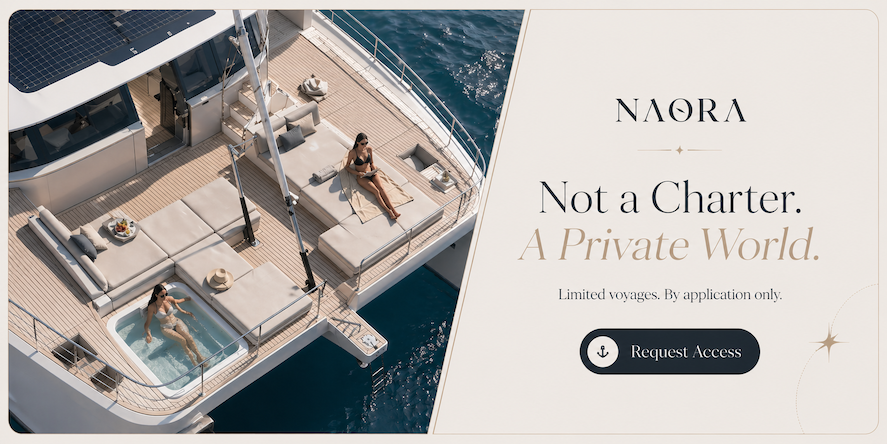
    Naora, an innovative private expedition venture established by seasoned maritime professionals from Belgium, is transforming the way individuals experience extended sea voyages. Instead of operating as a charter company, Naora serves as a membership-based platform, providing access to a continuous, multi-year sailing expedition across some of the world’s most secluded and culturally diverse areas.

    Contrary to the conventional travel approaches, Naora does not trade in travel packages. Instead, members have the privilege of joining a living expedition, a five-year journey impacted by the seasons, trade winds, and the amassed experience at sea. Participants can join and depart at various points during the journey, aligning their time on the vessel with their individual schedules and preferences.

    A Venture Driven by Experience, Not Fixed Plans

    Naora’s foundation is built on over twenty years of practical maritime experience, which includes professional sailing, global yacht deliveries, and previous expeditions on vessels like Discovery and Sueño, exploring areas like the Mediterranean, Caribbean, and northern waters.

    This strategy represents a transition from fixed itineraries to a more dynamic, experience-driven model. Routes are not predetermined but are modified based on conditions, timing, and local knowledge, allowing for a more profound interaction with each destination.

    Rather than designing a route on a map, Naora uses its years of maritime experience to return to significant places, ensuring the timing of these visits is perfect for maximum exploration and enjoyment.

    Appreciating Access Over Ownership

    Naora operates on a membership structure where members have access to the journey for a specific duration rather than to particular destinations. Members can choose segments of the trip based on availability and personal preferences, ranging from brief coastal passages to extended ocean crossings.

    The experience is intentionally designed to achieve a balance between structure and freedom. While a professional crew takes care of all operational aspects, participants are encouraged to engage with the environment at their leisure, whether this involves sailing, diving, surfing, or exploration ashore.

    From secluded anchorages to lesser-visited coastal regions, the focus is on immersion rather than consumption. This approach allows access to places that are often unreachable, including pristine environments and respectfully approached indigenous cultures.

    A Thriving Community, Onboard and Beyond

    Beyond the journey itself, Naora emphasizes the importance of community and continuity. The expedition is not only an offshore experience but extends into a broader ecosystem developed to keep members connected. This system includes curated gatherings both at sea and on land, along with a digital platform that allows members to stay engaged, no matter where they are on the route.

    In support of the community emphasis, Naora has introduced a dedicated role within the structure – a Commodore. This person is responsible for maintaining the connection between members and ensuring the community experience is consistent across all touchpoints, from onboard interactions to onshore gatherings and digital communication.

    The mission of Naora is not only about reaching new places but is also centered on the people who share the experience and the connection that continues long after the expedition ends. Besides, Naora is committed to preserving and continuing maritime traditions, not just as a concept, but as a lived practice. Knowledge, seamanship, and respect for the ocean are shared among participants, contributing to the overall experience.

    At the heart of Naora’s positioning is a strong emphasis on privacy and alignment. Participation is application-based, ensuring that all members share the same mindset. The onboard environment is deliberately small-scale, promoting trust, discretion, and a sense of belonging that’s vastly different from commercial travel experiences.

    Questions & Answers

    What is the concept behind Naora?
    Naora is a private sailing expedition membership that offers access to a continuous global journey across various oceans, seasons, and cultures. The emphasis is on experience rather than destination, and members can join and leave at different points along the route.

    What makes Naora unique?
    Naora differs from traditional travel models in that it does not sell trips but provides a living expedition that members can join. The routes are dynamic, and the focus is on immersion and engagement with each destination. It also operates on a membership structure rather than a charter model.

    What is Naora’s approach to community?
    Beyond the journey itself, Naora places a strong emphasis on community and continuity. They organize gatherings both at sea and on land, and have a digital platform to keep members connected. A dedicated role, the Commodore, is responsible for maintaining the connection between members and ensuring a consistent community experience.

  • Starlink Soars into South Korea: A Game-Changer for Maritime, Aviation, and Emergency Connectivity

    Starlink Soars into South Korea: A Game-Changer for Maritime, Aviation, and Emergency Connectivity

    SpaceX’s Starlink has officially extended its services to South Korea, building upon its global Low Earth Orbit (LEO) satellite system. This expansion has positioned it as a crucial facilitator of consistent connectivity for South Korea’s maritime, aviation, and emergency-response sectors.

    Starlink Korea’s Offerings

    Starlink Korea has initiated nationwide subscriptions through its official platform, providing services to both residential and enterprise customers. The residential package costs KRW 87,000 (USD 59) per month and offers unlimited data with projected download speeds of 135 Mbps and upload speeds of 40 Mbps. The pricing for customer hardware is set at KRW 550,000.

    Experts believe that Starlink’s most significant market potential in Korea is beyond residential use. Given that Korea already operates one of the world’s fastest terrestrial networks, with an LTE speed averaging 179 Mbps, LEO satellite broadband is likely to function as an additional layer in areas with limited ground-based coverage.

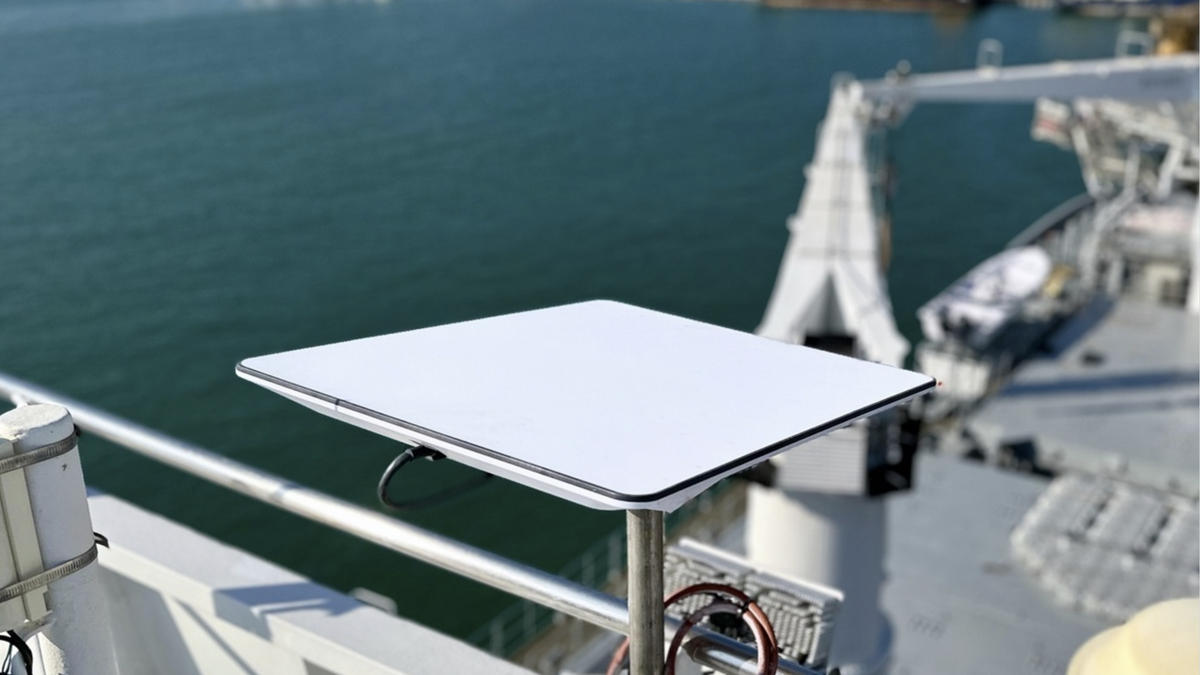
    The demand is anticipated to increase in the maritime, aviation, and emergency-response sectors, where traditional satellite services are expensive and provide slower performance. Despite Korea’s global rank of fifth in commercial shipping capacity, numerous vessels still encounter difficulties maintaining real-time connectivity at sea. LEO constellations, which orbit the Earth significantly closer than geostationary satellites, offer lower latency and more stable connections for ships and aircraft, thereby bolstering digital operations and mission-critical communication.

    Enterprise Services

    Starlink’s enterprise offerings aim at land-based mobile and fixed commercial users. The plans begin at KRW 90,000 per month for 50 GB and go up to KRW 755,000 for 2 TB. Data caps result in throttling to 1 Mbps download speeds and 0.5 Mbps upload speeds, although users have the option to purchase more data. These business packages incorporate prioritized bandwidth and service-level guarantees.

    Sales and technical support will be managed by local operators SK Telink and KT Sat. They will also create bespoke offerings for commercial vessels, low-cost airlines, and government agencies.

    Korea’s Strategic Direction

    The launch of Starlink also aligns well with Korea’s strategic intent to enhance disaster-resilient networks. LEO connectivity, which remains operational even when terrestrial base stations are compromised, offers a crucial backup layer for remote or mountainous areas or places with challenging infrastructure, as stated by the Electronics and Telecommunications Research Institute (ETRI).

    “This is the inception of a multi-layered communications architecture that integrates terrestrial and satellite networks,” said Song Young-geun, Head of Future Strategy at ETRI.

    Globally, Starlink operates over 7,600 satellites and caters to more than 8 million users across 115 countries, highlighting its increasing role in next-generation connectivity ecosystems.

    Questions & Answers

    What is the cost of Starlink’s residential package in Korea?

    The cost of the residential package is KRW 87,000 (USD 59) per month, which includes unlimited data with expected download speeds of up to 135 Mbps and upload speeds of up to 40 Mbps.

    Which industries are projected to benefit from increased demand for Starlink’s services in Korea?

    The maritime, aviation, and emergency-response sectors in Korea are projected to see increased demand for Starlink’s services due to their need for high-availability connectivity.

    What is the role of local operators SK Telink and KT Sat in Starlink’s operations in Korea?

    SK Telink and KT Sat will manage sales and technical support for Starlink in Korea. They will also develop tailored offerings for commercial vessels, low-cost airlines, and government agencies.

  • Starlink Powers Up South Korea: A New Era of Maritime, Aviation, and Emergency-Response Connectivity

    Starlink Powers Up South Korea: A New Era of Maritime, Aviation, and Emergency-Response Connectivity

    SpaceX’s satellite internet service, Starlink, has officially commenced operations in South Korea. By doing so, the company is expanding its worldwide low-Earth orbit (LEO) satellite coverage. It is positioning itself to be a crucial provider of high-availability connectivity across the country’s maritime, aviation, and emergency-response sectors.

    Starlink’s Korean Launch

    Starlink Korea has begun accepting nationwide subscriptions through its official website, introducing both residential and business offerings. The residential plan is priced at KRW 87,000 (USD 59) per month, providing unlimited data with anticipated download speeds of 135 Mbps and upload speeds of 40 Mbps. The cost for customer hardware is established at KRW 550,000.

    Analysts believe that Starlink’s greatest market potential in Korea is outside the domestic arena. Given that the nation already operates one of the fastest terrestrial networks globally, with LTE speeds averaging 179 Mbps, LEO satellite broadband is anticipated to serve as an additional layer in areas where ground-based coverage is limited.

    Maritime, Aviation, and Emergency-Response Sectors

    The demand is expected to increase in the maritime, aviation, and emergency-response sectors, where traditional satellite services are expensive and operate at a slower speed. Despite Korea’s ranking as the fifth largest commercial shipping capacity worldwide, many vessels continue to face difficulties in maintaining real-time connectivity at sea. LEO constellations, which orbit much closer to Earth than geostationary satellites, offer lower latency and more reliable links for ships and aircraft, supporting digital operations and crucial communication.

    Enterprise Offerings

    Starlink’s enterprise offerings are targeting land-based mobile and fixed business users. Packages start at KRW 90,000 per month for 50 GB and go up to KRW 755,000 for 2 TB. Once the data limits are reached, the speeds are reduced to 1 Mbps download and 0.5 Mbps upload, although users have the option to purchase additional data. The business packages include prioritized bandwidth and service-level guarantees.

    Local operators SK Telink and KT Sat will manage sales and technical support, as well as develop customized offerings for commercial vessels, budget airlines and government agencies.

    Aligning with National Strategy

    This initiative is in line with South Korea’s strategic aim to reinforce disaster-resilient networks. According to the Electronics and Telecommunications Research Institute (ETRI), satellite links, which remain operational even if terrestrial base stations are damaged, provide an essential backup layer for remote, mountainous, or infrastructure-challenged areas.

    Globally, Starlink operates over 7,600 satellites and provides service to more than 8 million users across 115 countries, emphasizing its growing significance in the future of connectivity ecosystems.

    Questions & Answers

    What are Starlink’s offerings in South Korea?
    Starlink has introduced both residential and business internet services. The residential plan provides unlimited data with download speeds of 135 Mbps and upload speeds of 40 Mbps. The business plans range from 50 GB to 2 TB with prioritized bandwidth and service-level guarantees.

    What sectors could benefit from the launch of Starlink in South Korea?
    The maritime, aviation, and emergency-response sectors in South Korea are expected to benefit from this launch due to the high-availability connectivity that Starlink provides.

    What is the strategic significance of Starlink’s launch in South Korea?
    The launch aligns with South Korea’s strategic push to enhance disaster-resilient networks. Satellite links can remain operational even when terrestrial base stations are damaged, providing a crucial backup layer for remote or infrastructure-challenged areas.

  • NY/NJ Foreign Freight Forwarders & Brokers Association Announces 2025 “Captain of Industry” Award Recipient

    NY/NJ Foreign Freight Forwarders & Brokers Association Announces 2025 “Captain of Industry” Award Recipient

    The NY/NJ Foreign Freight Forwarders & Brokers Association,  announces that Charlene Riley has been selected as the recipient of the 2025 Captain of Industry Award. This prestigious honor is awarded to individuals who have demonstrated exceptional leadership, commitment, and long-standing service to the association and the international trade and logistics community. Ms. Riley will be honored on Wednesday, June 25, 2025, during the association’s annual Dinner Cruise, an event co-hosted with the Traffic Club of New York (TCNY).

    An industry veteran and licensed Customs Broker since 1989, Ms. Riley currently serves as East Coast Import Operations Manager at J.W. Allen. With a distinguished career spanning several decades in freight forwarding and customs brokerage, Ms. Riley has served in a variety of managerial roles. Ms. Riley began her career with Barthco, where she managed numerous offices across the country. She then spent over two decades with John A. Steer Co., rising to the position of Vice President of their NY/NJ office.

    “Charlene Riley exemplifies the integrity, expertise, and dedication that define our industry,” said Jeanette Gioia, President of NYNJFFF&BA. “Her leadership has guided not only our Association but the entire trade community through complex challenges and periods of great change. It is a privilege to recognize her with the 2025 Captain of Industry Award.”

    Ms. Riley has held several leadership positions with the NYNJFFF&BA, including Board of Governors, Treasurer, Vice President of Imports, and President, and most recently as Senior Advisor and former Chair. Her strategic guidance and deep operational knowledge have been instrumental in advancing the mission of the association. She is also a key contributor on the national stage through her active involvement with the National Customs Brokers and Forwarders Association of America (NCBFAA) especially the Future Role of the Broker Committee. She had represented the Port of New York/New Jersey on the Customs Committee, chaired the Legislative Committee, and headed the FIATA Committee, having represented the U.S. at two FIATA World Congress events.

    The celebration will take place aboard the Cornucopia Destiny, departing from Liberty Harbor Marina, 11 Marin Blvd, Jersey City, NJ, with boarding beginning promptly at 6:00 PM and disembarking between 9:30-10:00 PM. For details see Dinner Cruise 2025 – NYNJ.  Guests will enjoy an evening of networking and celebration featuring an open bar, appetizers, full dinner and dessert, DJ music, and dancing. Contact (732) 741-1936 for more information.

  • Singtel Launches iSHIP to Provide Industry’s First All-in-One Maritime Service

    Singtel Launches iSHIP to Provide Industry’s First All-in-One Maritime Service

    Singtel has unveiled iSHIP, an all-in-one platform providing critical satellite-enabled connectivity and digital services for the maritime industry. iSHIP’s integrated services for crew and fleet management allows ship managers and owners greater flexibility and visibility of their resources and operations, enabling better well-being of the crew, vessel safety, and operational efficiency.

    Presently, nearly 90% of all goods from finished products to food, fuel, and more are shipped over the seas — with maritime trade volume set to triple by 2050. To keep ships running and global seaborne trade flowing during the pandemic, shipping companies had to rapidly digitalize critical operations such as navigation, power supply, engine control, and cargo management which were traditionally manual tasks while ensuring ship crews stay healthy and safe.

    “Our seas are a major mode of global trade and transport. But the pandemic has disrupted global supply chains and shipping operations, driving strained crews — who are more accustomed to traditional or manual processing methods — to navigate fragmented digital resources and applications. iSHIP was specifically designed to address these challenges and provide a versatile solution for shipping companies that are accelerating digital adoption and also have decarbonization and crew welfare high on their agenda. By making it easier for ship owners and operators to procure and steward digital services and resources, they can focus on keeping the world economy running, supporting billions of people who rely on our seas for food, energy and transport,” stated Ooi Seng Keat, vice president, carrier services, over-the-top & satellite, Group Enterprise, Singtel.

    Singtel is the only operator in Southeast Asia to attain the highest certification from the World Teleport Association (WTA) for providing customers with the highest quality of security, infrastructure, and operational standards for their communications needs. With the launch of iSHIP, Singtel continues leading the industry in providing connectivity support and more for the hundreds of customers and thousands of vessels sailing the seas at any given time.

    End-to-end connectivity for smart, secure and sustainable maritime operations

    Currently, ship owners and operators are required to liaise with multiple parties to procure connectivity and digital services or resources. With iSHIP, customers get all their possible maritime digital needs through one point of contact along with access to 24/7 support. Customers can select the combination of digital services they need with the assurance of Singtel’s end-to-end support, from initial provisioning and on boarding; scaling resources on an as-needed basis to resolving any technical; or service issues encountered.

    Via iSHIP, ship owners can tap on Singtel’s access to high-throughput satellites orbiting the earth to provision more bandwidth as and when required — anywhere in the world — to power fast and reliable connectivity.

    By the third quarter, iSHIP will include teleadvisory services to provide seafarers direct access to a trained medical professional, who can render assistance in situations beyond the skills of the medic onboard.

    By leveraging the latest in maritime Internet-of-Things (IoT) and data analytics, iSHIP enables ship owners and operators to improve operational efficiency and increase productivity while reducing costs, especially in fuel and operational maintenance. With data from sensors and other monitoring devices, ship owners and captains are empowered to optimize routes, workloads, and enhance quality control and quality assurance. IoT devices also help shipping companies meet the maritime industry’s ambitious goal — set in June last year — to cut carbon intensity of all ships by at least 40% by 2030.

    In addition, iSHIP provides advanced protection against malicious attempts along with education and assessment courses for ship crew to improve their cyber hygiene, thus alleviating potential human errors.

  • Shipping firms post profit surge

    Shipping firms post profit surge

    Many shipping companies have posted a year-on-year surge in profits in Q3, driven primarily by higher freight rates.

    The Vietnam Maritime Corporation (VIMC) has recorded third-quarter revenues of VND4.127 trillion ($179.4 million), up 71 percent year-on-year, and profits of VND760 billion, compared to nearly VND30 billion in losses during the same period last year.

    The VIMC’s ocean shipping operations transported over 18 million tons of cargo and earned profits of more than VND380 billion.

    The Vietnam Ocean Shipping Joint Stock Company (Vosco), a VIMC affiliate, posted a net profit of nearly VND186 billion in Q3, against net losses of over VND21 billion in the same period last year. Vosco’s total profits in the first nine months rose to VND409 billion, against losses of more than VND139 billion during the same period last year.

    Another VIMC affiliate, the Transport and Trading Services Joint Stock Company (Transco), recorded profits of VND9 billion in Q3, up from VND326 million in the same period last year.

    Meanwhile, Hai An Transport and Stevedoring Joint Stock Company (HAH) made net profits of VND476 billion, up 65 percent, and after-tax profit of over VND100 billion, up 370 percent on-year, the highest profit hike since it became a listed firm in 2014.

    In the first nine months of this year, HAH recorded net revenues of VND1.284 trillion and after-tax profits of VND284 billion, up 50 percent and double year-on-year, respectively.

    A surge in freight rates has been the main contributor to the profit surge, market observers say. The average cost for transporting a standard container from China to the West Coast of the U.S. is $20,586, nearly double that of July and double that of January, Fox Business reported.

    With Covid-19 outbreaks easing in many big economies, import and export activities are surging, and Vietnam is benefiting from the free trade agreements it has signed.

    According to the Vietnam Maritime Administration, seaports nationwide handled over 535 million tons of cargo in the first nine months of this year, a year-on-year rise of 3 percent.

  • DBS Loan to Spur Green Solutions in Maritime Industry

    DBS Loan to Spur Green Solutions in Maritime Industry

    The bank has issued a sustainability-linked loan to Sembcorp Marine, which references the Singapore Overnight Rate Average.

    The $500 million sustainability-linked financing facility, believed to be the industry’s first, will help steep the maritime giant to cleaner, greener and renewable energy solutions, the two sides announced in a joint statement on Thursday.

    The loan’s interest rate comprises a compounded daily SORA rate calculated in arrears and an applicable margin. The loan features interest rate discounts linked to pre-determined Environmental, Social and Governance (ESG) targets, which are aligned with Sembcorp Marine’s performance targets set out in the group’s sustainability report.

    The inclusion of green financing dovetails with our strategic transformation and pivot since 2015 to provide innovative engineering solutions to the global offshore & marine and energy industries, William Goh, Sembcorp Marine’s group finance director, said.

    In 2019, some S$530 million of Sembcorp Marine’s projects were related to green solutions. The company has also introduced more green features in its operations, such as the use of solar energy to reduce emissions.

    As a purpose-driven bank, we believe financial institutions have a strategic and pivotal role to play in proactively supporting industries’ work towards a lower-carbon future, Dorian Delteil, DBS head of oil and gas, said.

    DBS recently raised its commitment to finance S$50 billion in renewable, clean energy and green projects by 2024, up from S$20 billion previously.

  • Maritime industry experts to discuss cyber security

    Maritime industry experts to discuss cyber security

    IT protection and cyber security will take center stage at the biennial Seatrade Offshore Marine and Workboats Middle East (SOMWME) exhibition and conference, taking place at the Abu Dhabi National Exhibition Centre (ADNEC) from 25 – 27 September 2017.

    The focus on IT systems at sea follows the recent global WannaCry attack, which shut down computers used by Spanish ISP Telefonica, FedEX and the UK’s National Health Service, among others, affecting some 200,000 computers in 150 countries. This was followed later in May with the British Airways outage, which saw hundreds of flights cancelled over a holiday weekend and £500 million wiped of parent company IAG’s value.

    Peter Broadhurst, Senior Vice President Safety & Security Services, Inmarsat, the mobile satellite company, will deliver the keynote presentation in the Knowledge Theatre, “Cyber Security: Protecting the Industry”, assessing the new risk factors of an increasingly connected shipping industry and how industry players can protect themselves against cyber security threats.

    “Hacking, ransomware and system outages have long been a concern for the shipping industry, particularly with the advent of the Internet of Things (IoT) and the connected ship. These risks are heightened due to the significant growth in networks of physical objects accessed through the internet,” said Broadhurst.

    According to a 2016 global analysis report by the Ponemon Institute, which surveyed data collected from 383 companies in 12 countries, the average total cost of a data breach stands at US$4 million, a figure that has increased 29% since 2013. The average cost per lost or stolen record is $158, with a 15% average price increase since 2013. In total, the number of security incidents reported in 2015 stood 63% higher than in 2014.

    Emma Howell, Group Marketing Manager, Seatrade portfolio commented, “Over recent weeks and months, we have seen huge organisations crippled by ransomware attacks and IT meltdowns – compromising systems and costing some businesses many millions of dollars. The need for the shipping industry to tackle this growing menace head-on is greater than ever before and we look forward to welcoming decision makers and industry leaders to debate these important issues.”

    However, compounding the issue, insurance providers are yet to close all of the gaps in their policies, leaving shipping companies at even greater risk and facing huge financial losses.

    “Most insurance policies have Cyberattack exclusion clauses, for property damage and business interruption and this exposes shipping companies and ship owners to huge risks. We have seen some response from the insurance industry but until comprehensive products are rolled out the responsibility of backing up systems, protecting data and ensuring a network is robust and secure, very much remains with the shipping company and ship owner,” added Howell.

  • Winners Announced At The 10th Seatrade Maritime Awards Asia

    Winners Announced At The 10th Seatrade Maritime Awards Asia

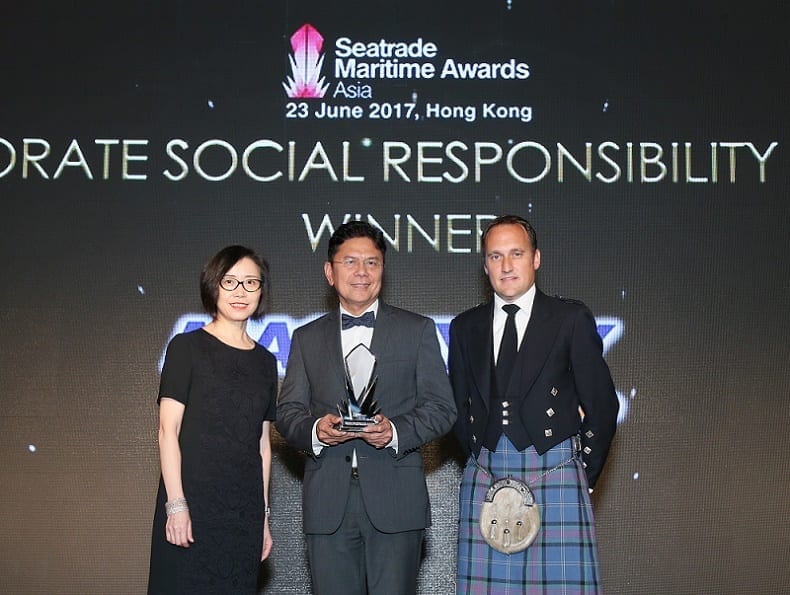
    Honouring and recognising outstanding companies and individuals in the maritime industry, winners of the 10th Seatrade Maritime Awards Asia were announced on 23 June 2017 at the InterContinental Hong Kong.

    With close to 400 top maritime executives in attendance, Seatrade Maritime Awards Asia, celebrating its 10th anniversary this year is widely acknowledged as one of the region’s most prestigious industry awards. Held annually to commemorate inspiring industry peers on their extraordinary efforts and contributions towards the maritime industry, a total of 15 awards were presented this year.

    Winners for the 12 competitive categories were chosen by an independent panel of senior industry figures whilst recipients for the other three special awards namely the Seatrade Young Person of the Year Award, the Seatrade Personality of the Year Award and the Seatrade Lifetime Achievement Award, were decided by the Seatrade Senior Editorial Board.

    Randy Chen, vice chairman, Wan Hai Lines, was awarded the Seatrade Personality of the Year and Edward Buttery, CEO, Taylor Maritime (HK) Ltd, was presented with the Seatrade Young Person of the Year. The last award of the night, Seatrade Lifetime Achievement of the Year was presented to His Excellency Ambassador Carlos C. Salinas, chairman, Philippine Transmarine Carriers, Inc. The award recognised the highly important role Ambassador Salinas has played in the development of the Philippines as the world’s leading supplier of seafarers to international shipping.

    The Technical Innovation and Deal of the Year Awards were the two most hotly contested categories. ICBC Financial Leasing Co. Ltd emerged as the winner for the Deal of the Year Award, having won the same for two running years in 2014 and 2015. Their significant groundbreaking deal outshone the rest of the finalists. The Technical Innovation award was presented to Mampaey Offshore Industries who has impressed the judges with its innovative auto docking solution that improved safety in this most difficult of maritime operations.

    “Success of the Seatrade Maritime Awards Asia over the past 10 years would not have been possible without the unwavering support from our participants, sponsors, judges and supporting partners, of which we are deeply grateful and humbled. Seatrade Maritime Awards Asia 2018 will return to Singapore to be held in conjunction with the Singapore Maritime Week 2018 and we look forward to seeing you there,” Chris Hayman, chairman, Seatrade commented.

  • Maritime industries need to gear-up for digital transformation

    Maritime industries need to gear-up for digital transformation

    Singapore’s port and maritime industries need to gear up to deal with digitalization and disruption of global transport supply chains – that was the message of Khaw Boon Wan, Coordinating Minister for Infrastructure and Minister of Transport at the official opening of Sea Asia 2017.

    The role of hub ports such as Singapore, the world’s largest container transhipment hub, are set to change as digitalization takes a hold.

    “The landscape is changing rapidly digitalization is disrupting and transforming the global transport supply chains,” Khaw said.

    “The lines between e-commerce, shipping and supply chains are blurring, for example Amazon is looking at having its own shipping and logistics operations. Freight forwarders will also have noticed Maersk and CMA CGM partnerships with Alibaba to allow shippers to book space on containerships online.”

    The downside to disruption is that there would be winners and losers, and Singapore would have to “gear up” to be on the right side of that dividing line.

    Painting a picture of the new landscape Khaw said: “Nearer to home we are seeing the rise of multi-modal logistics infrastructure and the growth of other hubs in Asia fuelled by e-commerce. These trends have also sparked talk about the emergence of new trade routes and even a multi-hub network in the longer term where no single hub will enjoy superior connectivity.”

    Exactly how these developments will pan out no-one knows but the Minister said Singapore had ensure it was ready for transformation.

    “Superior connectivity will be measured in multi-modal terms and maybe as much digital as physical,” he stated.

    While digital disruption has loomed large over many sectors such as taxis, hotels and retail, Singapore Maritime Foundation chairman Andreas Sohmen-Pao highlighted that goods and commodities will still require ocean shipping.

    “I know there has recently been plenty of talk about the challenges facing the maritime industry buts lets remember this industry is a cornerstone of the modern global economy even as we advance into an era of modern technology the vehicles that provide our Uber rides, the steel that holds up our Air B&B houses, and the goods that arrive in our Amazon boxes have typically spent some of their life on a ship,” Sohmen-Pao said in his opening speech.

  • Maritime transport sees growth for two consecutive years

    Maritime transport sees growth for two consecutive years

    The country’s maritime transport sector posted growth for two consecutive years, notwithstanding losses, restructuring and even bankruptcy of several large foreign carriers.

    Nguyễn Văn Công, Deputy Minister of Transport, hailed results of the maritime transport sector at the conference of the Việt Nam Maritime Administration (Vinamarine) held in Hà Nội on Monday.

    In 2016, Vinamarine was active in issuing documents guiding the implementation of the Việt Nam Maritime Law 2015. The two most important contents — price listing and seaport service prices — have eased business difficulties, helping to avoid economic losses.

    Công said growth rate of 4 per cent this year, with total output of 123 million tones, is impressive in the current situation.

    “In particular, the Cái Mép-Thị Vải seaport saw a high growth rate of containers. In 2016, the seaport received two million twenty-foot equivalent units (TEU), surging from 499,000 TEU in 2012. More than 1,200 arrivals of vessels weighing more than 80,000 tonnes came to the seaport,” he said.

    The deputy minister asked Vinamarine to continue undertaking checks on seaport service prices. Vinamarine was particularly asked to research and invest into key maritime corridors to develop multi-modal transportation.

    Đỗ Hồng Thái, Vinamarine’s deputy head, said this year, the number of maritime accidents was 21, reducing by two cases from last year. The port authorities also conducted checks on nearly 13,000 arrivals of vessels on local routes, discovering 1,300 vessels with defects. The authorities also implemented checks on more than 2,000 foreign vessels and uncovered 817 with defects.

    “There is no security incident with the country’s seaport system this year. Vietnamese seaports continue to be safe destinations for foreign vessels,” Thái said.

    In 2017, Vinamarine will continue to prepare legal documents guiding implementation of the Việt Nam Maritime Law 2015. It is expected to submit eight decrees and one decision to the Prime Minister for approval. It will also complete several plans such as the seaport development planning by 2020 with a vision to 2030.

    In addition, it will also ensure maritime security by investing in infrastructure and enhancing international co-operation.

  • Asia’s Largest Logistics and Maritime Conference Opens

    Asia’s Largest Logistics and Maritime Conference Opens

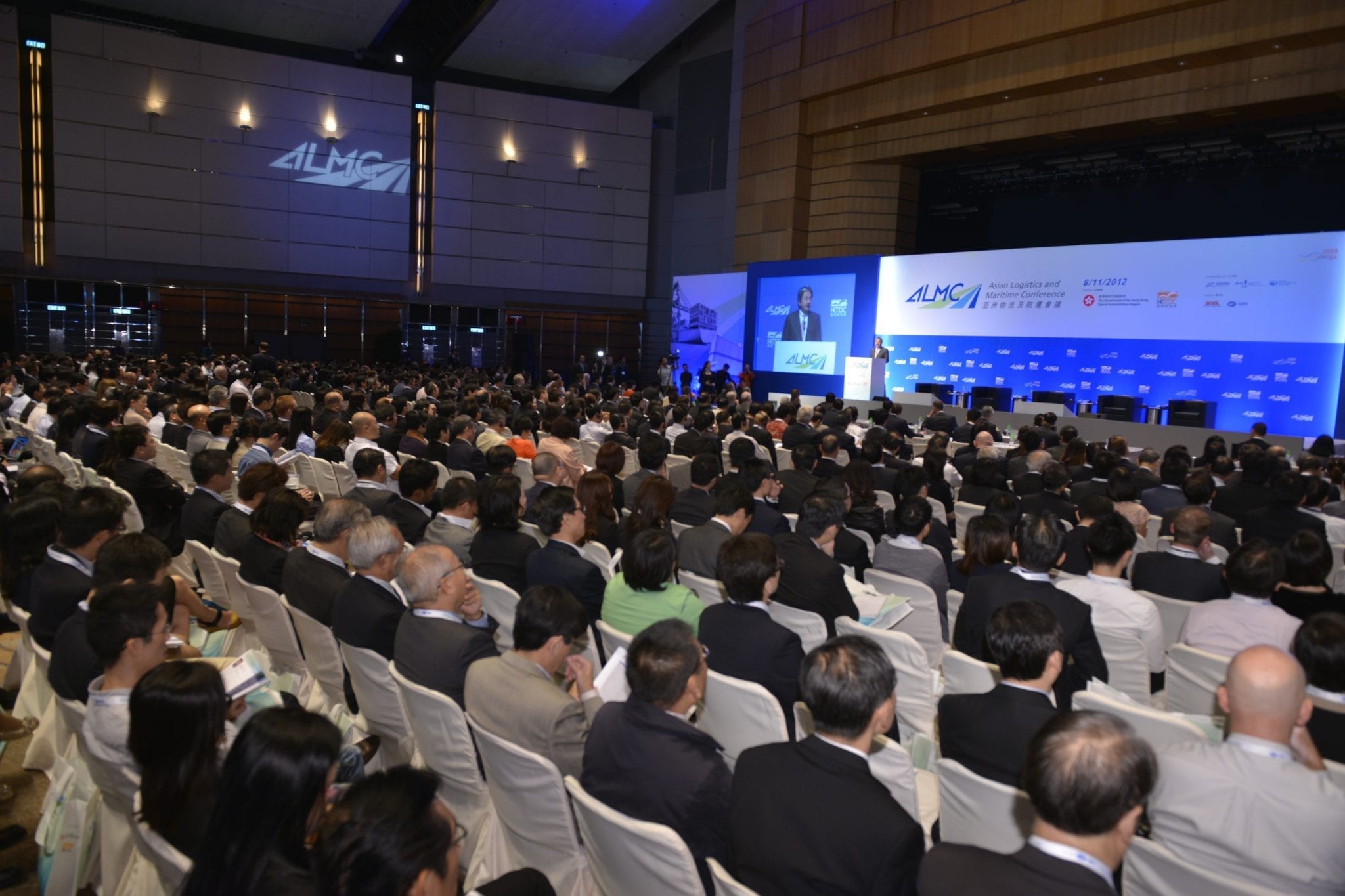
    The sixth Asian Logistics and Maritime Conference (ALMC) today (22 November) launched its two-day run at the Hong Kong Convention and Exhibition Centre. More than 70 leaders from the logistics and maritime industries are speaking at the conference. Today’s activities included the plenary session “China’s Grand Initiatives: Where are the Opportunities?” The ALMC is the largest event of its kind in Asia, welcoming industry elites from some 30 countries and regions. The conference is jointly organised by the Hong Kong Trade Development Council (HKTDC) and the Government of the Hong Kong Special Administrative Region (HKSAR).

    Speaking at the opening ceremony, Carrie Lam, Acting Chief Executive of the HKSAR, said, “Strategically located at the heart of Asia, Hong Kong has long been the gateway to southern China, and the bridge between the Mainland and the rest of the world. Our infrastructure is world-class, rated first in the World Economic Forum’s Global Competitiveness Report. Our robust economy, trade freedom, regulatory efficiency, and excellent logistics services have made Hong Kong one of the world’s busiest logistics hubs.”

    In her welcoming remarks, Margaret Fong, Executive Director of the HKTDC, said: “The ALMC aims to help the industry navigate choppy economic waters and chart a course towards new business opportunities. The three main themes of ALMC 2016 are the Belt and Road Initiative, China’s 13th Five-Year Plan and cross-border e-commerce. In each case, the logistics and maritime industries are front and centre. In just a few short years, the Belt and Road Initiative has moved from the drawing board into reality, with new ports, roads and railways linking markets along the Belt and Road routes from Asia to Europe via the Middle East and North Africa. In addition to infrastructure, world-class shipping and logistics services and know-how are required to fully realise the potential of the Initiative.”

    China’s grand initiatives

    A highlight of this year’s ALMC was this morning’s plenary session “China’s Grand Initiatives: Where are the Opportunities?” Three high-profile speakers examined key strategies of the Chinese mainland – the Belt and Road Initiative, “Internet Plus” and “Made in China 2025”. The three speakers were HE Sultan Ahmed Bin Sulayem, Group Chairman and Chief Executive Officer, DP World; Zhao Huxiang, Vice Chairman, China Merchants Group; and Joseph Phi, President, LF Logistics.

    Addressing various topics, seven forums were also held today focusing on the Supply-chain Management, Logistics, Air Freight and Shipping sectors. As well as helping the logistics industry analyse the latest market trends, the forums also shed light on how the manufacturing and trading industries can capitalise on the latest logistics solutions to grow their business, lower costs and increase competitiveness.

    The first Supply-chain Management & Logistics Forum “Relocating Your Manufacturing Base – the Pros and Cons”, heard from speakers about the risks and opportunities from a supply-chain management perspective. Speakers included Dr Qu Jian, Vice President, China Development Institute; Dr John Cheh, Vice Chairman and CEO, Esquel Group; Takeshi Kondo, General Director, Yusen Logistics (Vietnam) Co, Ltd; and Tommy Lui, Director & Group Chief Representative – Southern China, Li & Fung Development (China) Ltd.

    Other forums today included “Changing Landscape of Asian Air Cargo”, “Expert Panel: What’s on the Horizon for Liner Shipping?”, “Staying Ahead in Temperature-controlled Cargo Handling”, “Expert Panel: Tanker and Gas Trade Outlook”, “Sustainability – Greening the Supply Chain” and “Expert Panel: Dry Bulk Market Outlook”.

    Cross-border E-commerce

    Tomorrow’s plenary session will be on the topic of “Cross-border E-commerce: Who Will Rule the Game?” The HKTDC has invited Dr Guo Dongbai, CTO, AliExpress; Zheng Changqing, Senior Director, eBay Inc; Andrey Zatsepin, Head of International Logistics, Ozon.ru; and Haruko Takachi, CEO, Japan Post International Logistics Co, Ltd. to discuss the latest developments in cross-border e-commerce.

    The rapid development of digital technology is disrupting the retail industry, prompting the HKTDC to enrich this year’s ALMC programme for supply chain management and logistics. Tomorrow’s forums include “Omni-channel Strategy: Navigating the Future of Retail”, which will showcase outstanding examples of multi-channel retailing and examine online-to-offline (O2O) integration and ways to improve the customer experience. Expert speakers include Pieter Paul Wittgen, Co-Founder and COO, Grana.com; Filippo Gori, Business Development Director, International Brands, Vip.com; and Malcolm Monteiro, CEO, Asia-Pacific, DHL eCommerce. The trio will discuss the impact of omni-channel retailing on supply chain management and logistics.

    Other forums tomorrow include “New Opportunities for Modern Logistics Industry in the PRD Region and Zhuhai from the completion of the Hong Kong-Zhuhai-Macau Bridge”, “Big Data, the Cloud and Your Business”, “Dalian Development Area – Core of Liaoning FTA, uprising International Financing, Logistics and Shipping Centre of Northeast Asia” and “Linking North America and Asia: Transpacific Trade back on Track”.

    Exhibition and business matching sessions

    To help industry professionals gather the latest market intelligence and services, and promote Hong Kong’s advantages in logistics, the HKTDC is once again organising an exhibition alongside the conference. Nearly 100 exhibitors are showcasing their e-logistics solutions and logistics, maritime and related services. The HKTDC is also arranging more than 150 one-on-one business matching sessions to help participants foster new business partnerships.

    This year’s ALMC is supported by the Hong Kong Logistics Development Council (LOGSCOUNCIL) and the Hong Kong Maritime and Port Board. It is also a flagship event of the Hong Kong Maritime Industry Week.

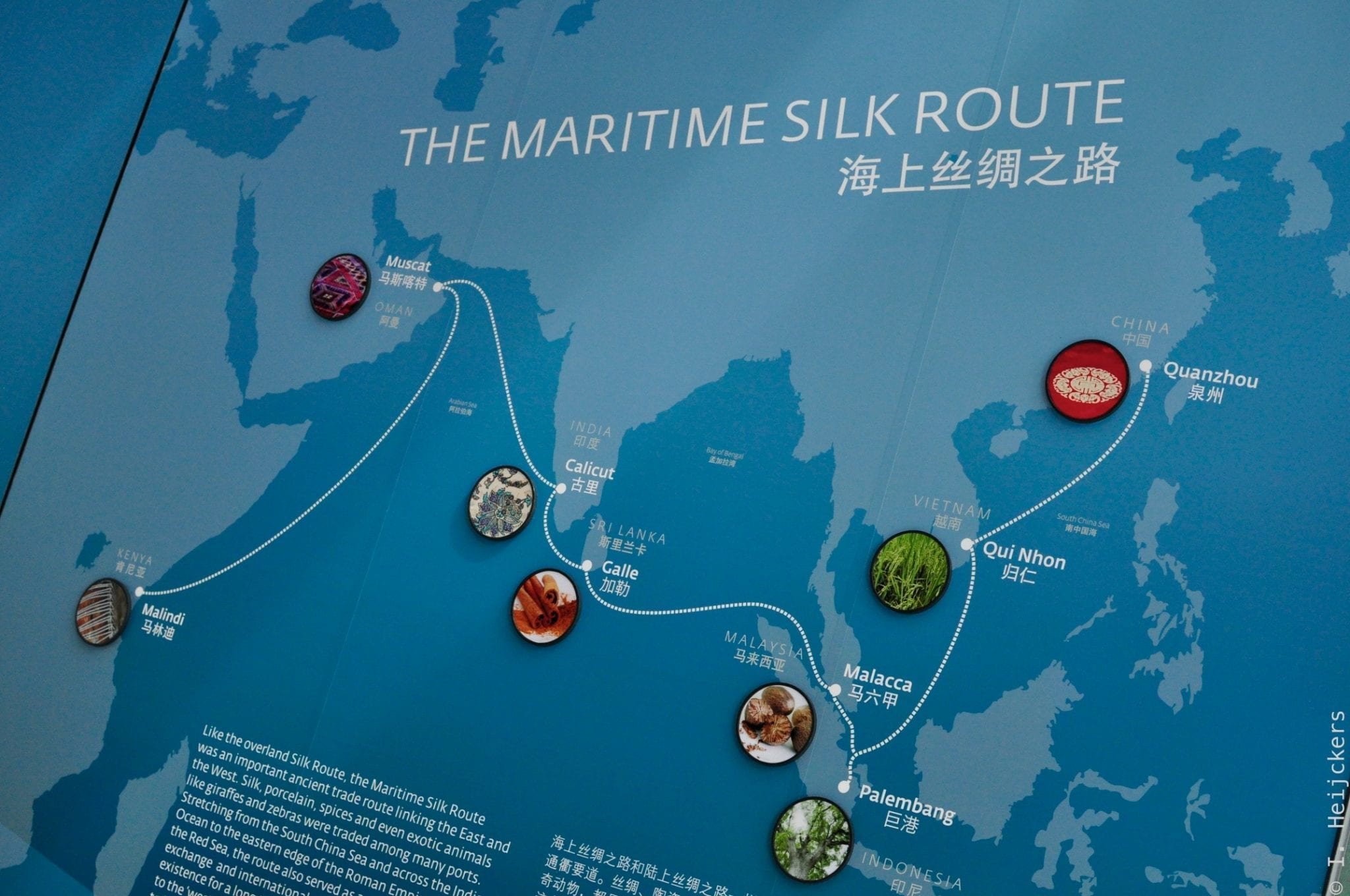
  • Indonesia has role in tourism development in maritime silk route

    Indonesia has role in tourism development in maritime silk route

    Indonesia has an important role and can take advantage of tourism development in the maritime silk route of the 21st century in China, according to China National Tourism Administration (CNTA) Information Center Director Cai Jiacheng.

    “Indonesia has its own uniqueness as a global tourist destination, especially for the countries along the maritime silk road of the 21st century in China,” Jiacheng told.

    According to him, Indonesia has a lot of cultural diversity and unique and attractive natural sceneries that can make the country a world tourist destination.

    “However, Indonesia must fix the infrastructure and build good connectivity with a number of other countries, particularly with countries along the maritime silk road,” Jiacheng noted.

    “Indonesia should actually be able to provide maximum services, ranging from easing visas and providing adequate infrastructure, including connectivity, to attract tourists to come to the country,” he added.

    Jiacheng added that Chinese travelers can visit other countries through the ASEAN countries such as Indonesia, Thailand and Singapore.

    “Therefor e, Indonesia has opened the path for China to ASEAN, because of its strategic position to support tourism development in the maritime silk road of the 21st century that can also provide a great advantage for the country,” he said.

    Tourism is playing an increasingly important role in the economic growth of China. Tourism sector accounted for about 10.8 percent of the total growth in Gross Domestic Product (GDP) and 10.2 percent of the national job last year.

    CNTA is targeting 137 million foreign tourists to visit China in 2016, or up to 2.5 percent compared to that of the previous year, while the amount of targeted revenue from foreign tourist arrivals is US $ 121 billion, up by 6.5 percent over the previous year.

    “Therefore, China is serious to work on the tourism sector by using destination packages, connectivity, and the use of information technology for marketing and promotion,” he said, adding that Indonesia can take advantage of the tourism development in the maritime silk road of the 21st century.

  • Taiwan invited to take part in maritime development in Indonesia

    Taiwan invited to take part in maritime development in Indonesia

    Indonesia has invited Taiwan to invest in the maritime sector to help bring to reality the governments vision of making the country a world maritime axis.

    Director of Investment Planning in the Agribusiness and Natural Resources of the Capital Investment Coordinating Board (BKPM) Hanung Harimba Rachman said the maritime sector is a priority in the countrys 5 year development program.

    “The maritime sector is a priority in our strategic plan for 2015-2019,” Hanung said in a maritime seminar here on Tuesday.

    Investment in the maritime sector is open in shipbuilding, fisheries and cold storage sectors, he added.

    Other areas open for investment in Indonesia by Taiwan include in infrastructure sector such as seaport and deep sea energy development, he said.

    “In January 2016, the government issued a policy to accelerate implementation of national strategic projects with 225 projects offered under the scheme of government private cooperation,” he said.

    Hanung said participation of Taiwan in investment is important for Indonesia, in its program to enter the phase of industrialization.

    Taiwan is known to be strong in the manufacturing industry as it has high technology, he added.

    “Indonesia wants to develop its maritime sector with high technology,” he said.

    Representative of Taipei Economic and Trade Office (TETO) in Indonesia Liang Jen Chang said he welcomed Indonesian offer for cooperation in the maritime sector.

    “Taiwan and Indonesia already have close relations for years , but the good relations are no longer enough with the changing condition especially in the maritime sector,” Chang said.

    Based on data at BKPM, Taiwan is among major foreign investors in the country . In the first half of 2016, Taiwan investors implemented US$816 million worth of projects in paper industry and US$400 million in metal industry in Indonesi8a.