Tag: markt

  • Auchan set to sell Taiwan business to local rival

    Auchan set to sell Taiwan business to local rival

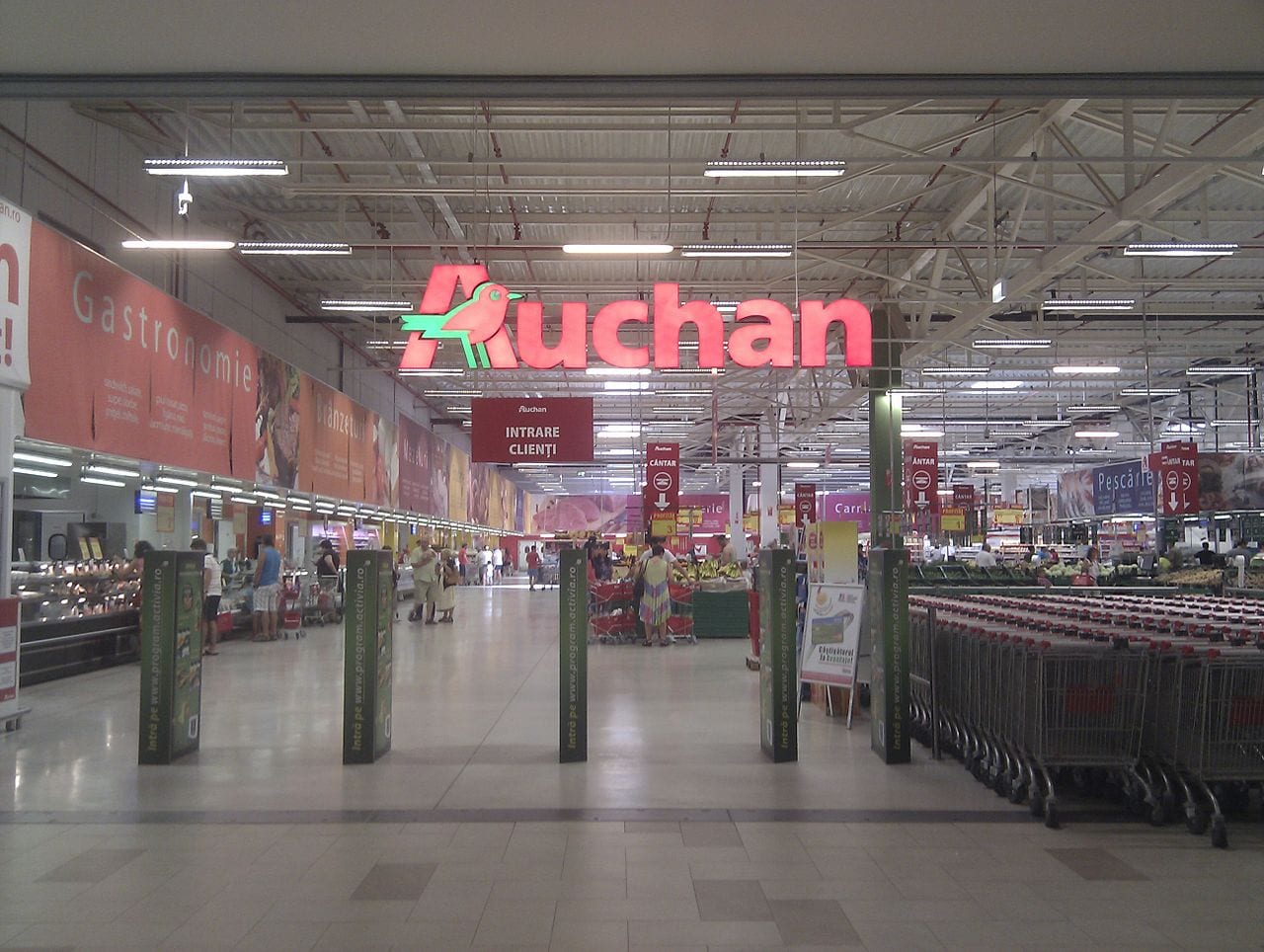
    French supermarket group Auchan is set to quit Taiwan after 24 years in the market, completing its withdrawal from greater Asia.

    Taiwan News has reported that local operator PX Mart will take over the RT-Mart hypermarket joint venture between Auchan and the Ruentex Group by mid-next year. Auchan is the majority partner in the venture, with a 65-per-cent share.

    The company was in May reported by Bloomberg to be in talks over the divestment of its Taiwanese business, said to be seeking somewhere between US$300-400 million.

    According to Taiwan News, PX Mart said it planned to buy buildings, land, distribution rights and the RT-Mart brand. No price was revealed and Auchan has not commented on the report.

    The RT-Mart brand was created by Taiwanese tycoon Samuel Yin’s Ruentex Group, which owns 20 hypermarkets and two convenience stores. PX Mart operates 1056 stores and plans to expand its network to more than 1100 next year.

    The reported deal marks another step in an ongoing reshuffle within Taiwan’s supermarket industry. Last year, French rival Carrefour bought the Wellcome Taiwan business from Singapore-listed Dairy Farm International, including the Jasons Marketplace brand, giving it control of 224 supermarkets. There have since been whispers that Carrefour is considering selling its enlarged Taiwan business.

    Auchan exited Vietnam in 2019 closing some stores and selling the remaining business to local operator Saigon Co-op. Last October it sold its stake in China’s Sun Art Retail Group to Alibaba Group in a transaction valued at $3.6 billion.

  • China ends Lotte Markt Sanctions

    China ends Lotte Markt Sanctions

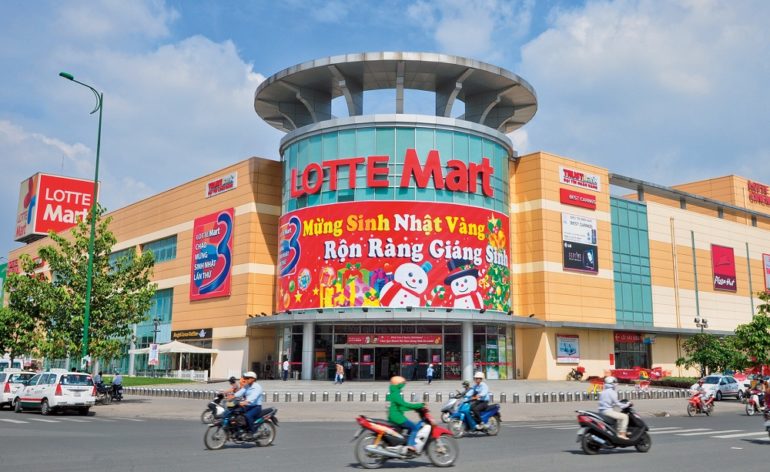
    Lotte sanctions imposed by the Chinese government two years ago have now been lifted.

    Authorities in Shenyang have allowed South Korea’s Lotte Group to resume work on a US$2.6 billion retail and leisure development in the region following the lifting of sanctions against the firm by the Chinese government last month.

    The Lotte sanctions were imposed two years ago after the group yielded land to a US anti-missile defense system.

    Shenyang, a capital city in China’s Northeast, has now permitted the resumption of work on the Lotte Town development, although Lotte has not yet formally indicated whether or not it intends to restart construction, which has been on hold while the sanctions have been in place.

    The first phase of the project was completed in 2014, while the theme park, flats, and hotel planned for the site remain unfinished following Lotte’s sale of land in Seongju county to the South Korean government to allow the deployment of the US Terminal High Altitude Area Defence system.

    The Lotte sanctions prompted the South Korean company to announce its withdrawal from Mainland China last year, although it now insists that no final decision has been made.

  • TV as a Service market to reach $1.5b in 2021

    TV as a Service market to reach $1.5b in 2021

    In a recent video software market report, ABI Research evaluates expectations of the new TV as a Service (TVaaS) business model and finds that TVaaS revenues will grow from 10% in 2016 to 35% of video software revenues in 2021. The TVaaS model states that recurring revenues based on video consumption, transactions, or subscriber-related metrics will take over traditional hardware sales, software and IP licenses, and service-related revenues. TVaaS opportunities will grow to $1.5 billion in 2021.

    “Companies that wish to succeed in the TVaaS realm need to commit to customer-oriented solutions, including investing in 24/7 operational capabilities and robust engineering organizations,” said Sam Rosen, managing director and vice president at ABI Research.

    “Solutions need to support the hybrid cloud methodology where they can be deployed in public cloud infrastructure, as well as customer’s own data centers. Also important to operators is the use of microservice-based architectures that allow larger customers to adopt one or two components of a solution around a specific pain point.”

    Most major vendors now demonstrate products with TVaaS components. Major examples include Cisco’s Infinite Video suite, Nagra’s intuiTV product, and Ericsson’s MediaFirst suite. Similar TVaaS trends are also occurring in product lines outside of middleware, including DRM, guide licensing and metadata, transcoding and QoE measurement.

    In terms of readiness to transition to TVaaS architectures and business models, DRM leads the movement at a 56% transition rate by 2021, followed by transcoding and its 36% transition rate within the same time. Middleware, as well as guide licensing and metadata, will only transition to 20% and 12%, respectively.

    “Video software markets are in a period of rapid disruption, highlighted most aggressively by Ericsson’s revelation that its media unit’s operating income showed a loss of 25% of revenues in 2016, accelerating to 33% in the fourth quarter,” said Rosen.

    “To survive the upheaval, these markets must adopt models that showcase a unique balance of service-oriented integration and development offerings, intellectual property (IP) licensing, traditional software licensing and TVaaS.”