Tag: masan

  • Masan receives $600-mln foreign syndicated loan

    Masan receives $600-mln foreign syndicated loan

    Conglomerate Masan Group has received a syndicated loan of US$600 million at 6.7% interest from international financial institutions.

    The five-year loan was arranged by BNP Paribas, Credit Suisse, HSBC, and Standard Chartered Bank from a consortium of 37 financial institutions.

    Masan said improved business results in the consumer and retail segments have made it easier to access foreign loans though borrowing in U.S. dollars would admittedly entail greater foreign exchange risks.

    Last weekend, before obtaining the loan, it issued bonds worth VND1.7 trillion ($68.5 million) also with a five-year maturity.

    The company said it has paid debts and interest due this year of over VND6.9 trillion and prepaid debts of VND6.66 trillion due next year.

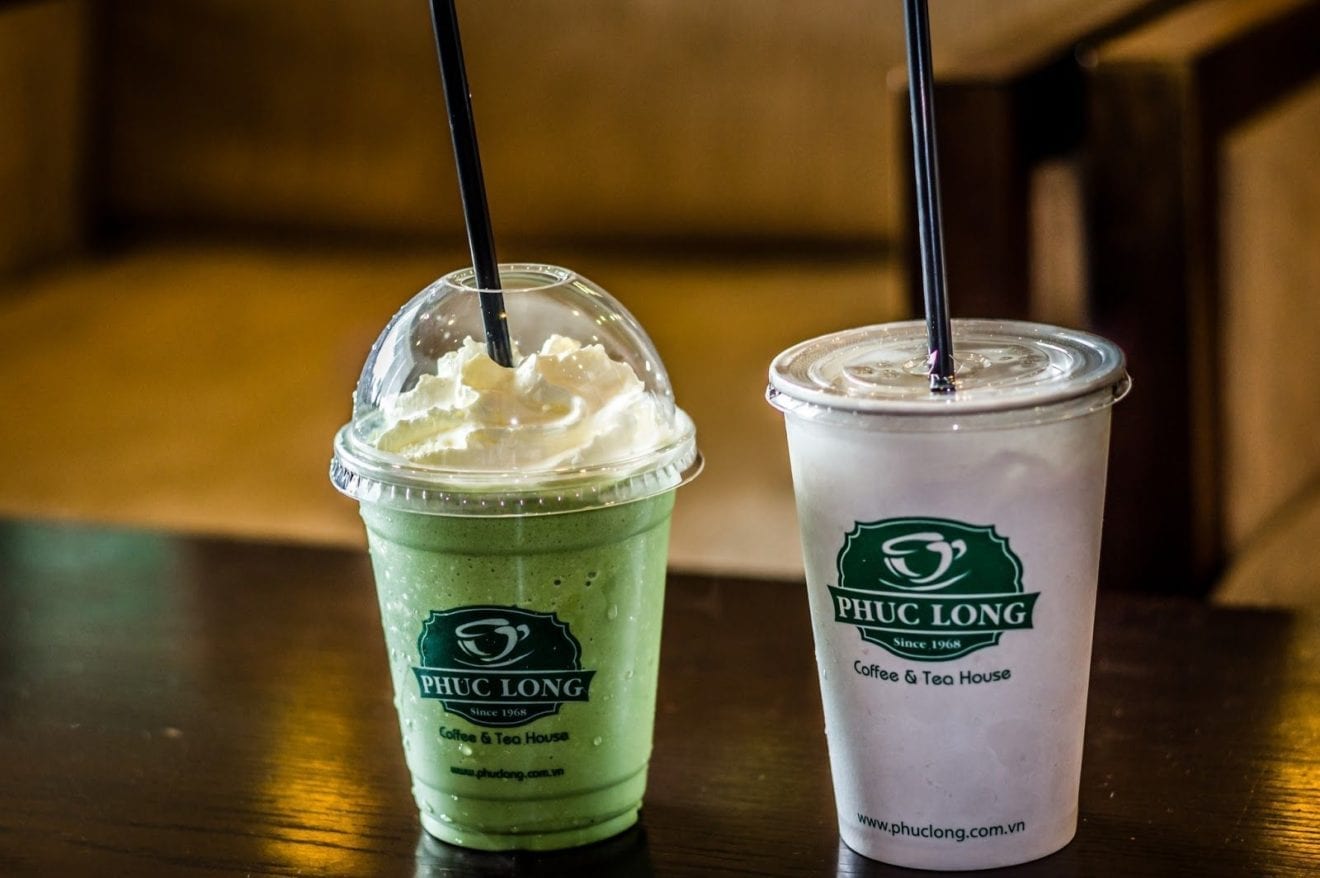
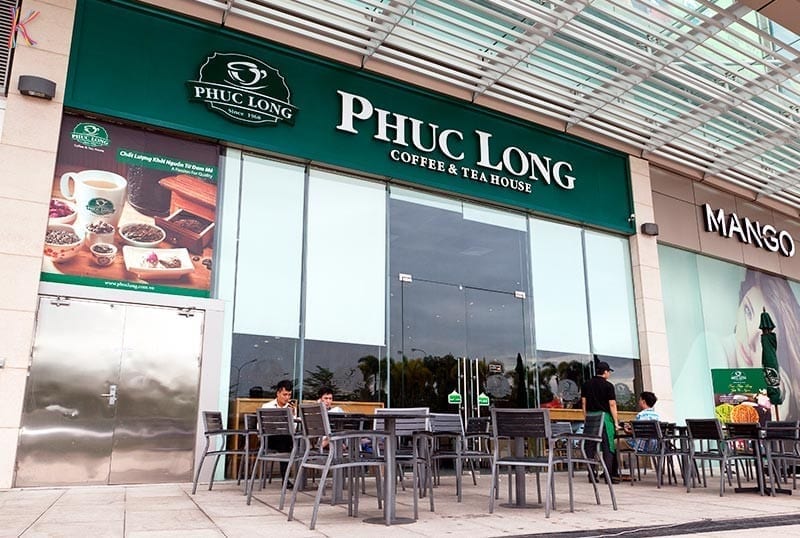
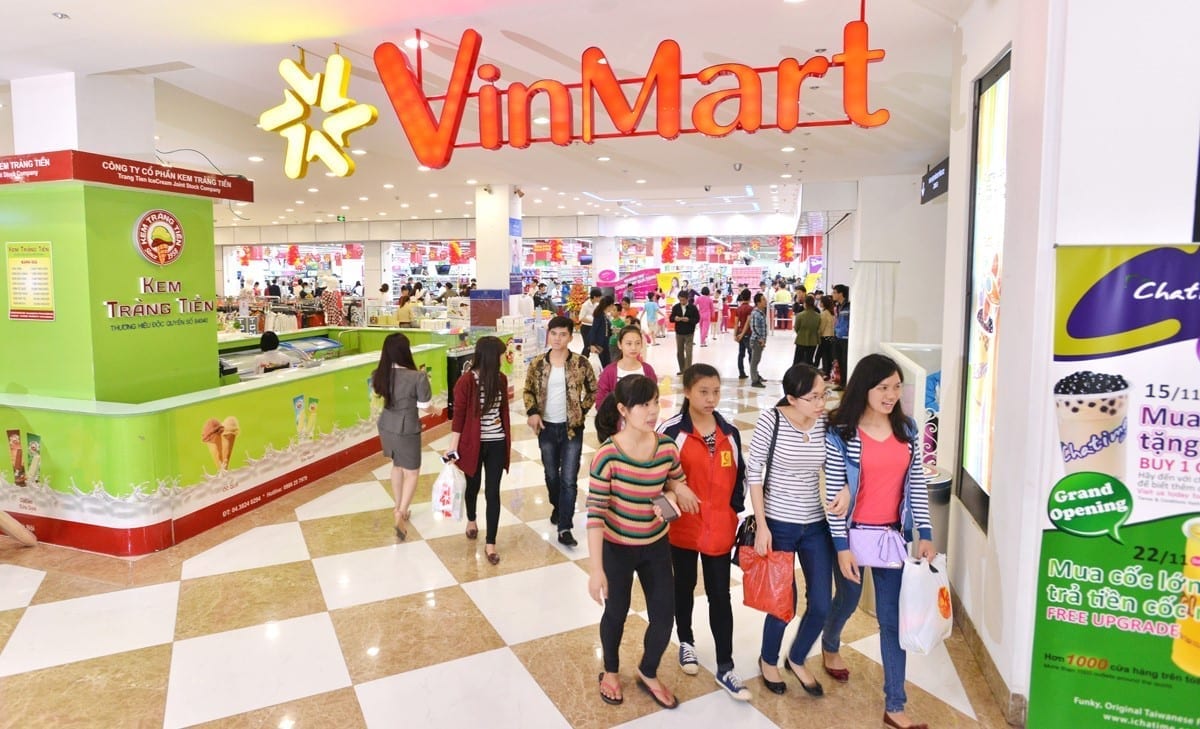
    Masan operates Win Mart, the largest consumer retail chain in Vietnam, and has a majority stake in Phuc Long beverage chain and interests in tungsten mining.

    According to a recent report by HSBC Global Research, Vietnam is set to become the tenth-largest global consumer market in 2030, overtaking Turkey, Thailand and Britain.

  • Masan increases Phuc Long stake to 85%

    Masan increases Phuc Long stake to 85%

    Conglomerate Masan Group has bought another 34% in beverage chain Phuc Long Heritage to increase its ownership to 85%.

    It paid VND3.62 trillion ($154.60 million) for the deal on August 1, according to its half-year report.

    It has invested a total of VND6.45 trillion in Phuc Long.

    In the first half of this year Phuc Long reported revenues of VND820 billion, a 38.5% rise year-on-year.

    It has 98 flagship stores nationwide, according to its website.

  • Vietnam’s biggest retailer Masan to bolster pharmacy retail interests

    Vietnam’s biggest retailer Masan to bolster pharmacy retail interests

    Vingroup JSC, Vietnam’s biggest listed firm by market value, said on Tuesday it will merge with leading consumer retailer Masan Group t create the country’s biggest retail company.

    Vingroup said in a statement that the two companies were finalizing legal procedures to sign an official agreement for the merger between its retail and agriculture units and Masan Consumer, a subsidiary of Masan Group.

    “The merger will enable us to expand our consumer base and ensure a fair retail playing ground for Vietnamese manufacturers,” said Truong Cong Thang, chairman of Masan Consumer Holding, which produces Vietnamese must-buy consumer goods.

    The new company is expected to run 2,600 supermarkets and convenience stores, and 14 hi-tech farms across the country, the statement added.

    After the merger, Masan Group will take control of the operation, while Vingroup will be a shareholder.

  • Masan acquires majority stake in Phuc Long tea chain

    Masan acquires majority stake in Phuc Long tea chain

    Conglomerate Masan announced Wednesday that it has spent an additional $110 million to increase its ownership in the Phuc Long beverage chain from 20 percent to 51 percent.

    “Since Masan’s initial investment, Phuc Long has demonstrated strong synergies with MSN’s Point-of-Life strategy, which can now be accelerated with Phuc Long as a consolidated subsidiary of Masan,” it said in a press release.

    Masan first bought a 20 percent stake in Phuc Long in May last year for $15 million. The latest purchase puts the valuation of the tea and coffee chain at $355 million.

    Incorporating Phuc Long’s tea kiosks into Masan’s WinMart+ stores nationwide has been part of the conglomerate’s plan since last year as it sought to advance its “point of life” strategy by developing a mini-mall concept that serves a wide array of essential products and services such as groceries, beverage, pharmaceuticals and financial products.

    Masan plans to launch 2,000 such mini-malls this year, and Phuc Long is set to contribute up to VND3 trillion ($132 million) to the conglomerate revenues, which hit VND88.6 trillion last year.

    Phuc Long was established in 1968 in the Central Highlands province of Lam Dong. The company launched its tea and coffee chain in 2012 with is first store in HCMC.

  • Masan acquires 20 pct stake in Phuc Long tea chain

    Masan acquires 20 pct stake in Phuc Long tea chain

    A subsidiary of the Masan Group conglomerate has signed an agreement to acquire a 20 percent stake in tea shop chain Phuc Long Heritage Jsc.

    Masan’s The Sherpa Company Ltd will pour $15 million into the company, established last week to own the Phuc Long brand, which is among the most popular beverage brands in Vietnam with 82 stores nationwide.

    The deal puts Phuc Long Heritage’s valuation at $75 million.

    It will help establish Phuc Long kiosks in over 2,200 VinMart+ convenience stores to provide tea and coffee to consumers.

    In the last three months, four pilot kiosks have been opened in Ho Chi Minh City and another 1,000 will be set up in the next 18-24 months.

    “I believe that in combining the Phuc Long products and VinMart+ network of more than 2,200 stores today and 10,000 stores in the next five years, we will provide 100 million Vietnamese consumers with the opportunity to enjoy the freshest, most delicious tea and coffee,” said Truong Cong Thang, CEO of VinCommerce.

    Each kiosk will share 20 percent of its revenue with VinMart+, adding 4 percentage points to the profit margin of the retail chain.

    Vietnam’s tea and coffee market is valued at $2.3 billion and is expected to grow more than 10 percent per year, according to data from Masan, which also estimates that popular brands like Highlands Coffee, The Coffee House and Starbucks account for 25 percent of the market.

  • Alibaba, partners invest US$400 million in retail arm of Vietnam’s Masan

    Alibaba, partners invest US$400 million in retail arm of Vietnam’s Masan

    Chinese e-commerce giant Alibaba Group Holding and partners have invested $400 million in the retail unit of Vietnamese conglomerate Masan Group, Masan said on Tuesday.

    The consortium, which includes Alibaba Group and Baring Private Equity Asia, has paid for a 5.5 percent stake in Masan’s retail arm, The CrownX, the company said in a statement.

    The CrownX, founded in 2019, is valued under the deal at $6.9 billion, equivalent to $93.50 a share, the statement said. Parent company Masan will hold 80.2 per cent of retail units.

    The deal will expand Alibaba’s presence in Southeast Asia after its $4 billion investment in e-commerce firm Lazada in 2018.

    “The CrownX will work closely with Lazada to accelerate our digital transformation into an ‘all-in-one platform to serve consumers both offline and online purchases,” Masan said in the statement.

    The company said it was in talks with other investors on an additional investment of between $300 million to $400 million in The CrownX with that deal expected to close in 2021.

    Masan shares opened up 5.57 percent on Tuesday to 110,000 dong after the announcement, giving the company a market capitalization at $5.3 billion.

  • Masan injects $215.7 mln into VinMart controlling unit

    Masan injects $215.7 mln into VinMart controlling unit

    Conglomerate Masan Group will invest VND5 trillion ($215.7 million) in the subsidiary that controls its VinMart retail chain to help expand it.

    The investment would quadruple the charter capital of The Sherpa to VND6.5 trillion, it said in a statement.

    Through the company, Masan indirectly owns 71 percent of VinCommerce, which operates VinMart+ convenience stores and VinMart supermarkets.

    Masan acquired VinCommerce from Vietnam’s largest private company, Vingroup, in January this year.

    Masan earlier announced it plans to have over 300 VinMart supermarkets and nearly 10,000 VinMart+ convenience stores by 2025, up from 122 and 2,524 at the end of September.

    Masan closed 433 VinMart and VinMart+ stores in the first nine months of this year to cut losses and forecast VinCommerce to break even this quarter.

  • Masan closes 433 VinMart stores to cut losses

    Masan closes 433 VinMart stores to cut losses

    Masan has closed 421 VinMart+ convenience stores and 12 VinMart supermarkets this year as it restructures the retail business it acquired this year from Vingroup. Most of the closed stores were in Ho Chi Minh City. The closure has resulted in a cut in losses for its VinCommerce subsidiary, with the earnings before interest, taxes, depreciation and amortization (EBITDA) margin increasing from negative 6.7 percent in the first nine months of last year to negative 2.8 percent in the same period this year, Masan said in a release.

    Most of the 433 outlets had revenues 50 percent lower than optimal levels required to achieve breakeven and posted a combined loss of VND239 billion ($10.3 million) this year before their closure.

    VinCommerce hopes to reach breakeven EBITDA in the last quarter and achieve 10 percent revenue growth over the third quarter. Its gross profit is set to be improved by optimizing product assortment and renegotiating terms with suppliers, the release said.

    “Improved profitability from closing underperforming locations is expected to be fully realized in 2021.”

    The company also opened 57 new VinMart+ outlets and one new VinMart supermarket in the first nine months, launched three new concept VinMart+ store formats in Ho Chi Minh City and Hanoi with more fresh products and an improved layout to understand consumer behavior and design model stores for the next round of expansion.

    As of the end of September VinCommerce had 2,646 outlets, 122 of them supermarkets.

    Masan acquired VinCommerce from Vietnam’s biggest private company, Vingroup, in January this year and owns a 83.74 percent stake in it.

  • Masan fails to buy out Vinacafe

    Masan fails to buy out Vinacafe

    Conglomerate Masan has not been able to buy out instant coffee producer Vinacafe Bien Hoa JSC due to unfavorable market conditions. Its subsidiary Masan Beverage Company Limited could only purchase a 0.3 percent stake in the coffee producer via order matching between June 17 and July 16, against a plan to purchase 1.51 percent to fully own the company.

    Masan Beverage owns 98.79 percent of Vinacafe, in which it has been buying stakes since 2011.The most recent transaction occurred in February 2018 when it bought nearly eight million shares for VND1.6 trillion ($69 million) to increase its holding to 98.49 percent. Ticker VCF of Vinacafe on Friday closed at VND208,000 ($9), up 16.8 percent from the start of the year.

    The company, established in 1968 and among the most popular instant coffee brands in Vietnam, targets net revenues and net profits this year of VND3.3 trillion ($142 million) and VND780 billion ($33 million), respectively.

  • Masan Group to shutter hundreds of Vinmart stores

    Masan Group to shutter hundreds of Vinmart stores

    Vietnam consumer-goods company Masan Group says it plans to shut down hundreds of VinMart and VinMart+ stores it purchased from VinGroup last year.

    The company said they will open 10-30 new Vinmart supermarkets and close 100-300 Vinmart+ stores this year to focus on improving profitability of existing locations instead of following the program of massive expansion followed by the previous owner.

    Masan will shift its focus to supermarkets of less than 1500 sqm that bring the best revenue, cut inefficient supermarkets in Hanoi, Ho Chi Minh City, Nha Trang and Can Tho and expand into tier 2 cities and within Vincom shopping centres.

    The VinMart+ chain operated 2888 stores last year and had targeted opening 300 to 500 new stores while closing 150-300 less efficient stores.

    Post merger, Masan aims to increase VinCommerce’s revenue to more than VND42 trillion, a year-on-year increase of 64 per cent. Masan has spent an estimated VND5.4 trillion (US$233 million) to buy a controlling stake in VinCommerce, which runs VinMart and VinMart+ stores in 50 provinces and cities and 14 VinEco hi-tech farms.

    Meanwhile, VinGroup closed its VinPro chain of appliance stores on December 31 and has since announced the closure of a network of smartphone stores trading under the Vien Thong A brand. And this week, VinGroup said it was dropping plans to launch an airline as well as it seeks to focus its business on industrial categories – including cars (VinFast), and phones and flatscreen TVs (VinSmart) – along with its Vincom shopping centres and VinPearl resorts.

  • Vingroup, Masan to form Vietnam’s biggest retail group

    Vingroup, Masan to form Vietnam’s biggest retail group

    Vietnamese business giant Vingroup has agreed to merge its retail and agriculture unit with Masan Consumer Holdings, aiming to form Vietnam’s biggest retailer.

    The deal has the effect of spinning off Vingroup’s retail assets into a new company in which it will hold a minority stake, freeing Vietnam’s largest privately-owned to focus on its industrial businesses, including car manufacturing, smartphones and a new flatscreen television brand it is launching.

    Under the agreement, Vingroup will convert shares in VinCommerce JSC (retail) and VinEco (agriculture) into shares of the post-merger company in which Masan Group will take control while Vingroup will be a minority shareholder.

    The new company will take over VinCommerce’s retail network including 2600 VinMart and VinMart+ outlets across the country together with 14 high-tech farms of VinEco.

    The new venture will merge the country’s largest retail group with its leading FMCG player, creating a farm- or factory-to-store business entity.

    Vice-chairman and general director of VinGroup, Viet Quang Nguyen, said the main reason for the merger is that the group has changed its development strategy to focus on the technology industry, especially its new VinFast car company and VinSmart phone business.

    “Vingroup has completed its mission to create the pioneering and most effective clean agriculture and retail system in Vietnam,” says Cong Thang Truong, chairman of Masan Consumer. “And now we will carry this flag to continue our mission to serve consumers while ensuring a fair retail market for Vietnamese manufacturers.”

    VinCommerce has strengthened its retail presence by a combination of organic growth and by acquiring rival retail groups including 23 Fivimart supermarkets, 87 Shop&Go convenience stores, and the smaller Queensland convenience-store chain.

    Masan Consumer is one of Vietnam’s largest FMCG companies, manufacturing and distributing food-and-beverage products, including sauces, instant noodles and bottled beverages.

  • Masan struggles to grow in Vietnam’s competitive beer market

    Masan struggles to grow in Vietnam’s competitive beer market

    Vietnamese food giant Masan is struggling to grow its beer business, which is suffering losses and could drop out of the domestic market.

    Masan expects a loss of $15 million this year from its White Lion beer brand, Danny Le, board member of Masan Consumer Holdings, said at an investors’ meeting last month.

    If the company cannot create a new and competitive product, it will have to withdraw from the market, he added.

    “The beer business costs a lot of advertising money, and we do not want to spend tens of millions of dollars a year for a brand that cannot be in the top 3,” he said.

    Masan’s beer brand, White Lion, launched five years ago, is becoming less significant in the group’s financial reports as longer-established players retain a firm hold in the market.

    When it was first launched, a crate of White Lion cost VND40,000 ($1.7) less than the cheapest domestic brand at the time, resulting in large sales in the southern region.

    Orders were so high that Masan’s beer factory, which it acquired from another beer producer in 2014, was operating at maximum capacity of at 50 million liters a year in the first year, but still failing to keep up with demand.

    The company then built a second plant with four times the capacity in the southern province of Hau Giang.

    Helped by regular promotions featuring celebrities and gifts, sales reached VND1 trillion ($43 million) after two years, and industry observers at the time considered White Lion a threat to major brewers such Sabeco and Heineken.

    “Consumers welcoming the product is the foundation for Masan Consumer Holdings to expand its market nationwide and to enter the high-end beer segment,” the company said in a report in 2017.

    But the company’s expansion strategy has hurt sales badly.

    In order to reduce inventory to launch new products, Masan increased the commission for distributors, making its 2017 H1 beer revenue falling 15 times year-on-year.

    Although the company targeted revenue of VND1-1.2 trillion ($43-51.6 million) in 2018 with new products, its leaders admitted that expanding the business could take 12-18 months as they had to restructure a distribution system and employ experienced salespeople.

    At the end of last year, White Lion revenue was VND388 billion ($16.7 million), just 39 percent of its annual target.

    The company had planned to employ about 150-200 salespeople this year to focus on marketing in street eateries, targeting double last year’s revenues. But by September, its revenue had fallen 7 percent year-on-year.

    Meanwhile, top brewer Sabeco’s nine-month revenues rose 10 percent year-on-year to VND28.3 trillion ($1.22 billion), while that of the Hanoi Beer Company (Habeco) also posted a 10 percent increase to VND2.7 trillion ($114.89 million).

    Vietnam consumed 4.1 billion liters of beer in 2017, making it the biggest alcohol market in Southeast Asia and the third biggest in Asia after Japan and China, according to the Ministry of Health.