Tag: Maserati

  • Maserati And Hiroshi Fujiwara Launch Limited-Edition Capsule Collection of Streetwear Fashion

    Maserati And Hiroshi Fujiwara Launch Limited-Edition Capsule Collection of Streetwear Fashion

    Italian automaker Maserati and Fragment founder Hiroshi Fujiwara, one of the most influential designers in streetwear fashion collaborated for the first time earlier this year for the global launch in Tokyo of Maserati meets Fragment. The collaborators have come together once again for the launch of the Fragment meets Maserati, a limited-edition capsule collection of streetwear staples co-created by Fujiwara and Maserati.

    The collection comprises two styles of hoodies, oversized t-shirts and a baseball cap emblazoned with the signifiers of these two iconic brands. The Capsule Collection brings together Fujiwara’s rebellious style and Maserati striking design. The Fragment meets Maserati capsule collection is available worldwide at Maserati Stores and on Hypebeast’s e-commerce platform.

    Earlier this year, the Italian carmaker and the streetwear designer collaborated to bring the Maserati Ghibli Operanera and the Ghibli Operabianca special-edition cars. These special edition models were limited to only 175 units globally and are meant to symbolise “the deconstruction of convention, a rebirth of hope and unmistakable statements of intent.”

    Sprucing up the Ghibli were elements like the premium leather and Alcantara interiors with contrasting silver inserts. The seatbelts were done up in dark blue, while the grille and trident logo were tricked out. Both versions also got the 20-inch Uranus matte black alloy wheels and a badge with the Fragment logo on the C-pillar.

  • Maserati Grows Presence In APAC and Enters Cambodia

    Maserati Grows Presence In APAC and Enters Cambodia

    Maserati has announced the opening of a new market in Asia Pacific as the brand enters Cambodia. Maserati is represented in Cambodia by HGB Group. The showroom is situated in Cambodia’s capital Phnom Penh. The facility includes a showroom of 610 sqm displaying the Maserati product line-up and a workshop of 1.760 sqm equipped with 3 work bays.

    Bernard Loire, Chief Commercial Officer Maserati, said, “Selecting the right partner and having great products are the foundations for success across the region. Maserati is entering in a period of intense changes with revolutionary new cars, innovations, and projects. Now for us, the focus is strongly on the future, including hybrid and electric models.”

    Maserati’s complete range will now be available in Cambodia in addition to more than seventy markets internationally. The company already has partners in Singapore, Malaysia, Thailand, Vietnam, and Indonesia in the South Asian market.

    Cambodia is a very promising market for Maserati as the luxury car market is estimated to grow at a Compound Annual Growth Rate of 14 percent from 2017 to 2020.

  • Maserati Ghibli Hybrid To Be Unveiled On July 16

    Maserati Ghibli Hybrid To Be Unveiled On July 16

    Maserati’s first-ever hybrid car is all set to make its global debut on July 16. It was in June 2018 that Maserati announced that it will be launching four new plug-in hybrids (PHEV) models by 2022 and last year it confirmed that the first electrified model in its line-up would be the Maserati Ghibli Hybrid whose first public appearance was slated this year. The Maserati Ghibli Hybrid will be manufactured at the Modena plant where the company is significantly upgrading its production line and is investing 800 Million Euros for a new one.

    The Maserati Ghibli on sale in India is offered with a 3.0-liter twin-turbo V6 petrol engine that is designed by Maserati Powertrain and is built at the Ferrari plant in Maranello. The engine is Euro6 compliant and promises an exciting drive while keeping the emissions in check. The petrol engine also comes with a new exhaust system controlled by pneumatic valves. Moreover, the engine features advanced valve control technology with hydraulic roller finger followers and four-cam phasers, twin-turbocharging, and direct injection technology.

    Maserati in its five-year plan had also announced that it will bring refreshed versions of the Ghibli and Quattroporte sedans before it gets built on a completely new platform by 2022. Moreover, the Levante SUV will also be updated, and we’ll also see a new smaller SUV joining the Maserati portfolio before 2022. Based on a completely new platform, the new Levante along with the Ghibli and Quattroporte will also be offered with an electrified (hybrid) powertrain for the very first time.

  • Maserati’s First Hybrid Car Coming Soon

    Maserati’s First Hybrid Car Coming Soon

    It was in June 2018 that Maserati announced that it will be launching four new plug-in hybrid (PHEV) models by 2022 and last year it confirmed that the first electrified model in its line-up would be the Maserati Ghibli Hybrid which will be introduced in 2020. Well! The carmaker has now shared that its next launch will be the Ghibli Hybrid and also took to twitter today to showcase its intention to bring it out soon.

    The dramatic video shows the company’s logo – the Trident – sourcing its power from a thunderbolt, giving us a clear reference to Zeus from Greek mythology. The Maserati Ghibli Hybrid will be manufactured at the Modena plant where the company is significantly upgrading the production line and is investing 800 Million Euros in a new production line. Maserati in its five-year plan, had also announced that it will bring refreshed versions of the Ghibli and Quattroporte sedans before it gets built on a completely new platform by 2022. Moreover, the Levante SUV will also be updated, and we’ll also see a new smaller SUV joining the Maserati portfolio before 2022. Based on a completely new platform, the new Levante along with the Ghibli and Quattroporte will also be offered with an electrified powertrain for the very first time.

    At present, the Maserati Ghibli, on sale, in India is offered with a twin-turbo V6 petrol engine that is designed by Maserati Powertrain and is built at the Ferrari plant in Maranello. The engine is Euro6 compliant and promises an exciting drive while keeping the emissions in check. The petrol engine also comes with a new exhaust system controlled by pneumatic valves. Moreover, the engine features advanced valve control technology with hydraulic roller finger followers and four-cam phasers, twin-turbocharging and direct injection technology.

  • Maserati Announces Plans To Develop Its Electric Range

    Maserati Announces Plans To Develop Its Electric Range

    Maserati announced that it will develop, engineer and build its cars in Italy, and will adopt hybrid and battery electric propulsion systems. Following on from the announcement of testing of the new full-electric powerplants to be installed on future Maserati models, the development and production plans for the Trident Brand’s electrified range are now presented. Maserati’s electrification program starts this year, and the first hybrid car to be built will be the new Maserati Ghibli.

    Production of the new Maserati GranTurismo and GranCabrio, will commence in 2021. Maserati has decided to build the GranTurismo and GranCabrio at the Mirafiori production hub, with an investment of 800 million Euros.

    However, Maserati’s heart is still in Modena, where it has its Headquarters, where the cars in its range are developed and tested, and where the new super sports car is to be built. For Maserati, Modena is the place where extraordinary cars have been produced for over 80 years, all outstanding in their luxury, elegance, style, performance, and quality, and which are sold in over 70 markets.

    Also upcoming is a new Maserati utility vehicle, to be built at Cassino and intended to play a leading role for the Brand, thanks to its innovative technologies. About 800 million Euros will be invested in the construction of the new production line, scheduled to begin at the end of the first quarter of 2020. The first pre-production cars are expected to come off the line by 2021.

  • Maserati’s First Electrified Model To Roll Out In 2020

    Maserati’s First Electrified Model To Roll Out In 2020

    The electric vehicle segment is catching the attention of premium carmakers globally. It’s been quite some time now that the German trio- Mercedes-Benz, BMW and Audi have introduced their electric vehicles or concepts and other carmakers are joining the fray. Just a day after Volvo announced its first fully electric vehicle- the XC40 Electric, Maserati has shared plans about its electrified products. In line with Fiat Chrysler Automobile (FCA) group’s 5 Billion Euro investment in Italy, Maserati has announced plans for electrification and autonomous driving technologies.

    The company has said that all Maserati new models will be made completely in Italy and will be powered by hybrid and battery electric powertrains offering unique driving modes, extended driving range and ultra-fast charging Capabilities. Moreover, all new Maserati cars, including updated models, will feature a range of autonomous driving capabilities like the Maserati Level 3 Highway Assist which enables the car to be driven with hands off the steering wheel, it can maneuver in and out of lanes and can bring the vehicle to a halt at the side of the road just in case the driver is unable to take control.

    Maserati will introduce its first electrified model in 2020 which will be a Maserati Ghibli Hybrid. It will be manufactured at the Modena plant where the company is significantly upgrading the production line along with investing 800 Million Euros for a new production line. The first pre-production cars are expected to be rolled off by 2021. The company will also manufacture the all-new Gran Turismo and Gran Cabrio in Turin where FCA is investing another 800 Million Euros. Between 2019 and 2021, FCA will be developing 13 new or significantly updated models and electrified versions of 12 models including Maserati and Alfa Romeo cars.

  • Maserati Unveils Limited Edition Quattroporte And Levante At Monterey Car Week

    Maserati Unveils Limited Edition Quattroporte And Levante At Monterey Car Week

    Monetary car week is one event that sees plenty of limited edition and one-off models and automakers wait for this time to show some of their special cars to the world. Maserati has also seized the opportunity to unveil the limited edition models of the 2020 Quattroporte S Q4 Granlusso sedan and the Levante S GranSport SUV. Both models have been draped in Pelletessuta interior which makes the cabin look as opulent as it can get. They sport thin strips of Nappa leather which is woven together to replicate the traditional hand-woven fabrics. Maserati claims that it’s the only car company to offer such an exclusive interior, thanks to its longstanding partnership with Zegna.

    The cabin of both models sports thin strips of Nappa leather which is woven together to replicate the traditional hand-woven fabrics. The Quattroporte is finished in a custom ‘Blu Sofisticato’ metallic exterior paint and it features blue brake calipers, sport seats and dedicated Zegna Edition interior badge. The cabin of the Quattroporte is finished in Brown Pelletessuta interior trim and Maserati has specifically mentioned that this will be the only time this configuration will be available for purchase.

    The Levante S GranSport SUV is painted in an exclusive ‘Bronzo tri-coat’ color and gets all-black Pelletessuta interior along with Radica wood trim. The limited-edition Levante features black brake calipers and 21-inch polished Helos alloy wheels. Maserati has also said that this combination will be made for a limited time and it has no plans to do it again on any other model.

    The Levante S GranSport SUV is painted in an exclusive ‘Bronzo tri-coat’ color and gets all-black Pelletessuta interiors.

    The Italian carmaker will be making just 50 units of both models and will take orders on first come first serve basis. It has not announced any prices for the limited edition models and will be starting with the deliveries only in 2020.

  • Maserati Levante Trofeo India Launch Details Out

    Maserati Levante Trofeo India Launch Details Out

    One of the most powerful production cars to come from Italian automaker Maserati, the Levante Trofeo SUV has been confirmed for India. We understand that the Maserati Levante Trofeo will be launched in India in June this year. Compared to the standard Levante that is already on sale here, the Trofeo packs in 590 bhp and a whopping 730 Nm of peak torque from its 3.8-litre twin-turbo V8 motor, and has a top speed of 300 kmph, bringing it close to the likes of the Bentley Bentayga Speed and the Lamborghini Urus. The performance SUV was first unveiled globally at the New York Auto Show in 2018 and will be produced in limited numbers.

    Adding an aggressive touch to the SUV, the Maserati Levante Trofeo gets a sharper looking front with the revised grille, full-LED headlamps and a functional bonnet vents. The car comes with carbon fibre inserts to the rear and a side skirts further adding to the aggressive appeal apart from being functional additions. The Levante Trofeo rides on massive 22-inch forged aluminium alloy wheels, which are not only lighter than the stock version but also the largest fitted on a Maserati car. Internationally, the car is offered with a matte paint scheme that could be offered in India as well.

    Inside, the Maserati Levante Trofeo gets red, black and tan leather upholstered seats, while the ‘Trofeo’ badging is a reminder as to why this model is special. The carbon fibre treatment has been extended to the cabin as well with a number of inserts including the paddle-shifters for the ZF-sourced 8-speed automatic transmission. Other upgrades include new variant-specific graphics for the instrument cluster and new design for the gear lever. The Levante comes equipped with a 1280 watt, 17-speaker Bowers & Wilkins surround sound audio system as standard, while the touchscreen infotainment unit supports Apple CarPlay and Android Auto. The car also gets Trofeo-specific ‘Corsa’ driving mode with a launch-control function and 50:50 weight distribution.

    Maserati claims an output/litre of 156 bhp/litre on the Levante Trofeo, which is the highest ever for any Maserati engine. As a result, the SUV can sprint from 0-100 kmph in just 3.9 seconds. The Levante Trofeo is produced at the automaker’s Mirafiori plant in Turin, Italy. The model will be priced around the ₹ 3 crore (ex-showroom) mark.

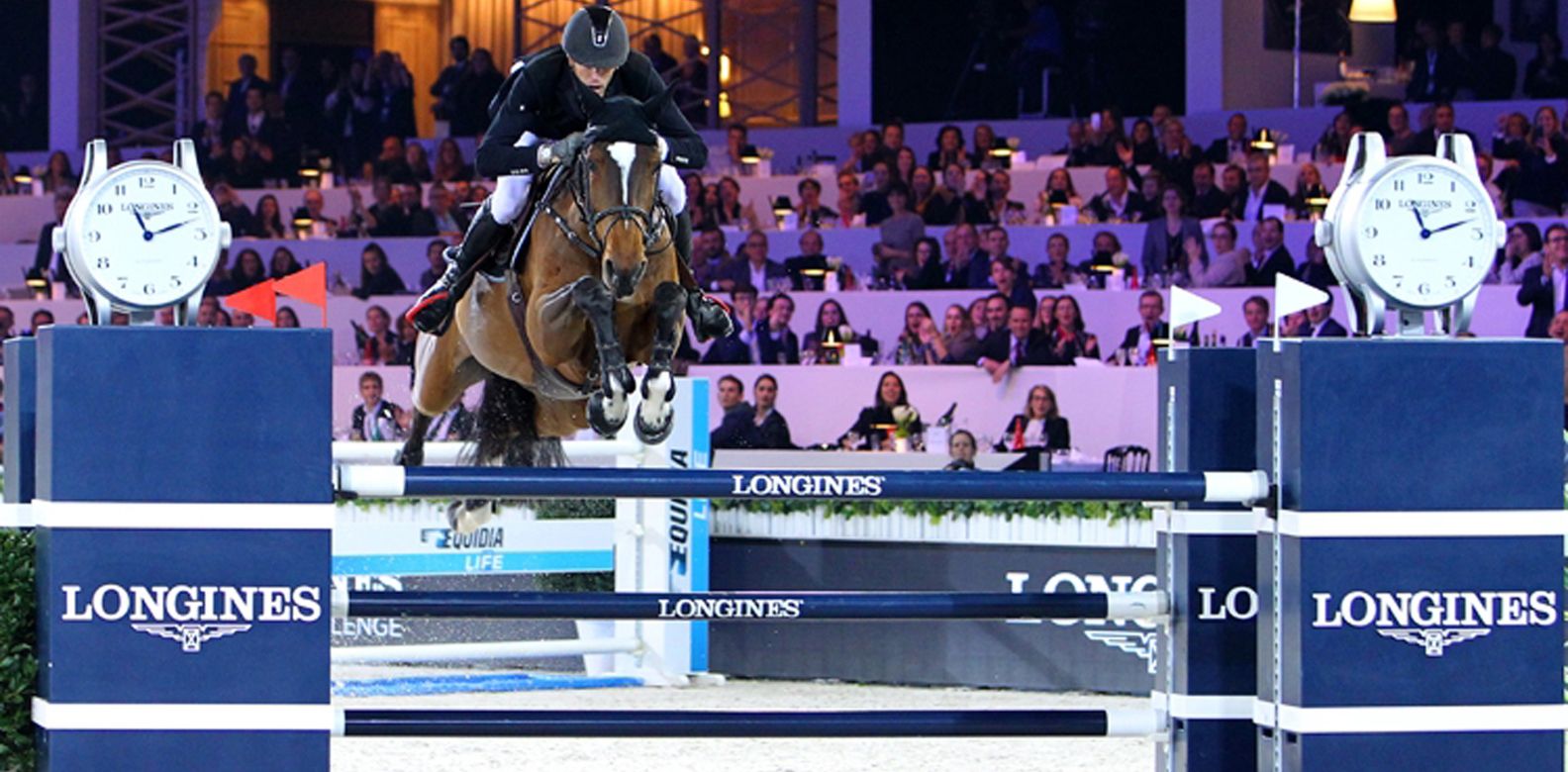
  • The Longines Masters of Hong Kong is back

    The Longines Masters of Hong Kong is back

    Anticipation is building as the countdown to the new Season of the Longines Masters Series enters its final stage. The new season of the international Show Jumping Series will start in Paris, home to the European leg of the Grand Slam Indoor of Show Jumping, on November 29 – December 2, 2018 before it continues its journey across continents to Hong Kong on February 15 – 17, 2019, at AsiaWorld Expo and New York on April 25 – 28, 2019.

    Together with Title Partner and Official Timekeeper Longines and hosted by Founding Partner the Hong Kong Jockey Club, EEM held a Press Conference in Hong Kong this week to kick off the seventh edition of the Longines Masters of Hong Kong, alongside its official partners.

    The Longines Masters of Hong Kong attracts each year the best Show Jumping horses and riders on the planet for three days in six competitions, created course designed by Frank Rothenberger, for a total prize money of US$ 680,620.

    For the first time, show jumping riders from Asia will compete in a world class event alongside the international stars of the sport.

    An array of exhibitors will be present from the likes of Longines who will present time pieces at their boutique.

    A dedicated equestrian corner will bring together the likes of Kingsland, Fieldstone, Horse Pilot and Equict.

    Hermès Sellier will invite visitors to experience the brands historic equestrian goods.

    Technology and art will also be featured with the Maserati Simulation Driving Experience

  • Alibaba backs virtual showroom startup Ordre

    Alibaba backs virtual showroom startup Ordre

    Alibaba Group has bought a minority stake in Ordre, a European online luxury wholesale platform.

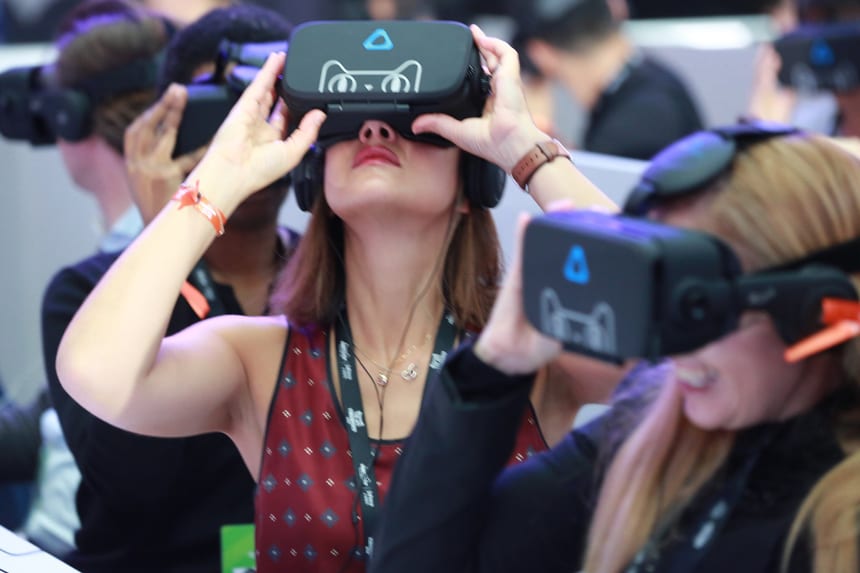
    Ordre, launched in 2015, allows fashion designers to show off their collections via 360-degree photography and virtual reality to interested wholesale buyers. The technologies make it more convenient for buyers, who aren’t always able to travel due to time and distance constraints, to build inventory each season. The reduced travel translates into lower carbon emissions at a time when sustainability is increasingly important to the industry, said Ordre.

    Dianne Von Furstenberg, Vivienne Westwood and Jason Wu are among the world’s leading designers who have established digital showrooms on Ordre. They also work with fashion brands such as Joseph.

    For Alibaba, the investment is a further push into the luxury sector, which is among its top strategic priorities, given the rising spending power and increasingly sophisticated tastes of Chinese consumers. The Hangzhou, China-based company plans to leverage Ordre’s technologies for consumers, however, delivering a more-enhanced shopping experience on platforms such as B2C marketplace Tmall.

    “Matching Ordre’s technology with Alibaba’s unique data insights and capabilities – of which our recently launched Luxury Pavillion is a great illustration—we can provide our consumers with a personalised and differentiated experience, helping brands develop a deeper engagement with them,” said Jessica Liu, president of Tmall Fashion and Luxury.

    The Luxury Pavillion, which lives within Tmall, was launched last August to deliver to China’s high-end consumers the same kind of brand exclusivity and tailored shopping experience online that they would expect at a brick-and-mortar store. About 50 brands, including l, offer products ranging from apparel and cosmetics to watches and luxury cars.

    The pavillion is driven by Alibaba’s New Retail technologies, which blend online and offline commerce to deliver a better buying experience for consumers. Simon Lock, founder and CEO of Ordre, said the company’s digital assets, including 360-degree images, 360 video and VR fashion shows and designer interviews, are in line with this strategy and could serve Tmall shoppers and brands.

    “Our 360-view allows consumers to understand every aspect and every view of a garment,” he said. “When you’re purchasing online, as much detail as can be provided is going to make your purchasing decision much more confident,” which can help drive down the product return rates.

    The companies are currently discussing a number of potential initiatives that would expand on these technologies. One of which would create new direct-to-consumer channels for Ordre’s partner brands by leveraging content to communicate their brand story and provide more information about products. For example, Ordre’s VR technology was able to recreate Stella McCartney’s Coachella-inspired 2018 fall show and the theatrical experience of Thom Browne’s latest showcase in Paris, so that buyers could watch fashion shows from the front row.

    Other potential collaborations include “fit avatars,” which allow buyers to see collections on models in 360-view and technology that allows buyers to remotely feel fabrics on a touch pad.

    Lock said he was also interested in Alibaba’s “See Now, Buy Now” technology, as well as the company’s artificial intelligence and cloud-computing capabilities.

    “We can work together to create the ultimate global fashion cloud,” he said.

  • How big brands can make online marketplaces work

    How big brands can make online marketplaces work

    Online marketplaces, those giant shopping sites like eBay and Amazon Marketplace, can be a mixed blessing for brands and merchants.

    Marketplaces offer retailers broad exposure to millions of consumers, as well as delivery, payment and other solutions. Still, most marketplaces leave merchants wanting in one very important aspect: brand control. While the platforms provide virtual shelf space for listing products, merchants are generally limited to one-size-fits-all templates for their online storefronts—thus restricting their ability to set themselves apart from rivals with brand-building presentations and content.

    Not all marketplaces are created equal, however. In China, where marketplaces are overwhelmingly favored by online shoppers, e-commerce leader Alibaba Group has been returning branding power to merchants through the company’s Tmall.com B2C marketplace.

    Tmall, which positions itself as China’s top online destination for domestic and foreign branded merchandise, has developed a suite of tools that allows merchants to customize their Tmall.com storefronts with the logos, fonts and colors for which they’re known the world over, as well as with videos, interactive features and other content. Moreover, merchants can combine these tools with Alibaba’s trove of data on shopping behavior to tailor their storefronts to individual consumers visiting their e-shops at any given moment.

    This approach gives merchants far more than a place on the internet to list and sell products. It offers them the ability to present their brands as effectively as they do on their company-run websites, boosting their opportunity to reach consumers among Alibaba’s 400-million-plus active buyers and build lasting customer relationships. Merchants “have total control,” said Paul Fu, the San Mateo, California-based head of Alibaba’s User Experience Design team.

    This is a significant departure from the “one webpage to serve them all” marketplace model. Tmall offers as many as 55,000 different storefront templates across about 30 different business sectors for merchants to choose from. Another 3,000 templates exist for product pages, and there are a thousand designs for marketing material such as e-mails and SMS alerts, according to Fu. If these packaged solutions don’t satisfy certain merchants, they can design their own right down to the page breaks and <p> tags, and then upload the code to Tmall.

    Major international brands have used this enhanced flexibility to build unique and engaging Tmall storefronts. For example, GoPro, the U.S.-based maker of wearable video cameras, produced a series of videos that appear on its storefront showing GoPro cameras being used in extreme situations, such as geologists staring into the mouth of a volcano or snowboarders doing double backflips as they race down a mountain.

    The Tmall storefronts of other household names such as Starbucks, L’Oreal, Maserati and Zara also offer fully branded experiences that experiences that mirror the look and feel of their corporate e-commerce sites, including multipage navigation according to product category and even full brand histories. Still others take the experience a step further in an attempt to boost the time consumers spend on their pages. Case in point: L’Oreal in the past has given consumers easy-to-follow guides and tips for using its beauty products.

    L’Oreal engaged consumers with hair-coloring tips posted on the company’s Tmall storefront.

    Fu says that Tmall storefronts are based on so-called “responsive” design, which means they look as good on mobile devices as they do on the web. But customization options for Tmall storefronts go even deeper.

    Using consumer data collected by Tmall, merchants can present not just personalized product recommendations based on shopping history to storefront visitors, they can also offer different homepages tailored to particular types of shoppers. For example, German personal-care brand Nivea displays three different storefronts on Tmall depending on whether a shopper is a first-time visitor, new buyer or loyal fan. First-time visitors are shown low-cost products that may tempt them to experiment with the brand. Fans, meanwhile, see sets of higher-value products bundled together as a way to boost their total purchase.

    Three different customers, three different mobile presentations. First-time visitors, new buyers and loyal fans all see products tailored specifically to them when they visit Nivea’s Tmall site.

    By making it possible for merchants to tag and manage their customers by attributes and personalize storefronts for each visitor, individual customers are exposed to highly relevant content, which drives higher conversion rates. Fu said after Nivea implemented personalized storefronts, “the data showed that the browsing conversion rate was improved by 70 percent and transactions increased by 150 percent—more than double the previous number of purchases,” he said. Browsing conversion is the rate at which shoppers click through to find out more about a product.

    Fu says Alibaba analyzes buyers based on five different behaviors: attention, interest, decision, action and sharing, all of which are part of the Tmall shopping cycle. A certain product may draw the attention of a shopper, which prompts him or her to click through to the seller’s store where they can learn more about the item. Then they decide whether or not to bookmark it or add it to their shopping cart; a purchase constitutes action. Sharing comes after, once a consumer tells a friend about their purchase or leaves a review on a merchant’s Tmall store.

    “We provide this capability for the seller to do these kinds of very sophisticated analyses,” Fu said. “Later, because we opened up this technology and data [to merchants], the seller can come up with their own model to do the analysis.”

    Still more tools are to come. Merchants currently log into a content-management system of sorts that lets them set up and manage their storefronts, including text, photos and slide show placement. They can also choose the products they want displayed as recommendations when a shopper is viewing, say, hand cream or razors or a sweater. Up next is a tool that will allow merchants to create banner advertisements on the fly, rather than turning to a designer to handle what is often a time-consuming task. That’s expected this quarter.

    Tmall also helps merchants synch their online stores with their bricks-and-mortar outlets. Fu said the goal is to make sure all points of sale are linked up, including mobile, desktop and offline. One key advantage for merchants to this so-called “omnichannel” approach is the ability to manage inventory across physical and virtual sales channels. Another is the ability to know a buyer’s location so that the nearest warehouse is used for shipping, which speeds up delivery.

    “All areas of the ecosystem are working together for merchants,” Fu said. “Before they had to figure this out on their own. But now we’ve come up with a system, and built the right tools to help them.”

    * Originally published by Alizila.com – the independent, but Alibaba Group-funded website of news about the Chinese eCommerce giant.
  • Online store sells out million-yuan Maseratis

    Online store sells out million-yuan Maseratis

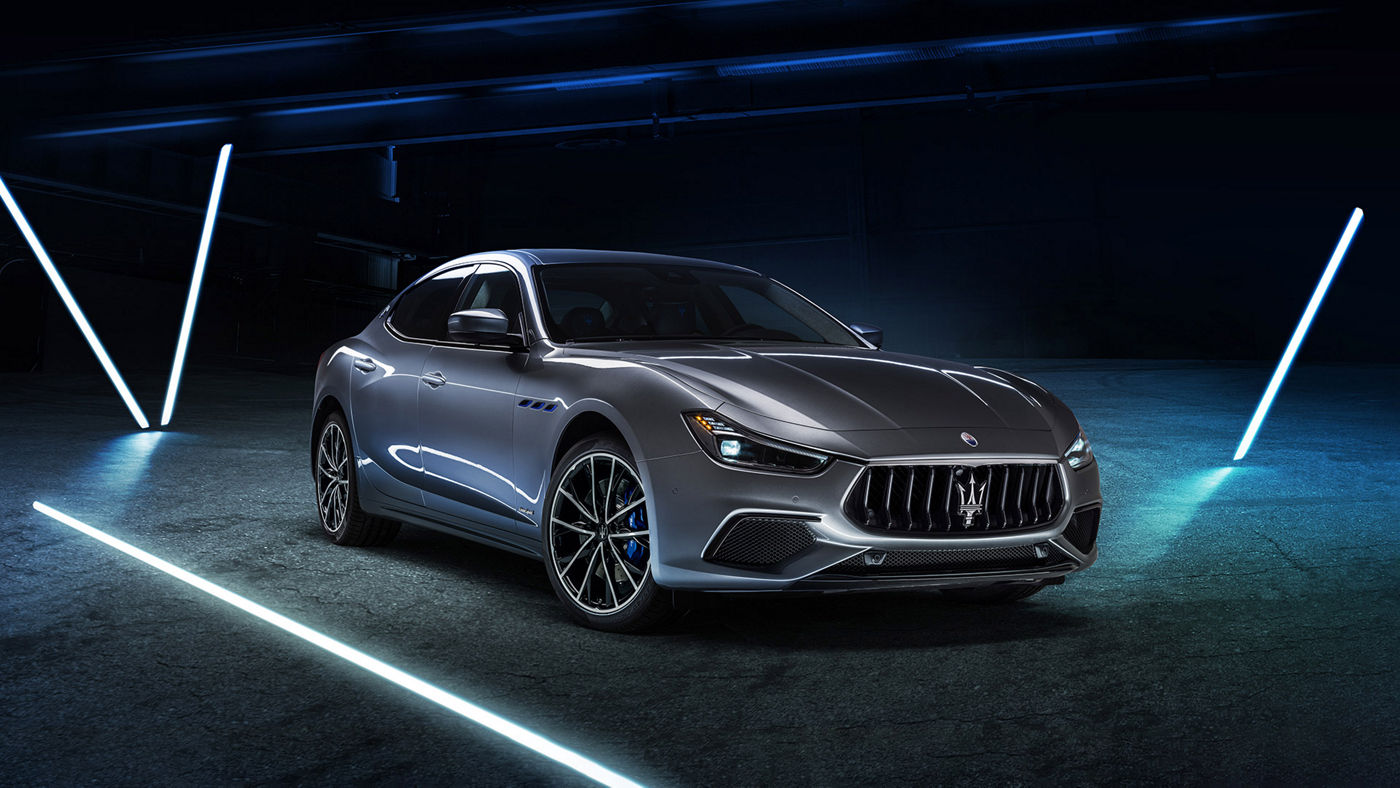
    Italian car-maker Maserati launched its flagship store on Tmall, Alibaba’s online shopping site and the first 100 Maserati SUV Levantes, priced at 999,800 yuan (€137,600), sold out 18 seconds after being put up for advance sale at exactly 3 pm yesterday in China.

    Ultra-luxury cars are suffering from China’s slowest economic growth in a quarter of a century, as well as a government crackdown on ostentatious displays of wealth, but online retailing may provide a window of opportunity for high-end autos.

    The car is Maserati’s first SUV and is due to officially launch in China in July, and Maserati will add 500 cars to the online offering for advance purchase to meet demand.

    Tmall is one of the most popular online shopping sites in China, where buying online is booming. China has 667 million internet users, and it is the world’s largest e-commerce market. Online retail sales in mainland China were worth 3.877 trillion yuan (€530 billion) last year, up by one third on the previous year.

    Slow growth and a general austerity campaign has hit the super-cars, although it did rebound slightly in late 2015 on the back of government tax breaks. The number of imported cars in 2015 dropped 25 per cent year-on-year last year, according to data from China Automobile Trading.

    BMW-owned brand Rolls-Royce saw a decline of 54 per cent in sales last year year-on-year, while Volkswagen-owned Bentley saw its China sales fall 36 per cent last year.

    Maserati’s fellow Italian luxury brand Ferrari said in October that sales in the first three quarters of last year were down 24 per cent to 157 cars.

    Bucking the trend is Porsche, which saw its 2015 China sales rise 24 per cent to 58,000 cars.

    “Compared with mass-market brands, the ultra-luxury car segment has been hit harder by the economic slowdown,” Beijing-based independent industry analyst Zhang Zhiyong told the Global Times newspaper.

    Zhang believes that ultra-luxury cars face limited growth potential in China in the next few years.

    “Entrepreneurs, who are the main consumers of ultra-luxury cars, are more vulnerable to changes in the macro-economy,” he said.

    Gao Mengxiong, sales director of Maserati China, said Maserati’s customers were relatively young. The average age of Quattroporte drivers was 38 years old, while the average age of Ghibli drivers was 32 years of age. The company has already introduced an English-language slogan here – “Levante The Maserati of SUVs”.

    Maserati’s global sales are currently running at around 32,000, below forecasts of 50,000, but CEO Harald Wester said he expects to add around 30,000 cars to sales next year, with China expected to drive strong growth.