Tag: mask

  • AirAsia Philippines drops mask rule

    AirAsia Philippines drops mask rule

    AirAsia Philippines has ended wearing face masks on all domestic flights following the government’s decision to lift the state of public health emergency under Presidential Proclamation 297, filed by the Department of Transportation.

    Meanwhile, wearing face masks for flights to international destinations remain subject to the existing health protocols in the destination country. AirAsia destinations Malaysia, Thailand, Japan, South Korea, and Taiwan lifted the face mask requirement as early as Q1 2023.

    AirAsia Philippines country head for communications and public affairs and spokesperson Steve Dailisan said deep cleaning and aircraft sanitation will continue after each flight.

    “We want our guests to feel secure when they fly with AirAsia. Although it is no longer a policy, guests and crew may wear face masks whenever necessary. However, we also want to reiterate that our aircraft are equipped with High-Efficiency Particulate Air (HEPA) filters which filter and block 99.97% of airborne particles, including known bacteria and viruses”.

    Guests can book a PHP257 one-way base fare for domestic and international flights and a PHP2,293 fare for other international destinations flying thru Kuala Lumpur, to Sydney, Perth, and Melbourne, for travel until 30 September 2023.
  • Face mask not compulsory on AirAsia flights

    Face mask not compulsory on AirAsia flights

    Face masks are now exempted on AirAsia Malaysia flights with immediate effect. This comes following the announcement by the government that face masks are no longer mandatory on flights.

    In a statement quoted by Bernama, AirAsia said the use of face masks onboard flights was optional for its guests unless they were traveling to or from destinations that required a face mask.

    However, guests who wish to wear a face mask onboard may continue to do so.

    “All our aircraft are equipped with powerful HEPA filters that remove 99.99% of dust particles and airborne contaminants, including viruses and bacteria. The cabin air is completely refreshed every three minutes to ensure the highest possible air quality throughout your flight,” it said yesterday.

    On Wednesday, the Health Ministry had announced that the wearing of face masks onboard aircraft was no longer compulsory after taking into consideration that aircraft technology had improved and that Covid-19 cases in Malaysia had been brought under better control.

  • Tokyo pop-up mask store lures shoppers with festive face coverings

    Tokyo pop-up mask store lures shoppers with festive face coverings

    As a new wave of coronavirus infections sweeps Tokyo, a pop-up store near Japan’s capital is luring Christmas shoppers with 250 types of face mask, including festive versions with decorative lights.

    Tokyo Mask Land, which opened Tuesday for a month in an office building in Yokohama, also has a mask bar and is offering mask-making workshops to draw visitors.

    People often wore face mask in Japan before the pandemic, particularly during the winter flu season and in Spring when cedar and cypress pollen triggers hay fever.

    Although no law mandates wearing them, it is currently unusual to see someone without a mask in Tokyo, even outside.

    The store also plans an exhibit on the history of face coverings and a photo booth featuring Christmas trees and a mannequin dressed up as Santa Claus.

    “I don’t think you would come up with an idea like this if there had been no coronavirus outbreak,” 23-year-old Ryota Nabetani, who was shopping for masks with his mother, said of the photo spot.

    Although it has had far fewer cases than in the United States and Europe, a recent surge in coronavirus infections prompted authorities in Tokyo last week to request bars and restaurants to shorten opening hours.

    Japan’s capital on Tuesday reported 372 new cases, the seventh straight day above 300, according to public broadcaster NHK.

    A spokesman for the store said it had implemented measures to ensure that visitors didn’t catch the coronavirus while shopping for masks.

  • Mask exports fall as global demand declines

    Mask exports fall as global demand declines

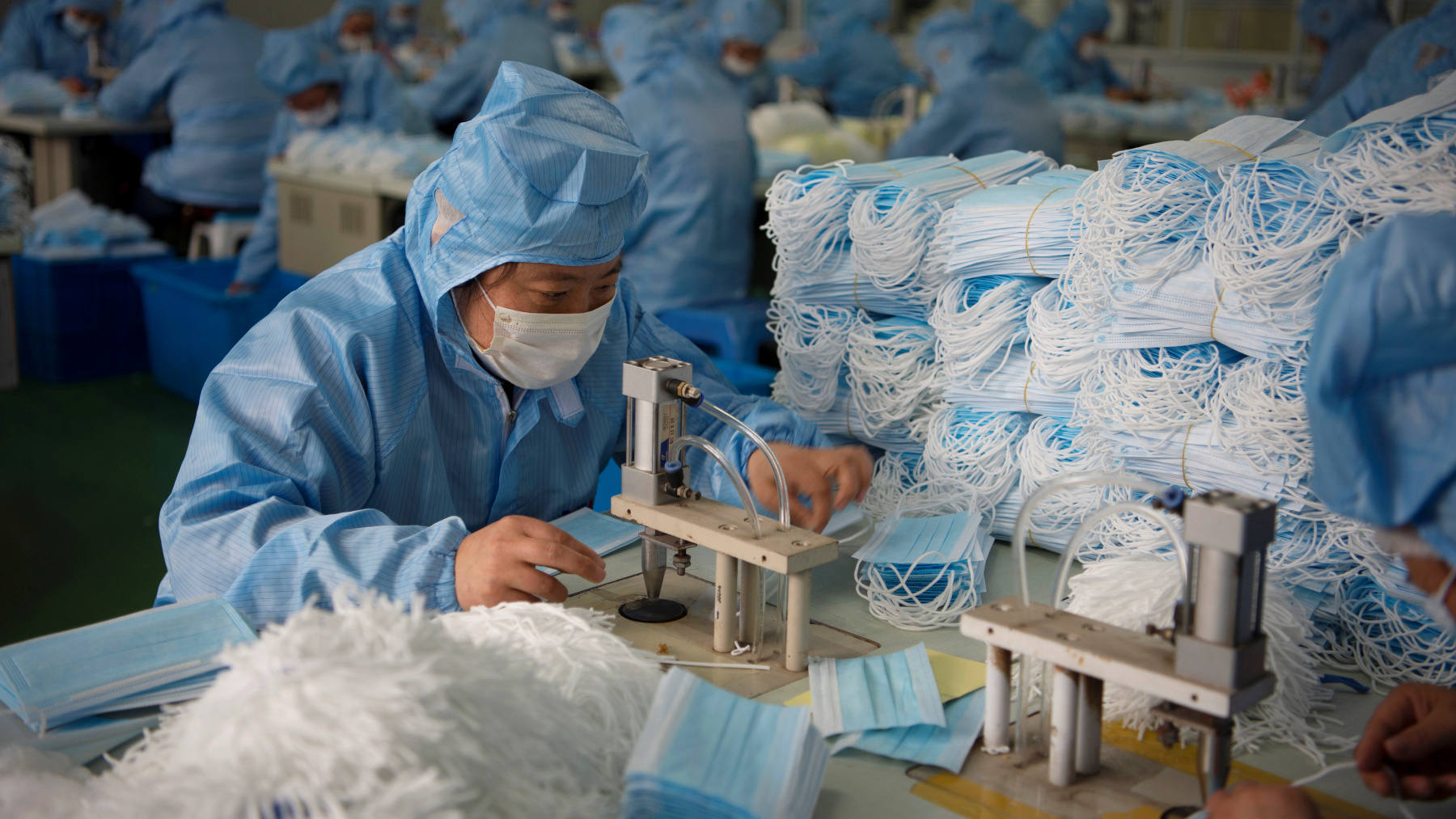
    Vietnam’s mask exports fell by nearly 35 percent in July to 154 million units as global demand dwindled.

    By the end of the month, the country had exported 711 million masks to the U.S., Europe, Singapore, South Korea, and other markets since the Covid-19 pandemic began early this year.

    The government started allowing unlimited exports of masks since the end of April to help businesses take advantage of the high demand for them as the disease spread rapidly.

    Industry insiders now say demand is falling since many countries have been able to contain the pandemic.

    Nguyen Van Thoi, chairman of garment company TNG in the northern province of Thai Nguyen, said last month his company had ceased production of masks. Other garment producers have also done so and gone back to their normal products.

  • Singapore Banks Refuse Entry to Customers Without Masks

    Singapore Banks Refuse Entry to Customers Without Masks

    As the number of unlinked Covid-19 cases in Singapore continues to climb, ABS is advising customers of the additional measures taken by the banks to reduce the risk of transmission.

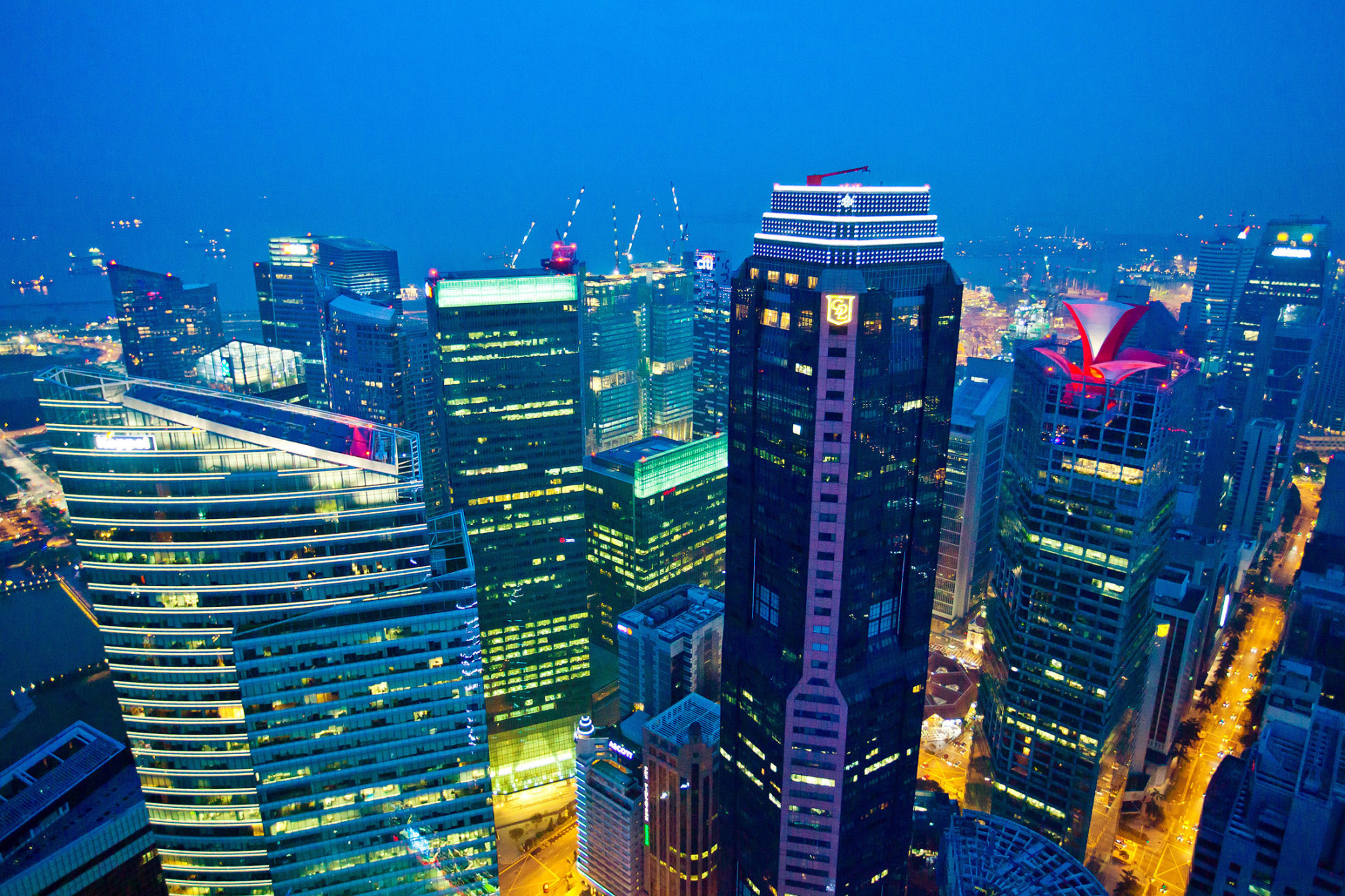
    The Association of Banks in Singapore (ABS) on Tuesday announced that all customers who do not wear face masks when visiting bank branches will be refused entry, and has advised customers to wear a face mask when lining up to use ATMs.

    These measures were adopted in light of the elevated safe distancing measures announced by the Ministry of Health. Banks have also put in place crowd management systems at their branches to ensure safe distancing between customers and staff, and have increased the frequency of cleaning and disinfection of their branches, ABS noted in a circular.

    The use of face masks was previously discouraged by the Singapore government, but its position on the matter changed with evidence that an asymptomatic person can still pass on the virus to others. Addressing the public on 3 April, Singapore Prime Minister Lee Hsien Loong to «keep your droplets to yourself.»

    Banks across Singapore have closed up to half of their branches due to the reduced traffic as a result of enhanced social distancing measures. Non-essential businesses have been ordered to close, and all companies have been instructed to transition to working from home.

    At the same time, the Monetary Authority of Singapore (MAS) affirmed that financial services would remain open and available to all customers and counterparties in Singapore and globally.