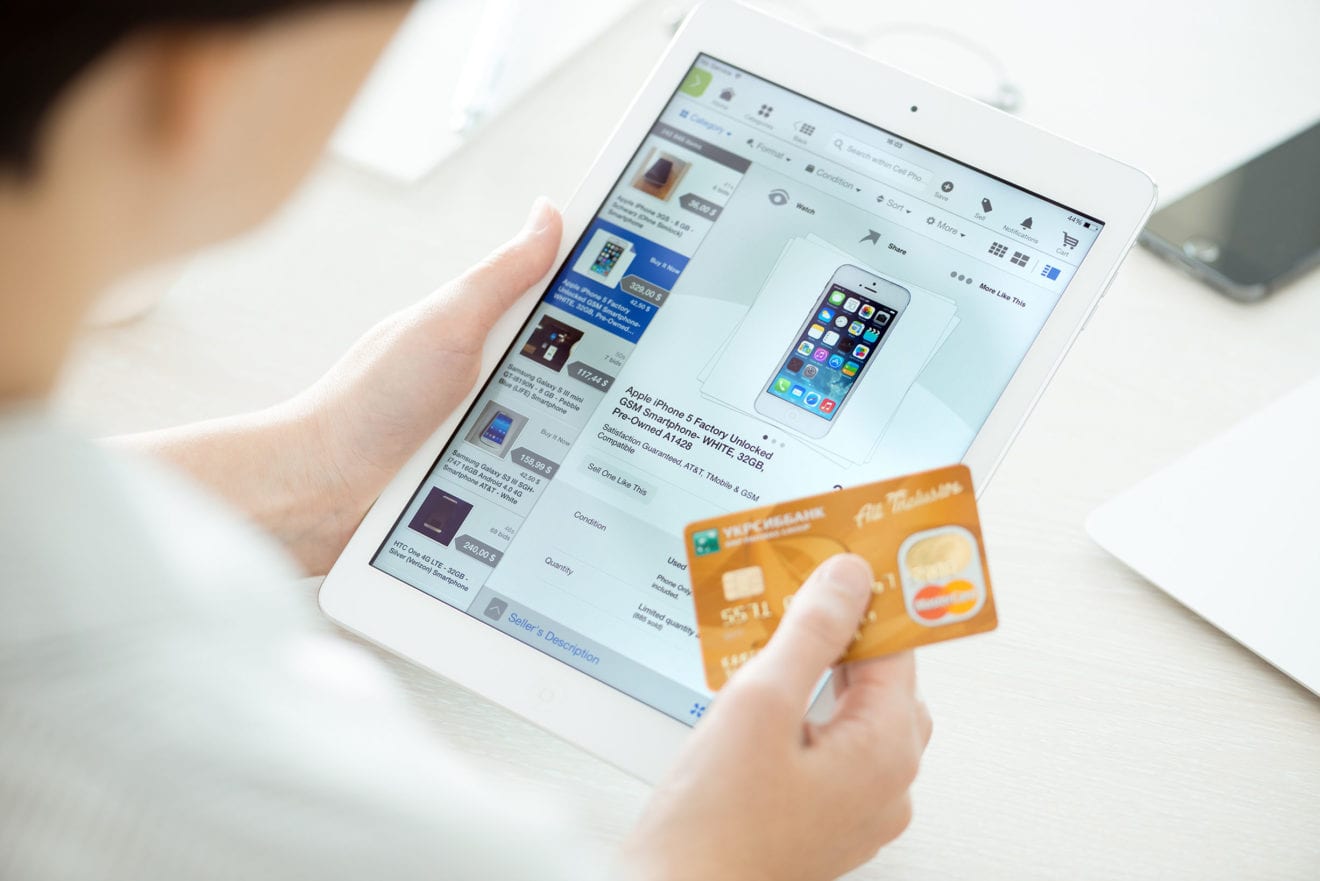
Familiarity breeds consent. Merchants who use transaction data in a secure and intelligent way will unlock the trust of the consumer in the fast growing eCommerce world, according to a new white paper researched by MasterCard.
“People will be able to choose to only receive offers that are relevant and of value to them, and companies that get the equation right will be given permission to access more touch-points in people’s’ lives,” the report concludes.
That’s one of 10 concepts identified in the report which aims to help fill what MasterCard describes as a “knowledge gap” among retailers keen to adapt to the changing buying preferences of customers but unsure of the safety and security of new payment and shopping technology.
“As the world continues to be swept in an ‘eCommerce fever’, increasing numbers of people are beginning to swap notes and coins for taps and swipes. It is imperative that merchants possess the information and know-how required to harness the onslaught of ever-evolving consumer demands and technological advancements presented to them,” says MasterCard.
The white paper on the “10 Industry-Wide Transformations Impacting eCommerce in Asia Pacific and Implications for Growth” was developed following conversations with various eCommerce players across Asia Pacific, and examines perspectives from industry leaders on the varied state of eCommerce in these markets.
MasterCard has identified a knowledge gap in three key areas:
- The transformation of the eCommerce consumer journey in Asia Pacific as a result of technology;
- The change in consumer purchase behaviour in Asia Pacific, and clear best practices of how to drive transaction velocity; and
- The implications for growth for both merchants and issuers within the eCommerce industry.
As such the white paper also identifies growth challenges and marketing opportunities, as well as provides an overview of the future of eCommerce in Asia Pacific, the largest eCommerce region in the world.
“Asia Pacific’s eCommerce trajectory has been nothing short of explosive, and with a growing consumer base that is twice as likely, to buy online than any other group in the world, the opportunities are endless,” explains Sam Ahmed, group head of marketing, Asia Pacific at MasterCard.
“As consumers transact more online, the importance of digital payment options that give consumers a seamless check-out experience is on the rise. And along with that, the need for payment security.”
In a world proliferated by smartphones, it is perhaps unsurprising that these mobile devices have become the shop fronts of today. From air tickets to Air Jordans, consumers are spoilt for choice, equipped with the ability to browse through billions of brands and products at the swipe of a fingertip.
“Unfortunately, such advanced technology also presents a catch-22 for merchants. Whilst retailers benefit from the conveniences and wide-reach enabled by the internet, many are faced with the issue of retaining customers’ attentions.
“With this paper, we explore the opportunities and issues facing the industry, and share successful case studies for growth from MasterCard’s own innovations with the digital & eCommerce engine. Using the engine operating model, we have collaborated with merchants, issuers and technology partners like Facebook to drive transaction velocity and achieve unprecedented results,” Ahmed said.
Some more of the 10 transformations MasterCard has identified are:
- You’ll never shop alone. Consumers will browse, rate and recommend products and services with friends and followers at all times. We already see an increase in partnerships between merchants and social platforms like Instagram, Facebook and Pinterest that make each shopping moment shareable with one-click. This taps into the growing dominance of influencer and peer marketing that consumers are growing accustomed to.
- Data will drive intent. We will be prompted to shop for things even before we knew we needed it. Fridges will generate shopping lists based on consumption patterns and preferences, and your location will serve up the best deal for dinner. Shopping will be one component of a much larger digital ecosystem. Data gathered from operating systems and mobile devices will inform what we buy, when we buy and who we buy from.
- Service and rewards will be the killer-apps. Comparison shopping will make the price table stakes. The merchants who deliver on their brand promise in a personalized and emotionally engaging way will earn the dollars and loyalty of consumers. Reward systems and CRM programs will become critical for sustainable success.