Tag: MasterPass

  • Pizza Hut Asia to test Pepper the robot

    Pizza Hut Asia to test Pepper the robot

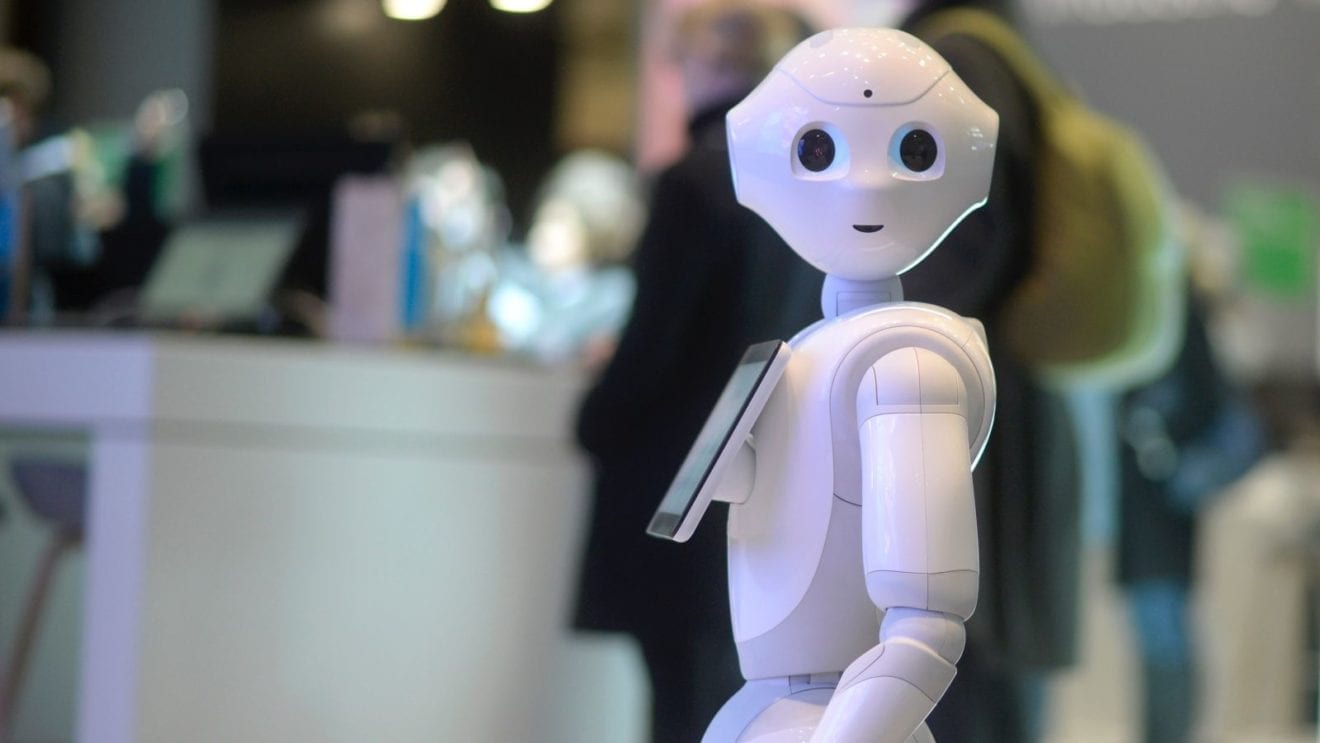
    Pizza Hut Asia and MasterCard have partnered to bring Pepper, SoftBank Robotic’s humanoid robot, to restaurants by the end of this year to enhance in-store customer service.

    Pizza Hut Asia will be piloting Pepper for order-taking and what MasterCard describes as “personalised engagement”. This marks the first commercial application for Pepper, according to MasterCard.

    Pepper, which was unveiled on Tuesday, will be powered by MasterPass, the global digital payment service from MasterCard that connects consumers with merchants, enabling them to make digital payments across channels and devices.

    MasterPass extends the robot’s ability to integrate customer service, access to information and sales into a seamless and consistent user experience.

    “Consumers have come to expect personalised service, customised offers and simple and seamless processes both in-store and online,” said Tobias Puehse, vice president, Innovation Management, Digital Payments and Labs, Asia/Pacific, MasterCard. “The app’s goal is to provide consumers with more memorable and personalised shopping experience beyond today’s self-serve machines and kiosks, by combining Pepper’s intelligence with a secure digital payment experience via MasterPass,” Puehse said.

    Pepper robot Pizza Hut

    A consumer will be able to initiate an engagement by simply greeting Pepper and pairing the consumer’s MasterPass account by either tapping the Pepper icon within the wallet or by scanning a QR code on the tablet that the robot holds. After pairing with MasterPass, Pepper will be able to assist cardholders by providing personalised recommendations and offers, additional information on products, and assistance in checking out and paying for items. Pepper will be able to initiate, approve and complete a transaction by connecting to MasterPass via a Wi-Fi connection and the entire transaction happens within the wallet.

    “We are excited to welcome Pepper to the Pizza Hut family,” said Vipul Chawla, managing director of Pizza Hut Restaurants Asia. “Core to our digital transformation journey is the ability to make it easier for customers to engage, connect and transact with Pizza Hut. With an order-and-payment-enabled Pepper, customers can now come to expect personalized ordering at our stores, reduce wait time for carryout, and have a fun, frictionless user experience,” Chawla said.

    The app was built by the MasterCard Labs team in Singapore, one of the company’s eight research and development centers across the globe. The Pepper application adds to ongoing MasterCard programs that bring payments to any consumer gadget, accessory or wearable – from fitness bands to refrigerators and now robots. The integration with Pepper, MasterCard stated, has the potential to open up opportunities in the world of retail such as personalised shopping and concierge services, in-aisle checkout and the ability to buy in store but get the goods delivered at home. The same capability would also be applicable to other consumer engagement locations such as hotels, banks, airports, and other customer service industries.

    The app is being showcased at the Pepper Partners Europe event hosted by SoftBank Robotics Europe (a SoftBank Robotics Holdings group company) in Paris until May 26.
  • China quick to adopt digital wallets

    China quick to adopt digital wallets

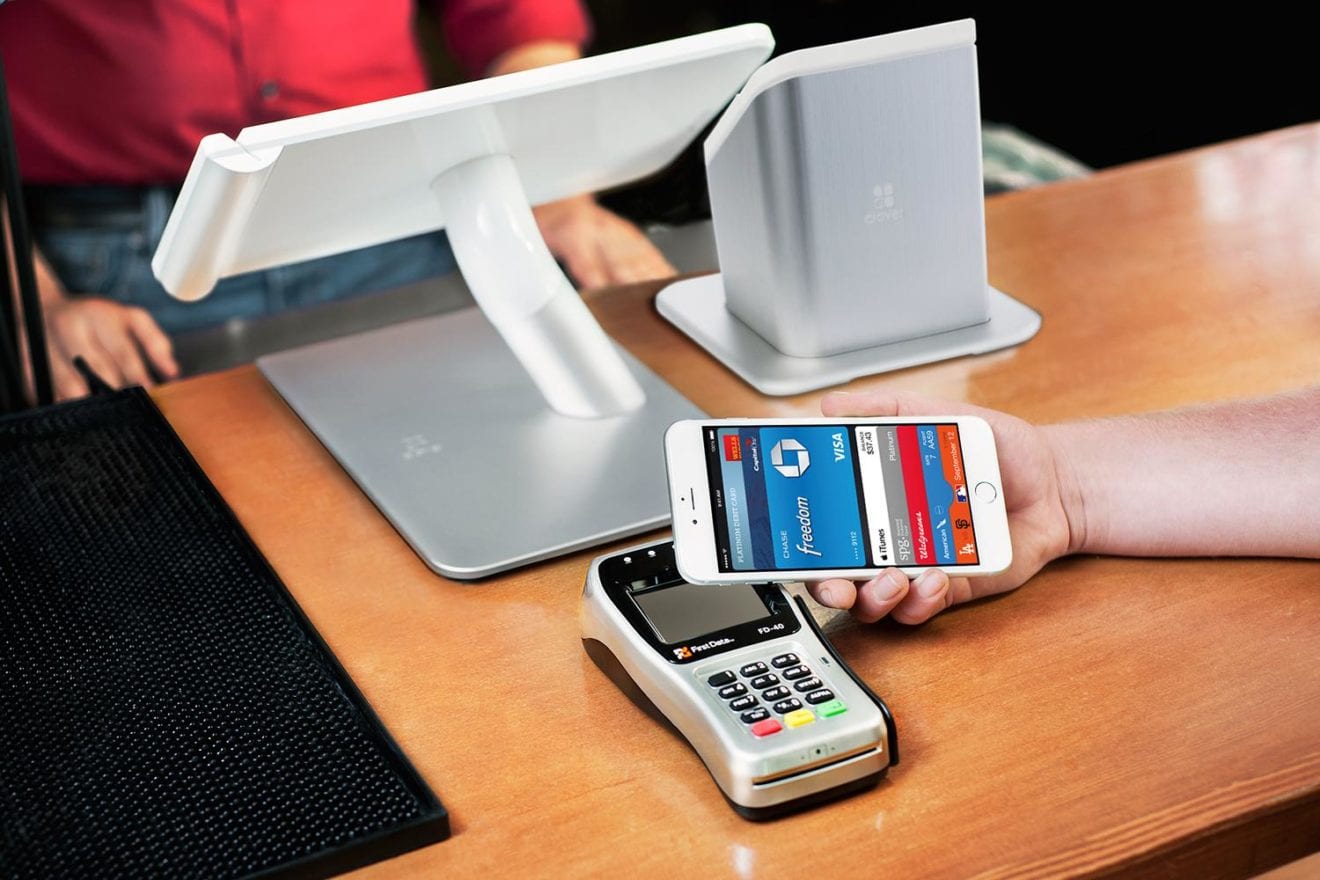
    Nearly half of consumers in China who took part in a new survey shop with digital wallets.

    Overall, the study shows that digital wallets are the fastest-growing payment technology in the region, with one in five of those surveyed using the technology.

    MasterCard’s latest mobile shopping survey shows that digital wallets are used by 19.5 per cent of respondents in Asia Pacific, a two-fold increase from two years ago (9.7 per cent).

    Emerging markets are leading the way with 45 per cent of smartphone users surveyed in China using digital wallets, 36.7 per cent in India and 23.3 per cent in Singapore. The results are based on interviews with 8500 people aged between 18 and 64 years across 14 markets in October and December.
    While mobile banking apps (31.8 per cent) are still the most widely used, among new mobile technologies such as in-app shopping and mobile NFC payments, digital wallets have had the fastest uptake over the past two years.
    Also, 48.5 per cent of respondents overall have used their smartphone for shopping in the three months before the survey. India tops the region at 76.4 per cent – up 29.3 per cent from two years ago – followed by China (76.1 per cent), South Korea (62 per cent) and Thailand (61.1 per cent). After India, growth has been most marked in Vietnam (up 17.7 per cent from two years ago) and Singapore (up 17.1 per cent).
    “New forms of mobile payment technology, such as MasterCard’s digital wallet MasterPass, are making transactions easier and safer, online, in-app and in-store,” says MasterCard’s Asia Pacific group head for digital payments, Raj Dhamodharan. “As more and more merchant apps provide shopping and services, consumers need a digital wallet that provides the best balance between security and convenience.”

    For example, consumers in Singapore are using their MasterPass wallet to pay bills and book taxis.
    Across Asia Pacific, 53.9 per cent of respondents cite convenience as the key driver for shopping on their smartphone. Other motivating factors include the ability to shop on the go (42.9 per cent) and the growing availability of apps that make it easy to shop online (41.4 per cent).
    Clothing and accessories (35 per cent), personal care and beauty products (20.9 per cent) and movie tickets (20.4 per cent) are the top mobile purchases. In China, 64.6 per cent of respondents use their smartphones to buy clothing and accessories, followed by 42.5 per cent in India and 42.1 per cent in Korea.

    Nearly half of consumers in China who took part in a new survey shop with digital wallets.

    Overall, the study shows that digital wallets are the fastest-growing payment technology in the region, with one in five of those surveyed using the technology.

    MasterCard’s latest mobile shopping survey shows that digital wallets are used by 19.5 per cent of respondents in Asia Pacific, a two-fold increase from two years ago (9.7 per cent).

    Emerging markets are leading the way with 45 per cent of smartphone users surveyed in China using digital wallets, 36.7 per cent in India and 23.3 per cent in Singapore. The results are based on interviews with 8500 people aged between 18 and 64 years across 14 markets in October and December.
    While mobile banking apps (31.8 per cent) are still the most widely used, among new mobile technologies such as in-app shopping and mobile NFC payments, digital wallets have had the fastest uptake over the past two years.
    Also, 48.5 per cent of respondents overall have used their smartphone for shopping in the three months before the survey. India tops the region at 76.4 per cent – up 29.3 per cent from two years ago – followed by China (76.1 per cent), South Korea (62 per cent) and Thailand (61.1 per cent). After India, growth has been most marked in Vietnam (up 17.7 per cent from two years ago) and Singapore (up 17.1 per cent).
    “New forms of mobile payment technology, such as MasterCard’s digital wallet MasterPass, are making transactions easier and safer, online, in-app and in-store,” says MasterCard’s Asia Pacific group head for digital payments, Raj Dhamodharan. “As more and more merchant apps provide shopping and services, consumers need a digital wallet that provides the best balance between security and convenience.”

    For example, consumers in Singapore are using their MasterPass wallet to pay bills and book taxis.
    Across Asia Pacific, 53.9 per cent of respondents cite convenience as the key driver for shopping on their smartphone. Other motivating factors include the ability to shop on the go (42.9 per cent) and the growing availability of apps that make it easy to shop online (41.4 per cent).
    Clothing and accessories (35 per cent), personal care and beauty products (20.9 per cent) and movie tickets (20.4 per cent) are the top mobile purchases. In China, 64.6 per cent of respondents use their smartphones to buy clothing and accessories, followed by 42.5 per cent in India and 42.1 per cent in Korea.