Tag: Maxim’s Group

  • Inside Starbucks Cambodia flagship

    Inside Starbucks Cambodia flagship

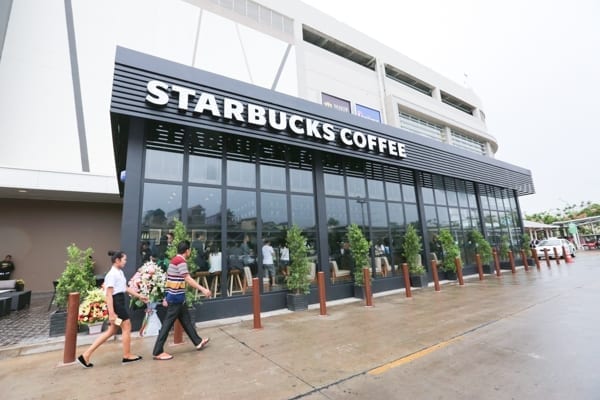
    Starbucks Cambodia has opened a new flagship store in Phnom Penh, in partnership with regional partner Maxim’s Group of Hong Kong.

    Cambodia is Starbucks 16th market in the China/Asia Pacific region, where it has more than 6200 stores. This is the third store in the country. Last month, Starbucks celebrated 20 years since the opening of its first store outside North America – in Japan.

    Starbucks BKK

    The Starbucks Cambodia Phnom Penh flagship, in the Boeung Keng Kang neighbourhood, will introduce Starbucks Reserve coffees to Cambodia, says Starbucks Asia Pacific president Mark Ring. An interactive coffee bar will allow customers to experience a range of brewing techniques including siphon, cold brew, pour-over, coffee press and espresso machine.

    Starbucks BKK

    Inspired by Starbucks’ 45-year history, the flagship store features not only the brand’s core menu but also rare, small-lot coffees. For the store opening, baristas handcrafted two small-lot Starbucks Reserve coffees, Colombia La Union 16 and Papua New Guinea Luoka. Over time, the store will showcase a variety of coffees from small-lot coffee farmers in various countries. All Starbucks Reserve coffee is roasted in Seattle.

    Starbucks BKK

    Starbucks BKK

    Through its licensed partner Coffee Concepts (Cambodia), a subsidiary of Hong Kong Maxim’s Group, Starbucks entered the Cambodian market in December 2015. It has two stores at Aeon Mall and Phnom Penh International Airport.

    Photo: Nick Sells at www.SoShootMeStudio.com

    It latest store covers 650 sqm over two levels and features local craftsmanship as well as iconic global images, including a hand-carved Cambodian sandstone siren, an illustration of Starbucks first store on a textured rattan canvas, a coffee landscape tapestry made of fabric woven on a rattan frame, and a metal sculpture over the bar.

    Starbucks BKK

    The centerpiece is a hand-painted mural over the stairs to the second floor, illustrating the Cambodian folklore of Sovann Maccha, the siren princess with a tail that is transformed into two Naga dragons.

    Starbucks BKK

    Starbucks is working with Cambodian Children’s Fund, a non-government organisation that works with children in one of the most underserved areas of Phnom Penh.
  • Dairy Farm struggles in SE Asia

    Dairy Farm struggles in SE Asia

    Dairy Farm International Holdings says softer sales growth and steep cost increases led to weakened margins in the third quarter.

    In an interim management statement, which does not include financial data, the Hong Kong-based pan-Asian retailer says the group faced more difficult economic conditions, and focused on building market share and investing for the long-term health of its businesses.

    Tighter margins and unfavourable exchange rate movements continued to affect the group’s US dollar reported results and led to lower underlying earnings for the period.

    “The group expects similar trading conditions to prevail for the remainder of the year.”

    Dairy Farm says profitability of its Singapore food business – where it owns the 7-Eleven franchise and Cold Storage supermarket chain – fell, principally due to weak performances from newly opened supermarkets and the impact on 7-Eleven of government restrictions on alcohol sales.

    In Malaysia, the introduction of GST and softer consumer confidence dampened spending at itsGiantstores.

    “In Indonesia, despite good sales momentum in July and August, higher labour costs and price investments to attract customers have reduced margins,” the company said.

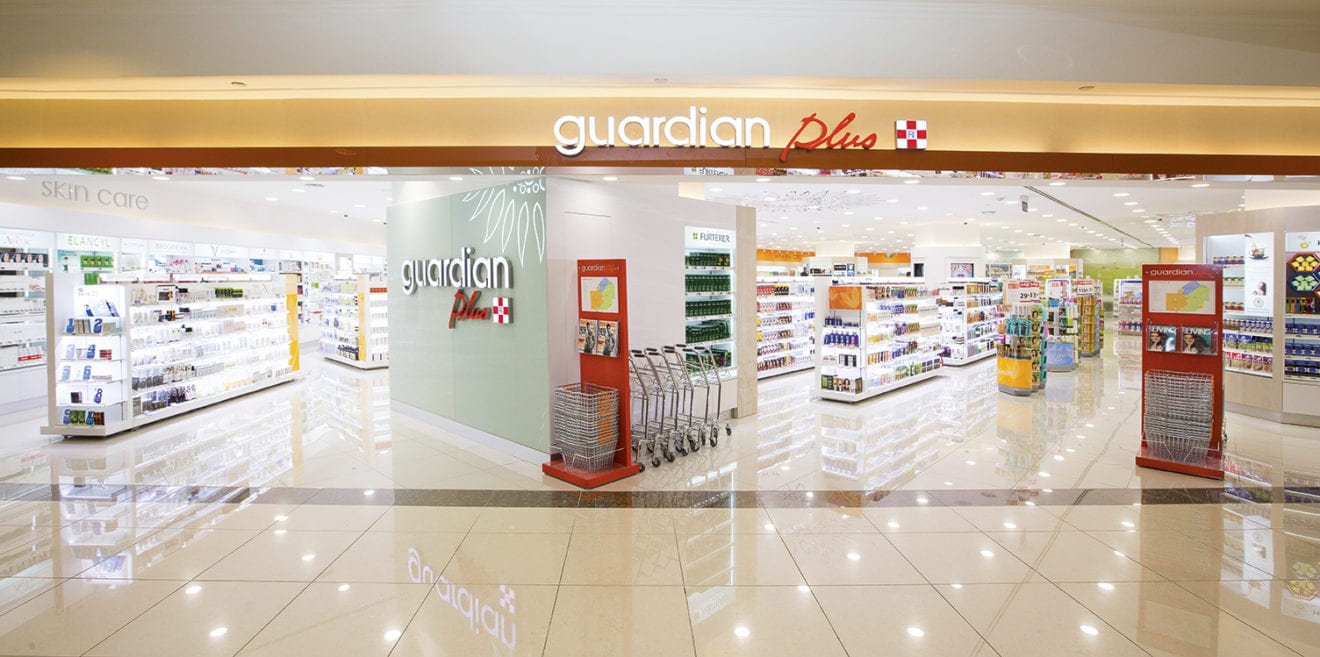
    The Health and Beauty Division – led by the Guardian and Mannings brands – continued to perform well in Hong Kong, despite the slowdown in Mainland Chinese tourist arrivals, and has seen improvements in profitability in Singapore. The overall results were, however, held back by poorer performances in Malaysia and Indonesia.

    Both the Home Furnishings and Restaurants Divisions have increased sales and profits. Ikea performed well in both Hong Kong and Taiwan, and the new Ikea store in Indonesia continues to trade ahead of expectations.

    Restaurant group Maxim’s, which operates Starbucks amongst other brands,  maintained its consistent performance.

    The group is to invest a further US$210 million in Yonghui Superstores in early 2016 so as to maintain its 19.99 per cent stake following a placement by Yonghui of a 10 per cent shareholding to internet retailer, JD.com. The investment by JD.com will provide Yonghui with additional opportunities for expansion into eCommerce.

    “With respect to recent investments, there have been positive contributions from [supermarket chain] San Miu in Macau and from Yonghui in China, despite the challenging trading environment. Meanwhile, progress continues on the integration and repositioning of the Rose Pharmacy business in the Philippines,” the company said.

    “Notwithstanding the challenging conditions, Dairy Farm was able to maintain its cashflow from operating activities through better working capital management.

    Dairy Farm operates over 6400 outlets – including supermarkets, hypermarkets, convenience stores, health and beauty stores, home furnishings stores, cafes and restaurants – employing over 170,000 people, and had total annual sales in 2014 exceeding US$13 billion.

  • Counterfeit Hong Kong-brand mooncakes found in Shenzhen

    Counterfeit Hong Kong-brand mooncakes found in Shenzhen

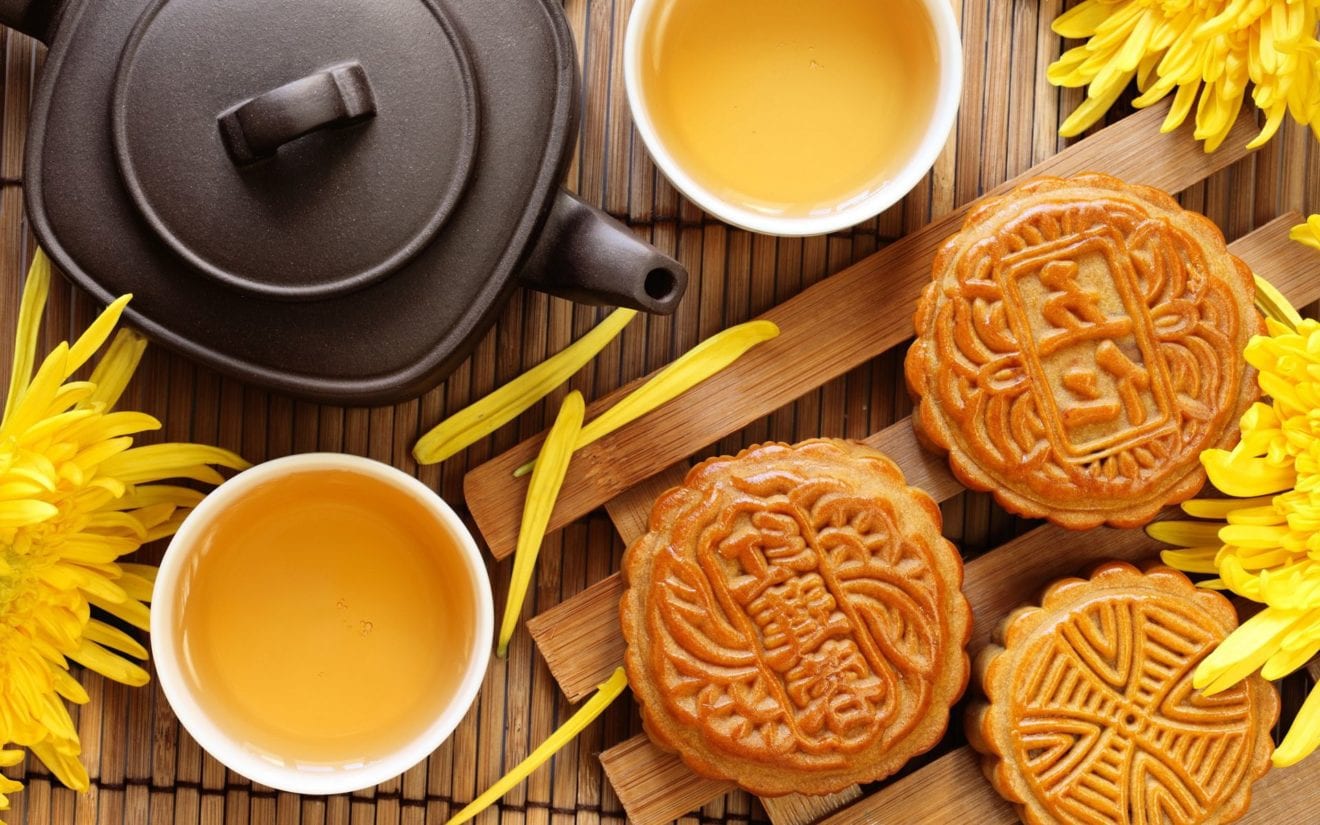
    As the Moon Festival on Sept. 27 draws near, Hongkongers who buy mooncakes of well-known local brands or receive them as gifts need to be careful, because they might be imitations from the mainland, Apple Daily reported Friday.

    At the Longxi market in Shenzhen’s Longgang district, reporters from the newspaper found hawkers still selling counterfeit mooncakes masquerading as products of Hong Kong’s Maxim’s Group and Wing Wah Food Manufactory Ltd., despite a recent crackdown by local authorities.

    The hawkers claim the mooncakes were imported from Hong Kong.

    However, they cost as little as HK$100 (US$12.90) per box of four, about half the price of the genuine mooncakes in Hong Kong. The counterfeits’ packaging bears the correct QR codes, but it doesn’t have the anti-fake codes that only the original products have. Maxim’s said it is aware of such imitation products and reserves the right to pursue legal action.

    It called on consumers to refrain from buying its mooncakes in grocery stores or at hawker stalls. Hong Kong-made mooncakes are popular among mainland Chinese, who buy an estimated 20 billion yuan (US$3.14 billion) worth of them a year. One reason counterfeits are rampant this year may be the official ban on mooncakes imported from Hong Kong that contain egg yolks, on the grounds of disease prevention.

    The ban has resulted in a serious shortage of the genuine mooncakes in the mainland, leading to big price hikes, the report said.

    On Taobao, the online shopping mall operated by Alibaba Group Holdings Ltd., Hong Kong-made mooncakes are much pricier than at retail stores in the city, some being offered at as much as HK$100 more per box.