Retail News CRM

Tag: Maybelline

  • Chatime And Maybelline Unveil Mascara-inspired Beverage Line With Unique Promotional Prizes

    Chatime And Maybelline Unveil Mascara-inspired Beverage Line With Unique Promotional Prizes

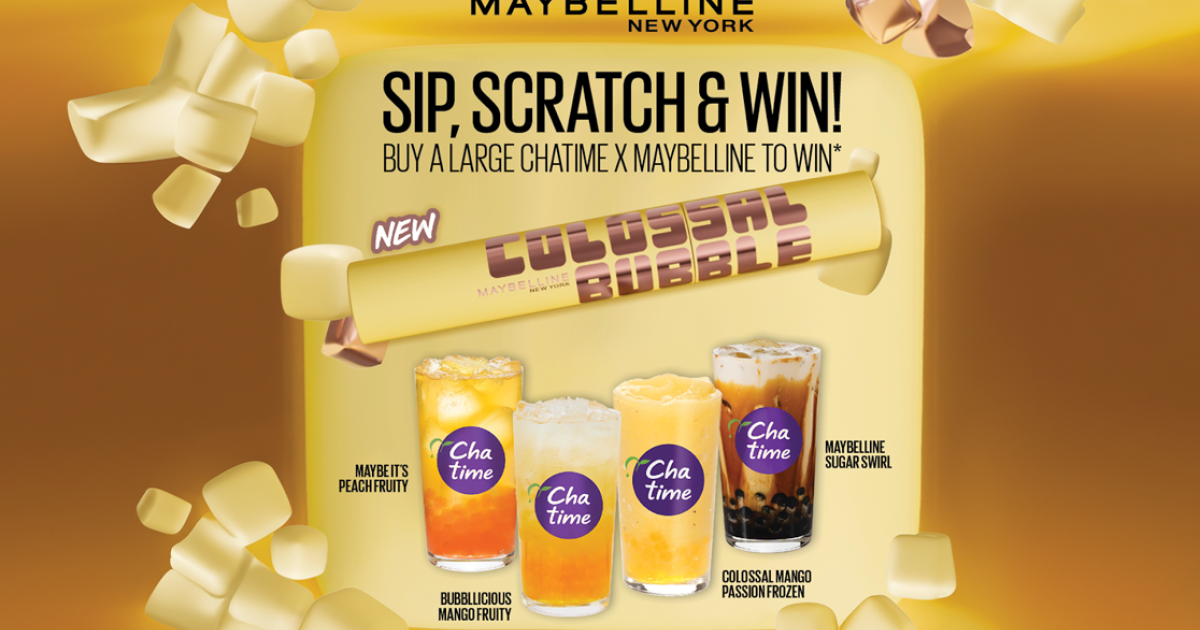
    Chatime and Maybelline New York have come together to unveil a series of four beverages that draw inspiration from Maybelline’s latest addition to its product line, the Colossal Bubble Mascara. The mascara promises to offer a voluminous yet lightweight effect.

    The Limited-Edition Beverage Collection

    The unique, limited-edition drink line-up includes Bubbillicious Mango Fruity, Colossal Mango Passion Frozen, Maybe It’s Peach Fruity, and Maybelline Sugar Swirl. These beverages aim to offer a refreshing twist and a new dimension to the beverage experience for customers, reflecting the bold and innovative nature of the two brands.

    Rachel Druce, who is in charge of marketing at Chatime, has expressed that this partnership has opened up a novel dimension in the brand’s line of collaborations. According to her, this initiative blends the worlds of beauty and beverages in a manner that is unique, enjoyable, and perfectly in tune with Chatime’s brand identity.

    An Exciting Offer for Customers

    As part of the promotion, customers who purchase any of the Maybelline-themed bubble tea drinks will receive a ‘Scratch and Win’ card. This allows them the opportunity to win a variety of prizes, including over 3000 full-size mascaras and an array of Chemist Warehouse vouchers.

    Melanie Bower, the marketing director of Maybelline New York ANZ, has expressed that this collaboration perfectly complements the launch of their new mascara. Being the leading mascara brand in Australia, Maybelline New York is constantly seeking unique and exciting ways to engage with its consumers. According to Bower, the collaboration with Chatime perfectly encapsulates this ethos by celebrating bold lashes and bold flavours together.

    The promotion is set to run nationwide from August 12th to 25th across all Chatime outlets.

    Questions & Answers

    What is the nature of the collaboration between Chatime and Maybelline New York?

    The collaboration involves the launch of four limited-edition beverages inspired by Maybelline’s new Colossal Bubble Mascara.

    What benefits do customers get from this collaboration?

    Customers who purchase any of the Maybelline-themed bubble tea drinks will receive a ‘Scratch and Win’ card, providing them a chance to win a variety of prizes, including over 3000 full-size mascaras and Chemist Warehouse vouchers.

    How long is the promotion set to run?

    The promotion is scheduled to run from August 12th to 25th across all Chatime outlets nationwide.
  • Maybelline to shut all stores in China

    Maybelline to shut all stores in China

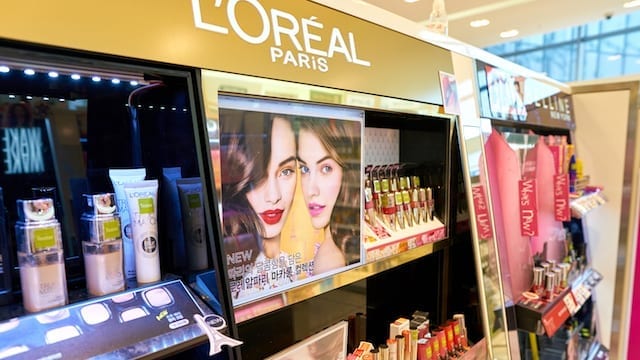
    The L’Oréal-owned American cosmetic brand Maybelline is gradually shuttering all of its physical stores across China as it aims to shift its focus in the market to online, the brand confirmed Wednesday.

    In a statement sent to local media, the brand said, “In response to changes in the market and consumer demand, Maybelline New York has been gradually strategically transforming its traditional offline channels since 2020 to achieve a cohesive online and offline shopping experience and to bring consumers a more diverse beauty shopping experience.”

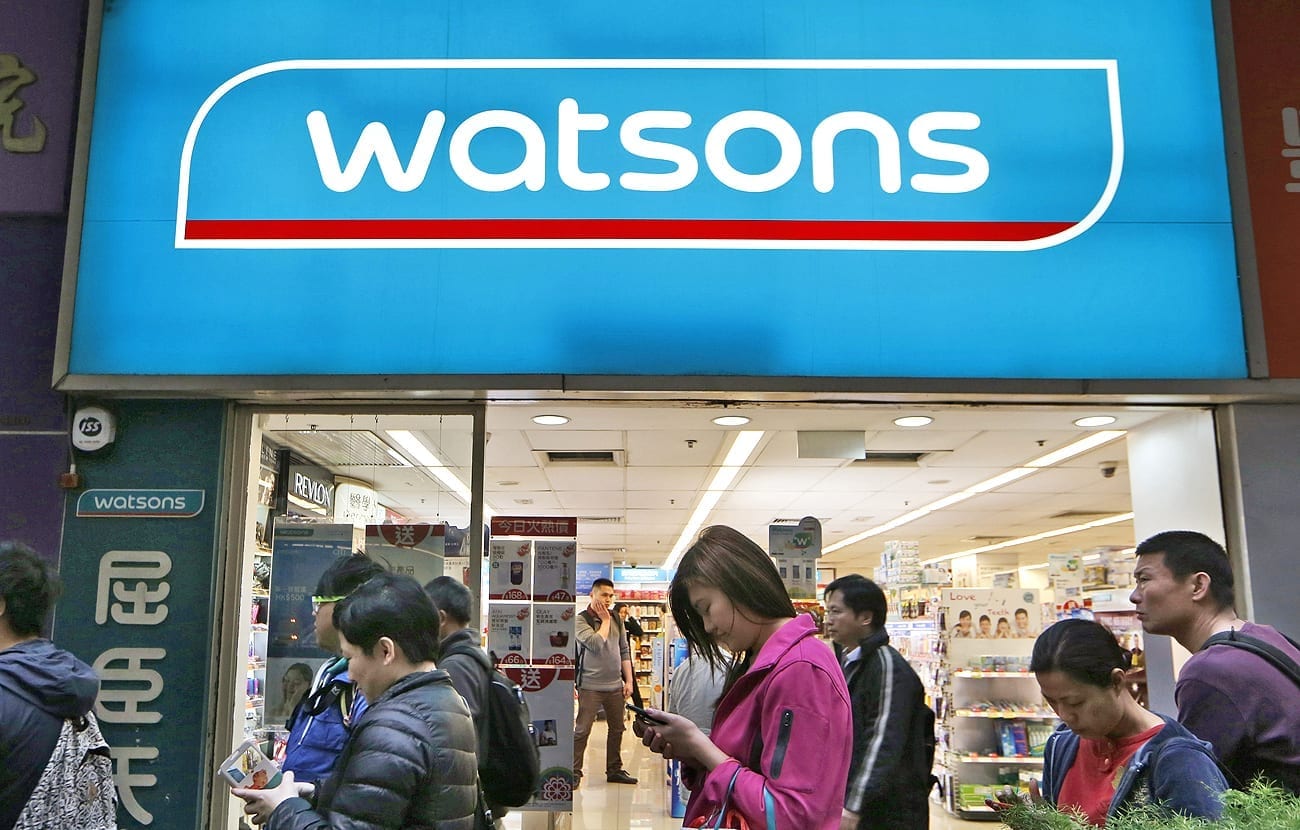
    Customer service from the brand further revealed that the timeline for store closures is not clear so far, but counters within the drugstore chain Watson’s will continue to operate.

    The century-old beauty brand, acquired by L’Oréal in 1996, entered the Chinese market in 1997 and soon became a popular choice for a large number of women who moved from the countryside to big cities in pursuit of an office job as the nation was shifting to a service industry-led economy at the time.

    Maybelline was a key player in the affordable cosmetic sector through brick-and-mortar channels such as supermarkets and department stores, but the brand in recent years failed to catch up with local competitors and adapt to the disruptive Chinese e-commerce model.

    The brand withdrew from the supermarket channel in 2018 and began to leave department stores in 2020.

    This shift coincides with the rise of C-beauty brands, as well as L’Oréal gradually pivoting its focus toward the prestige category.

    Data from market researcher Qianzhan Industry Research Institute shows that Maybelline’s market share in the Chinese market fell to 4.9 percent last year from 10.7 percent in 2018, while Florasis and Perfect Diary became two of the most popular brands, taking market shares of 6.8 percent and 6.4 percent, respectively.

  • L’Oreal Asia Sales for the First Time outpaces Europe

    L’Oreal Asia Sales for the First Time outpaces Europe

    L’Oreal Asia now sells more products than the company’s home European division. Sales in Asia outpaced those in western Europe for the first time in the last quarter, with China leading the growth, despite a slowing economy.

    Just a decade ago, L’Oreal Asia sales were less than one third of its European sales.

    Globally, first-quarter L’Oreal sales rose 7.7 per cent for the quarter to US$8.53 billion, excluding currency fluctuations. That news drove the company’s share price even higher, taking growth to 21 per cent so far this year. It is now France’s second-largest company by market value.

    L’Oreal, which owns Garnier, Maybelline, Acqua di Gio Armani, and Laroche Posay, has become increasingly reliant on fast-growing Asian economies to maintain growth rates impossible in its mature home and North American markets. But analysts like James Edwards Jones are unconcerned by such reliance.

    “It is true that the growth is not broad-based. But given L’Oreal’s proven ability to identify, stimulate and capitalise on those parts of the business where the most attractive growth is to be had, we struggle to find fault with this,” the company said in a client note.

    L’Oreal CEO Jean-Paul Agon says young Chinese consumers are increasingly drawn to luxury brands, a positive trend for the cosmetics manufacturer.

    European sales were rebounding but “nothing would compete with what we see in Asia,” he said in an analyst briefing.

  • L’Oreal Asia Pacific sales reported soars

    L’Oreal Asia Pacific sales reported soars

    L’Oreal Asia Pacific sales soared by a staggering 24.1 per cent on a like-for-like basis last year. Asia was the beauty behemoth’s fastest-growing market with all divisions of the business winning market share from rivals in the region. “The dynamism of Chinese consumers, combined with the good performance of premium brands and rapid growth in several other Southeast Asian markets as well as in travel retail, were the [region’s] main growth drivers,” the company said in an earnings statement.

    Singles Day in the fourth quarter especially boosted sales in China, along with the acquisition of Stylenanda in June.

    L’Oreal Asia Pacific sales, driven by China, overtook L’Oreal’s North America business, with sales exceeding €7 billion.

    Globally, L’Oreal achieved sales of €26.9 billion (US$30.3 billion) last year, an improvement of 7.1 per cent on a like-for-like basis and 8 per cent at constant exchange rates. Net profit reached €3.89 billion euros, an increase of 8.8 per cent.

    L’Oreal’s chairman and CEO Jean-Paul Agon said the results represented the company’s best year of growth since 2007, achieved in a beauty market which had “accelerated significantly” last year.

    All divisions achieved growth, with the standouts being L’Oreal Luxe and Active Cosmetics, which both recorded double-digit sales increases. In the Luxe division, the larger brands led the way, with Lancome sales crossing the €3 billion threshold. The Active Cosmetics division achieved its highest growth for more than 10 years.

    Consumer products sales, led by L’Oreal Paris and Maybelline New York, achieved solid growth and professional products a “modest increase” thanks to a significant acceleration in the final quarter, the company said.

    A growing investment in e-commerce is paying off, with sales online up 40.6 per cent last year, now accounting for 11 per cent of group sales.

    And travel retail broke the €2 billion barrier, increasing by 27.1 per cent.

    L’Oreal reported its gross margin increased significantly and, even after strong investments in research, innovation, and business drivers, its operating margin set a new record at 18.3 per cent of sales.

  • Chinese demand for skincare products boosts sales of French cosmetics company L’Oreal

    Chinese demand for skincare products boosts sales of French cosmetics company L’Oreal

    Strong Chinese demand for luxury skin creams helped Lancome owner L’Oreal beat sales forecasts in the fourth quarter, as did a pickup in its lagging mass market division. Like rivals including US-based Estee Lauder, the French maker of Maybelline and Urban Decay make-up has thrived on strong demand from Chinese shoppers in recent years, especially for its higher-end products.

    Sales of L’Oreal’s top-flight brands exceeded analyst expectations in the last three months of the year thanks to this market, despite cooling economic growth in China, and fears over a Washington-Beijing trade war.

    Some heavy-hitters in the luxury fashion industry, such as LVMH’s Louis Vuitton, have also reported encouraging momentum in Asia. At L’Oreal Asia-Pacific overtook North America as its biggest region last year.

    But L’Oreal, which is due to detail its results at a news conference on Friday, also faces a challenge to keep improving revenue growth in other areas, including its consumer products unit, home to brands like Garnier shampoo.

    Sales rose 2.8 per cent in that division on a like-for-like basis in the fourth quarter, which strips out currency effects and acquisitions, up from 2.3 per cent a quarter earlier.

    That helped boost overall sales at the firm, up 7.7 per cent like-for-like and head of forecasts for a 6.4 per cent rise, and which came in at 7.1 billion euros ($8.1 billion).

    Yet the mass market segment still slightly lags the performance of peers like Nivea-maker Beiersdorf and Dove soap owner Unilever.

    L’Oreal said it was also facing a sluggish market in France and the United Kingdom.

    While the latter only makes up around 3 per cent of sales, the company has joined others in preparing for Britain’s potentially chaotic exit from the European Union, and has started stockpiling cosmetics.

    The company said it still expected to outperform the broader beauty market in 2019, though the tone of its outlook was a tad less bullish than last year, forecasting “growth in both sales and profits” rather than “significant growth”.

    For 2018 as a whole, the company’s operating profit rose 5.3 per cent to 4.7 billion euros, giving a margin of 18.3 per cent of sales, up from 18 per cent at the end of 2017.

    One of L’Oreal’s biggest shareholders with a 23 per cent stake, Switzerland’s Nestle, has come under pressure from an activist investor to sell off its stake in the French cosmetics firm. The firms have yet to signal whether such a move was in view.

  • AS Watson reports success with predictive modelling marketing

    AS Watson reports success with predictive modelling marketing

    International health and beauty retailer AS Watson Group says its use of predictive modelling technology is delivering successful product launches. The firm has worked in close partnership with brands to help them penetrate specific demographics or enter new markets. Recently this included Jeffree Star Cosmetics launching exclusively at ICI Paris XL in Europe, and in Asia a continuing long-term partnership with Maybelline at Watsons Thailand – both of which achieved targeted results.

    “At AS Watson, due to our extensive global knowledge of the beauty industry and CRM data, we are able to help niche brands like Jeffree Star and major brands including Maybelline launch products onto the market,” explains Malina Ngai, AS Watson Group COO.

    “Using our integrated online and offline model, this allows us to create these types of brand partnerships to specifically target and engage the right customers.”

    L’Oreal and AS Watson Group developed a long-term partnership working together to drive sales, while in 2018, Watsons Thailand partnered with Maybelline on a year-long CRM program.

    Supported by the AS Watson DataLab, the group’s customer intelligence team, this campaign was designed to communicate offers to relevant customers through electronic direct mail. Watsons targeted members in three phases in order to recruit new category shoppers, grow each customer’s basket value and engage customers in new product offers.

    To ensure the campaign built on data insight to target the right members, Watsons used a three-stage approach to accurately identify customers and ensure they were provided with the most attractive offers.

    This three-stage campaign saw more than 3.5 million emails delivered to members, attracting more than 170,000 customers to buy into the brand. This targeted and focused approach saw double-digit percentage of the brand’s sales directly attributable to this campaign. In addition, Maybelline’s sales and the number of members recorded double-digit growth compared to the previous year.

    L’Oreal Thailand’s GM consumer products division Geoff Bellingham said two of the biggest challenges a brand faces are acquiring new customers and then having those customers shop again with the brand.

    “Our Watsons Thailand CRM program allowed us to successfully achieve both of those goals for Maybelline. All customers and especially beauty shoppers want relevant, more personally curated offers and this partnership was carefully created to ensure the right offers for right people.

    “The activity is just one example of the close and successful collaboration between Watsons and L’Oreal”.
    ICI Paris XL launched world-renowned beauty influencer Jeffree Star’s cosmetic range in November, exclusively to customers in The Netherlands and Belgium. To launch the brand ICI Paris XL created a digital campaign to target customers whose data and insight profile indicated they would love the new brand, as well as looking to capture new customers. The digital campaign was created to specifically target those under 35, as this is the brand’s core target market.

    Predictive modelling technology was used to identify and communicate with members who had a high tendency to shop for new makeup brands and trends, and these people received customised emails announcing the launch, bringing the social media personality to life, as well as highlighting hero elements of the cosmetics range. This targeted approach saw more than 300,000 customers receive personalised emails, leading to an open rate of 25 per cent.  Following this, 40 per cent then visited the brand’s page on the ICI Paris XL website with the result that 70 per cent of members under 35 bought into the range during the launch period.

    “Following the success of my brand in the the US, I really wanted to extend my brand’s reach into Europe,” said Jeffree Star. “AS Watson has provided me with an efficient distribution platform as well as the tools to be able to target my fans and beauty lovers that like to create bright, fun and innovative beauty looks.”

  • Casino teams with L’Oréal to launch Paris wellbeing stores

    Casino teams with L’Oréal to launch Paris wellbeing stores

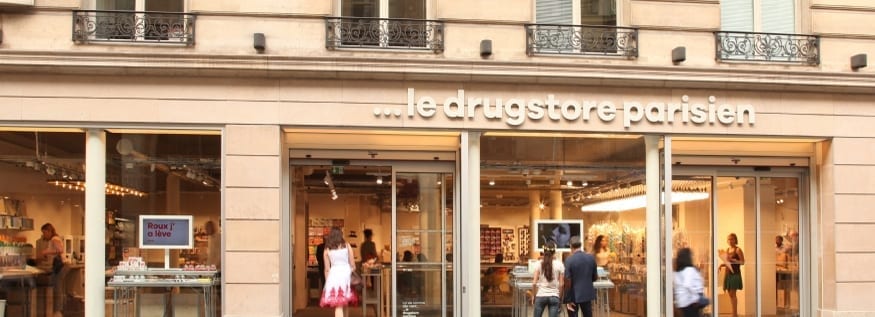
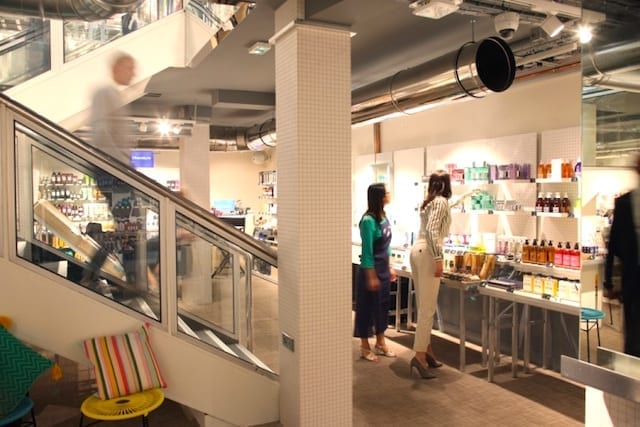
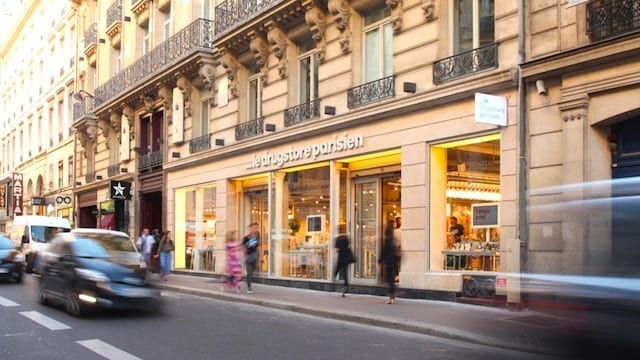
    French retailer Casino Group has teamed with cosmetics company L’Oreal France to launch Le drugstore Parisien, a new retail concept targeting city-dwellers in the heart of Paris.

    The two companies boldly claim the concept will “revolutionise the beauty and well-being shopping experience in the French capital”.

    Operated under Casino Group’s Franprix banner, Le Drugstore Parisien is positioned as “the urban store for beauty from within, practical treats and serendipity [the art of making unexpected discoveries].”

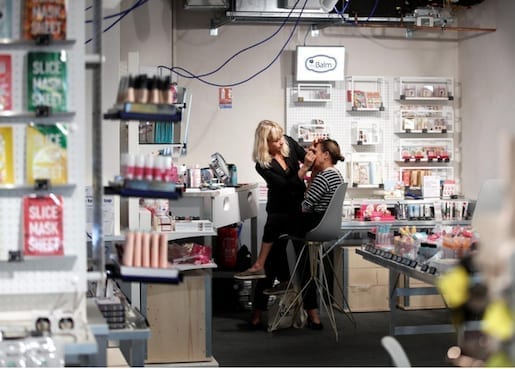
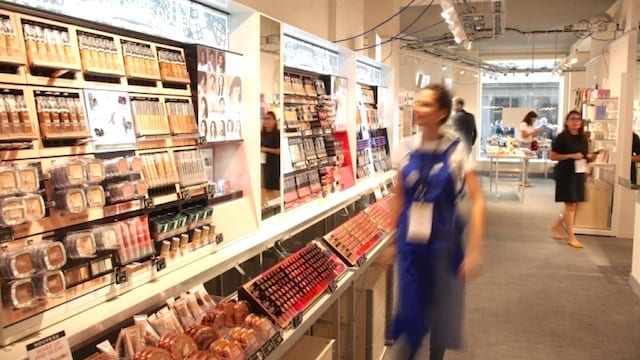
    The store will offer beauty and well-being products alongside over-the-counter pharmaceutical products, sewing kits, accessories and healthy snacks and treats.

    A number of L’Oreal brands will be available, including L’Oreal Paris, Maybelline, Garnier, NYX Professional Makeup, Essie and Sanoflore, as well as exclusive, expert brands so that shoppers can discover something new with every visit.

    Amenities designed specifically for urban consumers will also be on hand, such as free Wi-Fi, mobile-phone charging points, water fountains, shoe-shining machines, sinks and dressing tables, dry cleaning, parcel pick-up points, light therapy areas, key exchange, and one-hour delivery for certain products.

    Jean Paul Mochet, CEO of convenience banners at Casino Group, said the company has for several years been working to find ways of helping convenience stores connect better with customers.

    “In cities, we have been paying particular attention to the new ways space and time are used, which are radically changing consumer behaviour. The lines between work, culture and fun are being blurred, creating a new way of living. So city-dwellers need tailored products and services to make their lives easier. This goal was exactly what we had in mind when designing Le Drugstore Parisien – a unique, laid-back place that celebrates joy, pleasure and well-being amidst the hustle and bustle of Paris life.”

    The first two Le Drugstore Parisien sites opened last weekend at 66, Rue de la Chaussee d’Antin and 122, Rue du Bac in districts 9 and 6, respectively. They will be trade seven days a week, from 10am to midnight Monday to Saturday and from 11am to 8pm on Sundays. One day a month, they will open for 24 hours to offer Parisians exclusive events and well-being services.

  • How to grow for Luxury brands

    How to grow for Luxury brands

    Luxury brands need to use new technologies and offer experiences for their customers, the second Luxury Society keynote event in Shanghai has been told.

    UCO Cosmetics CEO Arthur Zhang told the event that the early-stage eCommerce model of simply providing a platform for selling products online is dead.

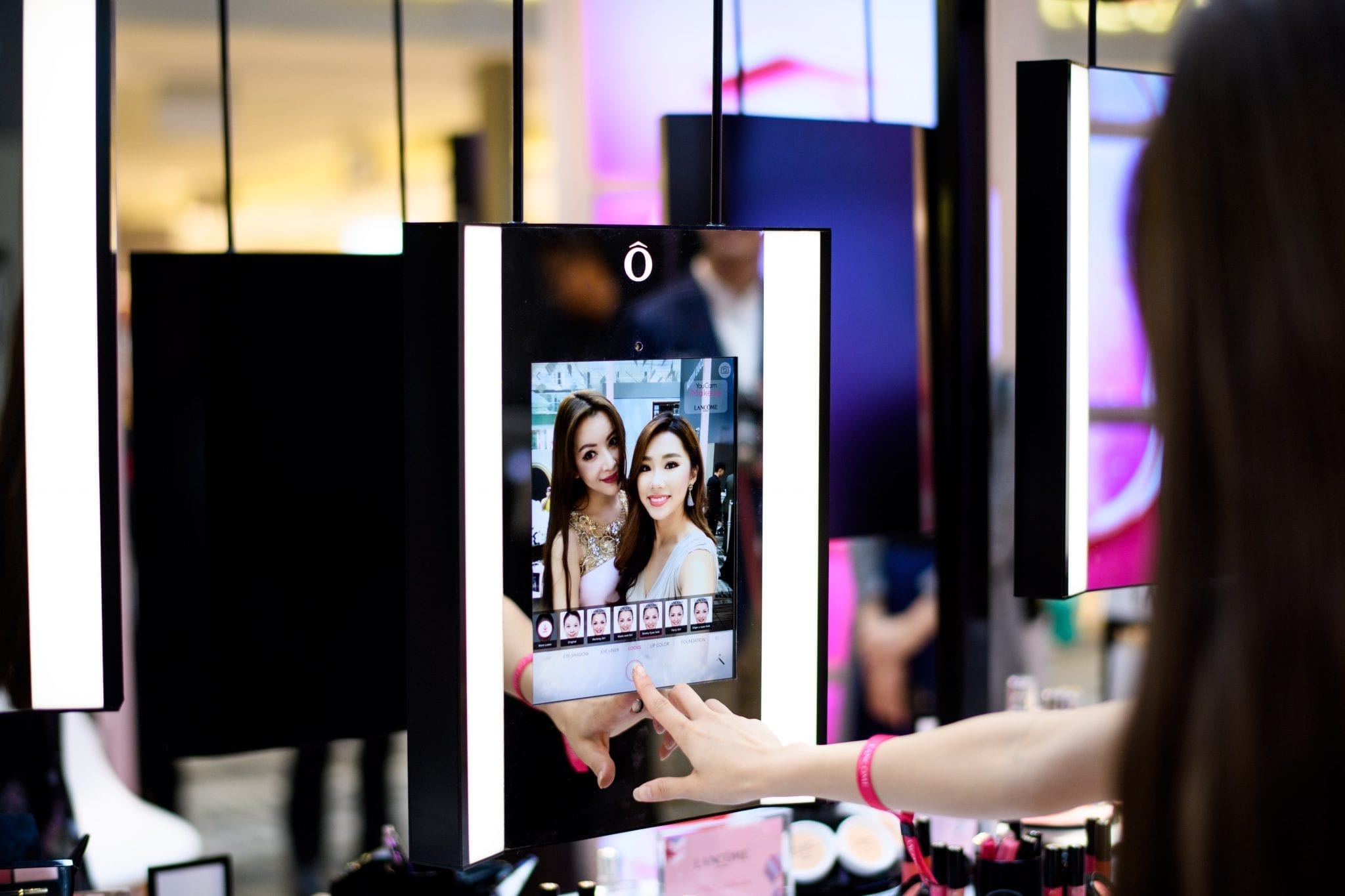
    He said key technologies being experimented and improved upon in China include augmented reality, virtual reality and live-streaming.

    “The millennial generation in China, which already numbers about 300 million people, seeks experiences and emotional connection – they are not just bystanders,” DLG China partner/MD Pablo Mauron told the audience of more than 150 luxury-industry brand executives. “As a result, live-streaming has become a medium for them to express themselves.”

    He told how brands such as Maybelline, Montblanc and Swarovski are taking advantage of these new opportunities.

    Underlining the key message of the event that eCommerce is changing, CEO Thibault Villet of luxury fashion eCommerce platform Mei.com told how a live-streamed show in collaboration with TMall resulted in 65 per cent of the products featured quickly selling out.

    Meaningful data

    Social customer-relationship management (CRM) makes highly targeted messaging and engagement possible, the event was told by Four Seasons Hotels Asia Pacific director of marketing communications John Hamilton. He said the luxury hotel chain has been gaining meaningful data about its customers, which in turn has driven growth. In the past year, through trial-and-error and optimisation, the group has defined a CRM-led content strategy on WeChat.

    Celebrity and key-opinion-leader partnerships can make a big impact in China, said East Entertainment commercial director Qing Dai, who spoke of her experience of partnering luxury brands with appropriate celebrities. One of Easy Entertainment’s most successful was in linking up Cartier with singer/actor Lu Han.

    Baidu GM for East China Wan (Grace) Zhang said Cartier was the most-searched luxury watch brand among the generation born between 1990 and 2000, linked to Cartier’s collaboration with Lu Han.

    Other speakers at the event included Four Seasons Hotel Pudong (Shanghai) GM Arthur Ho, writer Casey Hall of Women’s Wear Daily, Digital Luxury Group founder/CEO David Sadigh and MD for China Pablo Mauron, Baidu senior project manager Di Fu and Sephora China digital manager Vanessa Qian.

    Attendees included representatives of Alexandre de Paris, Baume & Mercier, Bottega Veneta, Bulgari, Cartier, Chanel, Chaumet, Conde Nast, De Beers, Dior, Hublot, Loewe, LVMH, Marc Jacobs, Massimo Dutti, Michael Kors, Montblanc, Nars, Net-a-Porter, Nike, Sephora, Shiseido, Swarovski, TAG Heuer, Tiffany & Co and Vacheron Constantin.

    Luxury Society, published by Digital Luxury Group, is an online destination for luxury-brand executives covering digital and technology matters and with more than 40,000 members across 150 countries.

  • Shiseido Playlist launches online only

    Shiseido Playlist launches online only

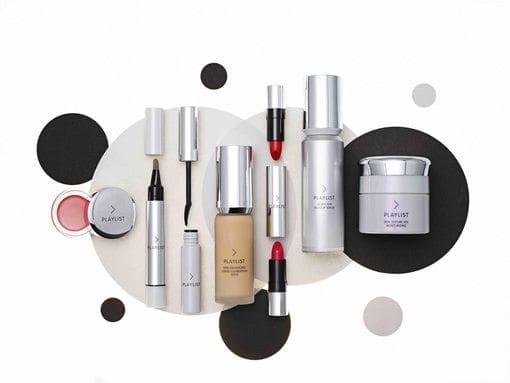
    The new Shiseido Playlist make-up and skincare brand has been launched for exclusive online sale, with the exception of the cosmetic brand’s Tokyo Ginza store.

    Playlist is available via Watashi+, the group’s own website and other e-stores.

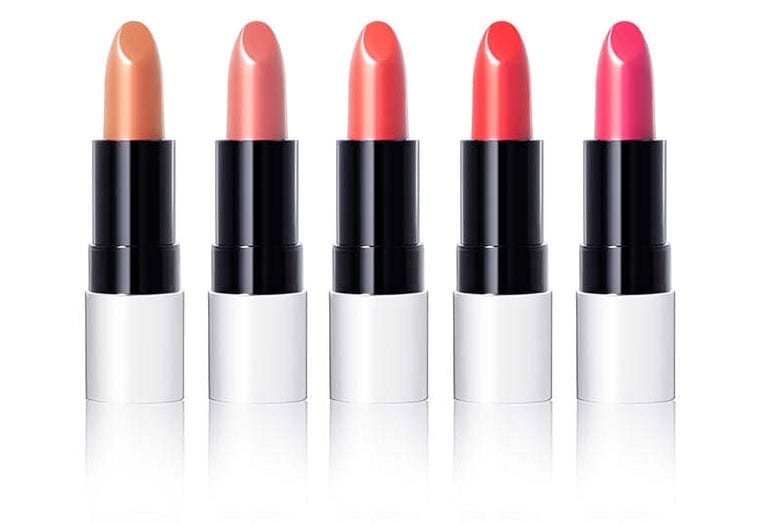
    Distinctive for its minimalist design, Playlist targets women between 25 and 39 years, the demographic that favours online shopping. Developed by Shiseido’s professional makeup and hair care teams, the range focusses on compact lipsticks, foundations and eye makeup. The brand debuts with 31 looks, with others expected to be launched in November.playlist-2

    Playlist also features an online personal advice service, and the brand ambassador will be Belgian-Japanese model Yumi Lambert.

    Playlist has initially been launched in Japan, coinciding with Shiseido replacing Maybelline as make-up partner to Amazon Tokyo Fashion Week.

  • Asia driving L’Oreal growth despite market turbulence

    Asia driving L’Oreal growth despite market turbulence

    Asia is driving huge growth for cosmetics giant L’Oreal, despite a slowdown in Hong Kong.

    At the end of September, L’Oréal posted growth of 4.4 per cent on a like-for-like basis – and 21.9 per cent based on reported figures as the company expands its retail network and wholesale operations in the region.

    Kiehl’s, Yves Saint Laurent and Giorgio Armani contributed to dynamic growth of the L’Oreal Luxe division, despite the context of slower third-quarter growth in Hong Kong and Travel Retail Asia.

    The Consumer Products Division is performing well in India, Australia and Thailand. In China, growth at L’Oreal Paris is accelerating, while Magic is undergoing a transitional period. The Active Cosmetics Division is growing strongly, thanks to the success of La Roche-Posay, L’Oreal reported in its quarterly filing.

    Jean-Paul Agon, chairman and CEO, said at the end of September, the group’s reported growth is strong, at 13.2 per cent, still supported by a positive currency effect.

    “Despite a global context that is still volatile, we are confident for the year end. The beauty market remains dynamic. In each Division, our brands are pushing forward with successes such as Maybelline and NYX in the Consumer Products Division, Yves Saint Laurent, Kiehl’s and Urban Decay at L’Oréal Luxe, Redken in the Professional Products Division and La Roche-Posay at Active Cosmetics,” he said.

    “Finally, the acceleration of our digital transformation is making us stronger, in particular with the rapid increase (40 per cent) of our eCommerce sales which should significantly exceed 1 billion euros this year.

    “We are confirming our ambition to outperform once again the beauty market in 2015 and to achieve significant growth in both sales and profits.”