Tag: McKinsey Global Institute

  • Smart Solutions Can Improve Lives in Southeast Asian Cities: McKinsey

    Smart Solutions Can Improve Lives in Southeast Asian Cities: McKinsey

    Solutions such as ride-hailing services, data-driven transit planning, intelligent traffic systems, data-driven disaster risk assessments and smart energy meters, could save lives, add jobs, reduce living costs and curb emissions in cities across Southeast Asia, according to a recent study by McKinsey Global Institute, the research arm of the global consulting firm.

    In the study’s findings, released earlier this month, McKinsey said combined smart solutions in mobility, crime prevention and emergency response can prevent the loss of 5,000 lives to traffic accidents, fires and homicides each year.

    Almost 1.5 million additional jobs could also be created by creating a better hiring environment through digital applications, while citizens could save $16 billion through the implementation of smart-home solutions that lower energy bills and provide better housing alternatives.

    Moreover, these solutions could cut greenhouse gas emissions by 270,000 kilotons annually, or equal to the Laos’s total emissions per year, McKinsey said.

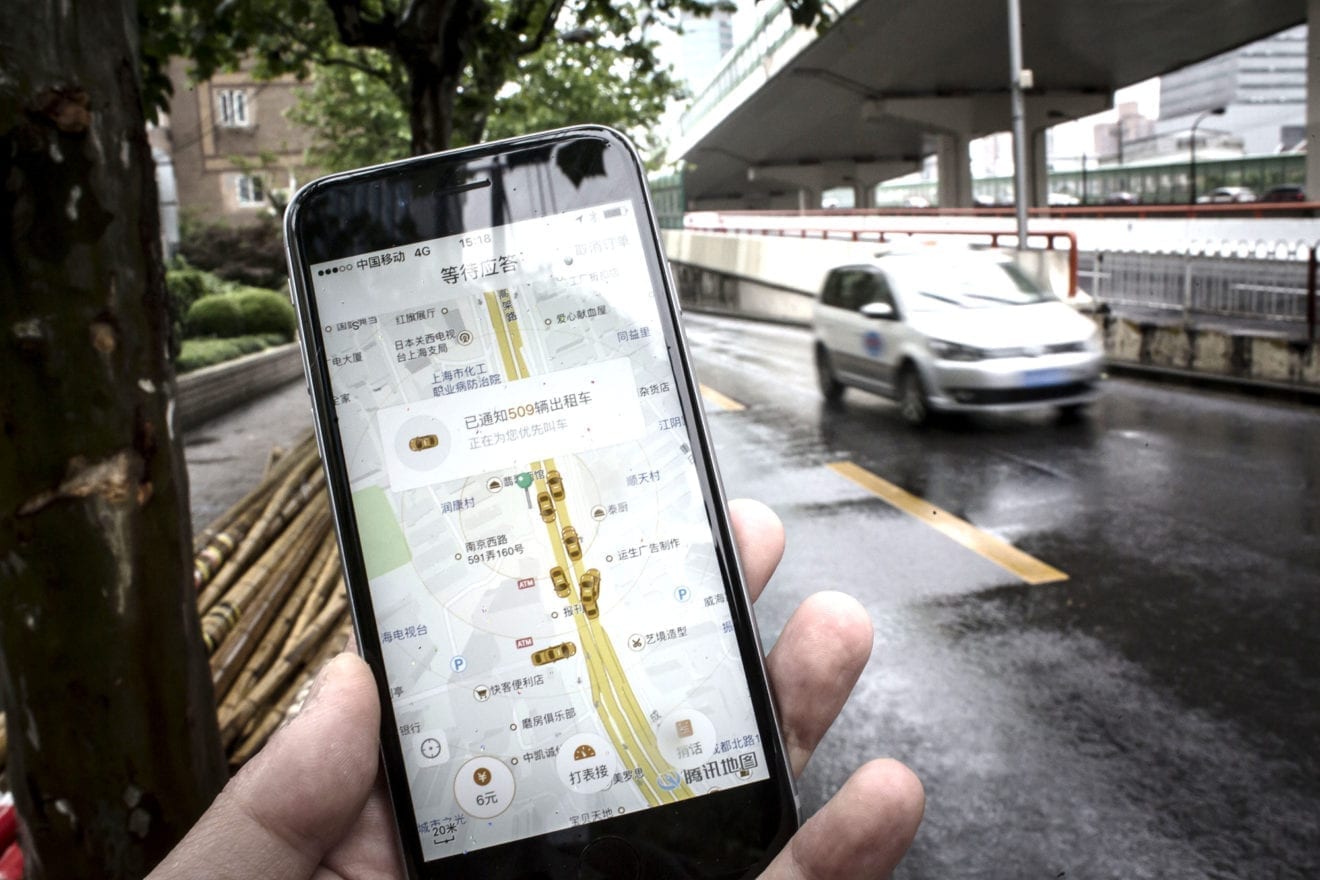
    Some private companies in Southeast Asia have found a foothold in advancing these solutions in the region. Smart mobility applications, such as those implemented by Indonesia’s Go-Jek and Singapore-based Grab, could create up to $70 billion in value across Southeast Asia, McKinsey said.

    Still, a thorough implementation of smart solutions would need government and the private sector complementing each other.

    “Smart solutions include an integrated mix of hardware, software and changes to the physical infrastructure,” said Mukund Sridhar, a McKinsey partner and co-leader of infrastructure practice in Southeast Asia.

    “Neither the public nor the private sector can build and run smart cities by themselves. Most infrastructure systems and critical services are public goods of which the public sector is the natural owner,” Sridhar said.

    Public goods, such as roads, can benefit from private-sector solutions. These include real-time road navigation apps such as Google Maps and Waze, which enable road users to avoid congested areas and accidents, saving them time.

    But roads can reach a point when it cannot accommodate more traffic, and that is when smart regulations are necessary. These include dynamic congestion pricing, which charges road usage fees adjusted dynamically based on road conditions and road speeds with higher fees charged during peak hours to reduce the number of private vehicles on the road, Sridhar said.

    “An example of this is Singapore’s electronic road pricing, or ERP, which has kept road speeds within ‘optimal’ range despite growth in the vehicle population,” he said.

    Sridhar said for countries like Indonesia to benefit from smart solutions and use it to overcome urban challenges, the government must lay out a clear roadmap on the role of the private and public sectors and implement it consistently.

    “It makes sense to identify those areas where city agencies can step back and make room for other players, including private-sector companies, state-owned utilities, universities, foundations and nonprofits,” he said.

  • Myanmar retail sector ringing up sales

    Myanmar retail sector ringing up sales

    Rising incomes, an expanding economy and changing consumer patterns are attracting a growing number of international brands to Myanmar. By fuelling competition amongst existing players, their presence is expected to trigger an improvement in the range and quality of products and services on offer.

    International attention has been driven by bullish retail growth, which has expanded by an average rate of 7-15% per annum since 2011.

    Daw Win Win Tint, managing director of leading retailer City Mart Group and president of the Myanmar Retailers Association, told OBG international bands are attracted to Myanmar’s strong economic growth and increasing consumer purchasing power.

    “The average basket of goods continues to grow by around 10% per year mainly due to increasing spending power in urban cities, especially Yangon, where salaries have risen significantly,” she said.

    Fast moving

    Several international brands have made forays elsewhere the retail supply chain, making strategic greenfield investments in local processing. In the fast-moving consumer goods (FMCG) segment, Carlsberg and Heineken both opened brewing factories in Myanmar earlier this year through joint ventures with local partners, and Japan’s Kirin acquired a 55% stake in market leader Myanmar Beer for $560m in August.

    While modern retail currently accounts for just 10% of the FMCG segment, Daw Win Win Tint expects restrictions on foreign retail chains entering the Myanmar market to be lifted sometime in the future. As local purchasing power grows and Myanmar consumers have greater exposure to foreign brands via the internet and international travel, demand in the FMCG segment in particular is expected to rise.

    “There needs to be more awareness of the potential of the FMCG sector, as Myanmar has a population of approximately 51m and the prospects of becoming a manufacturing hub for South Asia,” she told OBG.

    Rising tide of consumerism

    Industry observers forecast a surge in consumer activity in the coming years, with the McKinsey Global Institute predicting in mid-2013 that Myanmar’s GDP would expand by more than four-fold by 2030, from around $45bn to $200bn. The group also predicted that rising incomes would fuel expansion of the country’s consumer class, jumping from 2.5m to 19m over the period, with consumer spending to triple to $100bn per year.

    As the country liberalises its retail market, the division of consumer spending between domestic and international retailers could see a shift. Local consumption habits continue to favour local products, though this is largely due to availability. In the beer segment for example, Myanmar Brewery accounts for more than 80% of sales.

    Though Myanmar consumers may welcome the entry of new brands and chains, such a transformation is likely to be a strain on current operators, who will have to contend with high-profile rivals with international experience and economies of scale. This will force local retailers to adapt to the changing market, which should bolster the portfolio products on offer and promote market efficiency.

    Consumer spending

    In addition to the prospect of greater competition, a decline in consumer confidence has the potential to cool sales in the shorter term. Though consumer sentiment in Myanmar remains among the most positive in the region, according to the most recent MasterCard survey, there has been a recent dip in the outlook of shoppers.

    Myanmar’s rating on the latest consumer confidence index, issued at the end of July, slipped from a regional high of 97.2 in mid-2014 to 81.6. Although still ahead of the South-east Asian average of 71 – second only to Vietnam – the 15.6-point drop was one of the sharpest recorded over the period. Although Myanmar’s position on the MasterCard index may have eased somewhat, any rating above 50 suggests that consumers remain optimistic.

    Weaker sentiment could be due in part to upcoming elections, scheduled for November, though increasing inflation is also likely to be a factor. According to the IMF, inflation reached 8% at the end of May. While low compared to an average of 23% between 2001 and 2010, this represents an increase from the 5% and 6.1% registered in FY 2011/12 and FY 2012/13, respectively.

    The ongoing depreciation of the kyat and crackdown on dollarisation could also be impacting consumer confidence, with the currency falling some 25% year-to-date against the US dollar in August. In addition to affecting the price of foreign goods, this downward movement has also increased the cost of local goods that rely on imported components.