Tag: meat processing

  • Huat Lai Launches Five Frozen Poultry Products Under Little Farmer Brand

    Huat Lai Launches Five Frozen Poultry Products Under Little Farmer Brand

    Huat Lai Resources Berhad launched Little Farmer in Malaysia in October 2026, entering the retail frozen poultry category with five value-added chicken products processed from its domestic farming network.

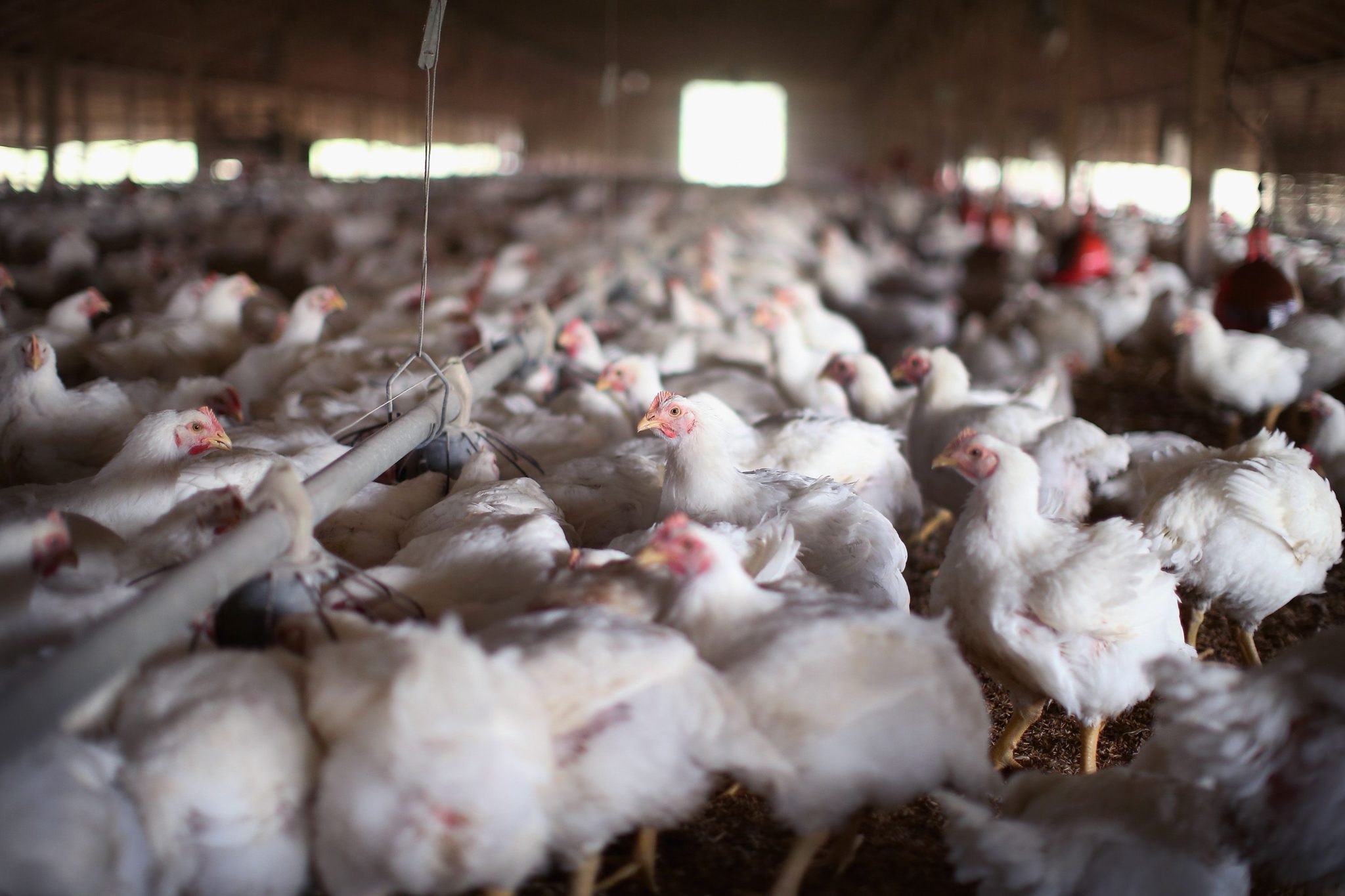
    The company is Malaysia’s largest supplier of Certified Humane cage-free eggs and one of the country’s biggest integrated poultry producers, giving the new consumer label immediate upstream supply support.

    The Initial Five-Product Retail Lineup

    Little Farmer debuts with Shiok Mamak Drumettes, standard Chicken Drumettes, Japanese Crispy Chicken Bites, Tempura Nuggets, and Tempura Nuggets Smokey Cheese. The lineup targets home cooks and quick-meal shoppers through supermarket freezer aisles, carrying the sub-brand tagline “Farm Goodness by Huat Lai”.

    Packaging across the range highlights “Nenek Approved” branding alongside the producer’s farm heritage. The push takes Huat Lai directly into value-added, packaged processed meats, a segment that commands higher margins than wholesale fresh broilers and commodity table eggs.

    Value-Added Processing vs Commodity Poultry

    Upstream livestock producers across Southeast Asia face steady margin pressure from volatile feed grain imports and local retail price controls on standard fresh chicken. Moving into cooked and breaded frozen meats lets producers capture processing margins that commodity wholesale contracts do not provide.

    Retail buyers in Malaysia have allocated more freezer space to local, halal-certified processed foods as shoppers look for convenient meal options. Little Farmer enters a competitive shelf already contested by established regional brands, meaning shelf velocity and distribution reach will matter more than brand heritage alone.

    Farm Integration and Certification History

    Huat Lai built its market position as an early adopter of commercial cage-free egg facilities in Southeast Asia, securing third-party animal welfare certification for its layer operations. That farming scale provides complete traceability for its meat processing lines.

    Controlling feed, breeding, and processing under one corporate umbrella protects product consistency across the new retail line. It also allows Huat Lai to absorb wholesale supply fluctuations that pure-play food packagers must buy through open contracts.

    Retail Expansion to Watch

    The company is deploying Little Farmer across Malaysian grocers and modern trade outlets through the final quarter of 2026. Store distribution numbers and potential category extensions into raw chilled cuts will determine how much supermarket market share the brand takes in 2027.
  • Baiada Opens Tamworth Plant to Process 1.5 Million Chickens Weekly

    Baiada Opens Tamworth Plant to Process 1.5 Million Chickens Weekly

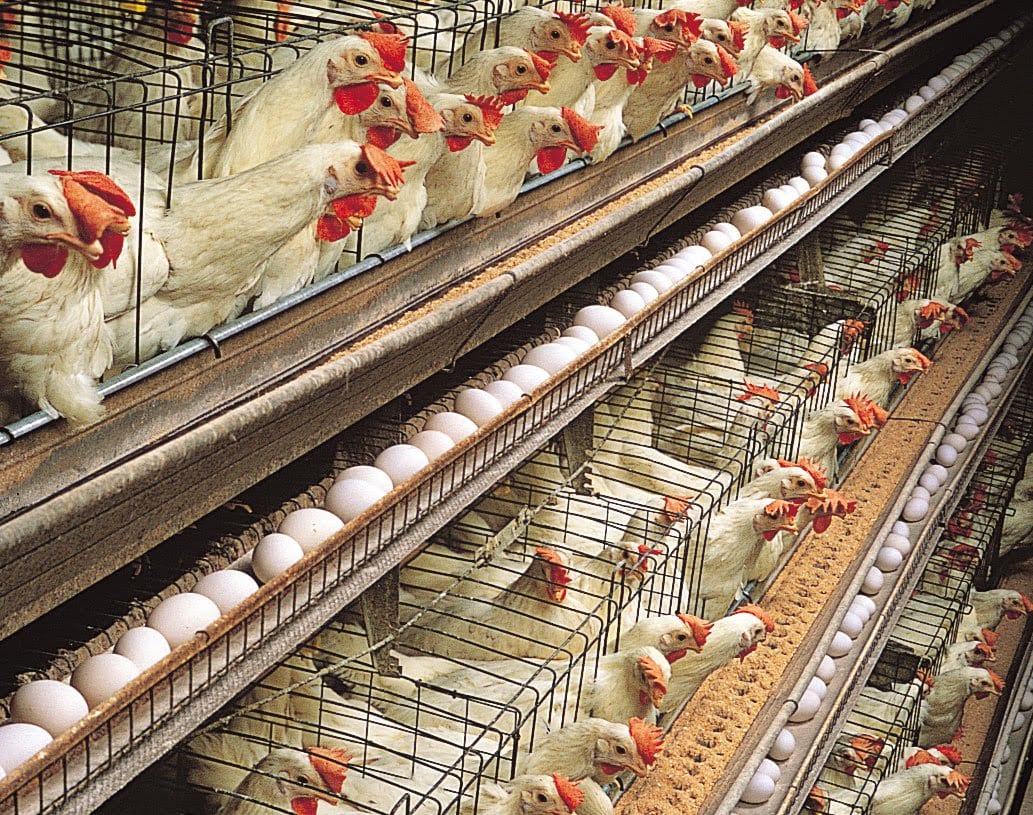
    Australian poultry producer Baiada opened its processing facility in Tamworth on September 16. The site began operations with a weekly capacity of 1.5 million chickens.

    The plant ranks among Australia’s largest regional food manufacturing investments. It supplies fresh poultry directly to domestic supermarket chains and commercial food service operators.

    Automation and Weekly Processing Volume

    Managing Director Simon Camilleri and Chairman John Camilleri launched the site as an integrated manufacturing hub. It combines automated processing lines, updated environmental controls and expanded worker facilities. These systems handle high-volume throughput with fewer bottlenecks.

    Processing 1.5 million birds every seven days gives Baiada immediate scale in northern New South Wales. The company built the site to centralise slaughter, cut-up and packaging closer to regional farming networks. That proximity cuts transit times for live birds.

    Supply Chain Pressure and Regional Competition

    Supermarket retailers Woolworths and Coles rely on Baiada for private-label and branded fresh poultry lines. By lifting throughput in Tamworth, Baiada adds capacity to protect volume commitments against rival processors like Ingham’s during peak seasons.

    Concentrating volume in a single regional facility raises operational exposure. Automated meat plants require uninterrupted cold-chain logistics and steady local labour pools to maintain target line speeds. Local disruptions can quickly ripple into retail distribution centres across eastern Australia.

    Long-Term Capacity Targets

    Baiada planned the Tamworth project to replace aging regional infrastructure and meet steady domestic consumption gains across wholesale and grocery channels. Past supply constraints across New South Wales pushed processors to build facilities that cut unit electricity and water usage per processed bird.

    Attention now turns to whether Baiada ramps line capacity beyond its initial 1.5 million weekly baseline toward peak engineered volume over upcoming processing cycles.

  • Woolworths to Drop Tasmanian Beef Sourcing in 2027 over Rising Freight Costs

    Woolworths to Drop Tasmanian Beef Sourcing in 2027 over Rising Freight Costs

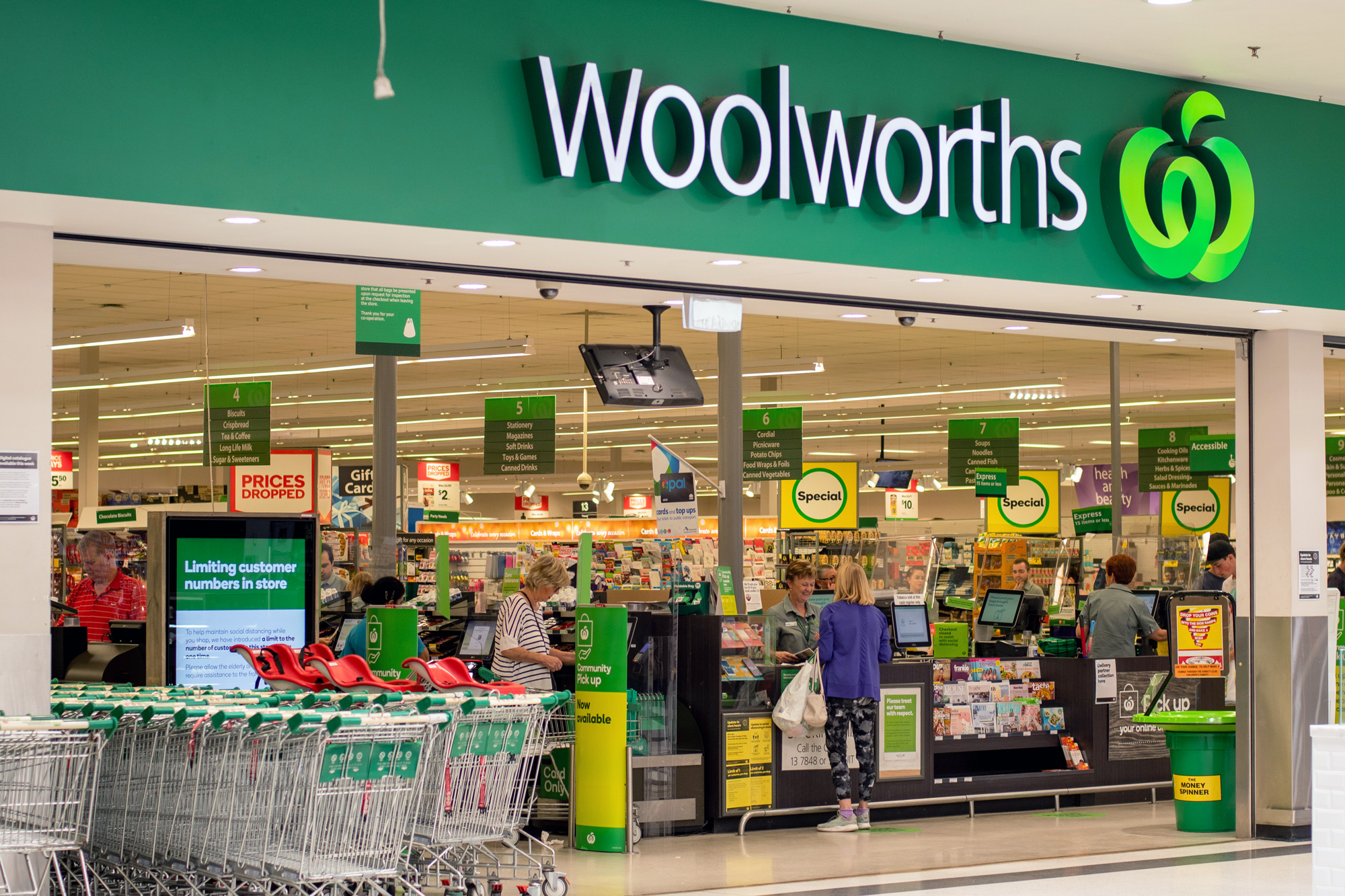
    Woolworths will stop selling Tasmanian beef across its supermarket network from 2027, ending a supply pipeline of 80 cattle per week. The Australian grocer is cutting ties with meat processor JBS Foods and its Longford abattoir after shipping expenses across Bass Strait made island sourcing unviable.

    Rising production expenses and maritime freight rates prompted the decision to consolidate beef procurement on the mainland. Tasmanian beef producers, including long-term suppliers such as farmer Jerrod Nichols, now face finding alternative buyers in an increasingly volatile livestock market.

    Freight Pressures Across Bass Strait

    Transporting livestock and processed meat across Bass Strait requires dedicated cold-chain shipping that adds fixed overheads to wholesale purchasing costs. Supermarket operators have faced mounting transport inflation across island supply chains over the past three years. Woolworths concluded those logistics costs could no longer be absorbed without passing price increases directly to shelf prices.

    The exit shows how major retailers across Asia-Pacific are rationalizing local sourcing contracts in favour of centralized, lower-cost mainland processing hubs. When transport costs spike, regional supply arrangements often become the first casualty in margin defense strategies.

    Supply Pipeline Until 2027

    Local farmers will continue to supply the supermarket giant for the remainder of the current agreement. Woolworths confirmed it will maintain its regular weekly intake through the end of 2026 before shifting volume to its existing mainland abattoir partners.