Tag: Mecca

  • ELF Beauty Raises Outlook as Q2 Net Sales Climb 51% to US$520.8 Million

    ELF Beauty Raises Outlook as Q2 Net Sales Climb 51% to US$520.8 Million

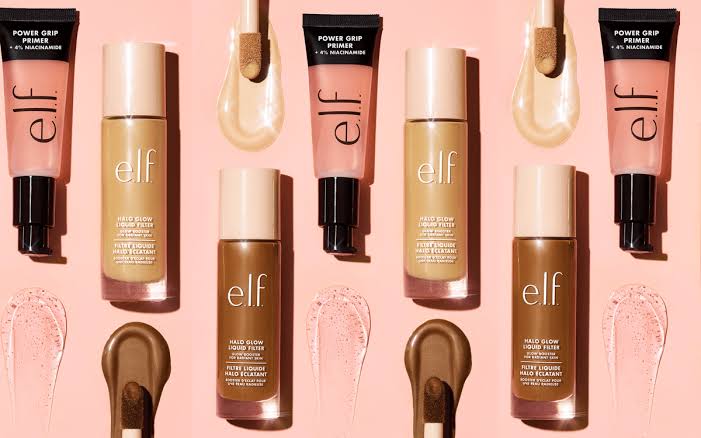
    ELF Beauty has raised its full-year outlook following a strong second quarter ended September 30, driven by organic momentum and expansion from Hailey Bieber’s brand Rhode.

    Net sales advanced 51 per cent year-on-year to US$520.8 million (A$755.9 million) during the three-month period. Over the same quarter, net income climbed to about US$30 million (A$43.5 million), up from just under US$3 million (A$4.4 million) a year earlier.

    The company now projects full-year net sales to increase between 22 per cent and 24 per cent, compared with an earlier projection of 18 per cent to 20 per cent. It lifted adjusted EBITDA expectations to a band of US$421 million to US$427 million, while adjusted diluted earnings per share are projected at US$3.82 to US$3.86.

    Wholesale Pipeline Drives International Volume

    International sales advanced 165 per cent during the period, lifted by initial stocking shipments for Rhode’s retail debut across European Sephora doors. Domestic net sales inside the United States rose 25 per cent.

    Organic revenue across the group climbed roughly 35 per cent. Rhode added 16 percentage points to total top-line growth during the final four weeks before e.l.f. Reached the one-year anniversary of the buyout on August 5, after which the brand rolled into organic calculations.

    Volume contributed 31 percentage points of overall company growth, while price adjustments and product assortment added 20 percentage points. Gross margin widened 160 basis points to 71 per cent, supported by a 30-basis-point lift from tariff refunds.

    Adjusted EBITDA rose 86 per cent to US$123 million. Adjusted net income reached US$73 million, translating to US$1.21 per diluted share compared with US$0.68 a year ago.

    Margin Pressures and Retail Channel Costs

    The financial payoff from rapid retail placement will narrow over the next two quarters. Management warned that adjusted EBITDA margins will settle in the low teens through the second half of the fiscal year.

    Operating costs are climbing as the group funds marketing programs alongside physical build-outs for Rhode across specialty beauty retailers. Price competition in mass retail also limits pricing flexibility, prompting leadership to redirect tariff recoveries toward shelf pricing and promotional spending.

    For retail buyers and department store operators across Asia-Pacific, Rhode’s rollout shows the operational strain of backing viral social brands. The group faces immediate working-capital demands to support store stock levels without dragging down profitability.

    Execution risks now sit inside inventory control. Retailers carrying colour cosmetics face tighter sell-through windows, meaning any plateau in consumer demand leaves distributor channels burdened with excessive inventory.

    Annualising Regional Expansions

    Second-half performance faces harder annual comparisons after heavy channel rollouts during the prior fiscal cycle. That base includes Rhode’s introduction into MECCA doors across Australia and New Zealand, alongside e.l.f. Shelf expansions at Ulta Beauty, German drugstore chain dm, and Naturium’s rollout across Walmart counters.

    Second-half net sales growth will moderate to between 7 per cent and 10 per cent, with third-quarter gains running ahead of that rate and fourth-quarter growth dropping below it.

    The company expects full-year organic sales growth of 9 per cent to 11 per cent, revised upward from earlier guidance of 6 per cent to 7 per cent. Digital and marketing investments absorbed 21 per cent of second-quarter net sales, lower than budget allocations due to campaign timing shifts.

    Attention turns to retail reorder patterns across overseas doors when e.l.f. Beauty reports third-quarter financial figures.
  • Marketplaces Surpass Specialist Beauty Retailers in Australia as Online Market Nears $2.2B

    Marketplaces Surpass Specialist Beauty Retailers in Australia as Online Market Nears $2.2B

    Marketplaces outpaced Australia’s leading beauty chains online for the first time in late 2025, taking e-commerce sales past the combined total of Mecca, Sephora, Adore Beauty and Chemist Warehouse.

    The shift comes as Australia’s online beauty and personal care market heads toward 47 per cent growth to reach $2.2 billion by 2030, according to Pattern’s State of Beauty & Personal Care in Australian Ecommerce report.

    Amazon Expands Category Grip

    Online marketplaces generated roughly $200 million in Australian beauty sales during the fourth quarter of last year. That total cleared the $199.3 million recorded by Mecca, Sephora, Adore Beauty and Chemist Warehouse combined.

    Amazon drove much of the advance. Its local beauty and personal care turnover rose by $66.7 million year on year, lifting the marketplace operator to a 19.9 per cent share of Australia’s total online beauty spend.

    Shopper intent points to further gains. Pattern found 71 per cent of Australian digital beauty shoppers plan to purchase products on Amazon over the next twelve months, while 43 per cent say they will switch to an alternative brand if their first choice is out of stock.

    Consumers aren’t thinking about a brand’s distribution strategy. They simply expect beauty products to be available through the channels they use, and they’re willing to switch brands for that convenience.

    Fragmented Social Discovery Funnels

    Discovery patterns are pulling shoppers away from traditional storefront browsing. Nearly half of surveyed beauty shoppers reported buying items based on creator recommendations, compared to just 15 per cent across non-beauty retail sectors.

    Instagram and Facebook each shaped purchase intent for 47 per cent of beauty shoppers, followed closely by YouTube and TikTok. Yet discovering an item on social networks rarely results in a direct in-app checkout.

    Instead, 39 per cent of buyers who spot products on social feeds complete their transactions on standalone retailer or brand websites. Another 32 per cent head directly to Amazon to finish the order.

    Algorithmic Search and AI Assistants

    Artificial intelligence assistants are now actively routing consumer purchase paths. The data shows 38 per cent of Australian beauty shoppers use AI tools more frequently than they did last year to search for products online.

    Roughly 27 per cent of consumers have relied on ChatGPT or comparable conversational tools to research or buy cosmetics, and 55 per cent express confidence in AI-generated product advice. Global beauty conglomerates are taking notice: Estée Lauder Companies recently partnered with marketing startup Profound to optimize brand visibility across generative platforms including ChatGPT and Google Gemini.

    What the Shift Means for Specialty Retail

    For dedicated beauty retailers, the loss of market share to general merchandise marketplaces threatens the high-margin basket sizes that have long supported domestic store networks. Department stores and specialty chains can no longer rely on exclusive supplier arrangements to protect digital footfall when marketplace logistics offer faster shipping and lower barriers to checkout.

    Brand owners face an equally sharp operational trade-off. Direct-to-consumer storefronts carry heavier customer-acquisition costs as search engines and social platforms shift toward algorithmic discovery, forcing brands to list on Amazon or risk losing sales to competing formulations.

    The critical metric for retailers heading into 2027 will be whether specialist chains can defend their remaining 80 per cent market share as marketplace volume accelerates toward the $2.2 billion category ceiling.

  • 48% Of High-Income Australian Shoppers Plan to Boost Spending

    48% Of High-Income Australian Shoppers Plan to Boost Spending

    Nearly half of high-income Australian shoppers plan to increase retail spending over the next twelve months. In contrast, 43 per cent of lower-income households plan to cut purchases.

    Preliminary data from the OC and C Strategy Consultants Retail Proposition Index shows 48 per cent of affluent consumers expect to spend more across core categories. Only 24 per cent of lower-income buyers said the same.

    This divergence forces Australian retailers to rethink operating models built around uniform discounts. Affluent shoppers want differentiated services over price cuts. In the survey, 61 per cent said they would pay higher prices for superior quality or customer experience. Among lower-income shoppers, only 38 per cent said they would pay more for quality.

    Cost Cuts Collide With Customer Retention

    Widening spending gaps expose the limits of blunt restructuring programmes. Retailers that cut staff and trimmed inventories to protect margins in financial year 2026 often saw foot traffic and repeat visits erode.

    Endeavour Group, operator of Dan Murphy’s and BWS, delivered 70 million Australian dollars in cost savings during FY26. Total retail sales remained flat. Dan Murphy’s dropped 10 positions on the Retail Proposition Index between 2024 and 2026, showing that cost cuts without offer improvements damage market standing.

    Spending cuts alone cannot carry long-term earnings. Stripping labour or narrowing product assortment offers quick margin relief, but prolonged austerity damages shopper loyalty faster than executive teams anticipate.

    Reinvestment Separates Winners in Mass Grocery

    Woolworths paired restructuring with direct operational reinvestment. The supermarket major completed 400 million Australian dollars in annualised cost savings by the first half of FY26.

    Management channelled those funds back into entry-tier price points, shelf availability, and store convenience. OC and C survey metrics show Woolworths lifted its scores on both value for money and product range between 2024 and 2026, keeping customer retention intact while lowering overheads.

    Across the wider Asia-Pacific region, the contrast between Woolworths and Endeavour clarifies capital allocation rules. Removing administrative duplication or automating back-office workflows works only if freed capital protects the core customer offer.

    Loyalty Schemes Fail as Revenue Substitutes

    Reward programmes cannot substitute for competitive baseline offerings. Shoppers consistently ranked price, product value, and underlying quality above loyalty point balances when choosing where to make repeat purchases.

    Department store operator Myer expanded its Myer One loyalty programme to 5.3 million active members in FY26. Even with that larger user base, the company’s equity valuation stayed subdued as core store productivity lagged behind specialist rivals.

    Beauty specialist Mecca captured higher-spending shoppers by investing in store formats and physical services. Its flagship Melbourne store draws approximately 50,000 visitors every week by bundling product trials, consultations, and interactive brand stations into a single footprint.

    Operating Pressures Ahead for Retail Boards

    Executive teams entering the next financial cycle must manage two distinct consumer profiles simultaneously. Value chains need to defend entry price points and inventory availability for cash-strapped households. Premium brands must justify price tags through specialist staffing and exclusive assortments.

    Mid-tier operators that fail to pick an end of the barbell face the steepest risk. Retailers caught between rising store lease expenses and an indecisive store concept face margin compression from both sides of the income spectrum.

    OC and C Strategy Consultants will publish the full Australian Retail Proposition Index later this quarter, detailing brand rankings across department stores, apparel, and grocery.

  • Mecca Opens 285-Square-Metre Store at Sydney International Airport

    Mecca Opens 285-Square-Metre Store at Sydney International Airport

    In September 2026, Mecca opened a 285-square-metre retail space in Sydney’s T1 International terminal, marking the Australian beauty brand’s first international airport store.

    The footprint sits inside the Heinemann Tax and Duty Free concession, trading standard duty-free product walls for interactive service stations and dedicated brand zones. That footprint is roughly half the size of a standard Mecca high-street flagship, forcing the retailer to compress its inventory into high-velocity skincare, cosmetics, and travel exclusives.

    Shifting airport beauty from transaction to service

    Airport beauty retail across Asia-Pacific has historically relied on branded island counters, multi-buy discounts, and quick transactions before boarding gates call. Operators like Shilla, Lotte, and Heinemann have traditionally built duty-free concessions around volume and liquor-tobacco margins rather than high-touch advisory services.

    Mecca is testing whether hands-on consultations, application stations, and curated indie labels can extract higher basket values from outbound passengers who have cleared customs with dwell time to spare. The risk falls on staffing costs and turnaround speed: consultative beauty takes ten to twenty minutes per shopper, a cadence that clashes directly with flight departure windows.

    Heinemann’s concession strategy in Sydney

    For Heinemann, integrating a domestic specialty powerhouse allows the German travel retailer to defend sales against competing downtown duty-free stores and suburban flagship locations. Domestic travelers familiar with the Mecca brand loyalty ecosystem get an immediate reason to spend before departure rather than waiting for overseas destinations.

    Sydney Airport restructured its T1 luxury and retail precincts over recent years to capture higher average spends from returning international traffic, particularly routes across East Asia and North America. Adding specialized domestic operators inside wholesale duty-free concessions gives landlords a blueprint to raise sales per square metre without carving out independent tenancy leases.

    The travel retail rollout pipeline

    The Sydney terminal opening establishes the operating template Mecca needs before negotiating similar airside locations in Melbourne, Brisbane, or Auckland. The immediate metric to monitor is sales productivity per square metre against Heinemann’s conventional multi-brand cosmetic floorplates during peak morning departure banks.

  • Bandai Namco Unveils First Gundam Base Flagship in Hong Kong: A Mecca for Gundam Enthusiasts & Collectors

    Bandai Namco Unveils First Gundam Base Flagship in Hong Kong: A Mecca for Gundam Enthusiasts & Collectors

    Bandai Namco Asia has announced the opening of Hong Kong’s inaugural The Gundam Base flagship store. The store, which will be located in Kai Tak’s Twins Tower II in Kowloon, will span an impressive 4,500 square feet.

    The Gundam Base: An Interactive Experience

    The Gundam Base flagship is set to provide a comprehensive shopping and brand experience. The store will feature an array of Gundam model kits, themed exhibitions, interactive building zones, and exclusive merchandise.

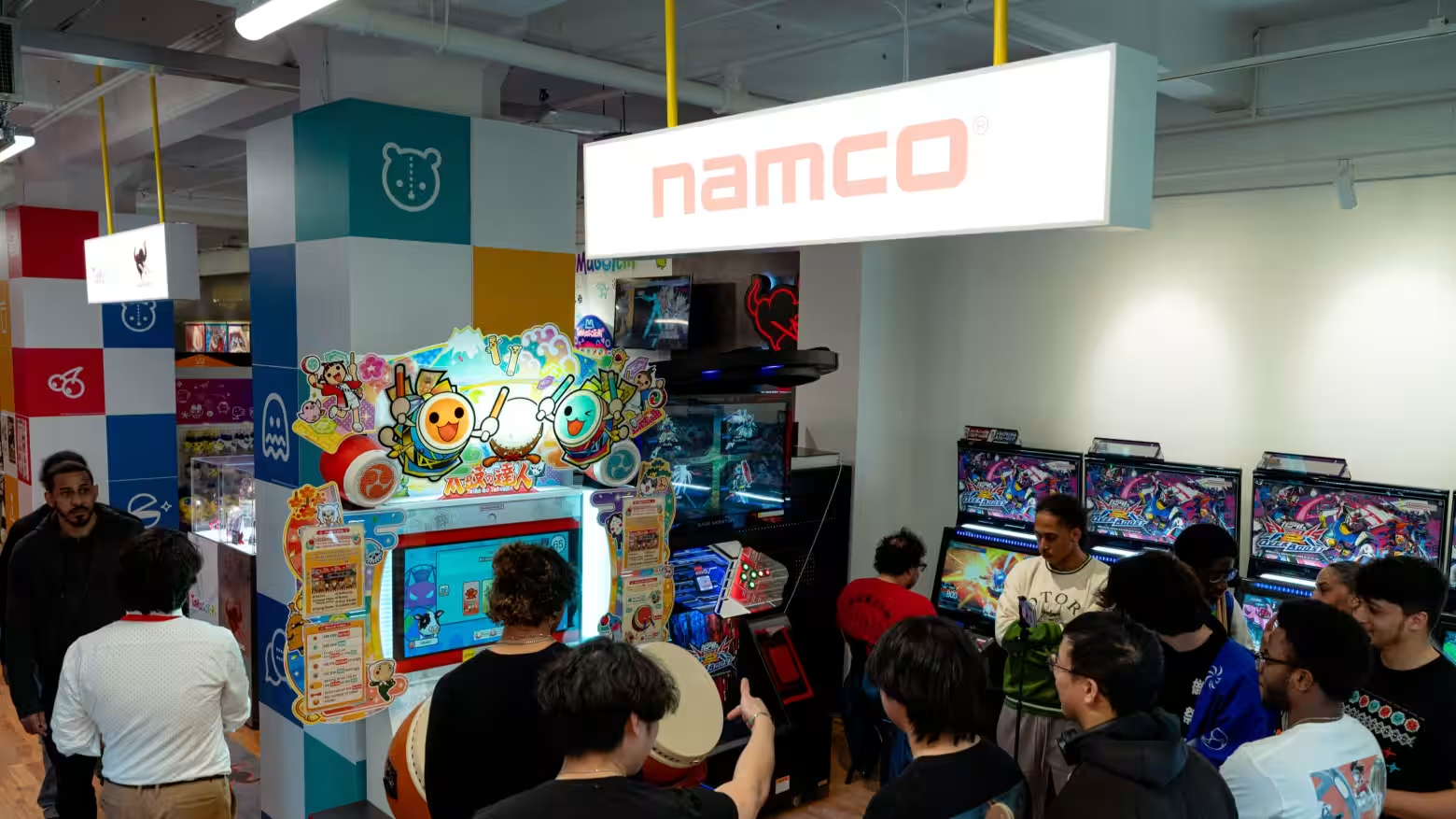
    As visitors approach the store, they will be welcomed by a one-to-two scale giant bust statue of the main character’s mobile suit from Mobile Fighter G Gundam. This impressive display from the storefront sets the tone for the immersive experience inside.

    Once inside, customers will have the opportunity to explore various displays featuring protagonist suits from the Mobile Suit Gundam series. These installations will allow visitors to trace the evolution of the franchise’s design and engineering.

    Exclusive Merchandise and Collectibles

    With a strong emphasis on The Gundam Base exclusives, the store will offer over 100 Gundam models and themed collectibles. Fans can look forward to limited-edition releases such as three models from the Pop-up World Tour range. These special items include the RG 1/144 RX-78-2 Gundam Ver.2.0 (The Gundam Base limited colour), the MG 1/100 Wing Gundam Zero EW Ver.Ka (recycled colour/neon pink), and the MG 1/100 Gundam Astray Red Frame (recycled colour/neon pink).

    In addition to model kits, the store will also offer a range of Gundam-themed merchandise. The assortment will include card games, premium figures, apparel, and plush toys, catering to the diverse interests of Gundam enthusiasts.

    A Replica of Bandai’s Production Environment

    Further enhancing the unique shopping experience, the store will feature a dedicated Gundam Factory Zone. This zone is designed to mimic Bandai’s production environment, complete with materials that simulate real assembly lines.

    Engaging Workshops for All

    The store will also feature an event space that will host regular model-building workshops. These workshops, led by skilled instructors, aim to cater to both beginners and experienced builders.

    Questions & Answers

    What is the flagship store going to offer?
    The flagship store will offer an immersive shopping and brand experience including Gundam model kits, themed exhibitions, interactive building zones and exclusive merchandise.

    What types of merchandise can visitors expect at the store?
    Visitors can expect over 100 Gundam models and themed collectibles, with an emphasis on The Gundam Base exclusives. Limited-edition items, Gundam card games, premium figures, apparel, and plush toys will also be available.

    What activities will the store host?
    The store will host regular model-building workshops for both beginners and experienced builders. These workshops will be led by experienced instructors.

  • Australia’s Mecca opens in China

    Australia’s Mecca opens in China

    Australian beauty retailer Mecca is entering the competitive Chinese market and launching its luxury flagship store at the online marketplace Tmall today.

    Known for its curation of niche and luxury local and international cosmetics, the brand has launched an edit of 22 first-to-market brands at its Tmall store, including its private-label brands, Mecca Brands and Mecca Max. Mecca’s Beauty Loop loyalty program will also now be available to Chinese customers.

    “I started Mecca with the desire to make every customer look and feel their best. From our very first store in the Melbourne suburb of South Yarra, to now launching in China our second international market, we have stayed true to this philosophy over the last 23 years,” said Mecca founder Jo Horgan in a statement.

    “I am thrilled that we are assisting Chinese customers, some of the most well-informed beauty shoppers in the world, to unearth incredible new brands and products and know that once they experience the Mecca magic, it will be love at first ‘add to cart’.”

    Celebrations will kick off today in Shanghai in the penthouse of luxury hotel Middle House, and will be attended by more than 100 Chinese media and key opinion leaders, while Horgan live streams from Melbourne.

    Horgan opened Mecca’s first shop in 1997 and the well-loved beauty business has since grown to 100 stores in Australia and New Zealand, along with e-commerce in both markets.

    “The idea was to bring these innovative brands into a service-driven, luxury boutique environment where women could shop across all brands and customize the product offer to suit their specific needs and wants,” Horgan said back in 2017.

    “Our goal was to take someone from a beauty novice to feeling like an expert in a single session, and for a makeup artist to feel like they had found their nirvana – we really wanted everyone to feel welcome, in control and walking out having had a great time.”

    While some beauty brands have avoided the Chinese market as legislation mandates cosmetic products in government laboratories must be tested on animals, many others such as Rihanna’s Fenty Beauty and The Body Shop have found a loophole by selling on cross-border e-commerce platforms such as Tmall and JD.

    Several brands now available at Mecca’s Tmall store are vegan and cruelty-free.

    According to a report from AlixPartners last year, 90 percent of those Chinese millennial customers surveyed indicated that purchasing ‘healthy or clean products’ was of importance to them.

  • Mecca opens newest cross-concept store in Christchurch CBD

    Mecca opens newest cross-concept store in Christchurch CBD

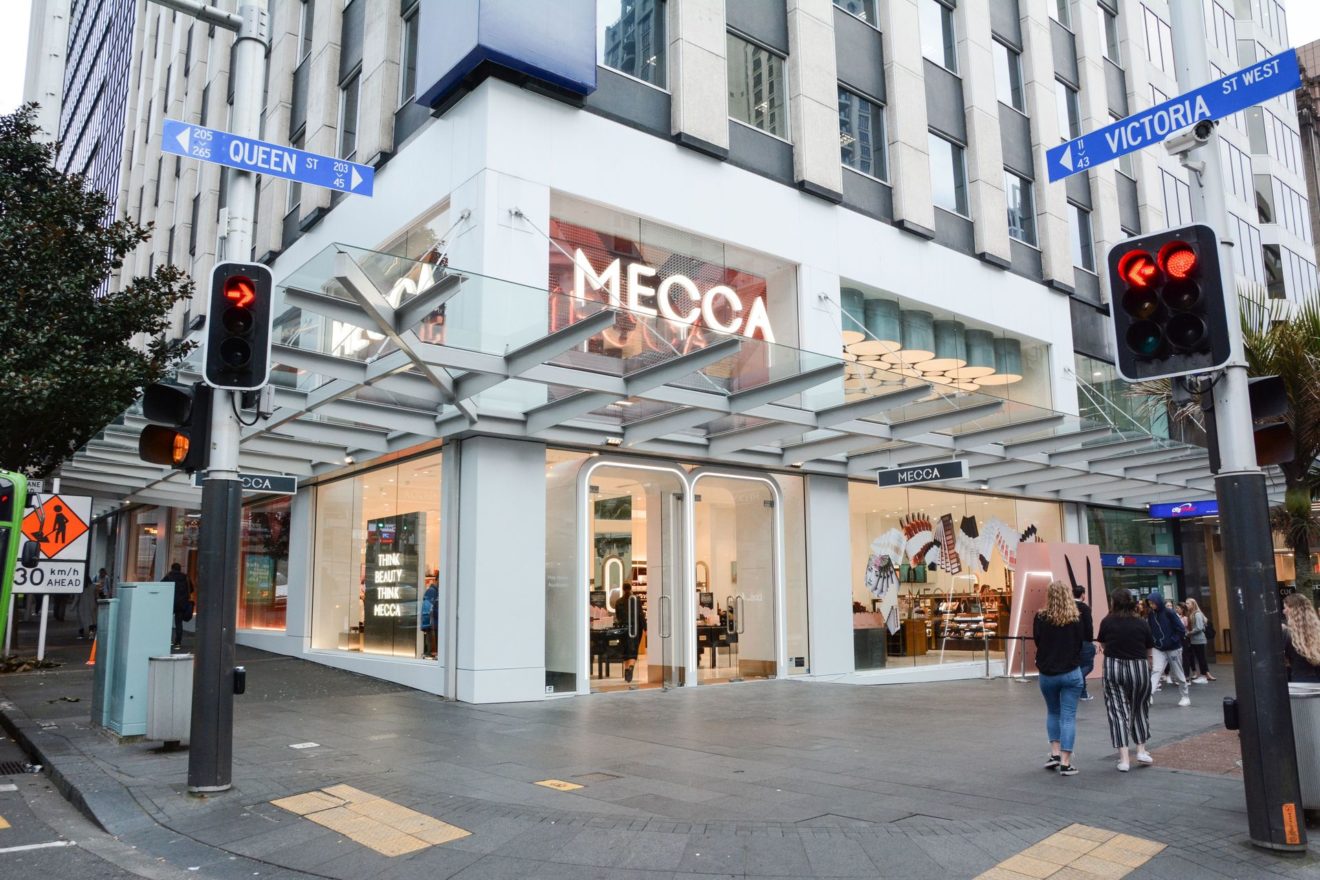
    Beauty retailer Mecca has opened its newest cross-concept store, combining its Mecca Cosmetica and Mecca Maxima offerings, in the heart of Christchurch’s CBD.

    The new 224sqm store houses more than 75 of the world’s most sought-after brands of makeup, fragrance and skincare products.

    It also features a Perfumeria, housing brands such as Le Labo and Frederic Malle, and three ‘Play Bars’ which will provide customers with space to experiment with the latest beauty buys and learn new techniques.

    Eight additional makeup stations have been made available for applications, consultations and beauty treatments.

    According to the retailer, the Garden City store is the first of its kind on the South Island.

    Carly Emery, Mecca’s New Zealand country manager, said it was a natural next step was to bring a bigger, brighter Mecca to Cantabrians, following
    the success of its Auckland and Wellington stores.

    “Our Mecca Auckland and Mecca Wellington stores have been so well received and given the great development happening in Christchurch lately, we didn’t think twice about bringing our latest concept to the city,” Emery said.

    The brand made its initial foray into Christchurch in 2009 with the launch of Mecca Cosmetica Ballantynes, just weeks before the devastating earthquake. Mecca supported its staff throughout the extensive rebuild period, including providing alternative employment opportunities within other regions where possible.

    The retailer said it had to close its Mecca Maxima ANZ Centre, which opened its doors in 2016 and was the first of its kind in the country, to make way for the concept store. Its 17 employees carried over into the new store and an additional five staff members have been added to the team.

  • Mecca to open its biggest store ever

    Mecca to open its biggest store ever

    Beauty retailer Mecca is opening its biggest store yet at Westfield Parramatta on Friday, June 7.

    The 500sqm store brings the retailer’s Maxima and Cosmetica concepts together and offers over 100 beauty brands in one large-format location.

    “We are so delighted to unveil our latest and greatest Mecca store,” Mecca founder Jo Horgan said.

    “We really wanted to offer Mecca’s entire brand line-up in the one location, in an environment that was both glamorous and service-centric but also with new innovations to make it a truly unique shopping experience.”

    The store features Mecca’s first dedicated ‘skin space’, where customers can enjoy skincare consultations and services including a personalised, complimentary ‘skin review. The reviews will take approximately 30 minutes and will help customers learn about the skincare they should be using for their skin.

    Additionally, the store features the Mecca Beauty Lab program, where customers can book a place in a beauty workshop. A Mecca expert will teach participants the skills they need to properly utilise the make-up sold in-store.

    During opening day, the first 200 customers in line will receive a free bonus with purchase, while anyone who spends over $85 will be able to choose a gift from a pool of prizes worth over $100,000.

  • Amorepacific Group to expand in Australia

    Amorepacific Group to expand in Australia

    Amorepacific Group, the L’Oreal of Korea, is ramping up its presence in the Australian and New Zealand markets, as demand for Korean beauty products remains unabated. Over the last several months, the company has set up a head office in Melbourne under the direction of country manager Caroline Dunlop, launched its global luxury brands Amorepacific and Laneige at Mecca Cosmetica and Sephora, respectively, and opened two bricks-and-mortar stores under the banner of its popular natural beauty brand Innisfree in Melbourne. A third Innisfree store is due to open before the end of the year.

    Amorepacific Group said it will continue to further ramp up its expansion into the Oceania region after having closely studying the Australia and New Zealand beauty markets and their customers for several years. The company noted that Australia ranks among the the top five countries in the world for average cosmetics spending per person.

    “Australian and New Zealand customers are beauty conscious; taking great interest in global beauty trends and cosmetic ingredients. They also put a significant amount of time and effort into taking care of and protecting their skin against environmental factors in the region. In addition, their preference for natural makeup and healthy skin has led to a growing interest in K-beauty,” the group said in a statement.

    Amorepacific is far from the only beauty retailer moving to capitalise on the booming beauty sector, but it may be better equipped than most to do so. The company is Korea’s oldest and largest beauty business, recording around US$6 billion ($8.5 billion) in annual sales, and has a physical presence in Asia, North America, Europe and Oceania.

    “I am so pleased to introduce Amorepacific Group’s global brands … to Australia and New Zealand this year,” Dunlop said.

    “These much-loved brands have enthralled customers around the world, and K-beauty has grown into a beauty category in its own right. As a K-beauty leader, Amorepacific Group is driving innovative beauty trends globally. Through Amorepacific Group, customers will be able to experience and benefit from the long-established expertise and true essence of Asian Beauty.”

  • Mecca’s maximum store opens in Australia

    Mecca’s maximum store opens in Australia

    Cosmetics retailer, Mecca Maxima, has opened its largest store at ISPT-owned Wintergarden in Brisbane last Friday.

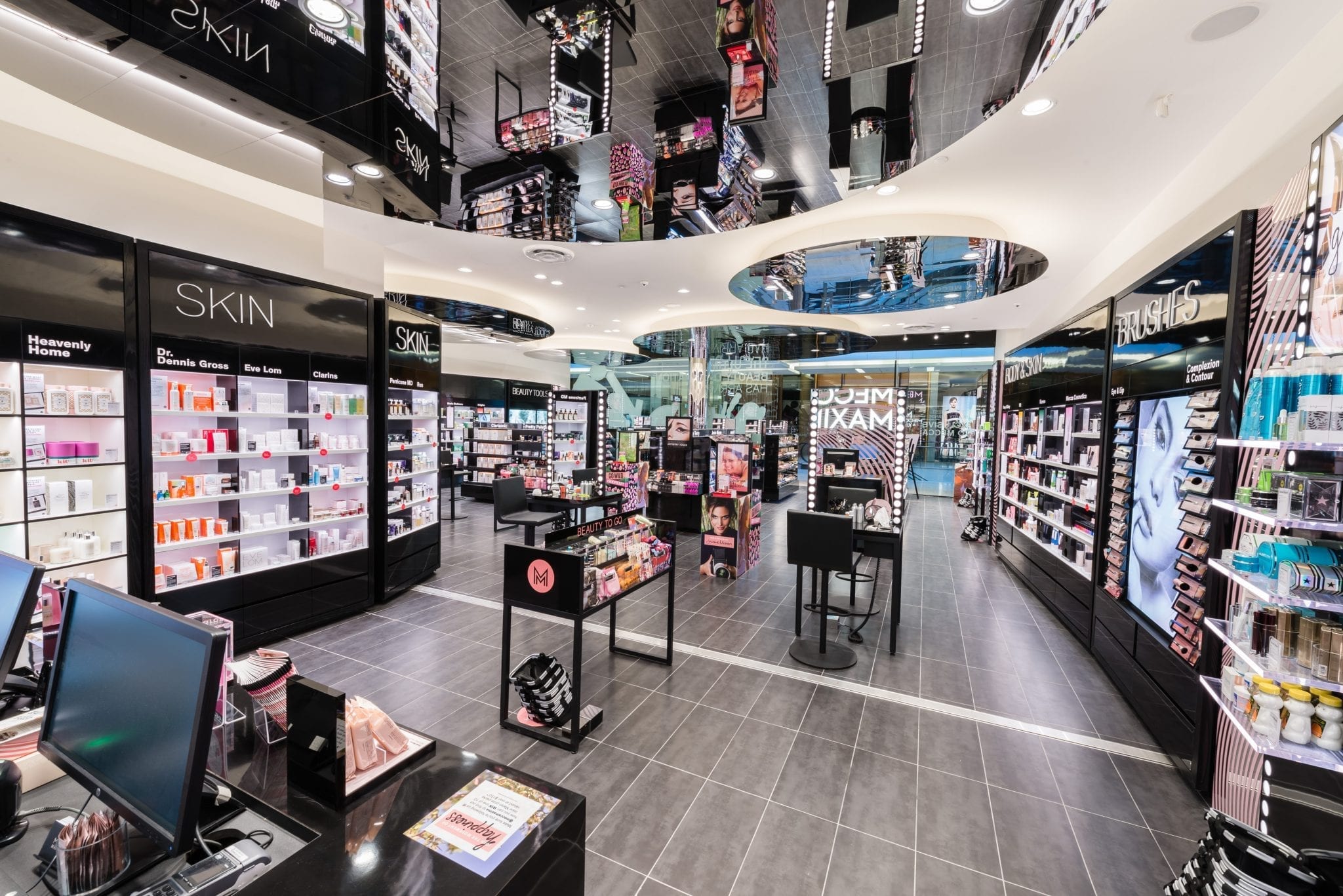
    The 553sqm next generation Mecca Maxima store will be home to more than 60 of the world’s leading cosmetics and skincare brands including exclusive brands NARS, Too Faced, Urban Decay, Smashbox, bareMinerals and Hourglass, as well as Mecca’s newest signature line, Mecca Max.

    Leah Mienert, ISPT spokesperson, said the opening of the largest Australian Mecca Maxima store is a coup for Wintergarden and ISPT and showed the Queen Street Mall was fast becoming a world class fashion and lifestyle retail precinct.

    “The launch of the largest Australian Mecca Maxima store alongside flagship stores from the world’s leading fashion retailers including Zara, H&M and Uniqlo has put Brisbane’s Queen Street Mall firmly on the global fashion and retail map,” she said.

    Mienert said the Queen Street Mall is emerging as a globally recognised retail precinct and a sought-after destination for leading Australian and international retailers, attracting in excess of 26 million people each year and generating annual sales of over $1 billion.

    Mienert said the Mecca Maxima announcement was the first of a number of other announcements for Wintergarden, with more new stores to be opened before Christmas.

    ISPT also owns other Queen Street Mall retail destinations including the redeveloped 155 Queen Street which houses the three-level flagship Zara store and 170 Queen Street, which contains both the H&M and Uniqlo flagship stores.