Tag: Medicine

  • Bemoody: Revolutionizing PMS Care With Holistic, Science-backed Solutions

    Bemoody: Revolutionizing PMS Care With Holistic, Science-backed Solutions

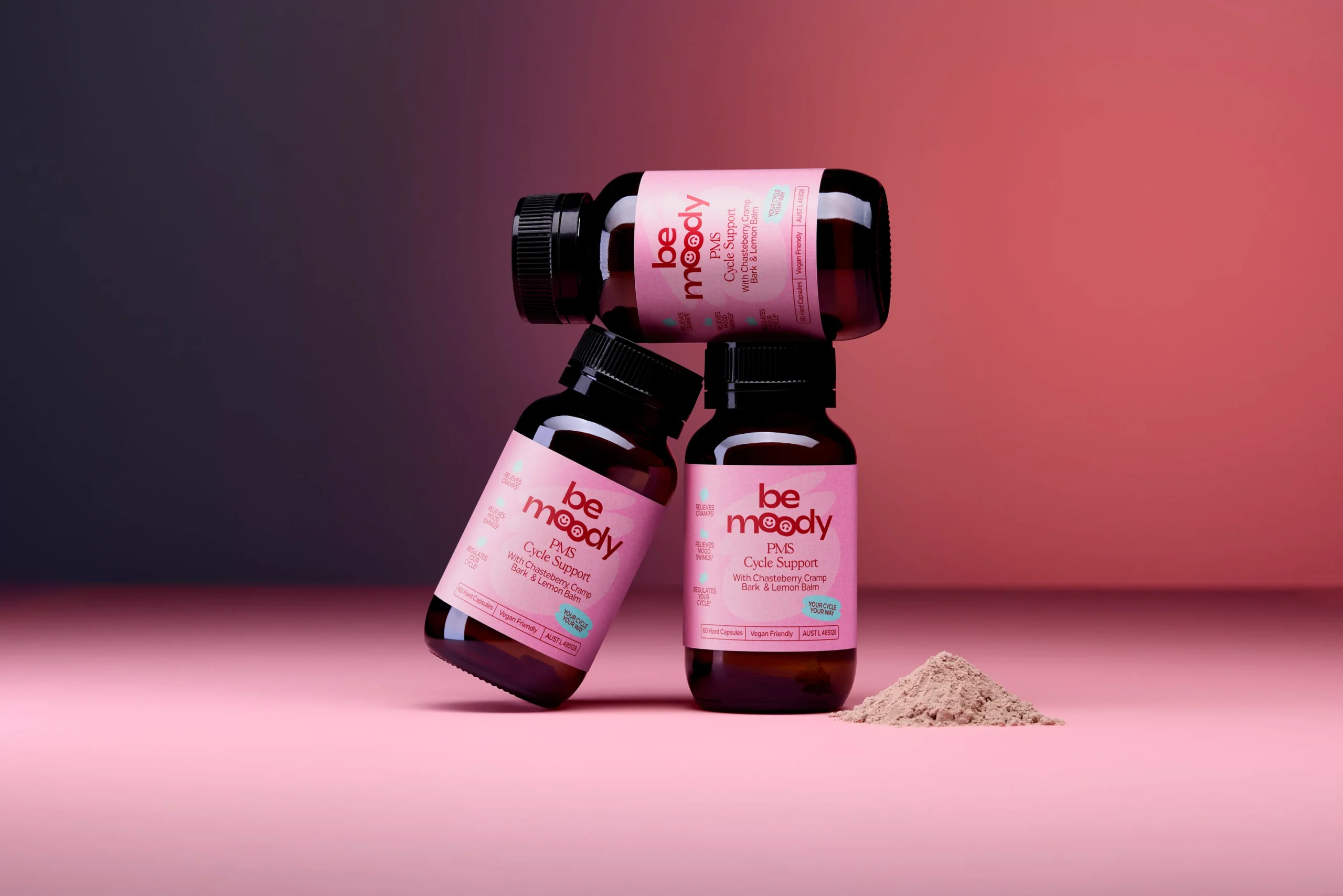
    Founded by Stefanie Mitrevski, the 28-year-old pharmacist, Australian premenstrual syndrome (PMS) support brand Bemoody started its operations in July this year with its flagship product, a PMS Support Cycle supplement. Mitrevski is determined to transform a market sector currently dominated by quick-fix solutions, indifferent counsel, and femininely packaged remedies.

    A Neglected Health Issue

    Bemoody reports that while PMS affects between 70% and 90% of menstruating individuals, it is often disregarded in healthcare discussions. According to Mitrevski, this issue isn’t niche or insignificant. On the contrary, it affects half the population for a significant portion of their lives. She pointed out that many individuals feel underserved and unheard or are unaware that they don’t have to simply endure their symptoms.

    Bemoody’s goal is to revolutionize the industry by appealing directly to Generation Z and Millennial consumers, thereby addressing a significant health issue that has been largely overlooked up to this point.

    An Overcrowded Market

    Mitrevski’s professional experience in hospitals was the catalyst for her initiative. She noticed the tendency to dismiss or downplay individuals’ menstrual symptoms, offering them only superficial remedies. In Mitrevski’s view, the lack of effort devoted to innovating in women’s health is due to a reliance on painkillers, which are easier to market, fall within well-established pharmaceutical categories, and have proven revenue models.

    However, she believes that there is a growing demand for science-backed holistic supplements, as evidenced in the US market. Mitrevski recognized that American consumers are more receptive to direct consumer innovation with supplements, creating a larger, more open market for the products.

    Science-Backed Products

    Mitrevski also mentioned two successful direct-to-consumer supplement brands, O Positiv and Lemmy, as examples of effective marketing and targeted messaging. She noted that Australian consumers, similar to their American counterparts, are incredibly health-conscious and appreciate clean, scientifically supported products.

    This preference among consumers presents an opportunity for Bemoody to succeed in Australia, mirroring the success of major femtech startups in the US. Notably, Bemoody has achieved its current position without any financial backing, entirely bootstrapped by Mitrevski.

    A New Approach to PMS

    The development and preparation of Bemoody’s PMS Support Cycle supplement was a two-year process. Mitrevski was deeply concerned about the lack of effective PMS support and saw the impact on her close friends, her sisters, and others in her community.

    She was determined to create a brand that accurately reflected the realities of people’s menstrual cycles, focusing on the aspects that are often dismissed by conventional brands. In addition to developing a clinically backed formula and collaborating with Australian manufacturers, naturopaths, and the Therapeutic Goods Administration (TGA), Mitrevski aimed to create a brand that stood for something significant.

    Mitrevski emphasizes that Bemoody is not only about product and branding; it’s equally about education. The company uses its e-commerce and social media platforms to educate customers, adopting a stigma-breaking approach in how it communicates. Mitrevski believes this educational component is as important as having a viable product.

    With the successful launch of Bemoody, plans to expand its range of supplements and strategies to break into major retail markets are already in progress.

    Questions & Answers

    How does Bemoody differentiate from other brands in the market?
    Bemoody is unique in its focus on education and breaking stigmas around PMS, using its platforms to inform customers about these often overlooked aspects of health.

    What inspired the creation of Bemoody?
    Stefanie Mitrevski, the founder of Bemoody, was inspired to create the brand after witnessing the dismissive treatment and superficial solutions offered to individuals experiencing menstrual symptoms during her professional experience in hospitals.

    What are the future plans for Bemoody?
    Bemoody plans to expand its range of supplements and has a strategy in place to enter major retail markets.

  • Three arrested at Mong Kok ginseng store

    Three arrested at Mong Kok ginseng store

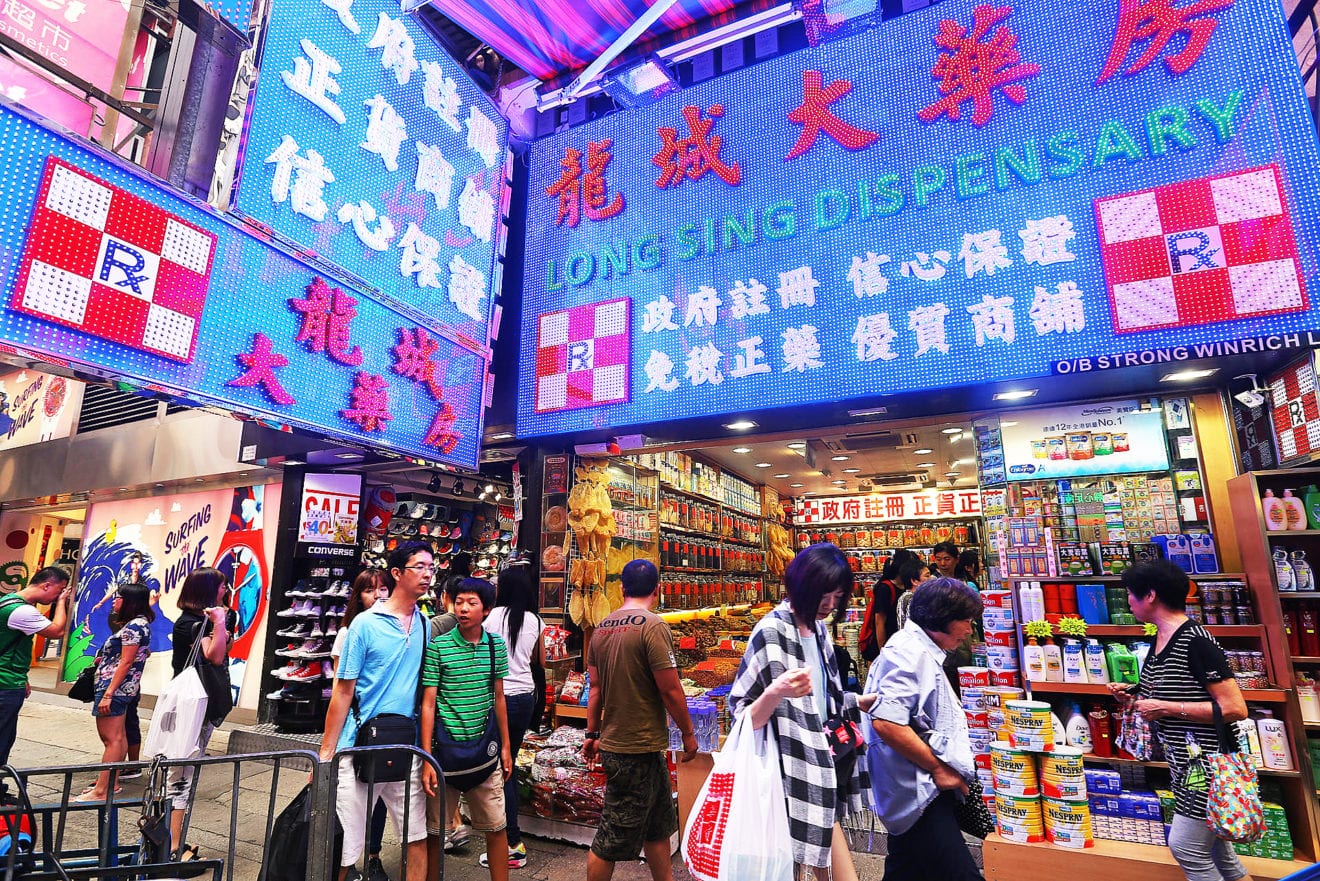
    Hong Kong Customs officers have arrested three Mong Kok ginseng store staff, charging them with making false representations.

    Hong Kong Customs officers have arrested three Mong Kok ginseng store staff, charging them with making false representations during the sale of American ginseng.

    Their actions allegedly contravened the Trade Descriptions Ordinance (TDO) and if found guilty they face a maximum penalty of a $500,000 fine and imprisonment for five years.

    Customs were acting on a tip-off alleging salesmen of a ginseng and dried seafood shop in Mong Kok used a gift to attract a customer and further claimed that American ginseng was being sold at a specific price. After the goods were sliced, the salesmen revealed that the American ginseng was priced per tael. The price was 16 times different from expected.

    After investigation, Customs officers arrested three men, aged between 27 and 42, two of them directors of the company and the other a salesperson.

    Investigations are ongoing and the arrested men have been released on bail pending further investigation.

    A Customs spokesperson says inspections and enforcement will be stepped up ahead of the coming of the Labour Day Golden Week period.

    “Customs reminds traders to comply with the requirements of the TDO and consumers to purchase products from reputable shops,” the spokesperson said.

    “Consumers should also be cautious about the unit price and ask for more information, including the total price of the goods selected, before making a purchase decision.”

  • Vietnam cracks down on drugstores selling without prescriptions

    Vietnam cracks down on drugstores selling without prescriptions

    The Ministry of Health has ordered that all drugstores should be connected to the national medicine database via the Internet by Monday, a move aimed at preventing the sales of drugs without prescription.

    But in Ho Chi Minh City, which has the highest number of pharmacies in the country at over 6,000, only 61 percent have linked up, according to the city Department of Health. In Hanoi, 90 percent of its over 4,600 drugstores have done so.

    Many pharmacy owners said they do not have a computer or Internet. Tran Thi Nhi Ha, deputy director of the Hanoi Department of Health, said the regulation requires pharmacies to invest in infrastructure and this takes time.

    Tang Chi Thuong, her HCMC counterpart, said inspectors would soon carry out checks to ensure compliance. “Licenses will be taken away from pharmacies that continue to disobey.”

    Most pharmacies in Vietnam sell drugs without prescriptions. In fact, around 88 percent of all antibiotics sold in urban areas are without prescriptions while the rate is 91 percent in the countryside, the health ministry said.

    The World Health Organization has listed Vietnam among the list of countries with the highest rate of antibiotic-resistant infections, with 33 percent of all patients suffering from them.

  • Yunnan Baiyao Group to Bring Traditional Chinese Medicine to a Global Audience with Manhattan Associates

    Yunnan Baiyao Group to Bring Traditional Chinese Medicine to a Global Audience with Manhattan Associates

    Yunnan Baiyao Group, one of China’s largest pharmaceutical and healthcare companies, has selected Manhattan Associates  Warehouse Management System (WMS) to transform its digital supply chain and power the next phase of its growth strategy. The solution will help the manufacturer optimise its distribution operations and meet rising demand for its products across the globe whilst ensuring compliance with stringent production and traceability regulations.

    Founded in 1971, Yunnan Baiyao has established itself as one of China’s most important pharmaceutical companies, selling a broad range of medicinal and personal care products. Thanks to its unique ability to combine traditional Chinese medicine with new product innovations, the company has doubled revenues over the last five years to CNY24.3 billion (US$3.5 billion) in 2017. With its sights firmly fixed on continuing this trend, it recently set out to modernise its manufacturing and distribution operations.

    The pharmaceutical giant selected Manhattan’s industry-leading WMS solution to help it optimise fulfilment and throughput. The company will initially deploy Manhattan’s WMS in a new distribution centre (DC) adjacent to its toothpaste factory in Kunming, Yunnan province in southwest China. Yunnan Baiyao’s toothpaste is its most important healthcare product and the most popular in the Chinese market with a leading market share. Manhattan’s solution will play a key role in Yunnan Baiyao significantly increasing its toothpaste production to fulfil the growing market demands.

    Xia Feng, General Manager of Yunnan Baiyao’s Engineering System Centre, said, “Manhattan’s WMS will ensure on-time replenishment of our production line, accelerate the shipment of finished goods to our wholesale customers, drive efficiency improvements across our warehouse and factory floor and provide us with the scalability we need for growth. It will also provide real-time visibility of all inventory flows, ensuring we are fully compliant with the Good Manufacturing Practice (GMP) and Good Supply Practice (GSP) codes governing the traceability requirements of pharmaceutical products.”

    Stone Chen, General Manager of Manhattan Associates, Greater China, said, “Yunnan Baiyao is taking the lead in the pharmaceutical sector to replace its legacy systems with state-of-the-art technology that improves the productivity, efficiency, and competitiveness of its manufacturing and supply chain functions. Manhattan’s WMS will play a pivotal role in Yunnan Baiyao’s digital transformation and provide it with the scalable fulfilment platform it needs to be able to fully capitalise on the growth opportunities presented by rising global demand for traditional Chinese medicine.”

  • Korean drug companies anticipate a strong 2019

    Korean drug companies anticipate a strong 2019

    Korean pharmaceutical companies are entering 2019 with high expectations as several domestic drugs are expected to gain approval from overseas regulators this year. Though the Samsung BioLogics accounting fraud scandal made 2018 a less-than-stellar year for the pharmaceutical industry, bio firms are ready to get back on their feet with new drugs and licenses.

    Daewoong Pharmaceutical is one firm hoping to get the green light for sales of a product in the United States and Europe this year. Nabota, a botulinum toxin, or botox product, was submitted for approval to the U.S. Food and Drug Administration (FDA) and the European Medicines Agency in 2017.

    Last August, Nabota became the first domestic botox product to gain sales approval in Canada after Daewoong acquired the necessary permit from the country’s health authorities.

    Green Cross is another company awaiting FDA approval. Its I.V.-Globulin SN, an immunoglobulin product that treats immune deficiencies, is being reviewed by the agency.

    Though the FDA postponed approval of the drug last September when it requested supplementary documents from the company, Green Cross is optimistic that it will eventually get the go-ahead since I.V.-Globulin SN is already being sold in both Korea and overseas markets, such as Brazil.

    SK Biopharmaceuticals is waiting for the FDA to approve Cenobamate, an antiepileptic drug. Cenobamate is the first drug for which a Korean company has applied for FDA approval independently without going through global partner companies.

    If the drug is approved, SK expects that Cenobamate will become a huge cash cow that can generate up to 1 trillion won ($898.8 million) in annual sales just in the United States. The United States is the world’s largest market for epilepsy drugs.

    Last Thursday, Hanmi Pharmaceutical filed a license application for Rolontis, a drug intended to treat chemotherapy-induced neutropenia, with the FDA through Spectrum Pharmaceuticals. Hanmi is hoping to gain approval by the first half of 2020.

    Korean drug makers are hoping to make progress with clinical trials and technology exports this year.

    Yuhan is currently working with Janssen Biotech to conduct clinical trials for lung cancer drug Lazertinib. Two months ago, Janssen purchased out-licensing rights from Yuhan for Lazertinib in a deal valued at $1.25 billion.

    One of Chong Kun Dang Pharmaceutical’s most highly anticipated drug candidates is the CKD-702 bispecific antibody, an artificial protein used for cancer immunotherapy. Given the growing interest in bispecific antibodies around the world, industry experts predict Chong Kun Dang will be able to export the drug technology as early on as the pre-clinical stage.

    Hanmi and Jeil Pharmaceutical are also expected to complete Phase 2 clinical trials for their obesity drug HM15211 and stroke treatment JPI-289 this year, while SillaJen is due to complete Phase 3 clinical trials for its cancer treatment Pexa-Vec in the coming months.

    “Domestic pharmaceutical firms have tried to venture into the United States, the world’s biggest drug market, and their efforts will lead to real results next year,” said one spokesman from a pharmaceutical firm.

  • GSK plans to split into 2 as part of Pfizer joint venture

    GSK plans to split into 2 as part of Pfizer joint venture

    GlaxoSmithKline (GSK) plans to split into two businesses – one for prescription drugs and vaccines, the other for over-the-counter products – after forming a new joint venture with Pfizer’s consumer health division. The revamp is the boldest move yet by Emma Walmsley, the GSK chief executive who took over last year.

    It will lead to the creation of a consumer health giant with a market share of 7.3 percent, well ahead of its nearest rivals Johnson & Johnson, Bayer and Sanofi, all at around 4 percent.

    Walmsley has previously played down the idea of breaking up the group, something that a number of investors have called for over the years.

    On Wednesday, however, she announced that GSK and Pfizer would combine their consumer health businesses in a joint venture with sales of 9.8 billion pounds ($12.7 billion), 68 percent owned by the British company, in an all-equity transaction.

    GSK said the deal laid the foundation for the creation of two new U.K.-based global companies focused on pharma, vaccines and consumer health care within three years of the transaction closing.

    For Pfizer, the deal resolves the issue of what to do with its consumer health division, which includes Advil painkillers and Centrum vitamins, after an abortive attempt to sell it outright earlier this year.

    GSK – whose consumer products include Sensodyne toothpaste and Panadol painkillers – had withdrawn from that earlier Pfizer auction process, but Walmsley said the opportunity to strike an all-equity deal cleared the way for the new agreement.

    “It’s something we’ve been able to do quickly and quietly,” she said.

    “What this deal is all about is the opportunity to strengthen two businesses – a world-leading consumer health care business, and a new GSK that is focused on pharma and vaccines.”

    Shareholders welcomed the news and the shares jumped 7 percent, with Jefferies analysts saying the future separation could crystallize value.

    The new joint venture with Pfizer is expected to generate total annual cost savings of 500 million pounds by 2022 for expected total cash costs of 900 million and non-cash charges of 300 million. GSK plans divestments of some 1 billion pounds.

  • LG Chem signs deal to distribute cancer drug

    LG Chem signs deal to distribute cancer drug

    LG Chem has partnered with U.S. bio company Cue Biopharma to develop immunotherapy drugs to treat cancer, the local company announced Monday. Immunotherapy drugs help patients fight diseases like cancer by enhancing their immune system. It is a relatively unusual form of cancer therapy that differs from the conventional approach of using medication to directly fight the cancer cells inside the human body.

    Based in Boston, Cue Biopharma is a Nasdaq-listed company that specializes in developing biologics for immunotherapy. The companies will co-develop and distribute three immunotherapy drugs which were previously developed by Cue Biopharma: its lead product CUE-101, currently in the preclinical stage, and two other cancer antigens that are at an earlier stage of development.

    Cue Biopharma’s core technology is the Immuno-STAT platform that inserts information about a specific cancer cell into a T cell, a white blood cell that will then find and attack the disease. Before the platform existed, T cells had to be pulled out of the human body to have the information injected into them, but Cue Biopharma’s technology allows the process to happen internally.

    Under the agreement, LG Chem will obtain exclusive distribution rights for the three treatments in Asia once they are fully developed. Cue Biopharma will take charge of distribution in other regions.

    LG will offer a maximum of $400 million to the U.S. bio company including milestone payments given at each stage of clinical testing in the development process. Once the treatments are commercialized, Cue Biopharma will additionally receive license fees proportional to sales in the Asia region while LG, in return, will receive royalties from the Asia sales.

    This is the first time in its three decades of history in the bio pharmaceuticals industry that LG Chem has partnered with another company to work on a new drug.

    “We are very pleased to enter this strategic collaboration with Cue Biopharma; it is more than a licensing deal, it is a partnership with a shared vision and great strategic fit,” said Dr. Son Jee-woong, president of LG Chem Life Sciences.

    For Cue Biopharma, the advantage of working with LG is its experience in developing and manufacturing bio pharmaceuticals in the past as well as its business know-how in the Asia region.

    Under the partnership, LG will also conduct development in mass production and quality control methods for the immunotherapy drugs.

  • China Jo-Jo expansion plan in Hangzhou

    China Jo-Jo expansion plan in Hangzhou

    China Jo-Jo Drugstores has added seven more retail outlets in Hangzhou.

    Chairman/CEO Liu Lei says the stores offer convenient access to best-in-class pharmacy products and services.

    All stores are full-service pharmacies staffed with licensed pharmacists. They offer prescription and OTC medicines, traditional Chinese medicines, dietary supplements, medical devices, health and beauty products and general merchandise.

    A rewards program offers members exclusive discounts and enhanced customer experience.

    The seven new stores are in the Binjiang (two), Jianggan, Lin’an (two),  Shangcheng and Yuhang districts. The company opened two stores in Lin’an just three months ago.

  • 7-Eleven Singapore offers medicine service

    7-Eleven Singapore offers medicine service

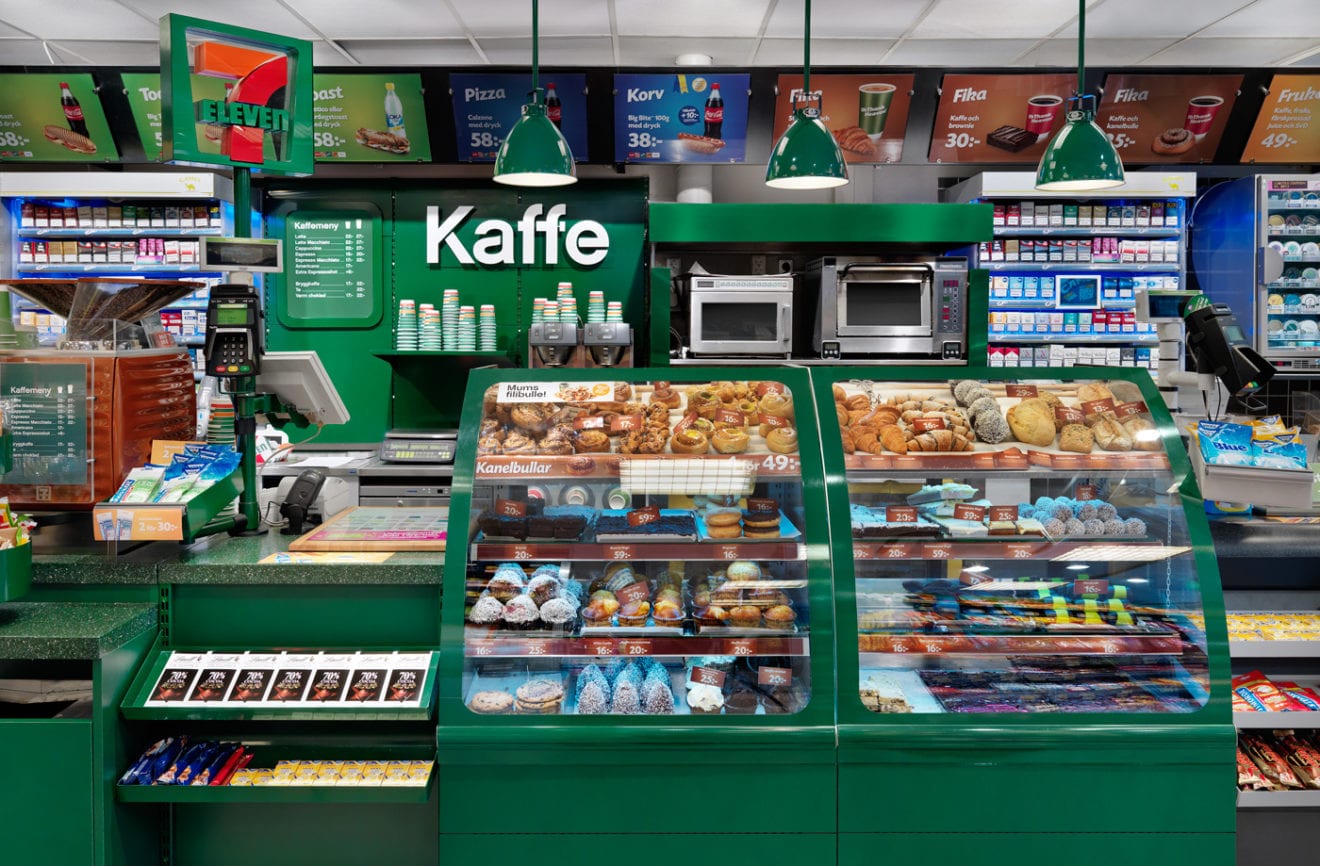
    Instead of visiting a polyclinic, select patients are now collecting their medicine at a 7-Eleven Singapore store.

    Available at 34 outlets, the service is being offered to chronic disease patients under the National Healthcare Group’s (NHG) chain of nine polyclinics, which pack the drugs for delivery to lockers in the patient’s preferred store.

    Patients receive a text message when their medicine has arrived, and access the lockers at any suitable time with a one-time code delivered to their mobile phones.

    Medicine is packed in tamper-proof bags, and if not picked up within 48 hours is sent back to the polyclinic.

    The 7-Eleven Singapore network is operated by Hong Kong-headquartered Dairy Farm International.

  • Indonesian herbal medicine to be marketed abroad

    Indonesian herbal medicine to be marketed abroad

    An original Indonesian herbal medicine, Jamu, will be marketed abroad in the Middle Eastern and ASEAN regions, the chairman of the Jamu Association of Central Java, Nyoto Wardoyo, said here on Wednesday.

    Jamu is made from natural materials, such as roots, bark, flowers, seeds, leaves and fruits.

    “Indonesias ambassadors in various countries have started to introduce Jamu to other countries, such as Arab nations and Hongkong,” he informed.

    According to him, Jamu is in demand in many countries because they have realized that its health benefits.

    “Jamu is well known for its nutritional value. Demand for the product is rising and the exports have increased,” he reiterated.

    He also appreciated the fact that the government is encouraging the herbal medicine industry to progress.

    “Entrepreneurs expect expeditious grant of a license. Once we complete all the requirements, we want the government to immediately issue a permit,” he stressed.

    He hoped for better synergy between farmers, entrepreneurs and university researchers to develop Jamu products.

    He also hoped that Jamu products could be a part of the BPJS health program.

    “When people suffer mild colds, coughs or flu, the doctors can treat them with Jamu,” he underlined.

    Thanks to these efforts, the usage of Jamu is expected to rise at home as well as abroad.

  • Traditional Chinese Medicine Retailer Accelerates Overseas Expansion

    Traditional Chinese Medicine Retailer Accelerates Overseas Expansion

    The time-honored traditional Chinese medicine brand Tong Ren Tang says it accelerated its overseas expansion and opened nine new stores in the overseas market in 2015.

    In reporting the company’s results for last year, the company says it has developed 31 branches in 25 countries and regions outside China, operating 115 retail sites, traditional Chinese medicine clinics, and traditional Chinese medicine health centers. It served over 30 million patients in those countries and regions.

    Mei Qun, chairman of Beijing Tong Ren Tang Group, said that based on the planning of Tong Ren Tang, its international development is divided into three steps. In 1993, the group started its overseas development in Hong Kong; in 2003, they established Beijing Tong Ren Tang International Co., Ltd. in Hong Kong; and in 2013, Beijing Tong Ren Tang Chinese Medicine Co., Ltd. was successfully listed in Hong Kong and started developing in major European markets.

    Ding Yongling, deputy general manager of Beijing Tong Ren Tang Group, said that in 2015, the group opened nine new stores in six countries and regions, including Hong Kong, Germany, United Arab Emirates, New Zealand, Sweden, and the Czech Republic. Apart from Chinese medicine stores, the group also developed Chinese medicine clinics and health centers in foreign countries.