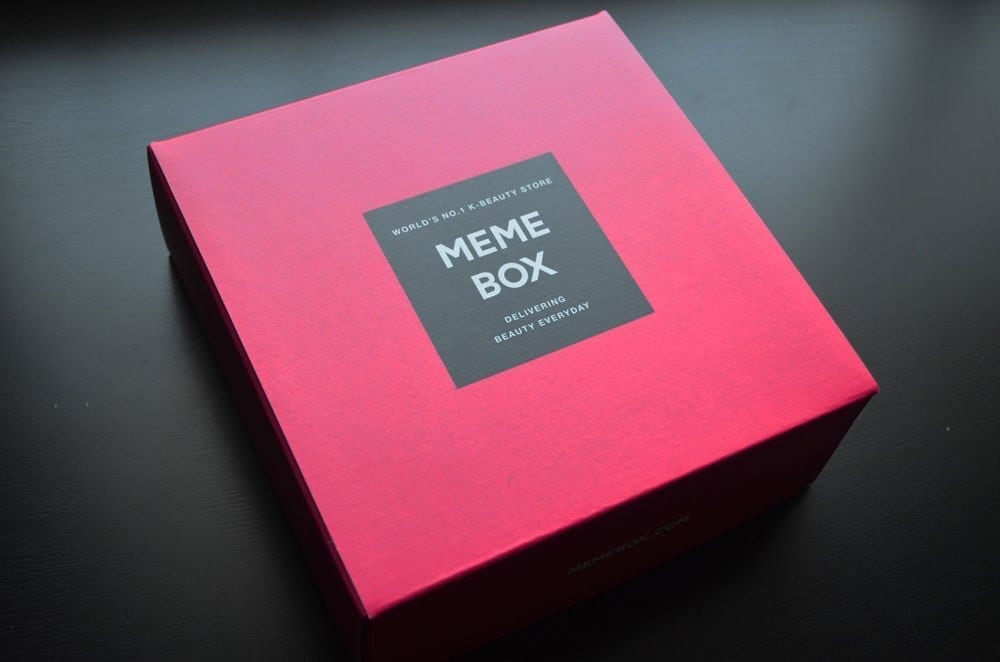
Tag: Memebox

  • New K-beauty brand from Memebox x Sephora

    New K-beauty brand from Memebox x Sephora

    Korean beauty and tech company Memebox continues its U.S. repositioning with the launch of Kaja Beauty, the first complete K-Beauty color cosmetics line in the States.

    Created exclusively in partnership with Sephora, the new brand is launching with a 47-item product collection, including blushes and eyeshadows. The line will launch on Sephora.com on September 18 and then roll out to 58 of its top doors on Sept. 28, though a smaller selection of products will be available in all 410 Sephora stores.

    The launch comes as Memebox is shifting strategy. In June, the company, which was founded in 2012 as a Korean beauty subscription box service and has raised US$160 million in funding so far, relaunched its U.S. e-commerce business after shutting it down in 2017 to focus on its own online community and building key retail partnerships.

    “The first phase of Memebox was bringing third-party products to the U.S.,” said Memebox CEO Dino Ha. “Now, it’s about building a singular brand that resonates more.”

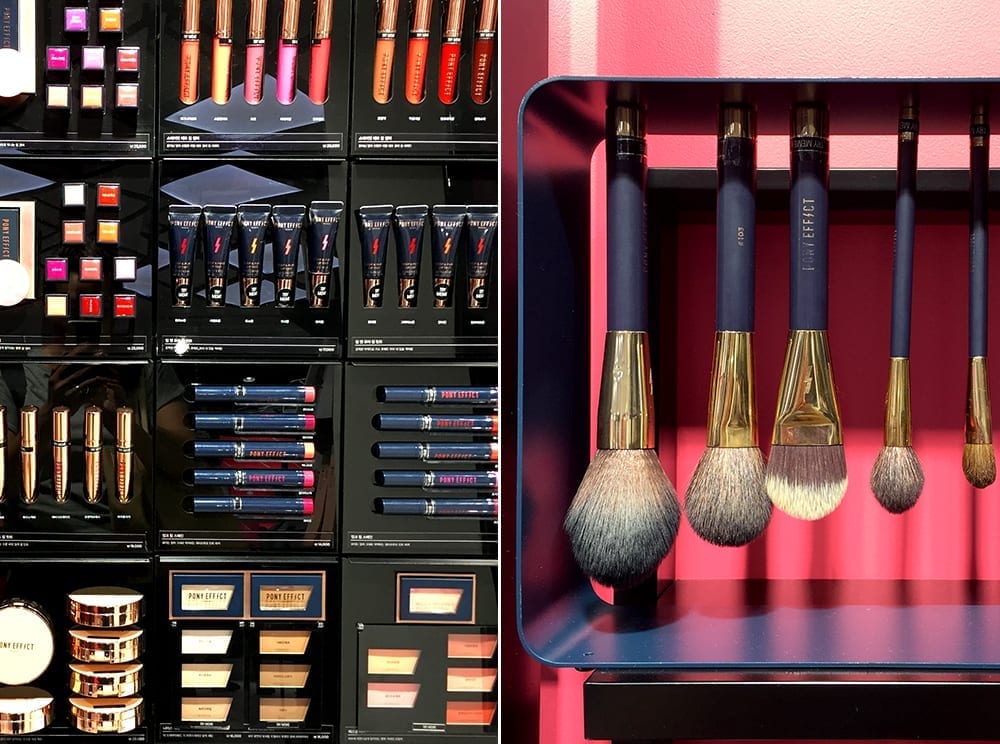
    Its U.S. site now only features its global private-label brands, like Pony Effect, Nooni and I Dew Care (the latter two are also sold at Ulta), and an edited 54 products across the three brands — Kaja won’t be sold on Memebox’s own e-commerce platform at launch, but will debut on the site in the coming months. Memebox also launched its Insider Access dashboard in June, which features influencer-curated micro-shops and content for its online community to read reviews and discover third-party product via affiliate links.

    But finding a large American retailer to partner with was Ha’s top-of-mind priority to drive growth, which is where Sephora came in.

    Fifteen thousand new brands come out of Korea every year, according to Ha, so to cut through, Kaja is bent on being “customer-centric.” From ideation to launch, the product development took about five months (compared to the typical 18-month production cycles typical of cosmetics and skin-care brands), and was created using customer insights from Sephora’s and Memebox’s 5 million global customers.

    As it stands, Sephora doesn’t sell any K-beauty branded color cosmetics online or in-stores. Eighty percent of the customers surveyed for Kaja were non-Asian — they were very familiar with Korean skin care but showed a desire for color cosmetics. Thus, Ha realized that makeup versus skin care was Korean beauty’s natural next frontier in America. This is the first time Memebox has partnered with Sephora, though the retailer has other K-beauty partnerships, including with e-commerce site Glow Recipe. It has also worked with online site Peach & Lily in the past.

    “Sephora was particularly in-tune with the white space around makeup in the K-beauty market,” said Ha. “Korean beauty has always focused so heavily on skin care, so we wanted to be the first K-beauty brand that was actually about makeup.”

    While Memebox sells a few makeup products in its Pony Effect brand, which was created in partnership with celebrity makeup artist and mega-influencer Pony and offers lip glosses and lipsticks, Memebox was also highly penetrated in skin care, thanks to its Nooni and I Dew Care lines. Kaja is meant to capitalize on that color cosmetics opportunity.

    Other K-beauty retailers like Peach & Lily have recently introduced branded product lines, proving these Korean startups have the opportunity to fuel revenue with their own assortments. In March, market research firm Euromonitor International reported that since 2015, South Korea’s beauty exports to the U.S. grew 59 percent, reaching $207 million.

    Price was a major consideration for Kaja Beauty — all of the makeup products range from $14 to $24 — in order to further reach those millennial and Gen Z customers. “It’s really about giving that girl on the go what she wants,” said Yoon Sung Choi, Memebox’s vp of brand development.

    Memebox is also rebranding its social presence with a Kaja Beauty-forward point of view. On Monday, the brand announced on Instagram that it will be refocusing its account on its new Sephora partnership, and on Wednesday, Memebox totally swiped its Instagram, leaving only a handful of in-feed posts artistically teasing the new Kaja beauty products.

    Ha said more Kaja products are on deck with Sephora for 2019, and that Memebox wants to be able to react quickly to customer responses on the new lineup. “Half of our product plan is still wide open, so we can be as deductive as we can be to expand,” he said.
  • Memebox and Sephora partner on ecommerce

    Memebox and Sephora partner on ecommerce

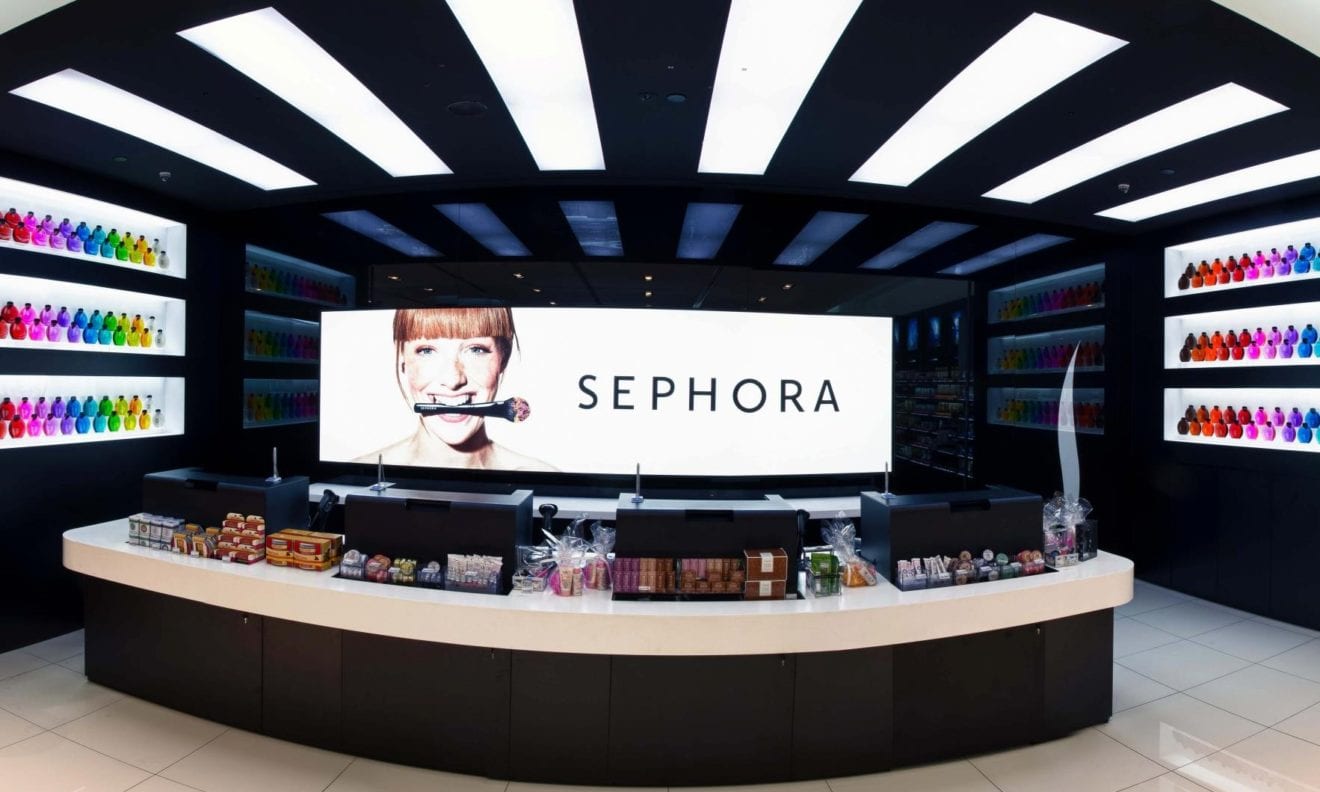
    Memebox signed a partnership deal with global beauty giant Sephora to expand its global presence in the ecommerce scene and develop a joint brand due for release this autumn, according to Formation Group on Monday.

    The achievement comes only six years after the local beauty company launched as a small start-up in Korea. It now has offices in five regions around the world including Pangyo, Gyeonggi and San Francisco.

    Formation Group is a venture capital firm and a stakeholder in Memebox.

    One goal of the partnership with Sephora, a global beauty retailer owned by LVMH Group with operations in 33 countries, is to expand Memebox’s global ecommerce site that recently re-opened after being closed down last year.

    Memebox launched in the United States in 2014 as an online store offering K-beauty products. Last year, it halted the global ecommerce website with an aim of developing an online community where consumers can exchange know-how and reviews on beauty products.

    The website has more than five million users per month uploading videos and tips.

    However, the ecommerce site was re-launched in June. “We decided the timing had come to develop a competitive edge with our own ecommerce platform, now that the awareness and credibility regarding Korean beauty brands has greatly improved in the United States,” said Memebox CEO Ha Hyung-seok.

    The launch also gave U.S. consumers access to Memebox’s in-house brands: Pony Effect, I Dew Care and Nooni.

    One of Memebox’s strengths is the accumulated data from its community which has more than 30,000 product reviews from people of different ethnicities and cultural backgrounds. In a beauty market where trends change fast, an up-to-date database of consumers is a big asset not only in terms of marketing, but also for fast product development.

    Another apparent result of the collaboration between Memebox and Sephora is scheduled to come this autumn: a color cosmetics brand for which details have not yet been revealed.

  • Memebox eyes to return the US after a year pending

    Memebox eyes to return the US after a year pending

    Memebox, a Korean beauty startup founded in 2012 as a subscription-box service, is relaunching its e-commerce business in the US after a year on hold.

    The company has remained active in Asian markets while awaiting its window to return to the US. Founder and CEO Dino Ha identified a rise in Asian beauty-brand awareness among American consumers as being the key factor in the relaunch.

    Memebox recently contracted with beauty retailer Sephora to launch a new line of cosmetics to come out this autumn. Its in-house brands are already available in the US on its new online platform, which has been reconfigured to include review and community features designed to bolster consumer education. The company’s community-building efforts to encourage sharing of product information have resulted in an increase in user engagement from three to 25 minutes spent on its platform.

    The firm maintains a database that lists the skin types, preferences and consumer trends of its 5 million active users. According to product manager Danielle Zhu, this is central to Memebox’s short product development cycle and trend-forecasting efforts.

    Memebox maintains a close relationship with social media influencers as a core strategy since first trading, and is now developing an affiliate program to encourage users to register as ambassadors of the brand. The program serves in part to address recent criticism accusing the firm of only targeting very light-skinned women, excluding many potential users with darker skin tones.

  • Memebox will no longer sell Korean beauty products to the US

    Memebox will no longer sell Korean beauty products to the US

    Online Korean beauty shop Memebox was known for selling popular K-beauty products to the United States. However, the retailer revealed it will change its model from selling beauty products to focusing on educating consumers about Korean products through information, reviews and tutorials.

    Though it will continue selling K-beauty products to Korea and China, the site will send its US customers to Amazon to shop. According to Memebox founder Dino Ha, the restructuring will turn Memebox into an educational site and search function rather than online shop. “What we learned is that what we really need is the education and the content piece to let the users know what K-beauty really means,” he said. Memebox’s new model will also integrate YouTube tutorials and Instagram posts featuring K-beauty products into its search function, and allow users to search for products based on ingredient or skin type.

    With the new model, Memebox will earn money through affiliate links rather than direct sales. It currently has an affiliate agreement with Amazon, and Ha says the brand is in talks to create a similar deal with Sephora.

    Ha also says Memebox has seen longer engagement from visitors since introducing YouTube videos to the site. Though the site currently has no official agreement with YouTube or Instagram personalities, Ha says he has received requests from influencers to make their content more visible on Memebox. Eventually, the site may add a live chat feature with influencers.

    Memebox still maintains its four private beauty labels, and will soon introduce a fifth, but the site will send US shoppers to Amazon to purchase the products.

    Currently, Memebox has 1.5 million customers, and wishes to increase its customer base to 10 million by the end of the year. Ha says the site might see its profits dip with the new model, but hopes to see more engaged users and fruitful partnerships. “Whoever can do the best job sending these products to users is where we’ll partner as much as we can.”

  • Memebox Hong Kong opens flagship

    Memebox Hong Kong opens flagship

    Memebox Hong Kong has opened its first stand-alone flagship store in the city – in Causeway Bay.

    The brightly coloured store is located at 20 Pak Sha Road, amid the street’s growing collection of sports apparel pop-ups and eclectic cafes.

    Memebox Hong Kong, Harbour Town - Tsim Sha Tsui

    Headquartered in San Francisco, with global hubs in the US, China, and Korea, Memebox claims to be the fastest-growing beauty brand in the world with over 500 employees across six countries.

    The company’s newest store stands out externally thanks to a bold red colour scheme and the distinctive laboratory-style treatment area inside.

    Memebox Hong Kong, Harbour Town - Tsim Sha Tsui 2

    Memebox Hong Kong already has three counters in the city – at Harbour City in Tsim Sha Tsui (Facesss), LAB Concept at Admiralty (Facesss) and Tuen Mun Town Plaza (Kiosk 10).

    The company’s philosophy is melding beauty with technology. It has collaborated with YouTube celebrities and beauty specialists to create its products and pursues a digital-first approach to marketing.

    “We’re changing the face of the beauty industry, one smile at a time,” the company proclaims on its website. “We’re dedicated to bringing the best beauty products available to a global, connected audience, since everyone deserves happy skin.”

  • Memebox raises $60m in extension round

    Memebox raises $60m in extension round

    South Korean cosmetics startup Memebox has raised US$60 million in a Series C extension round led by existing and new investors.

    Investors include Altos Ventures, Cota Capital, Cowboy Ventures, Formation Group, Funders Club, Goodwater Capital, Janet Gurwitch, Mousse Partners and Pear Ventures.

    Memebox says the round is an extension of the $66 million it raised in its initial Series C, bringing aggregate equity funding to $160 million since its incorporation in 2012. The extra investment will allow it to continue streamlining its mobile shopping experience, develop a database of beauty ingredients and products, and build its global footprint.

    As a result of the transaction, Gurwitch, a partner at private-equity firm Castanea Partners and the founder and former CEO of cosmetics company Laura Mercier, joins the Memebox advisory board. She has specialised in beauty companies during her time at Castanea and has served on the boards of Drybar, First Aid Beauty and Urban Decay. She has also served in an advisory role at Dollar Shave Club, acquired by Unilever this year.

    Gurwitch will be advising Memebox on brand strategy, positioning and developing retail partnerships for its four in-house brands – Bonvivant, I’M Meme, Nooni and Pony Effect – in the US market.

    Memebox CEO/founder Hyungseok Dino Ha says the company has been focussed on bringing innovative, high-quality and approachable beauty to consumers worldwide. “We are a global company with offices in six countries with 14 different nationalities.”

    Global streamlining

    There has been a focus on growth in Asia, particularly China, “but with this funding we plan to streamline our global operations at our company headquarters in San Francisco”.

    Memebox evolved from being a subscription box model in 2012 to retailing beauty products then developing its own brands with R&D labs near Seoul. Its four brands have had 60 per cent growth quarter-over-quarter, says the company.

    Memebox invested early in content-driven mobile shopping. It says its mobile app is used for 88 per cent of its global online transactions, with more than 94 per cent of its customers in Asia shopping through the app.

    “What Memebox is doing with mobile and video is unprecedented in the beauty landscape,” says Goodwater Capital managing partner Eric Kim, also a Memebox board member. “Memebox has the heart of a high-end brand, the brain of a deep-data company, and the muscle memory of a social network.”