Tag: memory

  • “Memory” feature for Google Assistant is being tested

    “Memory” feature for Google Assistant is being tested

    Some new features are being created by Google for the latter’s Assistant virtual helper. While the original version of Assistant was designed to work with voice commands, eventually smart display-styled visuals were included and now Google wants Assistant to take advantage of the smartphone’s form factor to help improve the virtual assistant. Google is reportedly working on a feature for Assistant called “Memory.”

    Memory is “an easy, quick way to save and find everything in one place” says Google and the tech giant gave four examples of what this feature brings to the table. Any screen content can be saved to “Memory” including links to original sources. Additionally, real-world stuff such as objects, posters, and handwritten notes can be saved to Memories along with thoughts and reminders. And all of this information can be found over and over again in the same place offering smart search and organization.

    Google says that “Memory can save: articles, books, contacts, events, flights, hotels, images, movies, music, notes, photos, places, playlists, products, recipes, reminders, restaurants, screenshots, shipments, TV shows, videos, and websites. You store things using a verbal Google Assistant command or home screen shortcut. Memory will be smart about preserving the surrounding context. For example, it can include screenshots, URLs, and location.”

    Afterward, everything is viewable in a new “Memory” feed that is found alongside Snapshot. There are special cards that surface when you save content from Google Docs, Sheets, Slides, Drawing, Forms, Sites, and other uploaded Drive files.

    As Google notes, “Memory is an easy, quick way to save and find everything in one place.” Saved in reverse chronological order, Google will display cards with “older memories” and memories from “today.” Swiping inward from either bottom corner will open Assistant. And thanks to a shortcut, Memory is always just a tap away.

  • Gentle Monster in Hangzhou portrays an old woman restoring her memory

    Gentle Monster in Hangzhou portrays an old woman restoring her memory

    In China, Gentle Monster has unveiled its new Hangzhou flagship concept called ‘Memory’ – yet another amazing avant-garde installation-meets-retail space.

    The South Korean eyewear label explains the story behind the ‘Memory’ concept is the ideal of future technology that can restore lost memories.

    When entering the store, visitors will see a sculpture of an elderly woman sitting on the bench and thinking about her past. The brand described her as “an elderly woman with a vague memory rekindles with her friend the donkey from her childhood through the help of the memory restoration device”.

    Located near the woman is a display area resembling a barn, where Gentle Monster’s eyewear collections can be found.

    The flagship store houses a futuristic machine with two donkeys inside, visualizing how technology restores the woman’s childhood memories.

    “The art installations with surreal and dream-like beauty portray the woman’s time and memory,” Gentle Monster said in a statement. “This space stimulates one to think of the true meaning of memory and the perpetuity of remembrance.”

    Earlier this week, the luxury eyewear brand opened a new pop-up space above its Shanghai flagship store in collaboration with Chinese artist Kris Wu, featuring architecture design inspired by a parking lot layout.

  • Huawei barred from using SD memory cards

    Huawei barred from using SD memory cards

    Although Huawei has been given a reprieve from the initial punishment imposed by the United States, it looks like the Chinese company is close to losing its smartphone business, as more US companies announce they unwillingness to continue to work with the world’s number two smartphone vendor.

    The SD Association is the latest company that bars Huawei access to its technology. Apparently, the Chinese company has been removed from the trade group as SD Association must comply with orders from the US Department of Commerce.

    Although customers who own Huawei smartphones can continue to buy SD and microSD cards to use in their devices, future Huawei phones will no longer work with the standard. It’s unclear what will happen, but Huawei has already included proprietary storage cards in some of its latest flagships, which are called Nano Memory Cards.

    Probably not as important as being banned from getting Android OS updates or chipsets from Intel, Qualcomm and AMD, SD Association’s move adds to the major issues that Huawei’s smartphone business is going to have in the coming months.

  • The world’s first 1TB microSD card is on Sale

    The world’s first 1TB microSD card is on Sale

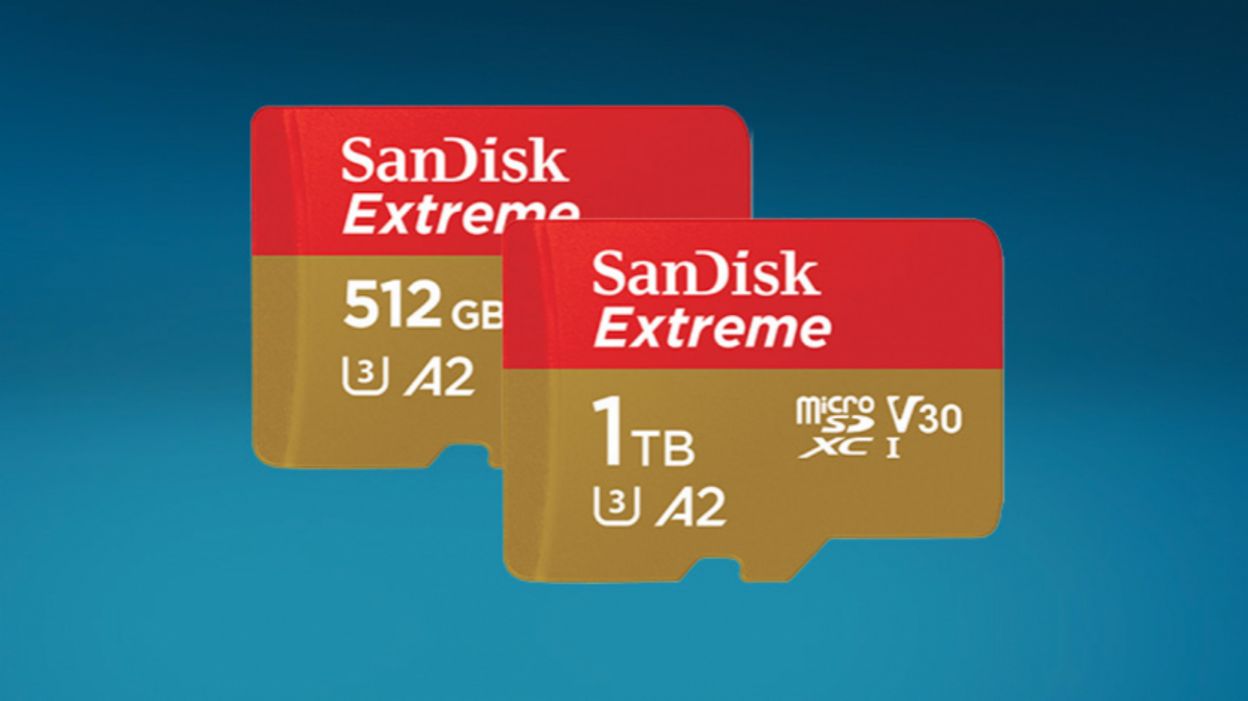
    Just in case you needed further proof the mobile tech industry is making incredible progress at breakneck speed nowadays, you might recall Samsung’s first ever “terabyte-ready” phone was only unveiled last fall. The Galaxy Note 9 offered 512 gigs of internal storage space, supporting up to 512 more by accommodating a new first-party microSD card option.

    But then the Galaxy S10+ took things to the next level in a special Performance Edition, starting at a full terabyte of digital hoarding room while naturally also supporting external expansion. And now there’s an easy way to make the ultra-high-end model a two terabyte device with the help of the world’s first 1TB memory card. This comes from SanDisk (who else?), finally going on sale today in the US after a formal announcement several months back.

    By “easy”, of course, we don’t mean it’s affordable by any stretch of the imagination to obtain a phone capable of storing 2TB of data in total. In addition to the $1,600 you need to pay for an unlocked S10+ Performance Edition, the 1TB SanDisk Extreme UHS-I microSD card will cost you an extra $449.99 right now. Believe it or not, that’s actually 50 bucks lower than the recommended price point initially announced by SanDisk. At the same time, it’s a whopping $250 more than what the memory-specialized company typically charges for a 512 gig Extreme model.

    Naturally, speeds are just as important as capacity, and unsurprisingly, this bad boy shines in that particular department as well, with up to 160MB/s read and maximum 90MB/s write velocity. Both Full HD and 4K Ultra HD video clips are supported, although you’ll have to capture quite a lot of high-quality footage to exceed the internal limit of a 1TB, 512GB, or even 256GB high-end smartphone.

    Available from SanDisk’s own website and B&H Photo Video at the time of this writing, the 1TB Extreme microSD card is also listed as “currently unavailable” on Amazon and “sold out” at Best Buy, where it’s actually priced at $429.99 after a $70 discount.

  • Oppo F1s launched in India with increased memory and storage

    Oppo F1s launched in India with increased memory and storage

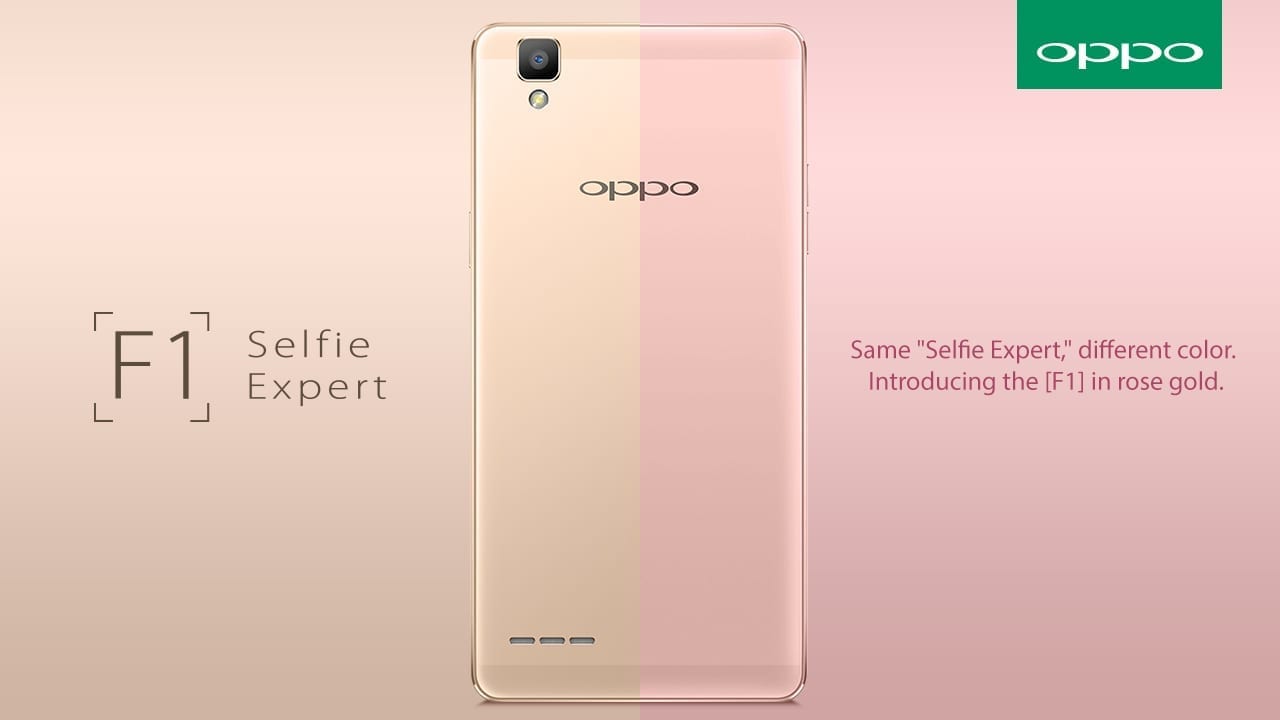
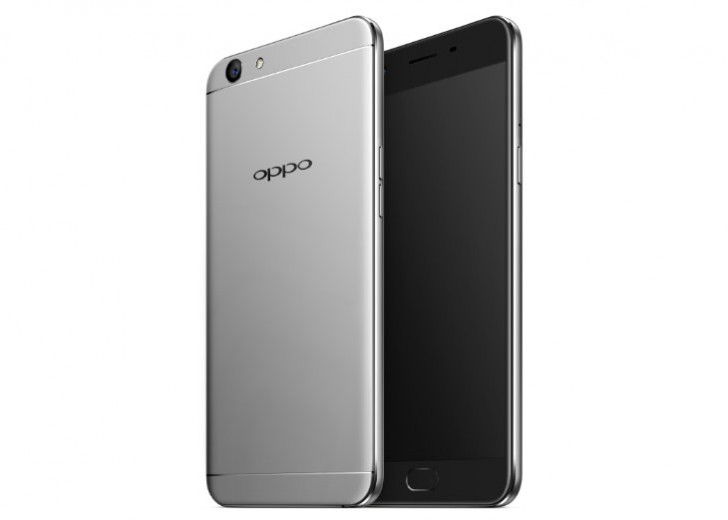
    Oppo has relaunched its self-proclaimed “selfie expert” – the F1s – with increased memory and storage in India. The phone will now be available with 4GB RAM and 64GB storage. It will also be available in a new grey color.

    Oppo launched the F1s earlier in India with 3GB RAM and 32GB storage, along with a 5.5-inch 1080p display, MediaTek MT6750 processor, 13 megapixel rear camera, 16 megapixel front camera, ColorOS 3.0, and 3075mAh battery. Other than the memory and storage, everything remains the same on the upgraded model.

    The new F1s is priced at INR 18,990 ($275) and the first 50,000 buyers will get a limited edition Doctor Strange cover for their phone.