Tag: mercedes-benz

  • BMW Reports 11% Drop in Pretax Profit as Restructuring Hits Margins

    BMW Reports 11% Drop in Pretax Profit as Restructuring Hits Margins

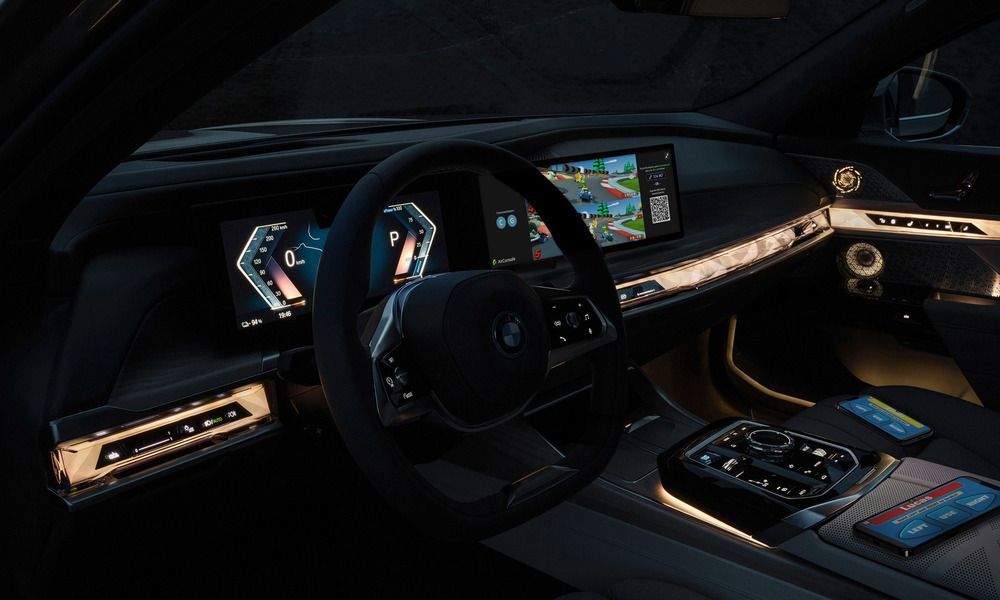
    BMW reported an 11% drop in third-quarter pretax earnings to €2.1 billion ($2.4 billion), warning that restructuring costs will depress its core automotive operating margin to between minus 0.5% and 0.5% this year.

    Chief executive Milan Nedeljkovic announced plans to speed up structural cuts, including 8,000 layoffs in Germany, after issuing the group’s second profit warning in less than five months late on Tuesday.

    Quarterly revenue slid 6% to €30.4 billion as sales in China fell 22% across the first nine months of the year, pressuring core automotive margins down to 3.4% from 5.2% a year earlier.

    Margin Pressure Across Asian Showrooms

    German premium brands face an unprecedented squeeze in China, where aggressive price cuts by domestic electric vehicle manufacturers have eaten away foreign market share. BMW’s operating performance reflects that erosion directly. Excluding the one-off restructuring charges, management expects an underlying margin above 2%, down sharply from its historic operational corridor.

    Rival Mercedes-Benz likewise booked lower earnings for the third quarter. Porsche managed a small rebound after previous model overhaul charges, though it continues to scale down exposure to mainland buyers. Foreign vehicle importers can no longer rely on Chinese dealership networks to generate outsized cash flow to bankroll global operations.

    Factory Reorganisation and Export Reorientation

    Chief executive Milan Nedeljkovic is reorganising the group’s manufacturing footprint to protect returns. BMW plans to localise component supply chains and technical development inside China, turning its mainland assembly lines into an export hub targeting wider Asia-Pacific territories.

    Current developments in our industry call for decisiveness and swift implementation. We will therefore specifically intensify and accelerate structural measures.

    The revised regional framework also introduces tailored product lines elsewhere. The carmaker plans an expanded range of large luxury sport-utility vehicles for US buyers and an entry-level platform designed specifically for Europe.

    The Neue Klasse Rollout

    This revision marks the second profit warning BMW delivered within five months. Operating margins in the core vehicle division had held at 5.2% during the third quarter of last year before aggressive domestic discounts in China wiped out dealer pricing power across Tier 1 and Tier 2 cities.

    The company now relies on its new architecture to stop the slide. Deliveries of the Neue Klasse platform begin in China this month with the retail launch of the electric iX3, setting up a critical test for Nedeljkovic’s long-term margin target of 8% to 10%.
  • Smart Launches Electric #2 City Car in China at 112,999 Yuan

    Smart Launches Electric #2 City Car in China at 112,999 Yuan

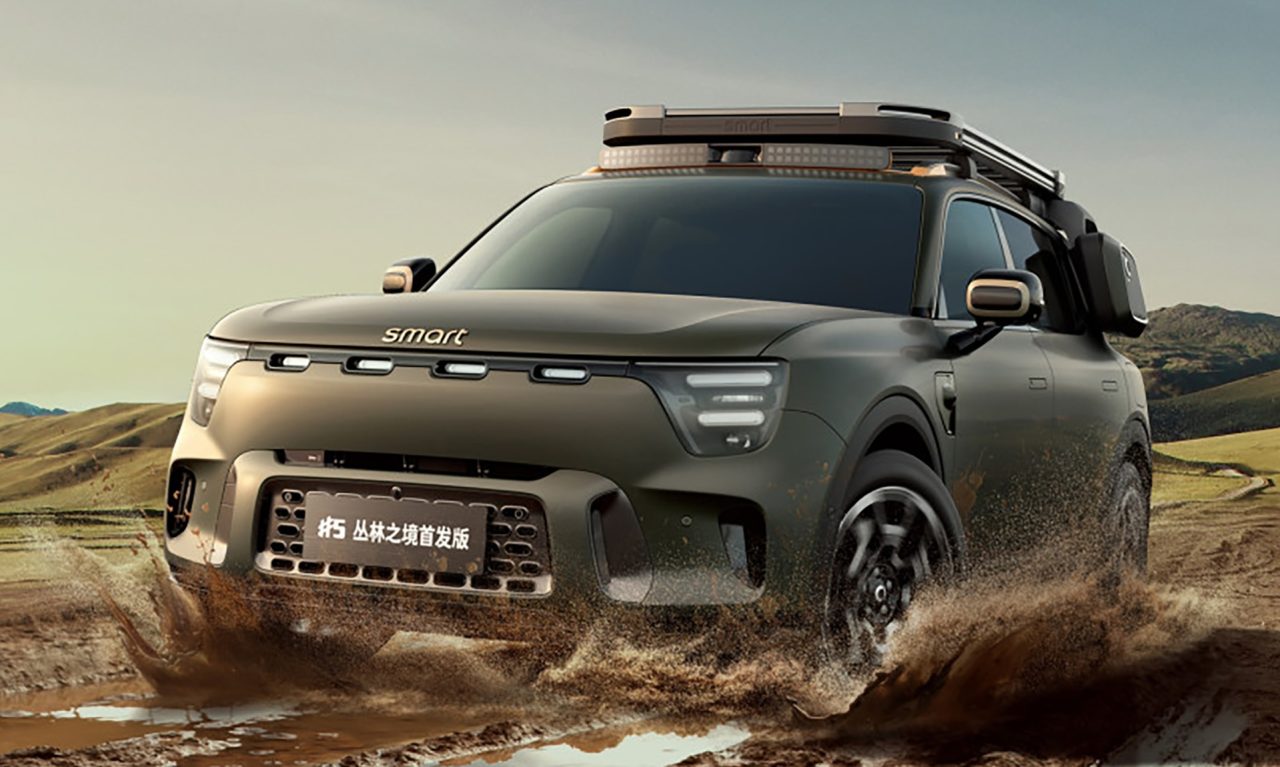
    Smart launched the Smart #2 Couture Edition in China for 112,999 yuan ($16,790). The release revives its signature two-seater city car format as an all-electric model.

    The joint venture between Mercedes-Benz and Geely Auto capped the initial Chinese run at 999 numbered units. That matches a separate 999-unit allocation earmarked for European buyers.

    Deliveries for immediate Chinese orders begin before year-end. Early ordering opens across Europe following the car’s global debut at the Paris Motor Show. European buyers face a pre-order entry price of 19,990 euros ($22,400). Chinese buyers will see pricing for standard Premium variants in November.

    Hardware and Architecture

    Built on Geely’s Electric Compact Architecture, the vehicle uses a platform engineered specifically for ultra-compact urban runabouts. Mercedes-Benz’s global design team handled the styling. They retained the proportions of the original ForTwo while adding LED lighting, flush surfaces and a capsule-patterned grille.

    A 35.8-kilowatt-hour lithium iron phosphate battery pack powers the vehicle, using cells supplied by CATL. It delivers a China Light-Duty Vehicle Test Cycle range of 410 kilometres. European testing targets a combined Worldwide Harmonised Light Vehicles Test Procedure range of 290 kilometres.

    Power comes from a single rear-mounted electric motor driving the rear axle. It produces 60 kilowatts of power and 130 Newton-metres of torque. The chassis pairs MacPherson strut front suspension with a five-link independent rear setup, delivering a tight turning radius of 3.35 metres. European models support 65-kilowatt direct-current fast charging, taking the battery from 10 per cent to 80 per cent in 20 minutes.

    Cabin Layout and Dimensions

    Dimensionally, the vehicle measures between 2,751 and 2,764 millimetres in length, 1,669 millimetres in width and 1,555 millimetres in height, riding on an 1,875-millimetre wheelbase. The exterior pairs matte white paint with a gold roof, gold grille accents and 16-inch alloy wheels. Staggered tyres measure 185/50 at the front and 205/45 at the rear.

    Inside, the cabin features an S-shaped dashboard, bench-style seating, turbine air vents and an infotainment display running the Flyme Link operating system. The car includes Level 2 driver assistance and remote automated parking. At the rear, the split tailgate retains a folding lower section that supports up to 120 kilograms when parked.

    Urban EV Market Strategy

    Smart’s return to the two-seater segment tests whether premium urban minicars can command retail margins in a domestic Chinese market crowded with budget micro-EVs. Geely and Mercedes previously repositioned Smart into mainstream compact crossovers with the #1 and #3 to chase broader sales volume. Bringing back the two-seater at nearly 113,000 yuan requires convincing city drivers to pay a substantial premium over mass-market urban runabouts that sell for half that amount.

    Production handled by Geely’s Zhejiang Haoqing Automobile Manufacturing gives the joint venture a low manufacturing cost base for export shipments to Europe. European urban centres tightly regulate vehicle emissions and parking footprints. That creates clearer commercial demand for micro-footprint electric vehicles than China’s wider highway networks require.

    Production History and Next Steps

    The original petrol-powered Smart ForTwo sold more than two million units globally after its 1998 debut under Daimler ownership. This revival follows an August regulatory filing by China’s Ministry of Industry and Information Technology, which confirmed technical specifications ahead of production clearance.

    Domestic pricing for the mass-volume Smart #2 Premium variant arrives in November, followed by local market rollouts and delivery schedules across European dealer networks.

  • LG Energy Solution to Supply 46100 Battery Cells to Mercedes-Benz

    LG Energy Solution to Supply 46100 Battery Cells to Mercedes-Benz

    LG Energy Solution will supply Mercedes-Benz with a new 46100 cylindrical battery cell for the German automaker’s next-generation electric vehicles starting in 2028.

    The agreement expands a series of four long-term supply contracts signed between the two companies since October 2024.

    New Dimensions for Cylindrical Packs

    With a diameter of 46 millimetres and a height of 100 millimetres, the 46100 format is an unannounced variation within the broader 46-series family. The cylindrical format gained industry prominence after Tesla adopted the 4680 size. Other manufacturers have experimented with 4695 and 46120 designs. The 100-millimetre height fits the specific packaging requirements of Mercedes-Benz vehicle architectures.

    Pilot manufacturing for the 46100 cell will take place at LG Energy Solution’s domestic facility in Ochang, South Korea. That site will calibrate machinery and refine production tolerances before equipment ships to Europe. Mass production will run at the group’s manufacturing complex in Wrocław, Poland, where line installation begins next year. The supplier is also weighing capital expenditures for dedicated module assembly lines at the Polish site to deliver complete clusters directly to vehicle assembly plants.

    Diversification Across Cell Geometries

    Automakers in Europe and Asia are rethinking their dependence on pouch and prismatic cell formats. Cylindrical cells offer superior structural stability and heat dissipation. That reduces the risk of thermal runaway in high-output drivetrains. Mercedes-Benz previously relied heavily on pouch cells from suppliers including SK On and Farasis Energy. Safety recalls and module complexity pushed the brand toward mixed procurement strategies.

    LG Energy Solution has built out manufacturing capacity for varied cylindrical specifications. The company started production of 4695 cells at the Ochang plant late last year. It is preparing to manufacture cylindrical units ranging from 4680 to 46120 specifications at its facility in Arizona by the end of this year. Adding a 46100 line gives the manufacturer a customized offering for premium European carmakers without redesigning its core cell chemistry.

    Procurement Rivalry Among Korean Suppliers

    Mercedes-Benz is maintaining a competitive supplier base across Asian manufacturers rather than granting exclusivity to a single partner. In April, the carmaker signed its first long-term electric vehicle battery contract with Samsung SDI. China’s CATL continues to supply large volumes across multiple vehicle platforms. Sourcing from multiple cell makers prevents bottlenecks and keeps downward pressure on pricing per kilowatt-hour.

    For Korean battery producers, securing multi-year European supply pacts offsets softer domestic electric vehicle adoption and tariff uncertainties in North America. The challenge sits in production yield rates for large-diameter cells. Scaling 46-millimetre lines requires tight welding tolerances and rapid tabless assembly processes. Both have created ramp-up delays across the sector.

    Manufacturing Milestones Ahead

    Validation testing on the Ochang pilot line will finish before commercial tooling is installed in Poland next year. Initial volume shipments will follow for the 2028 model rollout, building on supply agreements executed over the past two years as Mercedes-Benz overhauled its platform roadmap.

  • BYD Pushes European Production as Sales Reach 4.27 Million Units

    BYD Pushes European Production as Sales Reach 4.27 Million Units

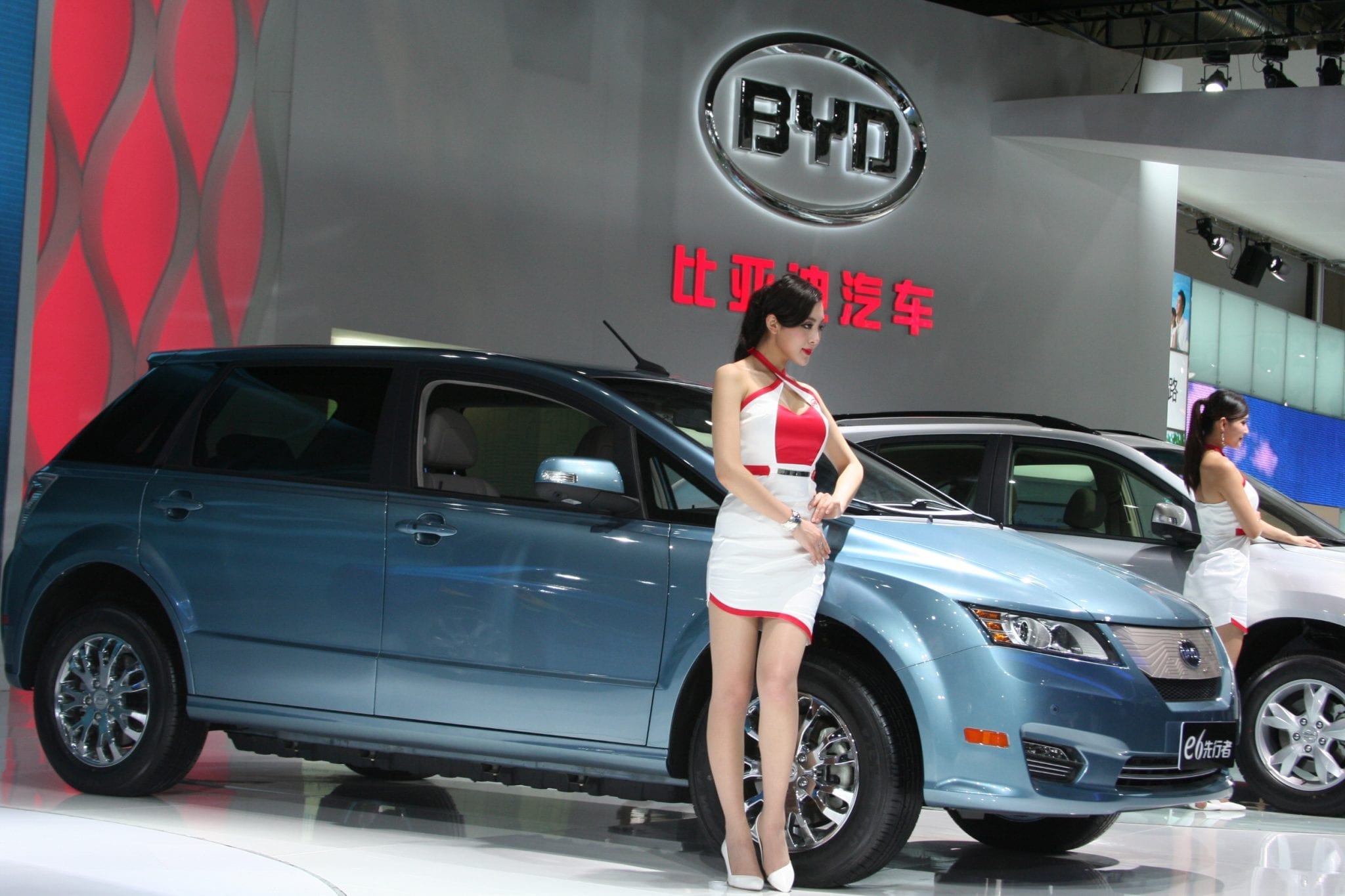
    BYD delivered 4.27 million new energy vehicles last year, expanding its European footprint. The surge steps up competitive pressure on German automakers across their core regional markets.

    Total sales for 2024 rose 41 percent over the previous year. That growth gives the Shenzhen-based automaker added scale as it builds its first European assembly facility.

    Bypassing Tariffs in Hungary

    Construction is underway on a passenger car plant in Szeged, Hungary. Vehicles assembled there will be built inside the European Union rather than shipped from Chinese ports.

    Local assembly lets the carmaker bypass additional tariffs the European Commission imposed on battery electric vehicles imported from China. The Commission determined in 2024 that Chinese state subsidies harmed European producers, introducing penalties to offset pricing differences.

    The Szeged plant will create thousands of local jobs and source components through regional supply chains, establishing a domestic European operating base.

    Pressure on German Brands

    German automotive groups face mounting headwinds across their volume and luxury segments. Volkswagen, BMW and Mercedes-Benz built their global market presence on engineering standards and brand prestige, supported by specialist badges including Audi and Porsche.

    Sluggish domestic economic growth, persistent inflation and supply chain friction now squeeze profit margins across German operations. Lower production costs and rapid development cycles from Chinese competitors directly challenge those legacy advantages.

    Pricing pressure in electric passenger cars leaves legacy European manufacturers with narrow operating margins. Chinese competitors produce battery packs and vehicle software internally, cutting component costs below what German supply networks currently deliver.

    Policy and Market Headwinds

    Trade barriers alone offer limited protection for European carmakers once overseas competitors start manufacturing inside the trade bloc. European manufacturers must match competitive vehicle prices while investing heavily in software architecture and battery chemistry.

    The European Commission outlined these structural vulnerabilities in its 2025 automotive action plan. The report warned that European automakers risk falling behind international rivals in battery development, vehicle software systems and autonomous driving platforms.

    Brussels now pairs import duties with domestic manufacturing incentives. Factory investments by Chinese firms inside the trade bloc weaken that intended barrier.

    Expansion from 2022 Entry

    BYD formally entered the European passenger car market in 2022 before committing capital to the Hungarian production site. Economists compare the broader shift to the manufacturing trade integration seen after China joined the World Trade Organization in December 2001.

    German automakers must now defend market share across both electric sedans and compact sport utility vehicles as local assembly begins. The decisive metric will be the production start date at the Szeged plant and the final retail pricing of its Hungary-built models.