Tag: merchandise

  • Singapore McDonald’s Shuts as Crowds Rush for $8 K-Pop Hats

    Singapore McDonald’s Shuts as Crowds Rush for $8 K-Pop Hats

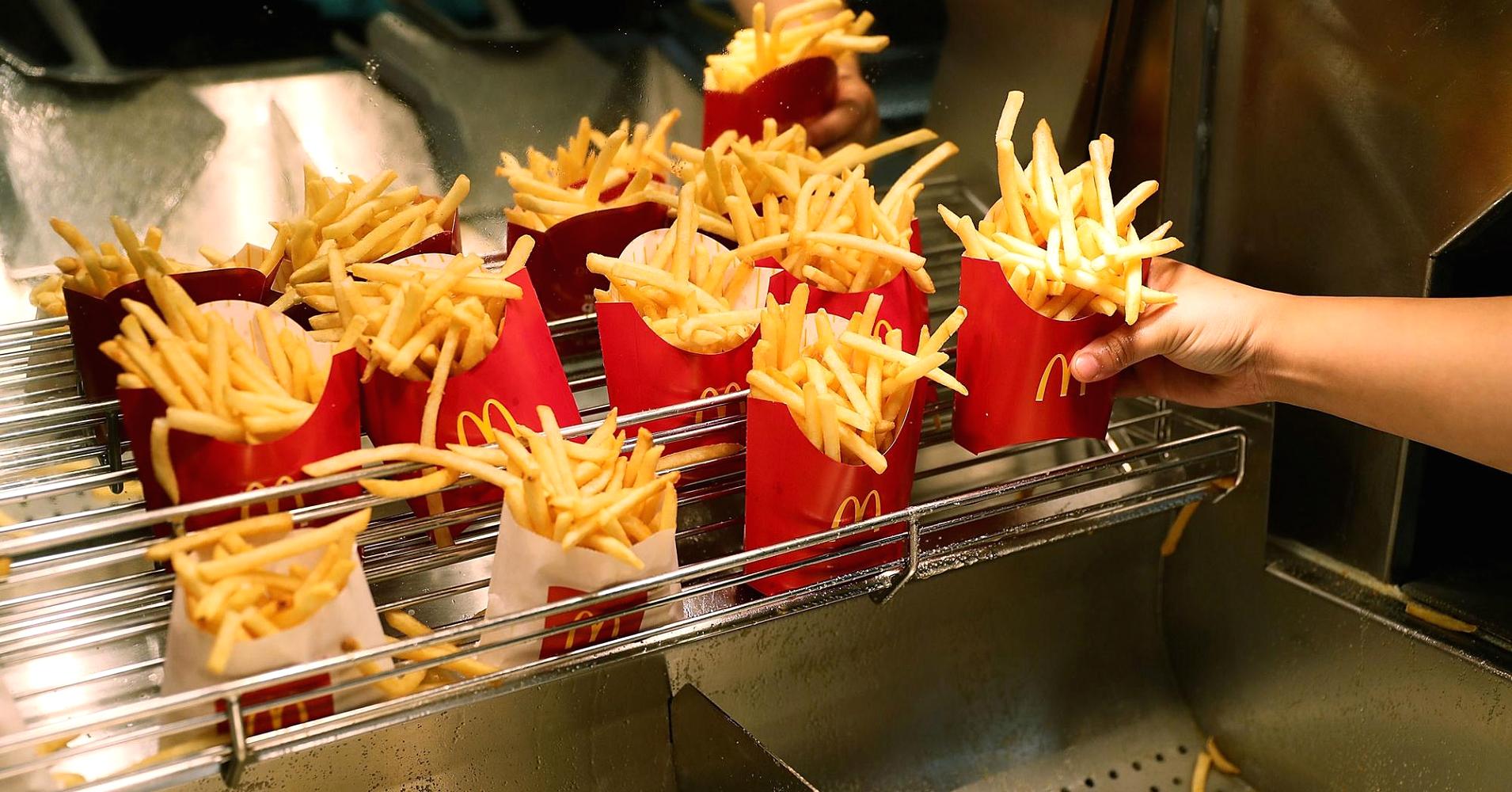
    A McDonald’s restaurant in Singapore suspended operations this week and pulled down its shutters after crowds mobbed the outlet during a launch for eight-dollar hats tied to a K-pop celebrity.

    Surging foot traffic overwhelmed staff and on-site capacity, forcing store management to close physical access to maintain crowd safety.

    Operational disruption from merchandise drops

    Quick-service restaurant operators across Southeast Asia frequently deploy co-branded entertainment partnerships to drive foot traffic, but physical merchandise sales introduce crowd control dynamics that standard fast food store formats are ill-equipped to handle. When low-cost, high-profile items such as eight-dollar branded apparel hit the counter, transactional volume quickly outstrips kitchen and ordering throughput.

    The physical closure of an active unit during peak trading hours creates direct revenue loss on core food items alongside third-party delivery cancellations. Fast food layouts prioritise rapid ordering, fast kitchen turnaround and short table dwell times rather than orderly queuing for physical retail inventory.

    The economics of limited-run fast food tie-ins

    Entertainment collaborations serve as high-margin marketing vehicles for global chains, generating substantial digital impressions and attracting younger demographics. The primary margin driver remains the accompanying food bundle, yet the secondary resale value of limited-edition collectibles frequently attracts scalpers who distort store footfall.

    Physical item allocations without dedicated ticketing or queue infrastructure leave frontline restaurant workers managing volatile retail bottlenecks. When merchandise sells out or access is restricted, customer frustration shifts onto restaurant staff, increasing brand friction rather than building goodwill.

    Crowd control risks for quick-service operators

    Mall operators and commercial landlords monitor safety protocols closely across high-density retail centres in Singapore. Uncontrolled queue spillover into common corridors disrupts neighbouring retail tenants and risks landlord penalties or regulatory intervention.

    For food chains, shifting exclusive merchandise sales to digital pre-orders, lottery allocations or app-based collection windows reduces physical crowding. Direct in-store sales of highly sought-after cultural tie-ins continue to expose operators to unexpected operational stoppages.

    Supply management across Southeast Asian hubs

    Consumer appetite for Asian pop culture collaborations remains exceptionally strong across urban regional hubs, including Singapore, Bangkok and Manila. The friction seen at retail counters demonstrates that demand forecasting for collectible merchandise often diverges from standard fast food sales forecasting models.

    Future promotional rollouts across regional quick-service networks will test whether chains continue open over-the-counter sales or transition high-demand merchandise releases entirely to digital redemption channels.
  • Miniso Launches First Overseas Super Miniso Store in Canada

    Miniso Launches First Overseas Super Miniso Store in Canada

    Miniso opened its first overseas Super Miniso store on October 10 at Square One Shopping Centre in Mississauga, Ontario. The location spans 1,000 square metres.

    Shelves carry more than 5,000 intellectual property-driven stock keeping units. Categories span character merchandise, beauty, travel accessories and everyday lifestyle products.

    This debut brings the full Naruto collection and Stitch Hit Snooze range to Canada for the first time. Upcoming product drops feature Demon Hunter, Chiikawa, Mofusand and Marvel. Miniso will also roll out its proprietary character IP, YOYO, and more than 100 Hello Kitty and Friends products.

    Inside the 1,000-Square-Metre Format

    The Super Miniso concept departs from the chain’s traditional small-footprint layout. Utility shelving gives way to character-themed shows and experiential floor zones built directly into commodity aisles.

    Floor plans blur the line between discretionary collectibles and regular consumable household goods. High-margin licensed items sit in front-of-store lifestyle displays rather than back corners. The strategy targets higher basket sizes.

    The IP Economics of Variety Retail

    For Chinese value retailers operating abroad, licensed character merchandise is the primary lever to lift gross margins. Generic stationery and plastic organizers yield low ticket averages. Co-branded anime and Disney items command higher price points with minimal extra production costs, helping shed the discount dollar-store label.

    Risk lies in inventory turnover and licensing commitments. Securing regional rights for Japanese anime franchises and Western entertainment properties demands minimum guarantee payments that only large-format, high-footfall sites can support. If footfall drops or trends shift quickly, slow-moving licensed stock ties up working capital faster than basic household sundries.

    A Four-Store Canadian Cluster

    Mississauga represents phase one of a Canadian expansion running through October and November 2026. Four themed large-format stores will open across the country in that two-month window.

    Three locations in Mississauga, Winnipeg and Montreal will adopt the Super Miniso balance of curated lifestyle goods and IP collections. A fourth site in Toronto will debut the Miniso Land format. That entertainment-focused concept drops basic lifestyle items in favor of an immersive character park environment.

    West Edmonton Footprint and Next Openings

    Miniso tested large-scale Canadian demand in November 2025 with a 1,000-square-metre store at West Edmonton Mall. Featuring 5,000 IP lines, the opening set a single-day sales record for its North American operations. The chain followed that in April 2026 with a dedicated Hello Kitty and Friends pop-up in Toronto.

    Next up are store rollouts across the three remaining Canadian sites through November 2026, alongside initial sales performance data from the Toronto Miniso Land launch.

  • Styld Partners with Mattel to Launch Limited-Edition Barbie Collection

    Styld Partners with Mattel to Launch Limited-Edition Barbie Collection

    Australian lifestyle brand Styld has partnered with Mattel to launch a limited-edition Barbie drinkware and homewares line across Australia this month.

    The range pairs Mattel’s entertainment rollout with everyday functional goods. Products are designed for adult nostalgia.

    Carafe design and product range

    A 750ml insulated stainless-steel carafe anchors the lineup. It represents the brand’s first build at that capacity. Features include a protective silicone bumper base and an integrated holder designed to carry lip gloss on the go.

    Other products include insulated cooler bags, stemware goblets, drink tumblers and kitchen chopping boards. Every piece carries Barbie’s pink-and-peppermint striped exterior finish.

    Mattel entertainment licensing pipeline

    The product release lands ahead of the premiere of Mattel’s Barbie Nutcracker film. Mattel continues to push its classic intellectual property into adult lifestyle, gifting and kitchenware rather than relying solely on traditional toy aisles.

    These collaborations give global entertainment groups access to domestic retail networks through local lifestyle labels. Alicia Stephens, founder and creative director at Styld, positioned the range to capture adult shoppers who grew up with the property alongside younger consumers.

    Commercial distribution and consumer response

    Retailers across the Asia-Pacific region have expanded licensed homewares shelf space over the past two years to capture higher-margin impulse gift purchases. Co-branded functional accessories give specialty lifestyle businesses immediate consumer recognition without the customer acquisition overhead required for unbranded launches.

    The rollout tests how effectively nostalgic entertainment properties convert into repeat purchases within Australia’s competitive insulated drinkware category this quarter.

  • NFL Australia Fixture Drives 400 per Cent Surge in Online Merchandise Traffic

    NFL Australia Fixture Drives 400 per Cent Surge in Online Merchandise Traffic

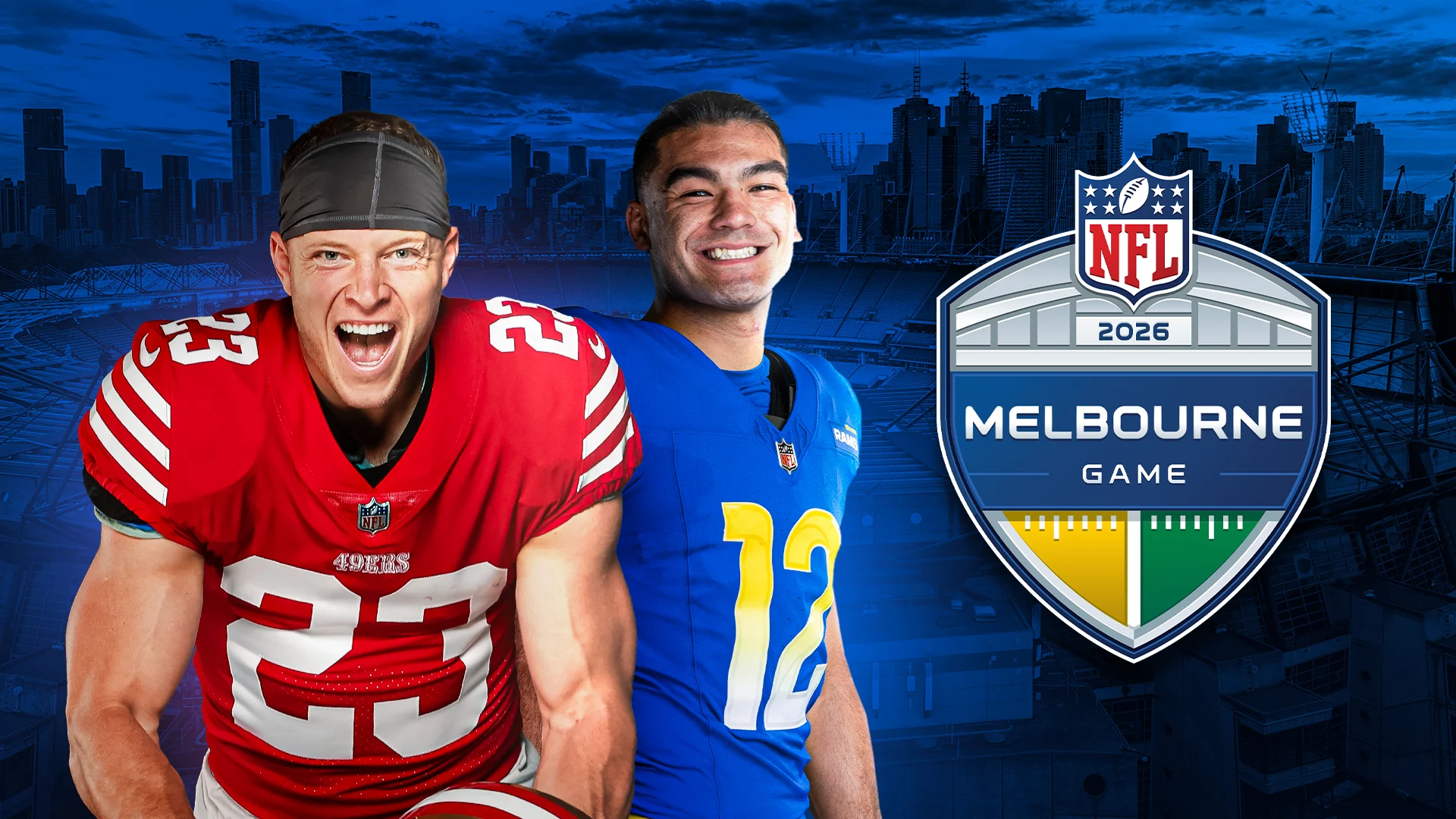
    Online traffic for National Football League merchandise surged roughly 400 per cent in Australia during the month before Melbourne’s inaugural regular-season game.

    More than 100,000 spectators attended the fixture between the Los Angeles Rams and the San Francisco 49ers at the Melbourne Cricket Ground. That capped a week of commercial activations across the city.

    Merchandise demand and consumer spending spikes

    Digital traffic for NFL gear was already running 310 per cent above baseline levels across the twelve months ending in August, according to data from Adobe. Sponsors hold high expectations. Adobe found 72 per cent of brands investing in the Melbourne fixture anticipate a 1.5-times return on spend. Another 30 per cent expect to double their outlay.

    Local spending patterns mirrored established habits. Carly Lynch, principal strategist of retail, media and travel at Adobe’s digital strategy group for Asia-Pacific, noted that 79 per cent of Australian households buy goods tied to major Australian Football League finals. During similar sporting windows, spending on streaming hardware jumps 74 per cent as consumers upgrade home setups.

    The commercial stakes for regional retailers

    For electronics retailers and licensed apparel distributors, foreign sports codes create a revenue window outside the traditional domestic footy calendar. Department stores and specialty chains face sharp demand spikes. These require precise inventory timing rather than prolonged shelf space. The immediate payoff sits with official merchandise and home viewing tech, leaving general retailers with minimal spillover.

    Buying teams face real risks if they overcommit stock beyond headline event weeks. Domestic leagues offer six months of consistent weekend matches. In contrast, overseas touring properties generate intense, narrow purchasing bursts that drop quickly once teams leave.

    A four-year runway in Victoria

    The Melbourne match is the first stage of an agreement between the league and the Victorian Government to host three games across four years. It follows a sustained effort by NFL Australia to build fan engagement and retail tie-ins before bringing full-scale games to the region.

    Charlotte Offord, general manager of NFL Australia and New Zealand, now targets a permanent annual fixture at the MCG under future scheduling arrangements.

  • Revamped Pokémon Center Singapore Unveils Cultural Heritage-Inspired Store and Exclusive Merchandise

    Revamped Pokémon Center Singapore Unveils Cultural Heritage-Inspired Store and Exclusive Merchandise

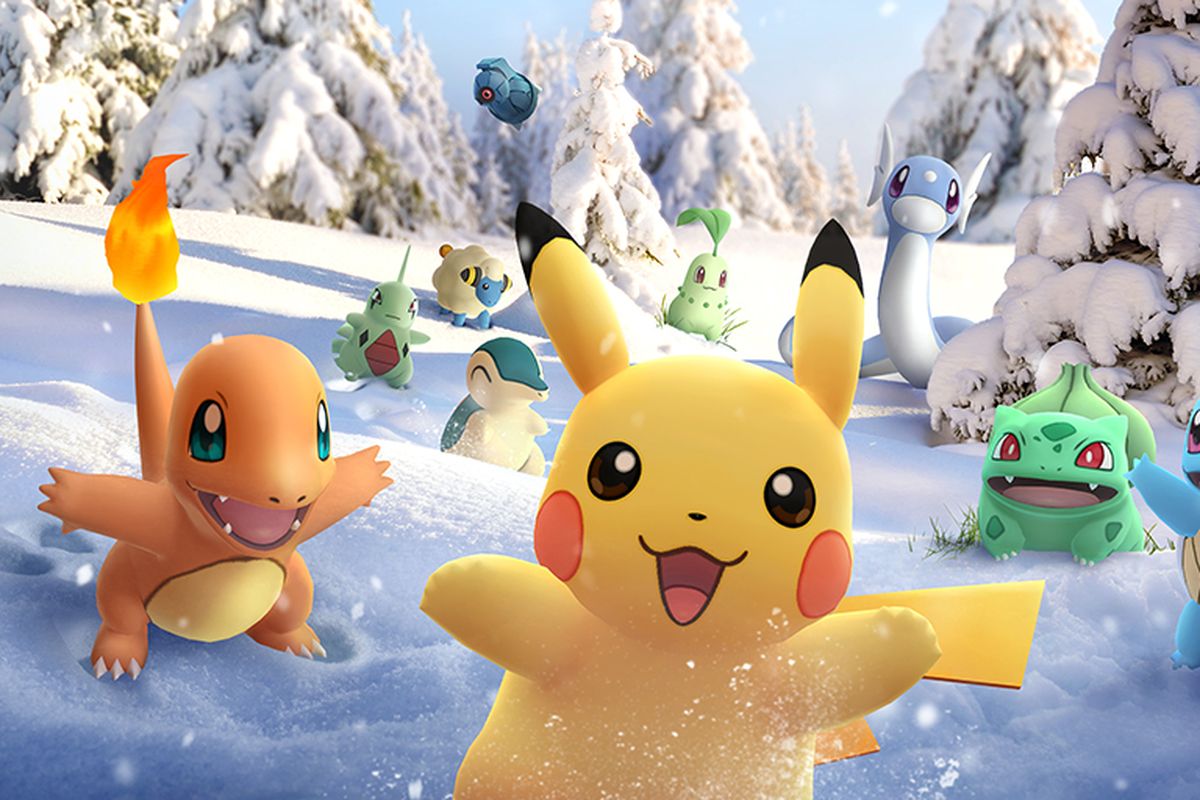
    After a three-month refurbishment, Pokémon Center Singapore celebrated its reopening at Jewel Changi Airport, presenting a fresh store design influenced by Singapore’s rich cultural heritage and an array of exclusive new merchandise. The updated store boasts unique interiors inspired by traditional local architecture and features a variety of themed spaces, such as a food court-inspired zone and an ocean-themed event section.

    Revitalizing Pokémon Center Singapore with New Symbol and Exclusive Products

    In addition to its fresh new look, the store has adopted Solgaleo as its new emblem Pokémon. The iconic Legendary Pokémon now graces the official logo and stands proudly at the entrance, accompanying Pikachu.

    The Pokémon Center Singapore, strategically placed at Jewel Changi Airport, continues to serve as a lively community hub and a cherished destination for locals and global travelers. The reopening is a significant step in enhancing relationships with local consumers and Pokémon enthusiasts worldwide.

    To commemorate the grand reopening, the Pokémon Singapore team is set to launch 20 exclusive celebratory products in two stages. The first wave, released on July 1, includes Singapore-inspired lifestyle items. A second collection, expected to be available on August 7, comprises locally-themed merchandise such as Pikachu bag charms, Peranakan-inspired pouches, T-shirts, and tote bags.

    Established in 2019, the Pokémon Center Singapore was the first permanent Pokémon Center in Southeast Asia. The brand is progressing its regional expansion with the planned opening of its second Southeast Asian store at CentralWorld in Thailand.

    Questions & Answers

    What is the new design concept of the refurbished Pokémon Center Singapore?
    The newly refurbished Pokémon Center Singapore features a design concept inspired by traditional local architecture and Singapore’s cultural heritage.

    What is the new symbol Pokémon for the store?
    The store has chosen Solgaleo as its new symbol Pokémon, which now features on the official logo and at the entrance alongside Pikachu.

    Are there any special events or products to mark the reopening?
    Yes, the reopening is being marked with the launch of 20 exclusive commemorative products in two waves. The first wave includes Singapore-inspired lifestyle items, and the second wave features locally-themed merchandise such as Pikachu bag charms, Peranakan-inspired pouches, T-shirts, and tote bags.

  • Netflix Online store offers limited-edition merchandise

    Netflix Online store offers limited-edition merchandise

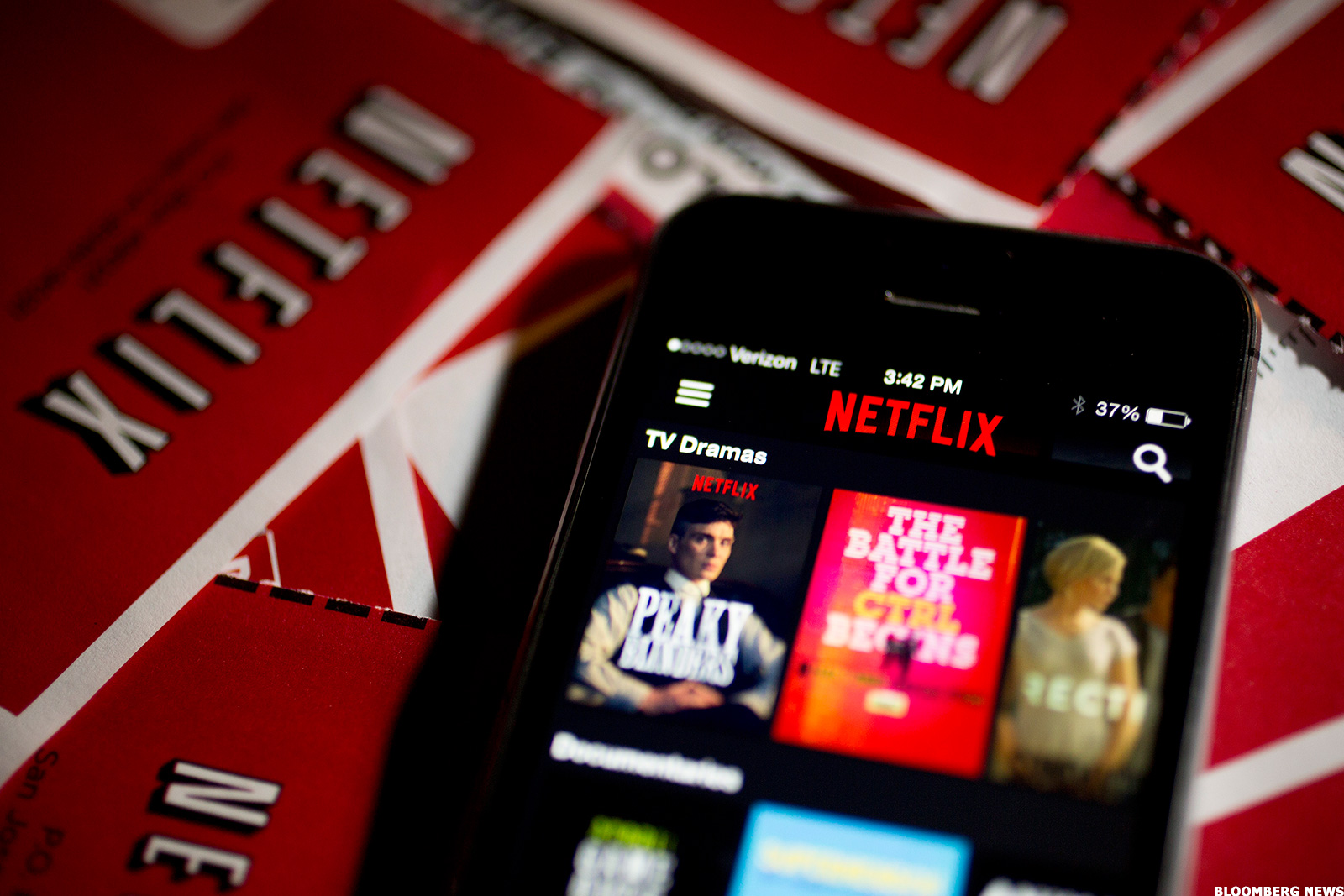
    Netflix will launch an online store to sell limited-edition apparel, lifestyle merchandise, and collectibles based on Stranger Things, Lupin, and other popular shows, the streaming giant said on Thursday.

    Netflix.shop will be available in the United States starting on Thursday and expand to other countries in the coming months, Netflix said in a blog post.

    The video streaming pioneer is facing a growing list of competitors offering their own streaming services with new movies and TV shows. In April, Netflix fell short of Wall Street projections for new subscribers.

    The online store offers a new source of revenue for Netflix and expands its product line beyond the items it sells through partners such as Target and Walmart.

    Merchandise in the online shop will be “carefully selected high-quality apparel and lifestyle products,” the company said.

    Items debuting this month include streetwear and action figures based on anime series Yasuke and Eden” and apparel and decorative items inspired by French crime thriller Lupin, Netflix said. The Lupin products were developed with the Louvre museum.

    In the future, the company plans to introduce products based on hit series “The Witcher” and “Stranger Things” and Netflix logo-wear from Japanese fashion house BEAMS.

    Netflix has also created video games based on shows Stranger Things and La casa de Papel (Money Heist).

  • Morphe launches Coca Cola cosmetics and accessories

    Morphe launches Coca Cola cosmetics and accessories

    Beauty brand Morphe has teamed up with Coca Cola to launch a new makeup collection.

    Different to Morphe’s usual partnerships with famous beauty gurus such as Jaclyn Hill or Jeffree Star, the co-branding with Coca Cola has marked one of the brand’s biggest collabs.

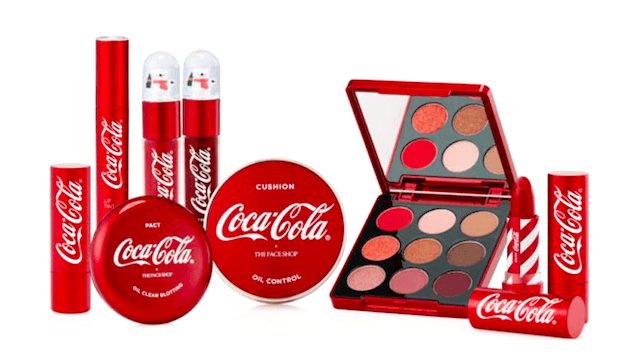
    Called Thirst for Life Collection, the new beauty line will feature products designed with Coca Cola’s label, including lip glosses, an eyeshadow palette, highlighters and brushes.

    “The Thirst For Life Artistry Palette, in particular, was inspired by the full experience of drinking a Coca Cola – from the green glass of the bottle, to the blues of ice, to the colours of the actual liquid beverage,” the company said in a statement.

    Morphe is not the first beauty brand to collaborate with Coca Cola. The US soft drink brand teamed up with The Face Shop to launch a beauty collection in South Korea.

    The Morphe x Coca Cola Collection was launched today, June 18, with all products priced under US$30.

  • Starbucks merchandise in high demand as fans miss in-store experience

    Starbucks merchandise in high demand as fans miss in-store experience

    Stuck in their homes, many US fans of Starbucks are apparently missing the experience of shopping or dining in a cafe – so they’re going online to pay huge premiums to buy the coffee brand’s merchandise.

    US high-end online reseller Poshmark has seen sales of Starbucks merchandise increase by more than 100 percent since the advent of the coronavirus pandemic.

    Buyers in search of Starbucks mugs, tumblers, earrings (yes, earrings), scarves, and almost anything bearing the famous siren logo have reportedly flooded sites such as Poshmark, hunting for bargains and rare collectibles.

    Poshmark CEO Manish Chandra suggested restrictions on movement brought on by the outbreak have triggered strong nostalgia for the coffee chain amongst patrons who regularly visit outlets. Starbucks is now the site’s top-trending brand.

    Starbucks merchandise is only available direct from its physical cafes after the company closed its online store three years ago, making it impossible for customers to browse new products in areas where lockdowns are in place.

    “People have been making their coffee at home and pouring it into their favorite Starbucks cups, or taking their Starbucks mugs to their Zoom meetings or now, virtual coffee meets,” Chandra told CNN.

    Starbucks has acknowledged the surge in demand for its merchandise on reseller sites but made no further comment.

  • Harry Potter merchandise retailer launches in the Philippines

    Harry Potter merchandise retailer launches in the Philippines

    Scotland-based Harry Potter merchandise retailer Museum Context has launched its first Philippine store at SM Mall of Asia in Pasay City.

    The store, which specializes in licensed Harry Potter products, is operated by an avid fan of the books and movies, Katsie Llave, who during a trip with her father to Edinburgh, came across the Museum Context flagship store on Victoria Street. At the same time, she happened to meet its founder Andrew McRae, who agreed to partner with her in developing the concept in the Philippines.

    Llave, who also runs events company Patronus, describes the partnership with McRae, as a perfect opportunity “to create magical moments for fans, by fans”.

    “Every item in this shop has been selected with genuine excitement and dedication to the brand, and we are confident that fans will fall in love with this just as much as we have,” she said.

    “Our first weeks of trading have exceeded all our expectations and is proof that the magic lives on,” she said.

    Museum Context, founded in 2007, operates four stores in Edinburgh. In 2011, McRae took the concept to Hong Kong, and has since expanded to several locations including one at Hong Kong International Airport, which opened earlier this year.

    McRae sees Asia as a key growth market and says that the Philippine foray acts a gateway for future expansion in the region.

  • South Korean K-pop merchandise sales surge to US$132 million

    South Korean K-pop merchandise sales surge to US$132 million

    South Korea’s K-pop merchandise market is booming, reaching KRW 150 billion (US$132 million) last year.

    Led by the recent global fame of BTS, K-pop’s popularity has expanded far and wide, and a growing number of fans are enthusiastically spend their time and money collecting even the smallest souvenirs that remind them of their favorite pop stars.

    Mugs, notebooks, pens, bags, T-shirts, tumblers and slippers with photos of BTS, EXO, Blackpink, Twice and the like all stir K-pop fans’ desire to be closer to the performers they like the most.

    “I spent more than 1 million won ($881) buying BTS merchandise last year,” one BTS fan told Yonhap, requesting anonymity. “Sometimes even I think it’s a bit excessive, but it’s one of my big hobbies.”

    According to the latest data from the Korea Creative Content Agency (KCCA), the total sales of the South Korean music industry reached 2.87 trillion won in the first half of last year, up 9.2 per cent from a year earlier.

    K-pop merchandise sales of 150 billion won last year alone includes privately created items and pirated goods.

    “Fans with huge loyalty to their singers buy albums and goods together. Many of them create unofficial goods too,” said Sung Mi-kyoung, a senior researcher at the KCCA. “The idol culture started to explode in the latter half of 2017 on the back of the rising global popularity of BTS. Estimates of 150 billion won in sales are not groundless.”

    She said the three leading music labels — SM Entertainment, JYP Entertainment Corp. and YG Entertainment Inc. — have already acknowledged the potential of the goods market and started to rack up revenues there.

    According to their regulatory filings, the three listed companies’ combined sales of albums and digital music content reached 76.69 billion won in the first half of 2018.

    And they posted a combined 105.44 trillion won in sales from K-pop merchandise, royalties and other fees over the cited period.

    YG alone earned 76.91 billion won in royalties and brand-related sales as the company runs fashion and cosmetics subsidiaries using artist brands like Big Bang, iKon and Blackpink.

    SM, which manages Exo, Shinee and Super Junior, runs its official merchandise shops SUM Market and SMTown Gift shop in southern Seoul, selling collaborative products combined with its artists’ brands.

    “It has been a minor culture among young fans of K-pop,” said Sung. “But from now on, its huge potential will attract the entire entertainment industry to focus on this market.”

    She said 50 per cent of South Korean teenagers have bought a K-pop item at least once.

    “These young teens who are very willing and familiar with spending money on goods related to their idols will grow up and have greater purchasing power when they become 30-somethings or 40-somethings.”

    Against this backdrop, the K-pop market is broadening into a comprehensive content industry linked with performance, fashion, food, tourism and even manufacturing.

    Tens of money-making goods and events can be derived from a picture of a K-pop singer, she noted.

    “People do not only consume music to listen to but also enjoy such entertainment in other forms. The music industry now comes with concerts, merchandise and intellectual property,” the KCCA expert said. “I hope the public sector will fine-tune the legal issues involving intellectual rights to level the playing field and foster the content industry further.”

  • Shopee Sellers in China to use DHL to Delivery across Thailand

    Shopee Sellers in China to use DHL to Delivery across Thailand

    DHL eCommerce, a division of logistics company, Deutsche Post DHL Group (DPDHL), has announced a partnership in China with Shopee, a leading e-commerce platform in Southeast Asia and Taiwan. The partnership enables sellers in China to access consumers nationwide in Thailand, with an expansion of the partnership to other Southeast Asian markets in the pipeline. According to Statista, the e-commerce gross merchandise revenue in Thailand will exceed US$5 billion by 2022, making it the second largest e-commerce market in Southeast Asia.

    “Direct selling to overseas consumers has never been easier and has become a key growth driver for many businesses, with e-commerce as an easy platform to enable international expansion. With logistics as a key enabler for cross-border retailing, we want to empower our customers to tap into this huge growth opportunity,” says Zhi Zheng, Managing Director, DHL eCommerce Greater China & North Asia.

    “Over the past few years, we have witnessed extremely strong growth of B2C parcels from China, mainly powered by e-commerce. We are pleased to partner Shopee to enable Chinese sellers to easily sell and deliver in Thailand, whether it’s doorstep delivery or for consumers to collect their orders from our growing network of easily accessible ServicePoints — which is set to reach over 1,000 in Thailand by end-2018.”

    With DHL eCommerce integrated on Shopee in China, sellers can easily sell and deliver on one single platform and keep track of all shipments directly on the app.

    “In recent years, we have witnessed the rapid development of Southeast Asia’s e-commerce market, and a growing number of Chinese brands and sellers are staking a claim in this e-commerce goldmine. However, the geographical complexity of this region has created some logistical challenges. As a leading e-commerce platform in Southeast Asia, Shopee has built its Shopee Logistics Servcies (SLS), a highly efficient logistics delivery network that links China with Southeast Asia. We are delighted to work with DHL, the world’s leading logistics service provider, to grow SLS from strength to strength. Our collaboration will make Shopee the e-commerce platform of choice for cross-border sellers in China who aspire to sell into Southeast Asia,” said Jianghong Liu, Head of Shopee Cross Border eCommerce.

    Currently, Shopee’s SLS is operational in seven markets in Southeast Asia and Taiwan. With shipping costs 20% to 30% lower than typical market rates and better transit times, SLS makes cross border logistics a breeze for Chinese sellers. The collaboration between Shopee and DHL eCommerce will further enhance the capabilities of SLS. DHL will provide Shopee sellers with door-to-door logistics services, ensuring products will reach consumers in Thailand safely and quickly.

  • The Marvel Experience Thailand opens in Bangkok

    The Marvel Experience Thailand opens in Bangkok

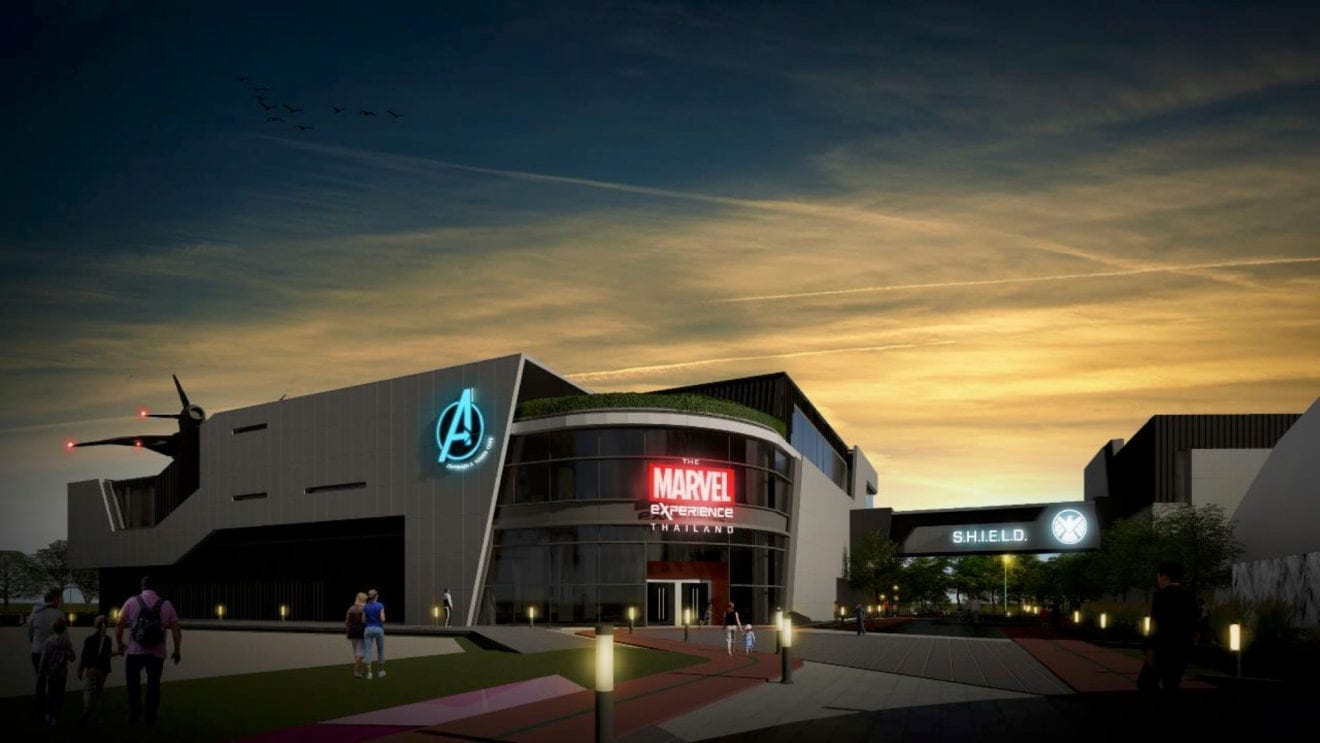
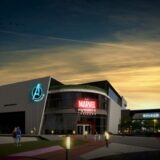
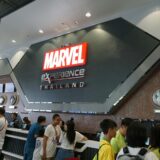
    The Marvel Experience Thailand opens in Bangkok.  South East Asia’s first Marvel Experience-branded attraction has launched at Bangkok’s Mega Bangna mall.

    The Marvel Experience Thailand stretches over two hectares. It’s sited at the Mega Bangna (Bang Phli) mall, halfway between Suvarnabhumi International Airport and the centre of Bangkok.

    “From our success with the launch of The Marvel Experience (TMX) in the United States of America and elsewhere, a number of countries have reached out and invited us to bring TMX to them,” said Rick Licht, CEO of Hero Ventures. “As Thailand is a major fan base for Marvel, we believe that Thailand is the perfect country to which we should bring this adventure.”

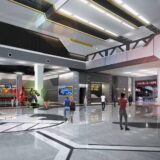
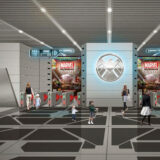
    The new attraction has two major zones – a reception building and the Attraction Zone. As visitors enter they will find themselves at the ticket office. F&B options The Avengers Café and the Super Hero Snack Bar are on hand. The Marvel Adventure Zone offers play for smaller children. Guests can also browse the Marvel Experience Super Store, with a wide range of Marvel licensed products. The Marvel Experience Thailand merchandise is exclusive to the venue.

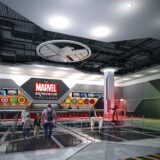
    Guests then enter the Holding Zone Beta, a prepping area before guests move into the main Attraction Zone. Once inside the Attraction Zone, guests are invited to become S.H.I.E.L.D agents. They then join Spiderman, Captain America, Iron Man, Thor, Hulk, Black Widow, Black Panther and other Marvel heroes in a two-hour campaign. The immersive battle offers a compelling combination of hyper reality, interactive and multimedia technology games. It also includes AR and VR simulations.

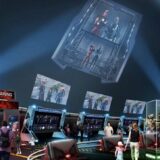
    The Marvel Experience also offers a 4D motion ride and a 360-degree 4D stereoscopic projection dome. Guests also have the opportunity for meet and greets with Marvel heroes.

    TMX is collaborating with their local partner Hero Experience to manage the attraction. Surakiat Thienthong, co-CEO of Hero Experience, says he hopes the new attraction will become a key tourist focus in Bangkok, helping to boost overall numbers of tourists for Thailand.

    “We plan to communicate with both Thai people and international tourists,” says Thienthong. “For Thailand, our strategy is to integrate marketing communication across all media channels: TV, radio, online, out-of-home media, including marketing activities every month.”

    He adds that, for the international market they will “promote through media and key influencers in each country as well as find the right travel agent partners to broaden our target groups.”

    The addition of branded retailtainment is in line with current trends in retail.

    It seems the world can never get enough of Marvel. Earlier this year Blooloop reported on the opening of a £1million Marvel Super Heroes attraction at Madame Tussauds Blackpool.  Meanwhile the Marvel Summer of Super Heroes is in full swing at Disneyland Paris.

    View gallery below for more pictures of the venue (7 images) :