Retail News CRM

Tag: mers

  • Rising sales at department stores suggest recovery of retail sector

    Rising sales at department stores suggest recovery of retail sector

    South Korea’s major department store chains saw their sales move up 2.4 percent in the first quarter from a year earlier, government data showed Sunday, indicating a recovery may be under way in the retail sector.

    According to the data compiled by the Ministry of Trade, Industry and Energy, South Korea’s top three department store brands — Lotte, Hyundai and Shinsegae — saw their sales improve in the January-March period from a year earlier, recovering from the 1.2 percent on-year drop posted for all of 2015.

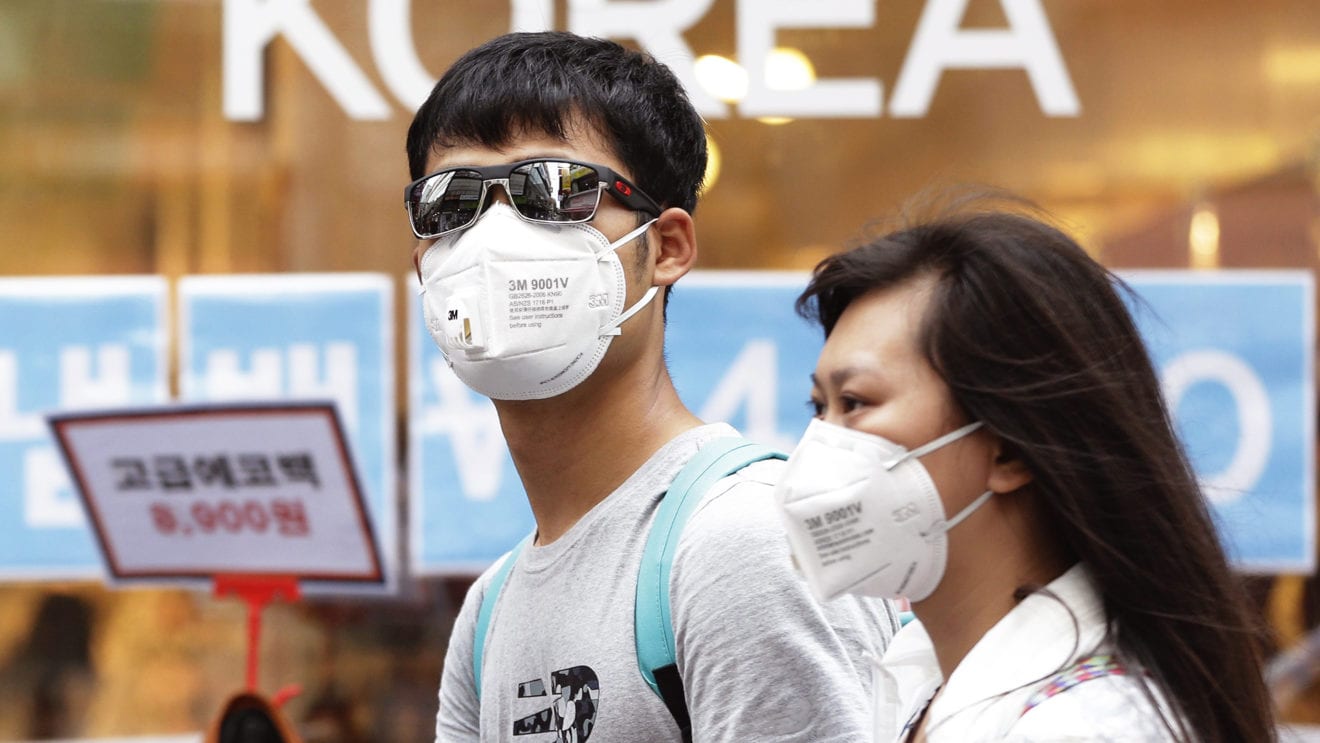
    Last year, local department stores suffered a drop in performances due to the outbreak of the Middle East Respiratory Syndrome (MERS) here, which induced South Koreans to avoid crowded areas and stay indoors.

    The department stores also saw their sales advance 4.3 percent on-year in April. While sales dropped 2.7 percent on-year in May, they still were better than at large-sized supermarket chains, which suffered a 6.3 percent drop in sales over the cited period.

    Industry watchers said the recovery may give birth to a new department store branch with annual sales of 1 trillion won (US$879 million).

    Last year, only three branches managed to post annual sales above 1 trillion won, with two of them being Lotte and the other Shinsegae.

    “As the sales of large branches are recovering, and as department stores are aggressively rolling out renewal projects, it is believed that the number of the so-called 1 trillion-won club branches will increase,” an industry watcher said.


  • South Korea to Launch Nationwide Shopping Festival in Fall

    South Korea to Launch Nationwide Shopping Festival in Fall

    South Korea will hold a nationwide shopping festival involving major retailers, manufacturers and traditional markets in the fall to draw foreign travelers and jack up lackluster domestic consumption, the government said Tuesday. 

    The Ministry of Trade, Industry and Energy and the Ministry of Culture, Sports and Tourism jointly formed a task force to create the massive shopping campaign, called “Korea Sale FESTA,” scheduled from Sept. 29 to Oct. 31. 

    “The government consulted with major manufacturers in consumer electronics, clothing, cosmetics and food industries, and they were positive about offering discounts on various items,” the ministries said in a release. “As Korea Sale FESTA is prepared well in advance, more manufacturers are expected to participate in this year’s event.” 

    The ministries separately held discount events last year as part of efforts to prop up the national economy hit hard by the Middle East Respiratory Syndrome outbreak last May.

    The culture ministry initiated a shopping festival called “Korea Grand Sale” from early September to mid-October during which retailers knocked down prices to woo back both domestic consumers and Chinese travelers during the long-haul national holiday. 

    Less than a month later, the trade ministry held another nationwide shopping campaign, called “Korea’s Black Friday,” during the first two weeks of October, to stimulate stagnant domestic consumption. 

    As last year’s discount campaign was criticized for hasty preparations and limited participation by retailers, the government formed a joint task force with industry officials this year to negotiate with retailers and manufacturers and offer shoppers better deals. 

    The culture ministry plans to provide support by hosting cultural and entertainment events with K-pop stars to attract foreign travelers, while the trade ministry will push for trade fairs and exhibitions to create a synergy effect. 

    The government will start promotion at home and abroad starting from late July and work with provincial governments and related organizations to link with local festivals during the period. 

    “We will combine shopping, tourism and culture to promote Korean culture and create a festive mood to bring in domestic and international consumers,” the ministries said.


  • Black Friday Campaign Provides Shopping Catalyst in South Korea

    Black Friday Campaign Provides Shopping Catalyst in South Korea

    South Korea is trying to stem a drop in retail spending by replicating an American shopping tradition — Black Friday.

    More than 34,000 stores, including three-quarters of the country’s department stores, slashed prices by as much as 80 percent in the Korean version of bargain-oriented Black Friday through Oct 14. The two-week campaign was launched by the Korean government in an effort to offset sales lost to online commerce and to attract shoppers from neighboring China and elsewhere back into stores.

    In Korea, stores already hurt by online shopping were dealt another blow by the Middle East Respiratory Syndrome, or MERS, this year, which led to an 12 percent drop in revenue at department stores in June and another 6.5 percent decline in August. In July, sales were up very slightly, at 0.7 percent, from a year earlier as Koreans shopped ahead of the summer holiday season.

    The MERS virus has infected 186 people and killed 36 since the outbreak on May 20. It scared away tourists, reducing the number of foreign visitors by 53 percent in July, and another 27 percent in August, from a year earlier.

    Though the fallout from MERS subsided after the government declared July 28 that the virus was no longer a concern, the number of foreign tourists still continued to decline, and was down 3.8 percent in September from the previous year.

    For department stores, that has created a bleak situation, as Chinese tourists in particular are important for strong sales. So the government stepped in, figuring a western-style Black Friday campaign — which has become a seasonal retail driver in the U.S. with bargain-basement deals the day after Thanksgiving — would help stimulate interest in going back into stores in Korea.

    Sales jumped. For the two weeks through Oct. 14 at three major department stores — Lotte, Hyundai and Shinsegae — sales rose 24 percent from a year earlier, according to the finance ministry. Korean discount stores including E-mart, Home Plus and Lotte Mart reported a 3.6 percent revenue increase in the same period. The ministry estimates the overall upswing in retail sales to add about 0.1 percentage point to this year’s growth, forecast at 2.7 percent by the Bank of Korea.

    “It’s a relief, albeit temporary,” said economist Lee Jun Hyup at Hyundai Research Institute, a Seoul-based private think tank focusing on the economy. “An upturn would be meaningful in that the campaign lifted consumer spending in the weeks following the national Chuseok holiday, when people tend to cut down on shopping.”

    South Korean policymakers have been trying to expand the economy with temporary consumption tax cuts on cars and home appliances. Meanwhile, exports — which account for about half of the nation’s economic output — fell every month this year.

    Seoul’s plan is to host similar retail campaigns in the future. If successful, this could redirect local consumers back to Korean malls, which lose about 800 billion won ($707 million) every year during the peak shopping period of November and December to U.S. retailers such as Amazon.com Inc., said Lee Hyoung Ryoul, the finance ministry director in charge of organizing the event.

    In South Korea, the jicgoojok — literally, a tribe of direct buyers — increasingly buy goods from overseas online retailers at much better prices than offered at local stores. The trend is a challenge to Korea’s retailers, which have enjoyed agreements with manufacturers that allow them to charge a premium for foreign and domestic products with little concern for competition.

    A report by the Korea Customs Office last year showed that some import goods sold through exclusive dealerships including wine, lipstick, cheese and car tires were as much as 9.2 times more expensive in Korea than they were overseas.

    Unlike the U.S., where retailers control prices and offer discounts to clear out inventories ahead of the Christmas shopping season, Korean department stores often lease space to vendors without control over inventories. To stem the retail decline, the government would have to include more manufacturers and not just retailers in future Black Friday events, Lee at HRI said.

    While early results show the shopping event was successful, the discounts were limited. Most foreign brands in the high-end category, such as cosmetics and jewelry, didn’t participate, unless they were featured at select shops. Home-appliance stores directly controlled by Samsung Electronics and LG Electronics also weren’t part of the sales, according to the finance ministry.

    Still, some had their own sales — Tommy Hilfiger Kids at Lotte’s headquarters store was offering some items at a 30 percent discount last week in an event separate from the nationwide Black Friday.

    Some shoppers were disappointed that the discounts weren’t deeper — especially as they had been heavily promoted.

    “This is not much different from usual sales department stores regularly hold,” Shin Ji Hye, a 37-year-old mother said while taking a break from shopping for her toddler daughter in downtown Seoul. “I have seen some discounts on women’s clothing floors but most of them offered 10 percent. I think I will go back to online malls and wait for the real Black Friday in the U.S.”
  • Korea set to woo back Chinese tourists

    Korea set to woo back Chinese tourists

    South Korea’s retail and tourism industries are preparing a slew of promotional and cultural events to woo back Chinese tourists during a long-haul holiday season, pinning their hopes on making up for a summer slump in the wake of a viral respiratory illness, sources say.

    Since the first outbreak in late May, Middle East Respiratory Syndrome (MERS) made a big dent on domestic spending as foreign tourists canceled their planned trips during the peak summer season, while South Koreans avoided shopping centers and other crowded places in June and July.

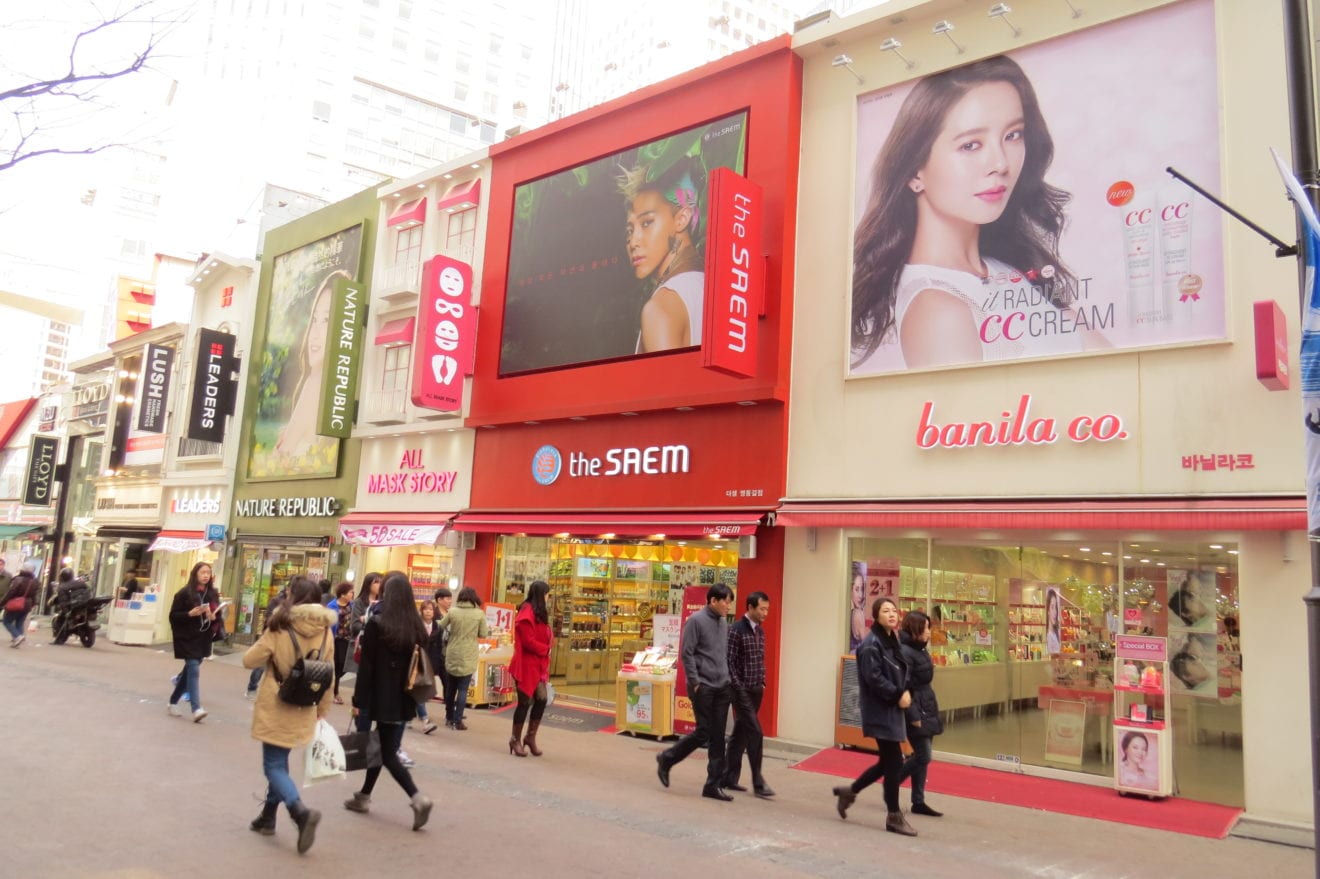
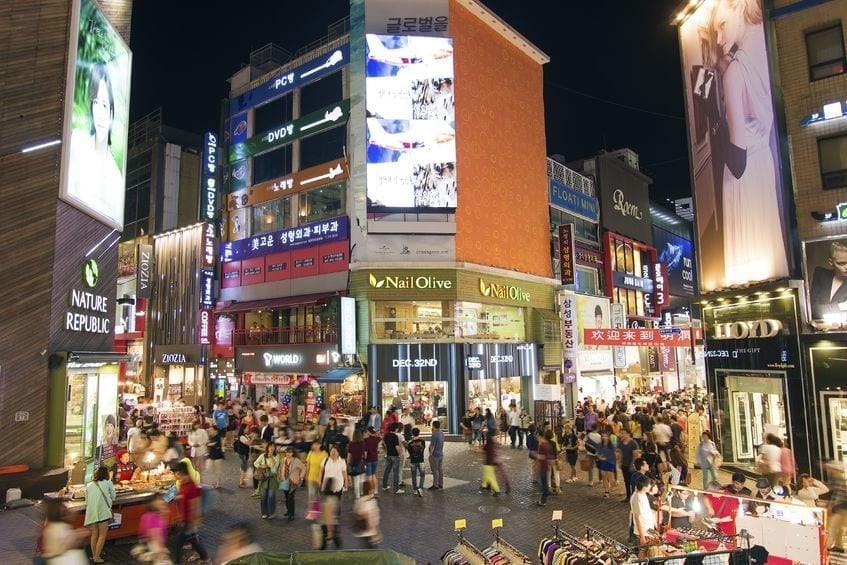
    While the viral disease hit the tourism and retail industry hard, Chinese tourists have started to return to the once-empty streets of Myeongdong, one of the capital’s most popular shopping districts, over the past month.

    The number of Chinese travellers has increasingly recovered to the previous year’s level since late August and marked an on-year rise since mid-September, the state-run Korea Tourism Organization (KTO) said.

    About 303,000 tourists with Chinese nationality entered the nation in the first two weeks of September, rising 4.8 per cent compared with the same period a year ago, it said.

    “The number of Chinese travelers has sharply risen this month, and the number is expected to completely recover during the Chinese holiday season,” Han Hwa-joon, who oversees the KTO’s Shanghai branch, said. “The recovery pace is faster than expected.”

    Chinese Thanksgiving falls on September 26-27, and together with the Chinese National Holiday running from October 1-7, the holiday season can be extended up to 12 days.

    As the Chinese holiday season draws near, major shopping centers and duty-free operators are making all-out efforts to draw Chinese tourists to make up for a shortfall in sales amid dormant domestic spending.

    According to the KTO, 164,000 Chinese travelers visited the nation during last year’s autumn holiday season and spent 2.4 million won on average, which amounts to about 400 billion won (US$341.5 million) in total.

    During this year’s Chinese National Holiday, the tourism agency expected some 210,000 Chinese will visit the nation, up 30 per cent from a year ago, considering the pace of growth over the past three years.

    “We will host a variety of events even after the Chinese holiday to make up for the fall in tourists during the peak season from June to August,” said Seo Young-chung, a KTO official in charge of Chinese tourism.

    Lotte Department Store plans to host a variety of promotional events targeting Chinese travelers during the golden weeks, providing discounts on payments made through UnionPay, China’s largest credit card issuer, and Alipay, China’s No. 1 mobile payment application.

    Shinsegae, the nation’s leading department chain, said it will give special discounts to Chinese customers, while Hyundai Department Store also started the regular sale season earlier than usual to attract the deep-pocketed travelers.

    Operators of duty-free shops have also stepped up efforts to bring back Chinese travelers, the largest consumer group, which accounted for about 70 per cent of downtown duty-free spending last year, up from around 15 per cent in 2011.

    Lotte Duty Free, the world’s fourth-largest duty-free operator, held a travel fair in Shanghai on September 9, in which senior company officials reached out to Chinese tourism officials to attract Chinese travelers.

    Hotel Shilla, part of Samsung Group and the world’s No. 6 duty-free operator, also presented various sales promotions and tour packages during the fair along with other Samsung units, with the attendance of senior officials.

    “The Korean tourism industry has mostly recovered after the Mers outbreak came under control, and it will make a full recovery in September,” Hotel Shilla CEO Lee Bu-jin told reporters during her visit to Shanghai.

  • South Korea retail sales easing upwards

    South Korea retail sales easing upwards

    South Korean retailers are breathing a sigh of relief as consumers return to stores in the wake of the MERS scare receding.

    South Korea retail sales rose 0.5 per cent in July to 30.14 trillion won (US$25.6 billion) after receding 0.6 per cent in June.

    Statistics Korea said sales rose month on month as well as year on year.

    “The fallout of the MERS outbreak that caused demand to slump seems to have receded in July, leading to a slight rise in consumer spending,” a spokesman for Statistics Korea said.

    “While things have not returned to normal, sales are rising in areas that were most affected by the outbreak.”

    The MERS outbreak hit in late May. Thirty-six people subsequently died and a further 186 were infected before the outbreak was brought under control and confirmed over by health officials in July.

    The value of online transactions rose by 21.2 per cent, driven by sales of food and cosmetics as cautious shoppers opted to have products delivered rather than visit stores and risk exposure.

    Online shopping accounted for 15.8 per cent total retail sales in July.

    In stores, food and beverage sales rose 3.8 per cent year on year in July and electronics sales by 3.2 per cent. Department store sales rose 0.4 per cent, having fallen 12 per cent in June.

    Sales at convenience stores rose 33.6 per cent and at supermarkets by three per cent.

  • Korea on sale

    Korea on sale

    In a bid to revitalise the national tourist market and domestic economy, withering in the wake of the Middle East Respiratory Syndrome (MERS) outbreak, Korea will go on sale.

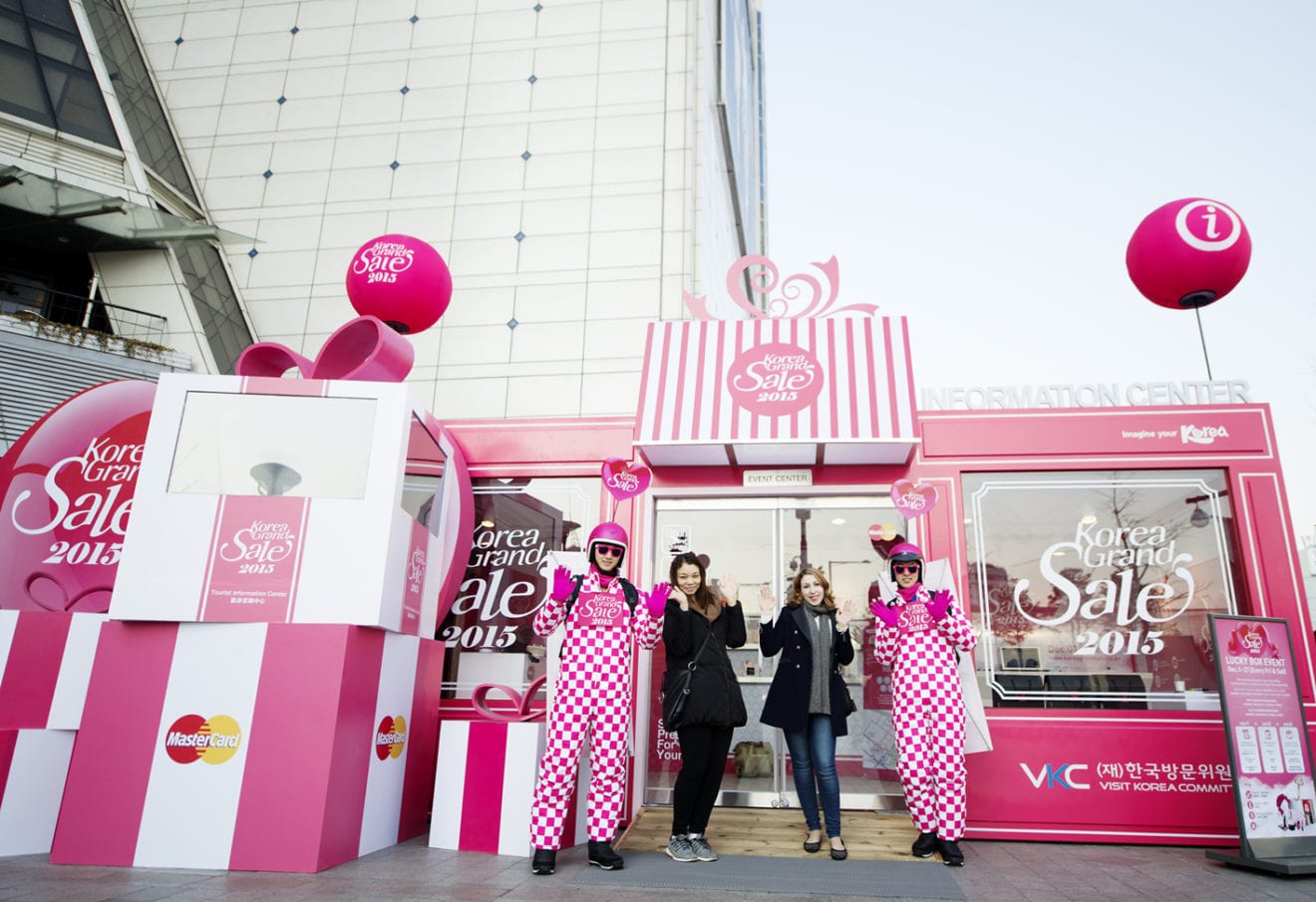
    Branded the ‘Korea Grand Sale’, the 10 week long promotion will run from August 14 to October 31.
    Officials say that the sale will be the largest in scale since the event started.

    “We advanced the date of the Grand Sale, which usually took place in winter, out of desperation. We hope the sale can continue to bring tourists back to Korea instead of ending as a one-time event.”

    Criticised for offering discounts only to foreigners, officials said they are persuading participating companies to give discounts to local consumers as well.

    “Businesses in traditional markets and some convenience stores are showing positive responses towards the idea.”

    Benefits such as discounts for transportation and free WiFi modem rental services will be provided. In addition, the Korea Grand Sale Event Center located at Doota Square in Dongdaemun will provide translation services, information about tourism, beverages and special events.

    Han Kyung-ah, the executive secretary of the Visit Korea Committee, explained the intentions of the Korea on sale event: “We intend to attract tourists headed to Hong Kong and Japan towards Korea by providing abundant benefits.”

    Various promotions introducing Hallyu content and traditional culture will also occur.

  • Korean retail sales recover post MERS

    Korean retail sales recover post MERS

    Korean retail sales are returning to normal as the impact of the MERS outbreak fades.

    Data released by South Korea’s finance ministry shows combined sales at department stores run by Hyundai Department Store, Lotte Shopping and Shinsegae Co rose 0.9 per cent in July, year on year.

    That contrasts with a drop of 11.9 per cent in June, as shoppers stayed home to avoid possible exposure to the Middle East Respiratory Syndrome (MERS) virus.

    South Korea’s government has officially declared the MERS outbreak over.

    Sales at major discount store chains also improved, but still recorded a year on year decline. In July they fell 1.9 per cent which compares favourably with a fall of 10.2 per cent in June.

    In its statement, the ministry said while consumption was showing signs of a recovery, there was “insufficient” improvement in the service industry.

  • Mers outbreak dents Korea retail sales

    Mers outbreak dents Korea retail sales

    South Korea retail sales slipped in June – a predictable result of the outbreak of Middle East Respiratory Syndrome (Mers).

    As South Korea’s shunned larger retail outlets to reduce the risk of potential exposure to the illness, discretionary spending fell. Some spending on essential goods moved online.

    South Korea’s government agency Statistics Korea says retail sales in June were worth 29.34 trillion won, about US$25.15 billion, which was 0.6 per cent lower than in the same month last year. It was more than 2 trillion won less than May’s spending.

    “The Mers outbreak caused shoppers to shy away from large markets where people converge, which effectively hurt overall sales,” a Statistics Korea spokesman said.

    However, last week the government officially declared May’s outbreak to be over, after 186 infections and 36 fatalities.

    A breakdown of the figures shows the fall in sales affected mostly categories where shopping could be postponed – appliances and computers were down 5.7 per cent year on year and clothing down nearly 10 per cent.

    Department store sales fell 12.4 per cent and discount department store sales down 9.5 per cent.

    Online spending rose 26.6 per cent in May, while convenience store sales soared 34.6 per cent and supermarket sales rose 4.4 per cent.

  • Retail Sales Hit Hard by MERS

    Retail Sales Hit Hard by MERS

    The ripple effect of the Middle East respiratory syndrome (MERS) is spreading throughout Korea’s retail industry, including department stores, discount stores, restaurants, and cosmetic shops.

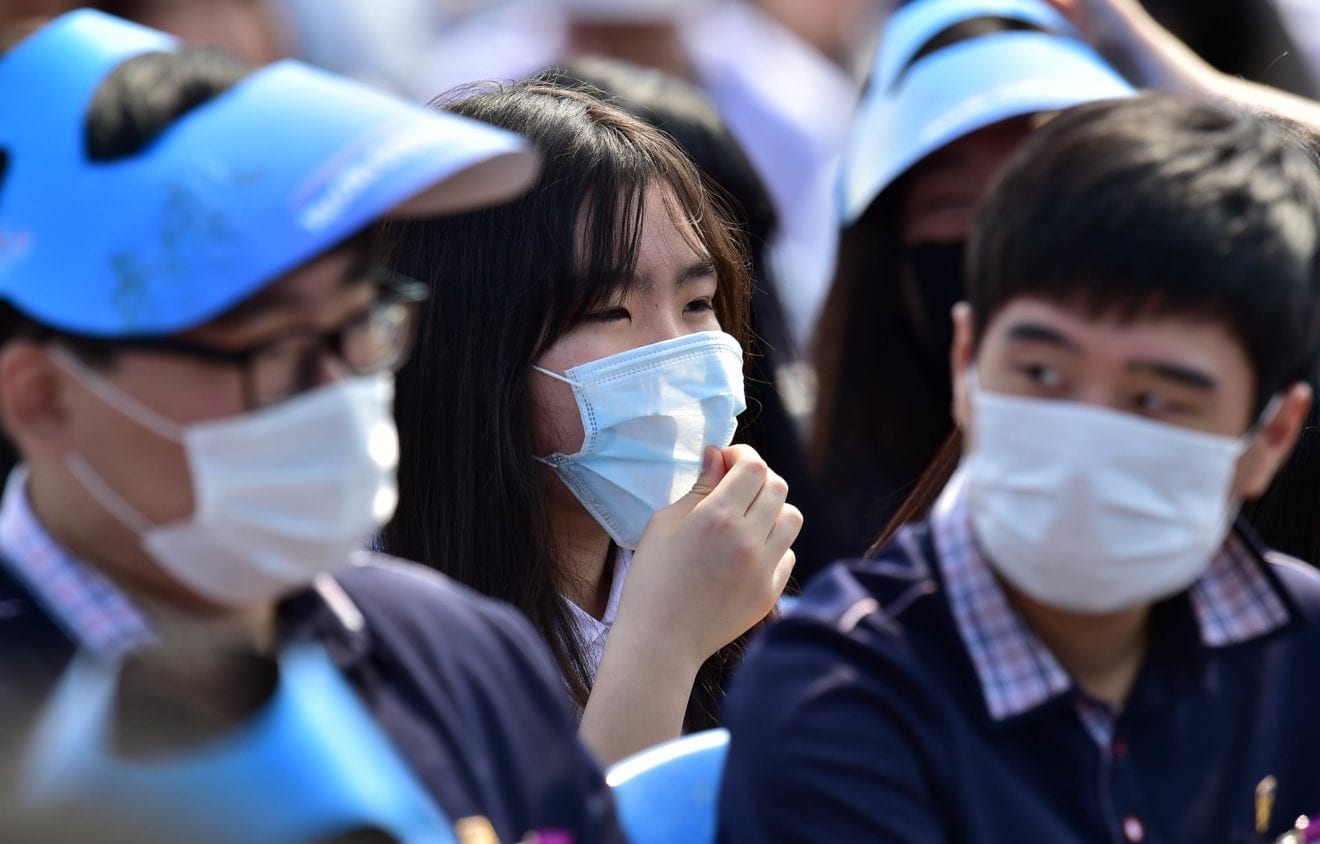
    Amid rising concerns about possible infection by the MERS virus, an increasing number of consumers are avoiding crowded places, dealing a blow against the sales of offline stores, including department stores.

    As the MERS crisis prolongs, the number of foreign tourists, including Chinese ones, declines, giving a negative impact on the cosmetics industry. According to industry sources on June 5, Lotte Department Store suffered an 8.4-percent decline in sales during the period from June 1 to 4, compared to a year ago.

    Shinsegae Department Store also suffered a 3.7-percent decline in sales during the same period. E-Mart, the largest discount store in Korea, recorded a 7.8-percent plunge in sales during the period. In particular, its outlet in Dongtan and Pyeongtaek, in southern Gyeonggi Province where the highest number of MERS cases were reported, suffered a 19.7-percent and a 16.2-percent plunge in sales during the period.

  • MERS fears drive Koreans on-line

    MERS fears drive Koreans on-line

    South Koreans are more and more turning to on-line channels for grocery purchasing as they eschew their traditional visits to grocers amid the continued unfold of Center East Respiratory Syndrome (MERS), business knowledge exhibits.

    South Korea has reported 150 MERS infections because the first case was confirmed on Might 20, the most important outbreak outdoors of Saudi Arabia the place the respiratory sickness was first reported in 2012. As of Monday morning (June 15) 16 individuals have died from the illness.

    Knowledge by the nation’s three largest grocers — E-mart, Residence Plus and Lotte Mart – exhibits well being considerations are driving Koreans on-line, with eCommerce orders and order quantities rising within the double digits as MERS infections and MERS-related deaths rise.

    Market chief E-mart noticed its on-line gross sales soar 63.1 per cent between June 1 and June 11, in contrast with the identical interval a yr earlier. The variety of orders additionally jumped 51.9 per cent.

    By product class, ready-to-cook house meals gross sales shot up 90.1 per cent adopted by a 83 per cent rise in recent meals and 69.9 per cent improve in processed meals.

    Tesco’s House Plus reported a 48.1 per cent improve in on-line gross sales and a 37.5 per cent rise when it comes to order worth. Lotte Mart noticed its on-line gross sales develop 26.eight per cent in contrast with a 10 per cent gross sales stoop at its brick-and-mortar branches.

    The unprecedented unfold of the doubtless lethal virus has emerged as a bugbear for Asia’s fourth-largest financial system that’s already grappling with limping exports.

    Final week, the central financial institution slashed the coverage price to a brand new low of 1.5 per cent as a part of “pre-emptive” efforts to stop MERS from adversely affecting sentiment and consumption.