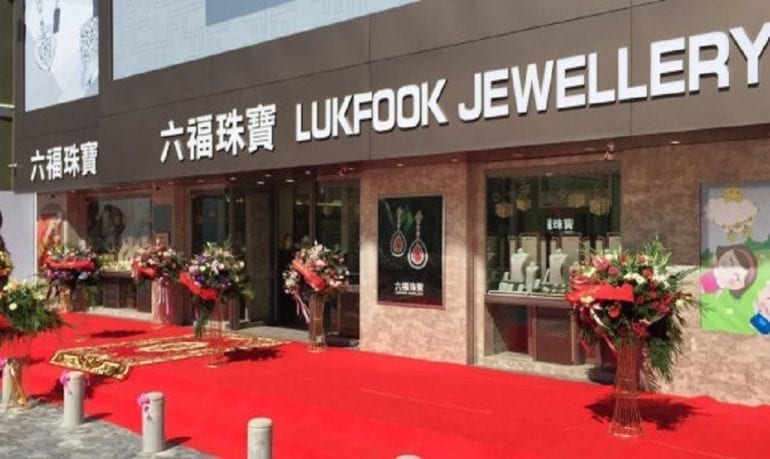
In the second quarter ending September 30, Luk Fook Holdings, a prominent jewelry group, has revealed impressive double-digit growth in several critical indicators.
Retail Sales Value on the Rise
The group recorded an 18% year-on-year increase in Retail Sales Value (RSV) during the quarter. RSV, which encompasses self-operated shops, licensed outlets, and e-commerce ventures, saw a significant upturn.
Retail revenue, made up of earnings from self-operated stores and e-commerce businesses, escalated by 15%. Concurrently, the group also experienced a 10% rise in same-store sales. The management attributed this robust growth, which surpassed the first quarter’s figures, partly to the low base during the same period the previous year.
Regional Sales Growth
In the Hong Kong, Macau, and overseas markets, the group noted a 13% increase in both RSV and retail revenues. Same-store sales grew by 13% in Hong Kong, 15% in Macau, and 13% in overseas markets.
In Mainland China, the RSV surged by 20%, and retailing revenues swelled by 23%. The increment in same-store sales at company-operated locations was a modest 3%, while licensed shops saw a leap of 27%. Licensed stores constitute approximately 93% of the group’s total shop count in Mainland China.
Performance by Category
RSV’s growth varied across different categories. The value rose by 78% for gold and platinum products, increased by 16% for fixed-price gold items, and crept up by 3% for diamonds.
As of September 30, the group had 3113 shops worldwide. There was a net reduction of 49 shops in the second quarter.
Future Prospects
The group maintains a cautiously optimistic outlook on its medium- and long-term business opportunities in Mainland China and plans to continue expanding in the market when the timing is right.
Despite the ongoing US tariff policies affecting the global economy and the escalating China-US tensions, the Mainland government has implemented a “dual circulation” strategic layout to stimulate domestic demand, as observed by the retailer.
Questions & Answers
What was the percentage increase in Luk Fook Holdings’ Retail Sales Value (RSV) in Q2?
It saw an 18% year-on-year increase in RSV during Q2.
What contributed to the robust growth Luk Fook Holdings experienced in Q2?
The growth can be attributed to the low base during the same period the previous year and the increase in both RSV and retail revenues in several markets.
What is Luk Fook Holdings’ future plan for expansion in Mainland China?
The group plans to continue expanding in the Mainland China market when the timing is appropriate, with a cautiously optimistic outlook on its medium- and long-term business opportunities.