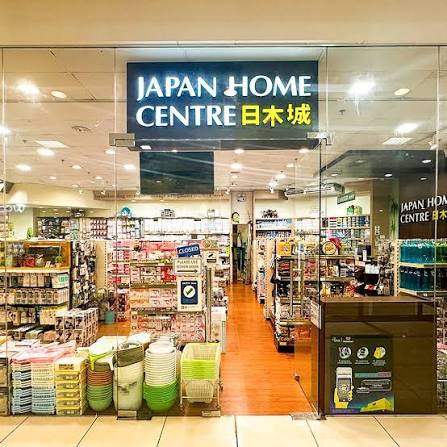
Japan Home Centre held its “Pay with Sibuyas” campaign on Saturday, February 4, allowing customers to use onions as payment at its Panay Avenue branch in Quezon City.
Under the one-day promotion, shoppers could swap one onion in exchange for a selected in-store product, with a maximum of three items allowed per purchase.
How the barter checkout functioned
The retail store accepted all kinds of onions for select merchandise, and Japan Home Centre stated that all collected onions would be given to a community pantry that provides free food for those in need.
Management routed every bulb into a local community pantry network that distributes free food to low-income residents across Quezon City. The retailer absorbed the inventory cost directly as promotional expense and community assistance.
The economics of grocery marketing gimmicks
Barter promotions let general merchandise chains convert regional supply bottlenecks into customer foot traffic without cutting sticker prices across their wider assortment. Non-grocery discount stores step into the gap when everyday food staples turn into luxury commodities.
Financial exposure stays low because the retailer caps redemptions at three units per shopper. The chain also limits eligible SKUs to high-margin, low-cost plastic ware and kitchen sundries. These stunts generate sudden foot-traffic spikes for mall landlords and retail neighbors, but conversion into cash-paying shoppers across regular aisles stays modest once promotional stock runs out.
Wholesale price surges and infrastructure gaps
Domestic retail prices for onions across Metro Manila wet markets and supermarkets reached 700 pesos per kilo in December 2022. That was roughly eight times higher than the global average of 1.54 dollars, or about 84.87 pesos, per kilo recorded across 89 tracked countries.
Delayed import clearances and chronic storage deficits across agricultural provinces in Luzon triggered the domestic spike. Local farmers dumped bumper crops during harvest months without refrigerated warehouse capacity. That left urban retail distribution chains exposed to severe shortages and price spikes later in the crop cycle.
Supply controls and import volumes to monitor
Agricultural agencies have since scheduled off-season import shipments and started inspections of provincial cold storage facilities to stabilize retail distribution costs. Retail buyers across Metro Manila now watch whether wholesale farmgate prices drop back toward the baseline of 100 pesos per kilo before the next domestic harvest enters wholesale depots.