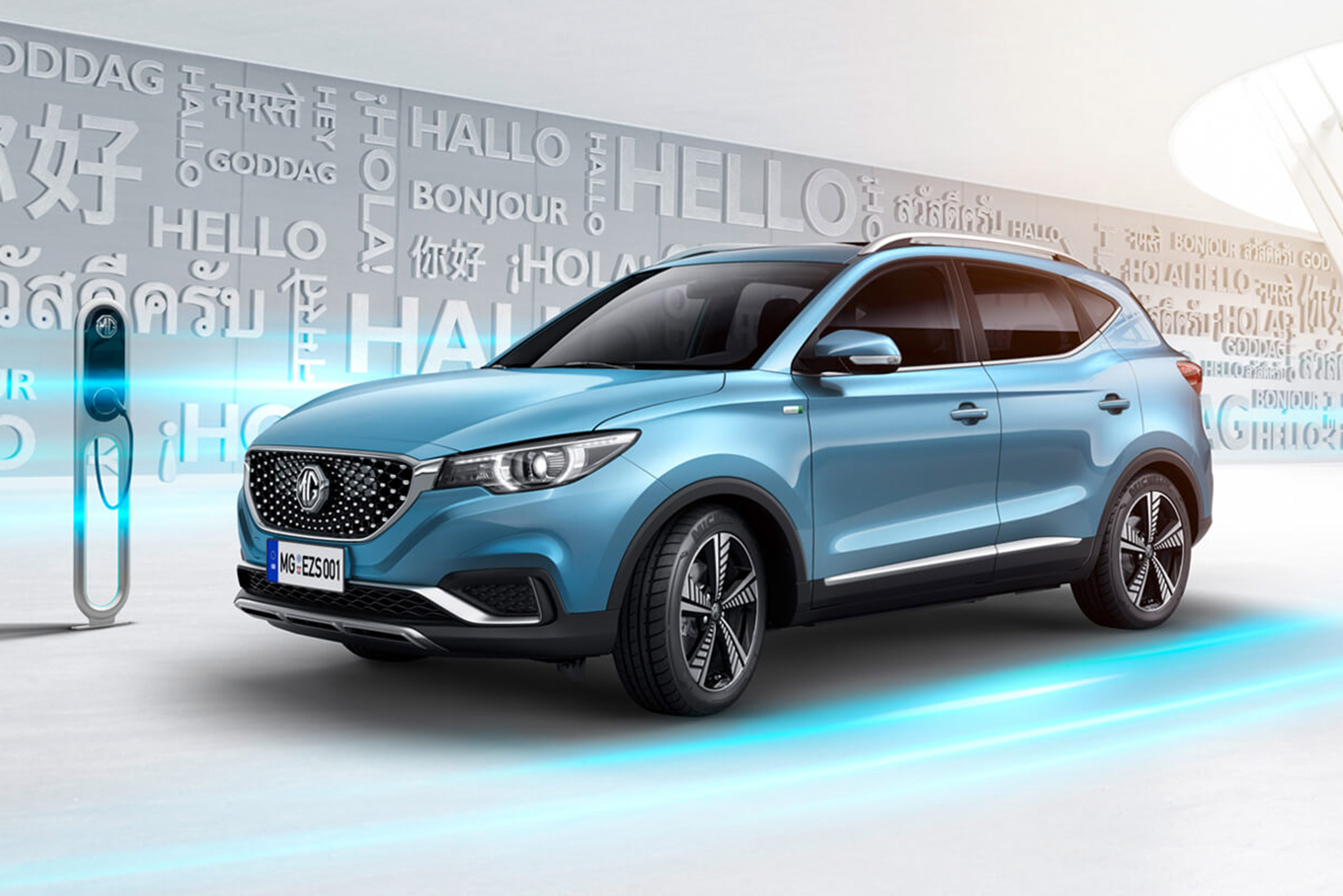
The European Commission is preparing import restrictions on Chinese hybrid vehicles after monthly shipments surged from 3,800 units in October 2024 to around 50,000 units by July 2026.
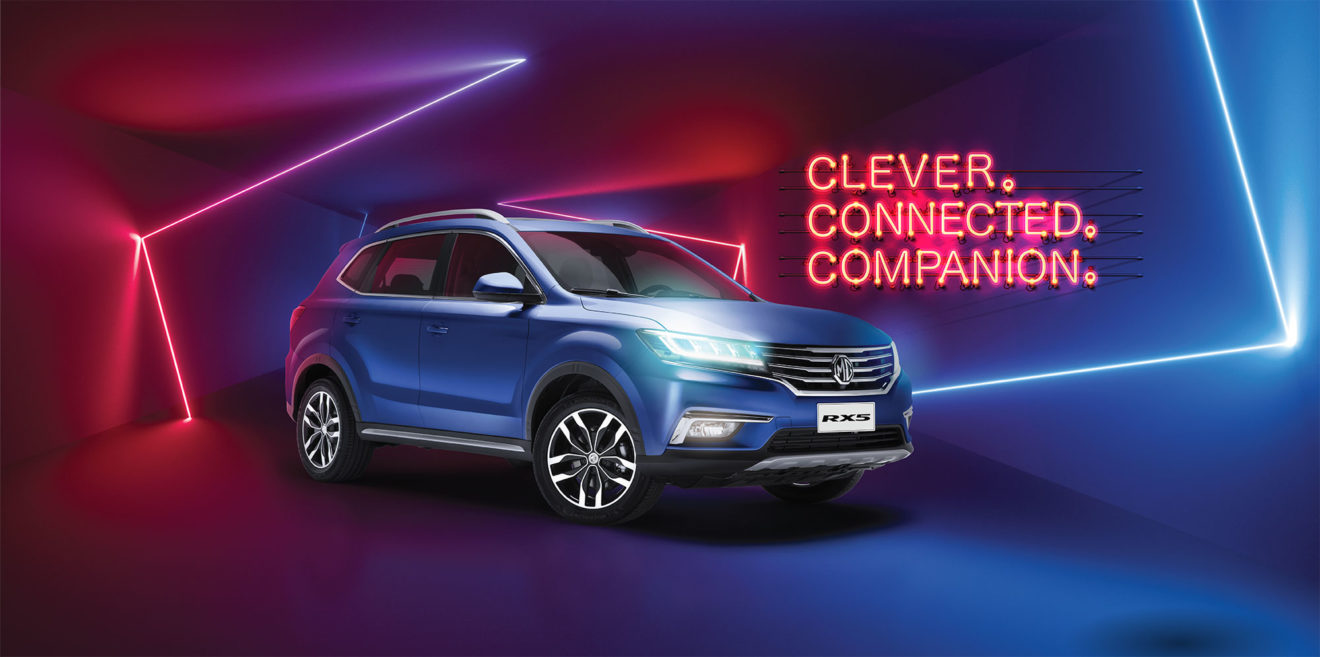
Brussels moved toward safeguard procedures after China rejected requests for voluntary export curbs, as Chinese automakers including BYD and MG Motor increasingly pivot toward hybrid models in Europe.
Safeguard Quotas Replace Pure Tariffs
Under the proposed framework, Chinese hybrid models will enter the European Union under the standard 10 per cent automotive tariff up to an agreed volume ceiling. Any shipments exceeding that quota will face an additional special duty.
Safeguard instruments apply to whole product categories rather than individual manufacturers, unlike the anti-subsidy duties on battery electric vehicles. European authorities can deploy them rapidly if sudden import surges threaten material injury to domestic car plants.
China’s Ministry of Commerce rejected earlier requests for voluntary limits. The ministry stated that “so-called voluntary export restrictions seriously violate WTO rules and run counter to market principles and fair competition”.
Hybrid Surge Bypasses Battery EV Duties
Chinese automakers shifted their export focus toward plug-in and full hybrids after the European Union enacted anti-subsidy duties of up to 35.3 per cent on pure electric models in October 2024. That regulatory gap left hybrid powertrains exposed only to standard baseline import duties.
Volume surged immediately. BYD registered 11,291 units of its Seal U DM-i plug-in hybrid in Germany alone between January and September, while SAIC Motor’s MG brand expanded its European presence through full-hybrid drivetrains.
Total hybrid arrivals from China climbed from 3,800 vehicles in October 2024 to roughly 50,000 units by July 2026. For EU policymakers, the influx sustained price pressure on domestic carmakers while increasing fleet emissions contrary to regional climate targets.
Local Assembly Accelerates Across Europe
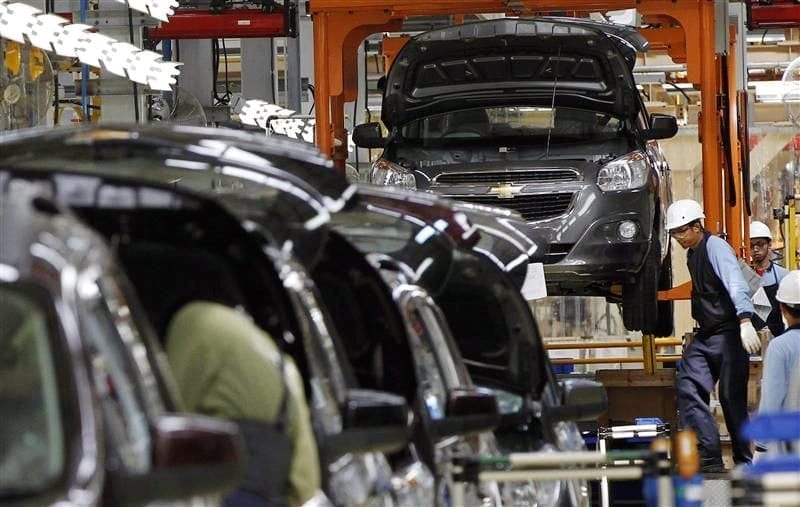
Trade barriers on fully built imports are driving Chinese investment into European production hubs. BYD begins series production at its new manufacturing plant in Szeged, Hungary, before the end of the year.
Chery is assembling vehicles alongside Ebro at a joint facility in Barcelona. Xpeng has established semi-knocked-down assembly operations with Magna Steyr in Graz, Austria. These footprints mirror agreements Japanese manufacturers struck with European authorities four decades ago, trading import caps for regional factory investments.
For Asian supply chains, the pivot from finished vehicle shipping to local assembly shifts freight demand toward battery cells, sub-assemblies, and specialized automotive components.
Talks Underway in Beijing
European Union Trade Commissioner Maroš Šefčovič opened direct negotiations in Beijing with Chinese Commerce Minister Wang Wentao. The two sides are discussing export caps and minimum price undertakings across both electric and hybrid categories.
EU trade officials want an enforceable ceiling that shields domestic manufacturing while local factories ramp up competitive electrified powertrains. Bernd Lange, Chairman of the European Parliament’s Trade Committee, stated: “The goal is to flatten the import curve and give the European automotive industry time to do its homework.”
Negotiators must now settle terms before the European Commission formally launches the safeguard procedure. Import volumes through the final quarter will determine the quota baseline.