Tag: Mi

  • cand JD use big data to design ‘C2M Mobile Phone’

    cand JD use big data to design ‘C2M Mobile Phone’

    Chinese e-commerce giant JD and device manufacturer Xiaomi sold 10,000 units of a jointly-produced mobile phone within 11 minutes.

    The Redmi K30 5G Racing phone was developed by Xiaomi based on customer insights generated from big data provided by JD. Sales volume passed RMB2 million (US$280,500) within two minutes, with the unit price at RMB1999 ($280).

    More than 20,000 phones were sold within the day.

    JD’s data revealed that most customers within the price range were females with higher educational backgrounds and above-average demand for device functions and CPU. The phone was designed with an upgraded CPU and with a mint green color tone, shown by the data to be more attractive to female customers. JD’s data also supported the marketing strategy of the product, targeting around 1.2 million customers likely planning to replace their phones within two months.

    “We have great confidence in the new C2M product,” said Xiaomi China VP Weibing Lu. “JD has been an important partner for Xiaomi, and we will work closely with JD on more C2M products in the future to better serve our customers.”

    “JD has been continuously working on C2M products with our brand partners, and the Redmi K30 5G Racing version is the collective effort of JD, Xiaomi, and Qualcomm,” said JD Mobile Devices president Daniel Tan.

    “C2M enables customers’ demands to directly reach upstream supply chain players, helping to optimize supply chain efficiency and reduce costs. This model enables us to keep improving the shopping experience.”
  • Mi Band 4 about to Arrive

    Mi Band 4 about to Arrive

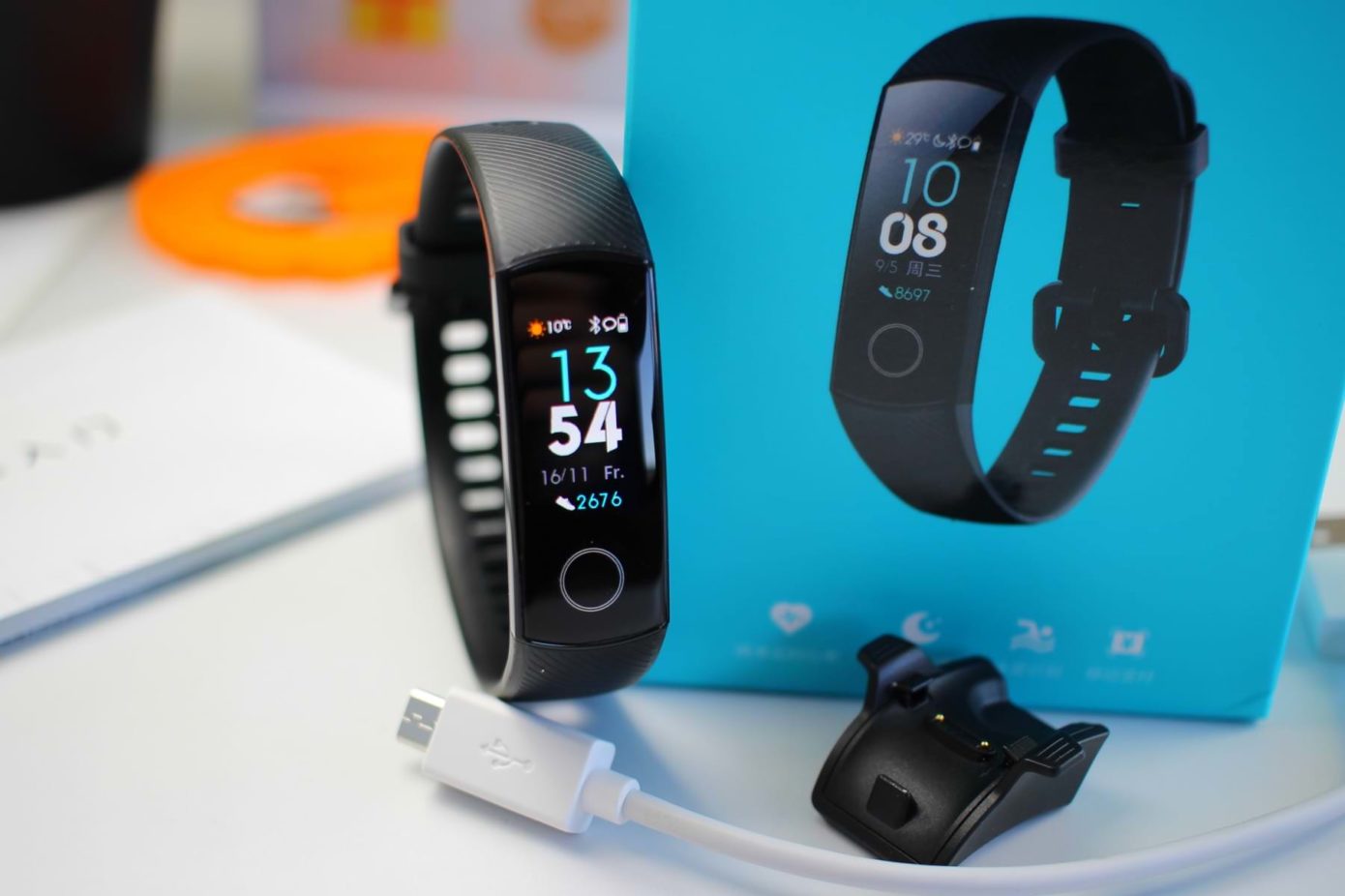
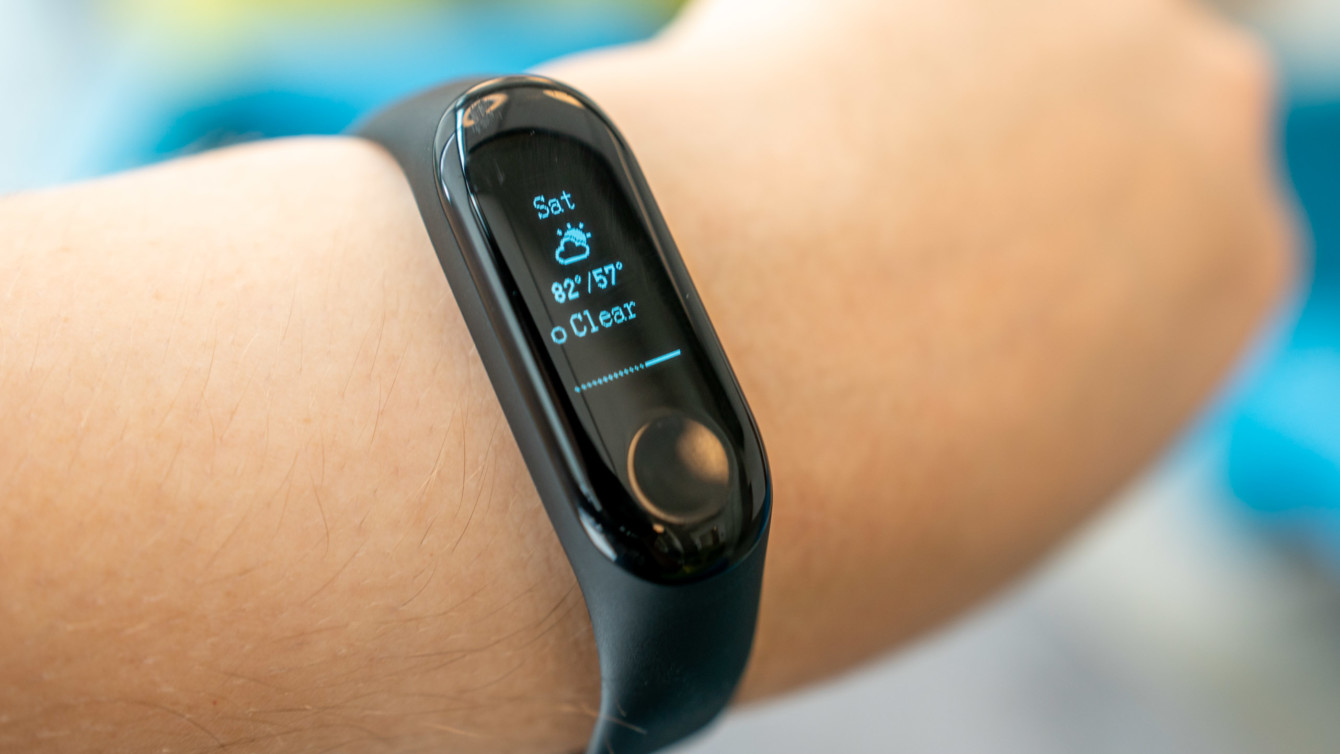
    Back in March, we told you that the Xiaomi Mi Band 3 fitness tracker is selling so briskly, Xiaomi was in no rush to release the sequel. One reason for the heavy demand is the wearable’s low price. Sold for $30 on Amazon, the device measures a user’s heart rate, counts the number of steps he or she has taken, monitors sleep quality and much more.

    But even the Mi Band 3 must step aside for a newer version with even more features. And today, spotted by DroidShout,  one of the two Mi Band 4 variants received certification by Taiwan’s National Communications Commission (NCC).

    The Mi Band 4 that was certified is model number XMSH07HM; this is the unit without NFC support. Another version with the model number XMSH08HM will come with NFC support, most likely so it can be used with the Xiaomi Pay mobile payment service. That model will be sold in China only. Both units received certification in March from the Bluetooth Special Interest Group, revealing that the Mi Band 4 will be equipped with Bluetooth 5.0 LE (Low Energy). The current model uses Bluetooth 4.2 LE.

    The NCC certification included several pictures of the Mi Band 4’s main module. There has been speculation that the Mi Band 4 will come with an electrocardiogram (ECG) scanner, similar to the one on the Apple Watch series 4. This is used to detect conditions like Atrial Fibrillation (AFib), an abnormal heart rhythm that can lead to strokes, blood clots, and death.

    Now that the Mi Band 4 is beginning to get the thumbs up from various organizations, its unveiling and eventual release surely can’t be too far away.

  • Xiaomi Mi Band 4 could include major Apple Watch features

    Xiaomi Mi Band 4 could include major Apple Watch features

    A few days ago, we told you that Xiaomi will release the Mi Band 4 fitness tracker sometime this year. An executive from Huami, the company that is the source of Xiaomi’s wearables, said that the Mi Band 3 is still selling in big numbers and that there is no reason for Xiaomi to launch the next generation model at this point. We should point out that the Mi Band traditionally has sold well because of its low price. For example, the Mi Band 3 is offered by Amazon in the U.S. for $33.53.

    While Xiaomi has been tight lipped about any new features we might find on the Mi Band 4, we do have some specs to pass along. We spotted a certification from the Bluetooth SIG (Special Interest Group) revealing that the next generation of the fitness band will sport Bluetooth 5.0 LE (Low Energy). That is an upgrade from the current model’s use of Bluetooth 4.2 LE and indicates that the Mi Band 4 will offer improved connectivity. In addition, the Bluetooth Launch Studio web site indicates that the Mi Band 4 will feature NFC connectivity as well, at least in some markets.

    Two different variants of the device were listed on the site and the one with the model number of XMSH08HM will include NFC; the other, listed as XMSH07HM, will not. The model with NFC could include support for the company’s Xiaomi Pay mobile payment service.

    The Mi Band 4 could include an electrocardiogram sensor to watch for abnormal heart rhythms

    There is also speculation that like the Apple Watch series 4 smartwatch, the Xiaomi Mi Band 4 will come with an electrocardiogram (ECG) monitor that will detect abnormal heart rhythms. This is mainly used to alert users to the possibility that they are suffering from atrial fibrillation (AFib), which can lead to strokes, blood clots, heart disease and death. Including an ECG monitor with a low priced fitness ban could make the Mi Band 4 even more popular than its hot selling predecessor, especially if the feature is as accurate as the one on Apple’s timepiece. There is also speculation that the Mi 4 will be equipped with better activity tracking features and a larger, color display.

    The Xiaomi Mi Band 3 has been such a hit that globally it has challenged the Apple Watch for the top spot among wearable devices based on shipments. As long as Xiaomi adds new features to its next-gen fitness band without substantially hiking the price, we can expect the Mi Band 4 to be just as popular as the current iteration of the product. Speaking of which, the Mi Band 3 comes with an OLED touchscreen and is waterproof to a depth of 164 feet. It will monitor physical activities, count your steps, watch your heart rate, track your sleep, display SMS messages and those from certain apps (like WhatsApp), and allow you to accept or reject incoming calls. The battery will run as long as 20 days with the heart rate monitor off, and 3 to 9 days with the monitor on. We would expect to see all of these features, some of them improved, carry over to the Mi Band 4.

    Xiaomi launched the first Mi Band in July 2014, and followed it up with the sequel two years later. The Mi Band 3 was released last May, which means that we could be only a couple of months away from seeing the Mi 4 hit the marketplace.

  • Xiaomi Pocophone F1 Lite could launch soon

    Xiaomi Pocophone F1 Lite could launch soon

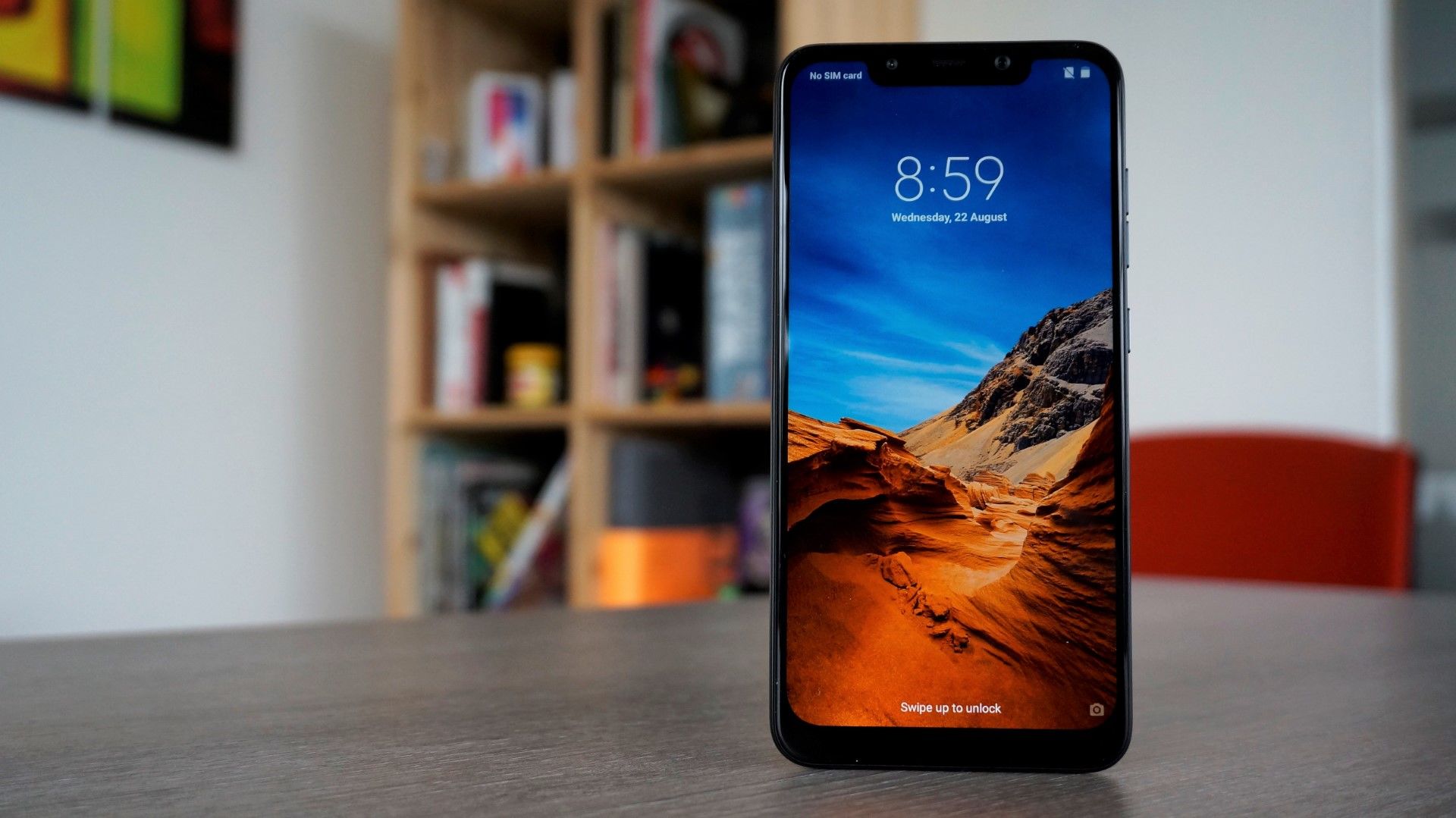
    The Pocophone F1 is one of the most competitively-priced smartphones out there. It offers Qualcomm’s Snapdragon 845, 6GB of RAM, and 64GB of storage for just €329/$389. But not everyone can afford to spend that on a smartphone, and it now seems as though a solution might be on the way. From the look of two Geekbench listings, Xiaomi sub-brand Pocophone is developing a slightly less powerful device that will be offered to consumers at a much lower price. Rather than including the high-end Snapdragon 845, the device looks set to adopt Qualcomm’s mid-range Snapdragon 660.

    This chip has already been succeeded by the newer Snapdragon 670 and 675 but should still provide decent levels of performance. In fact, Xiaomi recently used it inside the Redmi Note 7 and the Android One-powered Xiaomi Mi A2.

    The smartphone, which is codenamed ‘Uranus,’ also includes a respectable 4GB of RAM and Android 9 Pie straight out of the box. As for external features, the notched display and 3.5mm headphone jack will probably both be retained. Xiaomi may also keep the second rear camera, although a downgrade to the sensor is likely.

    At the moment, it’s unclear when this smartphone will hit shelves across the globe. But pricing wise, Xiaomi could easily price this device below $200. After all, the Redmi Note 7 mentioned above costs just €179 ($202) in Asia.

  • Xiaomi opens massive Mi store in Paris

    Xiaomi opens massive Mi store in Paris

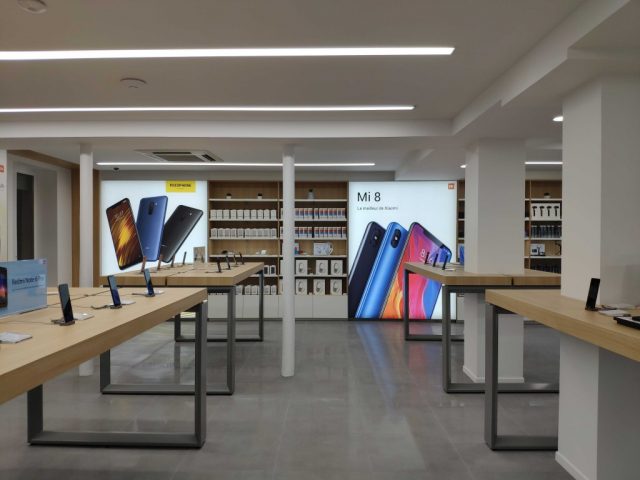
    Chinese electronics firm Xiaomi has opened its largest European Mi Store in Paris. Queues for the January 18 1pm opening started to form at the Champs-Elysees location at sunrise, despite freezing temperatures. The store is hosting a reportedly comprehensive selection of the brand’s full product range, including smartphones, headphones, cameras and home appliances.

    In celebration of the launch, Xiaomi held a three-day sale on its French online store featuring discounts of up to €50. The supersized flagship is Xiaomi’s second location in Paris.

    View the gallery below for images of the stores (11 images) :

  • Mi Hong Kong opens doors

    Chinese smartphone maker Xiaomi has opened its first retail store outside the Mainland.

    The Mi Hong Kong store – dubbed Mi Home – is a 270 sqm space inside Hollywood Plaza at 610 Nathan Rd in Mongkok.

    We say ‘space’ because the store was created as somewhere “just like home” – somewhere Mi owners, or prospective owners, would feel at home.

    As the images released by Xiaomi show it is a lot like an Apple store, but without the vast product range. Instead there are brightly coloured sofas and cushions and giant flat screen TVs.

    Hugo Barra, the former Google executive who is now VP of Xiaomi Global, promised last month Xiaomi would create “a service and store experience that feels just like home, we want a place that feels so comfortable you’re just happy to come and hang out”.

    As well as allowing customers to try out the handsets and compare models, the store has a service guarantee: customers can bring a phone in to be fixed and wait no longer than 19 minutes before being able to take it away.

    Xiaomi was launched in China in 2011 yet has already become the world’s third largest smartphone brand – and the largest in the mainland. Last year it sold 60 million handsets, almost all of them in Mainland China. Founder and CEO Lei Jun, China’s 23rd richest man, is now expanding the brand into other consumer electronics lines.

    And the company has begun what promises to be a relentless march abroad. As well as opening its flagship in Mongkok – almost certainly a test before the concept is rolled out elsewhere – it has started selling accessories like headphones online in the US and Europe.

    So far it is not selling handsets in either market, but Mi phones are finding their way into other markets via distributors and grey imports.

    Xiaomi launched its new Mi 4i handset in Hong Kong on May 12 at HK$1599 – a handset with a 5.5 inch screen and 15 megapixel forward camera, running Android. At the equivalent of US$206, it is a potential category killer once consumers grow to trust the Mi brand. An Apple iPhone 6 starts at $5588 (US$720). It is Xiaomi’s first phone developed for the global market.

    Xiaomi has a small network of 19 retail stores in Mainland China, dubbed Mi Homes and 541 service centres operated by partners in eight markets.

    To date most of its handsets are sold online and through a small group of retail partners in Hong Kong and India.

  • Apple India stores a step closer

    Apple India stores a step closer

    A government panel has recommended the removal of a trading obstacle that would free Apple India to open single-brand retail stores across the country, one of its few growth markets.

    A three-member panel has recommended the waiving of the mandatory 30 per cent local sourcing condition for Apple, which earlier this year asked the government to consider the exemption. The reason for the waiver is said to be the cutting-edge technology the company would bring to India, reports The Tech Portal.

    With the committee’s finding, Apple is just a step away from a final decision. The Department of Industrial Policy and Promotion (DIPP) will send the proposal for final approval to the Finance Ministry.

    Apple has retail stores across the world, including China and Japan. In India, it sells its products through exclusive reselling arrangements with chains such as Imagine and iStore.

    In November last year, India scrapped the condition of 30 per cent local sourcing for overseas companies seeking to invest more than 51 per cent equity in the single-brand retail segment, if certain other conditions are met.

    Chinese tech retailer Xiaomi has also applied to open single-brand stores in India while seeking the sourcing exemption for a range of products including Wi-Fi amplifiers, Bluetooth speakers and power banks.