Tag: might

  • Apple Maps May Integrate Paid Advertisements: Implications And User Reactions

    Apple Maps May Integrate Paid Advertisements: Implications And User Reactions

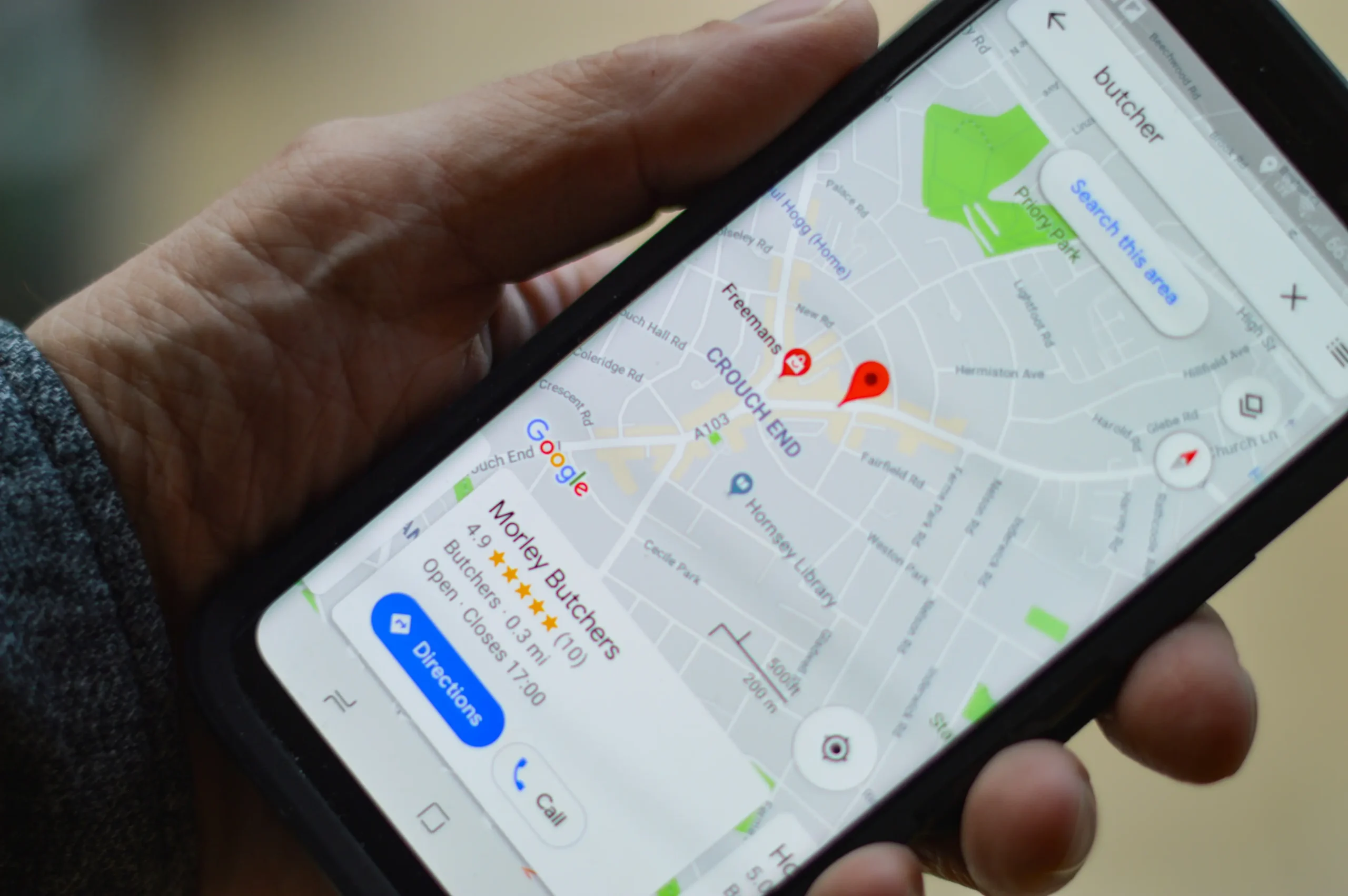
    Recent reports suggest that Apple is considering the integration of paid advertisements within the Apple Maps application. Businesses would be able to pay for more visible placement in search results, potentially from as early as next year.

    Apple Maps and Advertising

    Apple’s ecosystem, previously thought to be a safe haven from direct advertising, may soon see a shift. The tech giant is reportedly making progress on its plan to introduce paid advertisements to Apple Maps. However, this move is not about intrusive pop-up banners; instead, businesses such as shops and restaurants would pay to have their listings highlighted when users conduct searches within the app. This concept closely mirrors the Search Ads seen in the App Store, where app developers pay for top placement in search results.

    The Implications

    It’s well-known that Google has been using this advertising approach for some time in Google Maps. Searches often result in “Sponsored” pins appearing at the top of the list. However, Apple’s brand identity isn’t typically associated with advertising. Instead, it’s known for selling premium, high-cost hardware and being a privacy-focused, user-centric alternative.

    If Apple were to start integrating third-party advertisements into a core feature like Maps, it could invite significant backlash. Customers are already expressing annoyance at the constant upselling of Apple’s own services, such as Apple TV+ and AppleCare+, especially on devices they have paid a premium for. The addition of advertisements could be perceived as a money-making move that detracts from the premium experience.

    A Personal Perspective

    While this move may seem inevitable to some, it doesn’t make it any less disappointing to others. Many users appreciate Apple Maps for its simple and user-friendly interface, uncluttered by constant advertisements. Google Maps, while powerful and accurate, often frustrates users with its persistent advertising presence.

    Even though sources suggest that Apple’s advertising approach will be “better” and use artificial intelligence to deliver “relevant” ads, an ad is still an ad—it can distract users from their primary objective of getting from point A to point B.

    Questions & Answers

    What are the potential implications of Apple integrating paid advertisements into Apple Maps?
    This move could face backlash from users who chose Apple for its premium, ad-free experience. The integration of paid advertisements could be perceived as a commercial maneuver that undermines Apple’s user-centric ethos.

    How will the paid advertisements work on Apple Maps?
    Businesses, such as shops and restaurants, would be able to pay for their listings to appear more prominently in search results within the app.

    Why are some users disappointed with this potential change?
    Many users appreciate Apple Maps for its clean, user-friendly interface without the presence of advertisements. With the introduction of ads, users might feel that the primary function of the app—navigation—is being overshadowed.
  • Google Maps’ New Landmark Integration: A Step Forward, Yet ‘open Now’ Filter Lacks On Active Routes

    Google Maps’ New Landmark Integration: A Step Forward, Yet ‘open Now’ Filter Lacks On Active Routes

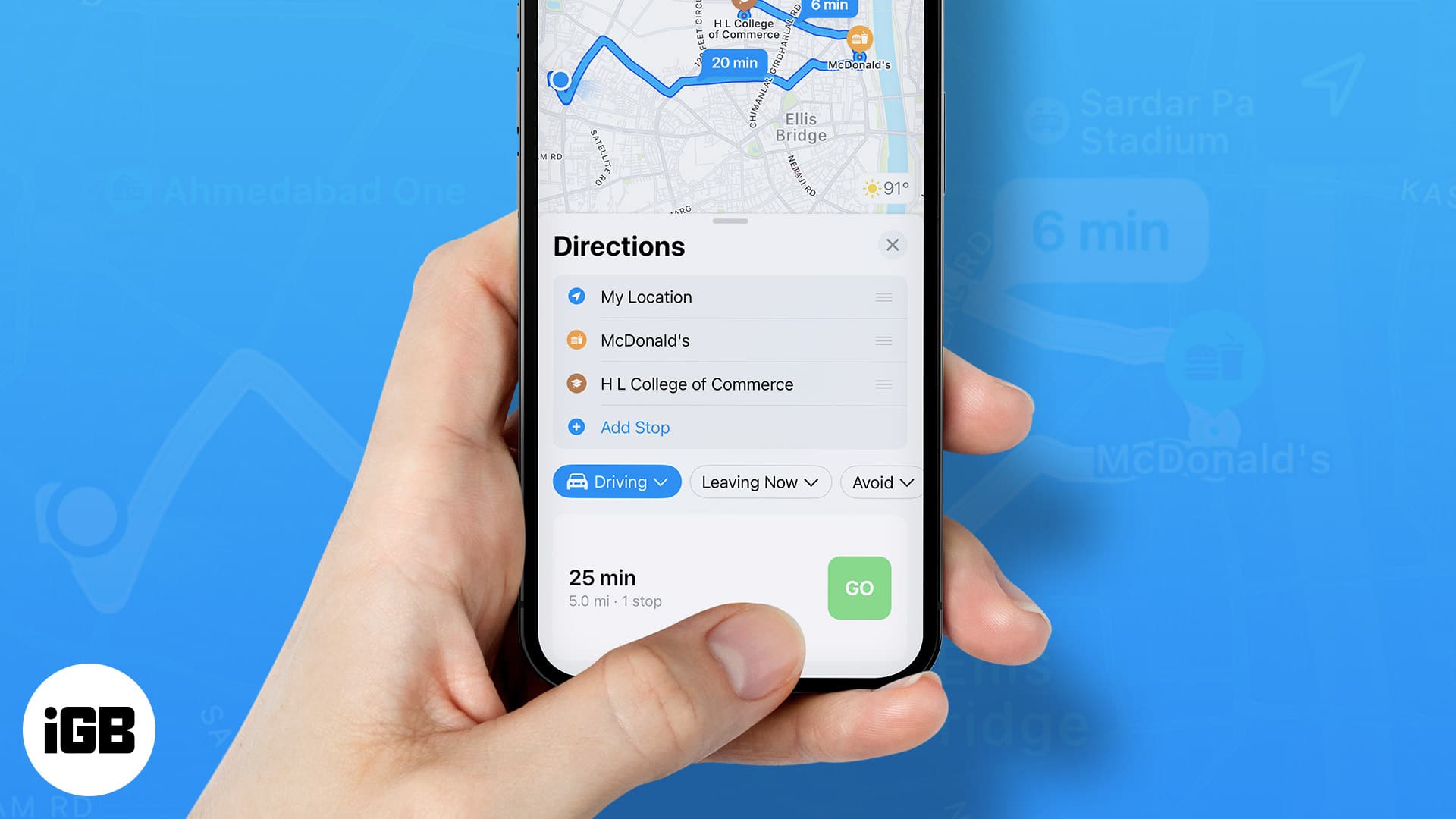
    Google Maps, the popular navigational app, continues to evolve, recently following the lead of Apple Maps by integrating landmarks such as traffic lights and stop signals into its directional commands. Previously only providing distance-based directions like “turn left in a quarter of a mile,” the app now incorporates more specific and intuitive landmarks. For example, it may instruct users to “make a left turn at the next stop sign or the second traffic light.”

    Serving Beyond Navigation

    Google Maps proves useful beyond mere navigation. Once users reach their destination, the app can assist in locating amenities like restaurants, accommodations, entertainment venues, gas stations and more. However, not all of its features have been well received. Recently, some Reddit users voiced their annoyance with a particular search filter in Google Maps.

    Currently, the app offers a “Open now” filter when users search for specific places like “UPS near me.” This convenient feature allows users to see only results for locations that are currently open. But, the problem arises when users are already on an active route and want to add a stop. In these instances, there is no way to access and apply the “Open now” filter.

    Driving to Closed Locations

    Imagine this scenario: You’re driving and suddenly realize you could use a coffee pick-me-up. You recall a coffee shop en route to your destination and decide to add it as a stop, even though it may extend your travel time slightly. Upon arrival, you find the shop dark and the doors locked. The sign in the window tells you it closed an hour ago, well before you added the address to your app.

    The challenge lies in the fact that while a search result in Google Maps typically displays the hours of operation, this crucial information can be easily overlooked or blurred by the pressure of real-time navigation. As a result, users may find themselves unknowingly navigating to closed locations.

    Questions & Answers

    Why is the “Open now” filter feature not available while on an active route in Google Maps?
    As it stands, Google Maps does not currently offer the feature to filter for locations that are “Open now” while the user is on an active route. This limitation could be due to technical challenges or simply an oversight in user experience design.

    What happens when you add a stop to your active route in Google Maps?
    When you add a stop to your active route in Google Maps, the app updates your route to include the new destination. However, it does not currently provide you with the option to filter for locations that are “Open now.”

    What is the potential solution to this issue?
    A possible solution to this problem could be for Google Maps to make the “Open now” filter available and activated by default when users are on an active route. This would prevent users from inadvertently driving to closed locations and improve overall user experience.