Tag: miit

  • China Records 15 Million Cars with Navigation on Autopilot Features

    China Records 15 Million Cars with Navigation on Autopilot Features

    China counted approximately 15 million passenger cars equipped with Navigation on Autopilot software as of August 2026, according to government academy data released in Beijing.

    Those vehicles account for roughly 25 per cent of the 61 million passenger cars nationwide carrying Level 2 driver assistance systems, reflecting the operational fleet rather than showroom deliveries this year.

    The Fleet on the Road

    Data released at the 2026 World Intelligent Connected Vehicles Conference by the China Academy of Information and Communications Technology showed about 16 million passenger cars in China carried 5G communication terminals as of August, alongside 2 million vehicles with Cellular Vehicle-to-Everything equipment.

    The China Academy of Information and Communications Technology disclosed the operational figures during the conference in Beijing’s Yizhuang area. The Ministry of Industry and Information Technology, the Ministry of Transport, and the Beijing municipal government jointly organized the three-day gathering.

    Hardware installations across the domestic fleet have outpaced urban infrastructure upgrades. Automakers selling in China have turned automated highway driving and urban point-to-point navigation into standard consumer features to protect showroom pricing, forcing suppliers to absorb sensor costs across high production volumes.

    Rewriting Vehicle Standards

    Regulators are moving to codify how these operating systems behave once drivers take their hands off the controls. Guo Shougang, head of the equipment industry department at the Ministry of Industry and Information Technology, released a draft update to China’s connected-vehicle technical standards guidelines for public review on October 21.

    The regulatory framework covers more than 400 existing standards across intelligent vehicles, communications, traffic management, and fleet operations. The 2026 revisions seek to expand safety criteria for core components, standardize system architectures, and set binding rules for operating autonomous driving services commercially.

    For automotive brands and tier-one component makers, the revised rulebook narrows room for proprietary software workarounds. Safety compliance costs will fall heavily on domestic electric vehicle assemblers that have marketed assisted driving capabilities aggressively to private retail buyers.

    Preparing Level 3 Approvals

    Work on the second batch of Level 3 autonomous driving market access pilots is underway, Guo said during the conference. Regulators have not named the participating carmakers, the specific models involved, or the date when commercial sales permits will take effect.

    The current phase builds on early regulatory permissions granted late last year. The ministry awarded conditional Level 3 market access approval to models from state-owned automakers Changan and BAIC in December 2025.

    Those initial vehicles remain confined to designated public test roads and strict operating conditions rather than nationwide consumer use. Regulators will monitor testing outcomes from the first cohort before expanding operational permits to the next group of carmakers.
  • Three Regulators Probe Huawei-Backed Maextro EV Brake Failures

    Three Regulators Probe Huawei-Backed Maextro EV Brake Failures

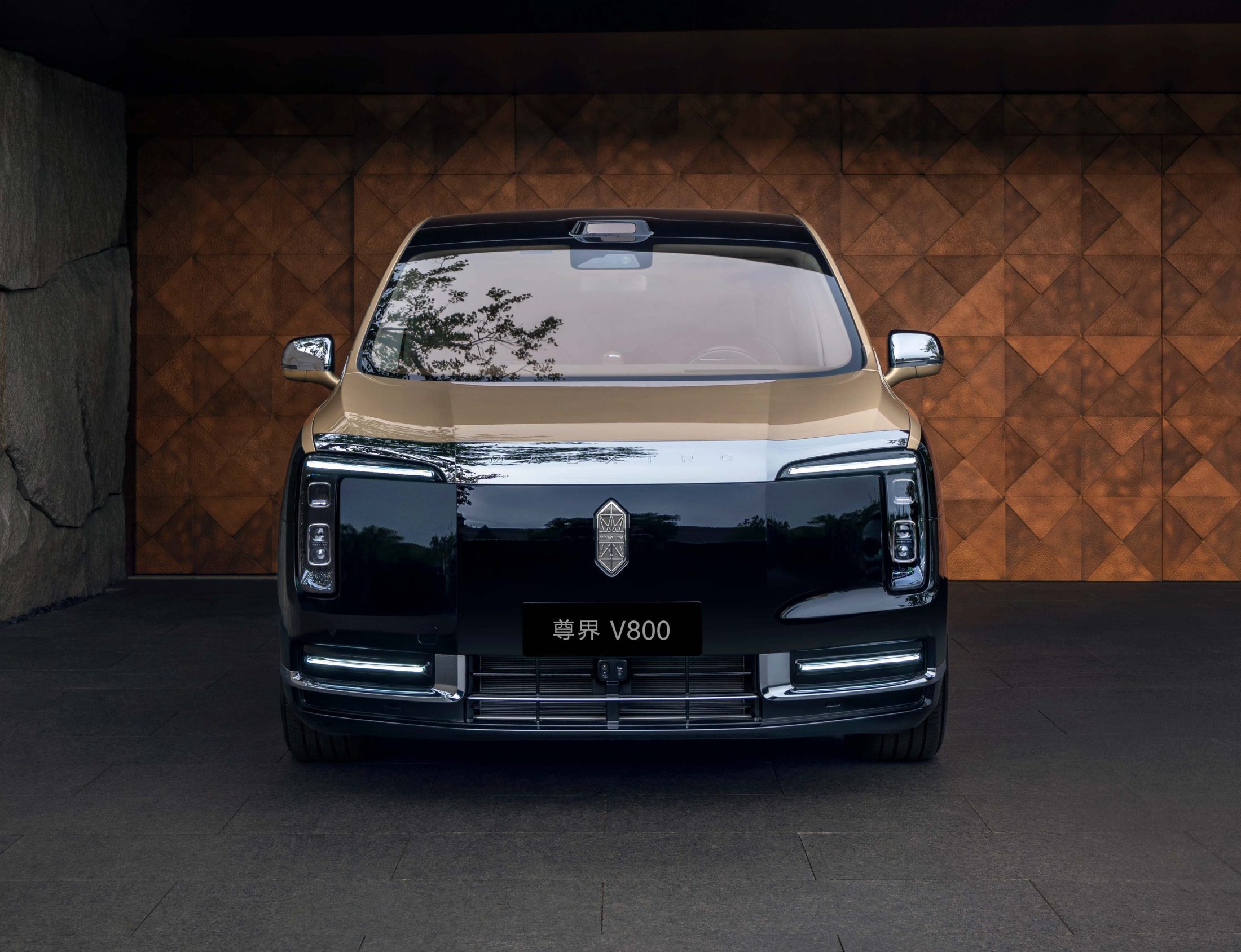
    China formed a joint investigation team across three ministry-level regulators on Thursday to probe reported brake pedal failures in luxury electric vehicles from Huawei-backed brand Maextro.

    The inquiry pulls in the Ministry of Industry and Information Technology alongside the Cyberspace Administration of China and the State Administration for Market Regulation.

    Three Regulators Step In

    Officials from the three bodies will review test records and inspect physical components. Online video footage showed Maextro brake pedals snapping under test conditions. Huawei Technologies and state-owned carmaker JAC jointly developed the brand as a flagship push into high-end smart mobility.

    The Ministry of Industry and Information Technology stated that authorities are paying close attention and pledged to publish findings promptly. Involving the internet watchdog alongside industrial and market regulators signals scrutiny over mechanical engineering as well as technical claims shared on social platforms.

    Tighter Scrutiny on Fast Rollouts

    Automakers in China have compressed vehicle development cycles to under 24 months. They use rapid software updates and modular chassis systems to beat foreign rivals. Regulators are now pushing back, demanding longer validation cycles and stricter durability benchmarks for critical mechanical hardware.

    For parts suppliers and technology partners, the joint probe raises immediate financial and compliance risks. Braking assemblies cannot be fixed with over-the-air patches. Any required redesign or recall will hit manufacturing margins and delay scheduled dealership deliveries.

    Pressure Mounts on Premium Brands

    Maextro debuted in Beijing earlier this year as a collaboration between legacy manufacturing and consumer electronics ecosystems. Scrutiny intensified earlier this month after an automotive blogger documented mechanical failures during independent vehicle testing.

    Domestic EV sales growth has softened across major Chinese urban centres. Luxury entrants have little room for engineering missteps. Rival brands expanding premium lineups will face higher inspection burdens before securing commercial clearance from industrial watchdogs.

    Validation Timelines to Watch

    Regulators are preparing broader testing standards. The rules will mandate extended road trials for chassis electronics and physical control mechanisms before series production permits are granted.

    Inspectors plan to deliver an initial technical assessment on the Maextro braking components before final commercial deliveries commence.

  • China Proposes Car Design Rules Banning Hidden Door Handles from 2027

    China Proposes Car Design Rules Banning Hidden Door Handles from 2027

    China will ban fully hidden door handles and flexible interior screens from January 1, 2027. The country’s industry ministry issued the ban under draft vehicle safety standards.

    Every passenger vehicle door must retain a mechanical release mechanism. It must be accessible from both the inside and the outside.

    Automakers seeking regulatory approval for new models from 2027 onward must submit technical dossiers covering research and development testing. Regulators will reject applications backed by incomplete validation or false data. The draft was published by the Ministry of Industry and Information Technology alongside three partner agencies.

    Vehicles already approved for sale must file technical documentation on their innovative features by July 1, 2027. Manufacturers that fail to submit files face mandatory production halts and vehicle recalls if their models carry safety hazards.

    Mechanical Controls Return to the Cabin

    The draft targets minimalist cabin designs that replaced physical switches with touchscreens. Beyond outlawing flush, concealed exterior handles, the rules prohibit foldable or flexible displays in production vehicles.

    Seating comes under new limits. Automakers cannot let drivers or passengers activate swivel configurations or zero-gravity recline modes while a vehicle is in motion.

    Physical controls must remain for primary operating equipment. Drivers must be able to work headlights and windshield wipers through dedicated mechanical switches, not digital menus.

    Safety Scrutiny on Fast Product Cycles

    Regulators drafted the measures after finding aggressive development cycles led domestic brands to launch cars without adequate real-world testing. The race to cut aerodynamic drag and show off software features created mechanical flaws during severe collisions.

    Electronic latches drew public scrutiny after a fatal crash in Chengdu in October last year. Rescuers could not open the doors of a burning Xiaomi electric sedan from the outside. The driver died at the scene.

    Flush door handles, introduced at scale by Tesla on models including the 2018 Model 3, quickly became standard across Chinese electric vehicle lineups. Flush fittings smooth airflow and extend battery range slightly. However, emergency services have raised repeated concerns about exterior latches failing when 12-volt electrical systems cut out in an impact.

    Impact Across Domestic EV Assembly Lines

    The directive forces engineering overhauls across China’s crowded electric vehicle sector. Brands that built their pitch around button-free interiors must reintroduce mechanical linkages, switches and dedicated wiring looms into existing platform architectures.

    Suppliers of door modules, interior switchgear and instrument panels face immediate order adjustments. Tooling changes will add production costs to budget models. That will narrow margins in a market already hit by price discounting.

    Export models built on domestic platforms will carry the same mechanical changes into Southeast Asia and Europe. The ministry is taking public feedback on the draft regulatory framework until November 10.

  • China Orders Year-Long Auto Safety Review as EV Deliveries Fall 12.5 per Cent

    China Orders Year-Long Auto Safety Review as EV Deliveries Fall 12.5 per Cent

    China’s industry ministry has launched a nationwide quality inspection campaign across the auto sector. The decision follows a 12.5 per cent drop in domestic electric vehicle deliveries in the first seven months of 2026.

    Roughly 100 domestic manufacturers fall under the one-year regulatory review. Officials are targeting smart driving features, vehicle design standards and battery hardware. Vice-Minister of Industry and Information Technology Xin Guobin told a Beijing press conference that authorities will bar new auto technologies from the market if they fail stricter verification protocols.

    Stricter rules for driver assistance

    Regulators stepped in following fatal crashes and a rise in complaints over software malfunctions and battery defects. In central China’s Anhui province, three people died when a Xiaomi SU7 crashed into a barrier under driver-assistance software. The system alerted the driver only two seconds before impact. State media also reported an increase in formal battery quality complaints filed with public inspection bodies this year.

    Automakers must now redirect capital toward core manufacturing controls instead of racing to roll out experimental software. For years, domestic brands used rapid updates to autonomous driving and digital cockpits to stand out in crowded showrooms. Stricter approvals will slow product rollouts across the board. That gives established global marques breathing room while putting cash-strapped local startups under immediate strain.

    Price wars and dropping sales

    Showroom traffic is contracting sharply as the checks begin. Data from the China Passenger Car Association showed overall passenger vehicle deliveries fell 20.9 per cent year on year in July to 1.46 million units. Electric vehicle deliveries dropped 3.9 per cent to make up 65.1 per cent of that total. It was the seventh straight month of declining volume.

    Price cuts have failed to revive foot traffic as consumer subsidies taper off. Domestic manufacturers delivered 5.67 million electric vehicles between January and July, down from the same period a year earlier. RetailNews Asia will track whether the ministry’s inspection guidelines, scheduled to take effect within weeks, trigger formal product recalls or delayed model launches in the fourth quarter.

  • China Targets 80 Brain Tech Standards by 2030 to Rival Neuralink

    China Targets 80 Brain Tech Standards by 2030 to Rival Neuralink

    China will draft or revise more than 40 brain-computer interface standards by 2028, according to draft guidelines issued by the Ministry of Industry and Information Technology.

    The roadmap aims to expand that framework to over 80 standards by 2030, pushing at least 100 domestic companies to adopt uniform technical rules for medical, industrial and consumer hardware.

    Under the ministry plan, Beijing also wants to lead or join the creation of more than 10 international standards. The directive aligns with China’s 15th five-year plan, which designates neural interface technology as one of six priority industries of the future.

    Domestic hardware and commercial trials

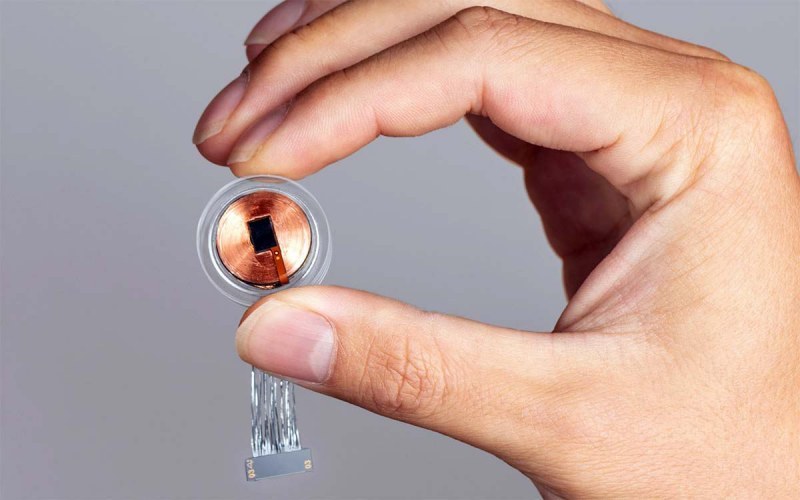
    Brain-computer systems decode electrical signals from the brain to control external devices directly. In China, several startups have progressed beyond laboratory testing into working hardware. Neuracle secured regulatory clearance for an implant that restores hand movement in paralysed patients, while BrainCo produces non-invasive headbands and brain-guided prosthetic limbs.

    Other domestic players, including StairMed and NeuroXess, develop invasive signal recording arrays and neural decoding software. These developers compete against Elon Musk’s Neuralink, which leads global headlines in commercial neural trials.

    Setting global rules for neural devices

    Drafting domestic standards early allows Chinese hardware makers to establish component specifications before foreign competitors dominate international supply chains. While American ventures focus predominantly on surgical clinical implants, Chinese developers are dividing capital between medical therapies and high-volume consumer gadgets.

    Regulators will now collect industry feedback on the MIIT draft, with the initial batch of 40 national standards scheduled for completion by 2028.