Retail News CRM

Tag: milk tea

  • Chinese Milk Tea Titans Embark on Global Conquest: Expanding Across US and South Korea Amid Southeast Asia Saturation

    Chinese Milk Tea Titans Embark on Global Conquest: Expanding Across US and South Korea Amid Southeast Asia Saturation

    Chinese milk tea brands are broadening their horizons and expanding into new markets in Asia and the West. These brands have traditionally focused on Southeast Asia as their primary area for foreign expansion. However, with the market becoming overcrowded, they are now setting their sights on other regions. This comes as the tea market grows increasingly saturated, prompting a shift in emphasis from rapid expansion to improving store performance and streamlining operations.

    Over 60 Chinese milk tea brands had established more than 6,100 outlets throughout Asia by the end of 2024, most notably led by major chains such as Mixue and Chagee. Mixue, the largest food and beverage chain globally in terms of store count, has begun adjusting its operations in Indonesia and Vietnam. Despite a decrease in store numbers in these markets, the company maintains its focus on the region while pushing into emerging markets, including its first location in Kazakhstan.

    Expansion and Competition

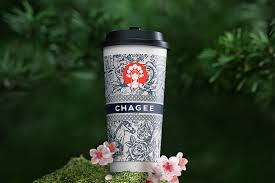
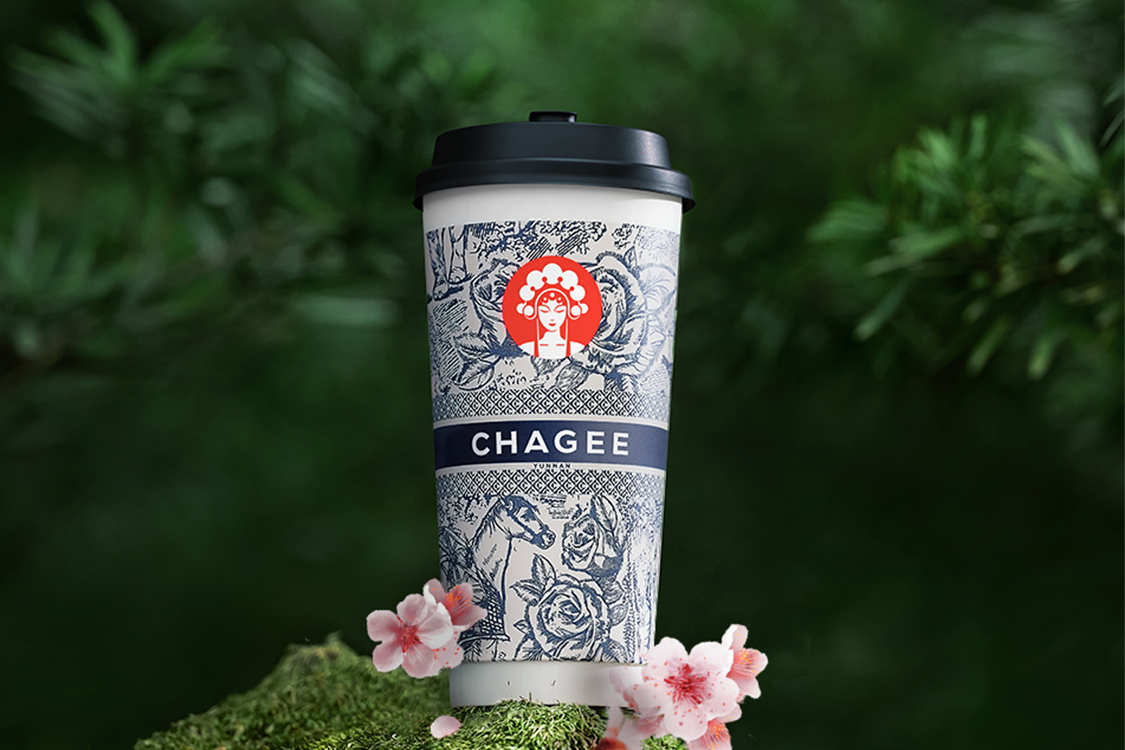
    Chagee, another renowned milk tea brand, has plans to venture into the South Korean market with three upcoming outlets in Seoul. It joins a growing number of its peers already established in the market, including Heytea, Mixue, ChaPanda, and Auntea Jenny. Chagee has further signaled its intent to spread its reach into Japan.

    Understandably, the homefront competition for these Chinese brands is fierce, with the milk tea boom of the last decade leading to around 420,000 outlets. To attract customers, some brands resort to pricing their products at less than a dollar or offering free online orders.

    Moving Westward

    Besides nearby Asian markets, several brands are also extending their presence to the United States. The country has become a significant focus for the sector, with the number of fresh tea retailers rising by 18.2% annually to 7,845 in 2025. It is projected that the U.S. market for freshly made tea drinks will be worth $2.9 billion by 2029.

    However, penetrating the U.S. market brings its challenges. Amanda Wang, co-founder of beverage chain Ningji Lemon Tea, highlights the need to adapt to local tastes, noting American consumers’ preference for sweeter drinks. She also cites differences in the business landscape.

    Despite these hurdles, various Chinese brands, including Mixue, Chagee, Chahalo, Molly Tea, and Auntea Jenny, have successfully launched U.S. stores or announced expansions in recent years. For instance, Mixue’s recently opened New York store, twice as large as its typical outlet in China, has managed to maintain the brand’s familiar look and affordable prices.

    Competitive Edge and Consumer Response

    Nevertheless, competitive pricing is not the only strength of Chinese tea brands. HeyTea, with its drinks averaging around $10, has enjoyed robust demand. Its Times Square store sold over 3,500 cups on its opening day and has since averaged over 2,000 cups daily. Other brands, such as Chagee and Auntea Jenny, have also experienced strong debuts in the U.S. market.

    Consumers appreciate the diverse flavors offered by Chinese brands, distinguishing them from established chains like Starbucks. Consumers’ preference for different flavors and affordable prices are significant factors driving their patronage of Chinese tea brands.

    Questions & Answers

    Why are Chinese milk tea brands expanding into new markets?
    Chinese milk tea brands are expanding into new markets as their traditional focus area, Southeast Asia, becomes overcrowded, and the tea market becomes increasingly saturated. This has led to a shift from rapid expansion to improving store performance and operations.

    How are Chinese brands faring in the U.S. market?
    Despite facing challenges such as adapting to local tastes and a different business environment, several Chinese brands have successfully launched stores or announced expansions in the U.S. They have garnered a positive response from consumers who appreciate the diverse flavors and competitive prices they offer.

    What distinguishes Chinese tea brands from established chains like Starbucks?
    Chinese tea brands stand out from established chains like Starbucks due to their unique flavors and affordability. They offer a variety of flavors not typically found in Western chains, boosting their appeal among consumers.
  • Gong Cha Exits Singapore Market After Franchise Agreement Ends; Plans For A Revamped Return Underway

    Gong Cha Exits Singapore Market After Franchise Agreement Ends; Plans For A Revamped Return Underway

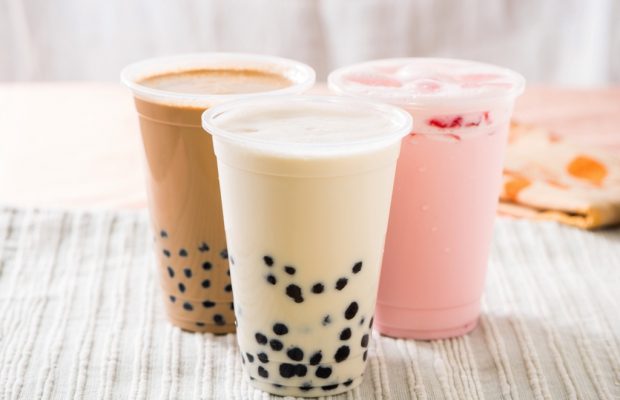
    Taiwan’s popular milk tea brand, Gong Cha, has ceased operations and shuttered all its outlets island-wide as of October 1. This move follows the expiration of its franchise agreement with Gong Cha Singapore, which has been running the brand’s operations since 2017.

    All the physical stores were abruptly closed, and the brand’s digital presence was also taken down, including its website, social media accounts, and listings on food delivery platforms.

    Kang Puay Seng, Gong Cha Singapore’s CEO, confirmed these developments, expressing his gratitude to customers, staff, and business partners for their support.

    Future Prospects

    Gong Cha’s Global has confirmed plans to re-enter the Singapore market next year. The global CEO, Paul Reynish, stated that the company is currently in the process of selecting a new master franchisee and will relaunch with an updated ‘Gong Cha 2.0’ store concept, which has already been successfully implemented in select international markets.

    Gong Cha initially entered the Singapore market in 2009 but later withdrew due to a franchise dispute. The brand then re-entered the market under a new agreement with its now-former franchisee.

    The decision to exit the Singapore market follows a period of strong global performance for the brand. Earlier this year, Gong Cha reported an impressive US$600 million in system-wide sales for the 12 months ending in December, a milestone attributed to its aggressive international expansion.

    Questions & Answers

    What is the reason for Gong Cha’s exit from the Singapore market?
    Gong Cha’s exit from the Singapore market followed the end of its franchise agreement with Gong Cha Singapore.

    Will Gong Cha return to the Singapore market?
    Yes, Gong Cha Global has announced plans to re-enter the Singapore market in the coming year with a new master franchisee and an updated ‘Gong Cha 2.0’ store concept.

    What has been Gong Cha’s performance in the past year?
    Gong Cha reported strong global performance, with system-wide sales reaching $600 million for the 12 months ending in December. This success is mainly attributed to the brand’s rapid international expansion.

  • Chagee sees double-digit revenue growth in first quarter

    Chagee sees double-digit revenue growth in first quarter

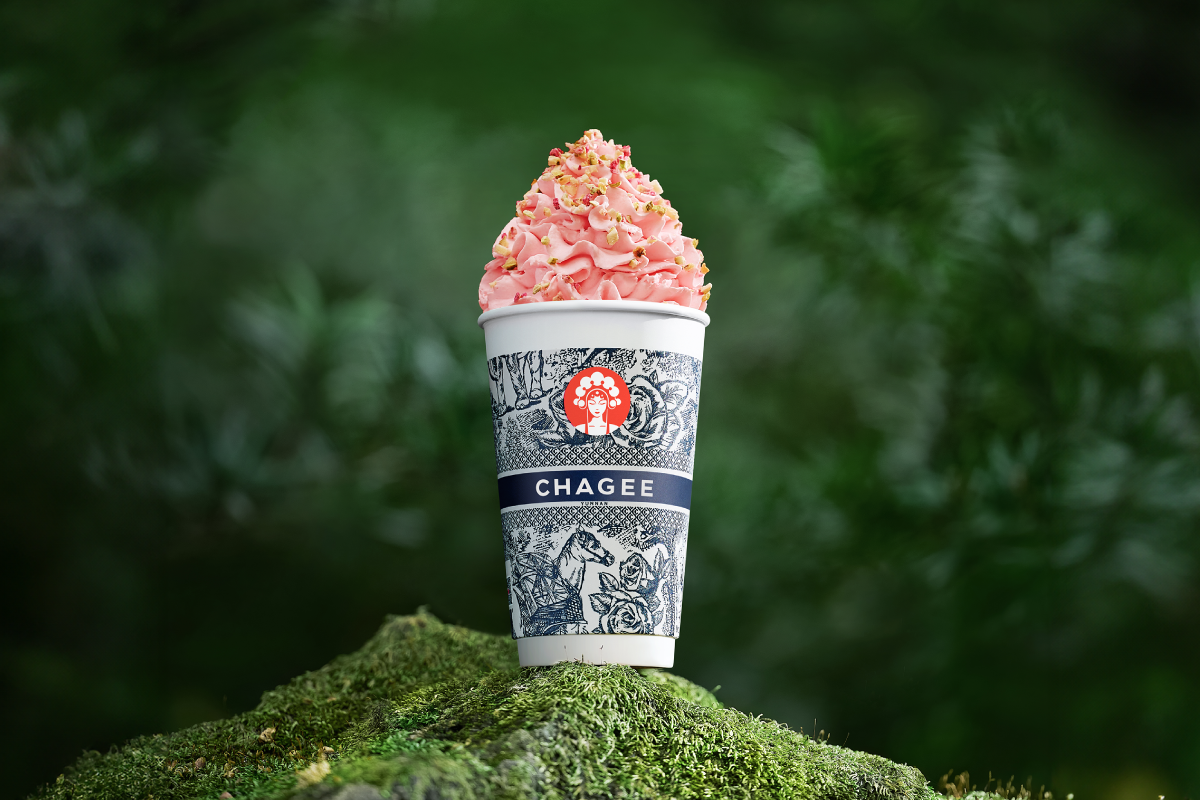
    Chagee, a renowned Chinese milk tea chain, has reported a significant increase in its net revenues for the first quarter of this year. The figure soared to RMB3.39 billion (US$467.5 million), marking a robust growth of 35.4 per cent compared to the equivalent period last year.

    Financial Highlights of the Quarter

    The first quarter of the fiscal year was marked by strong financial performance for Chagee. The company’s net income also grew considerably, rising 13.8 per cent to RMB677.3 million. Meanwhile, operating income has been notably up from RMB705.9 million to RMB820.2 million, indicating an impressive operating margin of 24.2 per cent.

    Nevertheless, the company had to bear an increase in operating costs, which surged by 42.8 per cent, amounting to RMB2.57 billion year-on-year.

    Expansion Efforts and Product Innovation

    Chagee’s expansion strategy took a leap forward as they inaugurated key stores in Malaysia and Singapore during this quarter. The successful launch was followed by the opening of new outlets in Indonesia and the US in the consecutive months of April and May.

    Staying true to its commitment to product innovation, Chagee continued the introduction of new products. They included a range of low-caffeine beverages, designed to cater to the preference of customers who enjoy their teas later in the day.

    Questions & Answers

    What was the percentage growth in Chagee’s net revenues for the first quarter compared to the same period last year?
    Chagee’s net revenues for the first quarter of this year grew by 35.4 per cent compared to the same period last year.

    What new markets did Chagee enter during this quarter?
    Chagee entered the Malaysian and Singaporean markets this quarter, followed by expansions into Indonesia and the US.

    What new product line did Chagee introduce recently?
    Chagee introduced a new line of low-caffeine beverages, allowing customers to enjoy their teas later in the day.

  • Chagee faces boycott ahead of Vietnam opening

    Chagee faces boycott ahead of Vietnam opening

    Chinese milk tea brand Chagee is facing criticism for apparently adopting the ‘nine-dash line’ in its digital app while it prepares to launch in Vietnam.

    According to local reports, Vietnamese customers are calling for a boycott of Chagee after learning that the company used a map with the controversial nine-dash line.

    In a photo recently circulated on Vietnamese social media, an account using a Chagee logo as its image responded impolitely to a customer’s statement that they wanted to boycott the company over the line’s adoption, saying: “Chagee does not lack friends as customers”. We cannot ascertain if the responses are genuine or not but has been advised that multiple accounts are pretending to be Chagee to stir controversy and debate.

    Chagee has not officially responded to the incident yet.

    The “nine-dash line” or “U-shaped line” is a boundary line drawn by China on a map to illustrate its sovereignty claim over the majority of the East Sea, considered by Vietnam as a grave violation of its territorial sovereignty.

    The issue seems to cause significant damage to Chagee’s image and reputation. Le Minh Vu, managing partner at FnB Academy, told Vietnamese newspaper Tuoi Tre (Youth) that “Chagee should withdraw from the Vietnamese market due to issues unrelated to products or services – things that can be fixed and corrected”.

    Chagee was founded in 2017 in Shanghai, China, and has since expanded rapidly throughout Southeast Asia, with more than 5000 locations.

    The brand intends to open its first store in Vietnam, with a prime position in Ho Chi Minh City’s CBD in District 1.

  • Chinese milk tea chain Chagee enters Vietnam

    Chinese milk tea chain Chagee enters Vietnam

    Chagee, one of the largest milk tea brands in China, has expanded into Vietnam and will soon launch its first store there.

    On Monday, its official Facebook page shared a poster saying “Hello Vietnam” with a caption that read: “Vietnam, let’s get ready for some exciting things ahead! Chagee will bring you refreshing moments and new experiences. Stay tuned!”

    A post on its Facebook recruitment page also confirmed that it is officially present in the market and is looking for staff for its expansion.

    On Chagee Vietnam’s LinkedIn profile, the brand said in a comment that its first store “will be launching very soon.”

    Founded in Yunnan, China, in 2017, Chagee markets itself as the “Eastern Starbucks,” aiming to challenge the dominance of the U.S. coffee giant, according to KrAsia.

    The brand has rapidly grown across Asia Pacific, establishing a presence in Malaysia, Singapore, and Thailand, with a global network exceeding 6,000 stores.

    Focused on raw-leaf fresh milk tea, Chagee blends traditional tea culture with modern innovation to appeal to contemporary consumers, as stated on its website.

    It recorded sales of 10.8 billion yuan (US$1.48 billion) in China in 2023 and 5.8 billion yuan in the first quarter of 2024.

  • Vietnam pho, milk tea franchised for first time in Philippines

    Vietnam pho, milk tea franchised for first time in Philippines

    The famous noodles dish pho has been franchised for the first time in the Philippines along with milk tea and spa services by three Vietnam’s companies.

    Pho’S, Phuc Tea and Care With Love have signed franchise contracts with Philippine businesses through the ecosystem of Go Global Holdings, a company that helps small and medium-sized businesses become franchisers, its CEO, Nguyen Tuan Quynh, said Thursday.

    Many foreign brands have been rushing into Vietnam to franchise their products and services in recent years, but there have been few such efforts in the reverse direction, and even fewer have succeeded, he said.

    “These franchise contracts are therefore positive signs for Vietnamese firms.”

    Tran Thao Vi, founder of spa service provider Care With Love, told VnExpress that a franchise deal has been signed with a Philippine partner specializing in medical services.

    “In two months we will launch our first franchise in the Philippines and open another three in the first quarter next year, and eventually have dozens of spas in the country.”

    Care With Love has been operating for 11 years with 13 branches. It plans to increase the number to 20 by the end of this year, 80% of them franchises.

    Tran Nhat Vu, co-founder of beverage chain Phuc Tea, which has 140 stores in Vietnam after six years since opening, said the franchise partner would open around 20 stores in the Philippine capital Manila next year.

    The franchise fee for each Pho’S and Phuc Tea store is US$7,000-10,000.

    The three companies said the Philippines partners were interested because their business models are “unique” with their focus on middle-class customers.

    Pho’S is the first major company to use ginseng in its recipe, while Phuc Tea has been making new beverages from unusual ingredients.

    The three companies are also in talks for franchising in Indonesia and Malaysia.

    Vietnamese companies to launch franchises overseas so far are footwear and leather company T&T, Pho 24 and Vu Giang Jsc under the brand Bobby Brewers coffee chain.

  • Milk tea on flights fetches Noibai Catering Services rising revenues

    Milk tea on flights fetches Noibai Catering Services rising revenues

    Airline catering company Noibai Catering Services earned revenues of nearly VND22 billion ($936,947) from selling milk tea last year, over 63% of it from sales aboard flights.

    According to its annual report, the company put milk tea on flight menus in July 2022.

    NCS’s milk tea is available on Vietnam Airlines flights at VND50,000 a cup and also on other flights through other airline catering companies such as VACS and MASCO.

    The company’s losing streak due to Covid-19 snapped in 2022, when it made profits before tax of VND5 billion on revenues of VND410 billion, three times the 2021 figure and 60% of the pre-pandemic revenues.

    It had suffered losses of VND38 billion and VND77 billion in the previous two years.

    In 2023 it has continued to recover strongly, with first-quarter revenues rising 2.5 times year-on-year to VND150 billion in.

    Its profit was VND10.5 billion.

    NCS said the aviation market has recovered completely, causing its own revenues and profits to soar.

  • Taiwanese milk-tea brand CoCo continues rapid Philippines expansion

    Taiwanese milk-tea brand CoCo continues rapid Philippines expansion

    Taiwanese milk-tea brand CoCo Fresh Tea & Juice is slated to open its third store in Cebu City, Philippines in 2020.

    CoCo debuted in the urbanized city in March this year when it opened at the SM Seaside City shopping mall, followed by a second outlet six months later.

    GM Larry Evans Tan says “Cebu City was one of the most-requested areas that the company received for CoCo to be present in”.

    Originating in Taiwan, CoCo is operated by Tobistro Foods in the Philippines. Having opened its first store in the country in 2015, it now has 35 nationwide. And it is looking to take the number to 40 by the end of the year, expanding into other markets including Davao, Cagayan de Oro, and Iloilo.

    The milk-tea brand CoCo says that the bubble-tea craze is so high in the Philippines that people order via food delivery service GrabFood at a pace of one cup every four minutes in Metro Manila alone.

  • Gong Cha to open world’s first bubble-tea funhouse

    Gong Cha to open world’s first bubble-tea funhouse

    Gong Cha will team up with Tokidoki to create the world’s first bubble-tea funhouse at Singapore Shilin night market.

    The Tokidoki-themed bubble-tea funhouse will bring three new flavours including Rosa Latte, Berry Biscotti, Bambu Boba, served in Tokidoki co-branded cups.

    Boba enthusiasts can also treat themselves to bubble tea-inspired desserts such as Boba Pancake, and Earl Grey Milk Tea Ice Cream.

    There will also be two limited-edition Tokidoki x Gong Cha-merchandised tumbler and sleeve for the first 500 customers daily.

    At a DIY station, customers can customise their own drinks.

  • Ten Ren milk tea comes to Vietnam via franchise

    Ten Ren milk tea comes to Vietnam via franchise

    Taiwanese milk tea brand Ten Ren to open first Vietnam store next month via a franchise agreement with The Coffee House.

    Nguyen Hai Ninh, co-founder and CEO of coffee chain, says Ten Ren will open 40 stores by the end of 2018.

    “At first, we will sell traditional packed tea, bottled drinks and anchored product – milk tea. Each year we will add more items according to customer demand,” Nguyen says.

    Nguyen believes Vietnam’s milk tea market still offers huge potential, citing Euromonitor data  showing the market was worth US$282 million in 2016 with a 20 per cent year-on-year growth rate.

    The latest entrants to Vietnam’s milk tea market include Yutang, and Vietnamese brand Tocotoco.

    Backed by Seedcom holding group, The Coffee House was founded in 2014, has 64 stores all over Vietnam,with plans to increase to 200 by 2020.

    Ten Ren Tea was founded in 1953, specialises in tea and ginseng products.