Tag: Millennials

  • Singtel targets Millennials with all-digital mobile plan

    Singtel targets Millennials with all-digital mobile plan

    Singtel has announced the launch of an all-digital mobile service plan targeted at technology-savvy Millennial customers.

    The new product, GOMO Mobile, offers functionality including immediate online sign up and same-day SIM card delivery, 24/7 live chat for customer service inquiries and a dedicated customer care app.

    The S$20 GOMO Mobile plan includes 20GB of data, 200 minutes of talktime and 200 SMS. The no-contract plan is based on a 30-day payment cycle, and additional allocations can be instantly purchased using a debit or credit card.

    As part of its strategy of targeting Millennials, Singtel is also offering lifestyle rewards such as discounts at selected hipster restaurants and cafes, and plans to expand these rewards to include ride hailing, entertainment events and activities and travel promotions.

    Singtel is also offering a GOMO Travel SIM that provides 3GB of data for 10 days across eight overseas destinations – Australia, Hong Kong, Macau, Taiwan, Indonesia, Malaysia, Thailand and Philippines.

  • How to deal with centennials

    How to deal with centennials

    All eyes are on Southeast Asia as the world’s next consumer powerhouse, with its young population and increasing purchasing power. Almost 280 million centennials – those born since 1995, also known as Generation Z, currently call this region home. While the size of this new generation alone makes them attractive prospects for retailers, their distinct behaviours set them apart as the ones to watch to crack Asia’s hyper-competitive retail landscape during the next few decades.

    Born into the digital age and mobile natives, centennials will soon be one of the world’s most demanding consumer groups with high standards and expectations of the online-shopping experience.

    Here’s what we know about the centennials….

    Webrooming vs showrooming

    Almost all centennials in Southeast Asia use the internet as part of their buying journeys, but their route is much more converged than other generations. Latest research commissioned by Dentsu Aegis Network, Here Comes the Centennial reveals that centennials like to use both online and offline channels – 97 per cent browse for products online before purchasing online (‘webrooming’) and 90 per cent look for products in store before buying online (‘showrooming’). Detailed research is a key part of their buying decisions – whether online or offline – to ensure they get the best price, as well as the best quality by going into stores to experience the product. Some 70 per cent browse online to find the best price, while 67 per cent use the internet for checking out product details and specifications and 65 per cent are checking out reviews.

    Smartphones have also created an environment where centennials can browse products wherever they are, whatever they are doing – multi-tasking to the extreme. For example, 52 per cent look at products online while eating, watching TV or hanging out with friends or family, while 38 per cent do so while commuting, and 34 per cent browse products while at school or college.

    Centennials use social-media platforms differently to previous generations, as an important and intimate touchpoint in their purchase and decision-making journey.  Social media applications (47 per cent) such as Facebook and Instagram are the second most popular place for them to shop in, while 49 per cent turn to such platforms for research on their future purchases, rather than asking friends (45 per cent) or family (27 per cent). Even a good reputation with friends and family does not feature highly as a motivator to purchase – just 15 per cent choose this as an option.

    Digital natives

    As digital natives, centennials expect technology to be an integral part of the experience, and are highly optimistic about the use of technology.

    Eighty-two per cent of centennials are excited about futuristic shopping technology such as virtual reality. They demand fast-and-easy experiences that allow them to research and buy products with minimal frustration.

    To this audience, commerce has moved beyond “buying something on a website” to a series of interactions, from enticing them to view a product to providing a personalised purchase experience, to where and when the product should be delivered. In this context, online retailers need to focus on understanding the centennial customer journey, specific to the category being sold. This can be done by incorporating relevant technologies which seamlessly enhance engagement along the path to purchase. For example, the research showed that “Good customer service/reliability” ranks third among qualities of an online store with this audience, with delivering a superior and excellent customer service option using chatbots rather than call centres a more significant differentiator than low prices and free/fast delivery that every other marketplace claims to offer.

    Brand irrelevance

    Brand name and image are no longer a priority of centennials. Only 11 per cent of centennials cite having a prestigious or famous brand as one of their top three attributes when choosing where to shop online. Instead, personalisation and convenience are key, as 76 per cent of respondents are happy to share data with websites, if it makes more relevant recommendations.

    E-commerce payments provide a unique example of this; despite being digital natives, the concept of a cashless society has yet to fully take off for centennials in the six countries surveyed, with 56 per cent of respondents still preferring to pay cash on delivery for their purchases. Whilst preferring digital shopping experiences, the next generation of online shoppers enjoy having a variety of payment methods to choose from, and 43 per cent of centennials will readily abandon their purchases because their preferred payment option is not available.

    This is also accompanied by a shift towards values-based purchasing, with 82 per cent agreeing that they “prefer to buy products from ethical or sustainable brands,” while 70 per cent express a preference for local brands.

    With centennials less responsive to traditional campaign and brand-based purchasing, and increasingly influenced by disparate sources of dynamic information and opinions, retailers can no longer just rely on well-designed stores or brand campaigns to drive sales. Instead, driving a unified brand experience across multiple touchpoints will be key to unlocking the centennial consumer opportunity.

    This year

    So what does this all mean for retail this year and beyond?

    Southeast Asia’s internet economy is expected to exceed US$240 billion by 2025, according to research from Google and Temasek. One in two of centennials surveyed are already spending more than $30 per month online. Nine per cent indicated that they spend more than $100 a month – and as the centennial generation comes of age and joins the workforce, their disposable incomes will increase further.

    This combination of large populations, high connectivity and smartphone penetration rates, and increasing online spending power means the centennial opportunity in Asia is large and growing. We will increasingly see e-commerce technology accelerating this year to help create innovative and memorable brand experiences of the consumer.

    Centennials represent tomorrow’s consumer. They are looking for integrated solutions and a seamless experience that will allow them to purchase anywhere, anytime, and on their own terms. As this new group of consumers become increasingly elusive and multi-channel savvy, retailers need to harness creativity and technology in new ways. Combining new media and technology to deliver innovative and memorable brand experiences is the key to success – and brands are learning quickly in order to tap the huge centennial opportunity here in Asia.

    For example, in Thailand, Cotton USA worked with Vizeum and Isobar to launch the Cotton USA online store through an experiential shopping campaign “Shop the Runway”, partnering e-commerce marketplace 11Street.

    Targeted at the Centennial audience, Shop the Runway was the first real-time online shopping fashion show in Thailand which streamed the live programme on 11Street, while clothes from the catwalk were displayed in real time – within the same page – so viewers could purchase their favourite looks direct from the runway.

    At the heart of the campaign was a unique offline-to-online (O2O) feature within the 11Street mobile application which allowed fashion-show attendees to simultaneously view and shop the runway outfits.

    Shopping coupons were also given to all customers who downloaded and registered their details on the app to further encourage conversions. The campaign drew close to 500,000 campaign visitors, a 13 per cent increase in 11Street app downloads following the campaign, and ultimately boosted Cotton USA sales and brand awareness amongst the target centennial audience.

    Shop the Runway is one example demonstrating how brands can leverage technology and O2O features in innovative ways to reach consumers in today’s competitive e-commerce environment. Combined with a seamless shopping experience, and varied account and purchase options to suit different consumers, moments like these will attract tomorrow’s consumers on their terms, arrest their attention in a hyper-competitive commerce landscape, and allow brands to win in Asia’s digital-led retail landscape.

  • Japanese multi-brand ‘Atmos’ to enter Korean market

    Japanese multi-brand ‘Atmos’ to enter Korean market

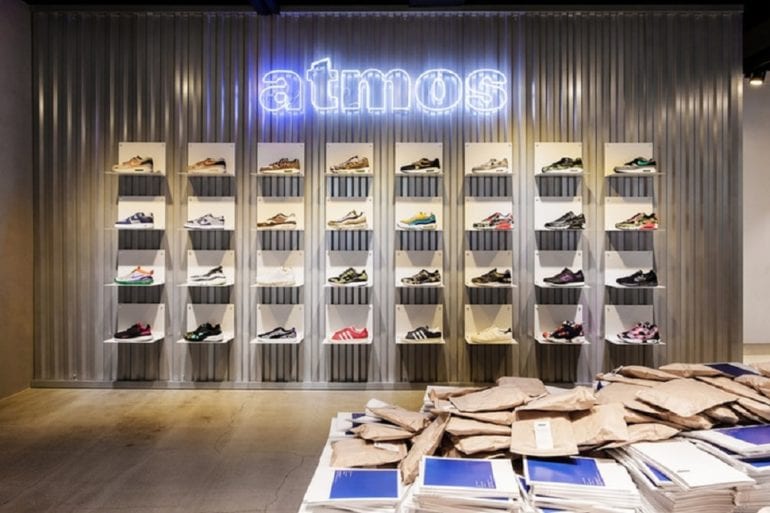
    Japanese’s famous multi-brand ‘Atmos’ opened its first store in Korea.

    Atmos is a fashion multi-brand store currently running 30 outlets in Japan. Seoul is its second overseas store after New York. Atmos is Tokyo’s iconic street boutique established in 2000.

    It is the first shopping destination for footwear brands because of its ability to catch the latest trends and spread them in the market. Currently, it distributes a wide range of products, however street and sportswear are its core business.

    Atmos is mainly dealing with limited edition products of famous brands such as Nike, it is mainly leading in the shoe market.

    What is unique is that Atmos employees work as designers and collaborate with brands to develop collaborative products as limited editions.

    Currently, there are more than 30 stores in Japan, one in New York and the other in Seoul. Annual sales are around 150 billion won and it is 5 billion won per store.

    Starting with the first store in Apgujeong, Seoul, Atmos plans to open stores in key areas such as Daegu, Busan, and Gwangju. It aims to build seven to eight stores more within 2 years.

    Atmos is very popular among Japanese sneaker enthusiasts, so a good response in Korea is expected as well. It will be a space where you can see products that you could not easily see in Korea.

    Meanwhile, US street sensibility lifestyle brand ASICS Tiger released ‘GREEN CAMO’ and ‘GORE-TEX’ which are collaboration products with Atmos.

    As a leading brand of youth culture, Asics Tiger’s both products are expected to kickoff a hipsterism mania which values personalities rather than fashion.

    ASICS Tiger x atmos Collaboration ‘GREEN CAMO’ and ‘GORE-TEX’ products is available at the recently opened ‘Atmos Seoul Flagship Store’.

  • 2017 has been Donatella Versace’s year

    2017 has been Donatella Versace’s year

    In 1997, Gianni Versace was murdered on the steps of his Miami Beach home. His grief-stricken sister, Donatella, suddenly found herself in charge of the family company.

    Twenty years later, she has chosen to take this anniversary and make it extraordinary, hijacking the style agenda to the extent that fashion journalists have been calling 2017 the year of Versace.

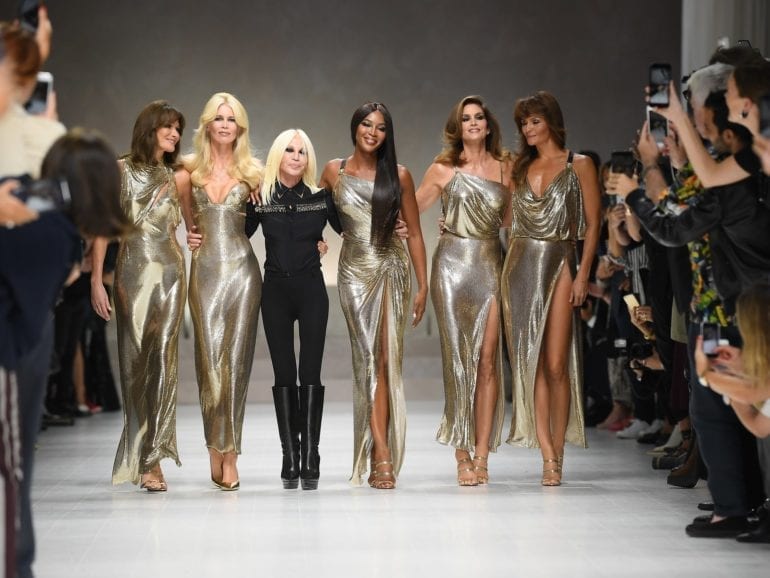
    She has designed a tribute collection inspired by Gianni’s archives, announced a scholarship in her brother’s name at Central Saint Martins and, in September 2017, in a fashion coup for the ages, reunited Gianni’s supermodel crew – Helena Christensen, Cindy Crawford, Naomi Campbell, Carla Bruni and Claudia Schiffer – for a catwalk finale that melted the internet.

    Here, it starts a series of achievements, she received a major accolade at the Fashion awards. She announces the opening of a new Versace store on Sloane Street in London.

    A lot of her year has been spent poring over old images and old creations, opening up the archive – a 10,000 sq ft storage facility in Novara, near Milan – and examining Gianni’s most famous creations for the first time since his death. “Not in a sad way,” she says, “but a very positive way. I saw what a genius my brother was. To me, he was my brother, but to the rest of the world – such a genius.”

    Even the names of the archive collections, produced between 1991 and 1995, speak of another, more glamorous age: Vogue, Warhol, My Friend Elton, Icons, Baroque.

    The pictures she shows me are from that time, too, and present the supermodel era exactly as you would want. Here is Bruni, a future first lady of France, dancing with abandon in thigh-high patent boots. Here is a babyfaced, never-off-duty Crawford, smouldering for the camera as she queues backstage. Here is Christy Turlington, running down a beach, wearing only shimmering sequins.

    Compared with the unsmiling models who have walked the catwalk since, and the airbrushed campaign images and omnipresent filtered Instagram photographs we have grown used to, these pictures feel authentic (however liberally doused in hairspray the models are).

    They bring back great memories, Donatella says. “This was the period that fashion became famous,” she says. “It was the beginning of fashion becoming pop culture, of being associated with music and rock’n’roll. Those two worlds were really in contact with one another. When something starts to happen, that is the most exciting moment. It was a huge change. The 90s was a huge change in fashion”.

    Donatella added : “My brother, of course, was the designer; I was working very closely with him all my life. But I started the relationship with the models that Gianni made ‘super’.” What “super” meant, she says, was showing personality. “Before that, I don’t think many designers let models have personality, nor after. The models should wear the clothes, be very serious, not smile, look in front of you, almost no soul. This was totally opposite: it was about the girls, what the girls were thinking, who they were dating. It wasn’t just about the clothes, but about who was wearing the clothes.”

    Fashion modelling is only just getting exciting again, she says, thanks to technology. “There are two generations of fashion for me: the one before the internet and the one after the internet.” Between the supermodels and now, she says, “was a moment of flatness. Now you could do this picture backstage again – there are people with enough personality there.” She likes the Instamodels, such as Gigi Hadid, who have become powerful thanks to their millions of followers on social media. “I think they are amazing. Very smart girls. Again, finally, we have girls who dare to stand out in the crowd.”

    The 62-year-old’s Fashion awards gong is icon of the year and the hype around her company is enormous, so it is easy to forget the starting point: the horror of her brother’s murder and her first few years running the company, during which she was so shellshocked that she broke down in tears on the catwalk. Does she feel like an icon? “Yes,” she says abruptly, then laughs. “OK, should I be shy? No. This is not because I’m full of myself, but I think, in fashion history, I did a lot. I mean an icon in fashion, not an icon in general, in the world.”

    To conclude with Donatella explained about contemporary trends by focusing on millennials. “Millennials are all many designers talk about backstage, particularly in Milan,” she says.

    In Italian fashion, the charge has long been that so many houses have been run for decades by the same designers or dynasties (Armani, Prada, Versace, Missoni; even relative newcomers Domenico Dolce and Stefano Gabbana are 59 and 55) that the scene has become stale.

    There have been rumours swirling around Versace for the past year or two that Riccardo Tisci, formerly of Givenchy – or Virgil Abloh of Off-White or Kim Jones of Louis Vuitton – might be in line for Donatella’s seat. That may be the case one day, but this year the conversation has shifted dramatically.

    In many ways, Donatella’s approach to millennials and social media feels remarkably modern – and not only because she has 2 million followers on Instagram (in typically understated style, when she joined the app in 2015, a press release was issued; ever savvy, in her first post, she posed with Gigi Hadid).

    This year, she says, has been “a rollercoaster of emotion. Not just that day [of the supermodel reunion show], but preparing for the show, going to the archive and seeing things that I last saw 20 years ago, before Gianni’s death. I never had the courage to go back there, because it was so painful, but I found the strength.”

    She did it, she says, “for the young generation who didn’t know, who weren’t born when Gianni was alive. I want them to know why Gianni was so important and what Gianni was about.” And to tell her side of the story? “To show them how relevant Gianni is today. No story, no filter.”

  • Ferragamo and Versace watches to innovate

    Ferragamo and Versace watches to innovate

    It is no secret that retailers, distributors and manufacturers need to find new ways to meet consumers’ changing expectations in the luxury and fashion markets.

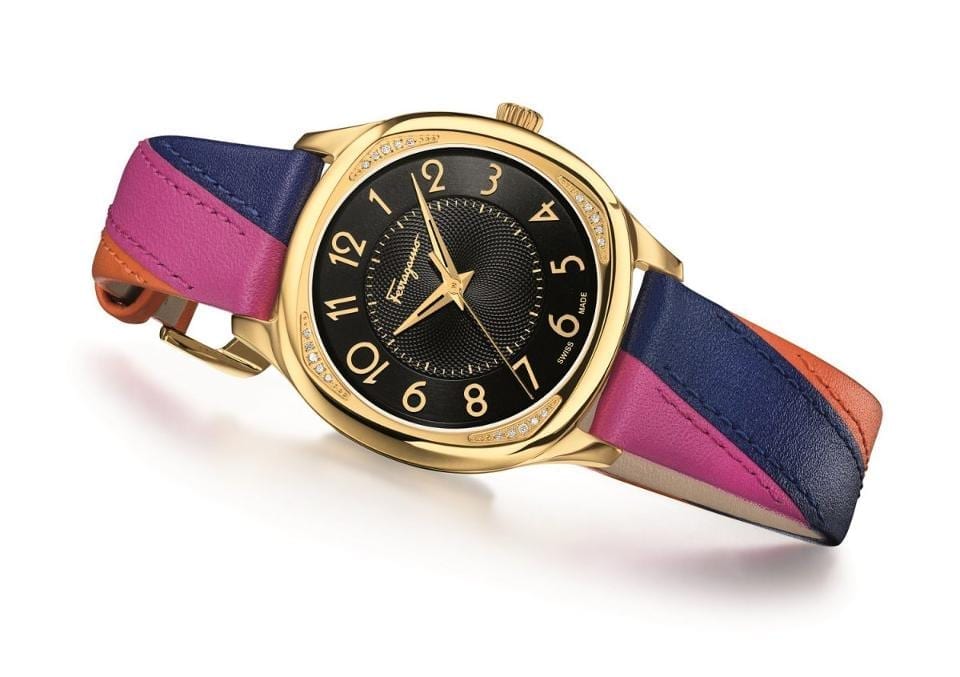
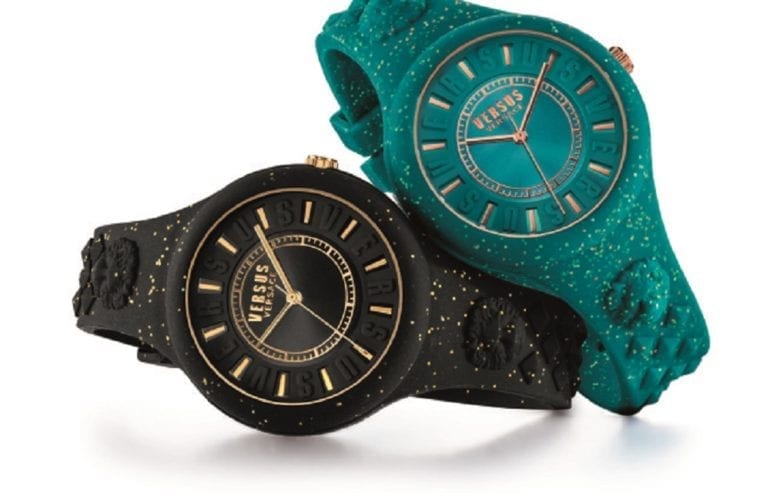
    These changes in consumer behavior led Paolo Marai, president and CEO of the Timex Group Luxury Division, which manages the timepiece business for Salvatore Ferragamo, Versace and Versus Versace, to appoint the MadaLuxe Group as its U.S. and Caribbean distributor.

    This new arrangement was actually announced in January 2017 but the two companies have spent almost a year formulating a strategy before truly making the partnership known in November 2017. It is a multi-tiered approach that ultimately focuses on the in-store experience for consumers.

    “We started in January 2017, but we really wanted to have a kind of honeymoon period and develop an understanding of the way we need to work and the way we need to develop and that is why we decided not to make it a big event in the very beginning. Let’s work a few months together and get a really strong team,” Marai said in a recent interview.

    The companies have spent this year hiring people in management roles experienced in both the fashion and the Swiss watch industry, including people who used to work with Fossil, Burberry, Tom Ford and Tag Heuer.

    They are working on sales training, product pricing, inventory management at the store level, in-store displays and after-sales service that are all uniform in the experience they provide. It’s not an easy task as the watch brands are sold in department stores, independent specialty stores and in branded boutiques. So relationship building is vital for this effort to be successful.

    “This year has been a transition year but we are seeing very positive signs that 2018 will be a strong year. First of all because we have a bunch of new products coming that we feel good about; and second, we organized ourselves to have this smooth transition not to disrupt the market,” he said. “I feel that 99% of the time we are absolutely aligned at what needs to be done.”

    MadaLuxe Group is a 30-year-old family-owned business that is one of the largest distributors of luxury fashion and accessories. It designs, produces, buys, sells, markets and distributes apparel, accessories and home goods from well-known luxury and contemporary brands. This is the company’s first time in the watch business, which is one reason why it has been on a hiring spree looking for talent. However, this is a company well-experienced in providing solutions for luxury fashion brands with a distribution network of about 300 retail stores in the U.S.

    The company, which has seven divisions, was co-founded by the mother and son team of Sandy Sholl, CEO, and Adam Freede, president. They created the luxury segment of their business seven years ago and see it as a growth business because of younger consumers who are well-educated and curious when it comes to luxury.

    “We just believe many more Americans understand what luxury is,” Sholl said during the same interview with Marai. “In the past they may have been intimidated to walk into a luxury store but now they are a lot more knowledgeable. We penetrated the luxury market very aggressively and spent a lot of time with all types of luxury lifestyle products.”

    Freede added, “We see the American market as a very big growth area in all categories, not just timepieces, because of the quality and craftsmanship of heritage brands. These timepieces go right into what we believe are major trends in the U.S.”

    Marai said MadaLuxe has long-term relationships with department stores. He believes MadaLuxe will increase their presence of Ferragamo and Versace watches, ensure the sales staff is well trained and properly manage the inventory.

    “We needed a partner who knows luxury and who has a distribution-enhanced approach with department stores. They know the heads when going from one department store to another. This helps a lot. We chose someone with tremendous luxury experience and with a very open-minded approach.”

    Marai is also happy that MadaLuxe has created a division just for the management of the Ferragamo and Versace watch business.

    “There is a complete new team dedicated to watches, which is something that makes us feel good,” he said. “We really hired a bunch of people who are expert in the watch category.”

    Marai, a native of Milan, has seen first-hand the changes in the fashion and luxury watch businesses since he began to lead the Timex Group Luxury Division in 2005, headquartered nearby in Lugano, Switzerland.

    “It is a new type of consumer that wants to buy in a different way and we have to learn how to process this new consumer,” he said. “It’s not just about new products because new products mean nothing if you don’t have the entire marketing story around it. I’m not even talking about marketing as it has been done in the past. It is a completely different story right now.

    “What is happening is that when people are entering a store they don’t want to buy a product. They want to have an experience, which involves the quality of service and the way you display your story inside the store,” Marai continued. “There is a lot of history behind a brand and there’s a new generation of people who want to know more about it in order to feel that they’re not just buying a product. Instead, they want to buy something that pertains to their world.”

    Much of the strategy is dealing with how young people digest fashion today and what appeals to them. Some fashion brands, such as Versace, have an identity based on its enormous popularity in the 1990s. When asked if young people still identify with this esthetic, Sholl said that in her experience Versace is as relevant today as it ever was and she points to her Versace watch as an example.

    “Versace is the most recognized and the most popular brand. It’s actually astounding how good Versace does in general as a brand,” she said. “When you look at this watch I would buy this as jewelry. It’s more than just a timepiece. It’s just a great fashion statement.”

    Marai pointed to Milan Fashion week, where Versace was the highlight with its tribute to its founder, Gianni Versace, who was tragically killed 20 years ago. For the runway show, the fashion house brought back supermodels of the ’90s: Cindy Crawford, Naomi Campbell, Claudia Schiffer, Carla Bruni and Helena Christensen. But Marai also noted that the show was a statement about the future of the brand.

    “The strength of the brand is not from a position of the past. It must show that it has a capacity of what it says for the future generations. Definitely, Versace as a brand is showing they are really turning the page. The last show they did in Milano was in honor of Gianni. But it also was statement that said, ‘You did it, now it’s time to move forward.’ It was a very important message.”

  • Chinese millennials driving luxury goods sales

    Chinese millennials driving luxury goods sales

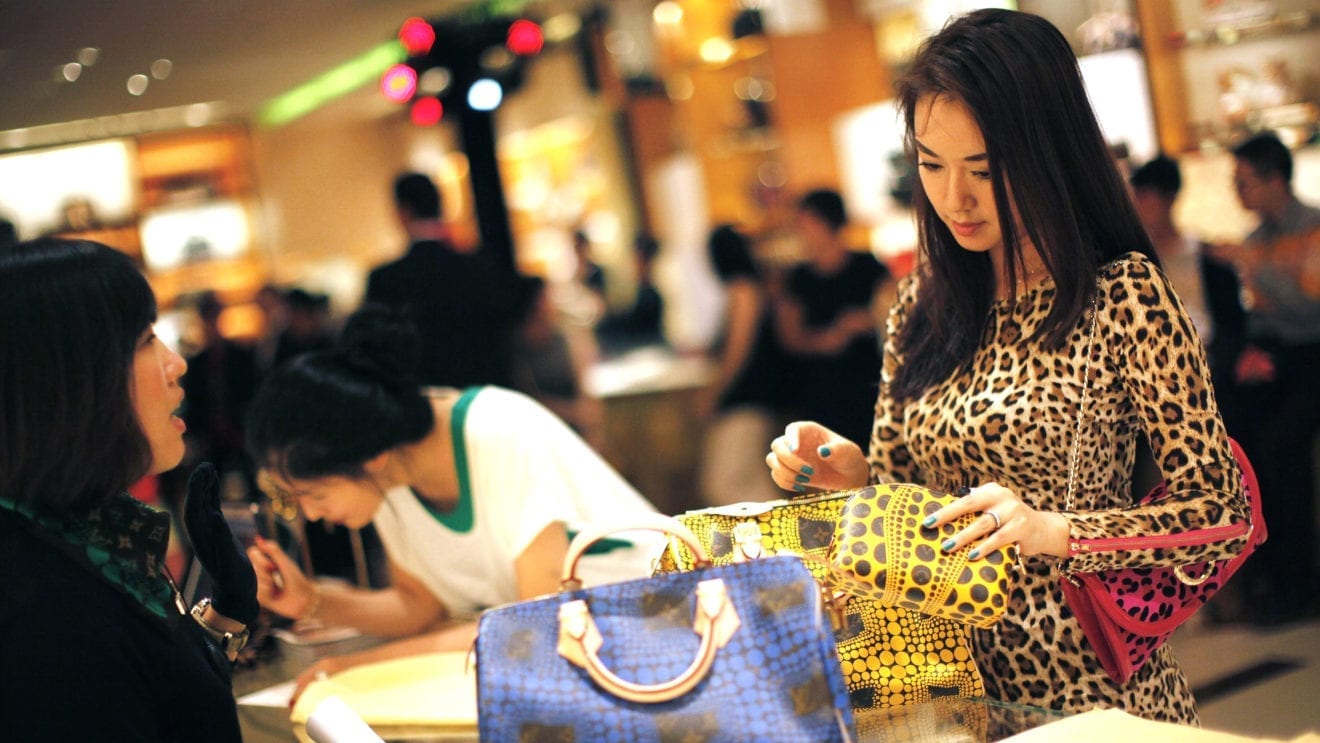
    Chinese millennials are driving faster growth than expected for worldwide sales of luxury goods, says consultancy Bain & Co.

    It says there is a thriving demand in China for items such as high-end handbags, shoes and jewellery.

    After stalling in 2016, revenues from personal luxury goods are set to rise 6 per cent at constant exchange rates this year to €262 billion (US$308 billion), Bain forecasts in an annual report compiled with the help of Altagamma, the trade association for Italian luxury brands. Earlier projections were for 2 to 4 per cent growth.

    Already, stronger earnings are being reported by luxury retailers including Brunello Cucinelli and LVMH, which owns Bulgari and Louis Vuitton.

    Bain says retailers’ efforts to connect with younger buyers and to bridge a price divide between Europe and Asia (more expensive) were also paying off.

    “Luxury goods companies have rethought strategies and are now regaining the trust they lost from customers,” says Bain partner Federica Levato, who co-authored the report.

    She says this year’s growth is “healthier”, being driven by a rise in volumes rather than in prices, and is balanced between tourist purchases and local buyers.

    Chinese buyers now make up 32 per cent of the luxury goods market, more than any other nationality, thanks to increased purchases in both their home market and abroad.

    As a whole, the industry could notch up annual growth rates of 4 to 5 per cent until 2020, says the Bain report, with online sales growing steadily and expected to reach a quarter of all sales by 2025, up from the present 9 per cent.

    Millennials already represent a third of the market, with the later “generation Z”, which grew up with smartphones, starting to make a dent in the luxury market, says Bain.

    Brands have been increasingly turning to social media or pairing up with pop stars and influencers, and branching into casualwear and streetwear, with t-shirts, sneakers and denim.

    However, while 65 per cent of luxury firms will grow sales this year, only 35 per cent will manage to increase their operating profit, says the report.

  • Diamonds are China millennials’ best friend

    Diamonds are China millennials’ best friend

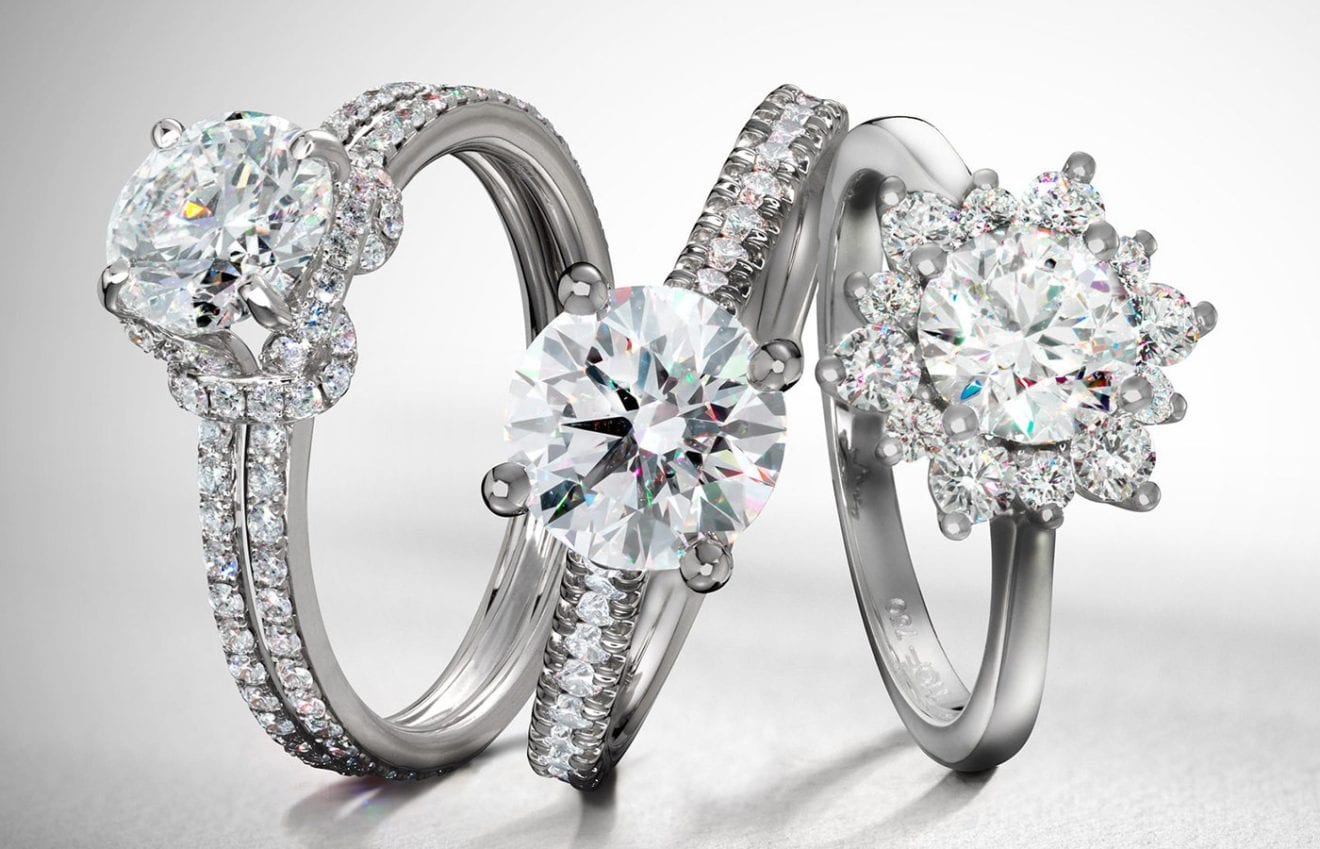
    Diamonds may be a girl’s best friend, and that’s especially true of female millennials in China.

    According to diamond-producing giant De Beers SA, 68 percent of diamond jewellery sales in China ($6.78 billion in 2015) are driven by millennial women, many of whom are college-educated, not married and quickly cultivating a collection of the gems.

    Bloomberg spoke with one 27-year-old Chinese woman who, like many of her peers, has a 15-plus-piece diamond collection including a 2.5-carat solitaire given to her by her parents.

    The fact that she’s not married is part of the trend to — as she said — not wait passively for a diamond gift from a man. For Chinese millennial women, independence is the top trait they aspire to: More than 40 percent of them say financial independence is more important than marriage, with 32 percent saying that independence is what personal success looks like to them.

    That’s according to research by J. Walter Thompson surveying 4,300 women across nine countries in 2015. Some jewellery companies have made a conscious decision to not even show any couples at all in their advertisements.

    A sparkling opportunity

    In the top four diamond markets in the world, there are more than 220 million millennial women who spent $26 billion on diamond jewellery last year. Behind China is India but after a significant drop, followed by the U.S and then Japan. Within this four-country demographic, more diamonds have been acquired than any other generation, and yet the demographic hasn’t even come into their most affluent years.

    Compared to their Chinese mothers who historically bought jade and gold, these millennial women are struck by the western lifestyle that includes the glamour of Harry Winston and Tiffany gems. Having those diamonds is a status signal of wealth and accomplishment, rather than love. As a result, more jewellery companies have popped up in China trying to get their share of the desire. Boston-based Hearts on Fire was usurped in 2014 by Hong Kong’s Chow Tai Fook, grabbing nearly 6 percent market share.

    But it’s not just about status, as the gems are seen as assets that will not depreciate in the way that other high-end items like bags and shoes can due to wear and seasonality.

    Gold x diamonds

    Chow Tai Fook has noticed this by rolling out lines of jewellery that mix gold with diamonds to make sure their female millennials — half the business — stay engaged, and it has also pulled in celebrities like hunky actor Li Min-ho and rapper G-Dragon — both millennials — to appeal to these women.

    But even with diamond jewellery being a sign of independence, the divorce rate in China is more than triple what it was back in 2002 — currently 2.8 per 1,000 people, back just 14 years ago it was 0.9 per that same thousand. More than 3.84 couples went their separate ways in 2015, which is 5.6 percent more than 2014.

    But those diamonds are still forever, even if marriage isn’t or has never even happened yet. And diamond companies know this. De Beers research cites the American trend of couples spending more on their second marriage than on their first. Experts say those Chinese millennials may follow suit as well.

  • Millennials to Decide Future of TV in Indonesia

    Millennials to Decide Future of TV in Indonesia

    As of 2016, according to the Central Statistics Agency’s estimations, Indonesian millennials  born between the 1980s and early 2000s  make up about 41 percent of the 258.8 million population.

    “The future will be in OTT and many want to capture this market. The number of millennials is going to be big in Indonesia and infrastructure is now being prepared. The government has rolled out 4G and smartphone prices are getting lower each year,” Greeny said.

    Genflix offers its customers thousands of videos, Japanese cartoons and other exclusive content. Genflix currently has three million subscribers, 60 percent of whom are paying customers. Most of them access the service via their smartphones.

    The catch

    Hendy Lim from the Redemption Entertainment said this is the moment for the local talents and content creators as the content-hungry OTT services will keep on coming to tap into the growing Indonesian middle-class. But there is a catch.

    Hendy, who has just left his position as the vice president of the media company MNC Group, said the OTT services need to compete with the deep-pocketed free-to-air televisions.

    “These free-to-airs can pay up to $30,000 per episode. I can’t tell the exact number, but I think [the OTT] can pay only 5 percent of it,” he said, adding that free-to-air revenues are high because many people still watch television.

    The on-demand services will also have to face uncertain regulations with regard to corporate establishment, taxes and censorship.

    Communications and Information Technology Minister Rudiantara promised that this year the government will produce a regulation governing the OTT services. The regulation will take into account the international tax treaty and censorship measures similar to those applied for televisions.

    Desmond Poon, chief technology officer of the listed internet service provider Link Net, said during the summit that censorship as such is against the idea of the internet.

    Despite the challenges posed by censorship and the not yet fully available broadband connectivity, especially in the easternmost part of the country, Poon remains optimistic the OTT business will continue to grow.