Tag: milo

  • MILO Partners Malaysian Sports Ministry Ahead of SEA Games 2027

    MILO Partners Malaysian Sports Ministry Ahead of SEA Games 2027

    MILO partnered with Malaysia’s Ministry of Youth and Sports in Putrajaya to distribute more than 100,000 cups of malt beverage during national day celebrations.

    The sampling initiative tied the chocolate malt brand directly to state-backed athletic programs ahead of the 2027 Southeast Asian Games. Grassroots sports alignment remains central to Nestlé’s commercial strategy for the brand across Southeast Asia.

    Sampling and Sports Alignment

    Field teams deployed distribution vans across Putrajaya on 31 August 2026 during Malaysia’s 69th Independence Day gathering. Officials from the Ministry of Youth and Sports joined the event, linking the brand’s school sports outreach to national youth athletic development.

    Sports partnerships have anchored MILO’s market share in Malaysia for decades, insulating the brand from newer ready-to-drink beverage competitors. Rivals in the dairy and malt category rely heavily on supermarket retail promotions, while Nestlé uses institutional sporting ties and on-ground school van activations to secure early brand loyalty.

    Preparation for Regional Games

    Both parties structured the collaboration around youth athletic readiness ahead of Malaysia hosting the SEA Games in 2027. The ministry plans to use existing youth development tracks to identify talent across primary and secondary schools nationwide over the next 12 months.

  • Nestlé Targets GLP-1 Drug Users with AI-Driven Nutritional Products, Expands Asia Offerings

    Nestlé Targets GLP-1 Drug Users with AI-Driven Nutritional Products, Expands Asia Offerings

    Nestlé is strategically adapting to the growing market of GLP-1 weight-loss drug users, turning a potential threat to packaged food sales into a new business avenue. The company is employing artificial intelligence and advanced nutritional science to create products designed for millions of consumers globally who use medications such as Ozempic and Wegovy.

    The rapid uptake of drugs from pharmaceutical giants like Novo Nordisk and Eli Lilly has raised concerns among investors about a potential long-term decrease in demand for traditional packaged foods, snacks, and beverages. However, Nestlé views this shift as an opportunity to cater to the specific needs of these consumers, particularly in managing the side effects of rapid weight loss.

    Addressing Side Effects With Targeted Nutrition

    Chief technology officer Stefan Palzer noted that Nestlé is well-positioned to serve this emerging market. The company is using AI and other technologies to analyse clinical research, pinpoint optimal nutrient combinations, and develop products specifically for GLP-1 users. Presentation materials highlighted side effects such as muscle loss and the reduction of facial fat, known as “Ozempic face,” indicating areas where Nestlé’s products can offer support.

    With an estimated 16 million Americans currently using GLP-1 medicines, a number expected to grow significantly, Nestlé’s response includes accelerating research and product development through AI. Its scientists are focusing on the consequences of rapid weight loss, developing items to help consumers manage muscle health, hydration, and overall nutritional intake.

    For example, Nestlé has incorporated collagen protein into products under its Vital Proteins brand to address concerns about skin, hair, and nail health. The company has also patented combinations of proprietary ingredients aimed at reducing the increased hunger some consumers experience after discontinuing GLP-1 treatments. In the United States, Nestlé introduced Boost Advanced Nutrition Shake, containing 35g of protein for muscle health. Crucially for the Asian market, Nestlé has launched Milo PRO High Protein, a higher-protein version of its popular malt drink, in Asia and Australia.

    AI’s Role in Product Innovation

    Artificial intelligence is becoming integral to Nestlé’s product development cycle. The company has created internal systems to sift through scientific literature, simulate consumer behaviour, identify market trends, and assist product developers in navigating a vast database of approximately 120,000 recipes.

    One such tool, an internal platform named Food Genie, helps scientists and developers predict product performance and identify opportunities for reformulation. Palzer explained that AI thrives on data, which a large company like Nestlé possesses in abundance. Nestlé is experimenting with AI-driven consumer simulations to forecast how shoppers will react to new products and health claims before they reach retail shelves. The company is also using AI to monitor social media for emerging consumer trends, helping to distinguish fleeting fads from lasting market shifts.

    Despite Nestlé’s efforts, some nutrition experts, such as Amanda Avery, associate professor in nutrition and dietetics at the University of Nottingham, question the significant advantages of specialized products over whole, fresh foods. Avery pointed out that meat, fish, eggs, dairy, beans, nuts, and pulses remain relatively inexpensive sources of protein and nutrients. However, she acknowledged that marketing often influences consumer choices, suggesting that Nestlé’s targeted products are likely to find a receptive audience.

  • Vietnam Health Inspectors Call for Probe into Possible Misleading Nestlé Milo Advertisements

    Vietnam Health Inspectors Call for Probe into Possible Misleading Nestlé Milo Advertisements

    A recent inspection has cast a shadow over Nestlé’s bold claim that its products are “proven to help children.” The provincial Department of Health revealed on Thursday that this assertion, prominently featured on packaging and in marketing materials, was misleading and lacked substantiating evidence.

    While the specifics of the violations remain under wraps, Nestlé Vietnam has yet to respond to these findings. The global food powerhouse based its claim on a study conducted in partnership with the National Institute of Nutrition. However, the institute contradicted Nestlé’s narrative earlier this week, stating that the study showed no significant effectiveness in improving the nutritional status of students after three months.

    Study Results Raise Eyebrows

    The examination focused on the effects of physical education combined with Nestlé Milo barley milk among 576 primary school students in Ninh Binh, conducted between June 2022 and March 2023. The study concluded that not only did the product fail to enhance nutritional status, but it also showed no improvement in cognitive abilities. Yet, it did highlight that physical activities paired with Nestlé Milo contributed positively to certain physical fitness parameters, including speed, strength, endurance, flexibility, and dexterity—proving that some gains can indeed be made at the gym.

    The National Institute of Nutrition has urged Nestlé Vietnam to reassess all communications and advertisements in light of the inspection results. It warned that any misleading information linked to the institute risks immediate removal.

    Previously, on May 15, Nestlé defended its claims, asserting that it relied on the study’s findings and had ensured compliance with relevant legal provisions before promoting its product benefits.

    Wider Implications for the Industry

    This revelation comes amid heightened scrutiny of the food and health supplement industries, with authorities uncovering numerous cases involving fake milk products, subpar health supplements, and dubious cosmetics. The tension has ramped up considerably, with several celebrities drawing fire for misrepresenting the merits of milk and functional foods.

    In response to these issues, on May 22, the Ministry of Health launched 15 inspection teams dedicated to examining pharmaceuticals, cosmetics, traditional medicines, milk, functional foods, and medical equipment nationwide over the next month. It’s a significant step forward in ensuring consumer safety, even if it means ruffling a few feathers in the process.

    Perhaps in this era of wellness hype, a little honesty could go a long way—who knew that sometimes, the truth packs the biggest punch?

    Questions & Answers

    What has the recent inspection revealed about Nestlé’s claims?
    The inspection found that Nestlé’s claim of being “proven to help children” was misleading and lacked sufficient evidence, leading to scrutiny from the provincial Department of Health.

    What did the study conducted with the National Institute of Nutrition conclude?
    The study indicated that Nestlé Milo barley milk did not effectively improve the nutritional status or cognitive abilities of students but noted some improvement in physical fitness through combined physical activities.

    What actions has the Ministry of Health taken in light of these findings?
    The Ministry of Health has established 15 inspection teams to investigate various health-related products and their advertisements across the country, aiming to uphold consumer safety amidst rising concerns about misleading marketing practices.
  • Milkybar teams up with Milo for a crispy white chocolate

    Milkybar teams up with Milo for a crispy white chocolate

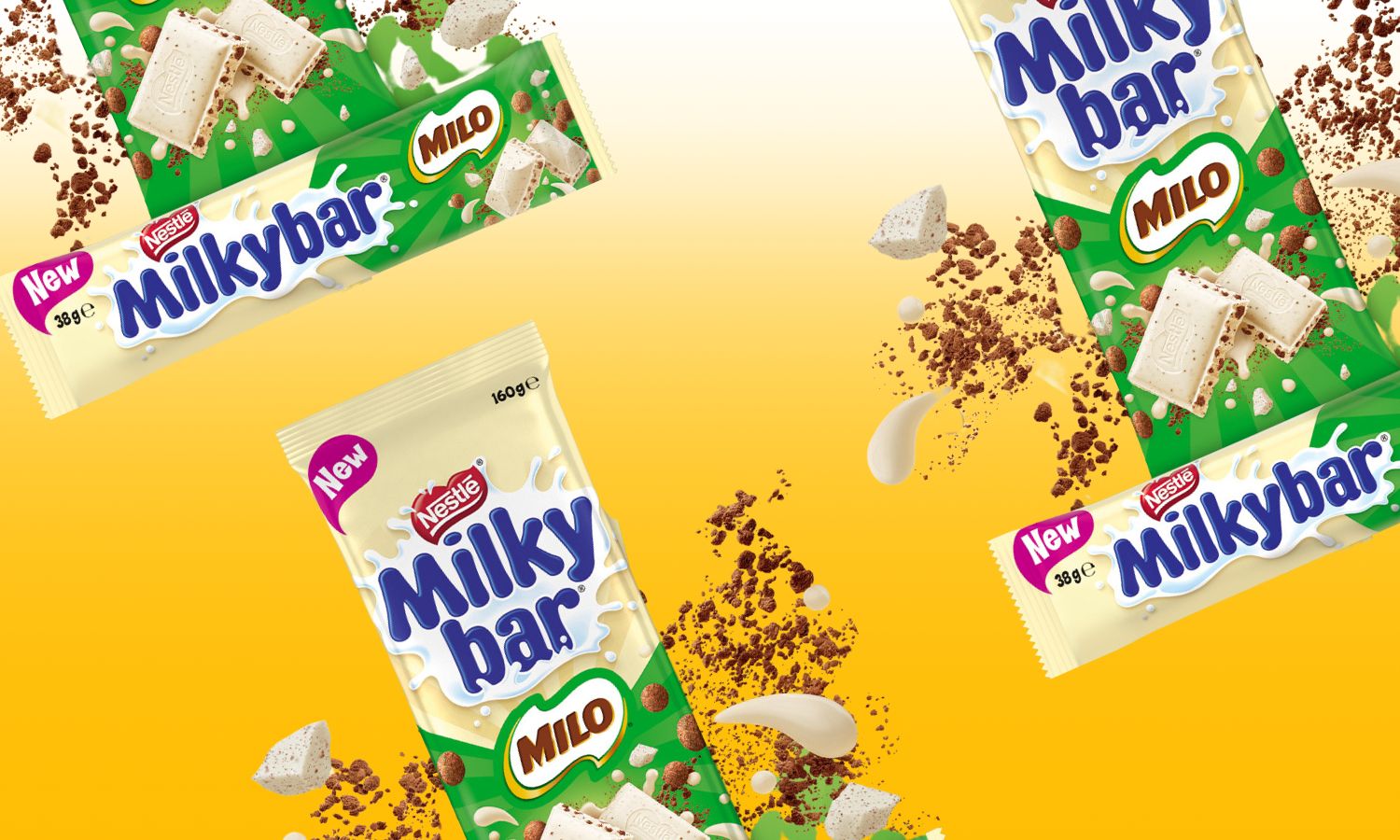
    First there was Dolly Parton and Kenny Loggins. Next came David Bowie and Mick Jagger. Now, at long last, we have Milo and Milkybar. Ok so some collabs are more memorable than others but the joining of two beloved Australian icons has got to be one of the best so far.

    Milo and Milkybar is the latest mash-up of sweet treats, with the creamy smoothness of milk chocolate plus crunch from Milo chunks. It’s giving frantic spoonfuls of extra Milo powder in your milk before your mum comes back into the kitchen. But now we’re adults and can do what we please.

    Nestle head of marketing, Melanie Chen said of the hottest power couple we’ve seen in years, “When news of Milkybar Milo was leaked, the anticipation from the Australians in-the-know has been extremely positive. We can’t wait to see the reactions when they actually experience it!”

  • Milo x Speedo makes a splash with limited-edition swimwear launch

    Milo x Speedo makes a splash with limited-edition swimwear launch

    The collaboration we didn’t know we needed until now!

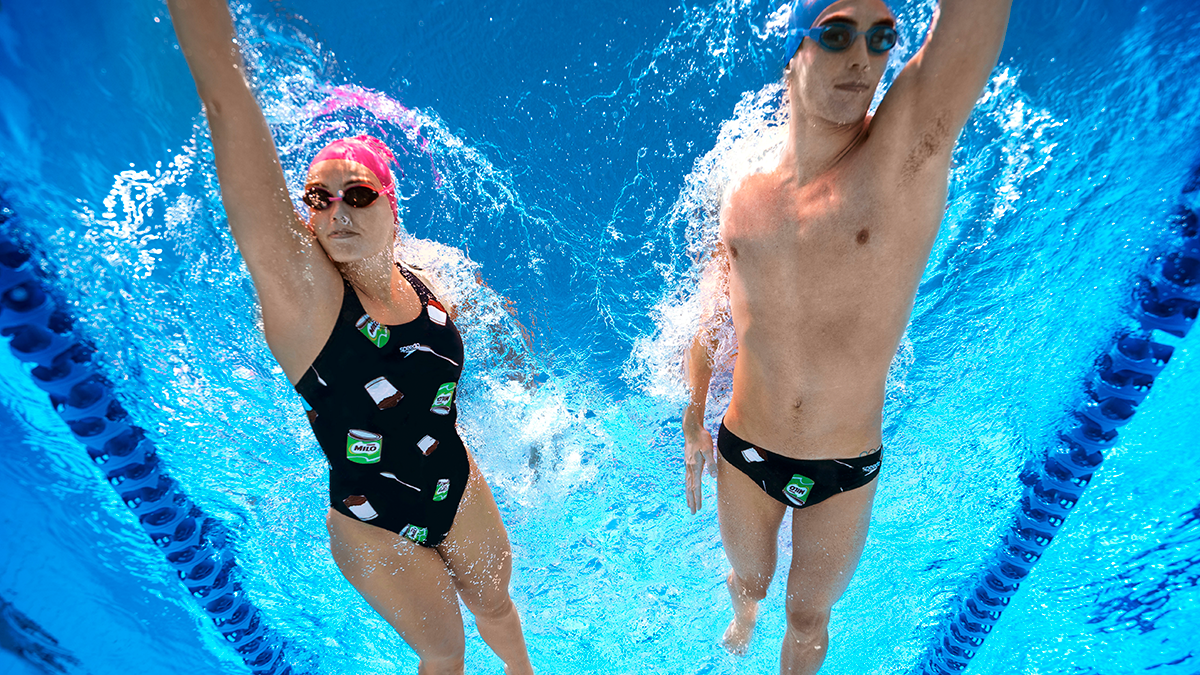
    Two of Australia’s most iconic brands, Milo and Speedo, have joined forces for summer’s hottest collaboration, the Milo x Speedo limited-edition swimwear range, sure to stir up some summer vibes and nostalgic fun. 

    I mean there’s nothing more Aussie than having a glass of Milo (cold of course) after swimming all day in your Speedo. Whether it be in the pool or at the beach. That’s what summer’s all about!

    There’s something for everyone with four iconic Speedo swimwear styles, plus a towel and swimming cap, get your summer swag on!

    The range will also be available to purchase in store and online from Speedo from the 10th October 2022 while stocks last. Get in quick and stir up some swimming fun. 

  • Nestle Malaysia to sell business to finance world’s largest Milo plant

    Nestle Malaysia to sell business to finance world’s largest Milo plant

    Nestle (Malaysia) Bhd is selling its chilled dairy business – which retails the Bliss brand of yogurt drinks, in Malaysia, Singapore and Brunei – and its Petaling Jaya factory, to Lactalis Manufacturing Malaysia Sdn Bhd for RM155.3 million, as part of plans to set up the largest Milo factory in the world in Chembong, Negri Sembilan.

    The group said it would be using RM100 million, or the bulk of the proceeds from the sale, by end of 2019, for the Milo manufacturing centre of excellence in Chembong.

    Nestle Malaysia plans to move all existing Milo manufacturing assets in the Petaling Jaya factory to the Chembong factory.

    The disposal is on a going-concern basis, with Lactalis offering continuous employment to a majority of the affected employees based on the purchasers’ evaluation of their business and operational requirements. For roles that will no longer be available, termination benefits will be accorded to those who qualify.

    The group expects a one-time gain of RM27 million from the disposal, split over 2018 and 2019.

    The deal comes with a “no compete” clause for five years, from Jan 1, 2019, forbidding Nestle Malaysia from going into the chilled dairy business.