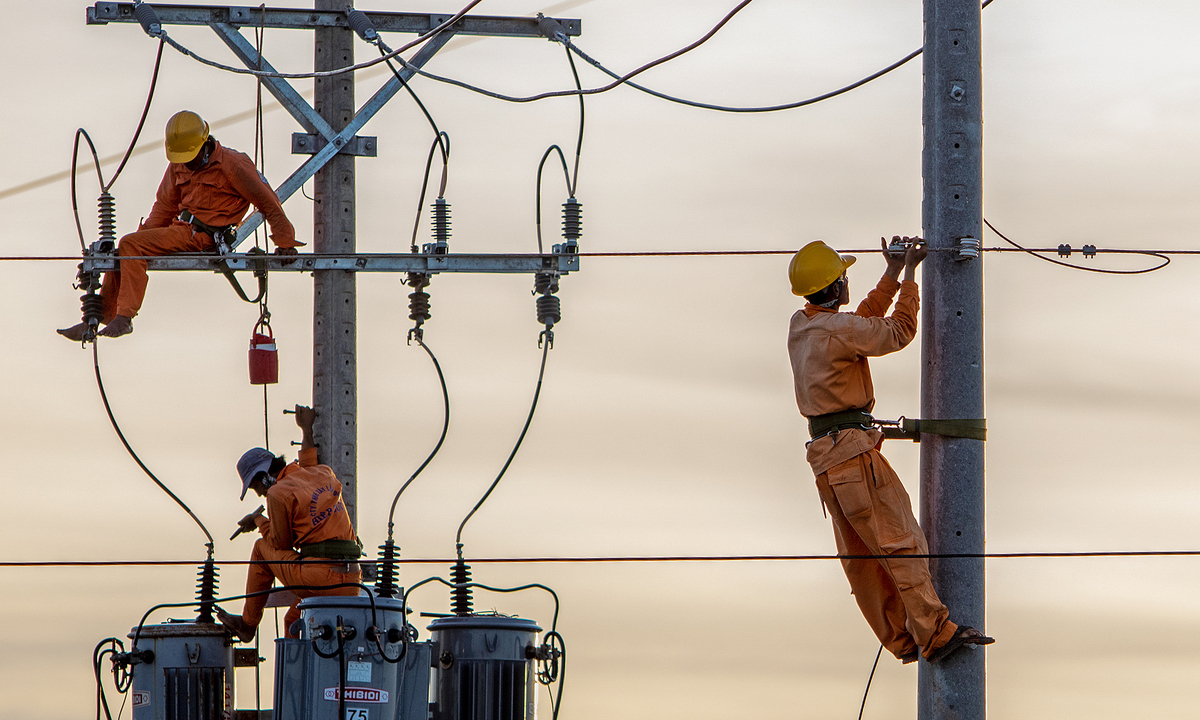
Taiwan has frozen average electricity tariffs at NT$3.78 per kilowatt-hour through December. The decision rejects a proposed 12.83 percent increase by state utility Taiwan Power Co to curb broader consumer price inflation.
This is the second consecutive freeze by the Ministry of Economic Affairs electricity price review committee. Any potential rate adjustment now shifts to January at the earliest.
Taipower requested an increase to NT$4.2675 per kilowatt-hour after absorbing higher generation costs from volatile global energy markets. The government will instead seek a NT$71.1 billion (US$2.24 billion) Cabinet-backed supplementary budget. That funding will cover fuel deficits the utility incurred between March and August.
Subsidy Request Replaces Proposed Double-Digit Hike
International crude oil prices swung between $68 and $132 per barrel during recent Middle East escalations, forcing state power suppliers across Asia to absorb steep fuel cost swings. Deputy Minister of Economic Affairs Lai Chien-hsin confirmed the tariff committee chose direct fiscal support over passing generation expenses to commercial users and households.
The ministry expects Taipower to post a full-year loss of NT$71.1 billion without state intervention. Lawmakers in the Legislative Yuan must still approve the funding. That sign-off is needed to restore balance-sheet working capital and avert sharper tariff hikes in early 2027.
Split Rates Debated for Advanced Manufacturing
Committee discussions included proposals to introduce differential pricing for high-load artificial intelligence data centers and advanced semiconductor fabrication facilities. General Chamber of Commerce of the Republic of China chairman Paul Hsu argued against blanket relief. He advocated targeted adjustments on high-tech consumers while protecting small commercial enterprises.
We hope electricity rates can be frozen for households and small and medium-sized traditional industries, while high-tech industries should see moderate price adjustment.
Regulators declined to implement split rates during the session, citing the risk to export competitiveness without comprehensive usage data. A specialized working group will now study industry consumption patterns, economic output, and consumer price transmission channels before the December meeting.
Mounting Deficits at the State Utility
Taipower accumulated losses exceeding NT$400 billion over recent operating cycles while absorbing global crude oil spikes to protect domestic retail price stability. The utility lost another NT$21.4 billion during the first seven months of the year. That brought cumulative balance-sheet losses to NT$372.2 billion.
A net profit of NT$76.1 billion in the prior financial year gave the company narrow financial leeway to withstand the immediate freeze, according to Taipower president Kuo Tien-ho.
What Operators Face Heading into 2027
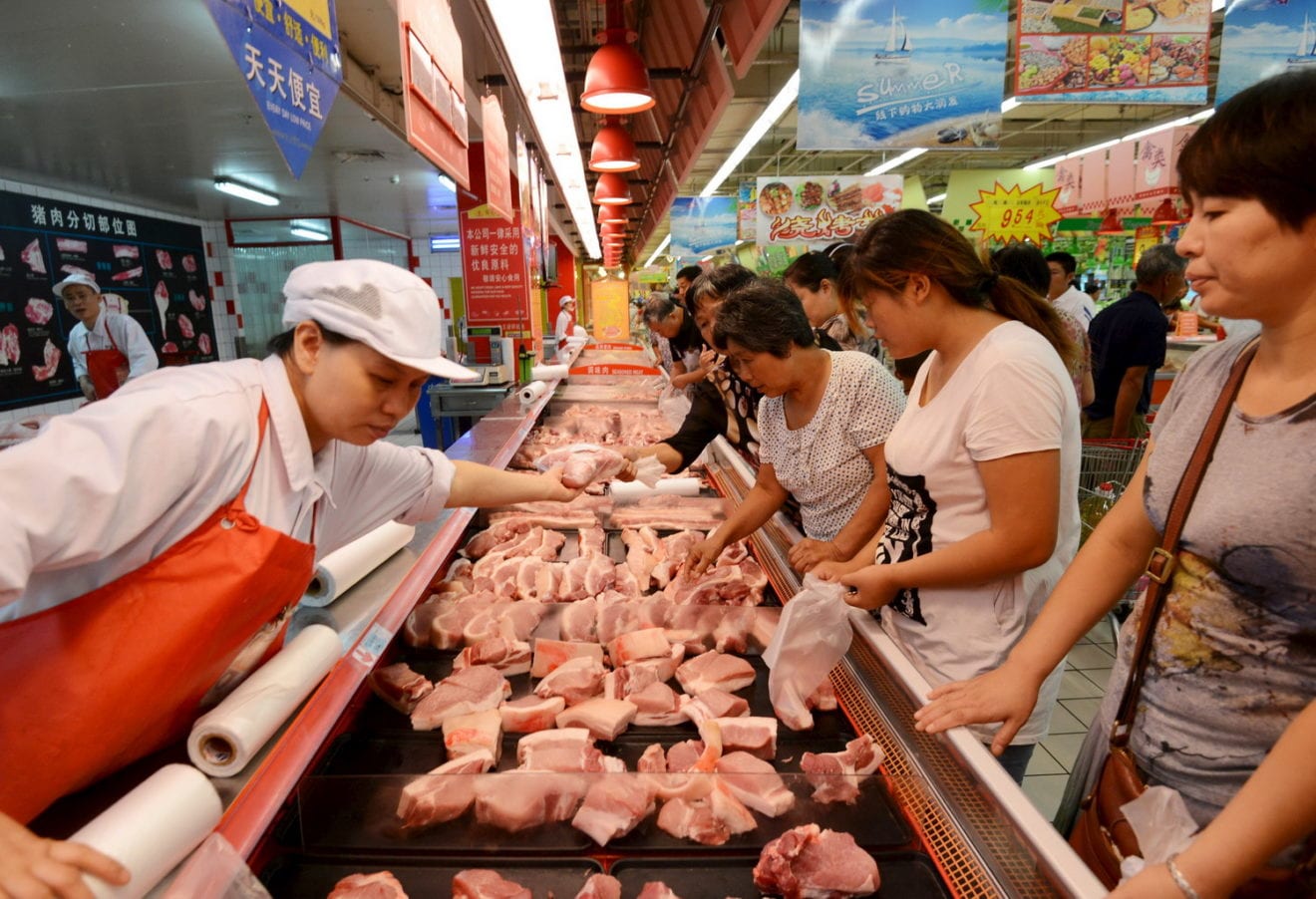
For commercial store networks, logistics hubs, and physical retailers across Taiwan, the decision provides short-term visibility on utility overheads during peak fourth-quarter shopping periods. Keeping tariffs below generation costs shifts the strain onto legislative fiscal approvals. If lawmakers trim the requested allocation, operators face a sharp cost cliff.
Commercial landlords and chain operators must now model utility expense increases into their preliminary 2027 budgets. The ministry will publish full meeting minutes and Taipower cost datasets on October 2. Regulators will then finalize transmission, distribution, and base tariff rates for next year at the third review meeting in December.