
Tag: ministry of finance

  • Japan Plans Blockchain Settlement System for Instant Stock and Bond Trades

    Japan Plans Blockchain Settlement System for Instant Stock and Bond Trades

    Japan is preparing a new financial infrastructure to settle transactions in equities and government bonds instantly using blockchain technology. Japanese authorities plan to launch a formal working group this summer, targeting an initial technical blueprint by early 2027.

    The project brings together the Financial Services Agency, the Ministry of Finance, the Bank of Japan, and commercial financial institutions. Under the current regime, stock trades in Tokyo take two business days to settle in cash, while Japanese government bonds settle on a next-day schedule. Eliminating that lag allows institutional and retail investors to reinvest capital immediately after execution.

    Roadmap to 2030 Operations

    Working group members will determine the underlying distributed-ledger architecture, assign operational roles between public agencies and private clearing houses, and establish a multi-year development schedule. If authorities approve the final blueprint in 2027, initial operations could begin within several years, with the full platform operational in the early 2030s.

    Planners also aim to expand the network architecture beyond domestic securities to support real-time cross-border remittances. Faster wholesale settlement addresses long-standing liquidity friction in Tokyo, where trading desks must maintain substantial collateral buffers to cover multi-day counterparty exposure during high-volume sessions.

    Shifting Asia-Pacific Market Plumbing

    Across Asia-Pacific, regional bourses have tested distributed ledger technology to compress settlement cycles and lower clearing fees. Australia’s stock exchange spent years attempting a blockchain replacement for its equity clearing platform before resetting the initiative, while financial hubs in Singapore and Hong Kong have focused on wholesale tokenised deposits and digital debt issuance.

    The first milestone to watch is the formal constitution of the working group in Tokyo over the coming weeks, followed by the release of its initial structural recommendations ahead of the 2027 development plan.
  • Indonesian Gov’t to Lower Income Tax for Conventional, Online SMEs

    Indonesian Gov’t to Lower Income Tax for Conventional, Online SMEs

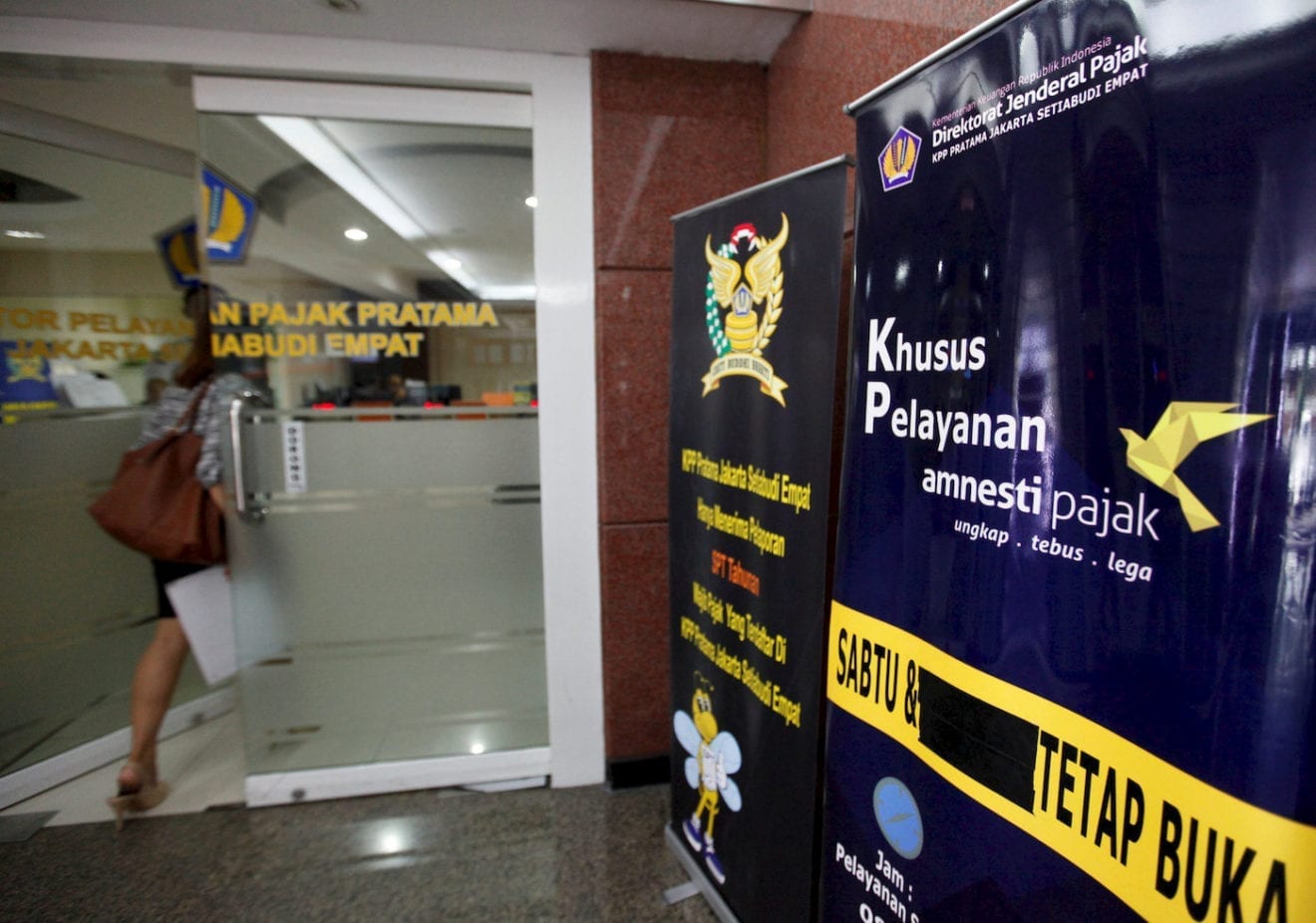
    Indonesia will cut final income tax on small and medium enterprises by half and also impose taxes on e-commerce businesses to even the playing field between traditional brick and mortar and digital businesses, Finance Minister Sri Mulyani Indrawati said on Friday last week (19/01).

    Under a current regulation, businesses earning less than Rp 4.8 billion ($360,600) a year are exempted from paying income tax and value added tax. They only have to pay a final tax of 1 percent of their total sales. The current income tax rate stands at 25 percent of profit, while the VAT is at 10 percent of sales.

    “We are currently formulating [the rules] with the players […] The basic principle is to have the playing of field on the same level,” Sri Mulyani told reporters.

    The minister said the government is planning to lower the income tax for small and medium enterprises (SME) to 0.5 percent of their sales. SMEs or individuals selling exclusively on e-commerce marketplaces will also be required to pay the tax.

    Sri Mulyani said the sales threshold will also be lowered.

    In the e-commerce roadmap rolled out in 2016 as part of the 14th economic policy reform package, the government expects up to $130 billion in e-commerce transactions in 2020.

    “The majority of supplier merchants [for the e-commerce business] are SMEs. We are planning to revise the government regulation to lower the level,” Sri Mulyani said, adding that the regulation will not burden businesses.

    The government has also included an income tax reduction for SMEs to be implemented in this year’s state budget.

    Sri Mulyani said the process of collecting the tax has not been decided yet.

    The Ministry of Finance is currently formulating details on future tax regulations on e-commerce businesses. The government aims to issue the regulation by mid-year, as it is still coordinating with other related ministries and agencies.