Retail News CRM

Tag: Mintel

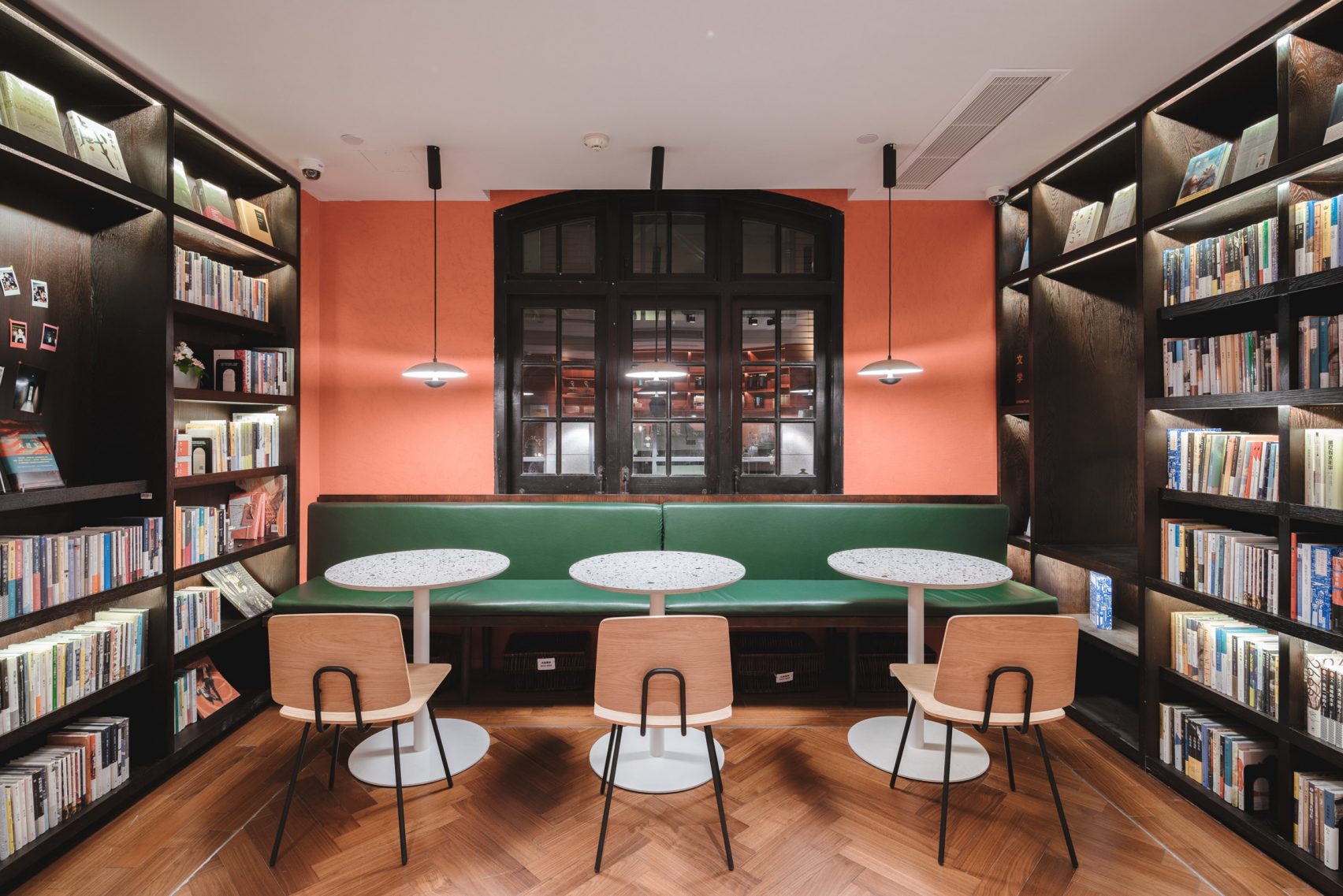
  • Cafes and bookstores in China riding wave of creative boom

    Cafes and bookstores in China riding wave of creative boom

    China’s cultural and creative industries are entering a positive era, according to a new report by Mintel, Cultural And Creative Products Retailing.

    And cafes and bookstores in China are among the primary beneficiaries.

    The firm found that with China shifting from a primarily manufacturing economy toward a more service- and creative-centric one, Chinese consumers are paying more attention to cultural and leisure lifestyles.

    The research revealed that as many as three in five (60 per cent) of urban Chinese respondents said that they have been visiting more cafes in the past six months, while more than half of respondents have increased visits to libraries (56 per cent) and bookstores (55 per cent). What’s more, two in five (40 per cent) of urban Chinese respondents say they have been visiting more museums and over a-third (36 per cent) say the same of art galleries.

    Meanwhile, lower tier cities in China present great potential for cultural and creative industries. Mintel found that 61 per cent of respondents from Tier 2 cities visited libraries more in the past six months as compared to just over half (51 per cent) of respondents in Tier 1 cities. Similar figures held for bookstores and art galleries.

    “Chinese consumers, today, are paying more attention to cultural and leisure lifestyles, and therefore, are spending more money on leisure and entertainment,” said Mintel China Reports category research director, retail Chih-yuan Wang.

    “As discussed in our report Mintel Trend ‘Slow it All Down’, as lives become faster and more hectic, there is a wider appreciation for taking one’s time. Cultural and creative products present the opportunity for Chinese consumers to enjoy a degree of slow-paced escapism—also why cafes, libraries and bookstores are now at the centre of cultural and creative leisure lifestyles in China. We are seeing the emergence of new-format bookstores and lifestyle stores featuring comfortable spaces, aligning with consumers’ pursuit of leisure and better living. It’s not just about selling products; it’s also about selling a way of life.”

    Research from the flagship report shows that Chinese consumers are actually spending more on leisure and entertainment; total expenditure in the sector reached an estimated RMB2,048 billion (US$289.1 billion) last year, growing 9.7 per cent from 2017. Mintel research also reveals that going to the cinema has become the most popular cultural activity, with three-quarters (74 per cent) of urban Chinese respondents having purchased film tickets within the past six months. This is followed by spending on exhibitions (40 per cent) and concerts, operas, dramas or plays (35 per cent).

    “Despite the popularity of video streaming services, our research shows that Chinese consumers love going to the cinema,” said Wang. “Going to the cinema is perceived as a leisure activity rather than a cultural one, showcasing the potential to explore the cultural aspects of cinema and the overall film industry. Transforming cinema from a leisure venue into a cultural venue will open up opportunities for the film- or play-related merchandise market.”
  • Happy Lemon teashop showcases Alibaba tech

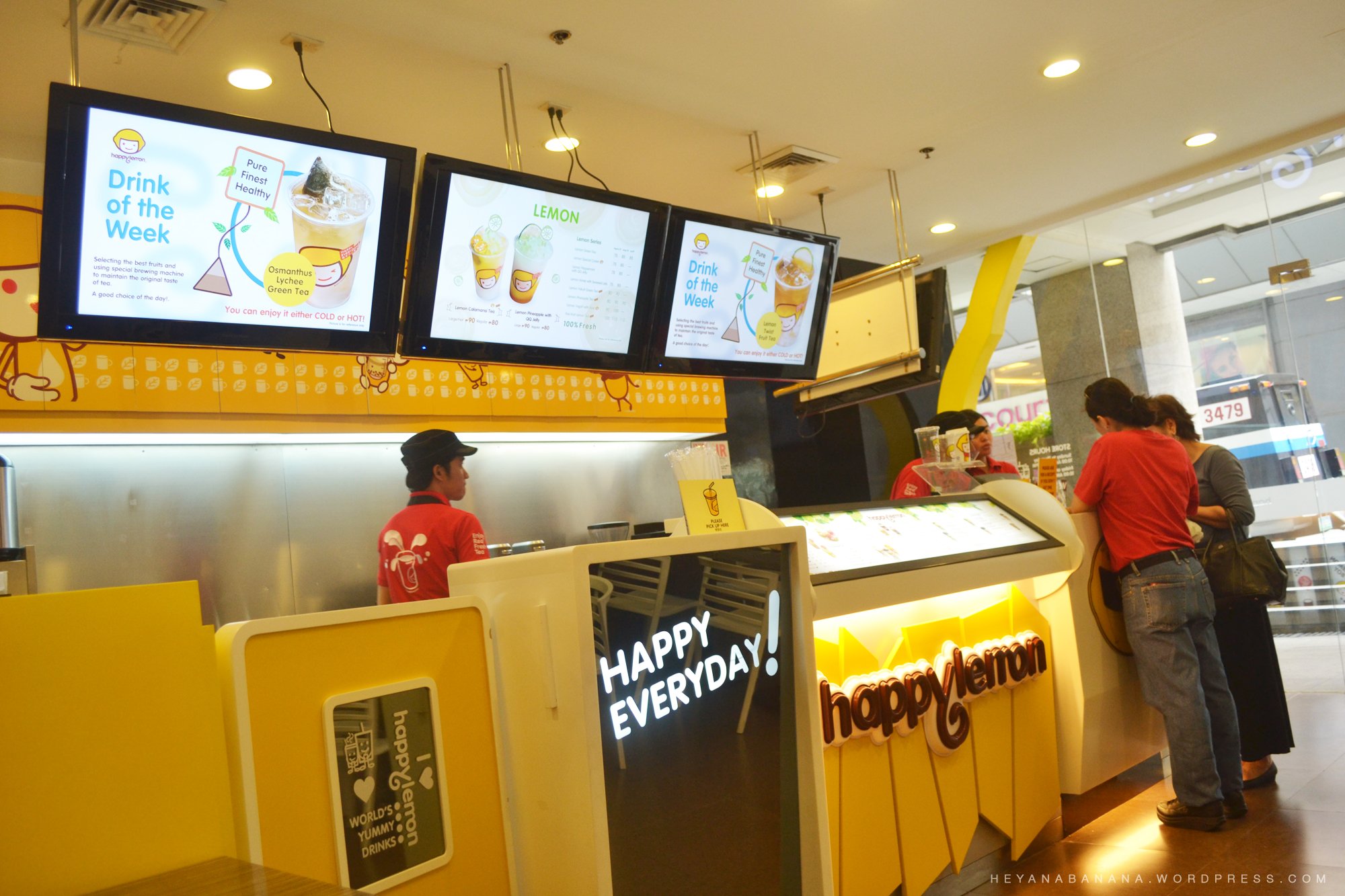
    Happy Lemon teashop showcases Alibaba tech

    Taiwanese bubble-tea chain Happy Lemon has teamed up with Koubei, Alibaba Group’s local-services app, to upgrade its in-store technology, including a new drink-making robot. At its pilot “smart store” in Shanghai, customers have the option of buying their drinks at a counter manned by employees or, for a fully automated experience, purchasing via their smartphones for service by the robot. Customers scan a QR code with the Koubei app, tick a few boxes to customise their drink, then wait for a text notification to pick up their tea at a smart locker, which opens when they tap a “pick-up” button on the app.

    The robot can make eight types of drinks with about 40 variations based on customer preferences for different amounts of ice and sugar – each taking about 90 seconds, Koubei said.

    “The smart-store initiative is part of our journey to bring New Retail to food and beverage merchants,” said Guo Haodang, head of Koubei’s smart-store program. “We bring advanced technologies, such as our QR codes, intelligent pick-up lockers and robotic tea mixers, to merchants’ brick-and-mortar stores, helping the sector rethink how they sell and engage with consumers.”

    Koubei and Happy Lemon’s tea-making robot can serve up drinks in 90 seconds.

    Koubei and Happy Lemon’s tea-making robot can serve up drinks in 90 seconds.

    Happy Lemon, which operates more than 1000 stores worldwide, including in the US, Canada, the UK and South Korea, is the latest company to join the smart-store program. Launched in 2017, there are now about 100 brands that have partnered with Koubei to upgrade their brick-and-mortar locations with in-store technology, such as features that allow consumers to pre-order by mobile app and skip queues. Other brands that have signed on include the century-old Chinese restaurant chain Wu Fang Zhai, Hong Kong traditional sweets maker Honeymoon Dessert and pastry chain Kengee.

    Daniel Lee, deputy GM of global marketing at Happy Lemon, said that high employee turnover can lead to drinks being made inconsistently. The robot, which knows right ingredients and amounts, is the perfect solution to that problem, he said.

    Happy Lemon is working with Koubei to replicate this model at more of its stores across China, according to a statement from the local-services app.

    A Happy Lemon customer uses the Koubei app to place his order.

    “Aside from hardware innovations like with the robotic tea mixer, what’s more important to us are the big-data applications behind it,” said Lee, adding that Koubei’s analytics had helped determine where to build the pilot smart store as well as provide AI-powered customisations to customers.

    Last year, the company leveraged Koubei’s consumer analytics to better reach its potential customers online and drive traffic to its physical stores. In 2016, Happy Lemon had joined Alibaba’s on-demand delivery arm, Ele.me. The brand said that 30 per cent of its orders come from delivery rather than in-store purchases, and it expects that ratio to grow further.

    Market research firm Mintel says demand for tea-shop drinks has grown remarkably in the last couple of years in China, reaching a total retail value of RMB 48.5 billion (US$7.2 billion) last year. While nearly all tea-shop consumers in China have bought their beverages in physical stores, just over two-thirds have ordered their drinks online, Mintel noted, which means online channels are a potential growth opportunity for tea chains.

  • Convenience drives Chinese smart-home market

    Convenience drives Chinese smart-home market

    New research from market intelligence agency Mintel has suggested that convenience will drive the future of the Chinese smart-home market. However, affordability is the biggest barrier to purchasing, in an environment where today’s Chinese consumers are growing increasingly familiar with smart home devices. According to Mintel, as many as 68 per cent of urban Chinese consumers who have purchased or are interested in smart-home devices say that convenience is a primary reason for their interest. Meanwhile, 60 per cent attribute their interest in smart-home devices to trying new technology and half because smart home devices make them feel more relaxed at home.

    “Chinese consumers are now increasingly knowledgeable about how smart-home appliances can help to simplify daily lives,” said Mintel China research analyst Kaye Huang. “Convenience as well as an interest in trying new technology are big reasons for Chinese consumers to purchase smart-home devices. Parents are showing more interest in smart-home devices than those without children; which is likely to be attributed to how the devices can help parents save time and effort. On the flip side, price, more so than privacy, is what is keeping Chinese consumers from purchasing these devices. This indicates that companies in the smart-home market need to put more effort into communicating why these products are value for money.”

    Meanwhile, Mintel research reveals that automatic adjustment to environmental changes is a big opportunity for players in the smart home devices market; more than half of urban Chinese consumers think that this function is a necessity.

    “What will stand out in the smart-home market is the ‘automatic adjustment of parameters’ which enables smart-home devices to automatically respond to environmental changes, such as temperature and humidity. Today’s Chinese consumers have higher expectations on their living conditions and automation is an important part of making the living environment ‘smarter’,” said Huang.

    “Voice control has been a popular area of development in recent years especially since the industry believes that it could be the next generation of user interaction,” continued Huang. “Yet, our research finds that voice control, while widely-known, is a less-used smart home function. While playing music and asking for general information are two main functions that Chinese consumers are using for voice control, in reality this only counts for a handful of consumers, suggesting consumers’ habit of using voice control is far from being firmly established. In the future, brands can look at rolling out strategies and initiatives to instil the habit of using voice control among consumers in China.”

  • Mintel integrates ecommerce sales data, social listening and price tracking analytics

    Mintel integrates ecommerce sales data, social listening and price tracking analytics

    Mintel, the world’s leading market intelligence agency, announced today a strategic joint venture with Early Data, ecommerce solutions and market intelligence provider.

    Online retail has gone from an industry disruptor to an everyday, preferred channel for many consumers. In today’s ‘new’ retail world, brands are challenged to meet the needs of a new breed of consumer. By combining ecommerce category performance, social listening and price tracking analytics from Early Data with Mintel’s existing portfolio of Mintel Global New Products Database (GNPD), Mintel Trends and Mintel Reports, brands and companies will have access to game-changing research and insights into China’s online retail market—the biggest in the world. Brands will be able to access category and brand share for both ecommerce volume and value with detailed item level sales performance, helping them continually monitor and strategise their growth within the evolving landscape.

    John Hore, Managing Director APAC at Mintel, said: “The new joint venture between Mintel and Early Data is changing the rules of the research market. We are combining a host of trusted proprietary data sets and a wealth of expertise in ecommerce data, predictive analytics, consumer research, product innovation and market sizing. Never before has this combination of data and unparalleled expertise been available to businesses operating or looking to do business in China.”

    Brian Negley, Executive Vice President of Early Data, commented: “We are proud to partner with Mintel to deliver what we believe is the best market intelligence solution available. By integrating Early Data with Mintel, digital ecommerce, product and marketing teams alike will have a complete picture of their category, a clear understanding of the consumer behaviours driving it, and the expert recommendations of where their company should be headed next.”

  • South Korea making mark in global beauty markets

    South Korea making mark in global beauty markets

    South Korea is among the top 10 global beauty markets, estimated to be worth more than US$13 billion this year, according to London-based market research firm Mintel Group.

    Its research was released on the eve of the 27th edition of In-cosmetics Global in London, said to be the world’s foremost exhibition for personal-care ingredients. As well as spotlighting South Korea’s beauty market, the research looks at trends impacting the global beauty industry and innovations in textures, ingredients and product experience.

    Facial skincare accounts for 51 per cent of total market share with $6.5 billion in retail sales and a projected 5.8 per cent CAGR over the next five years to reach $7.2 billion by 2020. Much of the success of the category comes from an abundance of product development and the fact that 68 per cent of total skincare product launches in South Korea for 2015-2016 were facial skincare products, according to the Mintel Global New Products Database (GNPD).

    Colour cosmetics make up the second-largest beauty category in the South Korean market, valued at $2.3 billion this year. Mintel research indicates the market is actively supported by consumers with a per capita spend at $45, compared to $43 in the UK and $37 in the US, and more than double the global average of $21. With a projected CAGR of 8.1 per cent over the next five years, the market is estimated to reach $2.8 billion by 2020.

    “The Korean beauty market remains buoyant thanks to fast-paced innovations and highly engaged consumers who don’t hesitate to adopt novel products,” says Mintel senior beauty analyst Jane Jang.

    Several South Korean beauty and personal-care trends are set to impact global beauty markets, says Jang…

    Facial skincare

    For facial skincare, this will be a year of extreme segmentation, says Jang. Products will become increasingly targeted and multi-functional, responding to the needs of knowledgeable and demanding consumers.

    South Korean beauty routines can comprise up to 10 steps, with moisturising, brightening, whitening and anti-ageing specific obsessions.

    “Expect to see hybrid concoctions, such as daily exfoliating moisturisers, anti-wrinkle whitening tone-up creams and lightweight nourishing oil serums, but also transformative textures, like powder-to-serum, oil-to-foam and water-to-cream. Overall, lines are blurring in every possible way to deliver new experiences and create continuous excitement around skincare.

    “A strong focus on quality and safety supports a fascination for natural ingredients, in line with ‘hanbang’, the ancient Korean herbal medicine. Tradition is taken to the next level through scientific improvements, and 69 per cent of facial skincare launches last year featured herbal/botanical claims.”

    Jang says the sheet mask craze does not seem to be slowing down. “Moving beyond basic hydrating benefits, sheet masks and patches are now designed for each part of the body and every member of the family, babies included… Some interesting examples include masks inspired by oriental acupressure massage techniques, plus injection treatments at clinics featuring micro-needles and pressure points, and sauna-effect masks that lock in moisture while trapping body heat.”

    Make-up

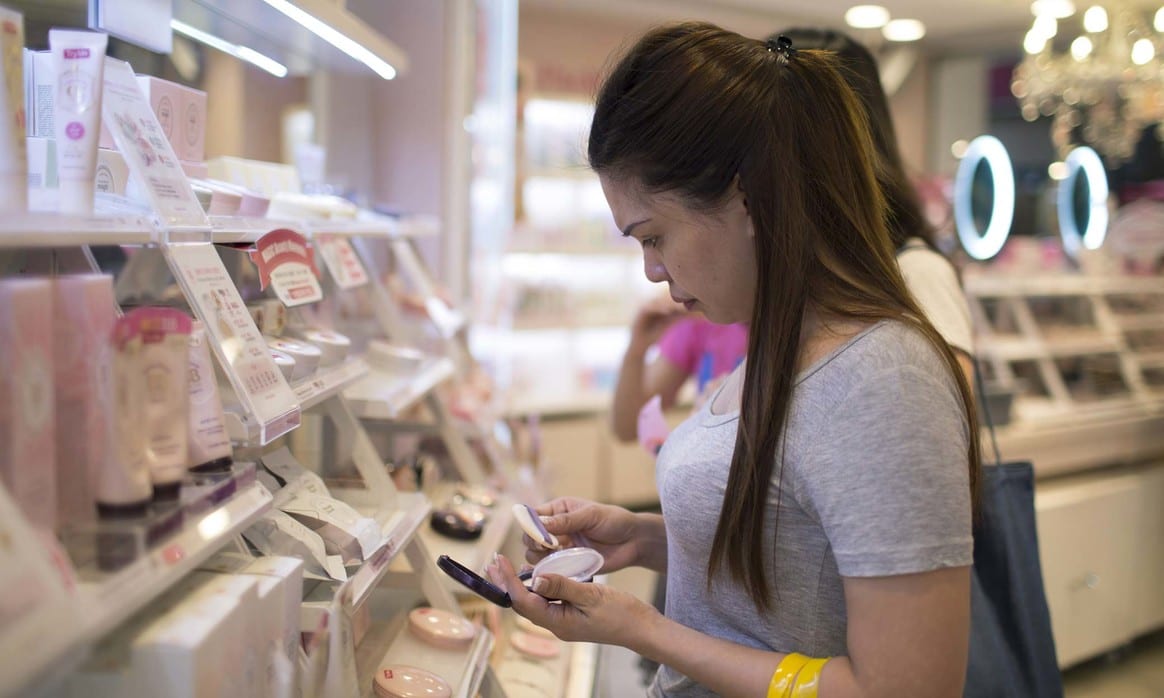
    South Korea’s make-up rituals last year focussed greatly on lips and complexion, using products in a diversity of shades with a variety of contouring techniques. “As such, the number of  lip colour and face make-up product launches tend to be higher than the global average,” says Jang. Mintel GNPD says lip colour launches accounted for 30 per cent of all launches of colour cosmetics in South Korea last year, compared to a global average of 27 per cent. This is followed by foundations and fluid illuminators, accounting for 16 per cent of launches.

    “The boom of hybrid formats has spawned a variety of new lip products, like lip syrups, lip crayons, lip-quids and gel sticks,” says Hang. “Lip tints are also widely diffused, but contrary to their potentially drying Western counterparts, South Korean products are lightweight and glossy, and often come as oils.”

    A Korean success story for the past few years has been cushion compacts, breaking through the Western market last year. “New launches in South Korea include multi-functional skincare claims such as moisturising, anti-ageing, whitening and UV protection; foundation-like properties; and hygiene and application innovations.”

    Jang says the trend for hybrid textures and formats is borrowed from skincare. “South Korean brands are increasingly focussing on gels, jellies, mousses and watery oils. Moreover, transforming textures combine the benefits of two or more textures within one product. For instance, liquid textures such as cream and oil that provide high moisture and spreadability transform into a water or serum for fast absorption or into a powder to give a matte and lasting finish.”

    Summing up, Jang says that because of K-beauty’s growing popularity worldwide, Western brands are constantly looking to South Korea for inspiration.

    “The popularity of South Korean beauty products lies in their high performance combined with fun packaging and sensorial cues, as well as affordable prices.”

  • China’s healthy snack trend creates opportunities

    China’s healthy snack trend creates opportunities

    China’s healthy snack trend is creating massive opportunities for FMCG companies and retailers according to a new report from research house Mintel.

    While snacking is often thought of as an indulgent and convenient alternative to traditional meal times, many Chinese consumers are now focusing on their health. Mintel’s report reveals that four in 10 urban Chinese consumers eat more nuts and seeds today compared to six months ago. Pointing to the rise in popularity of these healthy snacks, 58 per cent of consumers say that nuts and seeds taste good and 44 per cent say they are convenient to eat, while only 9 per cent say nuts and seeds are unhealthy.

    It seems that nuts are high in demand in China as product launch activity is also on the rise. Mintel Global New Products Database (GNPD) reveals that 17.5 per cent of snack products launched in China between 2014 and 2016 were nuts, compared to 15.3 per cent of those launched globally.

    The healthy snacking trend is contributing to the growing popularity of nuts and seeds in retail channels as well. In China’s retail snack market, nuts and seeds is the largest category, with a retail value of RMB263.7 billion (US$38.3 billion). Mintel forecasts the segment will grow at a CAGR of 10.7 per cent in value between 2015 and 2020, reaching RMB345.6 billion.

    Ching Yang, senior food and drink analyst at Mintel, said Chinese consumers have become more aware of the health benefits of nuts and seeds.

    “Now, it seems that  eating nuts and seeds is no longer something to do to kill time while chatting with friends, but part of the overall pursuit of a healthy and trendy lifestyle. Therefore, companies should consider packing up the traditional nuts and seeds bulk products in favour of branded products that are positioned as a healthy snack. We’re seeing a number of the nuts brands thriving when leveraging this consumer trend.”

    Mintel research reveals that six in 10 consumers associate a healthy snack with ‘all-natural’, while 42 per cent associate it with ‘fortified with additional nutrients’. One third of Chinese consumers associate healthy snacks with ‘high in protein’, and the demographic skews towards male consumers aged 25-29 (42 per cent). What’s more, 41 per cent of Chinese consumers aged 40-49 associate healthy snacks with ‘low in salt’.

    According to Mintel GNPD, one quarter of snack products launched in China between 2014 and 2016 were meat- or seafood-based snacks. In line with this, Mintel research reveals that 48 per cent of consumers think meat/seafood-based snacks taste good and 46 per cent think they are filling.

    On the other hand, the growth rates of traditional sweet snacks, such as sugar confectionery, ice cream and biscuits, are relatively slow. Mintel research indicates that 26 per cent of urban Chinese consumers are eating less chocolate confectionery today compared to six months ago, while 23 per cent are eating more. However, 63 per cent of Chinese consumers are eating more fresh fruits and vegetables as snacks, and 42 per cent are eating more dairy-based snacks.

    Yang added: “Chinese consumers have rising awareness of their sugar and fat intake. Therefore, more consumers are switching to fresh fruits and vegetables or dairy-based foods for snacking. This suggests a growing opportunity for food and drinks brands that enjoy a healthy perception (e.g. dietary supplements, cereals and yogurt) to tap into the snacking occasion by developing snack format products. Our research shows that Chinese females are concerned with calories, while Chinese males care about protein. With this in mind – and the fact that  the average sodium level in China’s meat snacks is lower than the global average and the level is decreasing over time – the ‘reduced sodium’ claim is still rarely seen on meat snacks and, therefore, could be leveraged to meet consumer needs.”

    Imports gain favour

    Finally, imported snacks are gaining popularity among urban Chinese consumers. According to Mintel research, as many as four in 10 urban Chinese consumers are interested in buying imported products they’ve never tried before across a variety of purchase channels that specialise in selling imported snacks. Of these same urban consumers, while 34 per cent have bought snacks from imported food stores, 28 per cent have bought at local stores when travelling and 19 per cent have bought from foreign shopping websites. In addition, though 75 per cent of consumers have bought snacks from any e-commerce site, physical retail channels are still the most popular purchase destination (96 per cent).

    “As consumers continue to look for new and different flavour experiences, international snacks have become a sector that many consumers are gravitating towards,” said Yang. “E-commerce is an especially important channel for international snacks. It not only allows consumers to easily access foreign products, but also provides a less costly channel for international players to enter the Chinese market.

    “However, one of the challenges for consumers is deciding what products are good and worth the higher cost, especially for consumers living in tier-one cities as they are more likely to shop online. A product targeting mainstream consumers could use regular retail channels in order to reach more consumers, especially in the lower tier cities,” Yang concluded.

  • Police seize fake coffee shipment in robusta king Vietnam

    Police seize fake coffee shipment in robusta king Vietnam

    Over three quarters of the 850kg shipment turned out to be soybeans soaked in chemicals and flavorings. Environment police seized a shipment of fake coffee at a bus station in the central town of Vinh on Tuesday, some 300km (186 miles) south of Hanoi.

    The officers were on a routine patrol when they spotted a truck laden with 16 suspicious-looking bags, which the truck driver declared as coffee.

    The bags weighed 850 kilograms (1,870 lb), but only 200kg was real coffee, while the rest turned out to be roasted soybeans soaked in chemicals and flavoring to make them look like coffee. The beans were on their way for sale in Nghe An Province from a company in the southern province of Binh Duong, the driver told police.

    The catch is the latest in a series of cases involving fake coffee exposed over the past five years in Vietnam, the world’s biggest robusta producer and exporter.

    Fake coffee has been found across the nation, which has one of the world’s fastest growing retail coffee markets, trailing only behind Indonesia, Turkey and India, as reported by global market intelligence agency Mintel.

    Police have also uncovered small processing plants making fake coffee by over-roasting soybeans and corn in Ho Chi Minh City, which is Vietnam’s main coffee trading market, as well as in Can Tho City and provinces like Binh Duong and Thanh Hoa.

    Even in Dak Lak, the country’s top coffee-growing province, market inspectors have found coffee powder containing only 10 percent real coffee, with the majority made up of soybeans, corn and chemicals used to create the bitter taste and bubbles.

    In July 2016, the Vietnam Standard and Consumers Association said it had taken 253 coffee samples from various shops in four locations, including Hanoi and Ho Chi Minh City, and found that one third of them had very low caffeine content, while the stimulant was totally absent in five samples.

    The coffee sold in street-side shops, hospitals and schools tended to have very low caffeine content or no caffeine at all, the association said.

    A kilogram of robusta beans now fetches around VND46,000 ($2.02), while imported soybeans can be bought on the domestic market for VND12,000-14,000 per kilo. These findings by police and market inspectors have caught public attention and have changed consumer behavior.

    Changing awareness

    “Consumers are now aware that fake coffee is a real problem,” said Le Duc Huy, deputy general director of the Dak Lak-based Simexco, one of Vietnam’s biggest exporters of semi-processed robusta beans. “Many now know how to spot fake coffee.”

    He said the content of real coffee sold on the market has now doubled to around 60 percent in the southern region and the Central Highlands coffee belt.

    “But in the northern and the central regions, which lie far from the coffee processing hub, consumers may not be aware, so the coffee content there is as low as 20-30 percent,” Huy told via telephone from Dak Lak.

    Improved awareness among Vietnamese coffee drinkers has been reflected in the rising domestic consumption rate in a country where tea is also a popular drink.

    Vietnam is forecast to use 172,200 tons of coffee at home in the 2016/2017 crop year, up 10 percent from the previous season, the U.S. Department of Agriculture (USDA) said in its December report.

    The domestic consumption rate has been rising in double digits since at least the 2012/2013 season, based on USDA data. The country’s crop year lasts between October and September.

    Rising exports

    Higher domestic consumption, coupled with a rush to sell by exporters in the first months of 2017 and the smaller 2016/2017 harvest due to adverse weather, could disrupt coffee exports, traders said. More instant coffee being produced locally has also been contributing to the tighter export flow, Vietnamese industry officials said.

    Vietnam could export an estimated 180,000 tons of coffee in March, the highest monthly shipment since April 2016, based on government data released on Wednesday.

    Most of the shipments were sold in late January or February as exporters tried to cash in on higher prices while cutting costs, traders said. On the other hand, foreign buyers said they had stepped up purchases based on expectations of a smaller crop in Vietnam.

    The March estimate has brought the country’s total export volume to 847,000 tons in the first half of the 2016/2017 season, up 4 percent from a year ago.

    Vietnam could face coffee shortages from May-June due to rising shipments and dwindling domestic stocks, top export firm Intimex has said.

    Huy of Simexco said Vietnam should do more to fight fake coffee.

    “The media should do its best to help consumers spot real coffee,” he said. “Related agencies should also step up inspections of coffee shops because shop owners are making money by selling fake coffee as it costs up to 50 percent less than real coffee.”

  • When wearable devices in China becomes the star

    When wearable devices in China becomes the star

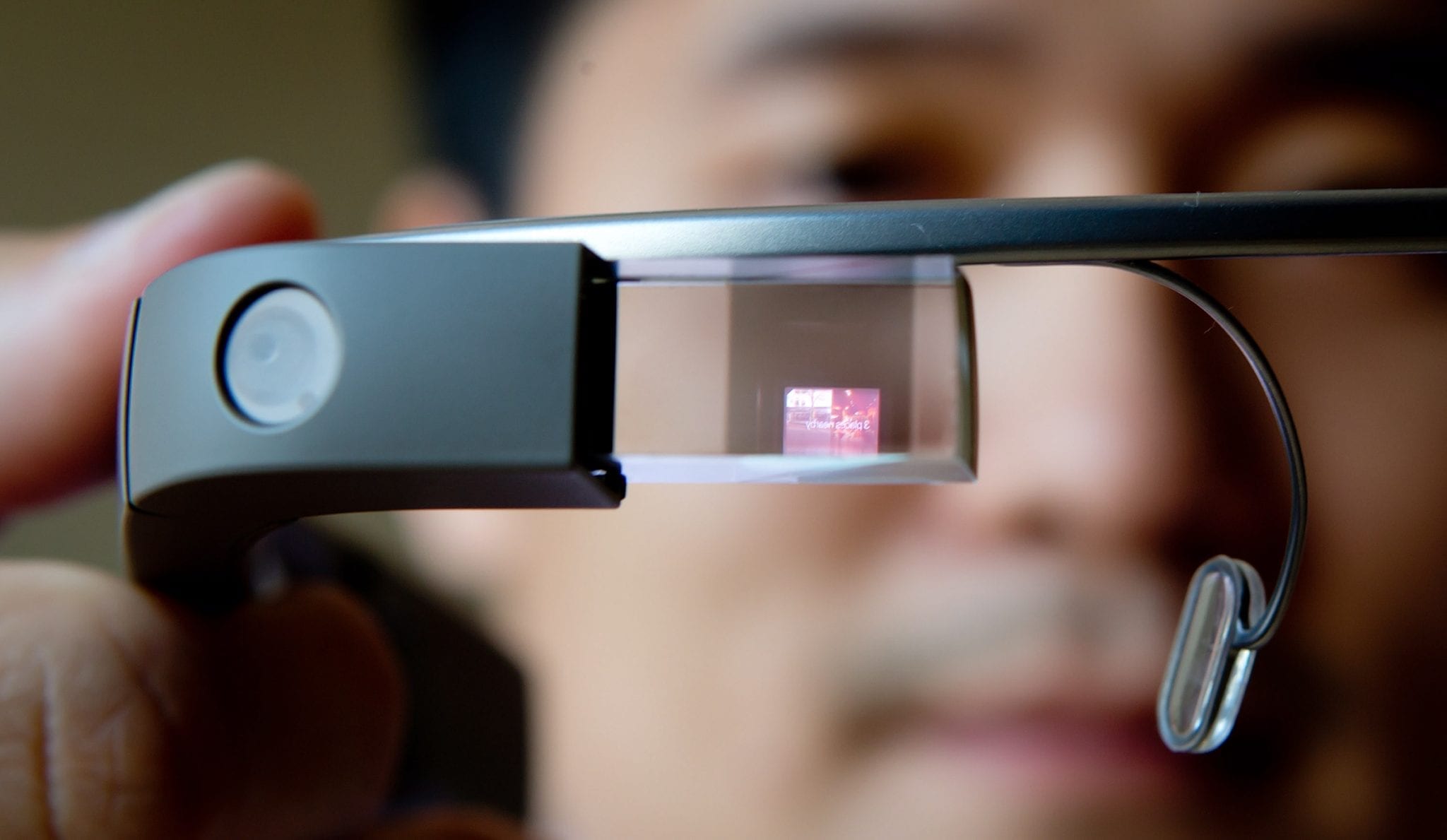
    While 43 per cent of urban Chinese consumers would buy wearable devices for themselves, the figure rises to 48 per cent for the 20- to 24-years age bracket, says London-based research firm Mintel.

    Yet 32 per cent of the consumers it surveyed agree it is fashionable to use wearable devices in China, dropping to 27 per cent of those 20 to 24. Today, 52 per cent of urban Chinese consumers have a smart wristband and 42 per cent own a smartwatch. Furthermore, 69 per cent of smartwatch owners have also bought smart wristbands.

    Mintel’s research shows that smart wristbands are growing in popularity in China. Sales of the wristbands over the past two years are estimated to have grown by 109 per cent, while smartwatch sales dropped by 37 per cent. Overall, the total volume sales of smart wristbands and smartwatches is estimated to have grown by 66.8 per cent last year.

    “The wearable devices market is facing a challenge to sustain growth,” says Mintel senior technology analyst Terra Xu. “This is because of the lack of breakthrough products and the wide ownership of smartphones.”

    Pricing key

    As a result, innovation and low entry prices are becoming key to wearable devices in China, he says.
    Of Mintel’s survey respondents, 53 per cent say they find health-monitoring ability attractive, while half of them are interested in being able to track family members.

    Also, 45 per cent of urban males are more interested in connecting wearables to other devices such as smartphones and cameras, compared to 39 per cent of females. Of consumers between 20 and 24 years, 46 per cent are most attracted by wearables that can receive location-based information, while 45 per cent of those aged 40-49 years are more interested in satellite navigation.

    Mintel says high interest is being shown in virtual-reality (VR) applications. Its research shows that 97 per cent of urban Chinese consumers are “very” or “somewhat” interested in at least one type of VR application, with movies being the prime choice for 45 per cent of both genders.

    While males are more interested in playing VR games (39 per cent) and virtual test rides (31 per cent), females are attracted by VR applications that help with online shopping, such as viewing and buying goods in virtual shops (35 per cent) and children’s entertainment such as interactive videos or games (25 per cent).

  • Chinese beauty retail market predicted to reach $50bn

    Chinese beauty retail market predicted to reach $50bn

    Despite less frequent purchases, the high demand for skincare products will see the Chinese beauty retail market continue strong growth to reach 338 billion yuan (US$50 billion) in value by 2020, says a new report.

    Research by Mintel shows that 65 per cent of consumers spent more on facial skincare last year than in 2014, despite consumers buying beauty products less often.

    Purchase rates for all beauty and personal-care categories surveyed by Mintel slowed during the three months to October last year. The categories most affected are hair beauty products, beauty supplements and fragrances, falling 32 per cent, 28 per cent and 26 per cent respectively.

    Total retail sales of cosmetics in China grew 12.3 per cent to reach 204.9 billion yuan last year.

    “The beauty retailing market seems resistant to decline, and this is mainly because the dynamic development of the facial skincare market,” says Mintel senior beauty and personal care analyst Chen Wenwen.

    “To leverage their passion and spending power, it is essential for both retailers and manufacturers to engage consumers via mobile platforms.”

    As many as 44 per cent of consumers used a mobile device to pay for beauty/personal care products online in the three months to October – double the number since 2014.

  • BeautyFresh has bold Asian ambitions

    BeautyFresh has bold Asian ambitions

    Singapore cosmetics startup BeautyFresh is eyeing the eCommerce potential in its home market and broader Asia.

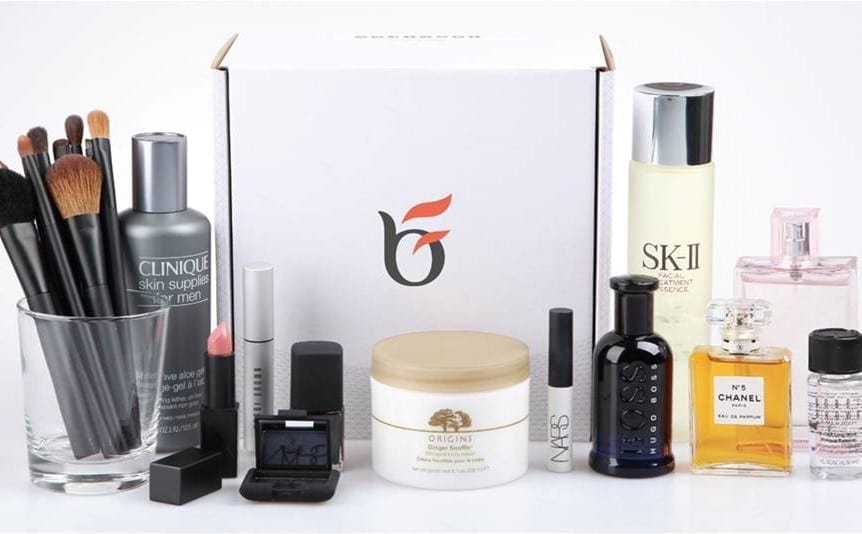
    Stocking more than 70 international brands including Chanel, Dior, Jo Malone and Nars, the company ensures authenticity of its products by scanning them with ultraviolet light to check for defects. Employees also check to ensure products are not near expiry dates.

    Director Jack Wong has a background in online security, so is using his expertise to ensure that client data is secure. The web developments and encryption of the BeautyFresh site are similar to those of online banking (signified by a green lock in the URL).

    Meanwhile, market research firm Mintel says that a growing number of Chinese consumers are going online to buy international beauty products.

    Jo Malone_BeautyFresh.com (1)

    Its research shows that 58 per cent of Chinese consumers bought foreign products online from a domestic shopping website in the six months to the end of November last year. The top three countries buying beauty products were South Korea (47 per cent), Japan (29 per cent) and France (27 per cent).

    According to the report, cross­-border eCommerce grew more than digital retail generally last year, a trend that is expected to continue.

    While cross-border eCommerce is increasingly competitive and provides great sales opportunities, the report warns that brands need to be increasingly responsive to consumer demand.

    Quality of products (63 per cent) and prices (38 per cent) are the top concerns for Chinese online buyers.

    BeautyFresh offers free delivery on orders worth US$40 or more, and offers a 30-day money back guarantee.

  • Fast rise for Chinese cross-border eCommerce

    Fast rise for Chinese cross-border eCommerce

    Chinese cross-border eCommerce will rise at a rate of 18 per cent annually through to 2020, predicts market research house Mintel in a new report.

    Mintel’s Haitao Retailing says Chinese spending on cross-border eCommerce soared more than 60 per cent in 2015.

    “The reason we chose to do this report was both due to Haitao becoming so large, and because this market is now becoming well-regulated, and encouraged by the central government,” said the report’s author Matthew Crabbe.

    “This was therefore clearly an important development in China’s international trade, its domestic consumer market, and as a route to entry for foreign companies hoping to sell to Chinese consumers.”

    Mintel surveyed more than 3000 Chinese online shoppers, of whom nearly 60 per cent said they had bought foreign products online from domestic shopping websites between June and November.

    The most popular products were beauty and skincare lines from South Korea, Japan and France; and food from Hong Kong, Macau, Taiwan and New Zealand. They also shopped for personal electronic devices from Japan and the US.