Tag: Mixue

  • Asia-Pacific Foodservice Outpaces Global Peers with 4% Real Growth

    Asia-Pacific Foodservice Outpaces Global Peers with 4% Real Growth

    The Asia-Pacific restaurant sector expanded 4% in real terms through 2026, outpacing 1% growth across North America and Europe to lead global foodservice performance, according to Technomic Ignite data presented in November 2026 at the Global Restaurant Leadership Conference in Cannes, France.

    Worldwide industry turnover is tracking toward approximately 5.2% nominal growth, or 1.9% adjusted for inflation, even as supply-side shocks, geopolitical disruption, and accumulated food inflation between 25% and 40% curb discretionary purchasing.

    Dining frequency remains heavily weighted toward Asian markets: 92% of consumers in China, 85% in Thailand, and 80% in Singapore eat at restaurants at least once weekly, contrasting sharply with a global average that slipped from 74% before Covid-19 to 66% today.

    Chinese Chains Scale Footprints at Record Speed

    Top international chains based outside the United States are now dominated by Asian headquarters, taking seven of the top ten positions. Five of those seven operators are Chinese concepts: Luckin Coffee with 7 billion dollars in 2025 sales, hotpot operator Haidilao at 6 billion dollars, beverage chain Gu Ming at 4.9 billion dollars, Chagee at 4.7 billion dollars, and Mixue Ice Cream & Tea generating 3.5 billion dollars.

    Expansion figures across the sector show Chinese operators widening the footprint gap against Western legacy peers. Luckin lifted sales 48.9 per cent in 2025 while adding a net 8,708 stores. Gu Ming added a net 3,640 outlets on a 46.1 per cent sales rise. Value-focused chain Mixue posted 33 per cent sales growth while opening 10,996 net locations in a single calendar year.

    Overall sales for the world’s top 150 restaurant brands reached 637.4 billion dollars in 2025 across 596,561 units, up 5.7 per cent in sales and 8.8 per cent by store count. Chinese chains generated an aggregate sales lift of 19.1 per cent, while Japanese operators grew 10.8 per cent. Philippine brands expanded sales by 8.8 per cent, Thai groups registered 7.4 per cent, and South Korean companies posted 7.2 per cent, all exceeding the 4.6 per cent recorded by US-based chains.

    Beverage Formats Take Global Market Share

    Specialised tea chains have emerged as the fastest-growing foodservice category worldwide, posting a 20.9 per cent sales jump to 17.7 billion dollars. Chinese beverage groups accounted for all six of the world’s leading restaurant systems ranked by net store openings in 2025.

    Technomic noted that modern tea concepts were unclassified as a distinct cuisine category in its reporting just one year prior. Rapid rollouts by players like Chagee have formalised the segment across domestic and overseas retail real estate. Coffee shops placed third in worldwide category performance, gaining 7.3 per cent in sales to hit roughly 100 billion dollars.

    Asian and noodle dining concepts took second place among fast-growing menu types, climbing 9.4 per cent. Japan-based udon operator Marugame expanded its footprint beyond domestic sites into Indonesia, China, and the United States, illustrating the export viability of focused single-item models.

    Margin Pressures and Commercial Read-Across

    For landlords, franchisees, and commercial suppliers across Asia, this volume growth masks intensifying margin competition. Foot traffic remains stable across Asian capitals, yet global ingredient costs sit 25 to 40 per cent higher than levels recorded five years ago. Western groups operating in the region are turning to international franchise master agreements to sustain unit growth, as domestic Asian competitors capture mall leases through smaller, tech-enabled store formats with lower fit-out costs.

    The rapid network buildout of discount beverage chains creates direct operational challenges for traditional coffee and quick-service operators. Mixue and Luckin rely on tightly integrated supply chains and app-based ordering that depress average ticket sizes, forcing competing food courts and high-street retailers to rethink rental structures tied to turnover.

    Projections for Regional Foodservice Volumes

    Global consumer demand remains restrained by accumulated food price inflation, keeping discretionary budgets tight across mature and developing territories. Technomic senior principal David Henkes outlined the regional divide during the conference presentation:

    “The Asia-Pacific region is growing like crazy … [with] 4% growth, and again, this is real [growth], so this does not include any type of price increase or inflation,” Henkes said. “There’s no question that, like for a lot of the global economies, Asia Pacific is really driving restaurants and broader food service.”

    Technomic forecasts Asia-Pacific real foodservice growth will moderate slightly to 3.4 per cent in 2027. That projection leaves the region ahead of expected real growth of 1.3 per cent in North America, 0.8 per cent in Latin America, and 0.6 per cent across Europe.
  • Luckin Store Count Hits 36,310 as Franchisee Margins Squeeze

    Luckin Store Count Hits 36,310 as Franchisee Margins Squeeze

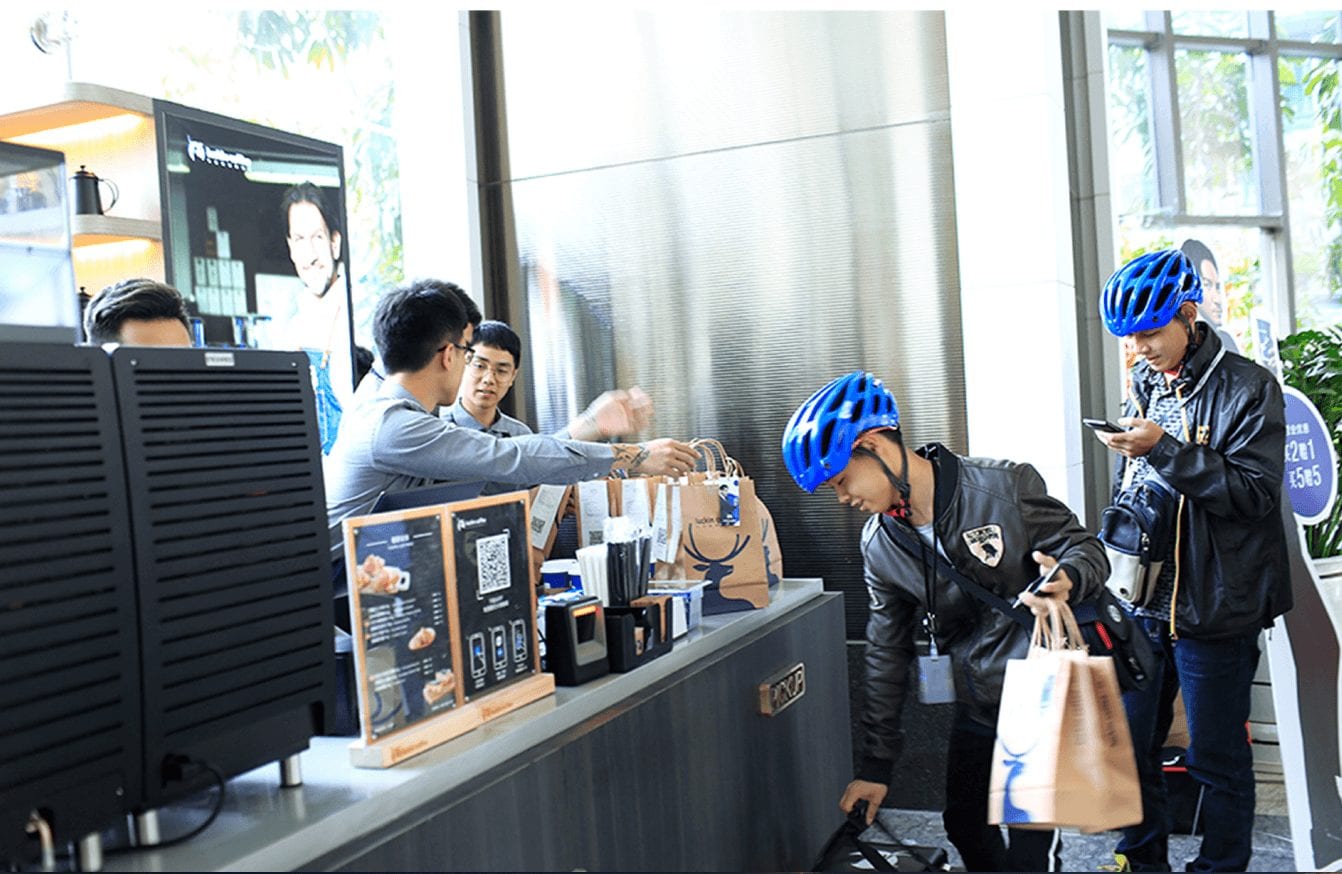
    Luckin Coffee expanded its global network to 36,310 outlets by June 30, 2026. The chain added more than 5,000 net new locations in six months despite falling same-store sales.

    China accounts for 36,087 of those stores, or 99.4 per cent of the total, leaving overseas operations with a negligible share of overall sales. Top-line revenue keeps climbing, but store-level economics are tightening. Same-store sales at self-operated locations fell 5.3 per cent year on year in the second quarter. That widened the decline recorded in the first quarter. Partner-operated units faced even sharper pressure on single-store receipts.

    Store Density Dilutes Franchise Returns

    At the end of the second quarter, the brand operated 23,734 self-managed locations and 12,576 franchised partner stores. Franchises made up 34.6 per cent of the global estate. That stayed close to the 34.8 per cent share logged at the close of 2025, but represents a net increase of 1,762 shops from 10,814 outlets six months earlier.

    Revenue from partner stores reached 36.68 billion RMB in the second quarter, up 27.9 per cent year on year to generate 23.1 per cent of Luckin’s total net revenue. In the prior-year period, partner stores brought in 28.67 billion RMB across 9,238 locations. Store count jumped 36.1 per cent over that span while partner revenue grew only 27.9 per cent, showing dilution on the ground. In dense urban districts, new openings siphon foot traffic from established shops under the same brand.

    This shift alters the math for prospective franchisees. Store construction and fit-out costs remain flat. However, longer payback windows mean operators face limited downside alongside lower profit ceilings.

    Operational Friction in the Tea Shift

    Management has pushed beyond coffee to build a broader ready-to-drink beverage platform. The pivot began in August 2024 when the chain launched Light Jasmine Light Milk Tea with a morning-coffee, afternoon-tea promotion. Diversification gathered pace throughout 2025. The company rolled out more than 140 new products that year and lifted non-coffee sales past 20 per cent of total cups sold.

    Menu rollouts accelerated in the second quarter of 2026 with 28 ready-to-drink items and more than ten snacks. Non-coffee items made up nearly half of all new and returning drinks across the network during the first six months of the year.

    Adding milk tea complicates daily operations for front-line staff. Standard coffee relies on automated, uniform inputs like beans and syrups. Fresh tea requires brewed bases, fruit prep, milk foams, and short shelf-life dairy. That increases waste and inventory oversight. Baristas now juggle dual workflows across morning and afternoon rushes, which pushes up labor hours and training needs. Franchisees also have to buy tea extractors, larger ice makers, and dedicated refrigerated displays.

    Tea Chains Push Fresh Grinds

    The boundary between coffee chains and tea specialists in China has collapsed entirely. While Luckin branches into milk tea, leading tea franchises are installing espresso machines to capture morning commuters.

    Guming installed commercial coffee equipment across roughly 13,500 outlets by June 30, 2026, topping 90 per cent store penetration. The brand introduced 12 coffee items in the first half of 2026, pushing coffee past 20 per cent of total sales volume. Mixue Ice City upgraded to freshly ground coffee across its network, using heavy subsidies to replace older drip drinks.

    Cha Baidao launched 15 coffee items in the first half, installing fresh-grind machines in more than 2,700 locations. Hushang Ayi added espresso stations to its core stores to boost breakfast tickets. Most tea chains sell coffee between 8 and 15 RMB. That overlaps directly with Luckin’s core price band while tapping deeper reach in third- and fourth-tier cities.

    Narrowing Spreads for Store Partners

    For landlords, Luckin remains a high-volume anchor tenant that pulls heavy foot traffic with standardized fit-outs. But the commercial risk has shifted onto operators. Prime business districts still generate steady yields. Outlying suburban sites and lower-tier municipal markets, however, are squeezed by internal cannibalization and tea rivals selling 10 RMB lattes.

    Luckin’s central supply chain protects input costs, but it cannot stop localized sales erosion. Tea rivals use existing counter space to serve fresh coffee at low incremental equipment costs. In contrast, Luckin franchisees spend significantly more retrofitting coffee bars for fruit tea prep.

    With the domestic network nearing 40,000 locations heading into late 2026, management must now protect the returns of its 12,576 franchise partners as store saturation sets in.

  • Fast-Food Chains Cross Borders as McDonald’s Plans 1,000 New Outlets in China

    Fast-Food Chains Cross Borders as McDonald’s Plans 1,000 New Outlets in China

    American fast-food brands and Chinese restaurant chains are accelerating cross-border expansion, trading burgers and bubble tea across both markets despite trade friction.

    McDonald’s plans to open 1,000 new Chinese restaurants this year on its way to a target of 10,000 locations by 2028. Burger King expects to triple its Chinese footprint to 4,000 stores by 2035, while Wendy’s aims to open 1,000 restaurants in the country over the next decade.

    Church’s Texas Chicken entered the market last month with an opening in Shanghai that drew long queues in the rain, with plans for at least 600 outlets nationwide. At the same time, Chinese beverage and fast-food operators are pushing into North America to build alternative revenue streams away from intense domestic discounting.

    American giants target lower-tier Chinese cities

    China remains the largest market for Yum China’s KFC, which operates roughly 13,000 outlets in the country compared with 3,750 in the United States. Having entered Beijing in 1987, followed by McDonald’s and Pizza Hut in 1990, western quick-service brands are now looking beyond saturated top-tier cities.

    Growth is shifting into smaller, inland municipalities where lower operational costs and rising disposable incomes support store additions. Even with high consumer familiarity, foreign operators increasingly rely on regional joint ventures to manage site selection and financial commitments. Starbucks restructured its mainland operations earlier this year by selling a 60 per cent stake to Boyu Capital following several years of softer store traffic.

    Menu adjustments remain essential for western chains looking to protect customer volumes. KFC menus across mainland outlets feature localized breakfast congee and egg tarts alongside fried chicken, balancing core imports with domestic dining habits.

    Chinese operators push abroad to escape price wars

    Sluggish domestic consumer spending and a property slump have squeezed margins across China’s 16 million food and beverage outlets, where the average operational lifespan was projected to drop to 15 months last year. After expanding across Southeast Asia, Chinese brands are taking their supply chains directly into the United States.

    Drink and ice cream giant Mixue, which operates more than 53,000 stores globally, entered the US market in December with three locations, including a store in New York’s Herald Square. The chain has outlined plans for at least 24 additional sites across four American states.

    Tea and coffee specialists are scaling alongside them. Heytea now runs 40 US branches, while Luckin Coffee has established 20 locations in New York after overtaking Starbucks by store count in China.

    Value positioning and operational friction

    Chinese entrants rely heavily on aggressive price points to gain market share against entrenched western competitors. At a Mixue store in Hollywood, a medium matcha latte sells for $6.83, undercutting nearby Starbucks pricing by nearly a dollar. Fast-food operator Wallace, which runs over 20,000 hamburger and fried chicken restaurants in China, opened its second California restaurant selling three chicken sandwiches for $10.

    For landlords and retail operators, the influx provides active leasing demand in suburban strip centers and urban transport hubs. However, maintaining aggressive pricing abroad introduces margin pressure, particularly if supply chains rely on imported ingredients exposed to tariff adjustments.

    Data governance and consumer perception present additional operational hurdles for Chinese operators abroad. Wallace does not highlight its Fujian headquarters on its American web pages, reflecting the brand sensitivity required as trade ties face political scrutiny.

    Scale tests across both retail markets

    The cross-border push represents a clear divergence in operational objectives. Western chains need China’s massive consumer base to meet long-term unit growth targets, while Chinese chains need the high-margin dollar revenues of the US market, which accounts for one-third of global restaurant industry sales.

    Luckin Coffee chief executive Jinyi Guo told investors the American market represents an important long-term target that the group will pursue with disciplined capital allocation. Industry attention now turns to Mixue’s next round of store openings across the US West Coast and McDonald’s pace of store rollouts across inland Chinese provinces through the end of the financial year.

  • Asian Fast Food Chains Accelerate Australian Expansion Beyond 10 Outposts

    Asian Fast Food Chains Accelerate Australian Expansion Beyond 10 Outposts

    Asian quick-service restaurant operators are accelerating their Australian rollouts. Chinese beverage group Mixue leads the charge. It has expanded beyond 10 locations across the country since entering Sydney in 2023.

    The push targets Australia’s youth demographic. Consumers aged 15 to 24 represent the largest single group buying takeaway food, according to IbisWorld data.

    New entrants target metropolitan centres

    Arrivals across Sydney and Melbourne picked up sharply after 2023. Malaysian halal fried chicken chain Marrybrown, Japanese cafe brand Nana’s Green Tea, Philippine soft-serve seller Miguelitos and Chinese tea group Molly Tea have all opened corporate or franchised doors.

    Indonesian restaurant operator Sederhana opened in Melbourne to serve West Sumatran Minang dishes. In Sydney, Chinese tong sui specialist Makkee Dessert launched its first storefront with street-level queues on opening day. Korean fried chicken franchisor NeNe Chicken laid early groundwork for Asian QSR formats when it entered Melbourne in 2015.

    Operational shifts favour grazing and small transactions

    These incoming concepts rely on high-turnover, small-ticket sales rather than traditional full-meal sittings. Menus built around single-portion fried chicken, sweet soups, soft-serve ice cream and brewed teas match changing routines geared toward all-day snacking.

    Store footprints are configured around digital ordering infrastructure. Outlets deploy self-service touchscreen kiosks, QR-code ordering tables and flexible modular seating. This setup cuts labour overheads and handles heavy foot traffic during afternoon and late-evening peaks.

    Merchandising drives youth brand loyalty

    Visual branding and proprietary merchandise drive customer retention across these chains. Operators sell accessories including cooler bags, character magnets and toy outfits alongside drinks and meals. Collectable goods anchor repeat business.

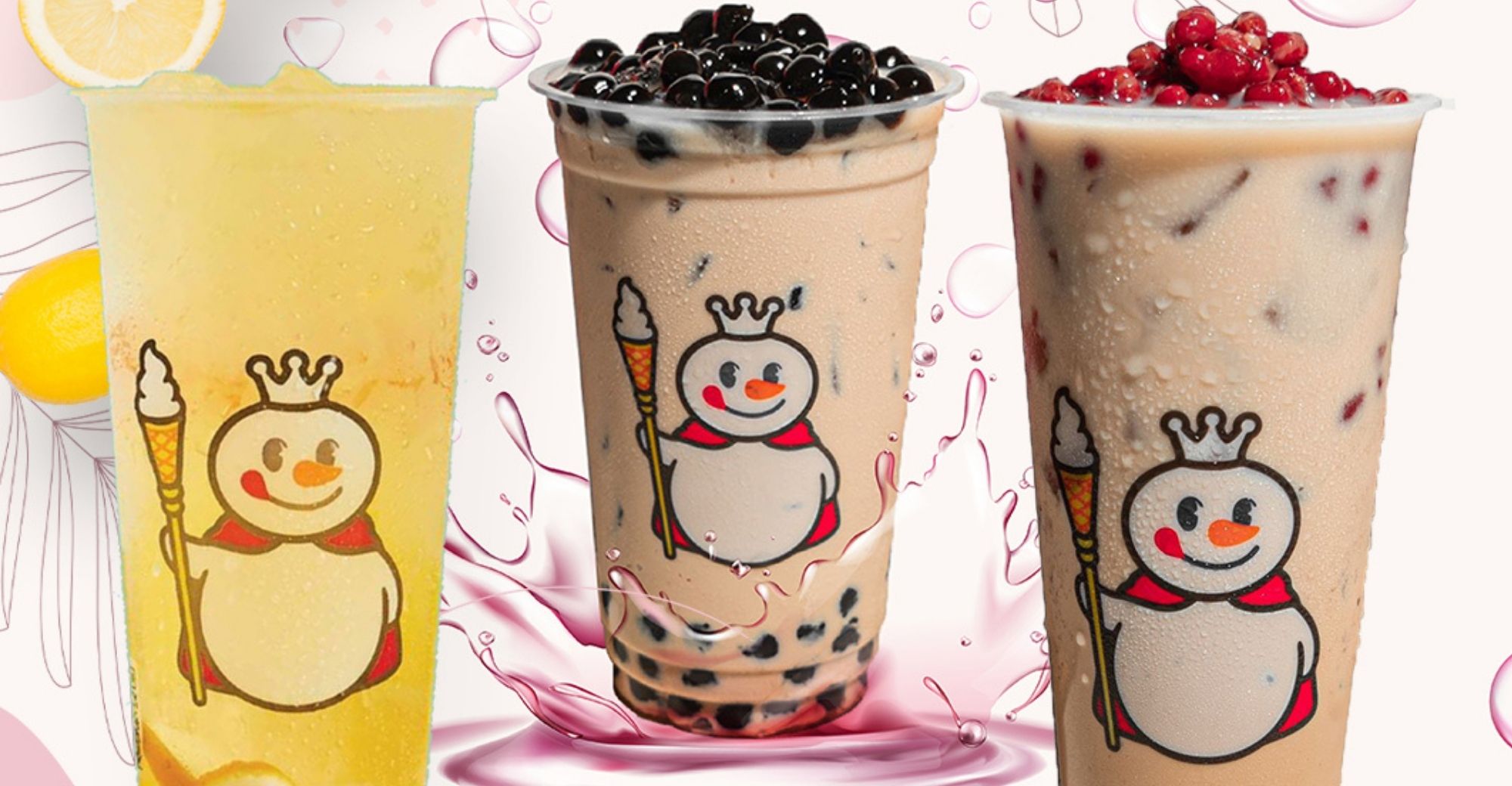
    Mascots give these brands instant visibility. Mixue uses its Snow King snowman across store facades and packaging, while Marrybrown deploys Brownie the chipmunk. Both characters provide social media cut-through in prime urban retail strips that carry high commercial rents.

    Pipeline builds for late 2026 rollouts

    Japanese curry specialist Coco Ichibanya is preparing its first Melbourne opening before the end of the year, introducing its spoon-wielding cat mascot to the local market. Philippine fast-food giant Jollibee is also tracking Australian real estate after signaling entry plans for several years.

    Industry attention now turns to execution. Rivals are watching how fast Coco Ichibanya scales its initial Melbourne footprint and whether Jollibee secures its first Australian flagship site.

  • Heytea Expands US Footprint with Philadelphia Store as Chinese Chains Scale Up

    Heytea Expands US Footprint with Philadelphia Store as Chinese Chains Scale Up

    Staff deployed crowd-control barriers at 10th and Arch Streets as Heytea opened its first Philadelphia store. Lines for its chilled fruit teas stretched down the block.

    Headquartered in Shenzhen, the chain operates more than 4,000 stores worldwide. It sells drinks like King Jasmine Guava tea for $7.99 while ramping up its international footprint.

    That debut follows a launch on New York’s Upper West Side weeks earlier. Heytea press representative Yinnan Shen said more than 600 people lined up across three city blocks for that opening. Founded in Guangdong in 2012, the company specialises in what it calls new-style tea. It blends brewed whole-leaf tea with fresh fruit rather than powdered mixes.

    Challenging the First Generation of Boba Retailers

    This expansion reflects a broader shift across North American beverage retail. Scaled mainland Chinese operators are pushing past first-generation Taiwanese bubble tea concepts. Early entrants like Vivi Bubble Tea, Kung Fu Tea, and Mr. Wish established US footprints between 2015 and 2017, alongside Gong Cha, Chi Cha San Chen, and Tiger Sugar. Most of those networks operate between 80 and 300 locations globally. That leaves them exposed to rivals backed by deeper capital and larger supply chains.

    Mainland brands rely on industrial throughput and heavy digital marketing. Smaller franchise networks and independent operators now face rising rents across prime Chinatown strips. In those corridors, quick-service and beverage chains continue to displace legacy family restaurants, pharmacies, and dry goods merchants.

    The Scale Race Led by Chinese Coffee and Tea

    Scale gives these mainland chains their chief advantage. Luckin Coffee entered Manhattan in 2025 and already operates 25 outlets in New York City out of 36,310 stores globally. Its buyout of specialty roaster Blue Bottle earlier this year strengthened that network. Budget rivals Cotti Coffee and Mixue run more than 18,000 and nearly 60,000 global stores respectively. Both entered New York in 2025.

    Western cafe chains build around seating and customer dwell time. By contrast, these Chinese operators design compact stores for fast mobile app pickups. High transaction volume and lean store footprints allow them to absorb steep urban rents.

    Franchise Proliferation Across East Coast Hubs

    Standardised franchise systems are multiplying across the East Coast. Over the past twelve months, Philadelphia has absorbed a string of mainland franchise concepts. Arrivals include dessert and snack operators Kyo Matcha and Yin Ji Rice Roll, alongside yogurt drink chain Hey I Am Yogost.

    Taiwanese brands spent the past decade establishing Asian tea across Western metropolitan centres. Now, mainland competitors are testing whether volume models built in tier-one Chinese cities can generate profit on expensive American real estate.

    Heytea is scouting further locations across the US Northeast corridor. Future sites will target high-density student and commercial districts in New York and Pennsylvania.

  • Mixue Shifts Malaysia Strategy Toward Food Safety and Quality Control

    Mixue Shifts Malaysia Strategy Toward Food Safety and Quality Control

    Mixue has shifted its operational focus in Malaysia to food safety and standardized store management this quarter. It has slowed its rapid store openings to protect franchise consistency.

    The value-priced ice cream and tea operator is standardizing ingredient handling, audits, and franchise training across hundreds of independently run franchised outlets in the country.

    Standardising Store Operations

    Headquarters teams are rolling out stricter supplier checks, central storage compliance, and mandatory staff retraining. The goal is curbing hygiene inconsistencies across high-volume suburban counters.

    For franchisees, the tightened rules raise daily discipline and audit frequencies. Store managers face unannounced inspections covering temperature logs, equipment sanitization, and ingredient shelf-life tracking.

    Pressure on Value Tea Rivals

    Rival low-cost bubble tea chains in Malaysia now face immediate pressure. Many compete on single-digit ringgit price points. Churning out high volumes at discount prices leaves little room for error in cold chain logistics or store sanitation.

    Protecting customer trust before hygiene lapses damage the brand drives the compliance push. The main risk sits behind the counter. Enforcing uniform standards across hundreds of independently run franchised outlets demands continuous oversight costs.

    Next Phase of Southeast Asian Expansion

    Mixue entered Southeast Asia aggressively, relying on low franchise fees and an integrated Chinese supply chain to blanket Indonesia, Vietnam, and Malaysia. Rapid expansion quickly secured brand recognition across shopping malls and commercial shop lots.

    Maintaining product consistency across thousands of regional outlets poses a major challenge as local health authorities step up inspections of quick-service beverage chains.

    Malaysian franchisees will complete updated audit cycles over the coming quarter as headquarters evaluates network compliance across Peninsular Malaysia.

  • Mixue Closes 89 Overseas Stores as First-Half Profit Drops 15%

    Mixue Closes 89 Overseas Stores as First-Half Profit Drops 15%

    Mixue cut its overseas footprint by 89 stores in the first half of 2026, driven by closures across core Southeast Asian markets Vietnam and Indonesia.

    Net profit fell 15 percent year on year to 2.32 billion yuan, even as total revenue edged up 2.3 percent to 15.2 billion yuan ($2.26 billion). Group filings show higher selling and distribution expenses ate directly into margins across its franchise network.

    Rising Distribution Costs Squeeze Margins

    The Henan-headquartered drinks giant operated 63,987 outlets globally by June 30, with 59,609 locations in mainland China. That leaves roughly 4,378 international stores, concentrated heavily in Southeast Asia where the brand sells budget soft-serve ice cream and milk tea.

    Mixue did not publish country-level closure totals for Vietnam or Indonesia. The company stated in its interim report that reducing store density improved individual unit quality and created a cleaner base for sustainable operations.

    Franchisee economics have tightened across the region. Rapid street-level expansion in major cities sparked cannibalisation between neighbouring outlets, forcing operators to absorb higher logistics costs on imported syrups and packaging without room to raise retail prices.

    Rebalancing Southeast Asian Footprints

    Vietnam was Mixue’s first international market when the chain launched in Hanoi in 2018. By September 2024, the brand ran 1,304 stores across the country, according to its Hong Kong listing prospectus filed in early 2025.

    Mass-market tea and coffee chains in Southeast Asia now face heavier competition from local discounters and Chinese rivals copying the low-price franchise playbook. Mixue’s retreat from sheer store count growth signals that overseas networks cannot rely solely on relentless opening schedules to deliver profit.

    Investors now await Mixue’s updated capital-raising timeline in Hong Kong, where full-year store productivity figures will test whether the overseas pruning protected operating cash flow.

  • Milk Tea Giant Mixue Trims Overseas Presence, Closes 428 Stores – Pursues Optimized Operations in Indonesia and Vietnam

    Milk Tea Giant Mixue Trims Overseas Presence, Closes 428 Stores – Pursues Optimized Operations in Indonesia and Vietnam

    The world’s largest food and beverage chain, China’s Mixue, experienced a decrease in its international outlets in 2021. A significant number of these closures occurred in Indonesia and Vietnam, as the company strived to enhance its operations and efficiency.

    Strategic Store Closures

    While the exact number of closed outlets in Indonesia and Vietnam were not made public by Mixue, the company emphasised in its most recent financial statement a strategy to enhance the performance of their existing stores, to facilitate long-term, sustainable, and stable operations.

    Expansion in Other Territories

    Concurrently, Mixue expanded its reach in other countries including the United States and Kazakhstan, and launched its maiden stores in Malaysia and Thailand under a different brand, Lucky Cup.

    As of the end of last year, Mixue had a global presence with 59,823 outlets, the majority of which, 55,356, were located in mainland China. Indonesia and Vietnam are its two largest overseas markets. As of September 2024, Mixue had 1,304 outlets in Vietnam according to documents filed for its Hong Kong Initial Public Offering (IPO) in early 2025.

    Shifting Retail Strategy

    Mixue is in the process of transitioning from a traditional small-store format to larger outlets in Vietnam. The new locations will feature expanded preparation counters, street-facing storefronts, and more expansive floor areas than their predecessors. The company is also giving preference to prime locations for its outlets.

    The company made its debut in Vietnam in 2018, with an initial focus on Hanoi and the northern provinces. Since then, it has expanded its footprint nationwide. Some of its core offerings include lemonade, ice cream, milk tea, and fruit tea, all priced within an affordable range of VND10,000–30,000.

    Mixue credits its ability to maintain low prices to its control over the supply chain, which extends from raw material production and logistics to research and development and quality control.

    In a 2024 report, it was noted that Mixue has been instrumental in reshaping Vietnam’s milk tea market. The company has played a significant role in growing the affordable beverage segment and pursues an aggressive franchising strategy.

    Future Plans and Financial Performance

    Mixue has expressed plans to continue expanding its presence in Southeast Asia by further enhancing its franchisee network in the region.

    In terms of financial performance, Mixue saw a significant increase in its revenues and net profits last year. Revenues shot up by 35% to RMB33.56 billion (US$4.9 billion), and net profits rose by 33% to RMB5.93 billion.

    Questions & Answers

    What is Mixue’s current strategy in Vietnam?
    Mixue is transitioning from a traditional small-store format to larger outlets, with prime locations, expanded preparation counters, and larger floor areas.

    What are some of Mixue’s key products in Vietnam?
    Mixue’s core offerings in Vietnam include lemonade, ice cream, milk tea, and fruit tea.

    How has Mixue’s financial performance been in recent years?
    In the previous year, Mixue’s revenues increased by 35% to RMB33.56 billion (US$4.9 billion), and net profits rose by 33% to RMB5.93 billion.

  • Mixue: China’s Beloved Tea and Ice Cream Chain Brews Up Its First US Store in Hollywood

    Mixue: China’s Beloved Tea and Ice Cream Chain Brews Up Its First US Store in Hollywood

    The popular Chinese ice cream and tea chain, Mixue, has successfully established its first US location in Los Angeles, California, marking the brand’s debut in the American market.

    Offerings and Customisation

    Situated on the famous Hollywood Boulevard, the new Mixue store provides customers with the chain’s traditional menu. The offered choices encompass a variety of beverages including ice cream, pure tea, fruit drinks, milk tea, and coffee. One of the unique aspects of Mixue’s service is the ability for customers to personalize their drinks. They can adjust the sugar content to their liking and select from a range of toppings for certain beverages.

    Global Expansion

    Since its establishment in 1997, Mixue has been diligently working on its international growth. The brand expanded outside of China for the first time in 2018, with the opening of a store in Vietnam. Following this, Mixue entered several other markets, including Australia, South Korea, Thailand, Malaysia, Singapore, and the Philippines.

    Growth Plans in the US

    The US is the next frontier for Mixue’s ongoing international expansion. The company has expressed its intention to enhance its presence in the American market further. A store in New York is anticipated to open soon as a part of this expansion plan.

    Zhang Hongfu, the Global CEO of Mixue, stated that the company is committed to its worldwide strategic growth. He added, “Our aim is to consistently broaden our store network, thereby enabling more local consumers to savour our high-quality, affordable drinks.”

    Presently, Mixue Group runs over 53,000 stores globally.

    Questions & Answers

    What does the Mixue menu offer in their new US store?
    The menu in the new Mixue US store consists of a range of beverages such as ice cream, pure tea, fruit drinks, milk tea, and coffee.

    Where did Mixue first expand to outside of China?
    The first overseas expansion of Mixue was in Vietnam, which took place in 2018.

    What are the future expansion plans of Mixue in the US?
    Mixue plans to strengthen its presence in the US with the opening of a new store in New York, which is expected to happen in the near future.

  • Chinese tea chain Mixue opens its first Australia outlet

    Chinese tea chain Mixue opens its first Australia outlet

    Chinese tea chain Mixue has launched in Australia, opening its first store in Sydney’s World Square shopping centre.

    Two more locations are imminent in Brisbane and Melbourne.

    The Sydney store features floor-to-ceiling windows spanning an entire wall and red steel frames.

    A marketing campaign by Mixue offering “1000 Sydney students to have a drink for free” was launched for the brand’s Sydney launch. Mixue said that although the pricing will be different to that in its home market, the quality will not change.

    Founded by Zhang Hongchao in 1997, Mixue Ice Cream and Tea opened its first overseas store in Vietnam in 2018 and currently has 600 stores in 11 Asian countries and 21,000 stores in China.

    With several milk tea companies expanding into the market during the past two years, Australia is a promising destination for the sector.

    Global milk tea giant Gong Cha last year said it planned to add 17 new stores to its existing 118 locations in Australia and both Gotcha and Chatime recently said they planned to prioritise the market.

  • Chinese tea chain Mixue expands into South Korea and Japan

    Chinese tea chain Mixue expands into South Korea and Japan

    Mixue, a Chinese tea-based beverages brand that is set to list on the main board of the Shenzhen Stock Exchange, has recently entered the South Korean and Japanese markets.

    In the beginning of November, an account named “MIXUE.Japa” became active on Xiaohongshu, a lifestyle-sharing Chinese social media platform, where it released a brief opening notice and site selection of its first store in Japan. The location is Omotesandō, Tokyo, a business district as popular as Harajuku and Shibuya, focusing on high-end fashion and creative clothing.

    According to Chinese web users living in Omotesandō, this high-end location isn’t concentrated with Chinese people, and it seems to be inconsistent with the low-cost style of Mixue. However, MIXUE.Japan quickly said in the comment area that besides Tokyo, it will expand to Kyoto and other places in the future.

    The first store in South Korea of Mixue officially opened at the end of October. It is located near Chung-Ang University, where local students and Chinese students often gather. In the first three days of opening, attracted by free ice cream, the store was crowded with customers.

    Many Chinese students posted pictures of products from the store on social media. The types of drinks are basically the same as those in China, but the prices are slightly higher. Lemonade is around 8 yuan ($1.14), which is similar to the price of a bottle of water in Korea, and the most expensive drink costs less than 16 yuan. The store was opened by Chinese people, and most of the employees in the store are also Chinese, so ordering in Mandarin is possible.

    Another Chinese milk tea brand called Gongcha has opened over 700 stores in South Korea, with a price range between 23 yuan and 42 yuan. Other milk tea brands, such as COCO, Tiger Sugar and Guming, have also expanded their stores to South Korea, and their product prices are much higher than those in China.

    Entering the Japanese and South Korean markets for the first time, Mixue has experienced imperfections in its operations. Due to the long journey to purchase raw materials from China and inconvenient logistics, Mixue was often out of stock after opening, and a large number of packages in the stores are still in Chinese. MIXUE.Japan’s short promotional video was also criticized by social media users because the translation was not in place.

    Established in 1997, Mixue opened its first overseas store in Hanoi, Vietnam in 2018. By the end of March, 2022, Mixue had opened 249 stores in the country, with a total revenue of 9,290,400 yuan and a net profit of -322,000 yuan. The brand runs 317 stores in Indonesia, with an operating income of 25.4108 million yuan and a net profit of 2,235,500 yuan.