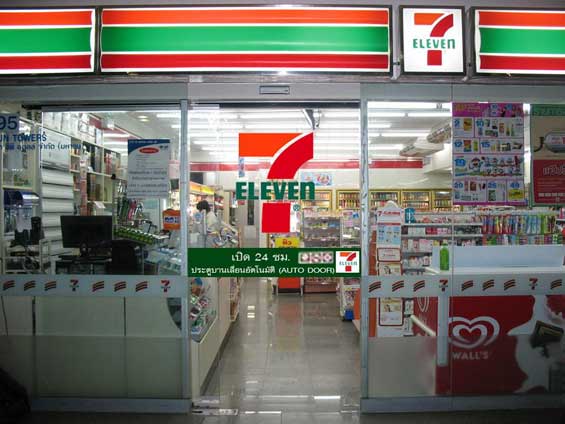
7-Eleven Singapore added more than 1,500 exclusive products over the past 24 months and linked its digital app across more than 460 outlets nationwide.
The convenience chain expanded its footprint beyond traditional impulse snacks, shifting square footage toward hot meals, private-label beverages, and licensed merchandise to build daily basket values.
Self-Checkout and Hospital Automation
Operational upgrades centered on store throughput. The chain installed dual self-checkout systems in more than 300 stores, giving staff the ability to toggle cashier stations to automated mode during morning and evening rush hours. At Singapore General Hospital, the operator opened a fully unmanned location using overhead computer vision and frictionless exit gates to process payments without cashier intervention.
Physical refits also introduced dedicated sit-down dining counters and modular food prep stations. These spaces support branded ready-to-eat partnerships, including baked goods, personal-sized pizzas, and regional food collaborations with local operators such as Old Chang Kee and Andes by Astons.
Omnichannel Ordering and App Metrics
Digital ordering operations scaled through the dedicated 7-Eleven Singapore mobile platform, which accumulated 300,000 downloads within ten months of its February 2025 rollout. The app integrates three core transactional functions: EasyCollect, which routes click-and-collect fulfillment to neighborhood branches within 15 minutes, a digital stamp loyalty tracker, and prepaid product bundles called ValuePacks.
Convenience operators across Southeast Asia face intense competition from instant-delivery platforms and specialty coffee chains, forcing traditional corner shops to emulate the Japanese konbini model. By building out prepared food counters, private-label collaborations, and in-app pickup, 7-Eleven is defending store margins against rising labor costs and higher urban commercial rents.
The retailer is now tracking pickup adoption rates and repeat transaction frequencies through the app as it evaluates further autonomous store deployments in transport and healthcare facilities.