India’s telecommunication network reached 1,337.54 million total telephone subscribers as national teledensity climbed to 90.28 per cent.
Wireless accounts drove nearly the entire base at 1,288.96 million connections, while fixed-line subscriptions stood at 48.58 million.
The network added a net 6.95 million telephone users in a single month, taking total broadband subscribers across wireline and wireless infrastructure to 1,073.44 million. Wireless broadband accounts for 1,026.60 million of those users, with fixed wireline connections supplying the remaining 46.84 million lines. Gross adjusted revenue generated across the country’s communications market totaled 229,071 crore rupees, or approximately 24 billion US dollars.
Urban Penetration and Rural Expansion
Urban centres recorded a teledensity of 152.11 per cent across 783.12 million subscribers, reflecting widespread dual-SIM adoption and concentrated commercial use. Rural regions accounted for 554.41 million telephone users, posting a teledensity of 60.74 per cent. The gap between city hubs and provincial districts continues to define network investment priorities for carriers upgrading optical fibre and microwave transmission infrastructure.
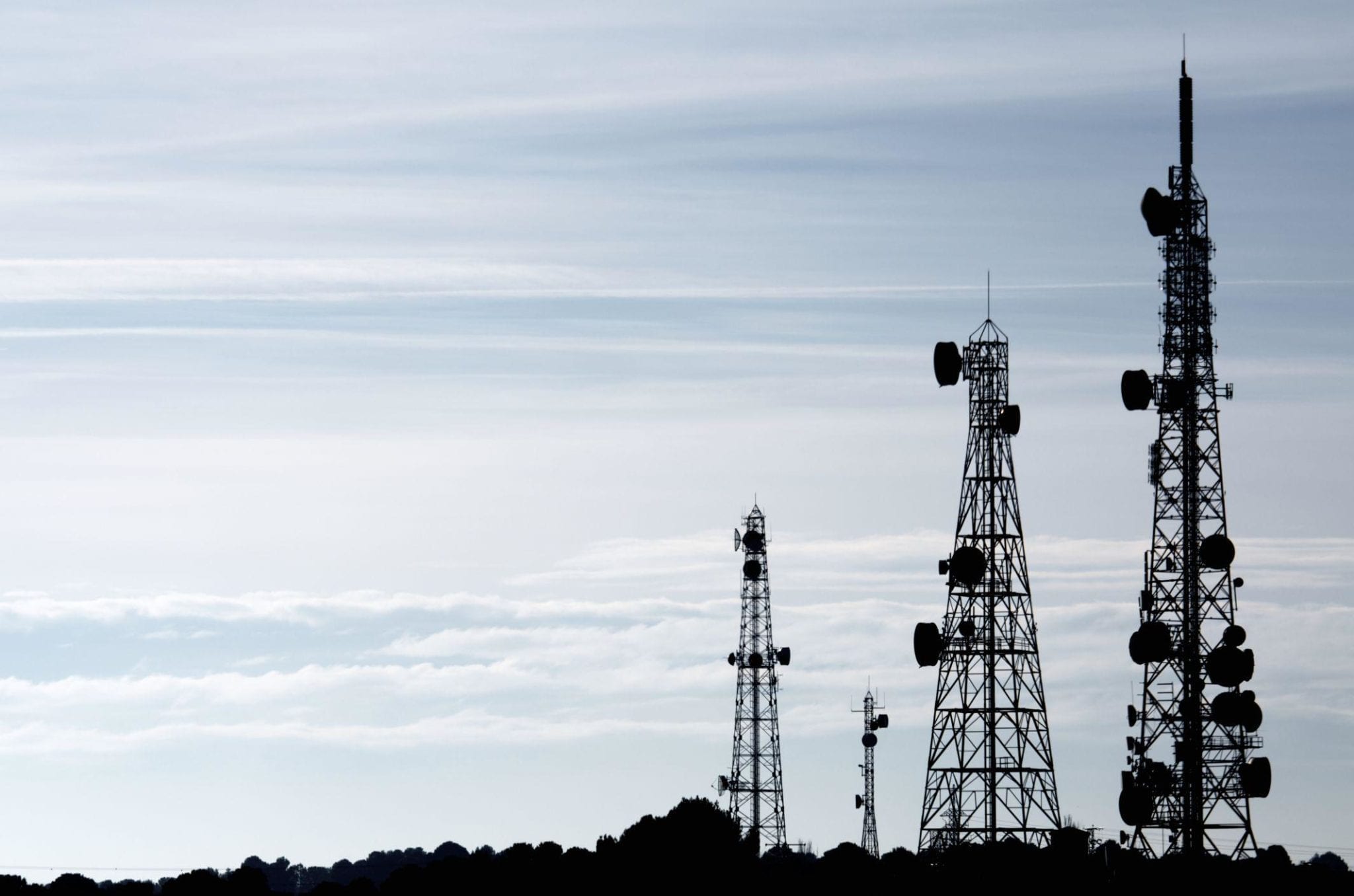
Core transmission routes rely on microwave radio relay setups alongside optical fibre deployments, connecting digital exchanges and media gateways across state boundaries. The terrestrial footprint links into the Indian National Satellite System to secure coverage across remote terrain.
Broadband Growth and Economic Scale
Data access now dominates carrier operations, supported by spectrum allocations and coordination through the ITU-APT Foundation of India. Commercial telecom networks direct capital into network switching subsystems and signalling gateways to handle expanding digital payments and e-governance traffic. Sector operations also support broader economic activity, with trade group GSMA previously tracking direct and indirect sector employment in the millions.
Future subscriber additions depend on converting the remaining non-broadband wireless base and expanding rural fixed-line reach beyond the current 48.58 million wired lines.