Tag: model y

  • South Korea Refers 80 Tesla Drivers to Prosecutors over Software Bypasses

    South Korea Refers 80 Tesla Drivers to Prosecutors over Software Bypasses

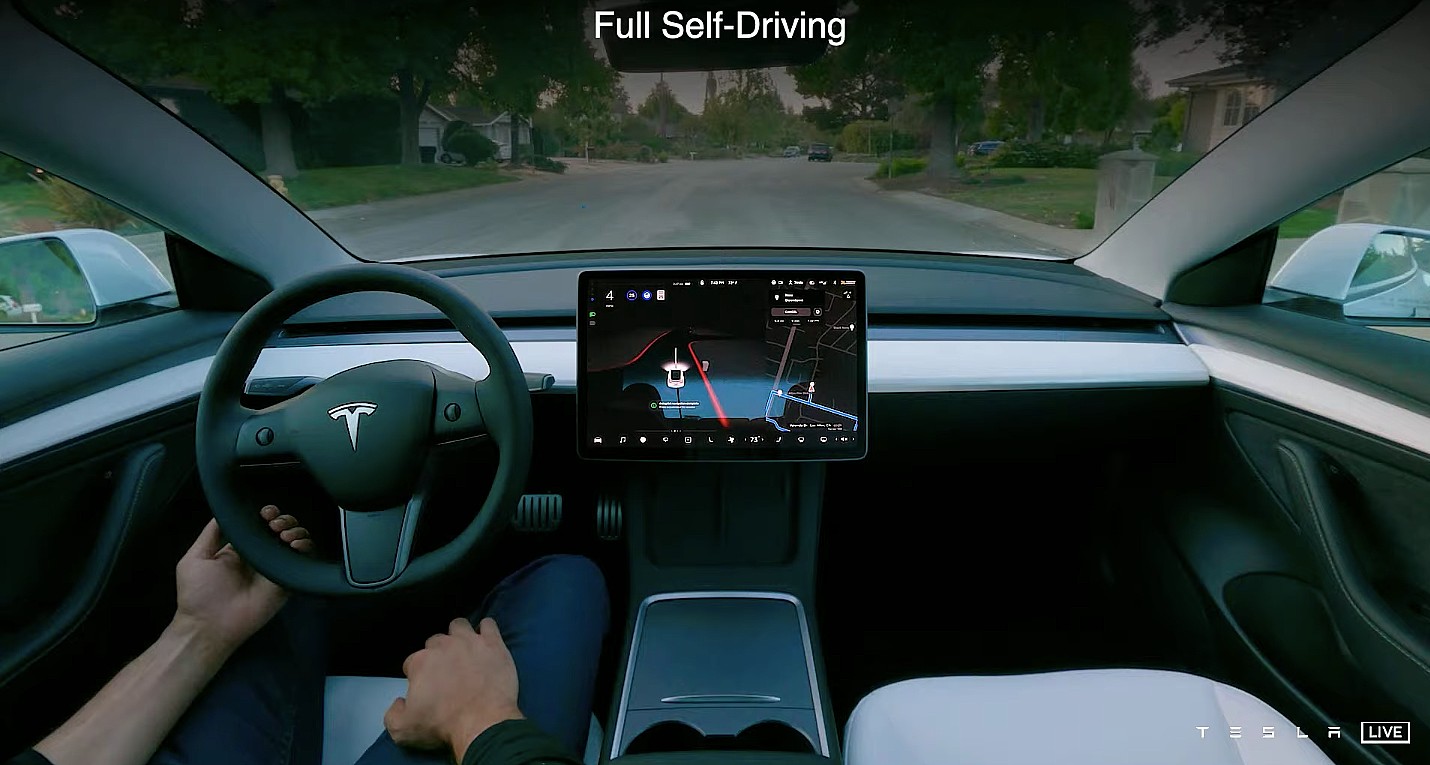
    South Korean police referred 80 Tesla owners to prosecutors for using unauthorized devices to activate the company’s Full Self-Driving software on vehicles barred from running the system. The Seoul Metropolitan Police Agency confirmed the action after confiscating 21 plug-in devices designed to crack regional software locks.

    Suspects face statutory penalties of up to two years in prison or fines of up to 20 million won, roughly 12,000 euros, under the Motor Vehicle Management Act. The statute treats unauthorized electronic alterations that affect safe vehicle operation as criminal infractions rather than contractual disputes.

    How Drivers Bypassed Regional Controls

    Investigators found owners tapped directly into the controller area network bus, the internal wiring system that shuttles electronic commands between automotive modules. These imported and homemade modules bypassed factory restrictions that keep the driver-assist feature turned off on uncertified cars.

    Drivers sourced specialized hardware from Europe and China, while at least one technician in the information technology sector built a custom bridge using open-source code and public schematics. Members of online driver groups then traded step-by-step instructions on running the software and clearing electronic logs to evade automated detection during routine service visits.

    Trade Rules Split the Tesla Fleet

    The regulatory fracture runs along factory origins. South Korea permits Full Self-Driving only on American-built Model S and Model X units, as well as the Cybertruck, because those vehicles enter the country under vehicle safety exemptions negotiated in the bilateral free trade agreement with the United States.

    Chinese-built Model 3 sedans and Model Y crossovers do not benefit from those trade terms. They require distinct domestic safety certification from the Ministry of Land, Infrastructure and Transport before advanced autonomous features can operate legally on public roads.

    Liability Shifts to the Driver Seat

    For automotive brands and fleet operators selling software-defined vehicles across Asia, the Seoul case draws a clear legal boundary. Ownership of onboard sensors, computer processors and code does not confer legal permission to run automated driving features if a transport ministry has not certified the software version for that exact model line.

    Automakers face technical liabilities when customers alter safety logic. Unsanctioned activations risk sensor blind spots, misread road markers and erratic control outputs, which could draw punitive recalls onto manufacturers if tampered vehicles crash. Tesla began remotely cutting off software access for modified vehicles and warned owners that tampering voids factory warranties, which exposes drivers to direct civil claims in accidents.

    Investigation Followed Transport Ministry Inquiry

    The criminal inquiry began in April following a formal enforcement request from the transport ministry. Police traffic investigators collaborated with the Korea Transportation Safety Authority to inspect seized hardware and map changes made to the functional logic of the vehicle platform.

    We are working closely with related agencies, including asking the Ministry of Land, Infrastructure and Transport and [the] Korea Transportation Safety Authority for advice on technical matters such as changes to FSD’s functional structure. We will continue to actively investigate illegal acts that threaten road safety.

    Public prosecutors in Seoul must now determine how many of the 80 referred drivers will face formal indictments in district court. That decision will set the legal precedent for how Asian transport authorities treat unauthorized consumer modifications on connected electric vehicles.
  • BYD Sells 762,478 Electric Cars in Third Quarter to Extend Lead over Tesla

    BYD Sells 762,478 Electric Cars in Third Quarter to Extend Lead over Tesla

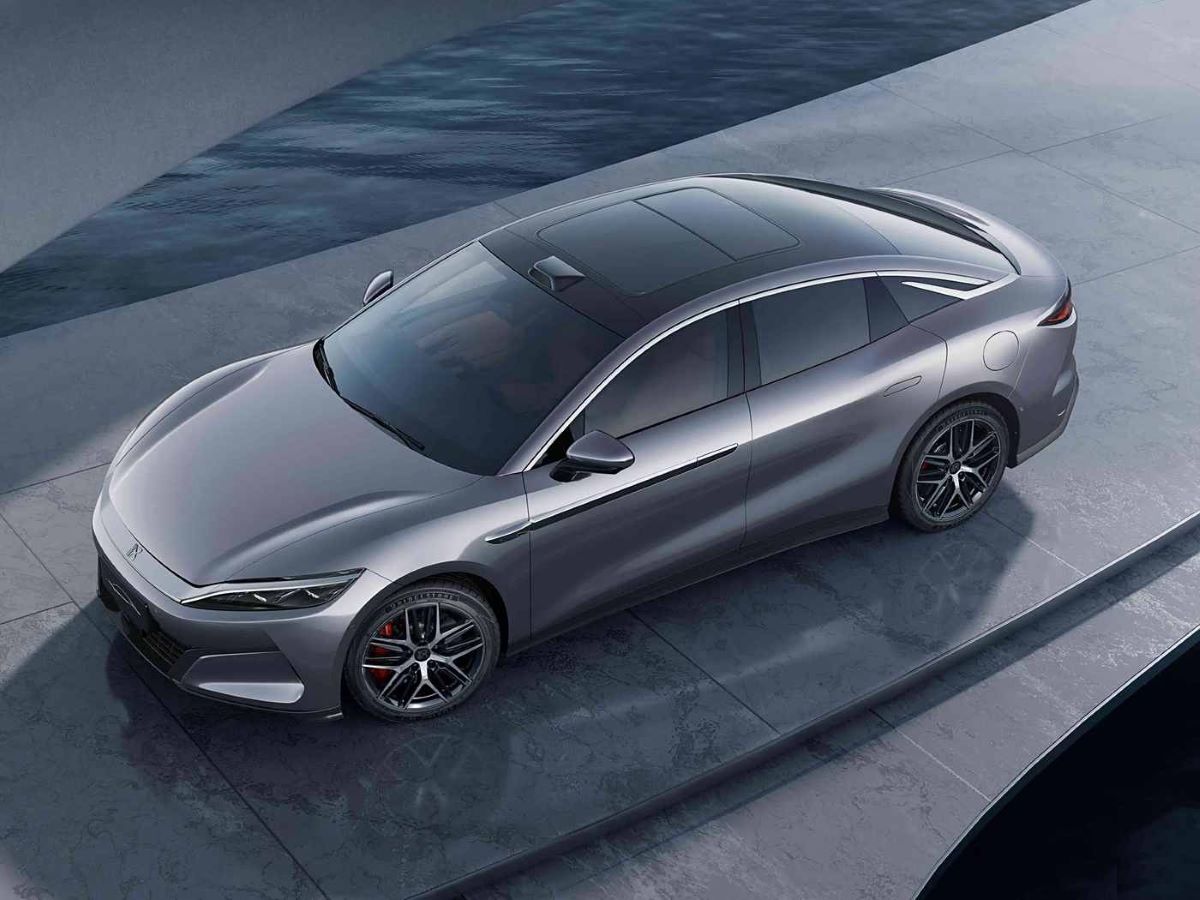
    BYD widened its global electric vehicle lead over Tesla in the third quarter of 2026. Deliveries of pure battery passenger cars hit 762,478 units across the three-month stretch.

    Deliveries at Tesla reached 486,532 vehicles globally over the same period. That beat market expectations of 463,761 units, though it fell 2.13 per cent short of the year-earlier total.

    The gap between the two carmakers reached 275,946 pure electric vehicles between July and September. It expanded sharply from the second quarter, when BYD led Tesla by 76,964 units. BYD increased third-quarter passenger battery sales by 30.89 per cent year-on-year. Quarter-on-quarter, sales rose 36.87 per cent.

    Breakdown of Quarterly Deliveries

    Entry models drove most of Tesla’s volume. The Model 3 sedan and Model Y crossover accounted for 478,237 units, or 98.30 per cent of all deliveries between July and September. Remaining lines, including the Model S, Model X, Cybertruck and Semi, yielded 8,295 deliveries combined.

    Factory output at Tesla trailed final customer handovers. The Austin-based carmaker produced 464,391 vehicles during the quarter and drew down inventory by 22,141 units. In the same window, it installed 13.7 gigawatt-hours of stationary energy storage products.

    These BYD figures exclude plug-in hybrid electric vehicles and commercial fleet sales. The tally isolates pure passenger battery models for direct comparison against Tesla’s all-electric lineup.

    Nine-Month Volume and Market Shift

    Across the first nine months of 2026, BYD sold 1,629,957 passenger battery electric vehicles globally, up 1.50 per cent year-on-year. Tesla handed over 1,324,681 cars during the same period, recording an 8.77 per cent increase.

    Cumulative year-to-date numbers give the Shenzhen-based automaker an advantage of 305,276 pure electric cars. Tesla briefly led in the first quarter with 358,023 deliveries against BYD’s 310,389. BYD reversed that in the second quarter, selling 557,090 battery units against Tesla’s 480,126.

    Product breadth and tiered pricing across China and Southeast Asia continue to favour multi-segment domestic manufacturers over single-platform foreign lines.

    Pressure on Regional Supply Chains

    For component suppliers and dealership networks across Asia-Pacific, the divergence shows clear volume consolidation. BYD builds battery cells and motors in-house. That vertical integration protects assembly lines from external supply shocks and lowers retail prices in major regional markets.

    Tesla remains locked into two core consumer models while regional rivals in China, Thailand and Australia release fresh nameplates every six months. It lacks an updated high-volume compact platform in showrooms. Instead, the company relies on financing discounts and local incentives across Asian markets to defend its position against price cuts.

    Historical Ground and Earnings Date

    This pattern took root in 2025. BYD overtook Tesla over a full calendar year for the first time by selling 2,256,714 pure electric passenger cars against Tesla’s 1,636,129 deliveries. That ended Tesla’s multi-year run as the world’s largest producer of battery-only passenger vehicles.

    Management will detail third-quarter financial results after the close of United States markets on October 21 during its scheduled investor webcast, focusing on automotive profit margins and annual production targets.

  • Tesla Model Y Price Drops Below $23,000 in Tokyo on Local Subsidies

    Tesla Model Y Price Drops Below $23,000 in Tokyo on Local Subsidies

    Tokyo buyers can now purchase a Tesla Model Y for under $23,000. That makes the Japanese capital the cheapest market worldwide for the electric SUV.

    Combined national and municipal clean-vehicle incentives cut the effective entry price to 3.6 million yen ($22,889). Standard list price sits at 5.6 million yen.

    How Tokyo Subsidies Cut The Price

    Tokyo residents can tap up to 2 million yen in government support this year. Buyers of the smaller Model 3 sedan qualify for similar programs. That pushes the Model 3 starting cost down to 3.3 million yen.

    Tesla runs ads across Japan highlighting the full subsidy package. The campaign targets urban drivers in a retail market long dominated by domestic carmakers.

    Shanghai Shipments Undercut China Domestic Rates

    The discounted Tokyo sticker price undercuts retail rates in China, where Tesla builds the Model Y at its Shanghai plant. A base Model Y in China lists for approximately 263,500 yuan ($39,344).

    That gap widens against Western markets. California offers first-time EV buyers up to $3,500 in state incentives, but the Model Y still costs drivers there over $36,000.

    Trade Deals And Pressure On Domestic Makers

    Japanese automakers face immediate showroom pressure from the Shanghai-built imports. The Model Y ranked as Japan’s most imported passenger car during the first half of the year. It proved foreign electric models can win volume when priced below domestic hybrids.

    Bilateral trade negotiations add another layer to the pricing shift. US President Donald Trump has demanded broader market access for American brands in Japan. Meanwhile, both governments are reviewing a $550 billion investment framework established last year following a deal to cut US import tariffs on Japanese cars.

    Import Figures To Watch

    Tesla expanded deliveries into ports like Yokohama over the past two years. The company shifted supply lines directly from its Shanghai Gigafactory to shorten delivery times across the Asia-Pacific region.

    Retailers and competing importers now watch whether the Tokyo Metropolitan Government maintains these municipal rebate levels through its next fiscal budget review.

  • 100 Tesla Model Y Cars Will Be Introduced in Japan Under Uber Premium Service

    100 Tesla Model Y Cars Will Be Introduced in Japan Under Uber Premium Service

    Uber Japan has announced a strategic partnership with local cab and hire car operator, Hinomaru Kotsu and Tesla Japan to introduce 100 Tesla Model Y vehicles into their Uber Premium fleet.

    As part of the initiative, 30 Tesla Model Y vehicles will be deployed in November 2023 at Hinomaru Kotsu’s offices in Setagaya, Edogawa, and Adachi. The fleet will subsequently expand to include affiliated companies of Hinomaru Automobile’s wireless group, bringing the total number of Model Y vehicles to 100 by the end of 2024. These vehicles will be exclusively available under Uber Premium, and a dedicated menu on the Uber app will enable users to request rides in the Tesla Model Y.

    Uber chose Tesla’s Model Y because of its cruising range, driving performance, serene quietness, and premium interior and exterior, making it an ideal choice for discerning passengers seeking an elevated travel experience.

    Furthermore, to address the concerns of charging infrastructure for long-distance taxi operations, Hinomaru Kotsu plans to implement Tesla charging solutions at their Adachi and Setagaya offices from November 2023.

    Shiro Yamanaka, General Manager Mobility Business, Uber Japan Co., Ltd. said, “I am very pleased to be able to work with Hinomaru Kotsu and Tesla Japan to promote zero-emission vehicles. Uber Premium is a service that allows you to easily and reasonably call a luxury vehicle using the Uber app. It has been very well received in the deployment area. We expect that the demand for Uber Premium will increase further with the introduction of the Tesla Model Y, which is popular as a luxury vehicle, as a dedicated vehicle.”

    Kazutaka Tomita, Representative Director of Hinomaru Kotsu Co., Ltd. said,  “We are very proud to be able to play a role in promoting the introduction of zero-emission vehicles in the taxi and hire industry together with Uber Japan and Tesla Japan. We promise to deliver safe and secure transportation to our customers with a diverse lineup of vehicles that meet the needs of our customers.”

    Ryokusai Inoue, Country Manager, Tesla Motors Japan LLC, said, “We are also focusing on the taxi and hire business, mainly in North America, and we are very pleased to be able to realize an initiative of 100 units in Japan as well. We believe that business owners will also benefit greatly from this, and we will continue to have everyone experience the appeal of Tesla and expand it widely throughout Japan, regardless of whether it is a corporation or an individual.”

  • Tesla Cancels Production of Right-Hand Drive Model S and Model X

    Tesla Cancels Production of Right-Hand Drive Model S and Model X

    Tesla has recently announced that it is cancelling the production of right-hand drive Model S and Model X vehicles, citing low demand in certain regions. This move surprises many customers who have been waiting for their orders to be fulfilled.

    According to the company, customers who have already placed orders for the right-hand drive Model S and Model X will be offered refunds or the option to switch to a left-hand drive version. Tesla has also stated that it will continue to support existing right-hand drive vehicles with parts and service.

    This decision by Tesla is likely because most countries drive on the right-hand side of the road, making left-hand drive vehicles more popular. Additionally, the Model S and Model X are older models in Tesla’s lineup, and the company may be looking to shift its focus to newer vehicles.

    Tesla has informed reservation holders that they will not offer right-hand-drive Model S and Model X vehicles for the foreseeable future. Customers can opt to purchase a left-hand drive model, receive a credit towards a Model 3 or Model Y, or cancel the reservation and receive a full refund. Those who choose to change their reservation for a Model 3 or Model Y will receive a credit of up to $2,175 in Ireland and up to $2,000 in Australia.

    The demand for Tesla’s Model S and X has decreased significantly due to their outdated models compared to newer models from startups and established OEMs. In 2022, Tesla built 71,777 of these models but only sold 66,705, and in Q1 2023, they built 19,437 but almost half remain unsold.

    Despite this setback, Tesla has been making strides in the electric vehicle market. Its latest vehicle, the Model Y, has been well-received, and the company is working on developing new technologies such as autonomous driving and advanced battery system

  • Tesla Sold 33,155 China-Made Vehicles In June

    Tesla Sold 33,155 China-Made Vehicles In June

    U.S. electric vehicle maker Tesla Inc sold 33,155 China-made vehicles, including those for export, in June, China Passenger Car Association (CPCA) said on Thursday.

    Tesla, which is making Model 3 sedans and Model Y sport-utility vehicles in Shanghai, sold 28,138 China-made cars in China and exported 5,017 cars in June.

    In May, Tesla sold 33,463 China-made cars.

    On Thursday, Tesla launched Model Y cars with a standard driving range in China, lowering the starting price for the vehicle to 276,000 yuan ($42,588) in the world’s biggest auto market.

    BYD sold 40,532 so-called new energy vehicles, which include battery-electric and plug-in hybrid vehicles, last month in China. General Motors Co’s venture with SAIC Motor sold 30,479 such cars.

    CPCA also said China sold 1.6 million passenger cars in June, down 5.3% from a year earlier.