Retail News CRM

Tag: models

  • Samsung’s Galaxy Watch Ultra 2 Set to Launch in Two Models: Unraveling the 4G and 5G Differences

    Samsung’s Galaxy Watch Ultra 2 Set to Launch in Two Models: Unraveling the 4G and 5G Differences

    Samsung is reportedly preparing to unveil the next version of the Galaxy Watch Ultra — the true successor to its previous model, which only received a memory upgrade. In response to its key competitor, the Apple Watch Ultra 3, the Galaxy Watch Ultra 2 had been rumored to feature a significant upgrade. However, it now appears that this anticipated change may not be guaranteed.

    Galaxy Watch Ultra 2: Potential 4G and 5G Variants

    A device thought to be the Galaxy Watch Ultra 2 recently appeared in the IMEI database bearing a model number that implies a 5G version. This development suggests Samsung is planning a second variant, potentially a 4G-only version of this forthcoming premium wearable.

    Software for a device with the model number SM-L715F was identified on Samsung’s servers. This is likely software for a version of the Galaxy Watch Ultra 2, which was listed under SM-L716 in the IMEI database.

    Samsung typically uses the number “6” to denote 5G models in its range, while “5” is usually assigned to devices with 4G/LTE connectivity. The number “0” is reserved to indicate a Wi-Fi-only device.

    Potential Dual Release

    It would not be surprising if Samsung decided to release two versions of the Galaxy Watch Ultra 2. It is probable that the 5G model will only be available in certain regions, with the 4G version being sold elsewhere.

    The more advanced model is likely to be made available to consumers in South Korea, the US, and a few other markets. It is unlikely that Samsung will release a Wi-Fi-only version of the Galaxy Watch Ultra 2.

    Pragmatic Choices

    Apple released the Apple Watch Series 11, Apple Watch SE 3, and the Apple Watch Ultra 3, all with 5G support, last autumn. Although all models sold globally have the technical capacity to connect to a 5G network, this feature is not supported in all markets where the watches are sold.

    Support for 5G connectivity depends on a variety of factors beyond a device’s technical capabilities, which may explain why Samsung has chosen to offer multiple versions of its upcoming watches.

    Expected Pricing

    The only reasonable explanation for a lower-spec version of a high-tier device would be to offer it at a reduced price. If Samsung were to charge the same for both versions of the Galaxy Watch Ultra 2, it would likely disappoint consumers.

    Questions & Answers

    What might be the key feature of the Galaxy Watch Ultra 2?

    An anticipated key feature of the Galaxy Watch Ultra 2 is its potential 5G connectivity. However, it’s also speculated that there may be a 4G-only version.

    Which markets might receive the more advanced model of the Galaxy Watch Ultra 2?

    The more advanced model, presumably the 5G version, would likely be offered to consumers in South Korea, the US, and several other markets.

    What could be Samsung’s rationale for potentially offering different versions of its upcoming watches?

    Support for 5G connectivity depends on a variety of factors beyond a device’s technical capabilities. This, in addition to market demand and network availability, could explain Samsung’s decision to offer multiple versions of its upcoming watches.
  • Iphone Air: A Revolutionary Design With Unmet Sales Expectations

    Iphone Air: A Revolutionary Design With Unmet Sales Expectations

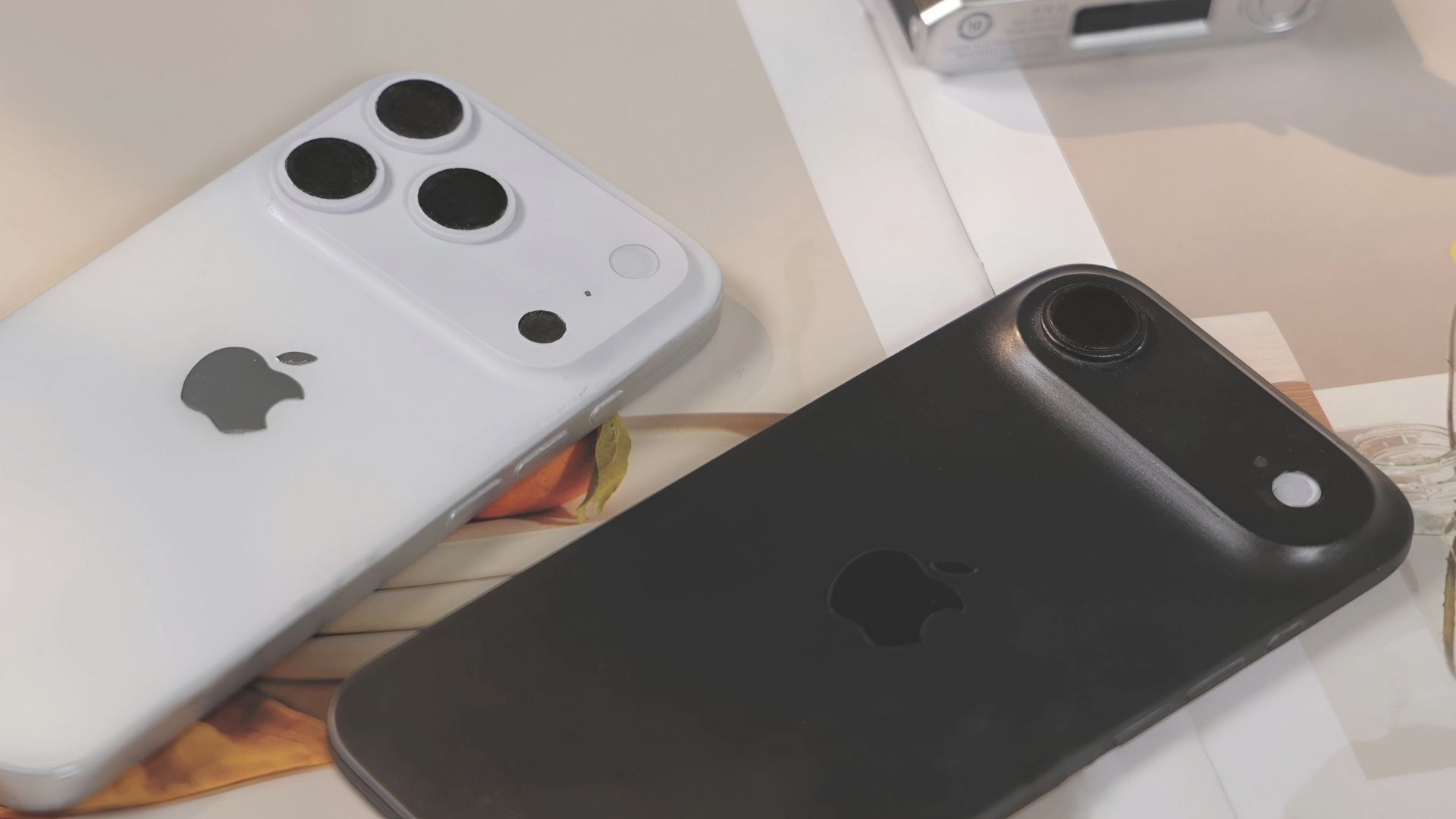
    Apple had high hopes for this year, setting its sights on capturing the admiration of customers with its ultra-thin iPhone, named the iPhone Air. This model was primed to break away from the pack and shine amongst Apple’s other releases. Interestingly, you don’t necessarily have to be a die-hard iPhone aficionado to appreciate the revolutionary design of the iPhone Air.

    The Thinnest iPhone Ever

    Breaking down the specifics, the iPhone Air comes in at a mere 5.6mm in thickness, making it about 19% thinner than the iPhone 6, which at 6.9mm was previously the thinnest iPhone model. Launched alongside the iPhone 6 Plus in 2014, the iPhone 6 had set a benchmark for slim design. However, the iPhone Air pushes the boundary even further. The device is powered by a 3149 mAh battery for eSIM-only models, and a 3036 mAh battery for models with a physical eSIM, providing an all-day battery life as claimed by Apple.

    Revamped Camera and Pricing

    Apple has also included a cutting-edge 48MP Fusion camera in the iPhone Air. However, unlike the iPhone Pro models, it doesn’t come with separate Ultra Wide or Telephoto lenses. This means the device doesn’t offer ultra wide-angle shots and telephoto pictures are limited to a 2x optical zoom. As for the pricing, the iPhone Air starts at $999. Alternatively, Apple offers a financing option allowing customers to pay off the phone over 24 months at a rate of $41.62 per month.

    Production Cut Due to Lower Demand

    Despite the innovative design and features, the iPhone Air has faced lower than anticipated demand, prompting Apple to reportedly reduce its production. This cutback might result in the production of one million fewer iPhone Air units. Although this model hasn’t quite hit the mark in sales, Apple’s three other models have garnered considerable attention from consumers.

    Rise in Production of Other Models

    On the other hand, Apple is said to be ramping up the production of the iPhone 17 by an additional two million units. Similarly, the iPhone 17 Pro and iPhone 17 Pro Max are expected to see production increases of one million and four million units, respectively. Industry observers speculate that iPhone customers are more inclined towards familiar models, rather than the new iPhone Air.

    The iPhone Air’s Silver Lining

    Interestingly, what has been a drawback for the iPhone Air in sales, has actually been an advantage in terms of engineering. Apple’s base iPhone 17 model has seen significant improvements this year, including the addition of the ProMotion display which provides a variable refresh rate from 1-120Hz. The iPhone 17 also boasts a battery life of up to 30 hours for video playback, a substantial increase from the 22 hours offered by the iPhone 16.

    While the iPhone Air may not have met Apple’s sales expectations, its importance should not be undermined. The device could be a significant stepping stone for Apple, serving as a proof of concept for the upcoming foldable iPhone, often referred to as the iPhone Fold. The foldable iPhone is rumored to resemble two iPhone Air units placed side-by-side. Although initially anticipated for release next year, reports suggest a potential 2027 launch, as Apple is yet to finalize the design of the foldable’s hinge and other components.

    Questions & Answers

    What is unique about the iPhone Air?

    The iPhone Air stands out as the thinnest iPhone ever created, with a thickness of only 5.6mm, which is almost 19% thinner than the previous thinnest model, the iPhone 6.

    What is the starting price for the iPhone Air?

    The iPhone Air is priced at $999. However, Apple offers a finance option allowing customers to pay off the phone over 24 months at $41.62 per month.

    Why might the iPhone Air be considered a significant development for Apple, despite lower sales?

    While the iPhone Air may not have met sales expectations, it may serve as a proof of concept for future developments, specifically in relation to the rumored foldable iPhone, referred to as the iPhone Fold.

  • Beauty Spaces” Redefine Consumer Habits Amid Stagnant Product Usage In 2024

    Beauty Spaces” Redefine Consumer Habits Amid Stagnant Product Usage In 2024

    The beauty landscape is witnessing a seismic shift in 2024, as consumers increasingly tailor their product choices to fit specific daily activities. Gone are the days of rigid beauty routines; today’s buyers are embracing flexibility, informed by their real-life experiences. According to Kantar’s Face Value report, individuals are selecting beauty products based on unique moments they face throughout the day, termed “Beauty Spaces.” These include categories such as “Work Mode,” “Sweat & Reset,” and “Evening Exhale.”

    While global beauty spending is on the rise, much of this growth can be attributed to pricing increases rather than an uptick in product volume. Countries like Brazil, India, and France reported impressive spending gains of 16.8%, 12.7%, and 8.9% respectively, yet actual product usage remains stagnant or is even declining. In China, for example, beauty spending fell by 4% year-over-year, with a corresponding 1% dip in volume.

    Traditional beauty routines, including the once-popular “Rise & Shine,” are seeing negligible growth rates between 0% and 2%. In contrast, newer categories such as “Brunch Beauty” are on a rapid upward trajectory, boasting over 5% year-over-year growth in markets like the U.S., U.K., and Germany. Consumers are increasingly gravitating towards versatile, quick-acting products, with micellar waters, mists, and gels gaining particular popularity in India, France, and Indonesia.

    As shoppers seek out efficiency and adaptability, hybrid products that mix elements of skincare, haircare, and makeup are gaining traction. For instance, post-workout scalp serums and overnight hair oils are becoming staples across multiple Beauty Spaces. Notably, younger consumers are at the forefront of this trend, particularly engaged in “Sweat & Reset” and “Night Out Glow” moments.

    The report highlights a significant shift in shopping behavior, where traditional category-based selections are yielding to experience-driven layouts both online and in physical stores. Social media platforms like TikTok and YouTube Shorts are revolutionizing the way consumers discover products, focusing on not just what to buy, but also when and how to use them. In Taiwan and China, digital sales of personal care products have surged to account for 59% and 56% of their respective beauty markets. The Philippines has also seen remarkable growth, jumping from 8% in 2022 to 18% in 2024.

    Retailers are responding creatively to these changes, introducing mood-based pop-ups and interactive experiences—think scratch-and-sniff billboards—to enhance customer engagement.

    Questions & Answers

    How are consumers redefining their beauty routines in 2024?
    Consumers are moving away from rigid, traditional beauty routines and opting for flexibility, choosing products that fit specific daily moments, or “Beauty Spaces,” such as work, exercise, or relaxation.

    What is driving growth in the beauty industry despite declining product usage?
    While overall spending on beauty products is rising, much of this growth is attributed to price increases rather than increases in product volume, highlighting a possible disconnect between spending and actual usage rates.

    Which regions are experiencing significant online sales growth in the beauty category?
    Taiwan and China are leading the charge, with digital sales of personal care products making up 59% and 56% of their markets, respectively. The Philippines has also seen a dramatic increase from 8% to 18% in just two years.

  • Google releases Android 12 beta 2 to compatible Pixel models

    Google releases Android 12 beta 2 to compatible Pixel models

    Pixel owners are another step closer to receiving Android 12 as said today that Google has started to push out Android 12 beta 2 to Pixel users. The update includes several of the new privacy features being added to the operating system with the new build including a 24-hour timeline showing which apps have accessed your phone’s camera, microphone, and location data.

    Another feature found in the new beta is a message that pops up to alert you when an app is reading your clipboard. Since users often copy important account numbers or passwords on their clipboards, it is important to know who is getting to read this data. The only time this message doesn’t appear is when the data on the clipboard that an app can read was copied from that very app.

    Similar to the Orange and Green dots found above the cell signal bars on an iPhone (which indicates when an app is using your handset’s microphone and camera respectively), Android 12 beta 2 users will see microphone or camera indicators when apps are using those two sensors.

    A new “Internet” tile in Quick Settings will show you your phone’s online connections including the name of your Wi-Fi network. Tapping on the Wi-Fi icon will allow you to quickly disable your Wi-Fi connection and will also show you a list of nearby Wi-Fi signals and give you the option to turn off/on your cellular network. The update also adds a GPay tile to Quick Settings to replace “Cards & passes.”

    To become an Android 12 beta tester for your Pixel, open the Android Beta Program site and tap the button that says “View your eligible devices.” Follow the directions and you’ll receive the Android 12 beta 2 update OTA. Once you receive notification that the update is on your phone, go to Settings > System > Advanced > System update.

    If your Pixel is your daily driver, you might want to wait for the final version of Android 12 before installing it. After all, the Android 12 beta 2 update is not stable and apps that you might need for work or play might not be working at full capacity during the beta testing.

  • Peugeot manufacturing plant debuts in Quảng Nam

    Peugeot manufacturing plant debuts in Quảng Nam

    The Trường Hải Automobile Corporation (Thaco) in co-operation with French car manufacturer Peugeot Group (PSA) officially inaugurated a new manufacturing plant and rolled out two made-in-Vietnam models – the Traveller Luxury and Traveller Premium – in the central province of Quảng Nam yesterday.

    The luxury European car brand’s plant, which cost VNĐ4.5 trillion (nearly US$200 million), was designed with a total capacity of 20,000 cars per year for domestic use and export.

    The general director of Thaco Phạm Văn Tài said the plant was thanks to the relationship that had been built between Thaco and Peugeot since 2013.

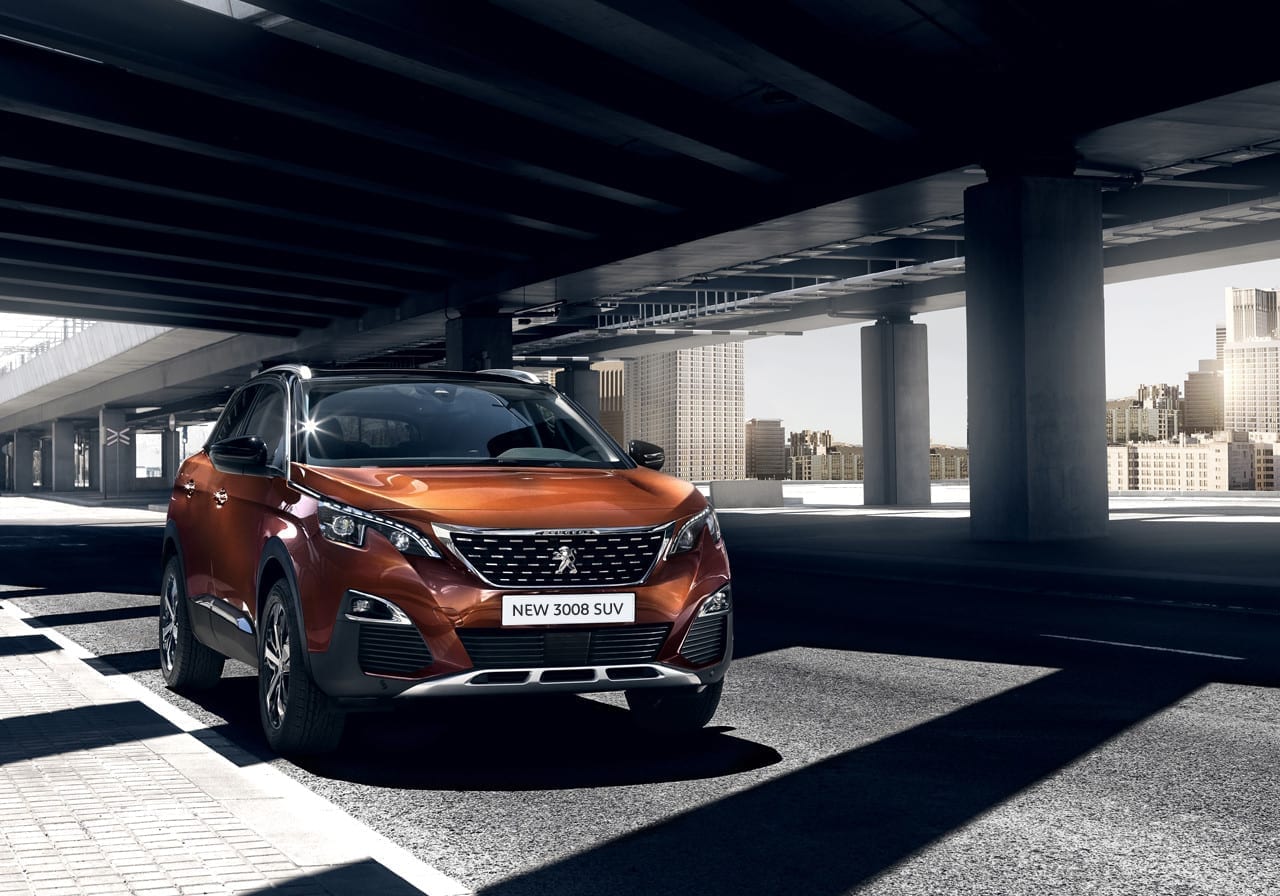
    “The newest Peugeot models follow the successful introduction of SUVs  Peugeot 3008 and 5008 in Việt Nam. The plant is equipped with modern production lines and updated automation technology to meet the luxury brand’s standards under the supervision of French technical experts,” he said.

    He also added that 4,500 Peugeot 3008 and 5008 were sold in Vietnam in 2018, leading the European luxury car brand segment in the domestic market.

    General director and CEO of PSA Laurence Noel said the introduction of the Peugeot Traveller marked an important step in the development of Peugeot and positive co-operation with Thaco.

    She said the debut of the two models was a result of the latest interest in the newest French car brand in Vietnam after the successful debut of the SUV models.

    She said the Peugeot Traveller had made an impressive start in the European and global markets after it was introduced at the Geneva Motor Show in 2016.

    Laurence also said the latest made-in-Vietnam MPVs conformed to the strict control standards of the PSA and network of PSA plants around the world.

    Thaco has been an exclusive agent for the French car giant’s return to the local market in 2014.

    The local manufacturer has already opened 13 Peugeot showrooms with 3S (sales-services-spare parts) facilities across the country.

    Thaco has produced and distributed vehicles for Kia from South Korea, Mazda from Japan, Peugeot and BMW.

    The local carmaker has invested VNĐ17.478 trillion (US$773 million) to build an agricultural and forestry industrial park, the expansion of the Thaco-Chu Lai Mechanical Automotive Industrial Park, the new wharf at Chu Lai-Trường Hải Port and residential quarters for workers in Quảng Nam Province’s Chu Lai Open Economic Zone (OEZ).

    It has also built 32 automobile manufacturing and support industry plants in the OEZ, creating 8,000 jobs and contributing $700 million to the provincial budget each year.

  • American Eagle expands Aerie lingerie brand

    American Eagle expands Aerie lingerie brand

    Global apparel retailer American Eagle is boosting its Aerie lingerie brand, with plans to open 60 to 75 stores this year.

    The strategy, which coincides with rival brand Victoria’s Secret’s declining sales and series of store closures, involves both standalone locations and side-by-sides with American Eagle, predominantly in Texas and California. The company currently operates 1055 stores.

    “Aerie is a game changer by staying at the forefront of body positivity and women’s empowerment,” said Aerie’s global brand president Jennifer Foyle. “Our new cast of role models are even more inspirational. They embrace the Aerie lifestyle and were chosen for their influential voices, unique stories and commitment to increase the power and empowering our community.”

    The firm reported US$431 million in earnings for the last financial quarter, a 1 per cent rise over the previous year’s figures. Its total net sales also rose 1 per cent to $1.24 billion.

    “Strong execution by the teams drove a record fourth quarter and fiscal 2018, as we reached a milestone of $4 billion in annual revenue with increased operating profit,” said American Eagle’s CEO and chairman Jay Schottenstein.

    “Eagle and Aerie continued to deliver consistent performance by combining product innovation and great merchandise with an improved customer experience across channels. As we head into 2019, we will continue to leverage the strength of our brands, selling channels and the team’s commitment to continually raising the bar for our customers. The strength of our balance sheet and free cash flow enables us to make important investments in our business to fuel market share gains, future growth and returns to our shareholders.”

  • 2017 has been Donatella Versace’s year

    2017 has been Donatella Versace’s year

    In 1997, Gianni Versace was murdered on the steps of his Miami Beach home. His grief-stricken sister, Donatella, suddenly found herself in charge of the family company.

    Twenty years later, she has chosen to take this anniversary and make it extraordinary, hijacking the style agenda to the extent that fashion journalists have been calling 2017 the year of Versace.

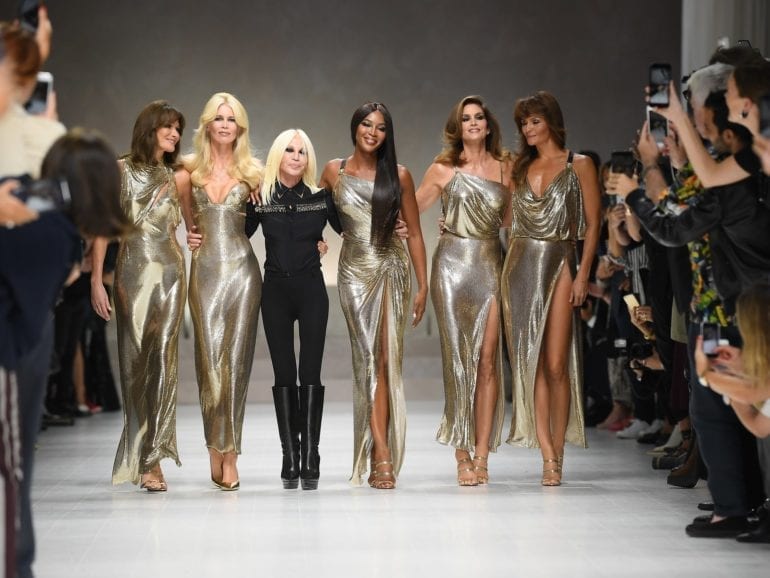
    She has designed a tribute collection inspired by Gianni’s archives, announced a scholarship in her brother’s name at Central Saint Martins and, in September 2017, in a fashion coup for the ages, reunited Gianni’s supermodel crew – Helena Christensen, Cindy Crawford, Naomi Campbell, Carla Bruni and Claudia Schiffer – for a catwalk finale that melted the internet.

    Here, it starts a series of achievements, she received a major accolade at the Fashion awards. She announces the opening of a new Versace store on Sloane Street in London.

    A lot of her year has been spent poring over old images and old creations, opening up the archive – a 10,000 sq ft storage facility in Novara, near Milan – and examining Gianni’s most famous creations for the first time since his death. “Not in a sad way,” she says, “but a very positive way. I saw what a genius my brother was. To me, he was my brother, but to the rest of the world – such a genius.”

    Even the names of the archive collections, produced between 1991 and 1995, speak of another, more glamorous age: Vogue, Warhol, My Friend Elton, Icons, Baroque.

    The pictures she shows me are from that time, too, and present the supermodel era exactly as you would want. Here is Bruni, a future first lady of France, dancing with abandon in thigh-high patent boots. Here is a babyfaced, never-off-duty Crawford, smouldering for the camera as she queues backstage. Here is Christy Turlington, running down a beach, wearing only shimmering sequins.

    Compared with the unsmiling models who have walked the catwalk since, and the airbrushed campaign images and omnipresent filtered Instagram photographs we have grown used to, these pictures feel authentic (however liberally doused in hairspray the models are).

    They bring back great memories, Donatella says. “This was the period that fashion became famous,” she says. “It was the beginning of fashion becoming pop culture, of being associated with music and rock’n’roll. Those two worlds were really in contact with one another. When something starts to happen, that is the most exciting moment. It was a huge change. The 90s was a huge change in fashion”.

    Donatella added : “My brother, of course, was the designer; I was working very closely with him all my life. But I started the relationship with the models that Gianni made ‘super’.” What “super” meant, she says, was showing personality. “Before that, I don’t think many designers let models have personality, nor after. The models should wear the clothes, be very serious, not smile, look in front of you, almost no soul. This was totally opposite: it was about the girls, what the girls were thinking, who they were dating. It wasn’t just about the clothes, but about who was wearing the clothes.”

    Fashion modelling is only just getting exciting again, she says, thanks to technology. “There are two generations of fashion for me: the one before the internet and the one after the internet.” Between the supermodels and now, she says, “was a moment of flatness. Now you could do this picture backstage again – there are people with enough personality there.” She likes the Instamodels, such as Gigi Hadid, who have become powerful thanks to their millions of followers on social media. “I think they are amazing. Very smart girls. Again, finally, we have girls who dare to stand out in the crowd.”

    The 62-year-old’s Fashion awards gong is icon of the year and the hype around her company is enormous, so it is easy to forget the starting point: the horror of her brother’s murder and her first few years running the company, during which she was so shellshocked that she broke down in tears on the catwalk. Does she feel like an icon? “Yes,” she says abruptly, then laughs. “OK, should I be shy? No. This is not because I’m full of myself, but I think, in fashion history, I did a lot. I mean an icon in fashion, not an icon in general, in the world.”

    To conclude with Donatella explained about contemporary trends by focusing on millennials. “Millennials are all many designers talk about backstage, particularly in Milan,” she says.

    In Italian fashion, the charge has long been that so many houses have been run for decades by the same designers or dynasties (Armani, Prada, Versace, Missoni; even relative newcomers Domenico Dolce and Stefano Gabbana are 59 and 55) that the scene has become stale.

    There have been rumours swirling around Versace for the past year or two that Riccardo Tisci, formerly of Givenchy – or Virgil Abloh of Off-White or Kim Jones of Louis Vuitton – might be in line for Donatella’s seat. That may be the case one day, but this year the conversation has shifted dramatically.

    In many ways, Donatella’s approach to millennials and social media feels remarkably modern – and not only because she has 2 million followers on Instagram (in typically understated style, when she joined the app in 2015, a press release was issued; ever savvy, in her first post, she posed with Gigi Hadid).

    This year, she says, has been “a rollercoaster of emotion. Not just that day [of the supermodel reunion show], but preparing for the show, going to the archive and seeing things that I last saw 20 years ago, before Gianni’s death. I never had the courage to go back there, because it was so painful, but I found the strength.”

    She did it, she says, “for the young generation who didn’t know, who weren’t born when Gianni was alive. I want them to know why Gianni was so important and what Gianni was about.” And to tell her side of the story? “To show them how relevant Gianni is today. No story, no filter.”

  • Victoria’s Secret to open mega store in Macau

    Victoria’s Secret to open mega store in Macau

    Victoria’s Secret will open a new mega store in Macau on April 27, as the US brand eyes further Asia expansion, following its China debut store opening last February.

    Under parent company L Brands, the 15,000-square-foot Macau full assortment store  — which not only sells its branded accessories and cosmetics but lingerie and sportswear — will bow at St Mark’s Square at The Venetian.

    In addition to the latest collections and pieces, the store will showcase five sets of Victoria’s Secret angel wings – all of which have featured on the runway of past Victoria’s Secret shows. The curate will be on display at The Venetian from April 26 to May 31.

    The news comes as the fashion lingerie conglomerate opened its first standalone store in mainland China in February. The four-story, 25,850-square-foot flagship opened in Shanghai, followed by a 12,294-square-foot store debut in Chengdu one week later. A Beijing store is coming later this year.

    Meanwhile, Victoria’s Secret’s Asia expansion is also taking on a flagship store in Hong Kong. The brand is reportedly taking up prime location in Causeway Bay, the former residence of Forever21. It is slated to open in Hong Kong next year.

    Fellow lingerie maker La Perla has already opened a four-storey flagship store in Causeway Bay in late 2015, located on the iconic, and expensive, Russell Street.

    More and more international retailers are renewing leases in the region as tents in Hong Kong continue to drop, especially in Causeway Bay.

    According to a recent report by Everbright Property Investment Consultancy. For the first quarter of 2017, major lease transaction records in Hong Kong’s high-traffic tourist areas — including Central, Causeway Bay, Mong Kok and Tsim Sha Tsui — featured drops in monthly rents of up to 72% in some cases.

    On average, Causeway Bay witnessed the sharpest rent price decline for the period, down 31%, the report said.