Tag: Momenta

  • BMW Starts Sixth Generation Battery Production at 10 Billion Yuan Shenyang Hub

    BMW Starts Sixth Generation Battery Production at 10 Billion Yuan Shenyang Hub

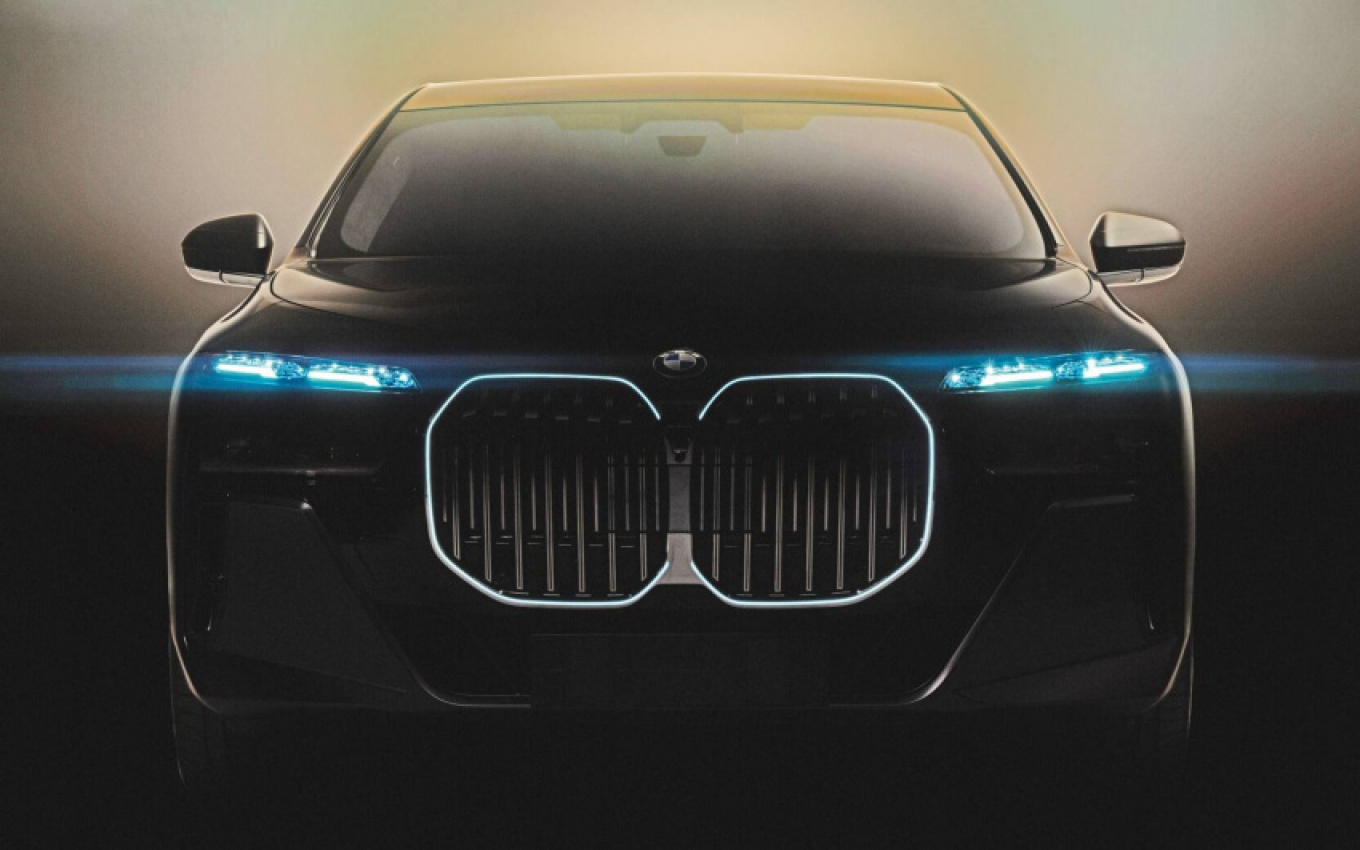
    BMW started mass production of its sixth-generation high-voltage batteries in Shenyang on Thursday. The company invested 10 billion yuan ($1.49 billion) to supply its upcoming Neue Klasse electric vehicle lineup.

    The 240,000-square-metre facility expands the German carmaker’s battery footprint in Liaoning province to five times its previous size.

    Output will initially feed assembly lines for the China-exclusive Neue Klasse iX3 sport utility vehicle and the long-wheelbase i3 sedan. Shenyang is BMW’s third battery plant globally to build the Gen 6 pack. It joins sites in Debrecen, Hungary, and Irlbach-Strasskirchen, Germany. Outside Germany, the Chinese complex is the only location producing the Energy Master central control unit, an in-house hardware and software module that manages high-voltage power distribution.

    Cylindrical Cells and 800-Volt Architecture

    The new powertrain switches to large cylindrical cells integrated into an 800-volt electrical architecture. BMW tested the setup in a long-wheelbase i3 50L sedan over expressways, national highways, and urban streets. It logged a road-test range of 1,213 kilometres on a single charge with 1 per cent battery capacity remaining. The vehicle carried a 113.4-kilowatt-hour battery pack. It averaged power consumption of 8.8 kilowatt-hours per 100 kilometres.

    Charging hardware on the Neue Klasse platform accepts direct-current rates up to 400 kilowatts. That rate replenishes 400 kilometres of driving range in 10 minutes. Rear-wheel-drive configurations anchored initial trials. Dual-motor all-wheel-drive editions will output 345 kilowatts (463 horsepower) and 645 Newton-metres of torque.

    BMW Brilliance split cell sourcing between domestic suppliers. It secured large cylindrical ternary lithium packs from EVE Energy for top-trim 50L models, alongside contracts with Contemporary Amperex Technology Co. Ltd. (CATL) for standard variants. With battery assembly operational, all three primary hardware elements of BMW’s sixth-generation electric drive system are now built locally in Liaoning.

    Local Software Alliances Shift Premium Dynamics

    Foreign premium carmakers in China face shrinking profit margins as domestic brands capture market share with price cuts and localized digital cockpits. BMW is pairing heavy capital spending in Shenyang with Chinese technology alliances to keep pace. The carmaker outsourced its autonomous driving software pipeline to Beijing-based Momenta. It also integrated artificial intelligence voice controls developed with Alibaba Group Holding and DeepSeek.

    European premium marques historically kept core software development inside corporate headquarters. That model is changing. By embedding Chinese software and local computing platforms into Neue Klasse models before showroom launch, BMW cuts engineering turnaround cycles. It also avoids the software delays that plagued earlier European battery-electric entries in China.

    Commercial risk sits squarely on retail pricing power. Domestic rivals such as Nio, Zeekr, and Li Auto operate at compressed margins. That forces foreign legacy brands to match steep discounting or accept lower factory run rates. BMW Group Chairman Oliver Zipse stated during the Shenyang launch ceremony that local production will account for more than 95 per cent of BMW vehicles sold in China by 2030, leaving little room to retreat if volumes stumble.

    Building Out the Shenyang Production Base

    Groundwork for the battery plant began in May 2023 under a joint venture blueprint to localize component assembly ahead of vehicle assembly. The Shenyang complex now houses casting, combustion engine manufacturing, battery assembly, and power electronics under one operating footprint.

    Pre-sales for the long-wheelbase Neue Klasse iX3 opened on August 21 at a starting price of 269,900 yuan ($39,810). Regulatory filings published in September confirmed the i3 50L sedan rides on a 3,005-millimetre wheelbase. That adds 39 millimetres of cabin space over the outgoing China-built electric 3 Series.

    Deliveries of the Neue Klasse iX3 reach Chinese dealerships in November. The i3 sedan follows with its market launch before the end of the fourth quarter.
  • Momenta Secures Stellantis Deal to Supply Peugeot and Jeep from 2027

    Momenta Secures Stellantis Deal to Supply Peugeot and Jeep from 2027

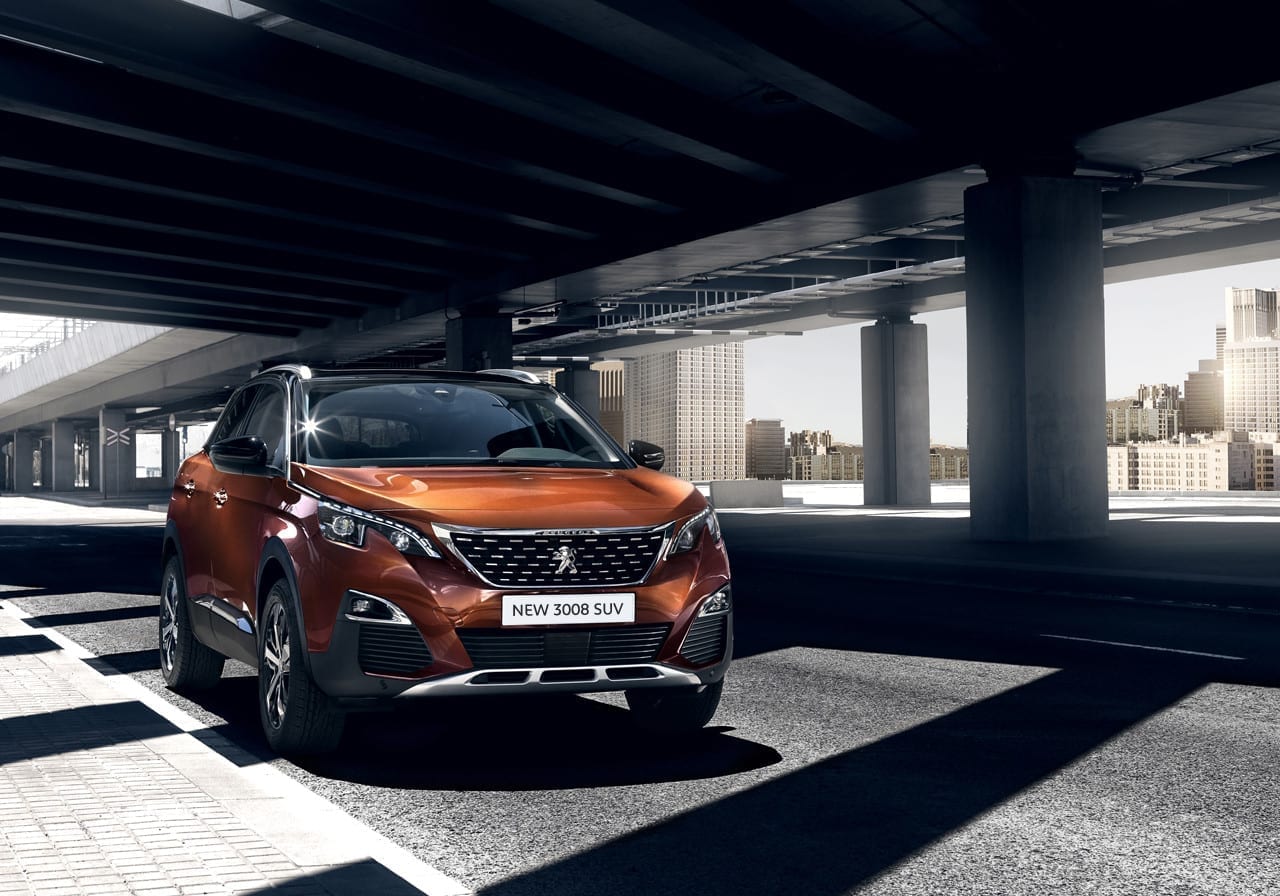
    Momenta signed a global partnership with Dongfeng Stellantis Automotive Technology in Shanghai to supply intelligent driving systems for Peugeot and Jeep vehicles rolling out from 2027.

    The agreement covers battery-electric and plug-in hybrid models sold across China, Europe and other international markets, taking the Chinese software developer into mass-market export vehicles.

    Under the deal signed on September 24, Momenta will integrate its R7 World Model software into new production models engineered by Dongfeng Stellantis Automotive Technology (Wuhan), known as DSAT. The joint venture will combine chassis tuning, steering calibration, braking response and powertrain controls with Momenta’s software platform. Peugeot variants will focus on handling and road dynamics, while Jeep models will adapt the system for off-road use. The technical scope also includes joint development of Level 3 automated driving functions.

    Expanding From German Luxury to Volume Fleets

    The contract shifts Momenta’s commercial footprint away from a reliance on German premium brands toward high-volume vehicle manufacturing. The software developer already provides driver assistance for Mercedes-Benz on the electric CLA in China, alongside joint projects with BMW and Audi. Those existing German deployments remain confined to the Chinese domestic market. Partnering with DSAT gives Momenta immediate factory access to European showrooms through Stellantis distribution channels.

    Supplying mainstream brands across multiple continents presents structural software challenges that domestic Chinese rollouts avoid. Road infrastructure, road user habits and regulatory testing requirements in Europe differ substantially from urban traffic conditions in eastern China. If Momenta succeeds in validating Level 3 features under European safety rules, it will establish a blueprint for Chinese software firms to bypass regional trade barriers by exporting code inside legacy Western nameplates.

    Competitive Shift for Western Automakers

    Western automakers operating in Asia have abandoned attempts to develop proprietary driving stacks in isolation. Stellantis established DSAT with Dongfeng in August to address rapid market share losses in China, where domestic electric vehicle brands hold a decisive software advantage. Sourcing production-ready algorithms from an established local supplier reduces development spending and accelerates time to market for refreshed model ranges.

    Competitors face rising pressure from this supplier integration model. Japanese and South Korean manufacturers that rely on legacy Tier 1 component vendors risk lagging in software response times and over-the-air update cycles. By outsourcing autonomous architecture to Momenta while maintaining control over vehicle dynamics and suspension tuning, DSAT keeps its brand identities distinct while closing the digital feature gap.

    Scale Across Production Platforms

    Momenta expanded its commercial deployment rapidly in early 2026 before completing the Stellantis agreement. The company installed its driver-assist software in roughly 321,000 additional vehicles during the first half of 2026, an 83.7 percent increase compared with the same period a year earlier. Total installations have surpassed 1.2 million vehicles across 105 production models, backed by supplier relationships with 26 automakers.

    Chinese AI is taking a growing role in the development of intelligent vehicles worldwide.

    DSAT general manager Lv Haitao signed the agreement alongside Momenta chief executive Cao Xudong, who confirmed the software developer is positioning its architecture ahead of a broader global market shift toward automated driving platforms.

    Target Dates for Global Production

    Automotive supply chains now turn to hardware validation ahead of the scheduled 2027 market introduction. DSAT has not disclosed initial production volumes, factory allocation or the specific vehicle nameplates that will debut the R7 system. Momenta will prepare software localized for European roadway certifications ahead of 2028, the target year its management expects global adoption of advanced driver assistance to accelerate sharply.

  • Beijing Hyundai Sets September 29 Launch for China-Built Ioniq V

    Beijing Hyundai Sets September 29 Launch for China-Built Ioniq V

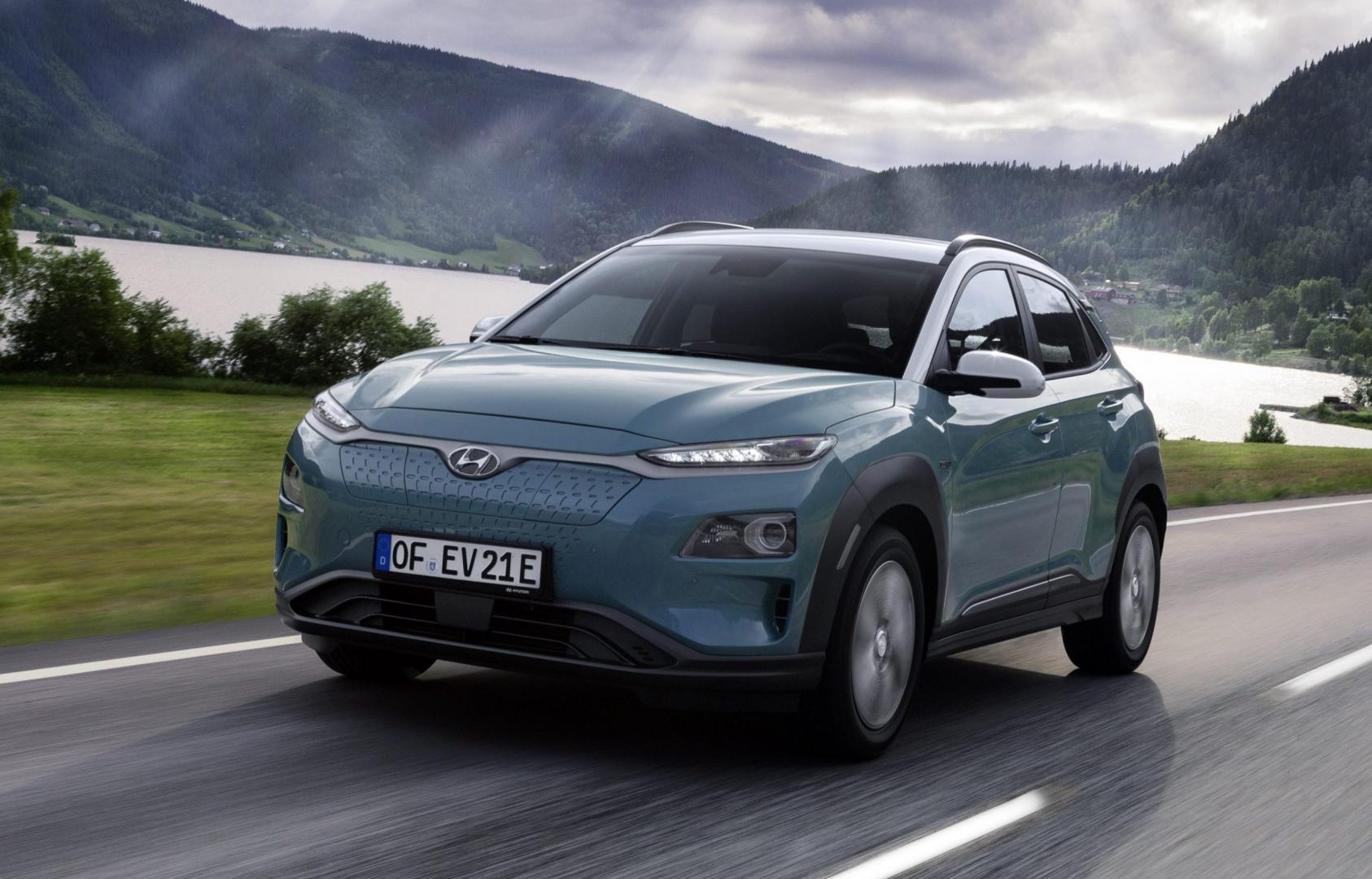
    Beijing Hyundai launches its Ioniq V electric sedan in China on September 29. Pricing starts at 119,900 yuan ($17,770) to compete with domestic battery-electric rivals.

    Buyers can choose from three variants topping out at 139,900 yuan. That entry price targets China’s most price-sensitive automotive segment as the carmaker fights to recover lost market share.

    Local Design and Hardware Specifications

    Engineers at Hyundai’s China design center led development of the vehicle. It is the brand’s first mass-produced Ioniq model built specifically for the mainland ahead of planned exports overseas. The production car derives from the Venus Concept shown at the Beijing Auto Show in April. Built on Hyundai’s E-GMP platform, the fastback body measures 4,900 mm long, 1,890 mm wide, and 1,470 mm tall on a 2,900 mm wheelbase. It features frameless doors and eight exterior paint options.

    Power comes from single-motor rear-wheel drive systems rated at 140 kW or 168 kW. Contemporary Amperex Technology Co. Ltd supplies the lithium iron phosphate battery packs in 53.5 kWh and 66.8 kWh capacities. These packs deliver a CLTC driving range between 520 km and 650 km. An 800-volt electrical architecture enables high-voltage fast charging.

    Chinese Tech Integration in the Cabin

    Beijing Hyundai replaced its global software stack with local digital suppliers to match domestic expectations. Inside, the cockpit runs on Qualcomm’s Snapdragon 8295 processor. It mounts a 27-inch 4K ultra-slim display alongside a projection heads-up system. Infotainment voice processing integrates artificial intelligence large language models from Baidu’s Ernie Bot and ByteDance’s Doubao.

    Highway driver-assist software comes through a partnership with Chinese autonomous driving startup Momenta. The system supports Level 2-plus automated driving functions on highways. That setup addresses mainland buyers who abandoned foreign joint venture brands over laggy cockpits and basic navigation software.

    The Stakes for Hyundai in China

    Foreign automakers in China face shrinking volume as domestic rivals like BYD capture market share through vertical integration and rapid software development. Hyundai chose to outsource critical infotainment and assisted-driving components to Chinese vendors. That decision moves away from proprietary global tech stacks that failed to attract younger local buyers.

    Pricing pressure sits squarely in the 120,000 to 140,000 yuan bracket. That space is crowded with established Chinese pure-electric and plug-in sedans operating on razor-thin gross margins. An 800-volt architecture at 119,900 yuan provides a strong headline specification. Even so, retail execution depends on whether consumer perception of the joint venture brand can recover in Tier 1 and Tier 2 cities.

    The Path to 2030 Volume Targets

    The rollout follows a restructuring of Hyundai’s Chinese manufacturing footprint, which shed excess capacity when Changan took over an assembly plant in late 2025. Hyundai formally restarted its local product strategy in April with the launch of the Ioniq sub-brand. Pre-sales for the Ioniq V began at the Chengdu Auto Show in August.

    Deliveries after the September 29 launch will test the first phase of Beijing Hyundai’s five-year turnaround roadmap. The joint venture plans to roll out 20 battery-electric and extended-range models over the next five years, targeting annual China sales of 500,000 vehicles by 2030.

  • Dongfeng Nissan Updates N7 Electric Sedan After China Sales Slump

    Dongfeng Nissan Updates N7 Electric Sedan After China Sales Slump

    Dongfeng Nissan will launch an updated version of its N7 electric sedan on September 22 in China. The refresh follows a steep drop in monthly deliveries.

    Retail volume for the battery-electric model slumped to 928 units in August 2026 from an all-time high of 10,148 units in August 2025. The figures come from China Passenger Car Association data compiled by industry monitors.

    Configuration Revisions Follow Sales Drop

    The joint venture between Nissan Motor and Dongfeng Motor plans to adjust equipment specifications across the lineup to regain showroom traction. Dealers aggressively cleared stock over the summer. Wholesale shipments dropped to 619 units in August 2026.

    Priced between 119,900 yuan ($17,760) and 158,900 yuan across nine variants, the original N7 debuted in late April 2025. That entry price matched Xpeng’s Mona M03 sedan. It was one of the sharpest pricing counteroffensives by a foreign joint venture brand in China.

    Local Software And Hardware Engineering

    Developed entirely by a domestic engineering team, the sedan is the first Dongfeng Nissan model to use the group’s proprietary Tianyan vehicle architecture. Its smart cockpit integrates artificial intelligence models including DeepSeek-R1. Driver assistance software comes from Chinese autonomous driving startup Momenta.

    Buyers can choose between two single-motor electric powertrains producing 160 kW or 200 kW. Driving range spans 510 kilometers to 635 kilometers under the China Light-Duty Vehicle Test Cycle standard.

    Pressure Mounts On Legacy Joint Ventures

    Joint venture automakers in China face shortening product life cycles and unforgiving price competition from domestic EV builders. Market shifts happen fast. A model that led its category twelve months ago can lose over ninety per cent of its volume once rivals offer faster chips and larger battery packs at the same price.

    For dealership networks and component suppliers, the collapse of N7 deliveries exposes the risk of relying on single-motor sedans in a crowded market. Automakers now refresh vehicle trims within 18 months to protect showroom footfall. That replaces the traditional four-year mid-cycle schedule.

    Broader N Series Rollout

    Dongfeng Nissan has built an entire sub-brand around the badge since the initial N7 release. The automaker rolled out the N6 plug-in hybrid sedan in December 2025 at an introductory price of 91,900 yuan to compete against BYD’s Qin L DM-i. It followed with the NX8 extended-range electric vehicle in April 2026, which collected 8,423 orders in its first 30 minutes on sale.

    Total production across the N series crossed 100,000 units in June 2026, roughly 14 months after the initial model hit the market.

    Regulatory filings in August cleared the NX7 plug-in hybrid SUV for market entry. The approval leaves Dongfeng Nissan with two new utility models scheduled to reach dealerships before year-end.

  • FAW Toyota Launches Updated bZ5 Electric SUV in China

    FAW Toyota Launches Updated bZ5 Electric SUV in China

    FAW Toyota will release the updated 2027 bZ5 electric coupe SUV in China on August 26, rolling out its first annual refresh for the battery-powered crossover.

    The outgoing model, which arrived in showrooms in June 2025, sells across six trim levels priced between 129,800 yuan ($19,130) and 199,800 yuan.

    Driver assist and battery specs

    Toyota kept the vehicle’s exterior proportions and styling intact. The bZ5 measures 4,780 mm in length with a 2,880 mm wheelbase, keeping the closed front grille, light bars, and 15.6-inch dashboard display from the initial release.

    Engineering changes center on software and battery management. The existing version uses front-mounted 200 kW electric motors and lithium iron phosphate Blade batteries from BYD, offering capacities of 65.28 kWh and 73.98 kWh for CLTC driving ranges of 550 km and 630 km. For intelligent driving, the crossover runs the Toyota Pilot suite, combining Momenta 5.0 software with Toyota Safety Sense hardware to handle urban navigation and automated parking.

    Japanese brands lean on local tech

    Foreign automakers in China increasingly rely on domestic tech suppliers to defend market share against aggressive local pure-play EV brands. Toyota split its approach across its Chinese joint ventures, equipping this FAW-built bZ5 with Momenta software and BYD batteries while turning to Huawei systems for the larger GAC Toyota bZ7 sedan that launched in March 2026 at 147,800 yuan.

    FAW Toyota has not yet released final trim pricing or updated range ratings, which will be confirmed when order books open on August 26.

  • Hyundai Opens Pre-Sales for China-Built Ioniq V Sedan from $17,680

    Hyundai Opens Pre-Sales for China-Built Ioniq V Sedan from $17,680

    Beijing Hyundai opened pre-sales for its Ioniq V electric sedan at the Chengdu Auto Show on Friday, pricing the entry model at 119,900 yuan ($17,680). The vehicle leads a planned rollout of 20 electrified models designed to rebuild the South Korean carmaker’s presence in China.

    Buyers can choose between three battery-electric variants ahead of the sedan’s formal showroom launch in September. The base 540 Max starts at 119,900 yuan, the 540 Max+ costs 129,900 yuan, and the top-tier 650 Max+ sells for 139,900 yuan. All three run on an 800-volt high-voltage fast-charging architecture and deliver up to 650 kilometres of range under China Light-Duty Vehicle Test Cycle standards.

    Local Hardware and Chinese Software

    Developed entirely by Hyundai’s China design centre, the five-seat fastback sits on the group’s dedicated E-GMP platform. The sedan measures 4,900 mm long with a 2,900 mm wheelbase, featuring frameless doors and single-motor powertrains rated at either 140 kW or 168 kW. Contemporary Amperex Technology Co. Supplies the lithium iron phosphate battery packs in 53.5 kWh and 66.8 kWh capacities.

    Inside the cabin, the joint venture outsourced key digital systems to domestic tech firms. The dashboard holds a 27-inch 4K display powered by Qualcomm’s Snapdragon 8295 chip, while the operating software integrates artificial intelligence models from Baidu and ByteDance. Driver-assistance software comes via Beijing Hyundai’s partnership with autonomous driving startup Momenta, enabling highway-level assisted navigation.

    The Volume Target for 2030

    Foreign legacy carmakers have spent two years cutting prices and reshaping supply chains after losing market share to domestic manufacturers such as BYD. Rather than importing global variants at uncompetitive price points, Hyundai is shifting vehicle development directly into China and sourcing cheaper local components to defend retail volumes.

    Beijing Hyundai plans to add an extended-range electric version to the Ioniq V line later in the cycle. The company has set a target to sell 500,000 vehicles annually in China by 2030, with plans to export the Chinese-developed sedan to overseas markets later in the production run.

  • Self Driving Startup Momenta Raises $500 Million

    Self Driving Startup Momenta Raises $500 Million

    Chinese self-driving startup Momenta has raised $500 million in a Series C funding. This round of funding comes after GM invested $300 million in the startup. This means now Momenta is valued at over $ billion.

    Momenta’s product portfolio includes advanced driver assistance systems which it sells to OEMs like GM and another tier 1 suppliers like Bosch. It also does R&D on unmanned level 4 ADAS systems. It has a high-profile constellation of investors including China’s SAIC group, GM, Toyota, Mercedes Benz and Bosch. It also has Temasek which is Singapore’s sovereign fund and Jack Ma’s Yunfeng Capital onboard as institutional investors.

    Momenta’s main point of differentiation is its relationship with automotive OEMs as many of the top ones are its investors as well. Many of its peers have taken a different path as they have developed in-house robotaxi fleets which is a more capital-intensive operation. It harvests data from its customers who are mass-producing vehicles.

    In China, it has Pony.AI and WeRide as its main rivals, and while they have raised a lot of money Momenta’s fundamentals are stronger because of its frugal operations.

    For GM, Momenta deploys a solution that is a mixture of consumer-grade millimeter-wave radars and high definition cameras which will be used in the automaker’s cars sold in China. Momenta also opened an office recently in Stuttgart in Germany probably because of its relationship with Mercedes Benz which is also based out of the same city.