Tag: monetary policy

  • US Lawmaker Asks Fed Chair Kevin Warsh to Review Hong Kong Funding Access

    US Lawmaker Asks Fed Chair Kevin Warsh to Review Hong Kong Funding Access

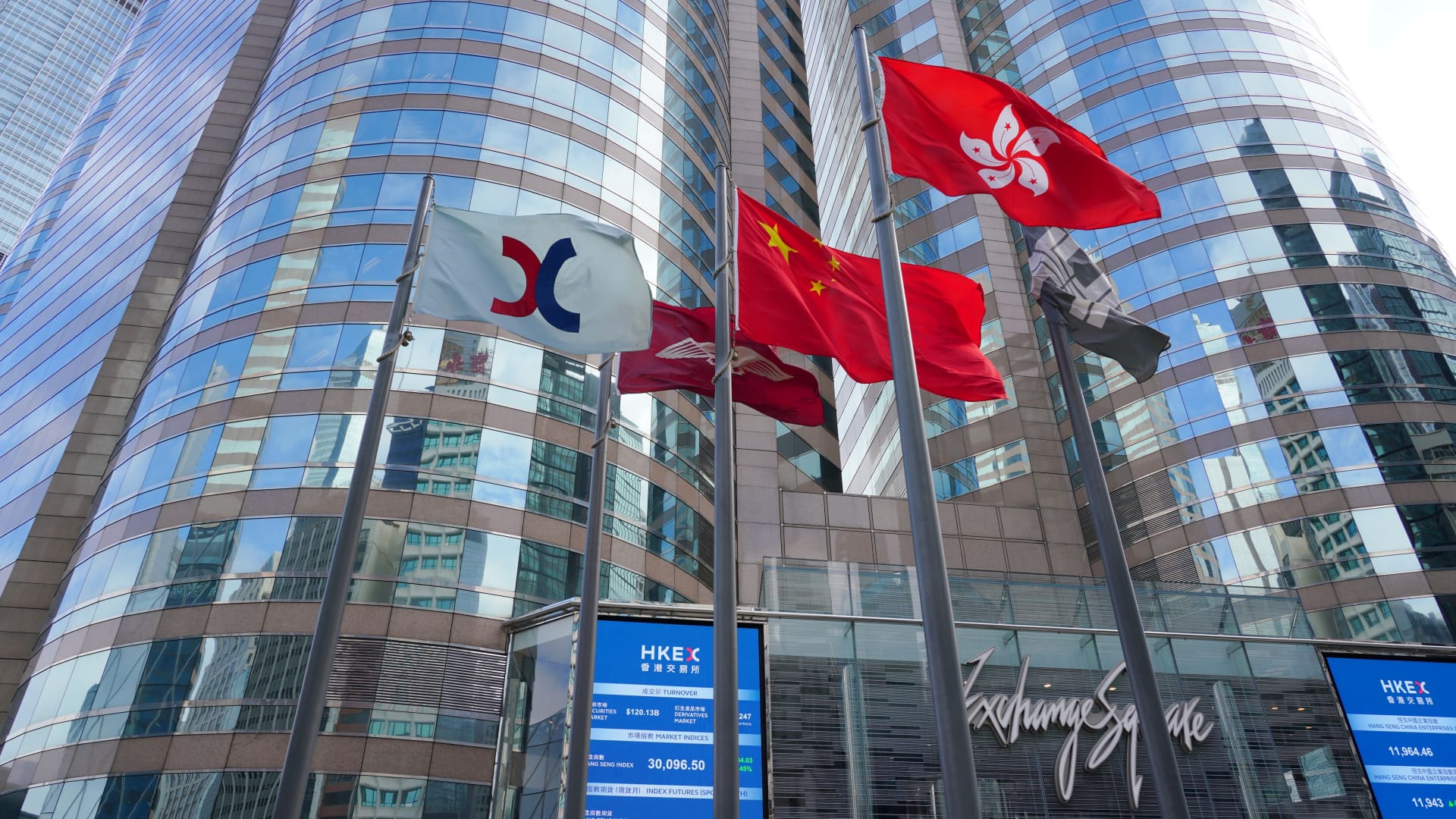
    A US lawmaker asked Federal Reserve Chair Kevin Warsh on 9 October 2026 to review Hong Kong’s access to an emergency short-term dollar funding facility. The request cited Beijing’s global yuan push.

    Hong Kong financial operations face limited fallout from the proposal. The city does not rely on the emergency window for regular financing.

    The Emergency Funding Review

    The facility supplies short-term US dollar liquidity during market disruptions. Washington lawmakers want access re-evaluated as China expands renminbi cross-border settlements and builds alternative payment rails.

    This push targets Hong Kong’s access to central bank swap lines and repo facilities managed in Washington. Curtailing that access would signal an attempt to weaponize core central bank liquidity mechanisms over currency competition.

    Impact on Hong Kong Financial Operators

    Immediate disruption remains negligible for lenders, treasury desks, and corporate borrowers in Hong Kong. Local banks run on deep foreign exchange reserves and private market liquidity rather than standing central bank borrowing lines.

    Market confidence carries the real risk. Restricting access to standard central bank liquidity safety nets creates friction for international institutions managing dollar-denominated assets through Hong Kong.

    Risks to Global Dollar Dominance

    Politicizing access to Federal Reserve backstops creates unintended consequences for the United States. Blocking commercial financial centers from dollar liquidity tools encourages global market participants to diversify reserves into alternative currencies.

    Narrowing access accelerates the shift toward non-dollar settlement platforms across Asia. The policy stance risks undermining the dollar’s status as the global reserve benchmark faster than foreign policy initiatives can contain competing currencies.

    Next Steps for the Fed

    Scrutiny over offshore dollar clearing has increased alongside geopolitical competition between Washington and Beijing. The proposal reflects broader legislative efforts to examine ties between American central banking infrastructure and Asian clearing hubs.

    The Federal Reserve has not issued a formal response to the lawmaker’s request, leaving the review timeline open.

  • Tokyo Stocks Breach 70,000 as Tech Gains Drive Nikkei Rally

    Tokyo Stocks Breach 70,000 as Tech Gains Drive Nikkei Rally

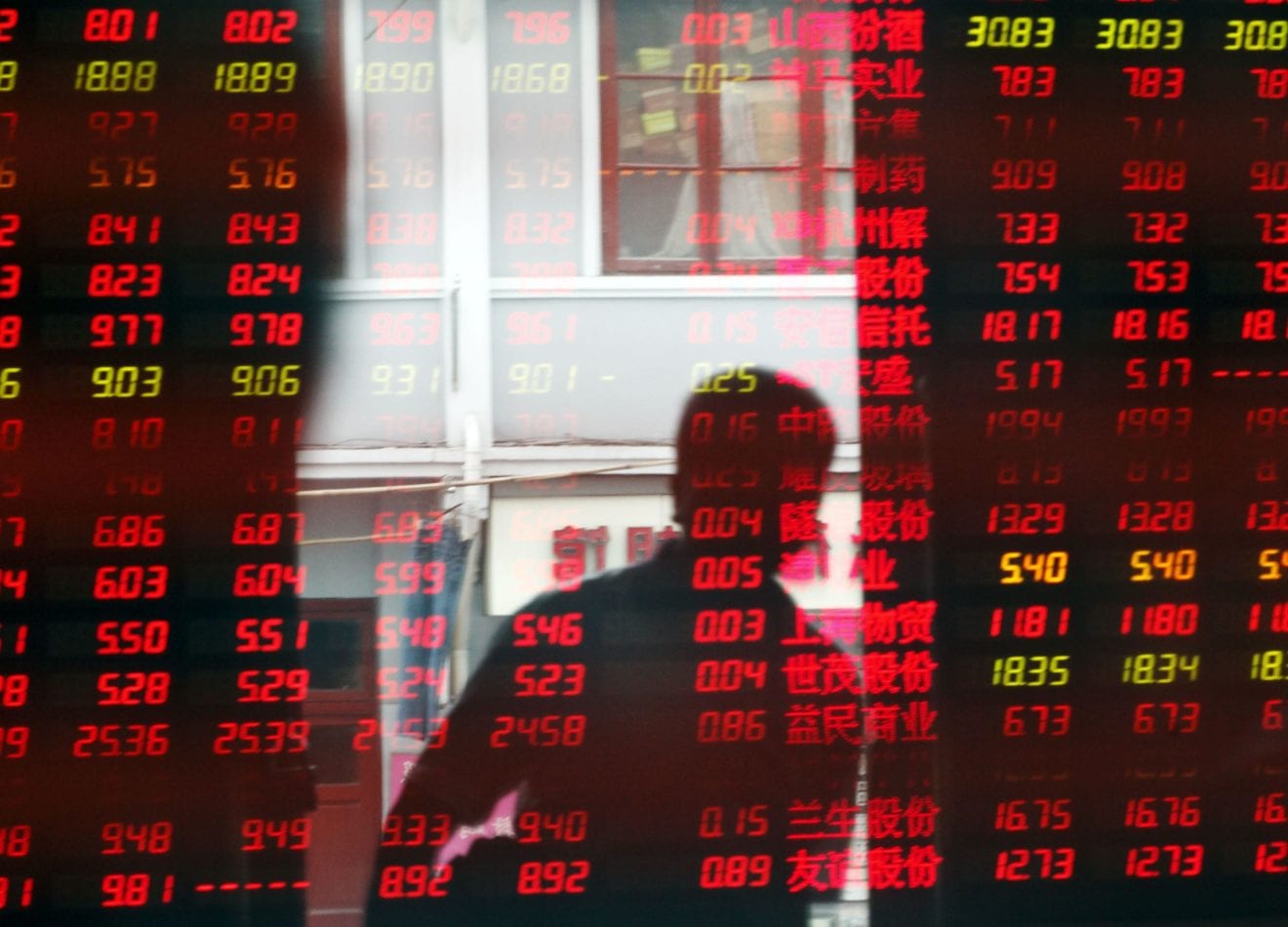
    Japanese equities jumped on Monday morning as the benchmark Nikkei Stock Average crossed the 70,000 threshold during intraday trading for the first time in three months.

    Technology shares led the surge in Tokyo after renewed optimism surrounding artificial intelligence boosted investor demand across the sector.

    Macroeconomic Data Eases Rate Pressure

    Cooling economic data from the United States provided immediate support for equity valuations. The September U.S. Jobs report showed slower-than-expected employment growth, prompting market participants to scale back expectations for a Federal Reserve interest rate increase this month.

    Lower rate expectations in the United States relieve valuation pressure on high-multiple technology counters across Asia, giving institutional buyers room to rebuild equity positions.

    Technology Sector Leads Market Rebound

    Capital flows into hardware, semiconductor, and artificial intelligence-related names provided the bulk of the index momentum during the morning session. Tokyo equity markets had spent the past three months trading beneath the 70,000 mark following earlier volatility.

    For portfolio managers and corporate treasuries in the region, the recovery above 70,000 sets a firmer valuation floor for Japanese listed corporations. Technology suppliers and capital equipment manufacturers benefit directly when broader risk sentiment stabilizes.

    What to Watch Next

    Trading desks now turn their focus to upcoming central bank meetings and subsequent corporate earnings reports across the Asian tech hardware supply chain to gauge whether intraday index levels hold through the close.

  • Japan Core Inflation Holds at 1.7% as Central Bank Prepares Rate Increase

    Japan Core Inflation Holds at 1.7% as Central Bank Prepares Rate Increase

    Japan’s core consumer price index rose 1.7 per cent year-on-year in August, holding steady near the central bank target ahead of an expected policy rate hike to 1.25 per cent.

    The reading slipped from a 1.8 per cent gain in July and came in just below the median market forecast of 1.8 per cent. Stripping out both fresh food and fuel, the narrower core-core index tracked by policymakers climbed 1.9 per cent from a year earlier, pointing to steady domestic price momentum across goods and consumer services.

    Subsidies mask underlying price growth

    Core inflation remained below the Bank of Japan’s 2 per cent threshold for an eighth straight month. State utility subsidies cushioned household electricity and gas bills, neutralizing broad price increases applied across shelf goods, processed foods and consumer durables.

    Without government intervention on utility tariffs, headline consumer pricing would sit well above current readings. Manufacturers and supermarket operators continue to pass higher raw material and transport expenses onto retail shoppers.

    Currency pressure hits import bills

    A weak yen and rising shipping expenses tied to Middle East supply disruptions have pushed import costs higher for consumer brands. The central bank warned that sustained currency weakness creates risks of an inflation overshoot if overseas procurement costs stay elevated through the second half of the year.

    Importers and specialty retailers face shrinking gross margins unless they adjust shelf prices further. Higher procurement expenses leave retail operators little room to absorb future currency depreciation without passing costs directly to consumers.

    Borrowing costs squeeze retail margins

    For commercial operators and property groups, higher borrowing costs will raise debt servicing expenses on store fit-outs, logistics infrastructure and warehouse expansions. Department store operators and retail real estate developers that relied on ultra-low funding to carry inventory and upgrade flagships face tighter capital discipline.

    Consumer finance and retail credit providers will see immediate interest rate repricing. While higher rates improve returns for retail banks, elevated borrowing expenses risk dampening discretionary spending on electronics, fashion and lifestyle goods across metropolitan centers.

    Projected trajectory through 2027

    The Bank of Japan lifted its benchmark rate to 1 per cent in June after assessing that durable inflation had taken hold across the domestic market. Policymakers kept rates unchanged in July while preparing markets for further tightening if underlying price trends remain elevated.

    Financial markets anticipate policy rates will climb to 1.5 per cent by the end of March next year, before reaching 1.75 per cent in the second quarter of 2027.

  • Taiwan Holds Rates at 2 Percent and Eases Property Curbs

    Taiwan Holds Rates at 2 Percent and Eases Property Curbs

    Taiwan’s central bank kept its benchmark interest rate at 2 percent yesterday for a tenth straight quarter. At the same time, officials eased mortgage caps and land financing rules across the island.

    That decision leaves the collateralized lending rate at 2.375 percent and the short-term lending rate at 4.25 percent. The policy stance has held steady since 2024.

    Alongside the pause, policymakers raised the maximum loan-to-value cap on second-home purchases to 70 percent from 60 percent. They also scrapped a December 2021 rule requiring developers with land-purchase loans to break ground within a strict timeframe. Commercial lenders have enough experience managing real-estate risk now, Governor Yang Chin-long said. That gives the authority room to ease credit curbs without upsetting market stability.

    Cooling Mortgages and Shifting Developer Terms

    Commercial bank exposure to property debt has retreated steadily. Real-estate lending fell to 34.44 percent of total bank credit at the end of July, down from 35.56 percent in March and 37.61 percent in June 2024. Speculation has cooled. First-time buyers now take up a larger share of new mortgages, and builders are shifting capital into urban renewal.

    Dropping the construction deadline lifts a direct penalty on builders facing site bottlenecks. Developers across Taiwan grapple with labor shortages and hurdles disposing of excavated soil, problems that previously put land loans in breach. The change lets firms pace projects to real buyer demand rather than arbitrary regulatory clocks.

    Lenders Regain Flexibility in Construction Financing

    For retail lenders, the higher 70 percent loan cap unlocks credit in the secondary residential market. It helps upgrade buyers who were shut out by the older 60 percent limit. Risk remains under control. Banks still use the strict underwriting standards built over four years of tight oversight.

    Private capital in Taiwan is flowing into commercial and industrial projects backed by tech supply chains. The central bank widened its target ceiling for broad money supply growth to 6.75 percent from a 2.5 to 6.5 percent band, citing heavy spending on artificial intelligence hardware and active stock trading. Residential developers must now compete against high-yielding corporate borrowers for funds.

    Inflation Expectations Anchor Policy Path

    Central bank officials want to rein in price pressures without stifling domestic output. They raised the full-year economic growth forecast to 11.48 percent on robust tech export orders. Consumer price inflation is projected at 2.03 percent this year, with core inflation at 2.16 percent. Both figures remain just above the 2 percent target.

    A board majority voted to hold rates, though two members dissented in favor of a hike to curb persistent costs. Yang said global risks, particularly energy threats from Middle East tensions, warrant keeping borrowing costs steady until inflation cools further.

    Growth Outlook Points to 2027 Moderation

    Growth is expected to slow to 5.82 percent next year as export gains normalize against high base numbers. Consumer inflation should slide below 2 percent over that stretch, setting up the threshold board members will track before moving borrowing rates.

  • State Bank of Pakistan Holds Benchmark Interest Rate at 11.5%

    State Bank of Pakistan Holds Benchmark Interest Rate at 11.5%

    The State Bank of Pakistan kept its benchmark interest rate at 11.5 per cent on Monday, pausing monetary adjustments after a divided committee vote.

    Seven of the ten Monetary Policy Committee members backed the hold. They resisted calls for an increase after annual headline inflation accelerated to 11.1 per cent in August from 9.2 per cent in July.

    Officials attributed the decision to Middle East geopolitical friction, which lifted global oil prices and strained supply chains. Domestic core inflation came in slightly below central bank expectations. Remittance flows and external financing helped stabilize the balance of payments.

    Inflation Pressures and Factory Output

    Consumer and corporate sentiment deteriorated heading into September as both groups reported higher price expectations. Industrial production softened at the end of the fiscal year. Large-scale manufacturing output fell 3.5 per cent in June, capping cumulative growth for the year ended June 2026 at 5 per cent.

    For retail chains and consumer goods manufacturers in Pakistan, elevated borrowing costs continue to weigh on inventory financing and store expansions. Policy settings remain adequate to steer inflation toward the medium-term target band of 5 to 7 per cent, the central bank said.

    High interest rates and rising energy tariffs continue to squeeze household disposable incomes in urban retail centers. Consumer businesses face an ongoing margin crunch. Production and transport expenses are climbing faster than shelf prices can adjust.

    Foreign Reserves and Fiscal Buffers

    State finances found temporary relief through higher non-tax revenue and sovereign debt operations. Moody’s upgraded Pakistan’s sovereign credit rating to B3 with a stable outlook after a 3 billion dollar Eurobond issuance lifted foreign exchange reserves above 21 billion dollars.

    Fiscal consolidation beat initial targets after the central bank transferred 1.9 trillion rupees in profit to the federal government, against a budgeted 1.4 trillion rupees. Revenue collection by the Federal Board of Revenue also met targets during July and August.

    Shifting Policy Trajectory

    Monday’s pause follows a 100-basis-point rate hike in April, the central bank’s first monetary tightening in nearly three years. Before that increase, the benchmark rate held at 10.5 per cent through the first quarter after a surprise 50-basis-point cut in December 2025.

    The benchmark rate sits well below the peak of 22 per cent recorded in June 2023. That reflects 1,050 basis points of cumulative easing since mid-2024 as price spikes receded from record highs.

    Committee members will review the policy stance again at the next meeting, tracking crude import bills and the September consumer price index.

  • Bank of Japan Expected to Raise Rates to 1.25 Percent on September 18

    Bank of Japan Expected to Raise Rates to 1.25 Percent on September 18

    The Bank of Japan will raise its key interest rate to 1.25 percent on September 18, according to 97 percent of surveyed economists. The projected hike marks an accelerated tightening cycle that would push benchmark borrowing costs to 1.75 percent by the second quarter of 2027.

    A survey of 68 economists conducted between September 1 and September 8 showed 66 respondents anticipate the immediate 25-basis-point increase, up from 57 percent in the previous polling round. More than one-third of respondents, 24 of 66, expect the central bank to deliver another hike to 1.50 percent in October or December. Beyond this year, 89 percent of analysts see the policy rate reaching at least 1.50 percent by the end of March, while 62 percent expect a 1.75 percent rate by mid-2027.

    Washington Pressure and Currency Shifts

    Over 80 percent of polled economists said joint United States and Japanese currency intervention to rescue the yen from 40-year lows, alongside statements from US Treasury Secretary Scott Bessent, substantially lowered domestic political barriers to tightening. Bessent met with BOJ Governor Kazuo Ueda during a gathering of G20 finance leaders, urging decisive monetary action to anchor inflation expectations and curb yen volatility. Following those interventions, the yen strengthened to around 153.37 per dollar, its firmest trading level since February.

    Half of the 54 economists who answered a supplementary question identified 1.75 percent as the terminal policy rate. The proportion projecting a terminal rate of 2.00 percent or higher expanded to 40 percent, up from 36 percent in August and 23 percent in July.

    Cost Pressures for Retail and Consumer Markets

    For consumer goods importers, supermarket chains, and multinational brands operating in Japan, a faster rate hike trajectory creates a double-edged commercial environment. A firmer yen provides relief against imported food and raw material costs that squeezed operating margins over the past two years. Food processors and apparel retailers that absorbed higher procurement prices can begin stabilizing shelf prices without sacrificing unit margins.

    Higher domestic borrowing rates will elevate debt servicing expenses for heavily used retail developers and franchise operators. Household budgets face higher mortgage repayments just as wage gains struggle to outpace core consumer inflation. Retailers relying on discretionary consumer spending will need to defend basket sizes as debt costs rise for domestic shoppers.

    Fiscal Spending and the Planned Food Tax Cut

    Government spending plans are complicating the central bank’s inflation calculus. Budget requests for the upcoming fiscal year climbed to 143.1 trillion yen ($931.2 billion), matching spending levels seen during the pandemic as Prime Minister Sanae Takaichi advances an expansionary fiscal platform. Nearly three-quarters of surveyed economists reported that the request volume elevates market concerns regarding Japanese fiscal discipline.

    With a consumption tax cut on food items also planned, financial markets are likely to have strong concerns about securing funding.

    The earlier policy inertia that allowed price pressures to broaden across services and food now forces faster rate adjustments. The Bank of Japan delivers its rate decision on September 18, with investors tracking the final budget compilation and government debt issuance volumes due before year-end.

  • China Sovereign Bond Yields Drop to 1.69 per Cent as US Gap Widens

    China Sovereign Bond Yields Drop to 1.69 per Cent as US Gap Widens

    China’s 10-year government bond yield fell to 1.692 per cent on Monday, widening the policy divergence with the United States as domestic economic growth slowed.

    The yield sits near a 12-month low after July retail sales, industrial output, and fixed-asset investment all missed analyst forecasts.

    Brokerages including Great Wall Securities project the 10-year yield will drop further to 1.65 per cent. The slide reflects rising domestic calls for borrowing cost cuts to counter deflation and a prolonged property slump.

    In contrast, long-term borrowing costs in the United States remain elevated. The US 30-year Treasury yield hovered near a two-decade high of 5.304 per cent. Federal Reserve Chairman Kevin Warsh indicated at the Jackson Hole symposium that inflation control remains the primary focus over employment, while eliminating forward policy guidance. US Treasury Secretary Scott Bessent pledged to double a bond buyback programme, yet investors continue demanding higher yields for long-dated American debt.

    Foreign Inflows and Diverging Policies

    Overseas investors purchased 9.5 billion yuan ($1.4 billion) in Chinese government bonds in July, logging their third consecutive month of net buying. Total foreign holdings in China’s nearly 200 trillion yuan debt market stand at approximately 4.3 trillion yuan, representing roughly 2 per cent of the market.

    A stronger yuan alongside lower local yields has helped attract offshore capital seeking insulation from volatile global equities. While the US central bank confronts energy price pressures and heavy fiscal debt issuance under the Trump administration, Beijing faces the opposite challenge of stimulating dormant consumer demand.

    Capital Flows Across Asian Markets

    For corporate borrowers and retailers across Asia, the widening interest-rate spread alters funding strategies. Chinese issuers are leaning harder into yuan-denominated debt to capture ultra-low domestic borrowing costs, while dollar-denominated debt servicing grows heavier.

    Markets now watch whether the People’s Bank of China will deliver an official policy rate cut before the third quarter ends, testing the projected 1.65 per cent floor on sovereign yields.

  • Philippine Central Bank Lifts Key Rate to 5% to Tackle Sticky Inflation

    Philippine Central Bank Lifts Key Rate to 5% to Tackle Sticky Inflation

    The Bangko Sentral ng Pilipinas raised its benchmark policy rate by 25 basis points to 5 per cent on Thursday. The decision targets persistent price pressures across consumer staples and fuel.

    Overnight deposit and lending facilities climbed to 4.5 per cent and 5.5 per cent. That brings a third straight quarter of tightening, following rate increases in April and June.

    Headline inflation dropped to 6.2 per cent in July from 6.4 per cent in June, easing for a third consecutive month. Core inflation, which strips out volatile energy and food items, edged down to 4.2 per cent from 4.4 per cent. Both figures remain above the government target corridor of 2 per cent to 4 per cent.

    Pressures across food, fuel and wages

    Monetary officials warned that broader price pressures continue to build across supply networks. Volatile global oil benchmarks, potential crop losses from El Niño, and rising agricultural input costs threaten retail food prices nationwide.

    Labor expenses also sit high on the central bank’s monitoring list. A pending minimum wage increase for Metro Manila remains frozen in court. Even so, authorities noted that higher payroll expenses will filter into consumer prices if businesses pass on the cost.

    Bank of the Philippine Islands lead economist Emilio Neri Jr. Pointed out that monetary tightening cannot fix supply bottlenecks. Extreme weather, elevated fertilizer costs, and currency weakness threaten to drive import bills higher for retail operators and food manufacturers.

    Slower growth tests consumer demand

    Higher borrowing costs arrive at a delicate moment for consumer spending and commercial investment. Philippine gross domestic product expanded by 2.3 per cent in the second quarter, decelerating from 2.8 per cent in the first quarter. Gross capital formation shrank 9.2 per cent year-on-year.

    Across Southeast Asia, central bankers are balancing household purchasing power against softening corporate investment. While regional peers have paused rate adjustments to protect domestic commerce, Manila is prioritizing price stability. The focus is on preventing inflation expectations from taking root in retail checkouts.

    Average inflation will exceed the 4 per cent upper boundary through both 2026 and 2027 before settling near the 3 per cent target in 2028, according to central bank forecasts.

  • Japan Bond Yields Jump on Budget Doubts and US Concerns

    Japan Bond Yields Jump on Budget Doubts and US Concerns

    Japanese government bond yields have seen a notable increase, driven by financial market jitters surrounding budget proposals from a prominent political figure and broader anxieties about the future direction of US monetary policy. The rise reflects investor apprehension regarding Japan’s fiscal health and the global interest rate environment.

    The yield on the benchmark 10-year Japanese government bond, which moves inversely to price, has climbed in recent trading. This upward trend suggests investors are demanding higher returns for holding Japanese debt, indicating a perceived increase in risk or inflation expectations. Such movements in sovereign bond markets can influence borrowing costs for businesses and consumers across the region.

    Fiscal Policy Under Scrutiny

    A key factor contributing to the yield spike is the ongoing discussion around budget reforms championed by Sanae Takaichi, a powerful executive within Japan’s ruling Liberal Democratic Party. Investors are closely scrutinizing her proposals, which some interpret as potentially leading to increased government spending or shifts in fiscal priorities. Any significant change in Japan’s fiscal trajectory could have wide-ranging implications for the national debt and the Bank of Japan’s monetary policy stance.

    The Bank of Japan has maintained an ultra-loose monetary policy for an extended period, which has kept bond yields suppressed. However, market participants are now watching for any signs of divergence from this policy, especially if fiscal expansion accelerates. This uncertainty introduces volatility into the bond market, affecting long-term investment strategies.

    Global Economic Pressures

    Adding to domestic concerns are broader worries about the United States’ economic outlook and its potential impact on global financial markets. Anticipation of possible shifts in US interest rates or economic policy can reverberate across Asia, influencing investor sentiment and capital flows. A stronger dollar or higher US yields often put upward pressure on yields in other developed markets, including Japan.

    For retailers and consumer brands operating in Asia, rising bond yields can signal an increase in the cost of capital, potentially affecting expansion plans, inventory financing, and consumer lending rates. RetailNews Asia has observed similar pressures in other regional markets when major economies like the US signal policy changes, prompting businesses to reassess their financial strategies.