Tag: Mong Kok

  • Ho Shung-pun family of Hong Kong lists $44M building after selling Peak luxury homes.

    Ho Shung-pun family of Hong Kong lists $44M building after selling Peak luxury homes.

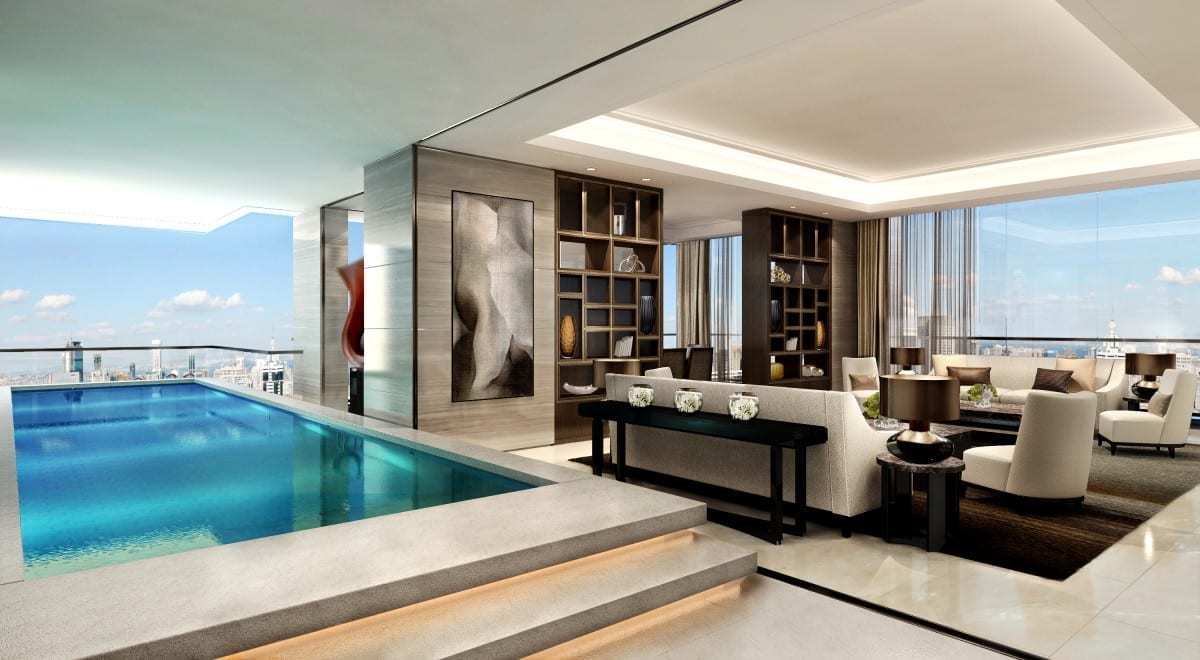
    The vacant building nestled in the bustling Mong Kok district has recently hit the market, boasting a remarkable five floors and a total gross floor area of approximately 13,000 square feet (1,207 square meters). The news broke last Wednesday, as the South China Morning Post reported, with Colliers appointed as the sole agent in charge of this intriguing listing.

    Originally acquired in 1971 for HK$420,000 by Kowloon Investment, a venerable property investment and management firm celebrating its 70th anniversary, this sale has piqued the interest of many in the real estate sector. The listing has emerged in the wake of a significant financial maneuver by the Ho family, which saw Kowloon Investment’s director selling seven luxury homes on the Peak, raising about HK$3 billion to settle private loans.

    These luxury transactions tell a compelling story. Notable sales this year include three houses on Plantation Road, which fetched an impressive HK$1.1 billion in July, another set of three units on the same road that sold for HK$828 million in October, and a lavish townhouse on Peak Road that went for HK$1.05 billion in November. Some of these residential gems went for as little as half their previous market price, according to Bloomberg.

    The trend isn’t just unique to the Ho family; a number of entrepreneurs and celebrities in Hong Kong are cashing in on luxury properties at eye-catching prices. Actor Chow Yun Fat, for example, made headlines late last year by slashing the price of his Peak mansion by HK$25 million, bringing it down to HK$195 million. This prime piece of real estate, affectionately dubbed “Sunshine Garden,” was initially acquired for HK$128 million.

    Meanwhile, in the vibrant Tsim Sha Tsui shopping district, a property formerly owned by the late Stanley Ho, known as the “King of Gambling,” has also come into the spotlight. Marked at HK$88 million, this property is indicative of shifting dynamics in one of Hong Kong’s most coveted areas.

    “There are few opportunities to acquire such a prime development site in the heart of Tsim Sha Tsui,” remarked Reeves Yan, head of capital markets at CBRE Hong Kong, the exclusive agent managing this sale. On another note, Gale Well Group CEO Jacinto Tong recently parted with his penthouse for HK$138 million. He and his sister are also preparing to list assets valued at around HK$2.2 billion in 2025, which includes luxury residences, office buildings, and retail spaces.

    In a rapidly changing market, the tale of luxury real estate sales unfolds, leaving many to wonder where the next surprising twist might emerge.

    Questions & Answers

    What is significant about the Mong Kok building’s sale?
    The Mong Kok building’s sale is noteworthy due to its prime location and the significant history behind its original purchase price.

    How are luxury property prices trending in Hong Kong?
    Luxury property prices in Hong Kong are experiencing a downward trend, with sellers, including celebrities and entrepreneurs, listing homes at distressed prices.

    What does the current market indicate for future sales?
    The current market suggests a continued shift, with luxurious properties being sold at much lower prices, potentially attracting renewed interest from buyers.
  • Three arrested at Mong Kok ginseng store

    Three arrested at Mong Kok ginseng store

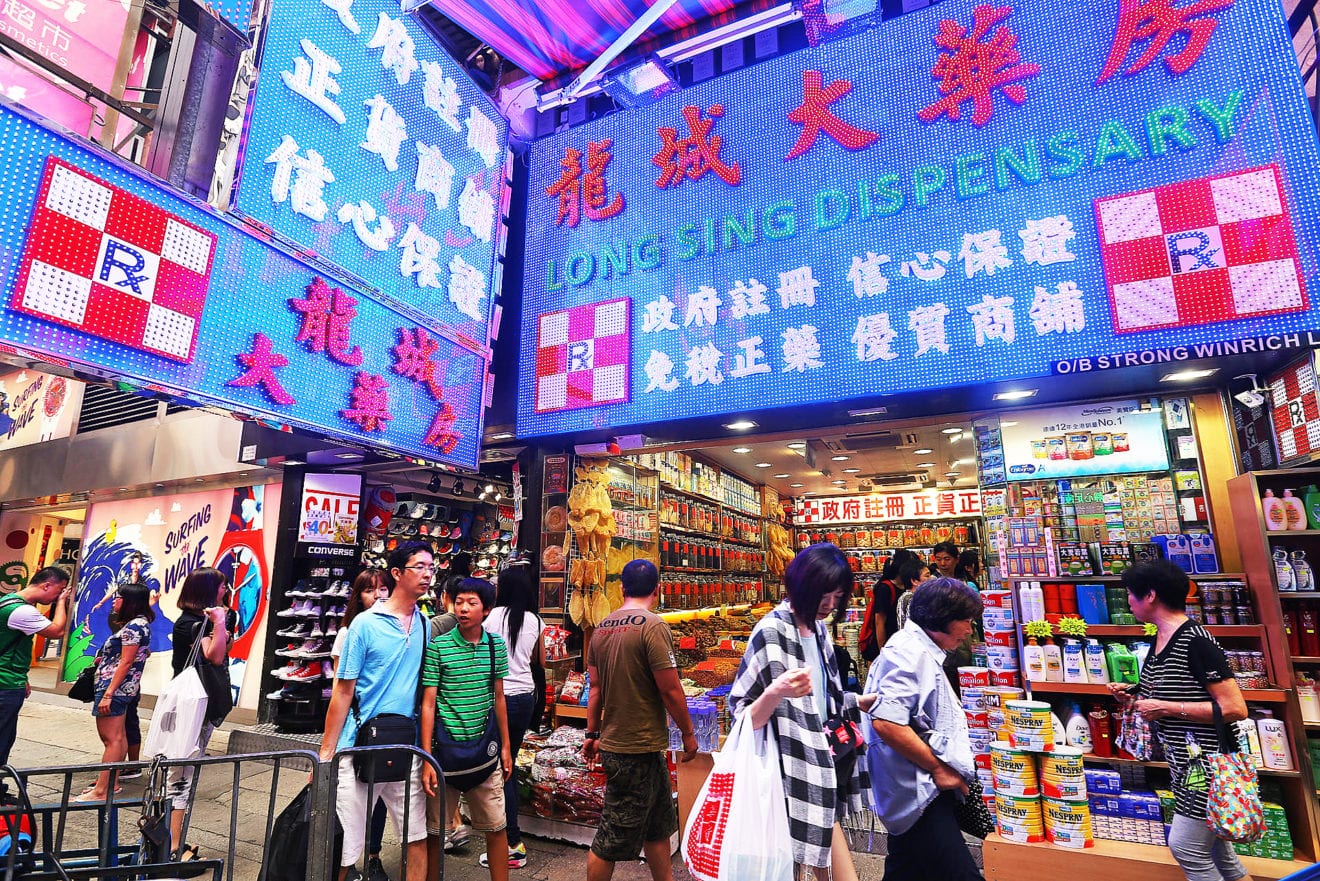
    Hong Kong Customs officers have arrested three Mong Kok ginseng store staff, charging them with making false representations.

    Hong Kong Customs officers have arrested three Mong Kok ginseng store staff, charging them with making false representations during the sale of American ginseng.

    Their actions allegedly contravened the Trade Descriptions Ordinance (TDO) and if found guilty they face a maximum penalty of a $500,000 fine and imprisonment for five years.

    Customs were acting on a tip-off alleging salesmen of a ginseng and dried seafood shop in Mong Kok used a gift to attract a customer and further claimed that American ginseng was being sold at a specific price. After the goods were sliced, the salesmen revealed that the American ginseng was priced per tael. The price was 16 times different from expected.

    After investigation, Customs officers arrested three men, aged between 27 and 42, two of them directors of the company and the other a salesperson.

    Investigations are ongoing and the arrested men have been released on bail pending further investigation.

    A Customs spokesperson says inspections and enforcement will be stepped up ahead of the coming of the Labour Day Golden Week period.

    “Customs reminds traders to comply with the requirements of the TDO and consumers to purchase products from reputable shops,” the spokesperson said.

    “Consumers should also be cautious about the unit price and ask for more information, including the total price of the goods selected, before making a purchase decision.”

  • PopSquare pops up at Mong Kok

    PopSquare pops up at Mong Kok

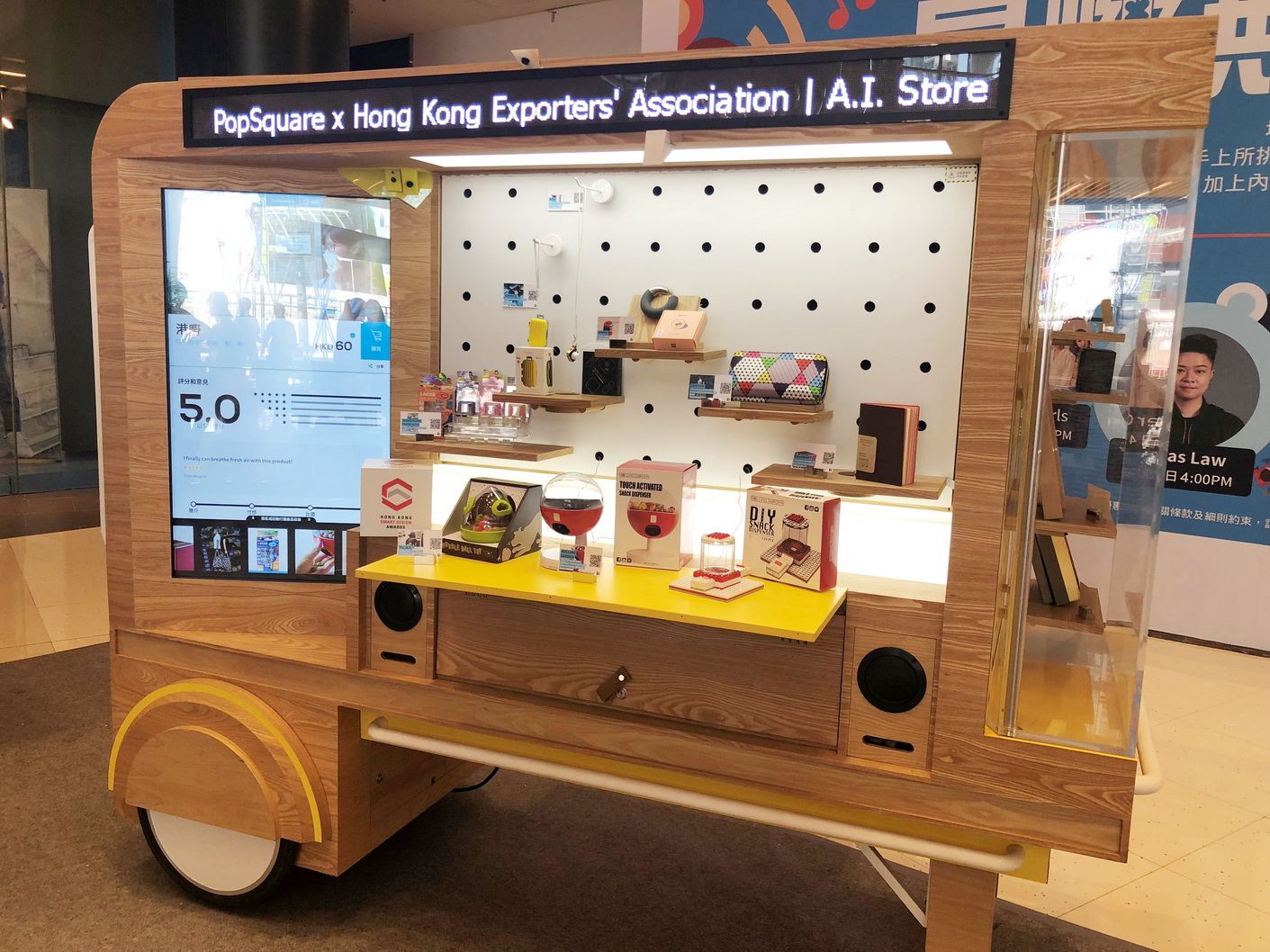
    AI pop-up store platform PopSquare is now installed at TOP Mall in Mong Kok.

    The kiosk, which stocks a variety of fashionable and designer international products targeted at young adults and couples, uses big data and AI technology to collect customer responses to products on sale.

    The Mong Kok PopSquare kiosk features a new interactive game – “Grab Grab Fun” – via the kiosk’s touch screen. The game serves to draw customer attention and increase engagement while building a customer database for future marketing and product pre-launch testing initiatives.

    PopSquare rotates at different locations from time to time to extend its reach to potential consumers.

  • Okashi Land to launch self-service c-store

    Okashi Land to launch self-service c-store

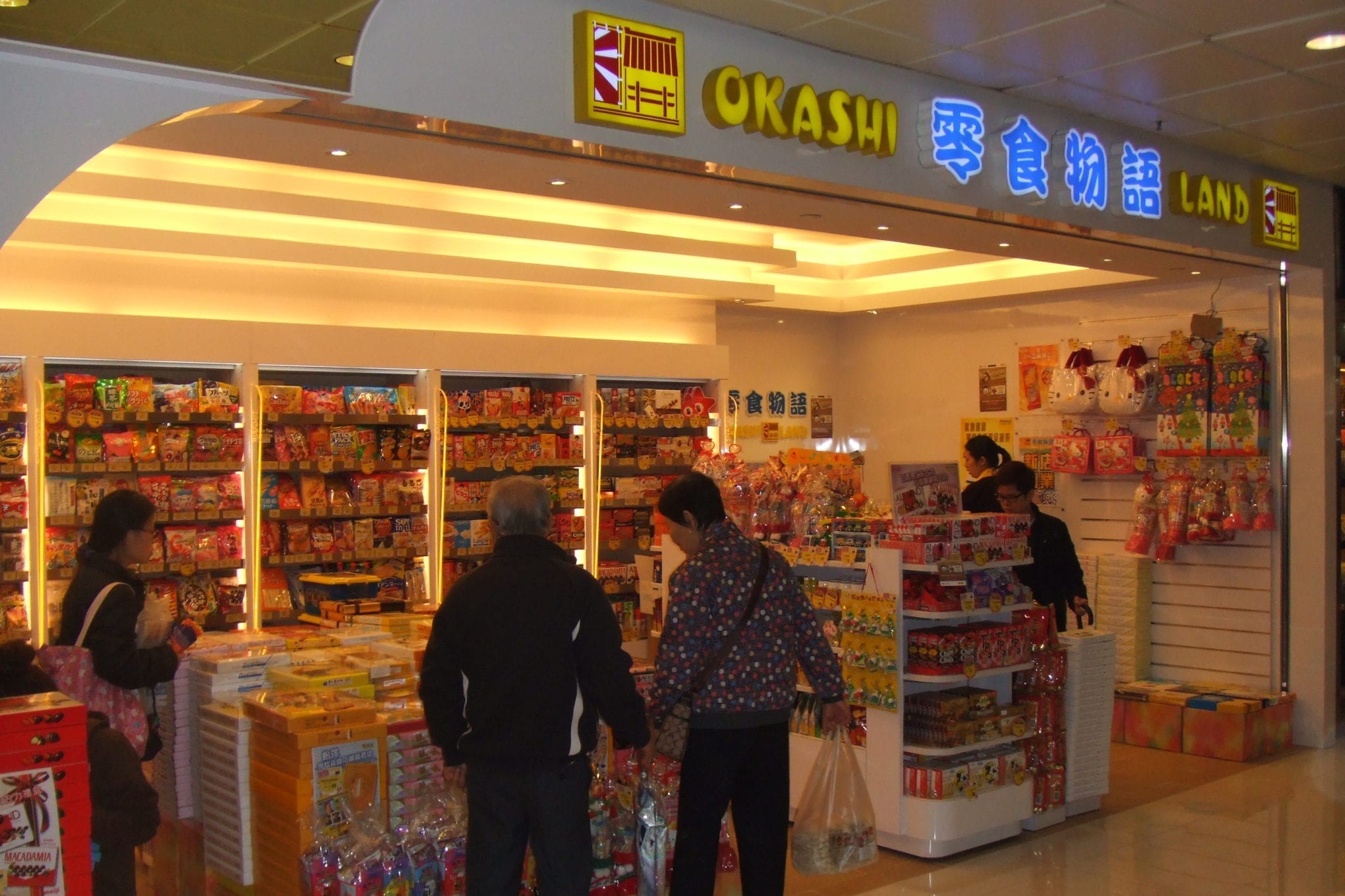
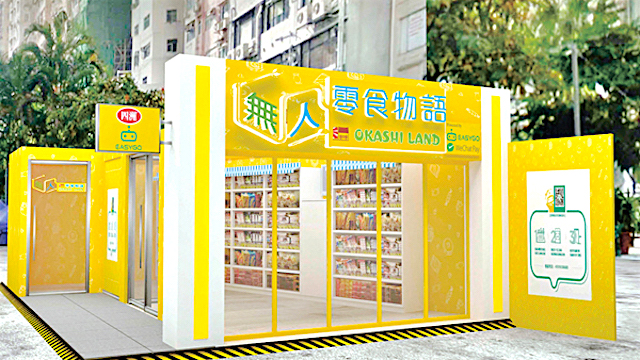
    Japanese snack store Okashi Land is planning to open a self-service outlet in Mong Kok.

    The unmanned store, which opens on September 5 in Gala Place, has been undertaken in partnership with Guangzhou unmanned convenience-store startup EasyGo.

    It will stock more than 100 products marked with radio-frequency IDs. Customers will be able to make their purchases via automatic deductions from their digital wallets.


    Chairman of Okashi Land’s parent company Four Seas Mercantile Holdings Stephen Tai said unmanned stores and digital payments have become the main trend of the retail industry.

    “The company set up Unmanned Okashi Land in the hope of better business and it will bring convenient services for Hong Kong customers.”

  • Mong Kok retailers raided in illegal pharmaceuticals hunt

    Mong Kok retailers raided in illegal pharmaceuticals hunt

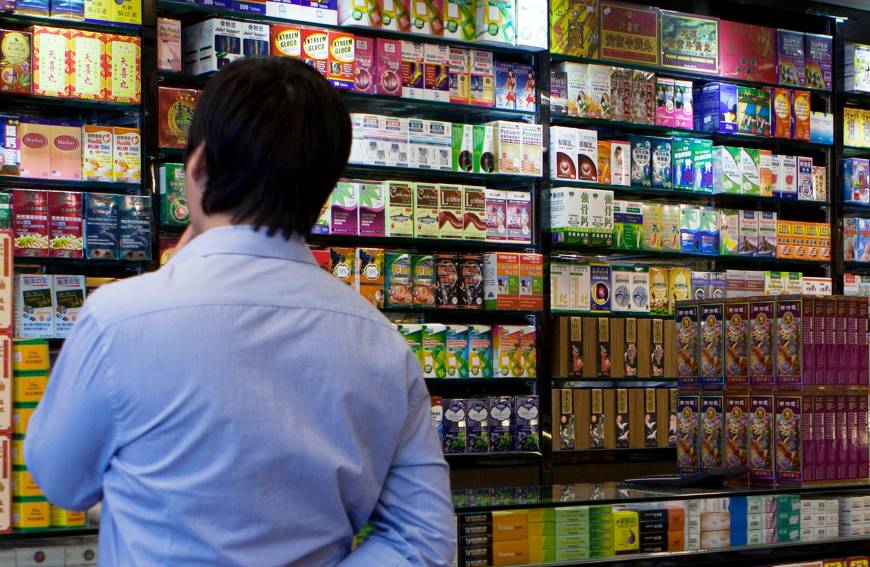
    Three Mong Kok retailers were raided this week in a joint operation involving police and Department of Health officials.

    The stores were reported to health officials by a member of the public who suspected the illegal sale and possession of unregistered pharmaceutical products.

    “Preliminary investigation indicated that the external preparations seized during the operation contained controlled ingredients including hydrocortisone, prednisolone, triamcinolone acetonide and clindamycin,” a DoH spokesman said.

    “Hydrocortisone, prednisolone and triamcinolone acetonide are Part 1 poisons, which are steroidal drugs for treating inflammation. Inappropriate or excessive application of the drugs could cause skin problems.

    Clindamycin is an antibiotic used for treating bacterial infection and may cause side-effects such as hypersensitive reactions. Part 1 poisons and antibiotics should be used under the advice of medical practitioners,” the spokesman said.

    Investigations are ongoing.

    According to the Pharmacy and Poisons Ordinance, all pharmaceutical products must be registered with the Pharmacy and Poisons Board of Hong Kong before they can be sold legally in the market. Illegal sale and possession of unregistered pharmaceutical products and Part I poisons are criminal offences. The maximum penalty for each offence is a fine of $100,000 and two years’ imprisonment. In addition, the Antibiotics Ordinance also prohibits illegal sale and possession of antibiotics. Offenders are liable to a maximum penalty of a $30,000 fine and one year’s imprisonment for each offence.

    The DH strongly urged members of the public not to buy or use unregistered pharmaceutical products as their safety, efficacy and quality are not guaranteed. All registered pharmaceutical products should carry a Hong Kong registration number on the package in the format of “HK-XXXXX”.

    People who have purchased the above products should stop using them and consult healthcare professionals if they are in doubt or feeling unwell after use.They may submit the products to the DH’s Drug Office at Room 1856, Wu Chung House, 213 Queen’s Road East, Wan Chai, Hong Kong, during office hours for disposal.

  • Hong Kong Shopping Festival 2017: Things You Need To Know

    Hong Kong Shopping Festival 2017: Things You Need To Know

    During July to August, Hong Kong conducts special events and stores have special sales for the festival. One can get quality products and prices. During this time, there will be more sales than usual. Many stores will be also open longer than usual. Major discounts will be made available. Customer service will also make available coupons for the sale.

    Hong Kong has always been considered as a world class shopping center. They have the highest in retail rental for stores. In 2015, the Global Shopper Index named Hong Kong as the best to place to shop in Asia. This is based on characteristics such as variety, price, ease of travel, enjoyment and entertainment.

    In fact, it was rated as substantially better than the next city in Asia. One can usually find bargains on most products better than elsewhere in Asia while at the same time enjoying the place. One will also find about the widest variety of products in Asia.

    Hong Kong can be quite warm in July and August, but this is no problem because all malls in Hong Kong have air conditioning. It is not recommended to go out too early the street markets because of the warm weather. It is better after sundown, then one can try the street food and eat outside when it is cooler. There are luxury malls, and there are middle priced malls. One can find some of Asia’s best restaurants in these malls, as rated by the Michelin Guide.

    Access to Central District is a breeze via the Star Ferry terminal in Central or the Central MTR station. On the island, there are also hiking areas, parks, natural parks and beaches, good free zoos, and the vast and renovated Ocean Park amusement park. Much of the island is covered by public forest land that makes the island scenery beautiful and that makes for good and safe natural hiking areas. From Chinese noodle restaurants to gourmet French and Cantonese restaurants in the Landmark or the IFC Towers, one has a wide range of places to eat in Central and Admiralty.

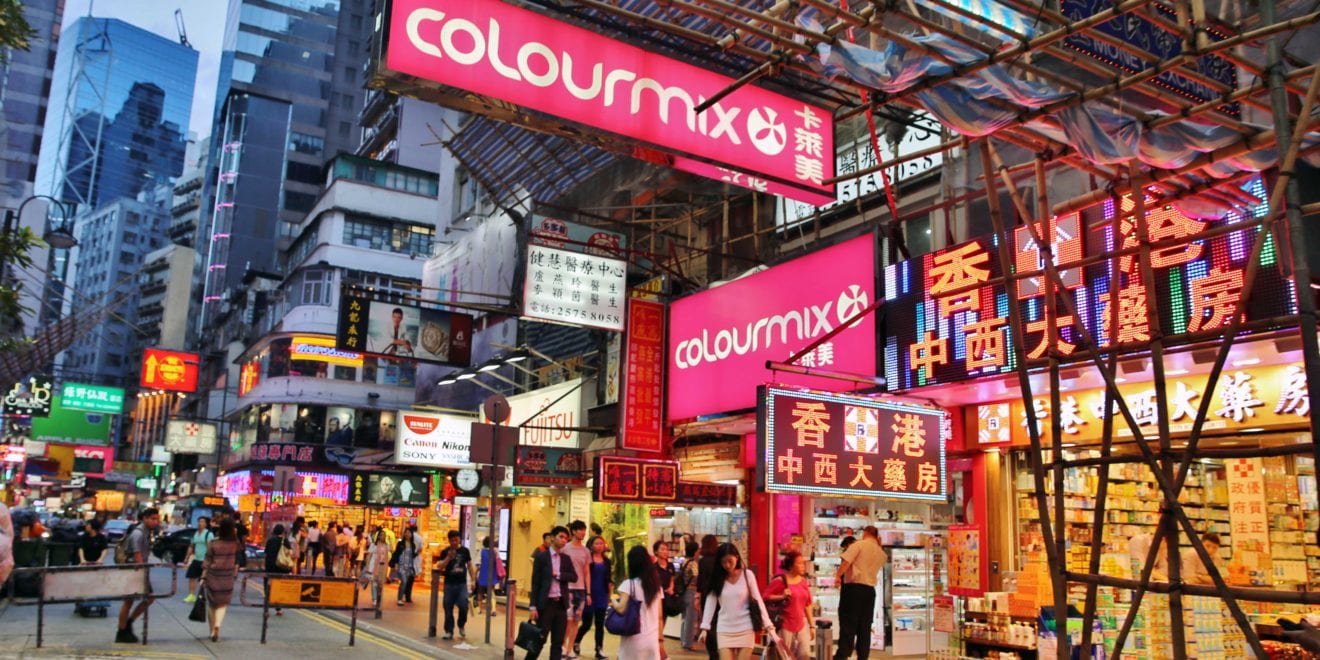
    If you venture out and around the Mong Kok area in Kowloon, there is the The Ladies Market, Fa Yuen Street, Tung Choi Street, Ladies Market’s Sai Yeung Choi Street, or Temple Street. For electronics, the latest is always available. You can get bargains on Chinese-made electronics. There is Golden Computer Center which is a large electronics market. For photography equipment, Stanley Street on Hong Kong Island and Sai Yeung Choi Street on the Kowloon side are where the professional photographers prefer to go for new lenses or cameras. The large Apple stores in Hong Kong sell the latest versions about 10 percent cheaper than in the mainland.

    For cosmetics, in the bigger shopping malls in Central in Hong Kong, you can find most brands of cosmetics. For outlet stores, Hong Kong has several outlet stores. One of them is Citygate that is conveniently located in Tung Chung on Lantau Island and is only 5 minutes from the airport.

  • Pioneering Ginza-style mall in Hong Kong in bad shape

    Pioneering Ginza-style mall in Hong Kong in bad shape

    It is said that a commercial property can support three generations of a family in Hong Kong. The idea is that owning a commercial property is a sign of wealth as well as social status.

    However, an investor who bought a commercial unit in Jordan Square in 1992 for HK$700,000 has sold it 24 years later for HK$100,000 (US$12,890). He lost 86 percent of his investment in the store, which has a saleable area of 70 square feet. 

    The shopping mall in which it is located is on Jordan Road, a five-minute walk from The Austin, a high-end residential complex. The mall has four stories and a floor area of 20,000 square feet. It was built by a local developer in 1992 and divided into 160 ministores.

    In recent years, many shopping malls have described themselves as “Ginza-style”. The Ginza-style mall dates back to the 1980s in Japan, when the price of land in Tokyo was exorbitant in the prime Ginza district. Stores, restaurants and bars moved to higher floors of those malls to save on rent.

    These malls usually had elevators, as customers knew beforehand which floor they needed to get off at.

    I still remember when I first heard about a Ginza-style mall; it was in 1992, when Jordan Square opened for sale. The project had attracted great publicity, as it allowed ordinary people to own a retail unit for a relatively small amount. In fact, many local actress and singers invested in the project back then.

    More of these Ginza-style malls appeared across the city after Jordan Square. And most of them failed in the end, because of chaotic management and limited marketing.

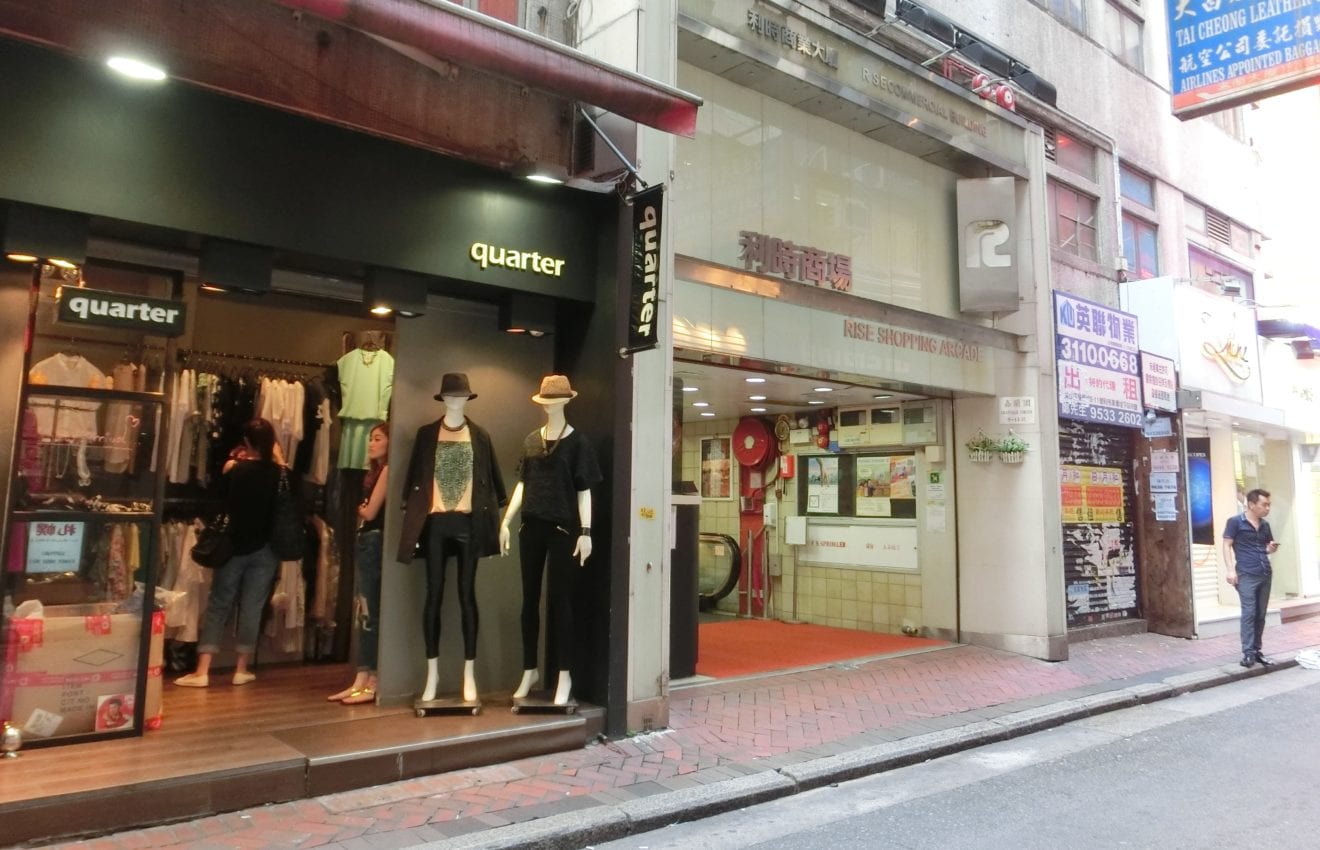
    But there are some successful examples, like Sin Tat Plaza and Ho King Commercial Building in Mong Kok, Rise Shopping Arcade in Tsim Sha Tsui and Island Beverly in Causeway Bay. All these Ginza-style malls have been popular with the younger crowd.

    Nevertheless, the emerging online shopping trend has posed a great challenge to these physical stores, since online shopping sites offer a wider range of products at lower prices. Jordan Square was sold off-plan back then, and the buyers signed the contract after hearing the developer’s presentation.

    However, when the building was completed in 1993, they found that the mall was smaller than they expected and the saleable area was less than what the developer had promised.

    The developer was liquidated later as a result of lawsuits and a property market downturn. As a result, the independent owners of the stores in the building have taken over control. The water and power supply was cut off, and most of the stores failed to find a tenant. And the mall has even become a gathering place for drug addicts and the homeless.

    Jordan Square has a market value of somewhat more than HK$10 million based on the recent transaction price of HK$100,000. There is room for an appreciation in value of more than 10 times at this prime location. A seasoned investor has reportedly already bought 11 stores in the building for between HK$100,000 and HK$470,000 each.


  • H&M Mong Kok flagship opens doors

    H&M Mong Kok flagship opens doors

    Fashion fans formed a queue outside the new H&M Mong Kok flagship store before it opened its doors for the first time on Friday.

    H&M Gala Place Mongkok HK-Ribbon Cutting - Fish Chan, Magnus Olsson, Anna Rathsmann (Left To Right)

    And as our photos show, it’s an eye-catching design for the fast fashion giant.

    H&M Gala Place Mongkok HK-Ladies Department (1)

    H&M Gala Place Mongkok HK-Ladies Department (2)

    Staff members of the Hennes & Mauritz store gathered outside to welcome the early visitors, who applauded as Greater China country manager Magnus Olsson cut the ribbon to open the 3700 sqm store. In attendance were regional sales manager for Hong Kong, Taiwan and Macau, Anna Rathsmann, and Gala Place Mong Kok store manager Fish Chan.

    H&M Gala Place Mongkok HK-Ladies Department - Divided

    To mark the grand opening, the three-level H&M Mong Kok store’s opening hours have been extended from 10am until midnight on Friday, and 11am until midnight on Saturday and Sunday. Normal hours (11am-11pm seven days a week) resume from Monday.

    H&M Gala Place Mongkok HK-Mens Department

    H&M Gala Place Mongkok HK -Kids Department (1)

    The second and largest H&M home store for Hong Kong, if offers not only clothing but also Scandinavian-designed homewares such as bed linen, tableware, cushions and decorations.

    H&M Gala Place Mong Kok Flagship Store-Home Department (1)

    H&M Gala Place Mong Kok Flagship Store-Home Department (2)

    The first 100 customers in the queue on Friday were awarded a HKD100 ($12.85) H&M gift card and a limited-edition giveaway.

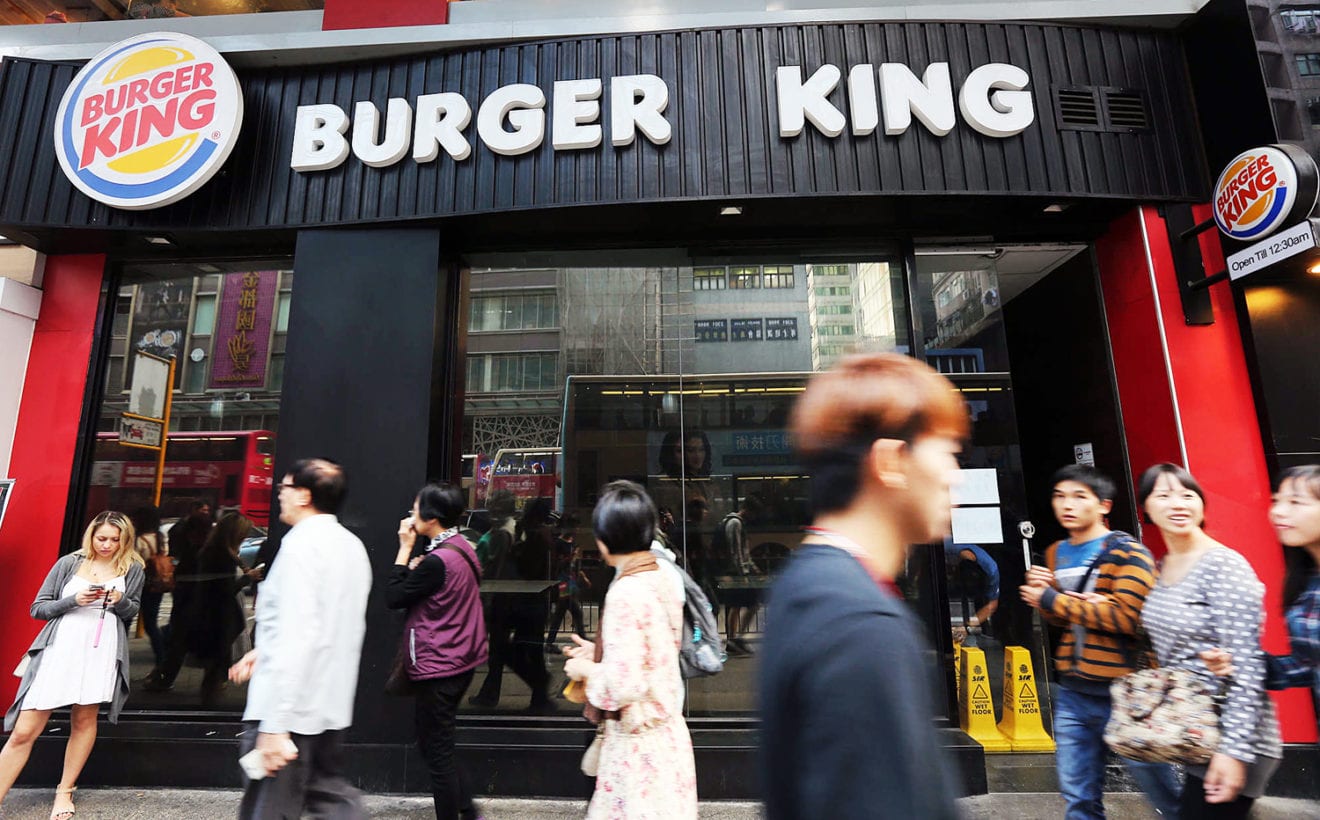
  • More Hong Kong shop closures likely, say retailers after Burger King outlets shut doors

    More Hong Kong shop closures likely, say retailers after Burger King outlets shut doors

    The franchisee of the five restaurants, Perfect Combo, was taken to court several times this year over unpaid rental payments and other fees involving several outlets. Two of them – in Tsim Sha Tsui and Yau Ma Tei – were located in tourist hot spots.

    “Conducting business in Hong Kong is not easy these days” said a manager of a medicine shop on Nathan Road, just 10 metres from the shuttered Yau Ma Tei Burger King outlet.

    Nathan Road, known for its numerous jewellery and medicine shops, has been one of the favourite shopping spots for mainland tourists.

    However, eight shops on a 500-metre stretch from Yau Ma Tei to Mong Kok are currently closed or vacant. The shops used to sell jewellery, watches, handbags, medicine and beef jerky, according to staff of nearby shops, and three closed just last month.

    Mr Hui, the manager of a medicine shop on Nathan Road, said his boss might close the shop next year if his rent is not cut enough.

    “This shop hasn’t made a cent in profit since it opened two years ago”, he said, “ Mainland tourists used to buy more health care products. Now they go for ordinary milk powder.” The shop makes more money from health care products.

    “Custom has dropped one-third after the protests against parallel trading earlier this year” Hui said.

    With Hong Kong’s GDP growth expected to slow to about 2.4 per cent this year, local consumers also tend to be more conservative in spending their hard-earned money.

    “It’s not just mainland tourists. Local consumers have also been buying less this year,” said Mr Ng, a salesman in a sports shoe shop on Nathan Road. Ng said the shop had been offering heavier discounts this year – with prices 10 to 15 per cent lower than in the same period last year.

    Other than shutting down stores completely, some retailers chose to cut the size of their shops to save rental costs. Zhongxing Watch, a Hong Kong luxury watch chain, cut the size of its Nathan Road store by one-third this year, said an employee of a nearby jewellery store. No one rents the vacant area.

    Hong Kong retail sales dropped 3 per cent in October year on year despite the National Day Golden Week holiday. In the first 10 months of this year, retail sales shrank 2.7 per cent from the same period last year.

  • Hong Kong retail ‘moves to the middle’

    Hong Kong retail ‘moves to the middle’

    Hong Kong retail is moving from its traditional luxury focus to the mid market and the demographics of shoppers change, according to a report from CBRE.

    Mid-market retail brands are set to overtake luxury brands  as the main driver of retail demand in the territory, according to the report, The Changing Retail Landscape: How to Survive the  Slowdown in Hong Kong?.

    The Hong Kong retail sector outperformed over the last decade with strong sales growth for high-end products. This generated an increase of 213 per cent in average rents from 2003 to 2014 for core street shops in Causeway Bay, Tsim Sha Tsui, Mong Kok and Central.

    “But the tailwind for luxury retailers has slowed since 2014 hindered by a range of factors including Chinese government’s anti-corruption measures, milder GDP growth in China, weakening Asian currencies and the loosening of policies on travel for mainland Chinese,.” says CBRE in a summary of the report.

    These are all unfavorable factors for Hong Kong’s tourism and retail sales. The total retail sales in Hong Kong from January to July 2015 edged down by 1.8 per cent year on year, while sales of watches and jewellery plunged 15 per cent in the first seven months of this year.

    “Despite the gloomy outlook  for the retail sector, opportunities are emerging for mid-market retailers.”

    “The retail sector is experiencing a structural change,” said Joe Lin, executive director, retail services, CBRE Hong Kong.

    “Over the past decade, high-street shop landlords have reaped the benefits of strong demand from luxury retailers and massive rental growth. Landlords must now be more realistic on rental negotiations, as luxury retailers are adjusting their leasing strategies to save costs, and more mid-range brands are looking to tap into prime locations at relatively affordable rental levels. This opens the door for mid-market brands to expand. In the last quarter, we saw prime street shops leased to mid-market brands following the lease expiry of the previous luxury goods retailers.”

    To cope with the slowdown, luxury retailers are consolidating their second-tier shops, which will increase space availability in the market. Some high-end fashion, cosmetics and watch and  jewellery retailers have either stopped renewing leases or surrendered spaces well ahead of  expiry. However, they will still strive to secure flagship premises in strategic locations with  prominent addresses and good visibility, which means a higher marketing value. They may also introduce secondary lines at accessible prices, targeting young consumers with a growing  demand for mid-market products.

    Consolidation by luxury retailers in Hong Kong implies that the tenant composition in some prominent retail locations will gradually change. Meanwhile, mid-range retailers previously not able to afford to lease a space in prime locations are now looking to take up vacant space  surrendered by luxury brands. Landlords are more willing to negotiate with tenants for more  affordable terms. While rents are generally falling, shops in the most strategic locations with  good footfall and visibility are not expected to run into high vacancy risks as long as landlords are prepared to be flexible in leasing terms.

    “The sales performance of luxury products is heavily reliant on the external factors mentioned,” said Marcos Chan, head of research, CBRE Hong Kong, Macau and Taiwan.

    “In contrast, the demand for mid-market goods from both tourists and local consumers is relatively steady.”

    CBRE foresees three trends in the next five years:

    • The main driver of demand for retail space are shifting from high-end consumer goods to mid-market brands;
    • Local demand will gradually regain a bigger share in total retail sales compared with tourist spending; and
    • Decentralised areas will provide a significant proportion of new retail space, offering more leasing options.

    “These trends suggest that retail market stakeholders, including  luxury and mid-market brands, and street shop and shopping mall landlords, will have to reconsider their business strategies,” said Chan.

    “Structural changes in the retail landscape will ultimately result in a more balanced and sustainable retail market in Hong Kong,” added Lin.

    “The tenant mix of both core areas and sub-markets will become more diverse, enabling both high-end and mid-market brands to offer a broader range of products to consumers. Domestic spending will get retailers’ attention and the mid-market sector will see healthy growth potential.

    “We would recommend mid-market retailers to continue to explore opportunities in emerging districts. This will ensure they obtain first-mover advantage. Meanwhile, street shop landlords should lower their rental expectations and consider leasing to mass-market brands to avoid long-term vacancy.”

    The lack of supply in the market is another reason for pushing retail rents to a high in past years. CBRE believes that supply in the next five years will ease some pressure on retailers on rental expense but new options in the core shopping districts will continue to remain limited.  The development of several new towns in more remote districts will result in substantial growth  in residential and working populations that will need to be served with by shopping facilities.

    CBRE estimates that in the next five years, 70 per cent of the new supply will be in non-core districts and 5.6 million sqft of retail space will be shopping arcades for residential estates.

    “This will provide opportunities for mid-range retailers to expand their store networks targeting the mid-to-high income households. Government statistics suggest that the catchment areas of these regional malls usually have an above-median household income.”