Retail News CRM

Tag: monitoring

  • Revolutionizing IT Stability: How 24/7 Monitoring Shields Japanese Firms from Downtime Risks

    Revolutionizing IT Stability: How 24/7 Monitoring Shields Japanese Firms from Downtime Risks

    The necessity for constant system monitoring is gaining traction among Japanese businesses, as it plays a crucial role in ensuring IT operations run smoothly and minimizes the chances of service disruptions. As dependence on digital infrastructures grows, it’s essential to maintain consistent system performance. This rings true for a variety of sectors, from e-commerce platforms to manufacturing systems and financial services, all of which demand nearly uninterrupted availability.

    24/7 Monitoring: The New Norm

    To cater to this demand, organizations are opting for round-the-clock monitoring strategies aimed at fostering stable, secure, and responsive systems. Continuous monitoring enables the early detection of potential problems, which can help to decrease service interruptions and uphold performance standards.

    Enterprise systems these days are often spread across intricate environments that mesh cloud infrastructure, databases, applications, and integrated services. In such landscapes, even minor unresolved issues can escalate into significant operational problems if not attended to promptly.

    A 24/7 monitoring setup offers real-time insights into system health and performance, fostering speedy detection and response to arising issues. Advantages of this approach commonly include early problem detection, less downtime, and enhanced system performance. These factors can facilitate smoother operations as businesses expand their digital services.

    The Digital Transformation Wave

    As the digital transformation journey advances, Japanese businesses are growing more reliant on robust IT systems. Reports predict that Japan’s expenditure on digital transformation will surpass US$73 billion by 2027, mirroring the increasing demand for stable and efficiently managed infrastructure.

    The rise in real-time platforms and hybrid cloud environments usage has led to monitoring solutions becoming a core part of IT operations.

    The Impact of System Downtime

    System downtime can have operational and financial repercussions. In sectors like finance, e-commerce, and manufacturing, even minor disruptions can influence transactions, delay processes, and affect user experience.

    Industry estimates point out that downtime cost for large corporations can be substantial, depending on the scale of the system and business model. Beyond direct financial damage, downtime can interrupt revenue streams, impede productivity, damage reputation, disappoint customers, and necessitate additional recovery efforts.

    For corporations managing environments that mix legacy systems with modern cloud platforms, minimizing disruption risks is an ongoing concern.

    Continuous Monitoring: A Risk Management Strategy

    Continuous monitoring is a strategy embraced to manage these risks. Monitoring systems typically offer real-time data and trigger alerts when irregular activity is detected, allowing technical teams to respond promptly.

    Typical practices include performance tracking, automated alerts, predictive analysis, and incident response mechanisms. Collectively, these functions reinforce system reliability and help manage operational risks.

    An all-encompassing monitoring strategy may encompass infrastructure, applications, security, and incident management. These elements are often merged to support overall system availability.

    Certain businesses collaborate with external service providers to oversee monitoring and related operations.

    Questions & Answers

    What is the role of continuous monitoring in modern businesses?
    Continuous monitoring plays a crucial role in modern businesses, enabling early detection of potential issues which can reduce service interruptions and maintain performance standards.

    What is the predicted expenditure of Japan on digital transformation by 2027?
    Japan’s expenditure on digital transformation is projected to exceed US$73 billion by 2027.

    What are the implications of system downtime?
    System downtime can have significant operational and financial implications, including interrupted transactions, delayed processes, poor user experience, revenue losses, reduced productivity, reputational damage, and additional recovery efforts.


  • Monitoring and Controlling Temperature using Wearables

    Monitoring and Controlling Temperature using Wearables

    Regulating body temperature is a problem that humankind has been contending with for millennia. Our physiology adapted to cope with quite a small part of the world, where the climate is a certain way. Once we spread out across the globe, we had to cope with the entire range of weather systems – from hot and humid jungles to icy tundra.

    Of course, when it’s too cold, the technological solution is simple: just wrap up warm. But what happens when it’s too hot? That’s the problem which a new wave of wearable devices aim to solve.

    Perhaps the most eye-catching of these is the Reon Pocket from Sony – a small piece of plastic, chargeable via USB-C, which is built to sit against your skin, and to cool you down via the Peltier effect. Released exclusively in Japan, where the humidity during summer is a problem in some regions, it functions, basically, like a small cold device which sits against the skin, which, while welcome, is a little more local as a cooling effect than some of the marketing material might suggest.

    What’s the Peltier Effect?

    The Peltier Effect is one of three thermoelectric effects, produced by thermocouples of the sort you might find on the RS Components webstore. It allows the creation of solid-state heat pumps. If we take two junctions, and apply a voltage across them to create a current, heat will be removed from one and be deposited at the other. Note that this only works in the case of DC circuits; otherwise you’d have heat being moved rapidly from one junction to the other without any useful effect.

    The traditional means of air conditioning involves pipes of coolant, motors and compressors. Heat is absorbed at one end of a loop and dispersed at the other. This is the function of those big air-conditioning units you might see sprouting from the tops of office buildings. Obviously, this method wouldn’t be practicable in a wearable device. But it’s only very recently that Peltier-based circuitry has gotten small enough that it can be fitted into a wearable device.

    On the other hand, we also have devices powered by another thermoelectric effect – the Seebeck effect – which actually allows for smartwatches which don’t ever need to be charged. Wearable devices like the Matrix Powerwatch can be powered by body heat alone, meaning that you never have to worry about charging them ever again.

    What about the Environment?

    Naturally, a world where we’re all walking around with air-conditioned jackets is sure to impose a cost on the environment, in much the same way that air-conditioned buildings has done. If the Seebeck effect is properly leveraged, however, then the effect might run in the opposite direction – we’ll have wearable devices that never need to be charged again!

  • Kathmandu suffers a data breach, customers potentially exposed

    Kathmandu suffers a data breach, customers potentially exposed

    An unidentified third-party has breached Kathmandu’s website and potentially accessed customers’ personal information and payment details, the outdoor retailer revealed on Wednesday.

    The business was alerted to the breach, which took place between January 8 and February 12, 2019, through bank fraud monitoring.

    A Kathmandu spokesperson told that the business is currently investigating how many customers are affected by the breach, but that it remains an ongoing process.

    “Whilst the independent forensic investigation is ongoing, we are notifying customers and relevant authorities as soon as practicable,” Kathmandu chief executive Xavier Simonet said.

    “As a company, Kathmandu takes the privacy of customer data extremely seriously and we unreservedly apologise to any customers who many have been impacted.”

    The business has enlisted the help of external IT and cyber security experts to assist in investigating the circumstances, and to confirm which customers have been impacted.

    While the financial impact of the incident is still unclear, the dual-listed retailer saw its stock price fall to $2.31 per share after the announcement, though rebounded to $2.37 by the end of trade.

  • DoCoMo to trial 5G self-driving vehicle monitoring

    DoCoMo to trial 5G self-driving vehicle monitoring

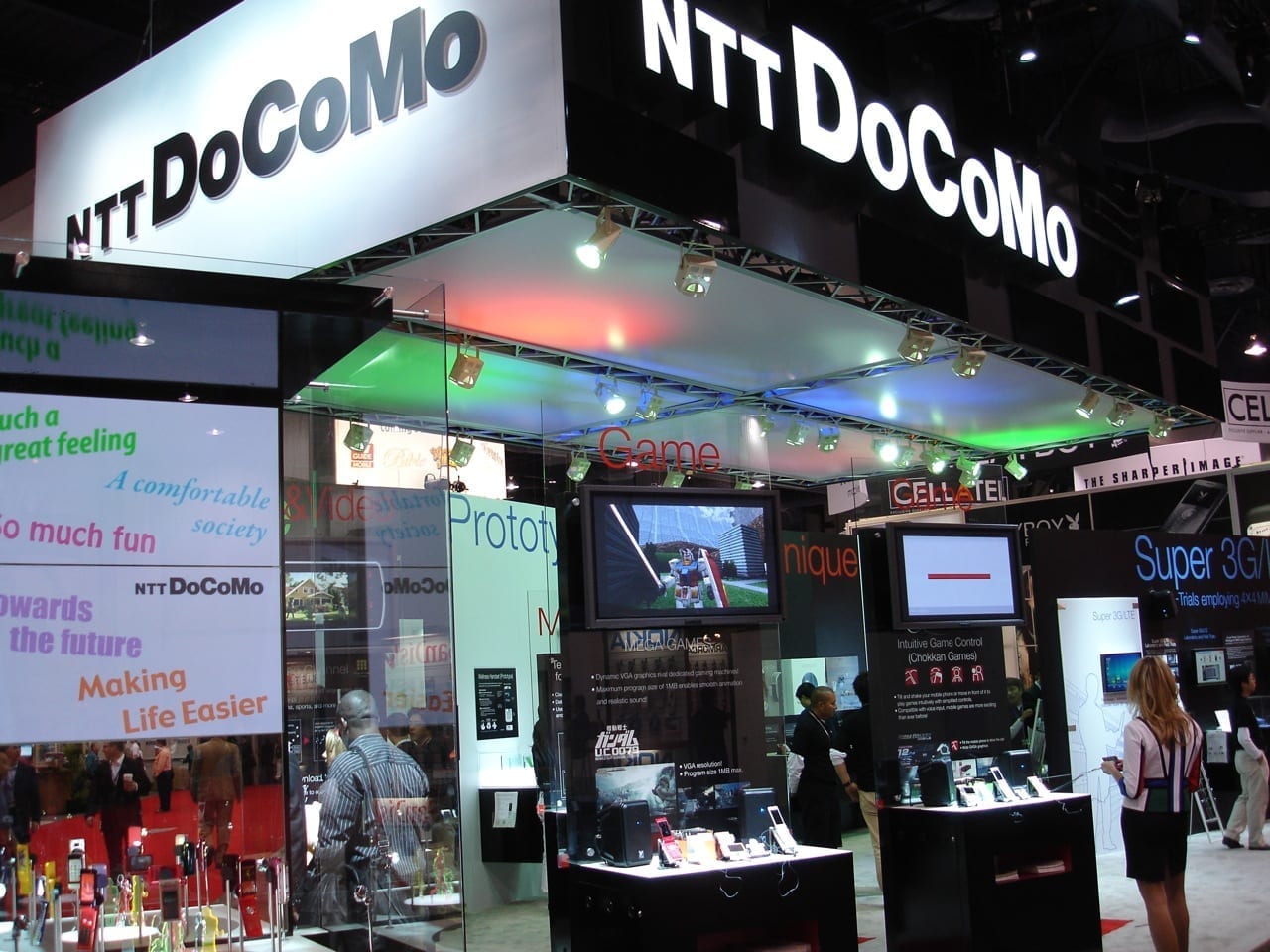
    Japanese operator NTT DoCoMo and mobile portal and online service provider DeNA Co have teamed up to trial a 5G communications system for remote monitoring of autonomous vehicles.

    The trial will involve connecting a vehicle and a remote center via a 5G network capable of data rates beyond 10Gbps.

    For the initial trial, high-resolution video images captured with HD cameras mounted on the vehicle will be transferred to the monitoring center in real time, to allow the center to check for any driving irregularities and assist passengers when needed.

    The trial will be demonstrated at the DoCoMo R&D Open House 2017, which will take place at the DoCoMo R&D Center in the Yokosuka Research Park near Yokohama on November 17-18.

    For the event, DeNA’s Robot Shuttle driverless bus will be used to showcase the transmission of live video from a connected vehicle via a demonstration 5G network.

    The collaboration is combining DoCoMo’s 5G technologies and DeNA’s experience building services for connected vehicles. DoCoMo is closely involved in the development of LTE and 5G systems for vehicle-to-everything communications.

  • BigOceanData supplies Singaporean government with vessel monitoring

    BigOceanData supplies Singaporean government with vessel monitoring

    BigOceanData and Alltek Technology Singapore have won a competitive open tender to supply AIS vessel monitoring services to a Singapore government organisation.

    BigOceanData’s modern, web-based AIS (Automatic Identification System) vessel monitoring system and fleet management tools are now helping to track and report on up to 50 material container vessels at any one time that are inward bound to Singapore.

    The tender selection process was tough with the client demanding a very high standard to meet their need for a modern, high-intensity ocean vessel monitoring operation with integrated mapping and charting information.

    “The contract was finally won not only by meeting all the contractual and pricing requirements, but also because BigOceanData was able to demonstrate advanced features such as different ocean state conditions, good AIS coverage both terrestrial and satellite, a modern, user-friendly interface and good local support,” according to Sebastian Koh, Managing Director of Alltek Technology Singapore.

    The system is now fully operational following on-site user training for the agency’s personnel delivered by BigOceanData personnel and Alltek is providing local support.

    The government agency is operating the standard BigOceanData interface. Among the many other features of the system that are now assisting the agency with its high-intensity monitoring operation are the integration of mapping and charting information together with a range of port monitoring tools including ‘vessels scheduled’, ‘vessels in port and departed’ and ‘vessel time in port’ reports.

  • Cignal TV deploys Actus monitoring platform in the Philippines

    Cignal TV deploys Actus monitoring platform in the Philippines

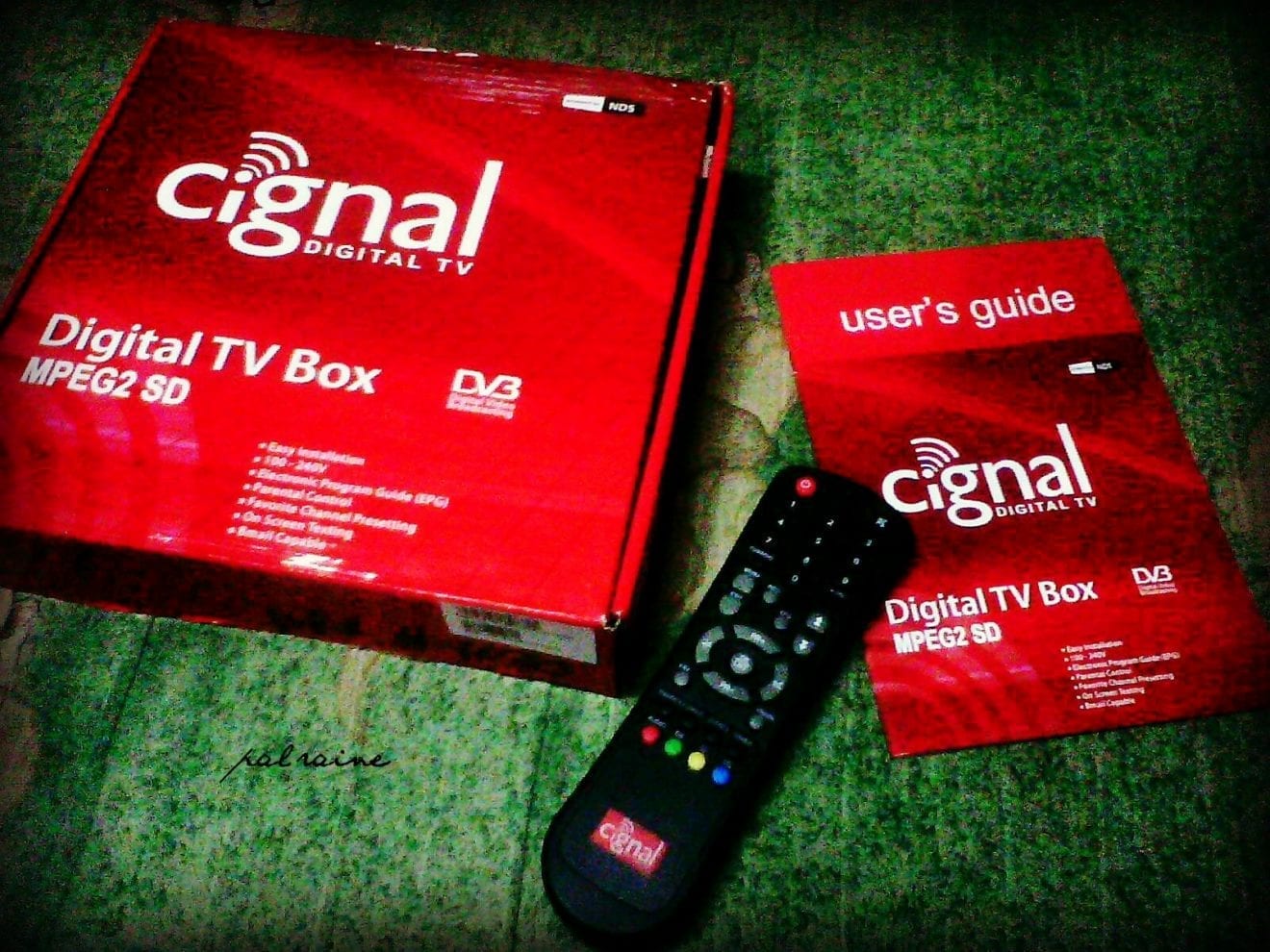
    Cignal TV in the Philippines has deployed Actus broadcast monitoring and media intelligent platform for TOA recording of MCR TV channels.

    Actus provides Cignal TV a broadcast recording solution as well as a system to support the marketing requirements. The recorded TV contents are available for simultaneous users, for clips viewing, clips creation and quality assurance.

    “With Actus recording and logging system, time consuming processes became immediate and efficient for all concerned teams,” said Gilbert D. Tan, TOC supervisor of Cignal TV. “The recorded contents are readily available 24×7 for review, clip creation and can be exported immediately when needed by our Channels and Marketing Team.”

    Actus View enables users with permissions to easily access recorded content with a user-friendly interface using web browsers. This aims to build trust and confidence with advertisers that Cignal TV is only delivering competitive and high-quality broadcast contents to its viewers.

    “Actus View is not only a reliable and cost-effective solution for recording TV channels, but also provides other integrated added values such as exporting clips, competitive monitoring and more,” said Raphael Renous, Actus CTO.

    Cignal TV awarded TechTwist the contract to deploy the Actus View solution for broadcast recording and media monitoring. The Actus team worked closely with TechTwist to design a winning workflow.