Tag: monsoon

  • Heavy Rains Trigger Bangkok Flooding and Disrupt Tourist Travel

    Heavy Rains Trigger Bangkok Flooding and Disrupt Tourist Travel

    Torrential downpours triggered widespread street flooding across Bangkok on Sunday, snarling traffic on key arterial roads and disrupting travel plans for thousands of international visitors.

    The gridlock halted surface transit corridors across the capital, prompting the Chinese Embassy in Thailand to issue an official travel notice.

    Transport Snarls Across Key Districts

    Intense monsoon rainfall overwhelmed drainage channels across multiple low-lying municipal sectors during the afternoon peak. Waterlogged road surfaces forced buses, taxis, and ride-hailing fleets into hours of standstill traffic, stalling access to major shopping complexes and riverside tour departure points.

    The embassy advisory urged Chinese nationals and tourists to exercise caution, monitor municipal weather bulletins, and plan transit routes with substantial buffer times to avoid missed flights and stranded excursions.

    Operational Pressure on Retail and Hospitality

    Sudden municipal inundations deliver an immediate check to daily footfall for street-level retail strips, open-air night markets, and ground-floor food and beverage operators. While enclosed elevated transit networks like the BTS Skytrain maintain passenger throughput, surface-dependent consumer venues experience immediate dips in evening patron volume during severe rain events.

    Hotels and travel operators in flood-prone zones have had to reroute guest transfers toward rail connections to bypass submerged road junctions. For logistics operators delivering fresh provisions and retail stock across the metropolitan core, delivery schedules faced multi-hour delays across central business districts.

    Drainage Readiness and Seasonal Pressures

    Late September routinely represents the height of Thailand’s wet season, testing the operational capacity of Bangkok’s municipal pump stations, retention basins, and drainage tunnels. Previous seasonal storms in recent years have demonstrated that even short bursts of localized precipitation can overwhelm secondary road networks before floodwaters recede into the Chao Phraya River basin.

    City administration crews deployed mobile pumping assets across recurrent flood hotspots to clear primary thoroughfares ahead of the weekday morning commute.

    Travel Monitoring and Weather Outlook

    Regional transport operators and consular authorities continue tracking meteorological forecasts across the central plains through the remainder of the monsoon cycle. Tourism operators are advising inbound travelers to rely primarily on elevated rail links and real-time municipal traffic maps until road drainage stabilizes across outer districts.

  • Rain-Soaked Dragon Fruit Yields Spike Prices Amid Diminished Supply

    Rain-Soaked Dragon Fruit Yields Spike Prices Amid Diminished Supply

    Extended periods of rainfall have negatively impacted dragon fruit production, resulting in a doubling of farm-gate prices since May to VND15,000 (US$0.57) per kilogram. The price of the red-fleshed variety has seen an increase to VND20,000 in the Central Highlands province of Lam Dong, the current harvesting location for this fruit.

    Impact on Farmers and Retailers

    Back in May, farmers were selling at a loss, but they now report profits of VND3,000-4,000 per kilogram. Retail prices have followed a similar trend, doubling since May. The standard dragon fruit is now retailing at VND25,000 per kilogram while the red-fleshed variety is priced at VND40,000.

    One trader in Lam Dong province, Xuan, mentioned that yields have decreased 10% compared to the previous year due to heavy rains, although demand remains steady. Meanwhile, Canh, the president of the Binh Thuan Dragon Fruit Association in Lam Dong, reported that output has been on the decline in recent years as many farmers have turned to different crops following a long period of low dragon fruit prices.

    Impact on Export and Overall Output

    Canh also stated that weather conditions have decreased the supply available for export. Customs data indicates a 3% year-on-year fall in dragon fruit exports, amounting to $280 million in the first half of the year. Vietnam currently cultivates dragon fruit on 55,000-60,000 hectares, with an annual output of around 1.4 million tons.

    Questions & Answers

    What has been the impact of prolonged rainfall on dragon fruit production?
    The extended rainfall has led to a decrease in the production of dragon fruit, causing farm-gate prices to double and yields to decrease by 10% compared to the previous year.

    How have the changing prices affected farmers and retailers?
    In May, farmers were selling at a loss but they are now seeing profits of VND3,000-4,000 per kilogram. Retail prices have also doubled since May.

    What has been the impact on the export of dragon fruit?
    Due to weather conditions affecting supply, there has been a 3% year-on-year decrease in dragon fruit exports in the first half of the year.

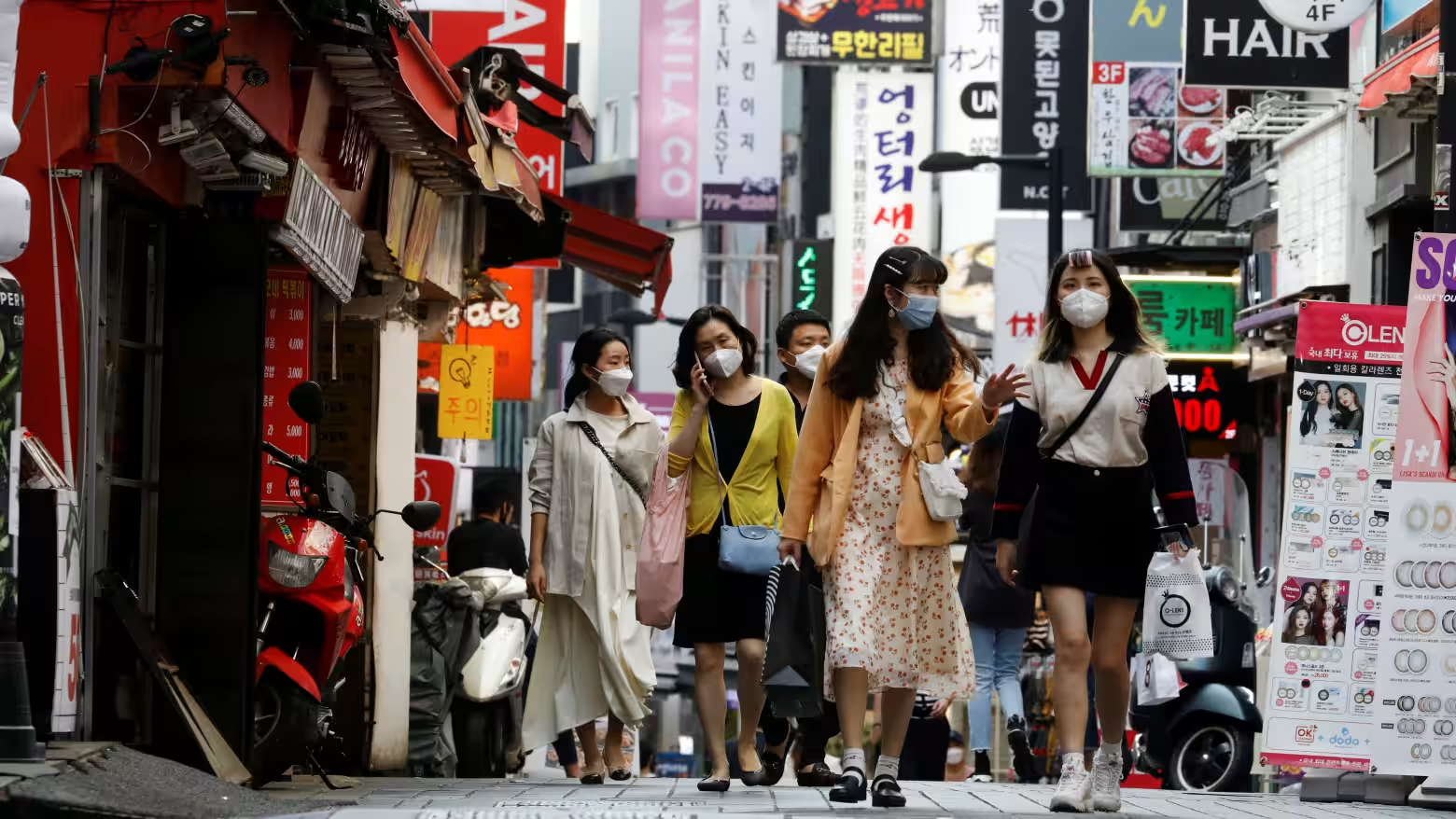
  • South Korea’s ‘mallcations’ Trend: Unprecedented Weather Boosts Indoor Retail Sales

    South Korea’s ‘mallcations’ Trend: Unprecedented Weather Boosts Indoor Retail Sales

    As South Korea experiences an intense summer marked by unprecedented heatwaves and monsoon downpours, there’s been a noticeable uptick in customers choosing to spend their leisure time indoors. This trend, known as “mallcations,” is resulting in a significant surge in sales for department stores and outlet malls.

    Increased Footfall and Sales

    Major retailers have reported a sharp increase in foot traffic from July 1 to 17, compared to the same time frame last year. Lotte Department Store noted a 10% surge in visitor numbers, while Shinsegae and Hyundai Department Store registered increases of 14% and 13% respectively, translating into sales growth of 11.1% and 10.7%. Meanwhile, Hyundai Premium Outlet, which boasts an underground parking feature, saw its sales skyrocket by 21.2%.

    This changing consumer behavior is largely attributed to the unpredictable weather conditions, making air-conditioned indoor spaces far more appealing than outdoor venues. Notably, families are driving an increase in food and beverage (F&B) sales: Lotte observed a 10% rise, while Shinsegae and Hyundai reported increases of 15.8% and 12.4% in F&B revenue respectively.

    Seasonal Products and Experiences

    As the summer vacation season looms, seasonal product categories have also shown strong sales performance. Sales of swimwear at Lotte have jumped by 15%, supported by a government tax incentive for cultural activities. Appliance sales have increased by 10% under an energy efficiency rebate program.

    Cooling bedding has emerged as another hot-selling item. Shinsegae saw a 33.7% surge in its bedding category, while Hyundai recorded growth of 23.9% in sportswear and 18.8% in home living products.

    In addition to the increase in sales, retailers are also rolling out immersive, summer-themed experiences to capitalize on the increased footfall. Lotte is set to launch a “Summer Gourmet Week” across all its locations, complete with sweepstakes for F&B customers. The retail chain will also host a “Summer Wine Festa”, offering discounts on spirits, and pop-up jewelry boutiques catering to seasonal accessory shoppers.

    Shinsegae, on the other hand, has introduced pop-ups featuring surfing gear and is hosting art exhibitions. Hyundai Department Store is revamping its spaces with a Hawaiian resort theme under the “Hu’i Hu’i Maui” campaign which will run through August 21.

    Reinventing Retail

    With the Korean climate becoming increasingly erratic, retailers are adopting climate-proof leisure strategies. They are redefining malls as not just shopping centers, but as cool and curated summer destinations.

    Questions & Answers

    What is a “mallcation”?
    A “mallcation” refers to the trend of consumers spending their leisure time indoors at malls due to unfavorable weather conditions.

    What factors have contributed to the growth in foot traffic and sales for retailers?
    Unpredictable weather conditions, the appeal of air-conditioned indoor spaces, and the introduction of immersive, summer-themed experiences by retailers have contributed to the increase.

    How are retailers capitalizing on the rising trend of “mallcations”?
    Retailers are rolling out immersive, summer-themed experiences and pop-up shops, hosting art exhibitions, and transforming their spaces to provide a more engaging and enjoyable shopping experience for consumers.