Tag: Montblanc

  • Montblanc launches at Shanghai Plaza 66

    Montblanc launches at Shanghai Plaza 66

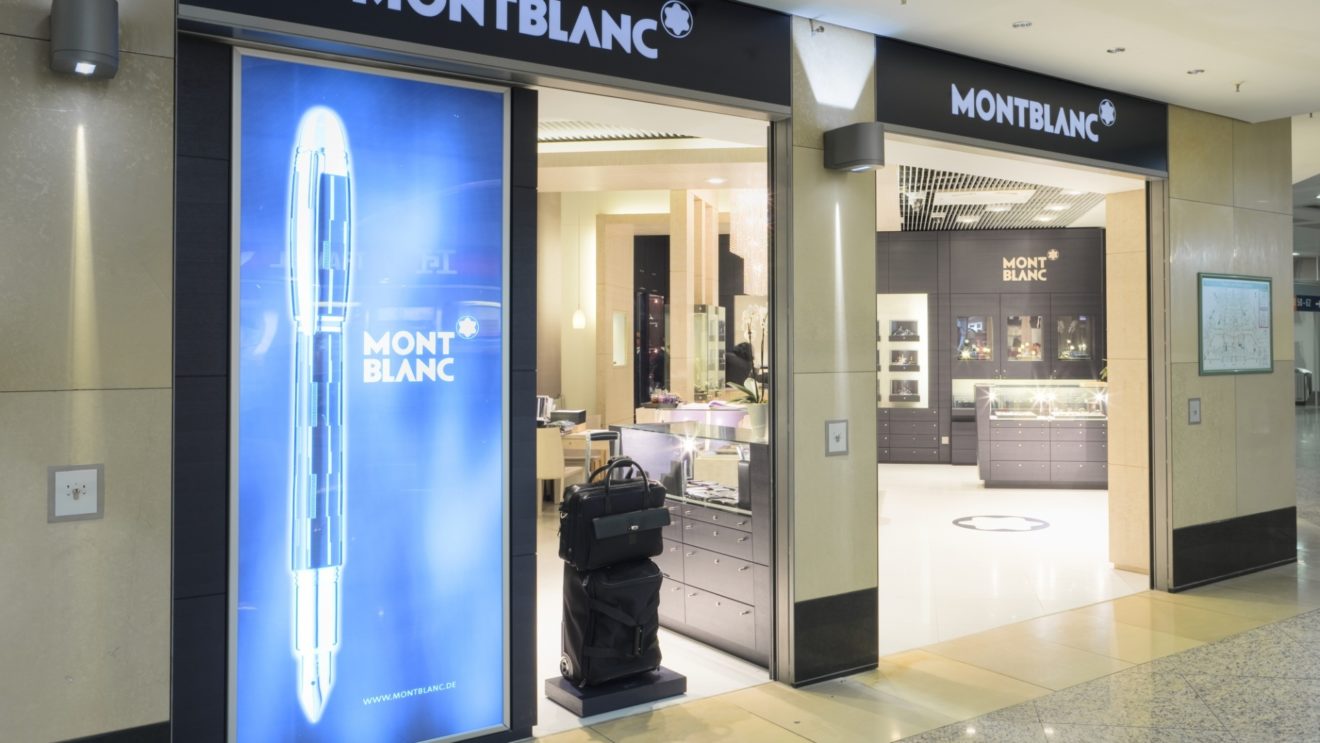
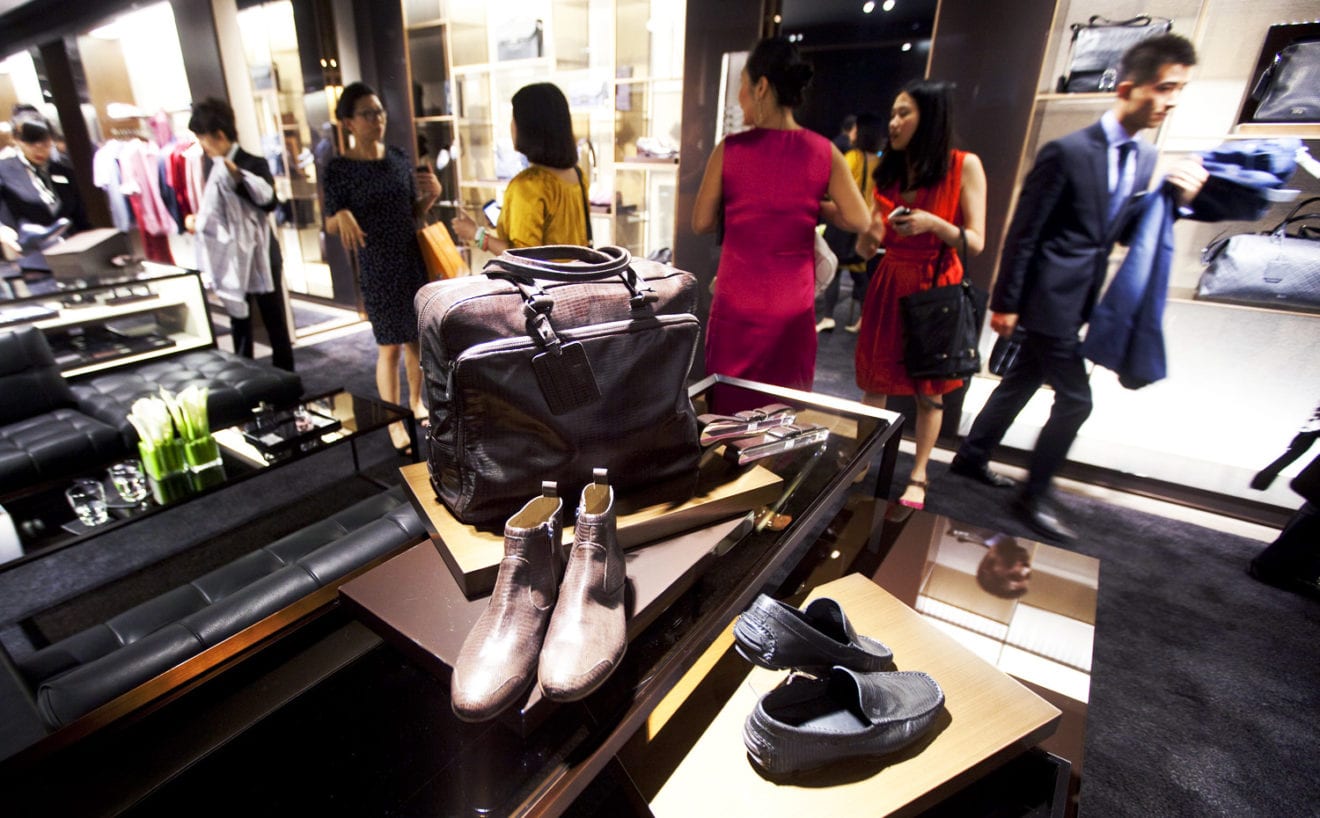
    Montblanc has launched a flagship boutique and a pop-up store in Shanghai, China. Located at Shanghai Plaza 66 on Nanjing Road, the store features a wide collection of Montblanc’s luxury goods, including travel bags, backpacks, watches, and accessories.

    The Shanghai Plaza 66 boutique features a modern design with black and gold elements.

    The Shanghai Plaza is also a location where Montblanc chose for its worldwide launch of M-Gram 4810 Collection. The CEO of Montblanc China, Daniel Chang, unveiled some photos of the pop-up store on his LinkedIn feed.

    Located in the main atrium, the pop-up store features a blue navy as the store’s theme color. A giant letter ‘M’ is displayed at the entrance of the store with the brand’s name in white on top. A large digital screen is installed on the side of the store, presenting videos of Montblanc’s products.

    The Montblanc’s pop up resembles a modern museum with a wide range of Montblanc items displayed on the wall.

    To promote the campaign, large banners are hung inside the mall, showing a photo of Montblanc’s global brand ambassador Chen Kun with the brand’s tagline ‘What moves you, makes you’

    The Shanghai Plaza 66 flagship’s facade was also re-designed, featuring the blue navy with ‘M’ pattern. Montblanc China also hosted the Montblanc 2020 Light Show in Hangzhou to promote the brand’s new collection.

  • Montblanc unveils new store design with brand new ink bar

    Montblanc unveils new store design with brand new ink bar

    Montblanc has unveiled its newly renovated store in Castlereagh Street, Sydney, which features the luxury brand’s first ever ink bar in Australia, and a digital corner to house its growing range of tech products.

    The new look, designed by French designer Noé Duchaufour-Lawrance, is built around three design themes. Cursive handwriting is the starting point for the overall design and evokes calligraphy and the culture of writing; the emblem, which is inspired by the snowcapped peak of Mont Blanc, is paired with ink shades to represent the life and soul of the brand; and passion for craftsmanship is narrated through the structured architecture and dark wood composition.

    Beyond the store’s aesthetic design, elements like the ink bar and digital corner contribute to an immersive retail environment, where customers can test all types of writing instruments, including the brand’s unique range of scented inks, Elixir Parfumeur, which come in orange-brown (leather scent), gray (wood and tobacco scent) and green (vetiver scent).

    “Venturing into the boutique, clients will enjoy the true expression of luxury in an inviting atmosphere,” Montblanc said in a statement about the new store.

    According to the retailer, trained associates will guide customers through the digital corner, where they can test the store’s latest smartwatches and augmented notebook, which converts handwritten notes into digital text and copy.

    Montblanc is also offering on-the-spot embossing and engraving in-store, where customers can choose from a curated selection of fonts and colors to personalize their purchases.

    “The excitement of setting foot into a physical store, receiving personalized VIP services and leaving immediately with your purchases is a large part of the luxury experience,” said Matthieu Dupont, president, Montblanc Southeast Asia.

    “We’re committed to giving our clients the best possible products and services.”

  • Richemont Group sales soars after YNAP acquisitions

    Richemont Group sales soars after YNAP acquisitions

    Richemont Group sales soared 24 per cent in December quarter, to €3.915 billion. It was largely down to the inclusion of online acquisitions Yoox-Net-A-Porter (YNAP) and Watchfinder, which were consolidated into the group’s accounts on May 1 and June 1, respectively. But even excluding that, the sales growth was still strong at 5 per cent by constant exchange rates.

    By region, European sales accelerated at twice the rate of Asia, up 35 per cent at constant exchange rates, with Asia Pacific – still the company’s largest single geographic market – up by 17 per cent.

    Sales in Europe reached €1.147 billion in the quarter, and in Asia €1.389 billion. Sales in the Americas surged 41 per cent to €801 million and in Japan by 14 per cent to €344 million.

    The only market where Richemont failed to perform was the Middle East and Africa, where sales slipped 3 per cent to €234 million.

    The company’s largest category, jewellery maisons, recorded 8 per cent growth to €1.985 billion, while Richemont said YNAP posted double-digit growth across all regions and solid performances across all its categories. Watchfinder’s sales expanded “more moderately”.

    Excluding the new online business unit, Richemont Group sales grew in all regions, with the exception of the Middle East and Europe. During the latter part of the quarter, sales in Europe were affected by social unrest in France which impacted tourism and led to store closures for six consecutive Saturdays. The disposal of Lancel in June also impacted the year-on-year comparison.

    A 10 per cent increase in sales in Asia Pacific reflected double-digit sales growth in Mainland China and good increases in other main markets. Sales growth in Hong Kong slowed, primarily due to the strength of the Hong Kong dollar versus the renminbi that resulted in lower tourist spending.

    In Japan, a 7 per cent expansion in sales was fuelled by continued domestic and tourist spending as well as the impact of newly opened directly operated boutiques.

    Sales in the Americas rose by 9 per cent, primarily driven by the jewellery maisons.

    Of Richemont’s many brands, Cartier and Van Cleef & Arpels led the way, increasing sales by 8 per cent, driven by jewellery and watches.

    Richemont operates in four business areas: jewellery maisons, being Cartier and Van Cleef & Arpels; specialist watchmakers, being A. Lange & Sohne, Baume & Mercier, IWC Schaffhausen, Jaeger-LeCoultre, Officine Panerai, Piaget, Roger Dubuis and Vacheron Constantin; online distributors, being YNAP and Watchfinder; and other businesses, including Alfred Dunhill, Azzedine Alaïa, Chloe, Montblanc and Peter Millar.

  • Richemont joins Alibaba’s IP alliance on brand protection

    Richemont joins Alibaba’s IP alliance on brand protection

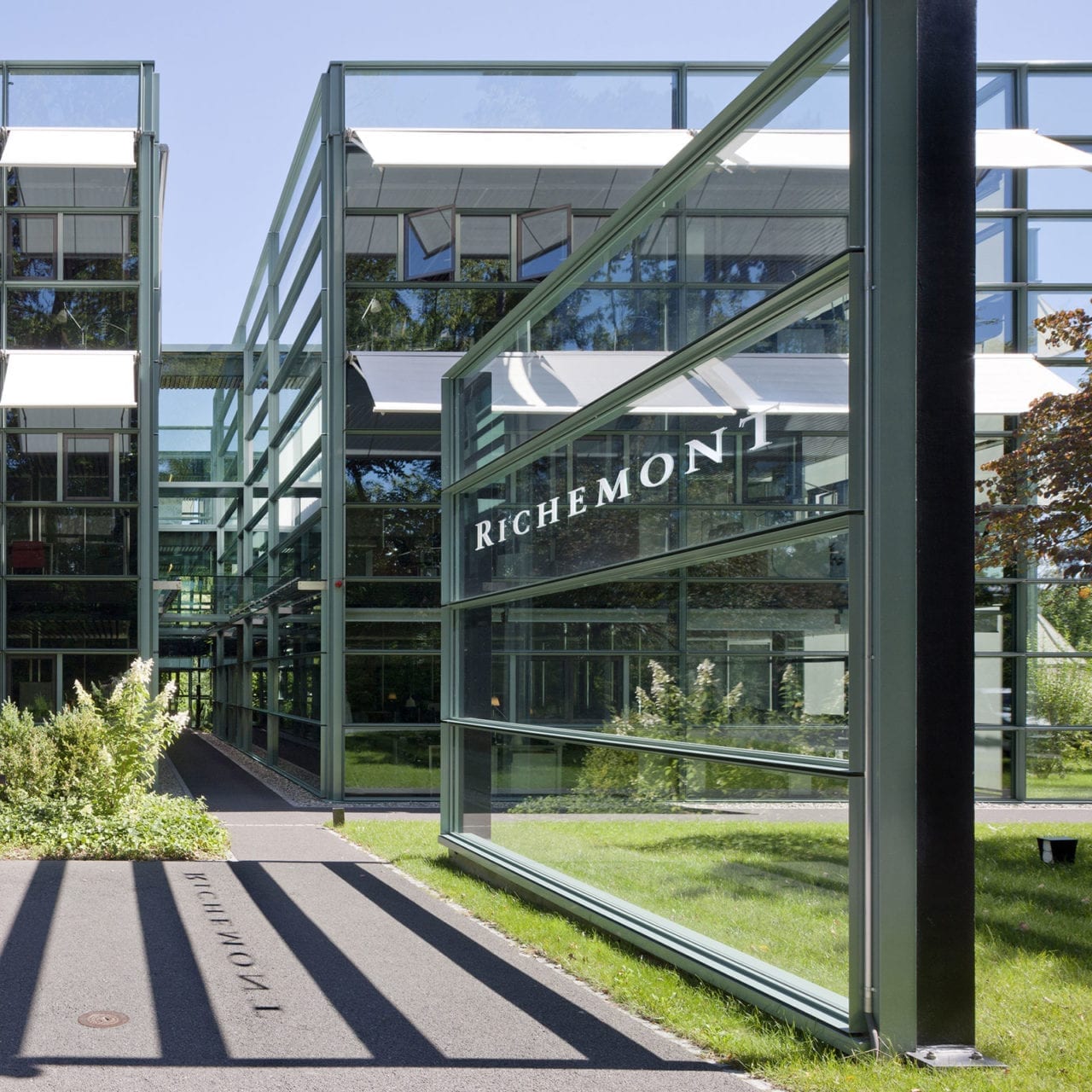
    Global luxury group Richemont has joined the Alibaba Anti-Counterfeiting Alliance, a partnership between the e-commerce giant and brands that works to protect intellectual property rights on Alibaba’s platforms. Geneva, Switzerland-based Richemont is now among the 115 members from 16 countries and regions that are a part of the IP alliance, as well as the latest from the luxury sector to partner with the e-commerce giant on brand protection. Richemont said it would share its technology, expertise and other information to support the Alliance’s efforts.

    Richemont owns 17 luxury brands, including Cartier, Montblanc, Piaget, Van Cleef & Arpels, Watchfinder & Co and Chloe, in addition to Yoox Net-A-Porter Group, the online retail platform. YNAP runs four different websites — Net-A-Porter, Mr Porter, lifestyle-goods destination YOOX and affordable-fashion seller The Outnet — as well as online flagship stores for leading fashion brands, such as Armani, Moncler and Valentino.

    The announcement comes a month after Alibaba and YNAP partnered to bring the site’s high-end goods to Chinese consumers. A joint venture between Alibaba and YNAP will launch a mobile app for the Net-A-Porter platform and menswear site Mr Porter, in addition to opening flagship stores for Net-A-Porter and Mr Porter on Tmall Luxury Pavilion, a channel that connects premier brands with China’s digital-first consumers.

    Richemont, along with New Balance, General Motors and McDonald’s, were the latest global brands to join the AACA. The alliance’s membership has more than tripled from the original 30 founding brands at its launch last year, and now includes  names, such as Bose, Canada Goose, Honda, Samsung, Mars, Adobe, Danone, Hasbro and L’Oreal, in 12 industry categories. They work with Alibaba in six key areas — proactive online monitoring and protection, a product test-buy program, offline investigations and enforcement actions, industry-law enforcement workshops, litigation tactics and public awareness campaigns — in the fight against IP infringement.

    In September last year, the AACA established an advisory board so that brands could provide feedback to Alibaba in areas related to IP enforcement. Alibaba has since upgraded its Intellectual Property Protection Portal as well, delivering faster navigation and a better user experience on the site, where rights holders report suspected infringing listing and share information with Alibaba. In addition, Alibaba’s Good Faith program, which is open to brands with a track record of accurate notice and takedown filings, has streamlined the reporting process.

    The IP alliance does not restrict its brand-protection efforts to the online space. Alibaba and its brand partners also work to find and eliminate fakes at their source. In the luxury sector, Alibaba and Louis Vuitton – one of the first members of AACA – conducted an offline investigation that resulted in the seizure in May of approximately RMB 100 million ($14.4 million) worth of counterfeit goods.

    “The protection of intellectual property rights requires all stakeholders to work closely together and share their expertise. The AACA will continue its efforts to establish industry best practices for IP protection by creating effective collaboration among brands, platforms and law enforcement,” said Michael Yao, Alibaba’s senior VP and head of Brand Protection and Cooperation.

  • Interparfums and Bolloré Logistics Extend their Partnership

    Interparfums and Bolloré Logistics Extend their Partnership

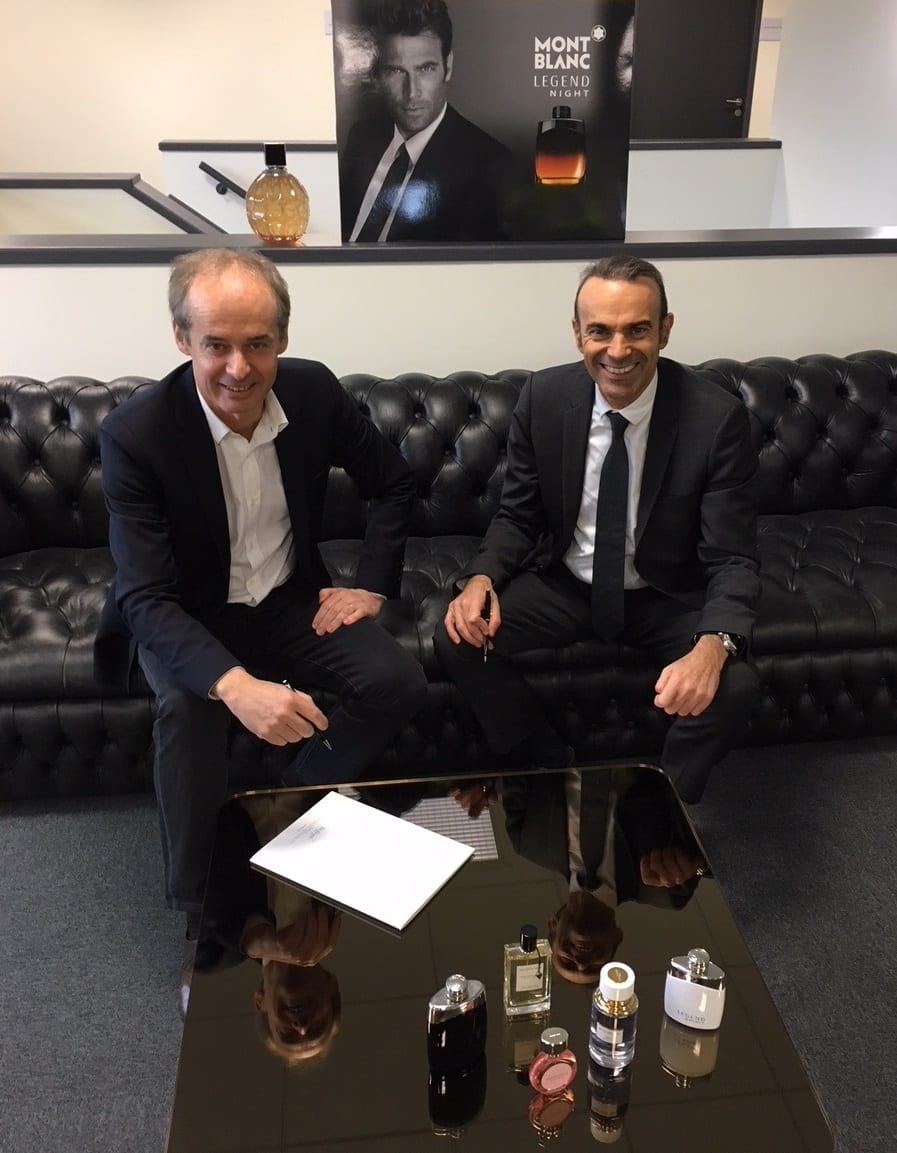
    Interparfums and Bolloré Logistics announce the extension of their partnership for a period of three years including 2018, 2019, and 2020.

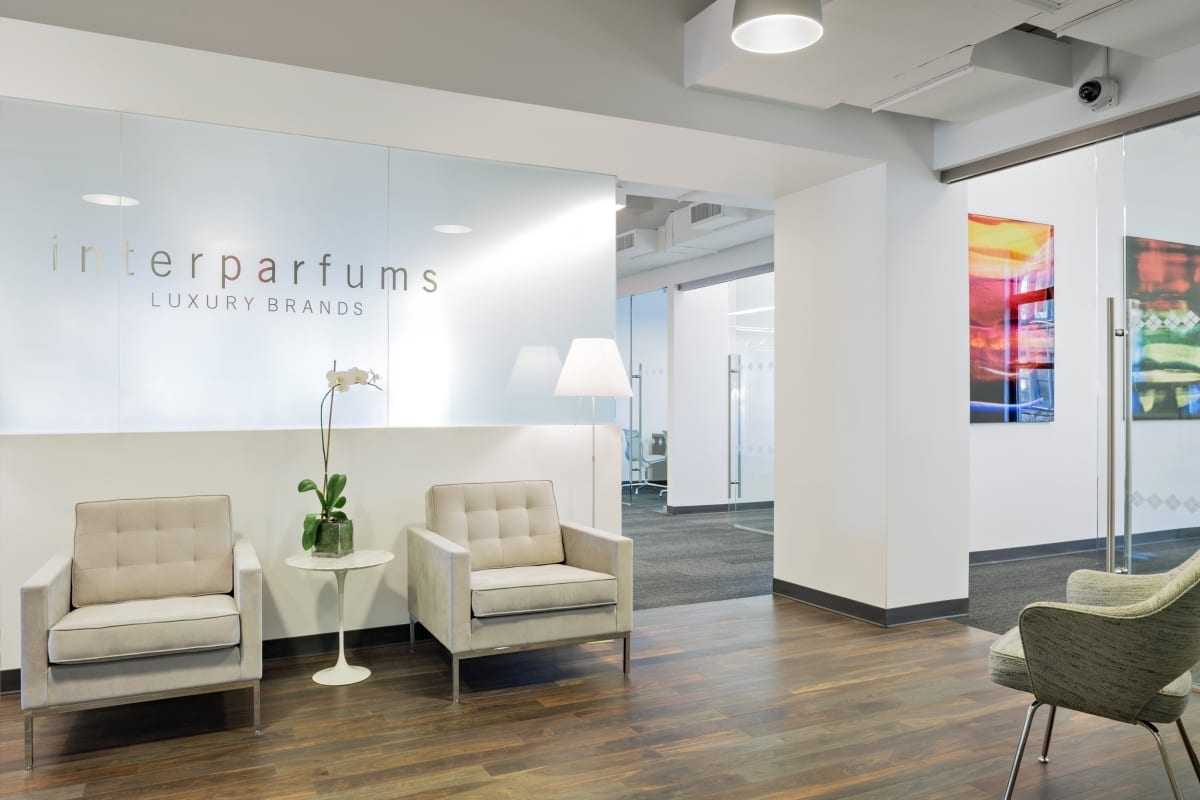
    Interparfums is a French company that develops perfumes and cosmetics lines on the basis of global exclusive licensing agreements with luxury, fashion or accessories brands that include Montblanc, Jimmy Choo, Coach, Boucheron or Van Cleef & Arpels. They own Lanvin fragrances and Maison Rochas (fashion and perfumes). The company monitors and takes complete care of the perfume life cycle, from its creation to its distribution in France and internationally.

    Bolloré Logistics has accompanied the development of Interparfums’ logistics activities since 1994.

    The logistics partnership started in a 200 m² warehouse located in Petit Quevilly, Upper Normandy, and then was transferred to a dedicated warehouse of 9,000 m² in Grand Couronne in 2000, after which was expanded in 2003 to reach a surface area of 12,000 m².

    Given its strong growth, Interparfums continued their expansion with the construction of an additional 9,000 m2 building to reach a total surface area of 21,000 m2 in 2006. In 2011, activity at Grand Couronne was transferred to Criquebeuf sur seine in a 30 000 m2 building rented by Interparfums.

    To date, a construction permit for the creation of an additional 6,000 m2 cell of was issued with a delivery planned for the second quarter of 2018 therefore increasing the total surface area to 36,000 m2.

    The Bolloré Logistics branch in Grand Couronne provides upstream transport from the packers located in France in the Normandy, Centre Val de Loire and Hauts de France regions, as well as logistics services. It takes care of unloading, reception of products, storage and stock management, ordering, order preparation for France and global destinations by sea and air routes, transport planning, documentation management and returns, thanks to interfacing systems, Electronic Data Interchange (EDI) with Interparfums. Bolloré Logistics teams also provide monthly and annual inventories.

    Olivier Boccara, Global Sales Director at Bolloré Logistics, commented: “Interparfums is a historical customer who trusts us and we are proud to support during their expansion by providing quality logistical services that are recognized throughout this long partnership.”

    Philippe Santi, Deputy Managing Director of Interparfums added: “Bolloré Logistics has been a key partner in our development for many years. Their expertise in the perfumes and cosmetics sector, the quality of their processes and the professionalism of their local teams are for us key factors of success and allow us to offer a powerful service to all our customers worldwide.”

  • Richemont asia pacific rocket sales

    Richemont asia pacific rocket sales

    Asia Pacific has continued double-digit growth for heritage brand owner Richemont for its third quarter to the end of December.

    Total sales in the quarter increased by 7 per cent at constant exchange rates and by 1 per cent at actual rates over the same period a year earlier.

    Retail sales were mainly driven by the group’s jewellery maisons and specialist watchmakers, especially in Asia Pacific, where growth was led by Mainland China, Korea, Hong Kong and Macau.

    A rise in sales in Japan was supported by strong growth from the watchmakers and a favourable currency environment, says Richemont. Sales there reached €294 million (US$354 million), up 5 per cent at constant exchange rates but down 6 per cent at actual rates.

    Asia Pacific quarterly sales were €1.18 billion, up 11 per cent at constant exchange rates and 5 per cent at actual rates.

    Underpinned by solid performances in both jewellery and watches, overall retail sales maintained strong momentum, recording 13 per cent growth. Jewellery shone with an 11 per cent increase.

    Other businesses posted stable sales, with growth notably from Montblanc, Chloe and Lancel. Excluding the impact of the sale of Shanghai Tang, the other businesses would have had moderate growth.

    Sales over the nine months to the end of December grew by 10 per cent at constant exchange rates and by 7 per cent at actual exchange rates.

    Richemont’s portfolio of international “maisons” covers three segments: jewellery (Cartier, Van Cleef & Arpels and Giampiero Bodino), specialist watchmakers (A Lange & Sohne, Baume & Mercier, IWC Schaffhausen, Jaeger-LeCoultre, Officine Panerai, Piaget, Roger Dubuis and Vacheron Constantin, as well as the Ralph Lauren watch and jewellery JV), and other businesses (including Alfred Dunhill, Azzedine Alaia, Chloe, Lancel, Montblanc and Peter Millar).

    Richemont also holds a 49 per cent equity-accounted interest in the Yoox Net-a-Porter Group.

  • Montblanc Philippines relaunches in Rustan’s Makati

    Montblanc Philippines relaunches in Rustan’s Makati

    Following a renovation and enlargement, Montblanc Philippines has relaunched its Rustan’s Makati store as the first concept boutique of the German luxury brand for Southeast Asia.

    From an original 78 sqm, the store now covers 110 sqm, allowing the brand to widen its offering of writing instruments, leather goods and classic timepieces.

    Inspired by the signature elements of Montblanc, the new boutique boasts a palette of black, white and wood, with designer Noé Duchaufour-Lawrance aiming for an uncluttered aesthetic.

    “We’re proud to be Montblanc’s partner in realising its new global vision,” says Rustan VP for store planning and expansions Michael Huang.

    SSI Group president Anton Huang says the brand has garnered a strong following during its years in the Philippines with its high standards of perfection.

    A grand re-opening event for the store attracted Manila celebrities, glitteratti and influencers.

  • Closing shop on China’s e-commerce platforms

    Closing shop on China’s e-commerce platforms

    The closures of a number of retail and luxury brand giants on China’s e-commerce platforms indicate that retail competition is no less fierce online than offline.

    It is old news that the Chinese market is highly competitive and unlike any other market in the world. What may sell on the high street in London is not guaranteed to sell in China. The rainbow-lensed promises of e-commerce seem to be an easy way to access China’s 770.4 million working population, 0.2 per cent or over 1.5 million of which have an average income of US$500,000.

    Political concerns and falling sales: Lotte

    In 2015, Lotte Group Retail opened a Tmall store, hoping to widen its reach in China, where over 60 per cent of its overseas stores are located. The large South Korean multinational conglomerate has had a presence in China for over 20 years, with 115 supermarkets and five shopping malls.

    But on January 12 this year, Lotte closed its Tmall store – along with three brick-and-mortar stores in Beijing – after rising political tension between China and South Korea. In December, Lotte’s China headquarters admitted that the company was facing investigations for tax, fire control and safety issues. However, the closure of its Tmall store seems to have stemmed also from the fact that China is Lotte’s only international market where growth is stymying. Sales fell during the last three months of 2016, year-on-year.

    While Lotte remains in the market through its physical shopping malls and supermarkets, and on the JD.com website, the company has not announced whether it will be reopening its Tmall store at any future date.

    Heavy local competition: Asos

    Asos, the UK’s largest online fashion retailer, entered China in 2013 with high expectations. The company announced it was investing RMB 100 million (US$14.5 million) towards the market, importing British styles and developing a sales force. Its business model relied exclusively on e-commerce, with its own website, as well as a Tmall store.

    However, Asos failed to attract enough customers and was running a loss of GBP 4 million (US$5 million) by April of 2016, when it announced that it was shutting down its China operations.

    Asos faced a number of problems in the Chinese market, from operations to marketing. When it first started, the company encountered issues with shipping though China Post, with customers paying import taxes on clothes. Eventually, Asos obtained a local warehouse, but then it encountered complex clothing trade regulations in China, particularly in regards to correct labelling. As a result, Asos had to spend additional funds on restitching to comply with local code, contributing to higher than expected start-up costs.

    Effective marketing was also a major issue for Asos, with the company failing to distinguish itself from local, more affordable brands. While it may be a major player in the US and Europe, Asos was relatively unknown to Chinese millennials, its target consumer base.

    Tmall concerns for luxury brands: Coach

    Coach was one of the first US luxury handbag brands to launch a Tmall store, creating a pop-up store from December 2011 to January 2012, and then an official one in 2015. However, citing a shifting operational strategy, Coach announced that it was leaving the platform just one year later in September 2016.

    China is a critical market for luxury goods, as sales in the US and Europe steadily decline. Many brands see e-commerce as a way to directly access customers and receive greater exposure, which is why many have moved onto online platforms en masse. Despite this, online platforms have always been a concern for luxury brands, who fear appearing too mass market. Moreover, Alibaba has been criticised by brands for not doing enough to remove fake goods, despite a counterfeit removal program. In 2016, Gucci and Michael Kors quit the anti-counterfeit coalition as protest against the program’s inefficacy.

    Coach still remains in the Chinese market through its WeChat account, an avenue that is growing in popularity amongst luxury brands. Cartier, Longchamp, and Montblanc all have WeChat shops with WePay functions. Some companies believe that WeChat offers a more personalised shopping experience, as well as greater control over its brand.

    For many luxury brands, online platforms are more for marketing and building brand image, rather than sales. However, official Tmall flagship stores do not receive priority listing on searches. In fact, according to a 2016 study by L2, only 12 per cent of first page Tmall search results were through the official Coach shop. The only luxury brands that controlled more than 80 per cent of first page search results were Ports 1961, Burberry, Tommy Hilfiger, Calvin Klein, and Tumi.

    Key Takeaways

    E-commerce is a high-growth sector, with online retail sales totaling US$581.61 billion in 2015, and it is estimated to grow 20 per cent annually by 2020. China is now the biggest online retail market in the world, and Chinese consumers make up almost half of all online sales globally.

    Companies looking to take advantage of China’s market size and sell to Chinese consumers often mistakenly believe that e-commerce offers a shortcut to success. While a misconception, this idea is understandable. There are fewer licensing requirements to operate through e-commerce, and customs clearance is faster.

    However, as has been demonstrated through high-profile store closures in 2016, e-commerce requires extensive pre-entry knowledge of current regulations, a realistic logistics plan, and a local marketing strategy. Those who enter the market blindly do so at the risk of expensive learning curves and wasted efforts.

    • This article was first published on dezshira.com.  Since its establishment in 1992, Dezan Shira & Associates has been guiding foreign clients through Asia’s complex regulatory environment and assisting them with all aspects of legal, accounting, tax, internal control, HR, payroll, and audit matters. For inquiries, email info@dezshira.com.
  • How to grow for Luxury brands

    How to grow for Luxury brands

    Luxury brands need to use new technologies and offer experiences for their customers, the second Luxury Society keynote event in Shanghai has been told.

    UCO Cosmetics CEO Arthur Zhang told the event that the early-stage eCommerce model of simply providing a platform for selling products online is dead.

    He said key technologies being experimented and improved upon in China include augmented reality, virtual reality and live-streaming.

    “The millennial generation in China, which already numbers about 300 million people, seeks experiences and emotional connection – they are not just bystanders,” DLG China partner/MD Pablo Mauron told the audience of more than 150 luxury-industry brand executives. “As a result, live-streaming has become a medium for them to express themselves.”

    He told how brands such as Maybelline, Montblanc and Swarovski are taking advantage of these new opportunities.

    Underlining the key message of the event that eCommerce is changing, CEO Thibault Villet of luxury fashion eCommerce platform Mei.com told how a live-streamed show in collaboration with TMall resulted in 65 per cent of the products featured quickly selling out.

    Meaningful data

    Social customer-relationship management (CRM) makes highly targeted messaging and engagement possible, the event was told by Four Seasons Hotels Asia Pacific director of marketing communications John Hamilton. He said the luxury hotel chain has been gaining meaningful data about its customers, which in turn has driven growth. In the past year, through trial-and-error and optimisation, the group has defined a CRM-led content strategy on WeChat.

    Celebrity and key-opinion-leader partnerships can make a big impact in China, said East Entertainment commercial director Qing Dai, who spoke of her experience of partnering luxury brands with appropriate celebrities. One of Easy Entertainment’s most successful was in linking up Cartier with singer/actor Lu Han.

    Baidu GM for East China Wan (Grace) Zhang said Cartier was the most-searched luxury watch brand among the generation born between 1990 and 2000, linked to Cartier’s collaboration with Lu Han.

    Other speakers at the event included Four Seasons Hotel Pudong (Shanghai) GM Arthur Ho, writer Casey Hall of Women’s Wear Daily, Digital Luxury Group founder/CEO David Sadigh and MD for China Pablo Mauron, Baidu senior project manager Di Fu and Sephora China digital manager Vanessa Qian.

    Attendees included representatives of Alexandre de Paris, Baume & Mercier, Bottega Veneta, Bulgari, Cartier, Chanel, Chaumet, Conde Nast, De Beers, Dior, Hublot, Loewe, LVMH, Marc Jacobs, Massimo Dutti, Michael Kors, Montblanc, Nars, Net-a-Porter, Nike, Sephora, Shiseido, Swarovski, TAG Heuer, Tiffany & Co and Vacheron Constantin.

    Luxury Society, published by Digital Luxury Group, is an online destination for luxury-brand executives covering digital and technology matters and with more than 40,000 members across 150 countries.

  • Richemont expects weaker half-year earnings after restructuring costs

    Richemont expects weaker half-year earnings after restructuring costs

    Luxury goods maker Richemont said on Wednesday that it expected operating profit in the six months to September to decline by 45% from a year ago.

    The Luxembourg-and JSE-listed group said in a statement that the decline reflected the effect of one-off restructuring charges of about €65m, and the additional effect of inventory buybacks.

    “We are of the view that the current negative environment as a whole is unlikely to reverse in the short term. However, we remain convinced of the long-term prospects for luxury goods globally and in particular for watches and jewellery,” it said.

    Sales in the five months to August dropped 13% at constant exchange rates and 14% at actual rates.

    Richemont said sales in the UK had shown growth since the weakening of pound against most currencies at the end of June following the EU referendum.

    Elsewhere in Europe, sales were down, particularly in France, due to a significantly lower level of tourist activity.

    There was positive momentum in both jewellery and accessories in the Americas, but an overall decline in sales due to a weaker performance in watches.

    In the Asia-Pacific region, growth in mainland China and Korea was more than offset by the continuing weakness of the Hong Kong and Macau markets.

    Retail declined overall, primarily due to Europe and Japan. All other regions’ sales declines were low single digits, supported by jewellery and accessories. The marked decrease in wholesale sales reflected the continuing negative trend and the watch inventory buybacks.

    Richemont’s other businesses reported sales growth, thanks to positive performances at Montblanc, Chloé, Azzedine Alaïa and Peter Millar.

  • Richemont Asia stores set for cull

    Richemont Asia stores set for cull

    Feeling the pinch from a tough trading environment, luxury goods retailer Richemont has announced restructuring measures, including the closure of stores.

    Richemont Asia sales have declined despite a 26 per cent increase in sales in Mainland China.

    Global sales fell 18 per cent in April, and the company reported a 23 per cent drop in full-year profit.

    Richemont says it is cutting costs in its watch sector and plans to consolidate its global retail presence, particularly in Mainland China, while investing further in jewellery.

    Richemont owns brands including Baume & Mercier, Cartier, Chloe, Dunhill, IWC Schaffhausen, Jaeger-LeCoultre, Lancel, Montblanc, Piaget, Roger Dubuis, Shanghai Tang, Vacheron Constantin and Van Cleef & Arpels.

    “In the near term, we are doubtful that any meaningful improvement in the trading environment is to be expected,” said chairman Johann Rupert, revealing plans for Richemont store closures across its brands.

    Richemont’s operating profit in the year ended March was $2.06 billion, down from $2.67 billion because of the cost of restructuring measures initiated to counter the Asia Pacific downturn. Full-year revenue edged up 6 per cent to $11.08 billion, helped by favourable exchange rates.

    “Our concerns over geopolitical risks and the impact on the behaviour of our clients proved justified,” said the company.

    “Trading conditions in Hong Kong and Macau remained difficult. Only mainland China showed good growth.”

    Richemont’s final quarter was hit by slower tourist spending in Europe after terrorist attacks, while its Hong Kong business continued to bear the brunt of a strong currency which, combined with a slowdown in Chinese growth, deterred mainland tourists.

  • Tight market hits Watches & Wonders

    Tight market hits Watches & Wonders

    With sales slipping in the industry’s largest market, the annual Watches & Wonders exhibition in Hong Kong may be cut back to every two years.

    High-end watchmakers are looking at a shift in strategy in Hong Kong in the face of the most severe downturn the industry has faced since the 2008-09 financial crisis, reports Reuters.

    Branching out from the two biggest trade shows in Switzerland, the Salon International de la Haute Horlogerie (SIHH) in Geneva and Baselworld, Watches & Wonders was launched in 2013 by theFondation de la Haute Horlogerie, which is now talking with exhibitors about the show’s future format, according to Richard Mille, CEO of independent watchmaker Richard Mille.

    Watches & Wonders mainly showcases Richemont-owned brands like Cartier, Montblanc and Vacheron Constantin, as well as some independents, reports Bloomberg.

    “Some brands have been fighting to get out, completely out, to stop Watches & Wonders,” Mille said at this week’s SIHH in Geneva, the industry’s first event of the year.

    “Some of the brands want to do it every two years, some say every year. It’s a negotiation.”

    A decision will be made after this week’s show, according to foundation chairwoman Fabienne Lupo.

    The event also competes with the annual Hong Kong Watch & Clock Fair, which had nearly 800 exhibitors last year.

    China’s crackdown on extravagant spending plus currency fluctuations have hit the demand for expensive timepieces in Hong Kong, with Swiss watch exports to the island city plunging 23 per cent in the first 11 months of 2015, and facing the first annual decline since 2009. TAG Heuer closed one of its Hong Kong stores in August.

    Mille, whose watches sell from about 70,000 Swiss francs ($70,000) upward, says the objective of exhibiting in Watches & Wonders is to make contact with clients who are unable to attend the boutique shows. “It’s not cheap, but it’s worthwhile.”

    Meanwhile, high-end watchmakers are considering expanding their range of more affordable products. Executives at the Geneva event say the industry is having to adapt to a market with fewer Chinese, Middle Eastern and Russian buyers than a year ago, an outcome of record low oil prices and signs of economic weakness in China.

    Cartier, Richemont’s leading brand and main source of profit, is presenting more models than ever at more accessible prices at this week’s SIHH. Among them is Cartier’s new Drive model, a steel-cased men’s watch priced at a little more than 5000 euros ($5430). Previously, Cartier would offer only new models in gold and leather, with prices starting at more than 10,000 euros.

    Sister brand Piaget, generally starting no lower than 10,000 euros, has re-launched a women’s line starting at about 7000 euros, while Richemont stablemate Montblanc has introduced a wide range of lower-priced models.

    Montblanc CEO Jerome Lambert says that whatever happens, his company will stay active in Hong Kong with major exhibitions.

    “There is a different price awareness among customers now… and less price elasticity,” Piaget chief executive Philippe Leopold-Metzger told Reuters at the fair. “Times are difficult.”

    Several watchmakers have cut staff numbers in recent months, including Kering‘s newly acquired Ulysse Nardin and privately owned Parimigiani and Christophe Claret. Piaget closed a boutique in Shanghai last month, and Parmigiani plants to cut back its global outlets to about 250 from around 300 by the end of the year.

    Van Cleef & Arpels, one of the fastest-growing brands within the Richemont group, has also seen a slowdown in Hong Kong, Macao and the US. It is looking at new growth opportunities in such markets as Australia, Canada and Thailand, where it has just opened a store.

  • Asia weighs on Richemont

    Asia weighs on Richemont

    Luxury goods retailer Richemont has reported its first drop in Christmas retail sales in seven years, citing a downturn in Asia and fallout from the Paris terror attacks.

    And worse may be in store in the fourth quarter for the Geneva-based owner of luxury brands including Montblanc, Cartier, IWC Schaffhausen, Net-a-Porter and Alfred Dunhill – especially in the watches category.

    According to data from the Swiss watch industry, stock shipments to Hong Kong, Richemont’s single largest market, are down 28 per cent.

    The company said demand for luxury watches and fashion was significantly down in Hong Kong and Macau in the three months to December 31. Sales in the territories fell by 9 per cent, but that rate was less than the 15 per cent decline for the first nine months of the year, suggesting the decline was levelling out.

    In contrast, Richemont said sales growth in Mainland China “continued to improve”.

    In Europe, sales fell 3 per cent in the quarter after Europeans were spooked by the Paris terror attacks in November, reducing the ranks of tourists to the French capital. That followed “very strong sales growth” in the first half of the financial year, which ends next March 31.

    Richemont’s global sales rose 3 per cent to 2.93 billion euros (US$3.2 billion), but on a constant currency basis fell 4 per cent, one per cent further than analysts were forecasting.

  • ‘First’ high-end luxury concession for Kunming

    ‘First’ high-end luxury concession for Kunming

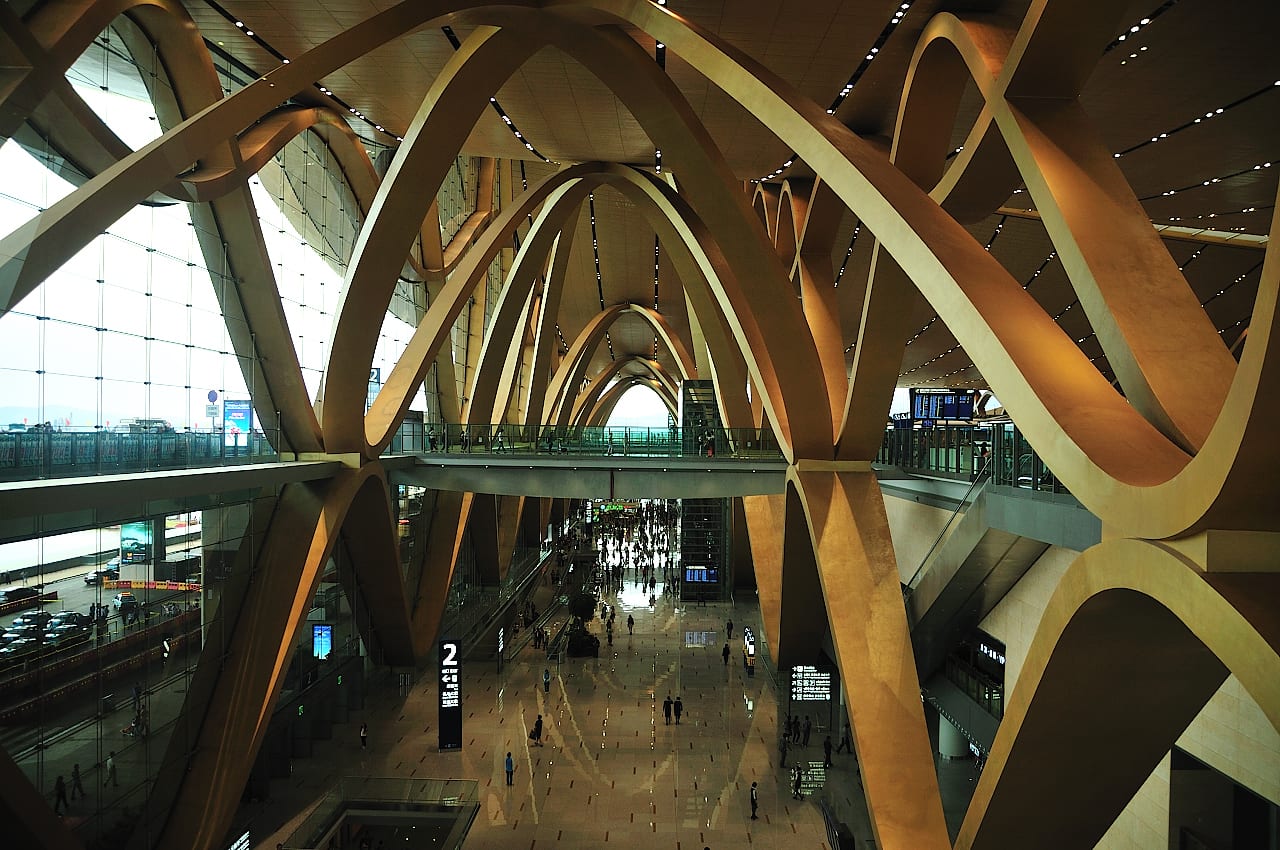
    Lagardère Travel Retail has opened the first high-end luxury concession in Kunming’s Changshui International Airport in South-Western China, which the retailer says is the result of a ‘close and successful partnership’ with Yunnan Airport Group and Asiaray Media Group.

    Inaugurated in 2012, Changshui airport is said to be one of the largest and most modern in Asia and serves as a gateway to China’s Yunnan region with growing links to neighbouring countries of South-East Asia.

    Evidence of this can be found in the airport’s traffic reports, which show that the number of passengers at Kunming airport has risen rapidly in recent years. In 2015, the airport is expected to serve over 36m passengers and will be the fastest-growing of China’s large airports.

    The master-concession, encompassing an area of over 1,000sq m in the main departure concourse, brings together ‘ten of the biggest names in luxury fashion and cosmetics’, says LTR.

    Emporio Armani, Salvatore Ferragamo, Dior, Hugo Boss, Bally, Montblanc, Coach, MCM, Tommy Hilfiger and Calvin Klein Jean comprise a strong brand line-up offering a range of ready-to-wear, accessories and beauty products.

    Dublin-based Aer Rianta International originally opened 11 domestic shops at what was Kunming’s newly-built Changshui International Airport in south-west China in June 2012.

    The contract, secured in 2011, was seen as an important one at the time for ARI, marking its first Mainland China airport store openings where it held exclusive rights to sell duty paid fashion goods and accessories, perfume and cosmetics, confectionery, jewellery and souvenirs at the capital city airport in Yunnan Province.

    However, in September 2014, Aer Rianta International confirmed that it had has ceased duty paid operations at Kunming International Airport and in a brief statement issued at the time, ARI CEO Jack MacGowan said: “We are pleased that ARI Yunnan has reached this constructive and amicable agreement with Yunnan Airports Group in the best interests of both parties and look forward to potential opportunities for working together again.”

    ‘WORLD-CLASS SERVICE FROM SALES CONSULTANTS’

    According to LTR, customers will be able to enjoy “world-class service delivered by Lagardère Travel Retail’s sales consultants who benefit from the company’s ISO-9001 certified OSCAR training programme,” says the Paris headquartered group.

    “The industry leading training program covers customer service, brand philosophy and product knowledge, is unique in the travel retail industry and gives the font-line team the expertise and confidence to provide the exceptional service and personalised experience.

    “The addition of high-end brands to the retail offer at Changshui airport was made possible by the complete transformation of the main commercial surfaces in the airport’s departure concourse.”

    LTR and Asiaray Media have worked closely with Yunnan Airport Group to plan and implement the terminal’s commercial upgrade, which intends to elevate the passenger experience by aligning the quality of the commercial offer with that of the terminal’s ‘outstanding’ architectural design.

    “We are also very pleased to have the opportunity to further deepen our working relationship with our global brand partners that have taken part in this project. We look forward to further development in Kunming Changshui airport across the spectrum of categories. Our partnership with Asiaray creates novel and unique opportunities to drive passenger engagement and increase the visibility of the commercial offer.Eudes Fabre, General Manager – China for Lagardère Travel Retail, said: “This new opening is an exciting development for Lagardère Travel Retail in China. We are grateful to Yunnan Airport Group for their trust in our capabilities and for their effective support throughout the planning and building process.

    “We are now working together with the airport to offer exclusive and personalised services that improve the airport experience for our customers, create delightful moments and build loyalty.”

    Vincent Lam, CEO of Asiaray Media Group added: “We very pleased with the collaboration with Lagardère Travel Retail. They are a global leader in the airport retail and F&B sector and have demonstrated their professionalism, innovative spirit and understanding of local market trends throughout the different stages of this project. This partnership is an important development for our company.

    “We aim to create an innovative business model that benefits all parties by delivering an engaging experience between customers, shops and airport. This is our first pilot site where we have exclusive advertising concession at Kunming Changshui airport.

    “By closely integrating advertising and commercial assets within the terminal, we will be able to create a more interactive and ultimately more compelling experience for travellers. Our media assets will support the growth of the retail operation which shall certainly benefit us as advertising service provider riding on the business performance of such operation.”“We look forward to cover the other 25 airports where we have similar exclusive rights in the whole of China. This new development creates many new possibilities for our mutual brand partners.

    Wang Xinrui, Director of Commercial Management of Kunming Changshui International airport, added: “Kunming Airport is very satisfied with the outcome of our collaboration with Lagardère Travel Retail and Asiaray Media Group.

    “The newly-opened luxury brands significantly enhance the image and service provided by our airport and help bring our commercial offer in line with the best airports in the region. We look forwards to growing the collaboration with our partners.”

  • Studio City retail tenants revealed

    Studio City retail tenants revealed

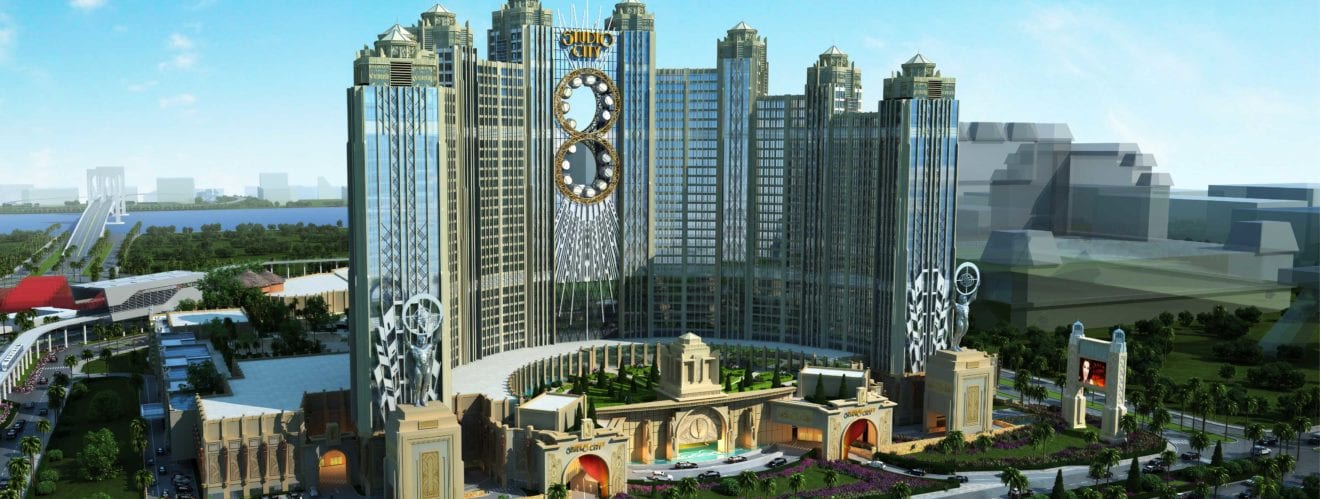
    Studio City and Taubman Asia, have revealed the lineup of fashion brands that will open inside The Boulevard at Studio City.

    A mix of fashion-forward labels and internationally-renowned luxury brands include Macau’s first Balmain, Macau’s first Belstaff, and Tom Ford’s largest store in Asia, amongst many others. The selection was assembled by Taubman Asia and Melco Crown Entertainment’s combined team of retail specialists to meet Chinese consumers’ increasing desire to express their individuality through high quality, expertly crafted clothing and accessories. Bespoke and personal services will be offered to ensure our shoppers take center stage.

    Taubman says The Boulevard at Studio City will bring “an unparalleled shopping experience” to Studio City.

    “Unlike any retail offering to be found in Asia, the unique 35,000 sqm ‘immersive’ retail entertainment environment brings shopping to life by ‘transporting’ visitors to high-energy street-scapes and entertaining them at every turn with featured streets and squares inspired by iconic shopping and entertainment locations, including New York’s Times Square and Hollywood’s Beverly Hills,” Taubman said in a statement.

    “At the futuristic Times Square Macau, inside The Boulevard at Studio City, a variety of entertainment from ‘virtual’ musicians to film stars will be shown through holographic projections.

    “Leveraging our global expertise increating extraordinary retail environments, and our exceptional relationships with the world’s leading brands, our talented team in Asia has brought together an exciting mix of brands for The Boulevard at Studio City,” said René Tremblay, president of Taubman Asia.

    “Our merchandising and management services are the industry standard for performance and excellence. We are thrilled to welcome these brands to our latest project and are committed to supporting them for the long term.”

    List of brands:

    Aeronautica Militare
    Balmain
    Bank of China
    Belstaff
    Boss
    Bottega Veneta
    Bulgari
    Cigar Emporium
    Coach
    Cosmos Food Station
    Din Tai Fung
    Dunhill
    Emporio Armani
    Fendi
    Girard-Perregaux
    Givenchy
    Glashutte Original
    Graff
    Gucci
    Hide Yamamoto
    Hublot
    ICBC
    Trattoria Il Mulino
    Image Digital
    IWC Schaffhausen
    Jaeger-LeCoultre
    Jaquet Droz
    kate spade new york
    Kenzo
    Longines
    McCafe
    McDonald’s
    MCM
    Michael Kors
    Montblanc
    Philipp Plein
    Piaget
    Prada
    Rainbow
    Rimowa
    Roberto Cavalli
    Saint Laurent Paris
    Shiki Hot Pot Restaurant
    Starbucks
    Tag Heuer
    T Galleria Beauty by DFS
    Tiffany & Co.
    Tom Ford
    UM
    Vacheron Constantin
    Valentino
    Van Cleef & Arpels
    Versace Collection
    Ermenegildo Zegna
    Zenith