Tag: months

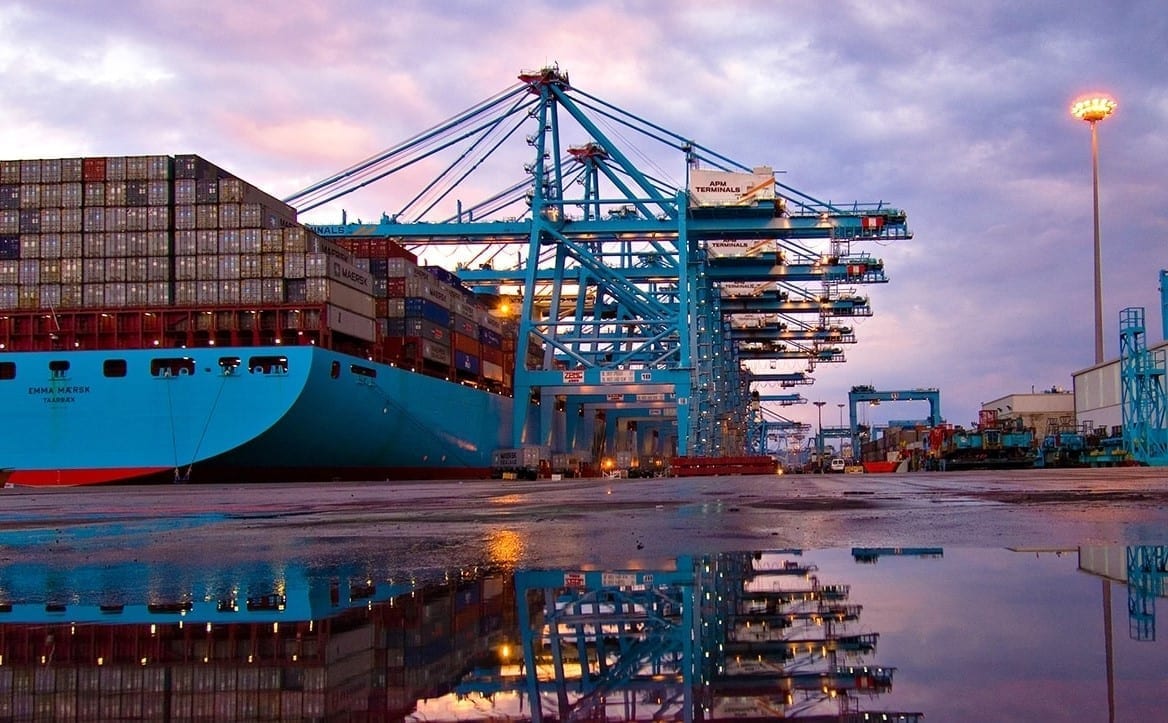
  • Cambodia’s Trade Flourishes: $44B Turnover in 7 Months Marks 21.3% YoY Growth

    Cambodia’s Trade Flourishes: $44B Turnover in 7 Months Marks 21.3% YoY Growth

    Cambodia’s trade activity demonstrated remarkable growth in the first seven months of 2026, with a 21.3% increase in year-on-year total trade, reaching $44.07 billion. This surge came alongside a widening trade gap of $2.44 billion, a rise from the previous year’s deficit of $1.99 billion.

    This surge is attributed to an uptick in both exports and imports, which rose by 21.3% and 21.4% respectively. According to recent data from Cambodia’s General Department of Customs and Excise (GDCE), exports amounted to $20.81 billion, while imports were slightly higher, totaling $23.26 billion.

    Cambodia’s Trade Relations

    The data further revealed that China remained Cambodia’s most valuable trading partner. Trade activities between the two nations escalated by 23.9%, amassing $13.63 billion. Exports to China saw a 24.2% increase, translating to $1.1 billion, which indicates a robust demand for Cambodian goods. On the other hand, imports from China also saw a boost, rising by 23.8% to reach $12.52 billion.

    Apart from China, Cambodia also enjoyed a profitable trade surplus with the United States. Bilateral trade with the U.S. soared by 32.2%, amounting to $9.42 billion. This surge was primarily driven by a 30.6% increase in Cambodian exports to the U.S., particularly in sectors such as garments, footwear, and other manufactured products, which totaled $9.05 billion. Simultaneously, imports from the U.S. more than doubled, showcasing an 87% rise and hinting towards an expansion of bilateral trade relations.

    Trade activity with Vietnam also saw an enhancement, growing by 8.2% to reach $5.35 billion. Exports to Vietnam rose by 12.4%, yielding $2.73 billion, while imports amounted to $2.62 billion, showing a 4.2% increase.

    Questions & Answers

    What is the total value of Cambodia’s trade in the first seven months of 2026?
    The total value of Cambodia’s trade in the first seven months of 2026 is $44.07 billion, marking a 21.3% increase from the previous year.

    Who are Cambodia’s main trading partners?
    Cambodia’s main trading partners are China, the United States, and Vietnam.

    What factors contributed to the surge in bilateral trade between Cambodia and the U.S.?
    The surge in bilateral trade between Cambodia and the U.S. is largely attributed to a significant increase in Cambodian exports, particularly in garments, footwear, and other manufactured products.
  • Vietnam’s Pepper Exports Soar Past $1B in First 7 Months, Up 10.1% YoY

    Vietnam’s Pepper Exports Soar Past $1B in First 7 Months, Up 10.1% YoY

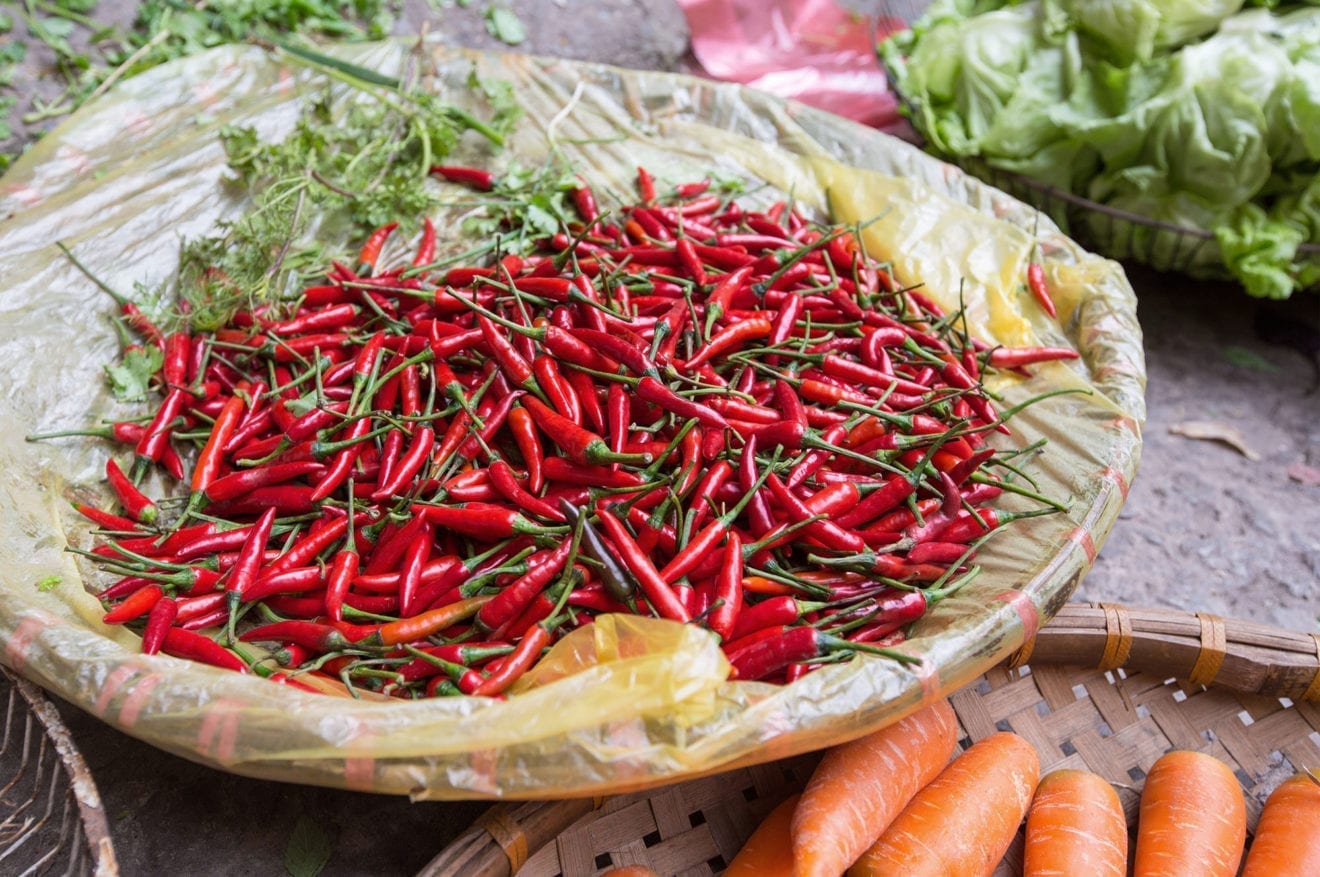
    In the first seven months of this year, Vietnam experienced a significant boost in its pepper export industry, achieving a total value of US$1.08 billion, which reflects a 10.1% increase from the same period last year. According to data from the Vietnam Pepper and Spice Association, the quantity of exported pepper reached a total of 168,429 tonnes, marking a 16.1% growth year-on-year.

    Global Markets for Vietnamese Pepper

    Asia continued to be the leading buyer of Vietnamese pepper, with imports totalling 76,845 tonnes. This figure represents a 12.3% increase from the previous year and accounts for 45.6% of Vietnam’s total pepper exports. Meanwhile, exports to America surged by 34% to 45,470 tonnes, and exports to Europe grew by 7.5%, reaching 36,140 tonnes. Africa also saw a 10% rise in imports, with a total of 9,964 tonnes.

    Within these regions, the U.S. remained the largest single market, with imports totalling 40,712 tonnes, reflecting a 31.8% increase year-on-year. Following closely behind, China imported 17,110 tonnes, marking a notable 55.8% growth. Other significant importers included the Netherlands and Thailand, which imported 6,136 tonnes and 6,913 tonnes, respectively. However, not all markets showed growth; exports to Germany and India declined by 18.1% and 26.4% respectively.

    On the other hand, Vietnam’s pepper imports reached a total of 48,812 tonnes, valued at $279.3 million. This represents a substantial increase of 55.1% in volume and 43% in value compared to the previous year. The leading supplier was Cambodia, which accounted for a staggering 52.1% of all inbound pepper, with imports increasing by 256.9% to a total of 25,413 tonnes.

    Vietnamese Pepper Industry’s Future Outlook

    Le Viet Anh, chairman of the Vietnam Pepper and Spice Association, anticipates that pepper prices will remain stable in the foreseeable future, assuming there are no major geopolitical disruptions. Despite facing increasing competition for land and stringent regulations, particularly the European Union Deforestation Regulation, the Vietnamese pepper industry remains optimistic.

    The association has suggested that the industry should shift its focus from expanding production to enhancing the quality, branding, and value addition of its products. In response to this, companies are being encouraged to increase investments in certified raw materials, strengthen collaborations with farmers, improve pesticide residue controls, enhance traceability systems, and fulfil all technical standards required by importing markets.

    Moreover, embracing sustainable practices such as regenerative agriculture, circular economy models, lower carbon emissions, and smarter water usage is recommended. These measures align with the rising trend of green consumption and can contribute to the industry’s resilience and future success.

    Questions & Answers

    What was the total value of Vietnam’s exported pepper in the first seven months of this year?
    The total value was US$1.08 billion, a 10.1% increase from the same period last year.

    Which countries are the largest importers of Vietnamese pepper?
    The U.S. and China are the largest importers, with the U.S. importing 40,712 tonnes and China importing 17,110 tonnes in the first seven months of this year.

    What future strategies are being proposed for the Vietnamese pepper industry?
    The Vietnam Pepper and Spice Association recommends enhancing the quality and branding of products, improving controls and traceability systems, fulfilling importing market standards, and embracing sustainable practices.

  • Vietnams Textile and Garment Exports Soar to $27B in First Seven Months

    Vietnams Textile and Garment Exports Soar to $27B in First Seven Months

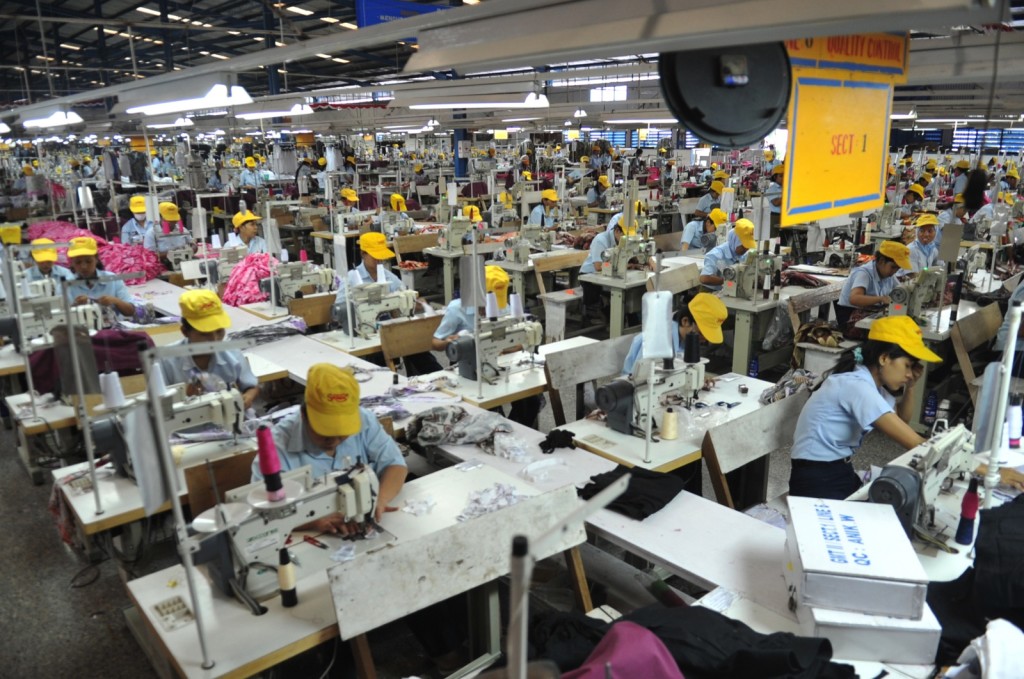
    In July, Vietnam experienced a significant boost in its textile and garment exports, with an estimated total worth of US$4.7 billion. This figure represents a 4.3% increase compared to the same period in the previous year, per official data. The notable July performance contributed to a total export turnover of $27.02 billion for the first seven months of the year, a 2.7% increase year on year. This growth indicates the industry’s ability to secure orders, expand markets, and enhance production, ensuring Vietnam’s strong presence on the global export map.

    Details of July’s Export Performance

    Apparel exports for July alone are estimated to be around $3.74 billion, an 8.9% increase month on month and a 2.1% increase year on year. The total amount of apparel shipments from January to July reached $21.13 billion, a modest increase of 0.70% compared to the same period in 2025.

    During the first seven months, a noteworthy area was the substantial growth of upstream products and garment inputs. Fiber and yarn exports brought in an estimated $2.730 billion, a year-on-year increase of 11.34%. Textile and garment accessories saw an 11.18% increase, contributing $929 million to export revenue.

    Fabric exports in July were valued at $1.763 billion, a 9.57% increase, while non-woven fabric exports amounted to $471 million, a 6.56% year-on-year increase.

    Vietnam’s Textile Imports and Future Outlook

    In July, Vietnam’s textile and garment imports hit $2.231 billion, a decrease of 6% from June, but an 8.0% increase year on year. For the first seven months of the year, imports totaled $15.255 billion, a 3.27% year-on-year increase.

    Fabric imports made up $8.936 billion of the total imports, a 2.08% increase; textile and garment accessories amounted to $2.605 billion, a 3.60% increase; and cotton imports stood at $1.885 billion, a 1.02% increase.

    Looking to the future, it’s important to note that major import markets are focusing more on sustainable development, raw material traceability, carbon emission reductions, and social responsibility. Vietnamese enterprises have been more proactive in the supply chain and are less dependent on imported raw materials, as evidenced by the strong growth in fiber, fabric, and accessory exports over the past seven months.

    To keep growing and reach their annual targets, companies are advised to embrace green transition, invest in energy-efficient technologies, tap into niche markets, and fully utilize incentives built into free trade agreements.

    In order to maintain growth through 2026, experts recommend that companies stay informed about international trade policy changes, particularly strict European regulations related to the circular textile and garment economy. Creating environmentally friendly fashion items, using recycled fibers, and meeting environmental standards will be key to gaining better access to premium market segments.

    Questions & Answers

    What was the total export turnover for the first seven months of the year?
    The total export turnover for the first seven months of the year was $27.02 billion.

    What contributed to the significant growth of Vietnam’s upstream products and garment inputs?
    The growth can be attributed to Vietnamese enterprises becoming more proactive in the supply chain and reducing their dependence on imported raw materials.

    What strategies are recommended for Vietnamese companies to maintain growth through 2026?
    Companies are advised to stay informed about international trade policies, create environmentally friendly fashion items, use recycled fibers, and meet environmental standards. They should also invest in energy-efficient technologies and diversify into niche markets.

  • Skyrocketing Demand: Docomos Starlink Direct Soars to 5 Million Subscribers in Just Two Months

    Skyrocketing Demand: Docomos Starlink Direct Soars to 5 Million Subscribers in Just Two Months

    NTT DOCOMO, a prominent telecommunications company, has reported a remarkable surge in subscribers for its innovative Docomo Starlink Direct service. The subscription numbers exceeded 5 million just over two months after the service was launched, signaling a robust initial demand for direct-to-device (D2D) connectivity in Japan.

    A New Era in Mobile Connectivity

    The Docomo Starlink Direct service, which was launched on April 27, achieved this impressive milestone within approximately two months. The service facilitates a direct link for compatible smartphones to SpaceX’s Starlink satellites, bypassing the need for terrestrial base stations. It provides comprehensive coverage across Japan, extending up to 12 nautical miles offshore.

    The company attributes this rapid adoption to the growing interest in satellite-enabled mobile connectivity. Among the operator’s 92 million mobile subscribers, a substantial percentage of users with compatible devices have already activated the feature.

    Currently, the company supports 89 smartphone models for the service. Over 25 million compatible devices are already in operation. The Docomo Starlink Direct service contrasts with traditional satellite services, which necessitate specialized hardware. Instead, this service operates intuitively on supported smartphones, eliminating the need for users to register or subscribe separately. Furthermore, the company ensures that satellite data usage is not deducted from customers’ monthly mobile data allowances. Currently, the service is offered at no extra charge.

    The service allows for text messaging, location sharing, and compatible data applications in places where terrestrial mobile networks cannot reach.

    The Future of D2D Satellite Market

    The launch of this service firmly establishes NTT DOCOMO’s foothold in Japan’s burgeoning D2D satellite market. In this space, all major mobile operators are introducing satellite-supported connectivity.

    Operators in Japan view satellite connectivity as a solution to close the remaining mobile coverage gaps in the country’s remote and mountainous regions. This is despite the fact that terrestrial networks already cover over 99% of the country’s population. In addition to extending coverage, these services aim to ensure resilient communication when typical mobile infrastructure is compromised by natural disasters, such as earthquakes and tsunamis.

    Questions & Answers

    What is the Docomo Starlink Direct service?
    The Docomo Starlink Direct is a service offered by NTT DOCOMO that allows compatible smartphones to connect directly to SpaceX’s Starlink satellites, providing coverage across Japan and up to 12 nautical miles offshore.

    How is the service different from traditional satellite services?
    Unlike traditional satellite services which require dedicated hardware, Docomo Starlink Direct operates automatically on supported smartphones, without requiring users to register or subscribe separately.

    What is the purpose of these satellite connectivity services?
    The main purpose of these services is to close the remaining mobile coverage gaps in remote and mountainous regions and provide resilient communications when conventional mobile infrastructure is disrupted by unforeseen circumstances like natural disasters.

  • Vietnamese Lobster Exports to China Skyrocket to $506M in 5 Months, Up 44.3% YoY

    Vietnamese Lobster Exports to China Skyrocket to $506M in 5 Months, Up 44.3% YoY

    China has solidified its position as the leading consumer of Vietnamese lobster for the first five months of this year, purchasing over $506 million worth of the seafood delicacy. This figure represents an impressive increase of 44.3% compared to the same period last year. The surge in imports reached its zenith in February, when China imported $154 million worth of Vietnamese lobster, a staggering 150% increase year-on-year. In the subsequent months, the importation figures have remained consistently strong, ranging between $78 million and $87 million.

    Unwavering Demand and Favorable Conditions

    The steady consumption of Vietnamese lobster in China is largely attributable to the incessant demand for live seafood, particularly within the more opulent spectrum of the market such as restaurants, banquets, and gift-giving. Vietnamese lobster boasts several competitive advantages in the Chinese market, such as its geographical proximity which guarantees shorter transportation times, thereby maintaining the quality of live shipments.

    Additionally, transportation methods are diverse, with exporters having the capacity to supply the market via both land and air transport. Notably, small to medium-sized blue lobsters have proven to be competitively priced and well aligned with the taste preferences of Chinese consumers.

    The Changing Dynamics of Seafood Supply

    Apart from these natural advantages, shifts in the global supply chain have opened doors for Vietnamese exporters. In recent times, several traditional suppliers, such as Canada, the U.S., and Australia, have been impacted by tariffs, trade disruptions, or slow recovery in production. This has created a niche for Vietnamese lobster to broaden its market share.

    As a result, Vietnam has evolved into one of China’s critical suppliers of lobster. This progression has laid a strong foundation for continued export growth within this year.

    Industry specialists project that if the consumer demand in China remains steady and exporters persist in supplying high-quality products, there will be additional room for growth in Vietnamese lobster exports in the second half of the year. However, it will be crucial for the industry to keep a close eye on any changes in China’s import policies, quarantine requirements, and quality standards to retain its competitive advantage and sustain its growth.

    Questions & Answers

    What has contributed to the increase in Chinese imports of Vietnamese lobster?

    The surge in Chinese imports of Vietnamese lobster can be attributed to the steady demand for live seafood, particularly in upscale settings, as well as the competitive advantages Vietnamese lobster offers, including close geographical proximity and diversity in transport methods.

    How have global supply chain shifts benefited Vietnamese lobster exporters?

    Changes in the global supply chain, including tariffs, trade disruptions, and slow production recovery affecting traditional suppliers, have created opportunities for Vietnamese lobster to expand its market share.

    What factors will be crucial for the future growth of Vietnamese lobster exports?

    The future growth of Vietnamese lobster exports will depend on the stability of consumer demand in China, the ability of exporters to maintain a reliable supply of high-quality products, and careful monitoring of changes in China’s import policies, quarantine requirements, and quality standards.

  • Vietnam’s Pepper Exports Heat Up with 21.7% Rise in Five Months, US Leading the Demand

    Vietnam’s Pepper Exports Heat Up with 21.7% Rise in Five Months, US Leading the Demand

    In the first five months of 2026, Vietnam saw a significant increase in its pepper exports, with 122,600 tonnes exported, marking a rise of 21.7% from the previous year. The collective value of these shipments was US$789.2 million, representing a 13.9% surge year-on-year, as reported by the Vietnam Pepper and Spice Association.

    Primary Markets and Export Performance

    The United States emerged as the leading market, accounting for nearly 24.5% of the total exports, or 30,000 tonnes, marking a growth of 30.2% from the previous year. China followed closely with a staggering 145.4% rise, importing 14,636 tonnes.

    In terms of regional consumption, Asia led as the largest consumer, importing 56,570 tonnes, or 46% of the total product, marking a 24% rise year-on-year. Europe also saw a rise in imports by 5.1%, totalling 25,176 tonnes. Remarkably, the Netherlands boosted their imports by 51.6%, but Germany saw a 30.7% drop.

    The increase in exports can be attributed to a strong performance in the first and early second quarters, coupled with increased demand from major markets amid a tightening global supply. However, in May, pepper export volume experienced a decline of 18.9% from April and 4.8% year-on-year, totalling 25,180 tonnes worth $166.2 million.

    Import Trends and Other Exports

    On the import side, Vietnam purchased 38,086 tonnes of pepper valued at $217.8 million, marking a 69% rise year-on-year in volume and 60% in value. Cambodia emerged as the primary supplier, accounting for 54.6% of imports, followed by Brazil with a 29.1% share.

    In addition to pepper, Vietnam’s cinnamon exports also witnessed growth. The country exported 48,686 tonnes of the spice, totalling $124.3 million in the first five months, marking a 2% increase in volume and a 1% increase in value from the previous year. Asia accounted for 67.8% of these exports, while the Americas constituted 22.4%.

    Questions & Answers

    What was the total volume and value of pepper exported from Vietnam in the first five months of 2026?
    122,600 tonnes of pepper were exported, with a value of US$789.2 million.

    Which countries were the main buyers of Vietnamese pepper?
    The United States and China were the main buyers, importing 30,000 tonnes and 14,636 tonnes respectively.

    What trends were observed in Vietnam’s cinnamon exports?
    Vietnam’s cinnamon exports also saw a rise, with 48,686 tonnes exported, valued at $124.3 million. Asia and the Americas were the main markets for Vietnamese cinnamon.

  • Daiso to Close Another Singapore Store in Four Months: An 18-Year Legacy Ends

    Daiso to Close Another Singapore Store in Four Months: An 18-Year Legacy Ends

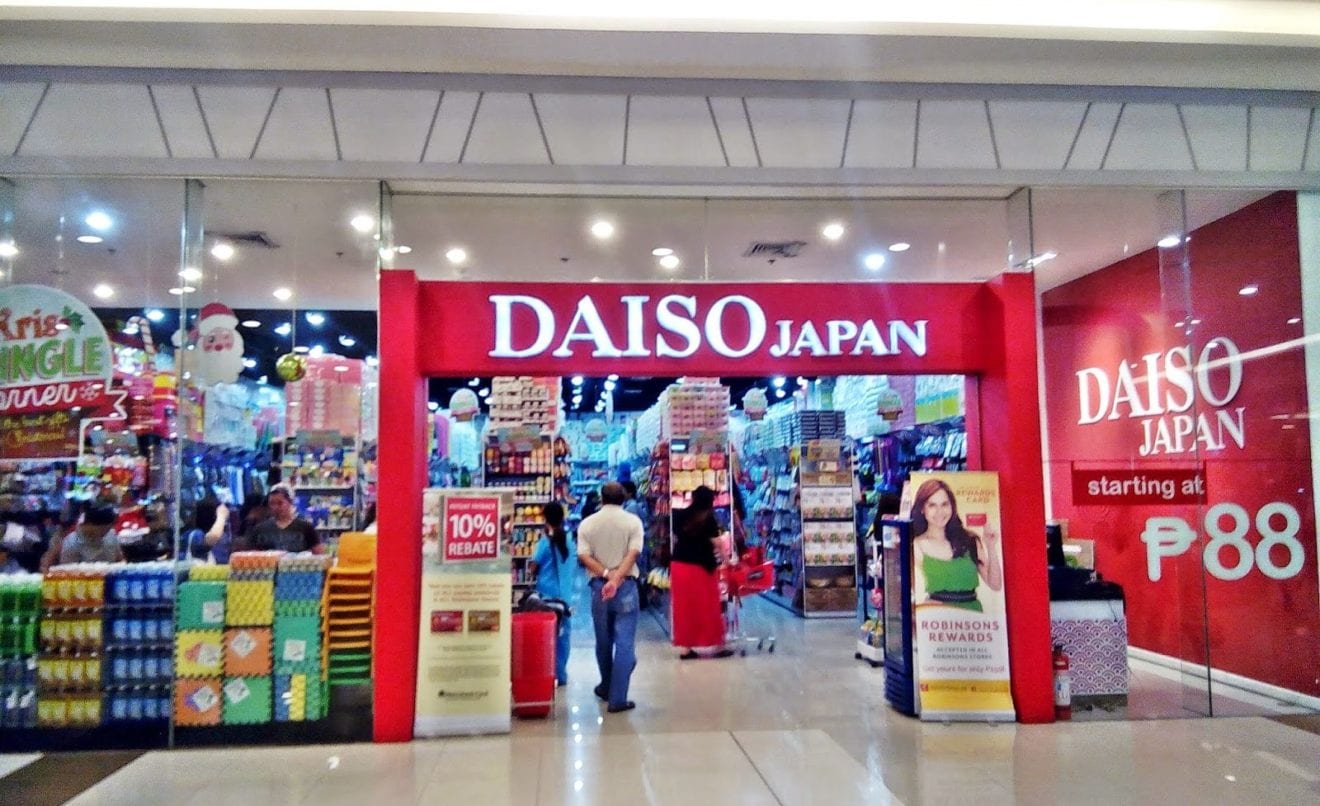
    Daiso, a well-known Japanese retail chain offering a variety of economical household items, is preparing to shutter its second store in a span of four months after a lengthy 18 years of operation. The Daiso Sembawang Shopping Centre location is scheduled to cease operations beginning April 6, 2026, according to an announcement from Daiso Singapore. The company has not provided an explanation for the impending closure.

    A Look at the Store’s History

    The Daiso Sembawang Shopping Centre first opened its doors in 2008 and underwent a significant expansion in 2021. This expansion introduced the Threeppy concept store, specializing in an array of “cute and fashionable” products.

    The upcoming closure of this location follows on the heels of two other recent closures — the Daiso outlets at the 100 AM mall, which closed in January, and the Kinex location in Tanjong Katong, which shuttered last July.

    Daiso’s Presence in Singapore

    As of March 26, Daiso maintains a notable presence in Singapore. The retail chain, renowned for its flat SGD2 (US$1.56) price point on its most affordable items, operates a total of 33 stores throughout the country. Daiso’s pricing can reach up to SGD20 for specialized items, with these prices not inclusive of tax.

    Daiso’s product line is diverse, encompassing a wide range of goods, from housewares, toys and stationery to decorations and gifts.

    Questions & Answers

    Why is Daiso closing its Sembawang Shopping Centre location?
    The company has not yet released a statement regarding the reason for the store’s impending closure.

    When did the Daiso Sembawang Shopping Centre location first open?
    The store first opened in 2008 and expanded in 2021 to include the Threeppy concept store.

    How many Daiso stores are in operation in Singapore as of March 26?
    As of this date, there are 33 Daiso retail stores in operation across Singapore.

  • Vietnam’s Import-export Turnover Hits Record $680.66b In 2025, Reflecting 17.3% Yoy Increase

    Vietnam’s Import-export Turnover Hits Record $680.66b In 2025, Reflecting 17.3% Yoy Increase

    In the initial three quarters of 2025, Vietnam’s total import-export turnover reached a staggering $680.66 billion, which signifies a 17.3% increase in comparison to the same period in the previous year.

    Exponential Export Growth

    The National Statistics Office released data revealing export figures of $348.74 billion during this period, marking an impressive 16% year-on-year rise. The domestic economic sector contributed 24.5%, or $85.41 billion, to the total sum, reflecting a modest 2% annual increase. Meanwhile, the foreign-invested sector, including crude oil, made a more substantial contribution of $263.33 billion, posting a robust 21.4% year-on-year surge.

    A breakdown of the export data shows 32 items with exports surpassing the $1 billion threshold, accounting for 93.1% of the total export turnover. Notably, seven of these items exceeded a hefty $10 billion each.

    Category Analysis

    Further analysis by category illuminates that manufactured industrial products led the pack, generating $309.03 billion or 88.6% of the total exports. Following this were agro-forestry products, with earnings of $29.51 billion, equivalent to 8.5% of the total. Aquatic products and fuels and minerals contributed $8.17 billion (2.3%) and $2.03 billion (0.6%) respectively.

    Import Increase

    On the other side of the trade coin, imports amounted to $331.92 billion during the same period, reflecting a significant 18.8% increase from the prior year. The domestic sector accounted for $105.67 billion of this total, up 4.6%, while an impressive $226.25 billion, up 26.8%, was attributed to the foreign-invested sector.

    In terms of individual items, 43 surpassed the $1 billion mark, contributing to 92.9% of the total import value. Among these, three items went beyond $10 billion.

    Examining imports by category, production inputs formed the vast majority, accounting for $311.22 billion or 93.8%. The remaining $20.7 billion comprised consumer goods.

    Trade Surplus and Services Trade

    Vietnam registered a trade surplus of $16.82 billion in the first nine months of 2025, according to the National Statistics Office.

    Simultaneously, service exports and imports were estimated at $21.99 billion and $30.29 billion respectively, marking a 19.1% and 16.3% increase year-on-year. This resulted in a service trade deficit of $8.3 billion for the period.

    Questions & Answers

    What was the total import-export turnover for Vietnam in the first nine months of 2025?
    The total import-export turnover for Vietnam during this period was $680.66 billion.

    What sector made the most substantial contribution to Vietnam’s exports in this timeframe?
    The foreign-invested sector made the most significant contribution, accounting for $263.33 billion of the total exports.

    How much was Vietnam’s trade surplus in the first nine months of 2025?
    Vietnam recorded a trade surplus of $16.82 billion in the first nine months of 2025.